Artwork
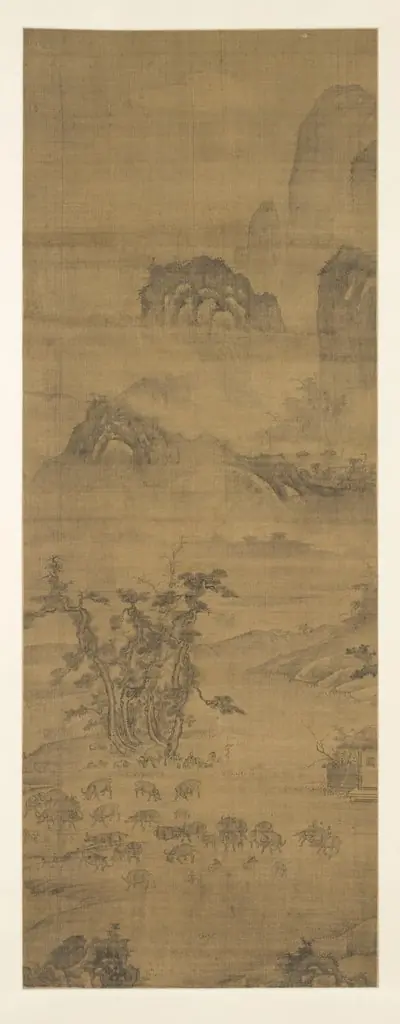
Water Buffaloes in a Mountain Valley
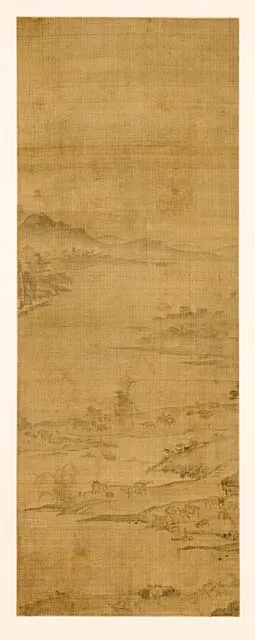
Water Buffaloes in a Mountain Valley is an unspecified painting by the Mannerist artist Unknown. It dates from 1550 and is held in the collection of the Los Angeles County Museum of Art.
About this work
This painting is from a long time ago, and that's interesting because it shows what artists were thinking about back then.
This painting is called Water Buffaloes in a Mountain Valley.
It was made in 1550.
The Los Angeles County Museum of Art has this painting, and it's a landscape, which means it depicts natural scenery.
The artist is not well-known to me, so I won't speculate about their style or influences.
This painting is from a long time ago, and that's interesting because it shows what artists were thinking about back then.
Check out the museum: Los Angeles County Museum of Art.
Overview
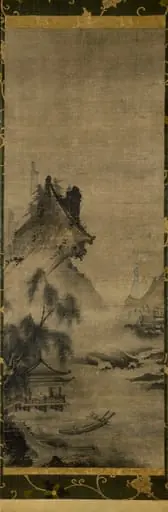
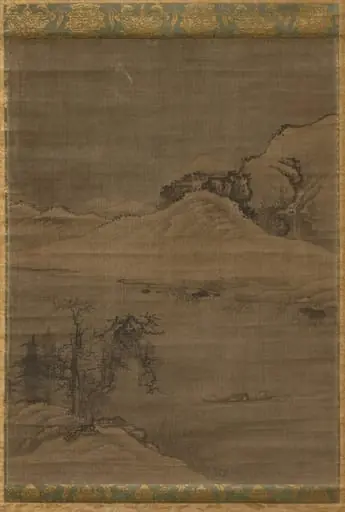
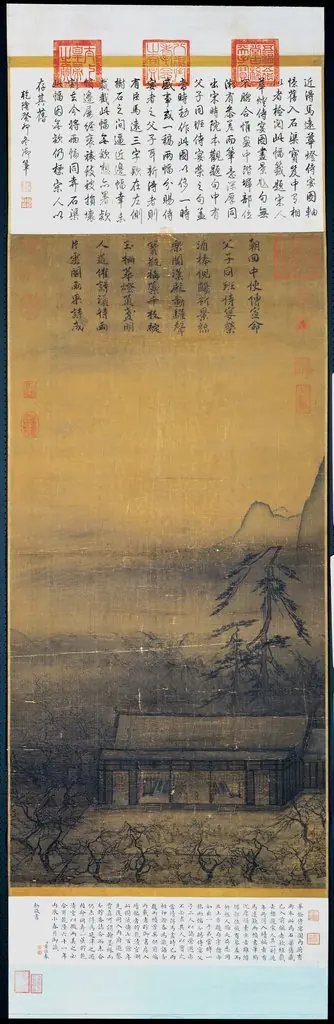
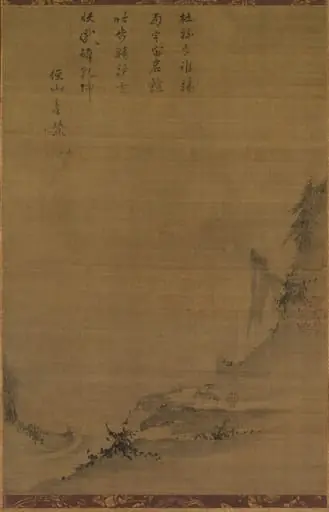
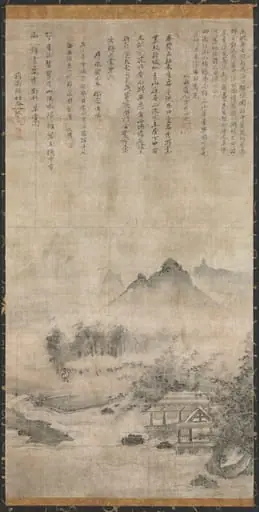
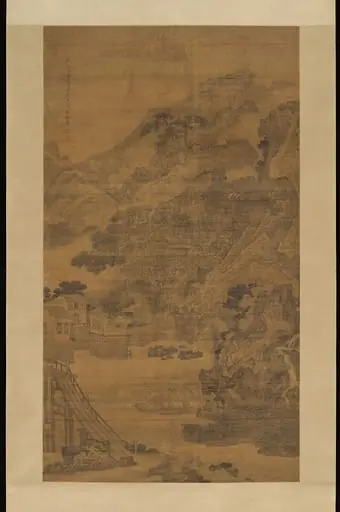
Water Buffaloes in a Mountain Valley is a mid‑sixteenth‑century painting dated to 1550. The work is part of the collection at the Los Angeles County Museum of Art and is classified as a landscape, presenting a natural scene populated by domesticated animals within a mountainous setting.
Subject & Meaning
The composition centers on a herd of water buffaloes moving through a valley framed by rugged hills. By placing these working animals in a remote, scenic environment, the image suggests a harmonious relationship between human‑tamed livestock and the broader natural world, a theme common in early landscape art.
Technique & Style
Although the artist’s identity remains unknown, the painting employs the conventional techniques of its period, likely using tempera or oil on panel to render detailed foliage and atmospheric depth. The handling of light across the valley and the careful modeling of the buffaloes reflect the observational approach typical of 16th‑century European landscape painting.
History & Provenance
Created in 1550, the work eventually entered the Los Angeles County Museum of Art’s holdings, though the precise chain of ownership before its acquisition is not documented in the available records. Its presence in a major public institution underscores its value as a representative example of early landscape painting.
Context
The mid‑1500s saw a growing interest among European artists in depicting expansive natural settings beyond purely religious or mythological subjects. This painting aligns with that shift, offering a secular view of rural life and geography that would later influence the development of the landscape genre in Western art.
Artist & collection

 Domestic Scene
 Giacomo and Cardinal Marco, investing Andrea, Abbot of San Zeno, with his Benefice
 The Nymph of Fontainebleau
 Portrait of a Woman
 Madonna and Child with Saints in the Enclosed Garden
 Venus and Minerva
 Family Group of Four on Sofa
 Wall painting from Room H of the Villa of P. Fannius Synistor at Boscoreale