Artwork
Roundel with the Blinding of Zaleucus of Locria
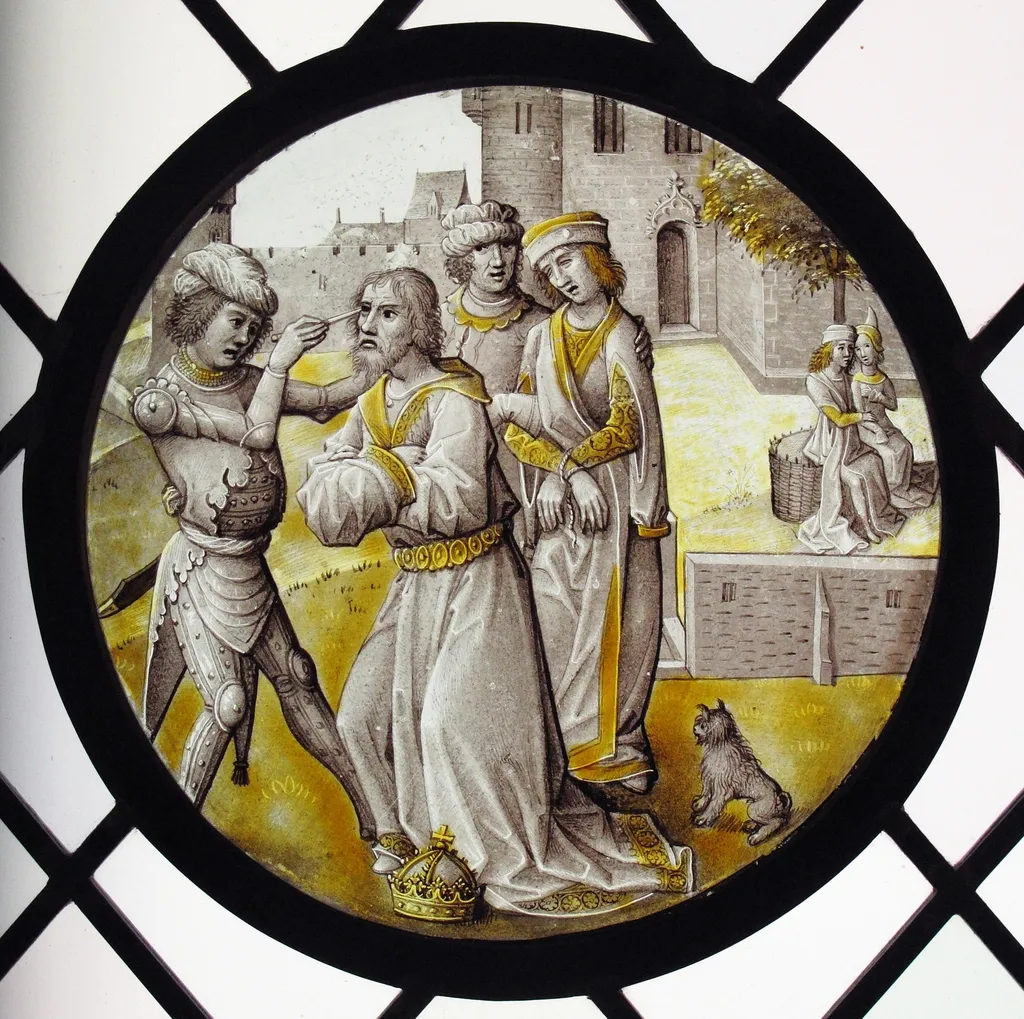
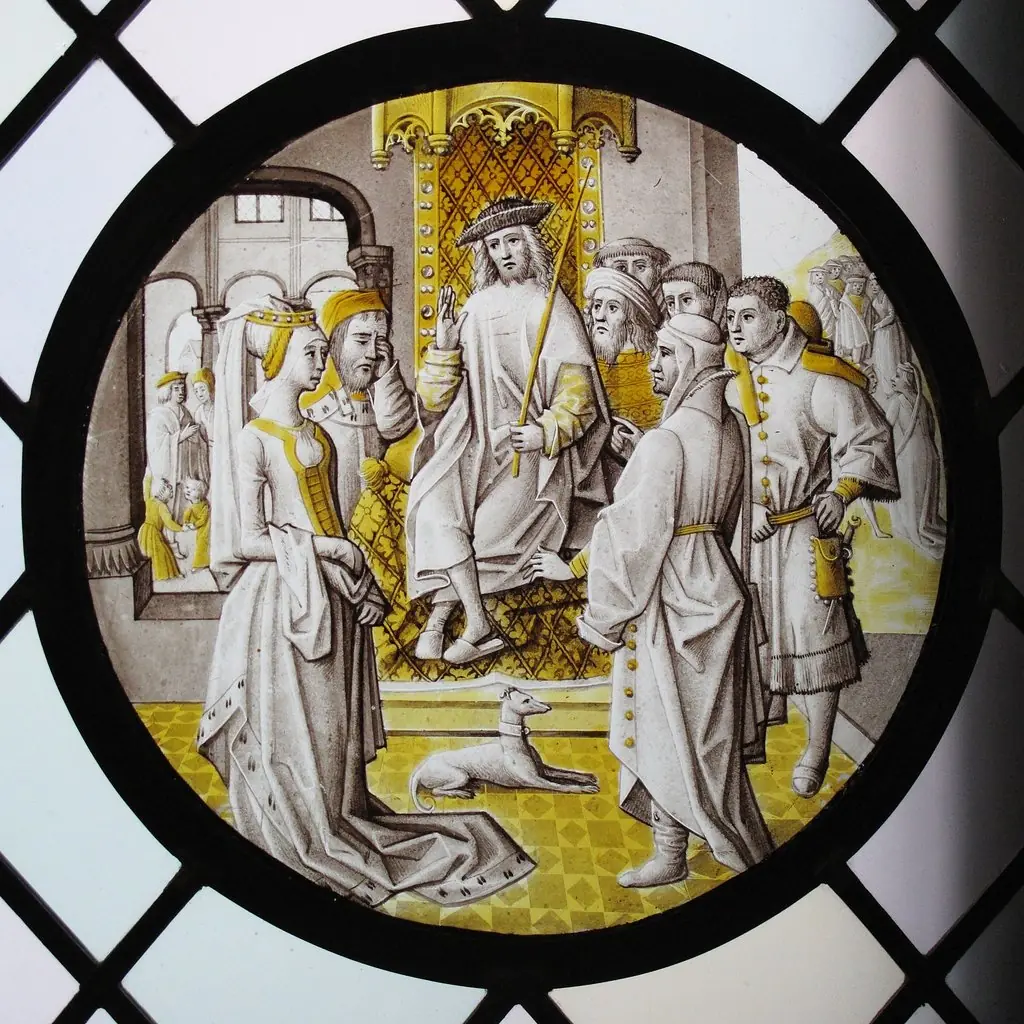
Roundel with the Blinding of Zaleucus of Locria is an unspecified painting. It dates from 1510 and is held in the collection of the Metropolitan Museum of Art. The work is a circular panel depicting a courtyard scene in which a group of four men is gathered around a central, dramatic episode.
About this work
Overview
An armored figure brandishes a sword toward a crowned individual who clutches his eyes in apparent agony, while two plainly dressed onlookers observe.
The work is a circular panel depicting a courtyard scene in which a group of four men is gathered around a central, dramatic episode. An armored figure brandishes a sword toward a crowned individual who clutches his eyes in apparent agony, while two plainly dressed onlookers observe. A cat rests on the ground, and a servant bearing a basket appears in the background, all set against stone walls and a distant church tower.
Subject & Meaning
The narrative portrays the moment of the blinding of Zaleucus of Locria, a mythic punishment wherein a ruler is struck in the eyes. The composition emphasizes the violent act and the victim’s suffering, underscored by the onlookers’ passive presence, suggesting themes of authority, retribution, and the vulnerability of power.
Technique & Style
Executed in a round format, the painting employs strong chiaroscuro, juxtaposing bright gold highlights with deep shadows to heighten the drama. The contrast between the richly dressed monarch and the modest attire of the other figures accentuates social hierarchy, while the careful rendering of textures—armor, fabric, stone—demonstrates a meticulous handling of light.
History & Provenance
The panel’s provenance is not detailed in the source material, and no specific dates or owners are mentioned. Its subject matter aligns with classical and Renaissance interests in mythological punishment, suggesting it may have been created for a private collector or a civic setting interested in moral exempla.
Context
Depictions of punitive myths were common in European art as moralizing devices, often displayed in domestic or public spaces to convey lessons about justice. The inclusion of everyday details—a cat, a servant with a basket—grounds the myth in a familiar environment, reflecting a trend toward integrating narrative with quotidian realism.
Artist & collection

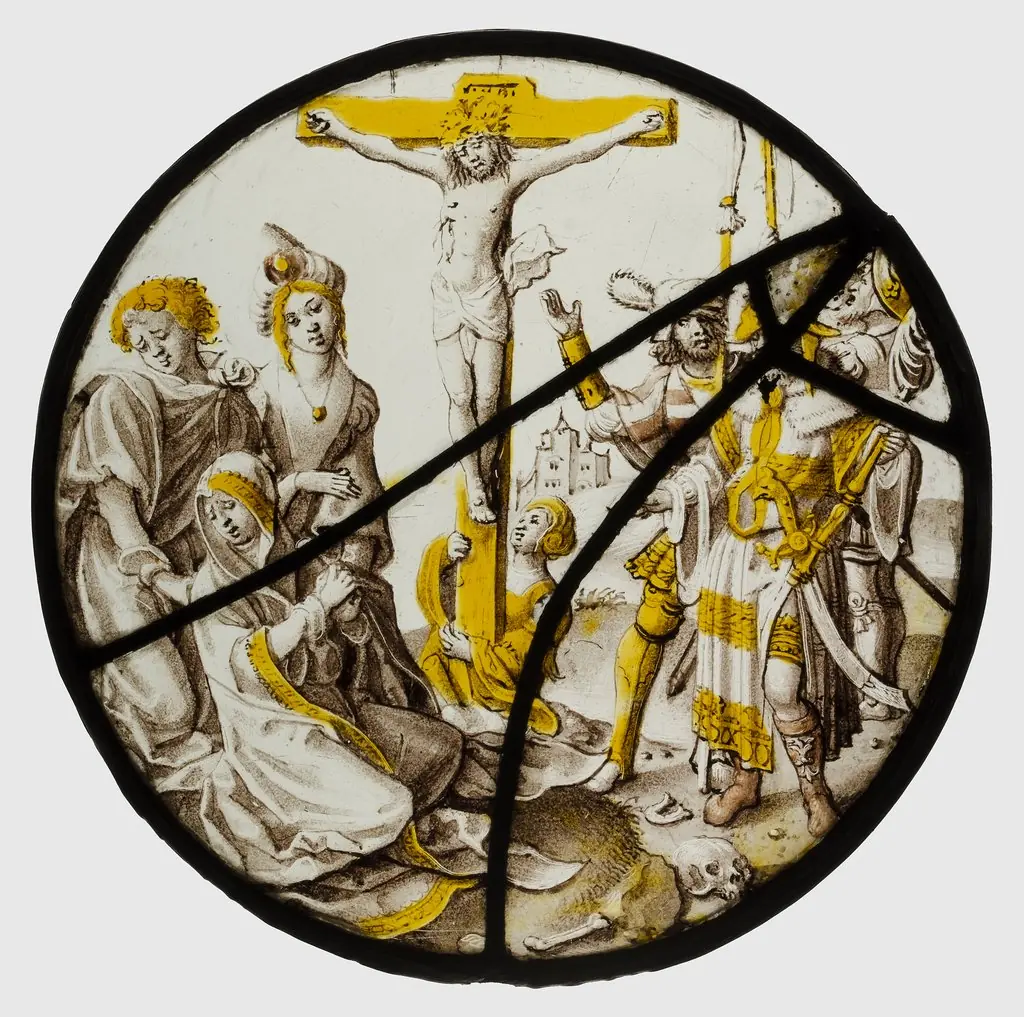 Roundel with the Crucifixion
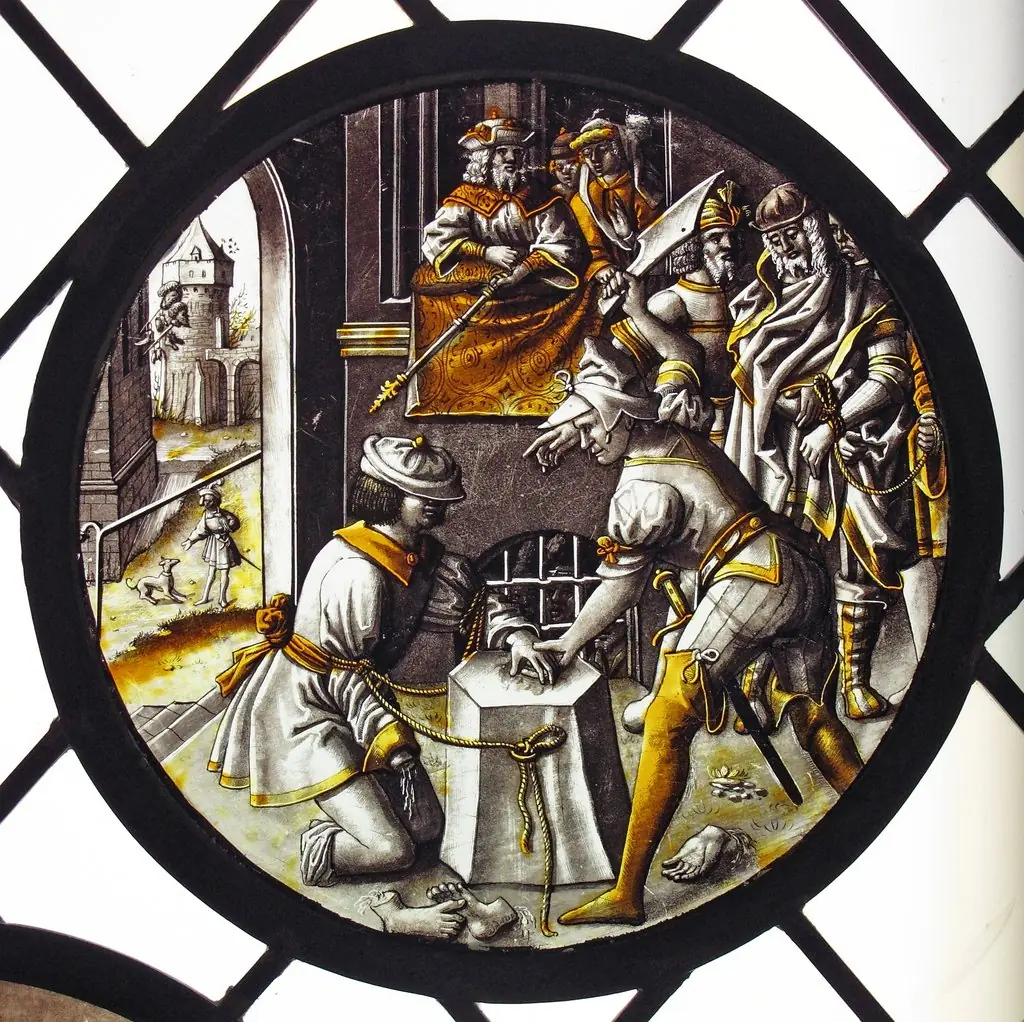 Roundel with Martyrdom of Saint Jacobus Intercisus
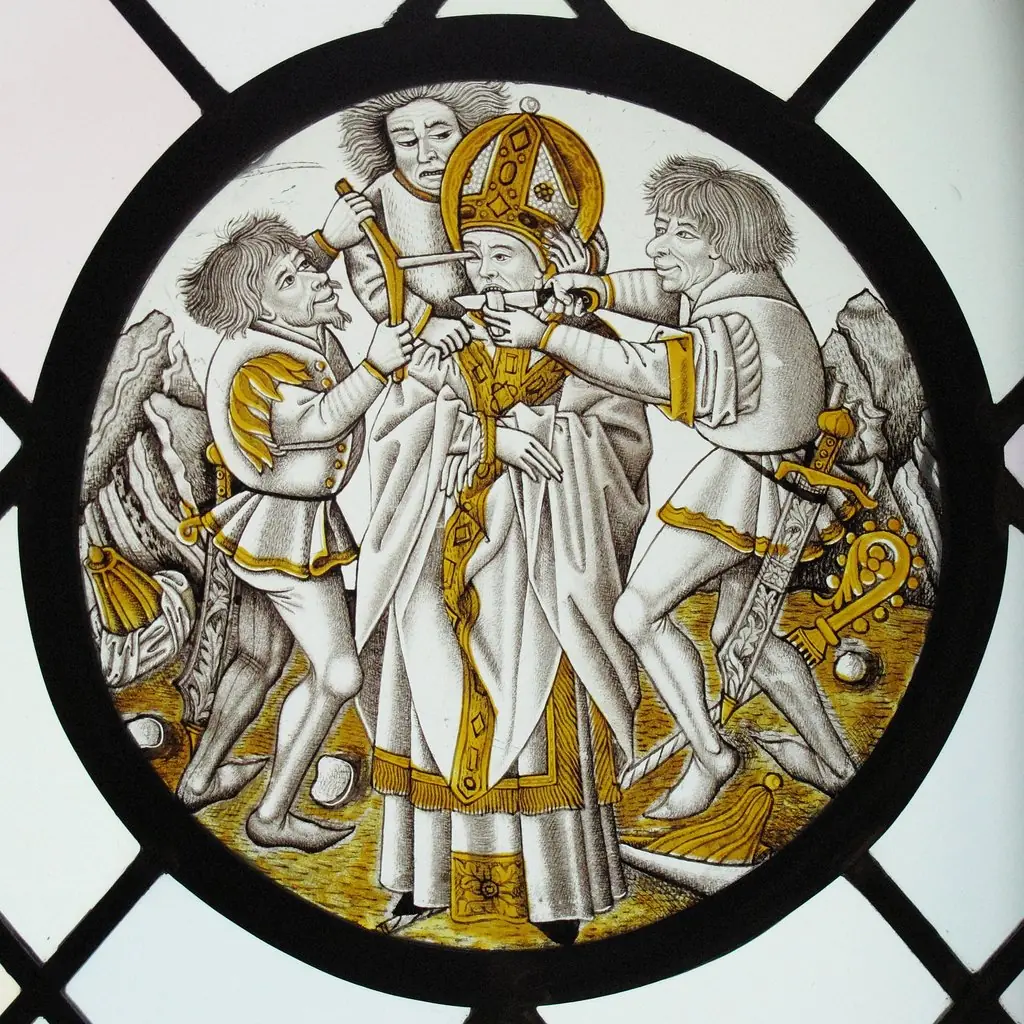 Roundel with Martyrdom of Saint Leger
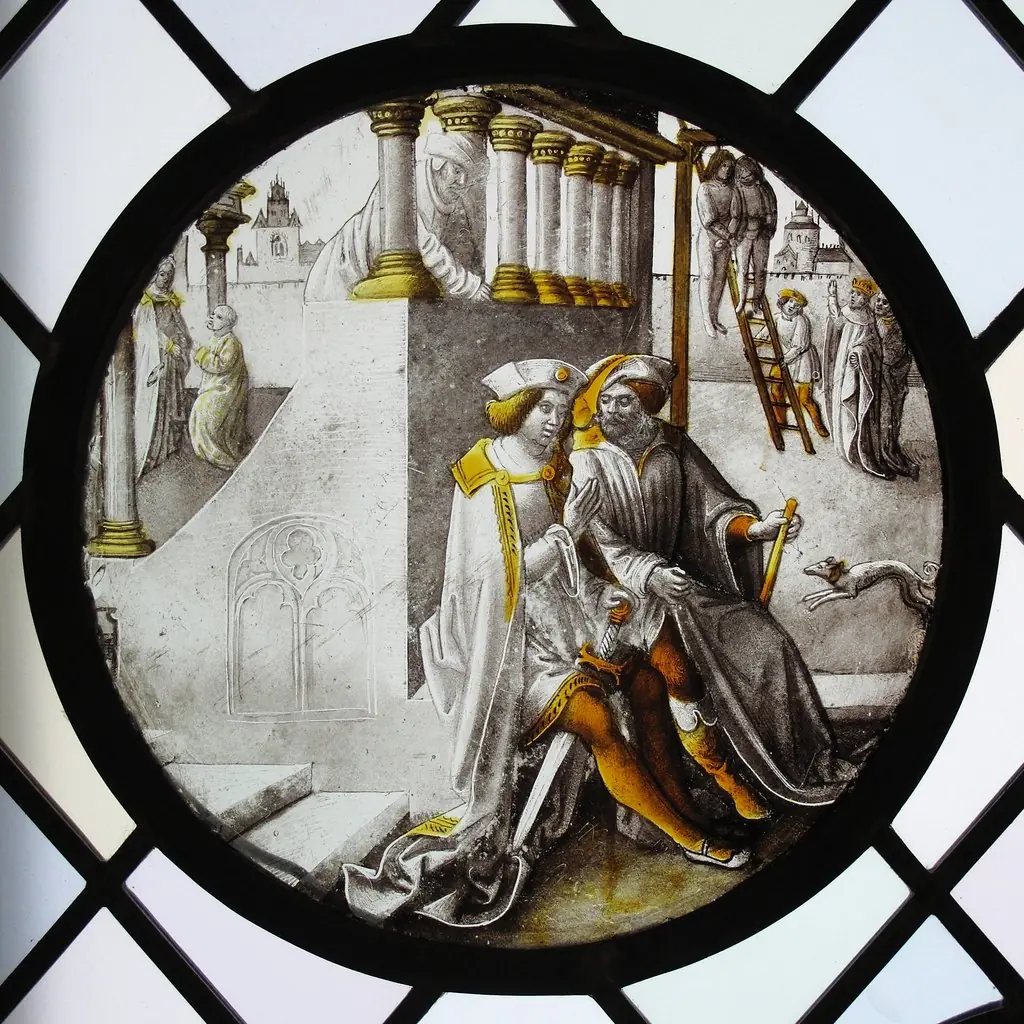 Roundel with Mordecai Overhearing the Conspirators
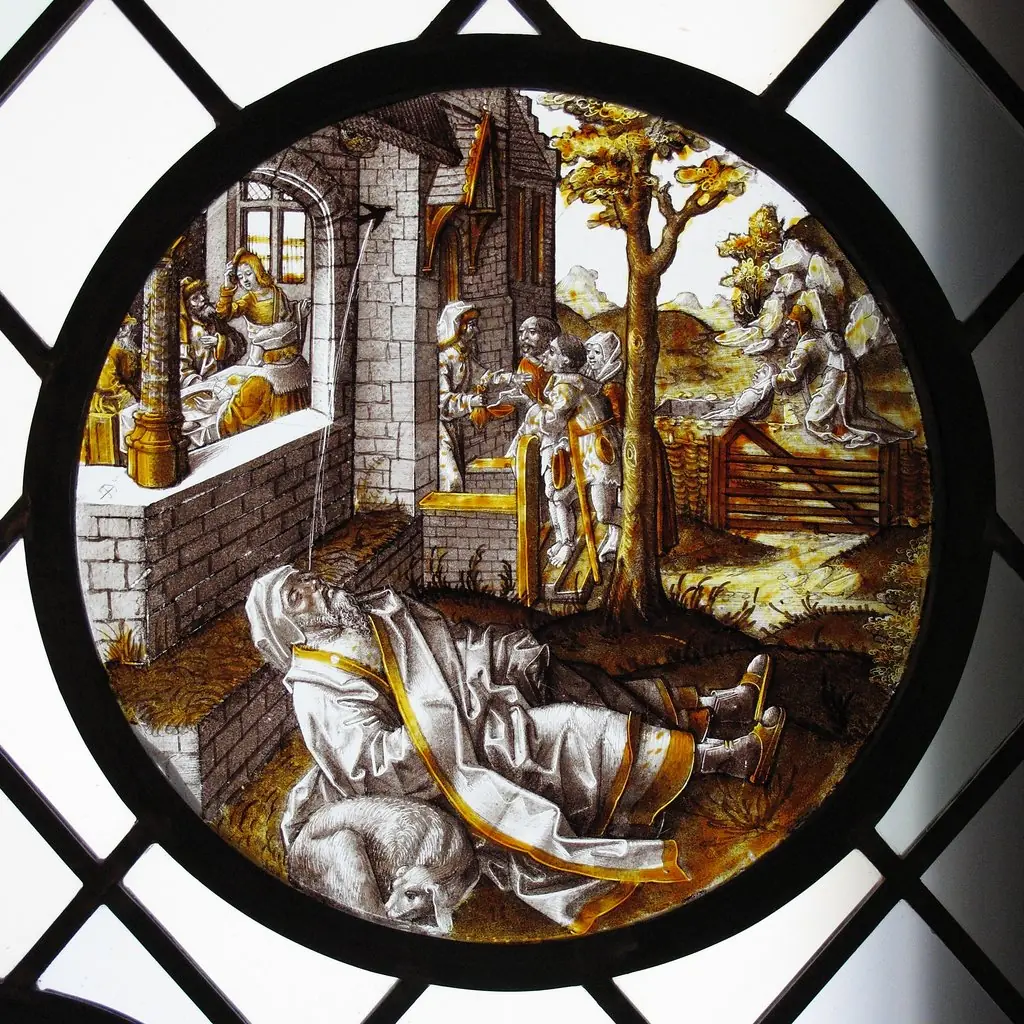 Roundel with the Blinding of Tobit (from a Series)
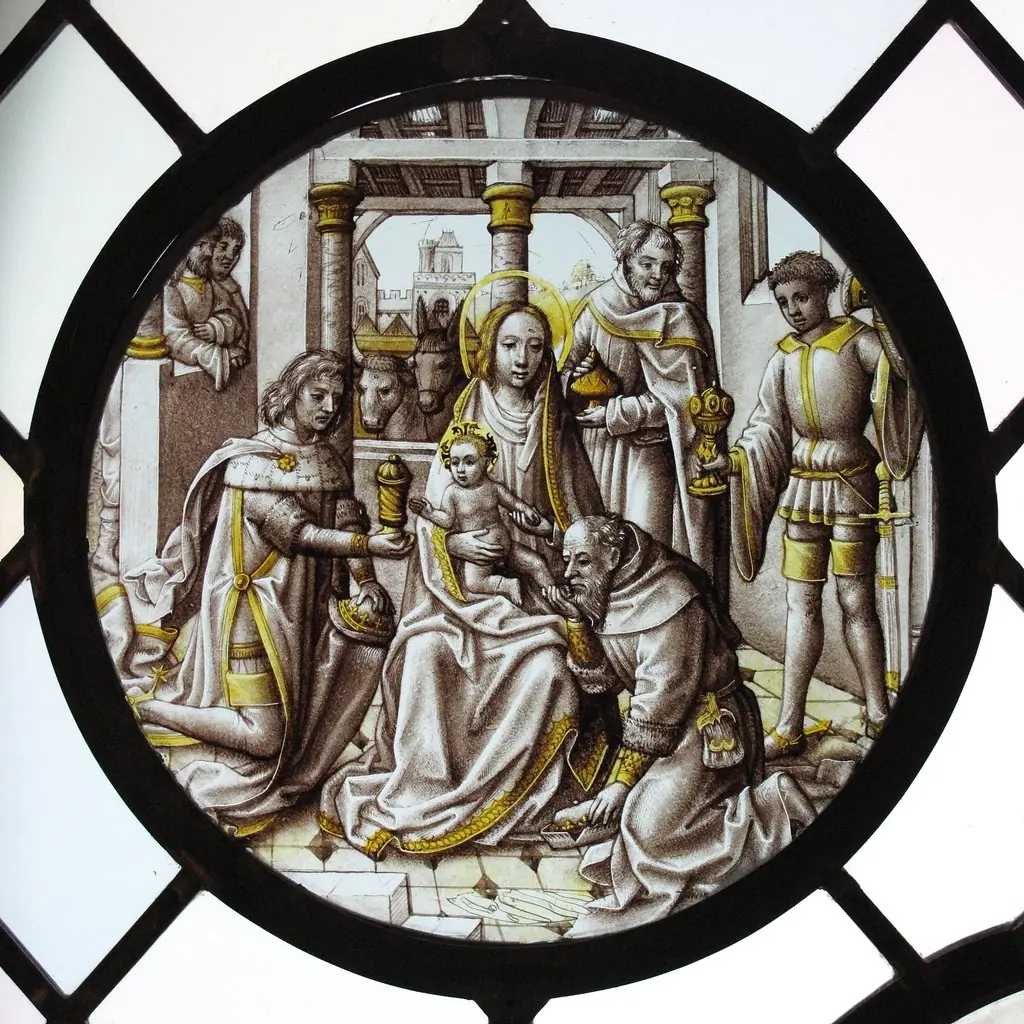 Roundel with the Adoration of the Magi
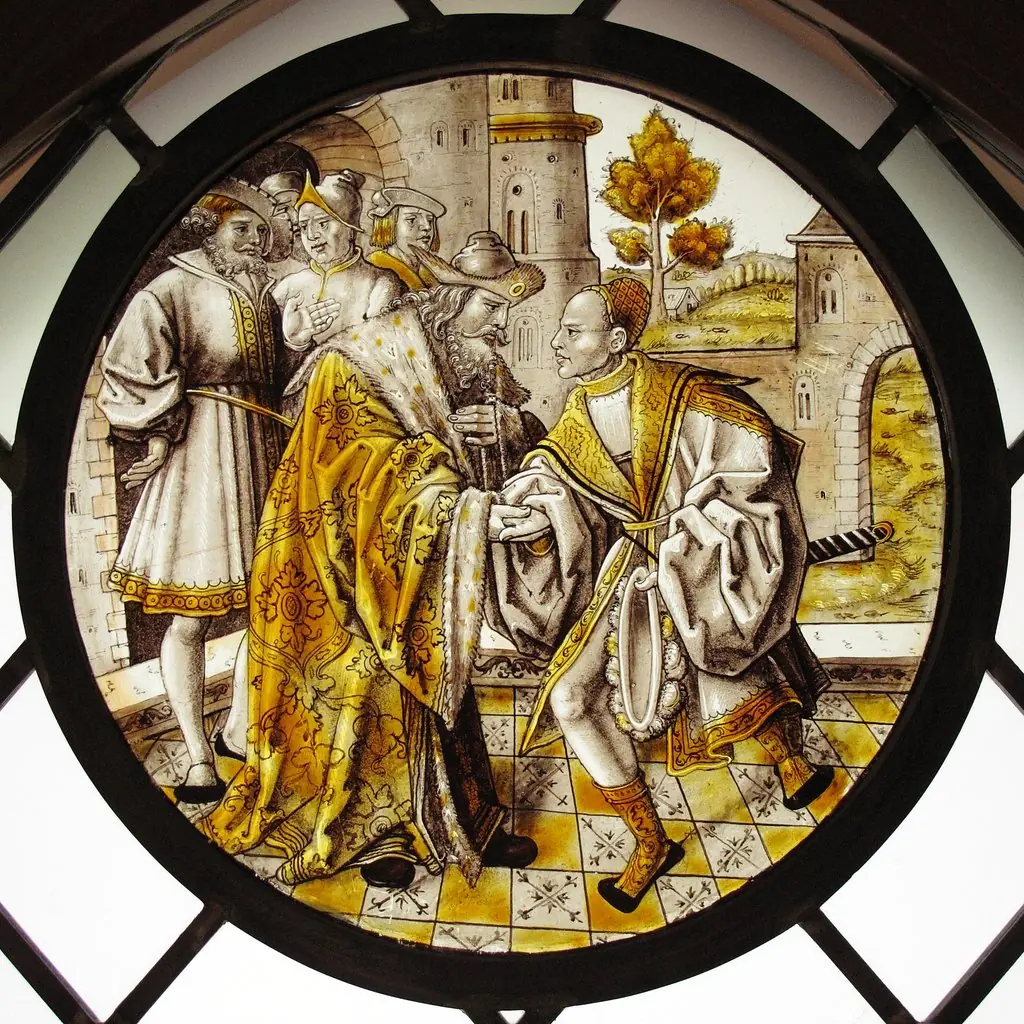 Roundel with Return of the Prodigal Son
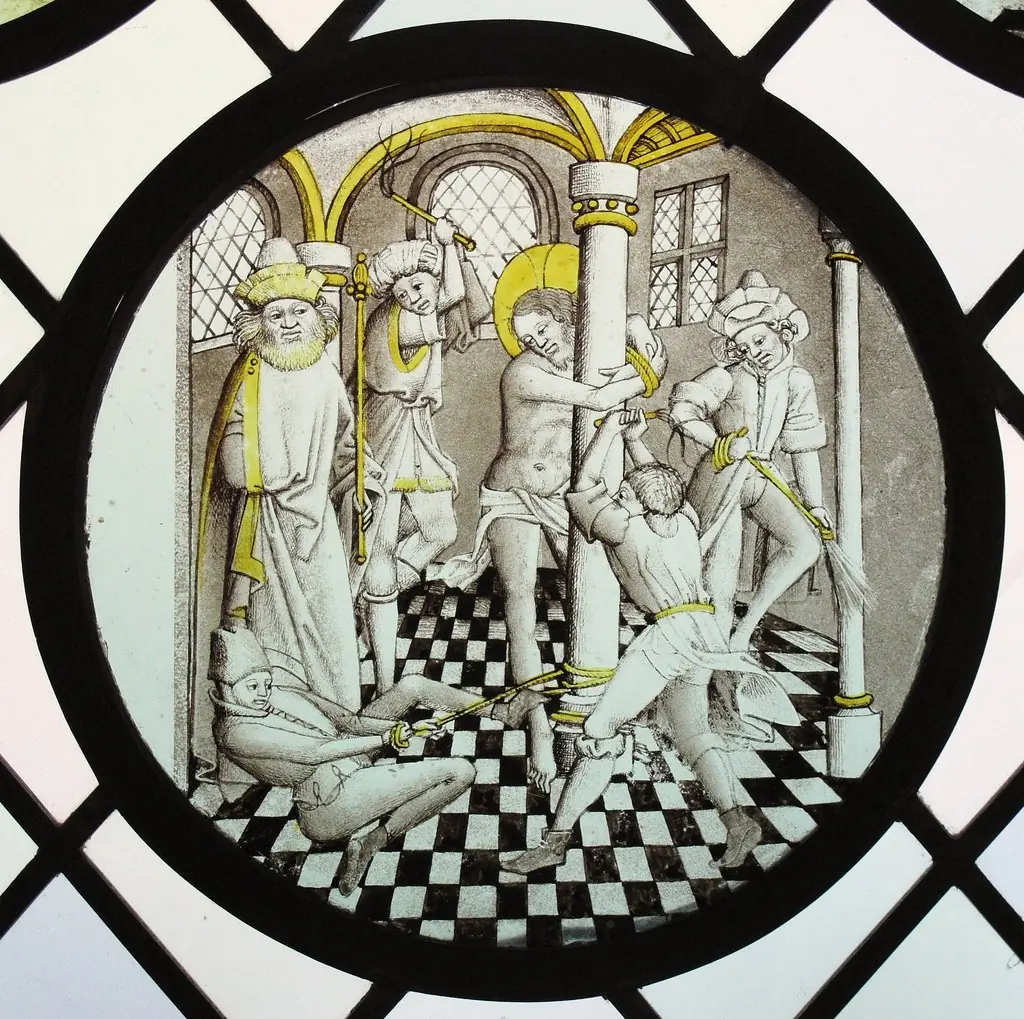 Roundel with the Flagellation
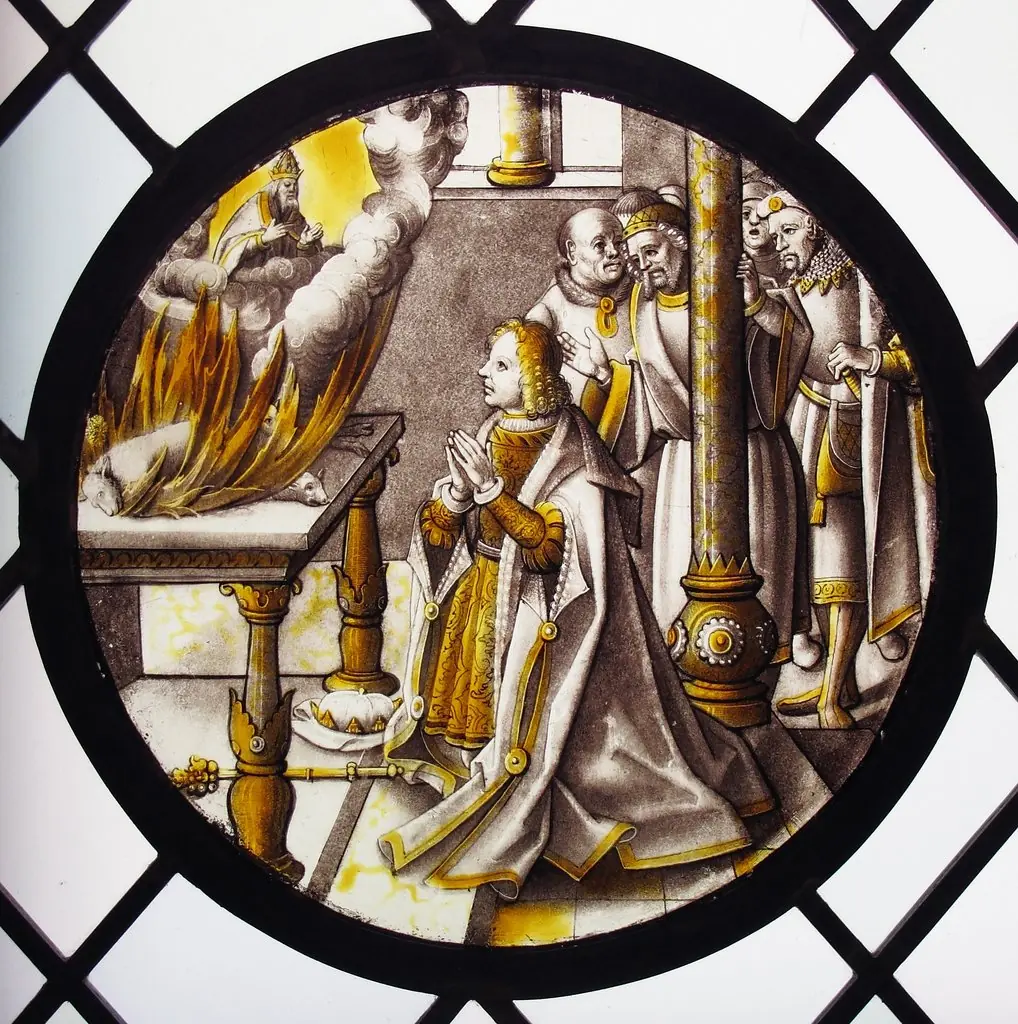 Roundel with Sacrifice in the Temple
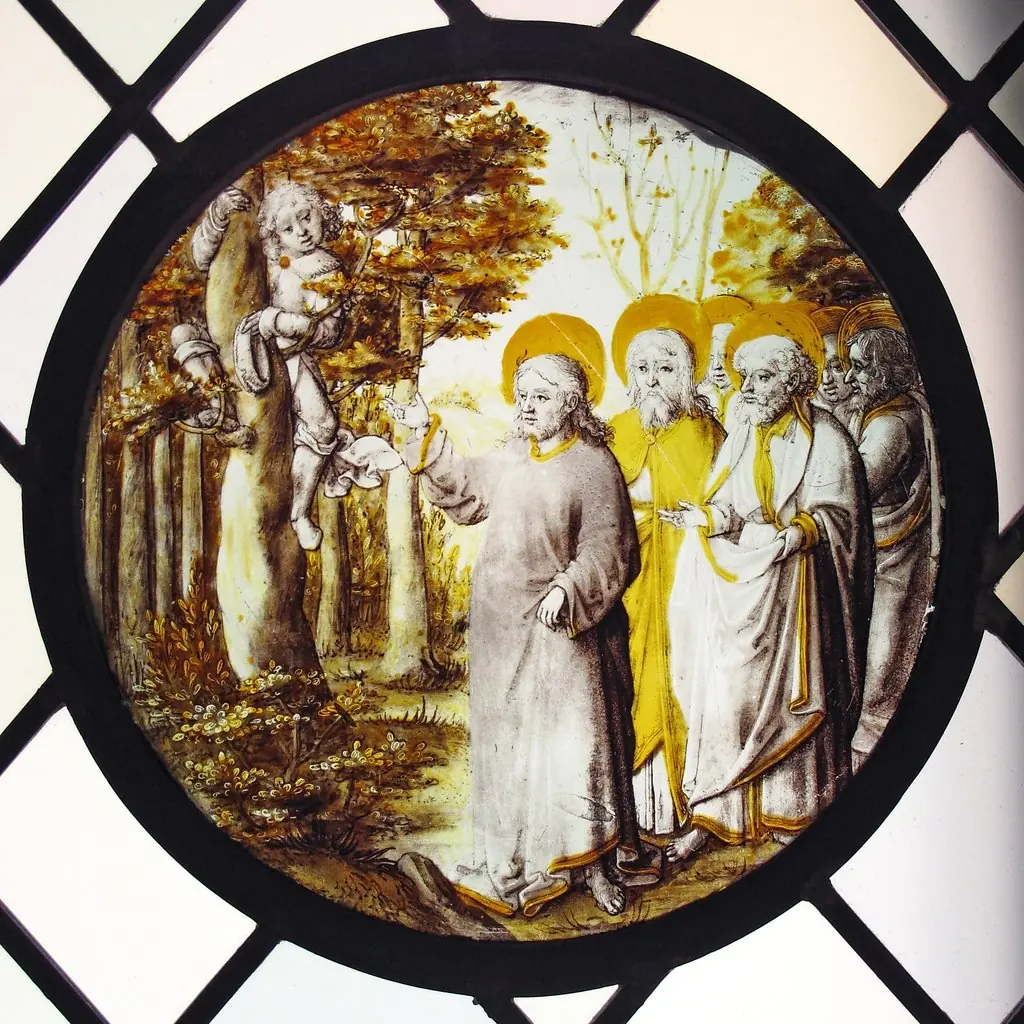 Roundel with Christ and Zacchaeus
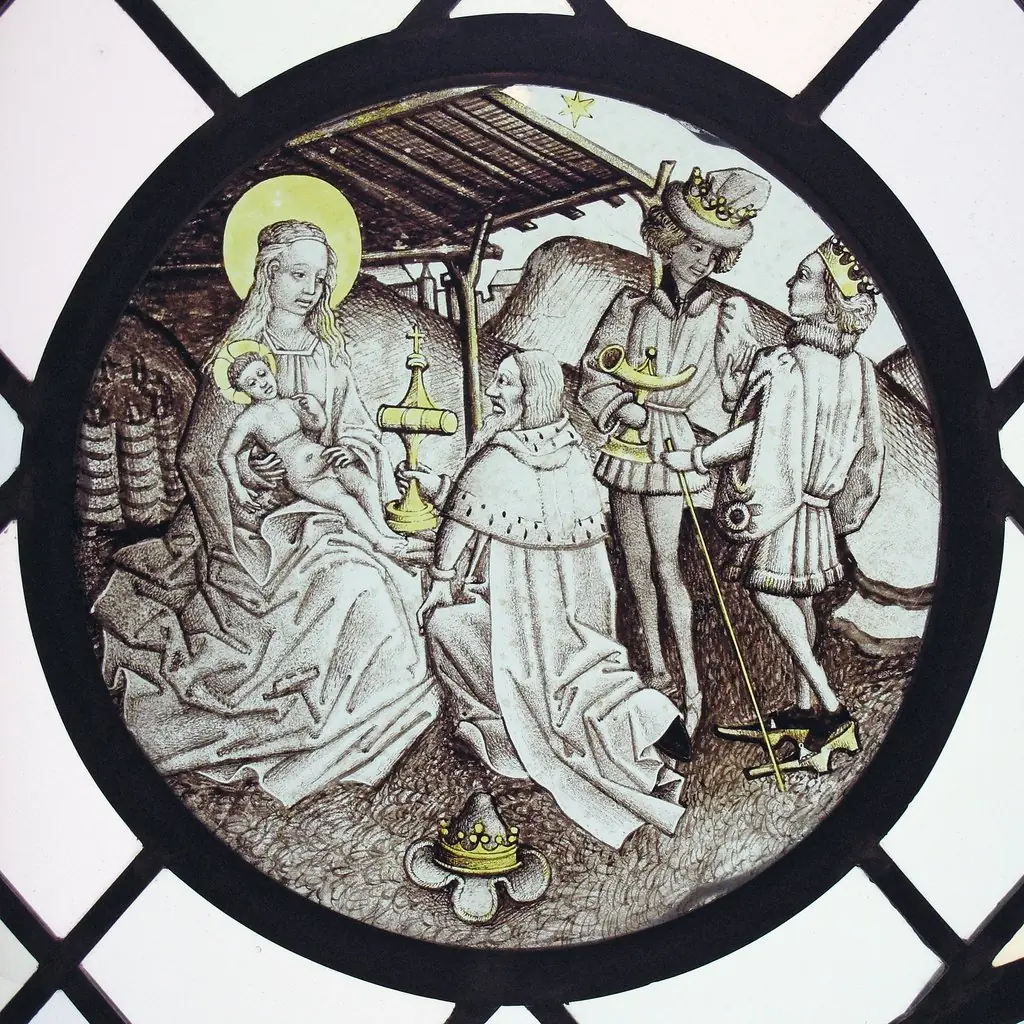 Roundel with Adoration of the Magi
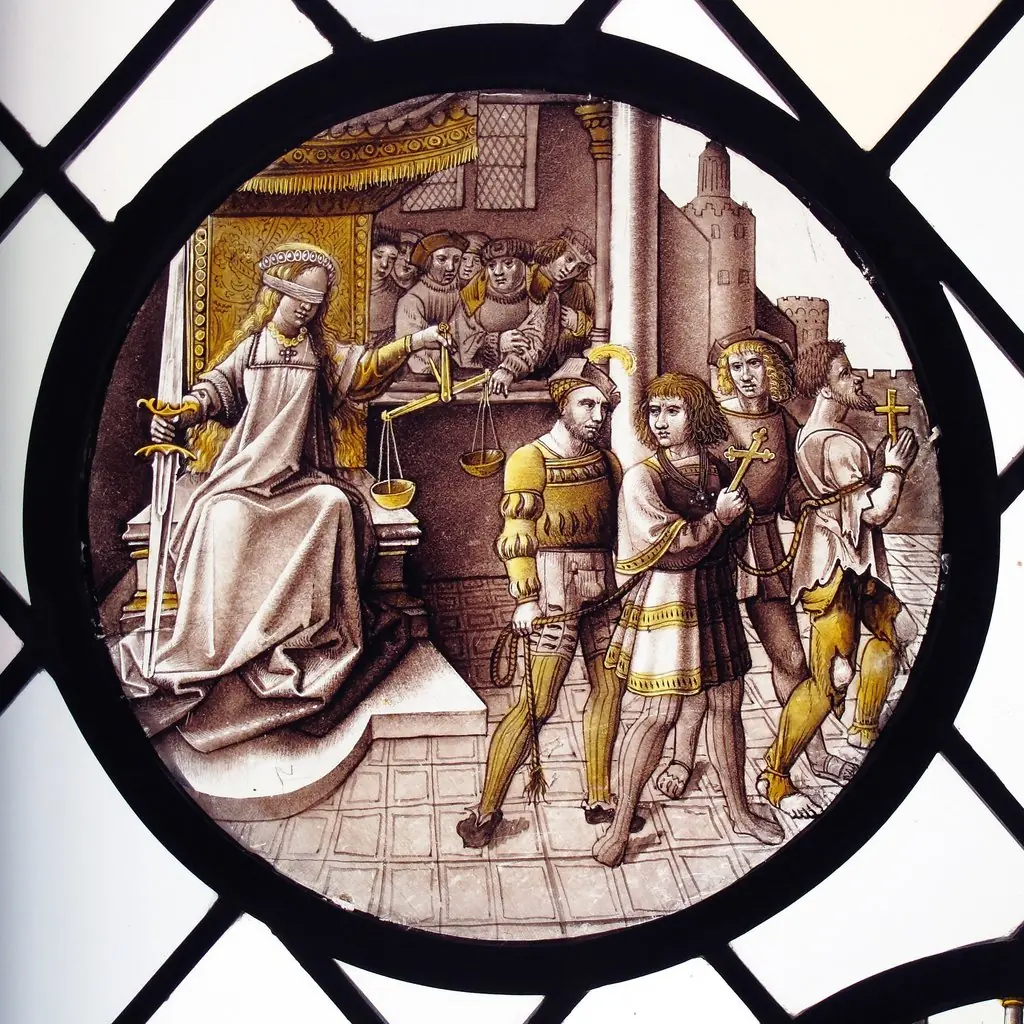 Roundel with Justice