Artwork
Portret van Isabella van Lutsenborgh, echtgenote van Jacobus Dumery
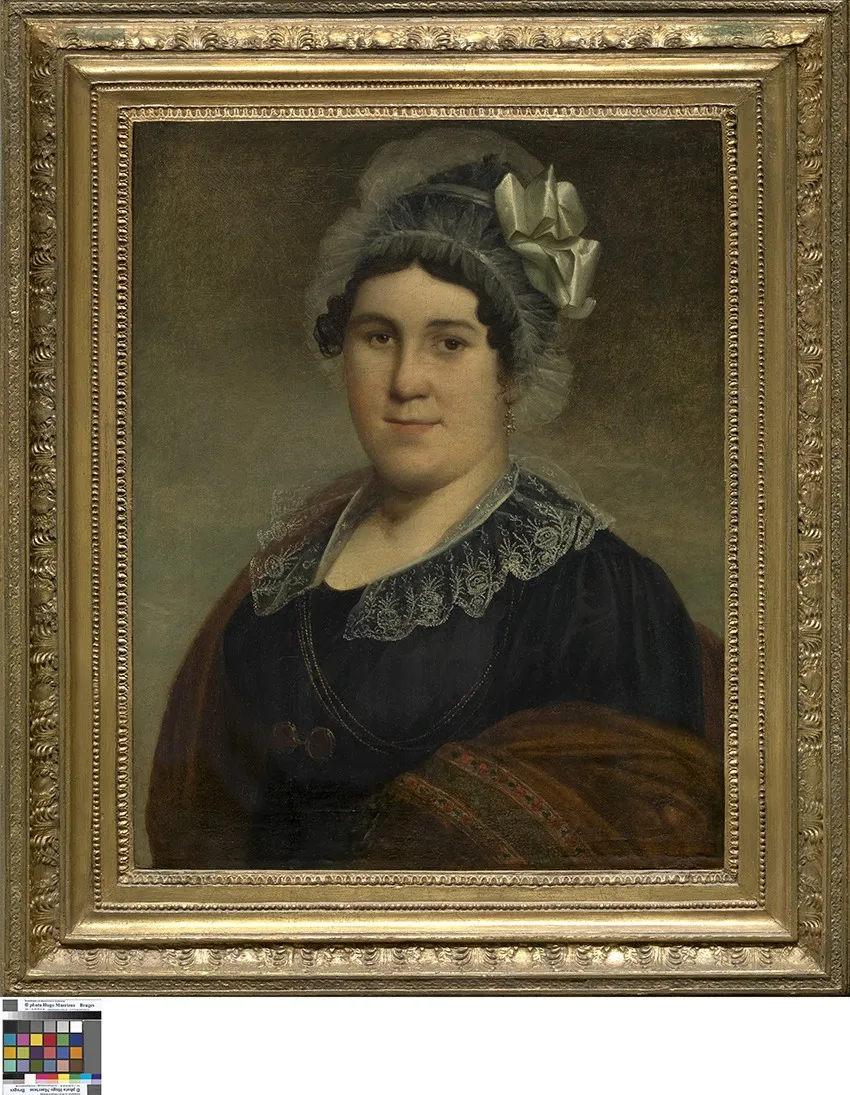
Portret van Isabella van Lutsenborgh, echtgenote van Jacobus Dumery is an oil painting by Unknown. It dates from 1805 and is held in the collection of the Groeningemuseum.
About this work
This painting depicts a woman in a black dress with a lace collar, adorned with a white bow on her head and an earring. The background is a muted brown color. The woman's attire and hairstyle suggest a formal or elegant setting, possibly from the early 19th century. The artist's use of chiaroscuro and impasto techniques adds depth and texture to the painting.
Overview
This oil painting portrays Isabella van Lutsenborgh, wife of Jacobus Dumery, rendered with careful attention to detail and atmospheric depth.
This oil painting portrays Isabella van Lutsenborgh, wife of Jacobus Dumery, rendered with careful attention to detail and atmospheric depth. Executed in the early 19th century, the portrait captures the sitter in formal attire, set against a subdued brown background that emphasizes her figure without distraction. The artist employs chiaroscuro and impasto to model her features and fabric, lending a tactile presence to the composition.
Subject & Meaning
Isabella is depicted in a dignified, restrained manner, reflecting the social norms of her class and era. Her black dress, lace collar, and white bow suggest mourning attire or formal evening wear, common among women of means. The single earring and precise hairstyle indicate attention to personal adornment within the bounds of propriety, conveying status rather than flamboyance.
Technique & Style
The artist uses impasto to build texture in the lace and fabric, creating a sense of material weight and light interaction. Chiaroscuro defines the contours of her face and shoulders, guiding the viewer’s eye with subtle gradations of tone. The muted background enhances the three-dimensionality of the figure, avoiding decorative distraction while reinforcing the portrait’s solemn tone.
History & Provenance
The painting’s origins trace to the early 1800s in the Netherlands, likely commissioned by the Dumery family to commemorate Isabella’s status. Its survival suggests it remained within private collections, possibly passed through generations. No public exhibition history is documented, but its preservation implies enduring familial significance.
Context
In early 19th-century Dutch society, portraiture served as a marker of identity and social standing, particularly among the urban elite. Women’s portraits often emphasized modesty and refinement, with clothing and accessories signaling marital status and economic security. This work aligns with regional conventions, avoiding theatricality in favor of quiet individuality.
Legacy
Though not widely exhibited, the portrait remains a representative example of domestic portraiture from the period. Its technical restraint and emotional reserve reflect broader artistic trends in the Netherlands, where personal dignity took precedence over dramatic expression. It contributes to the understanding of how private lives were visually preserved in a time of social transition.
Artist & collection

 Domestic Scene
 Giacomo and Cardinal Marco, investing Andrea, Abbot of San Zeno, with his Benefice
 The Nymph of Fontainebleau
 Portrait of a Woman
 Madonna and Child with Saints in the Enclosed Garden
 Venus and Minerva
 Family Group of Four on Sofa
 Wall painting from Room H of the Villa of P. Fannius Synistor at Boscoreale
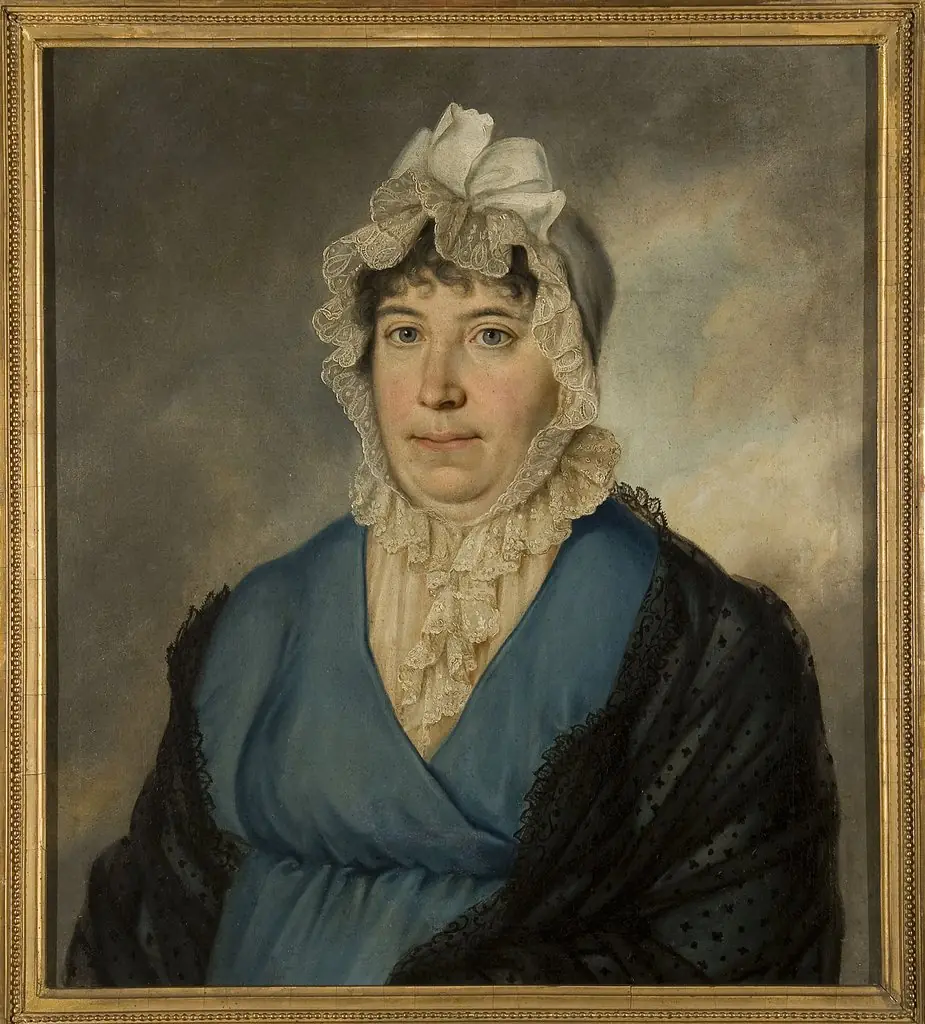 Portrait of Mrs. Luboradzka /?/
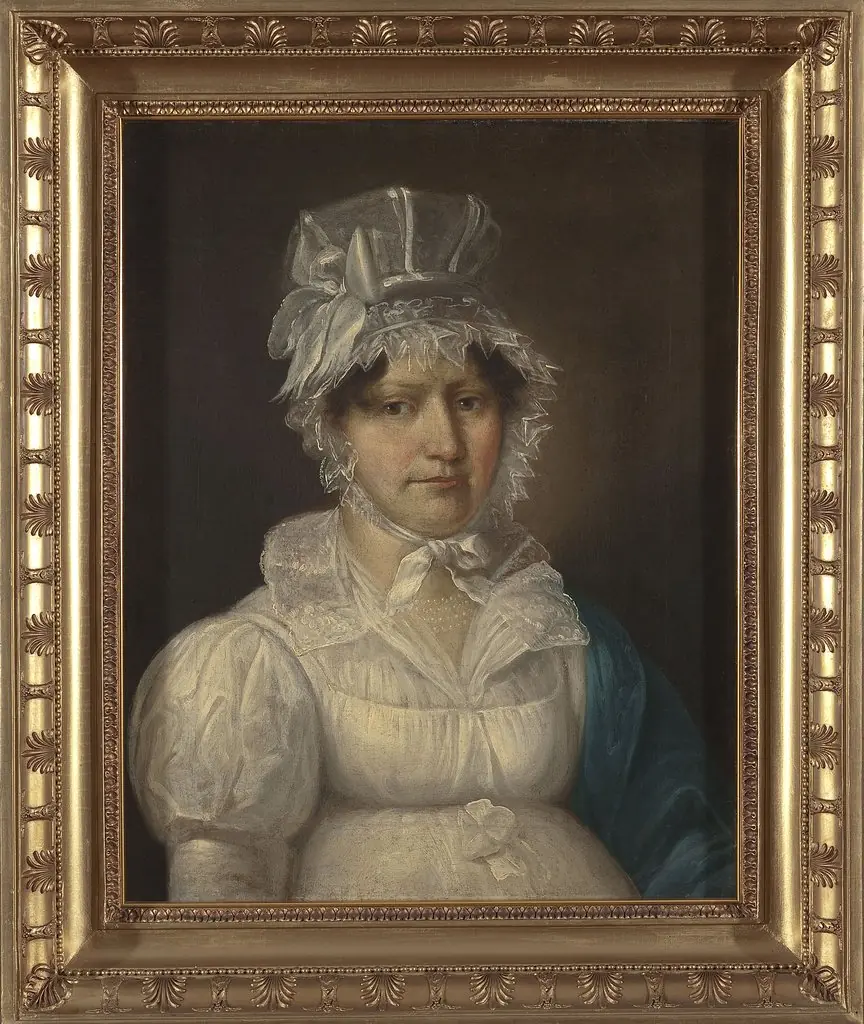 Portrait of Elżbieta Pade (d. 1833), wife of Marcin
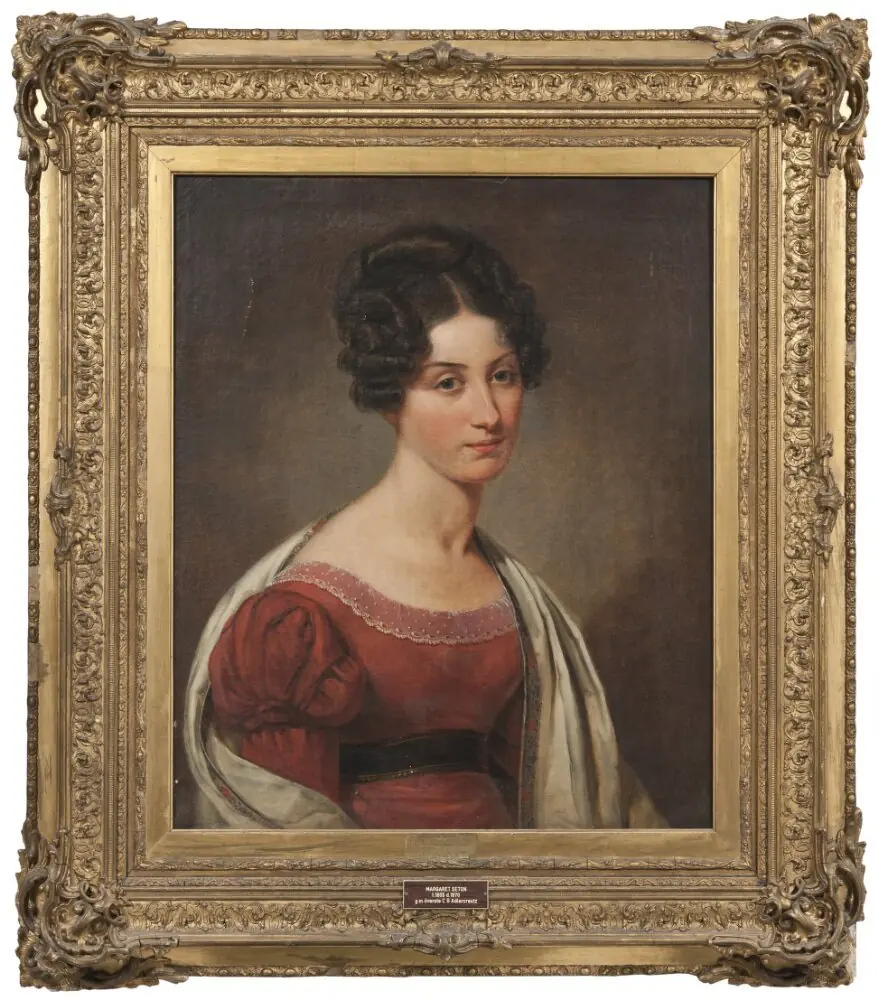 Margaret Seton (1805-1870), född i Skottland, verksam i Sverige, g.m. friherre överste Carl Gustaf Adlercreutz, sondotter till Alexander Baron Seton
 Maria Gansevoort Melvill (Mrs. Allan Melvill)
 Portrait of a Middle-Aged Lady
 Portrait of Mrs. Brak-Haskenhoff
 A Woman
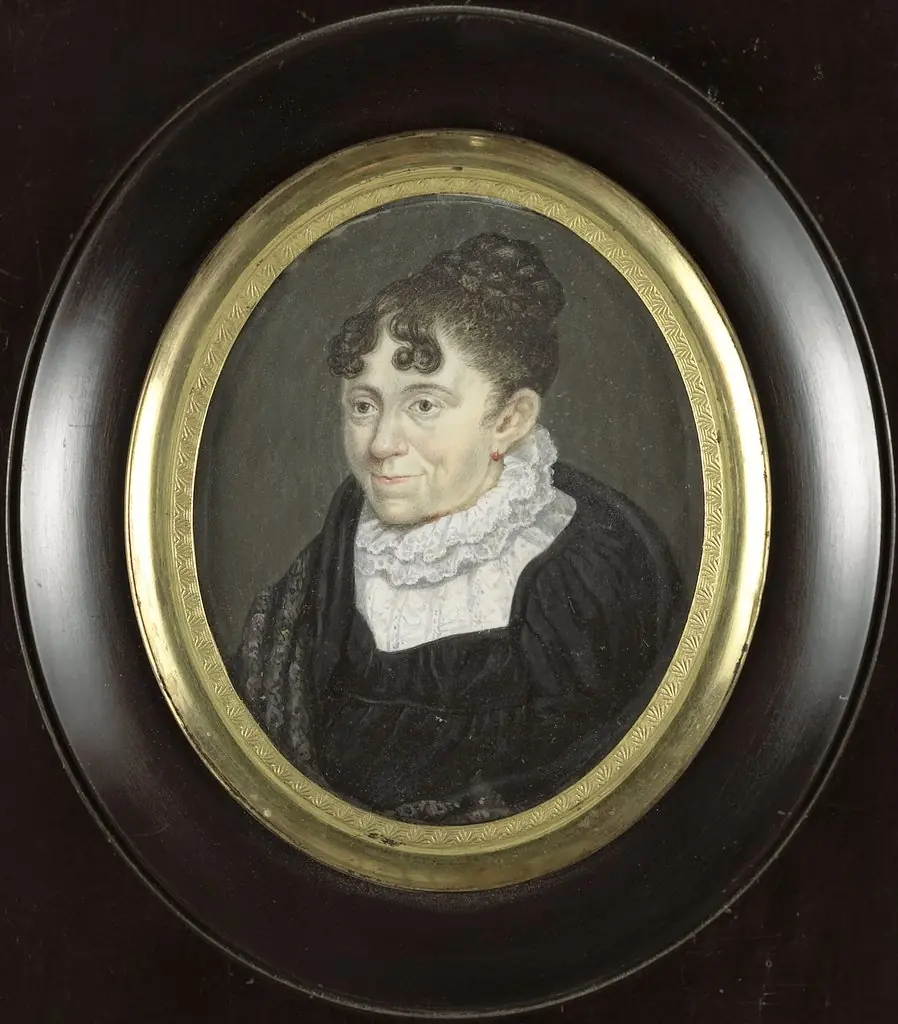 Portret van een oude dame
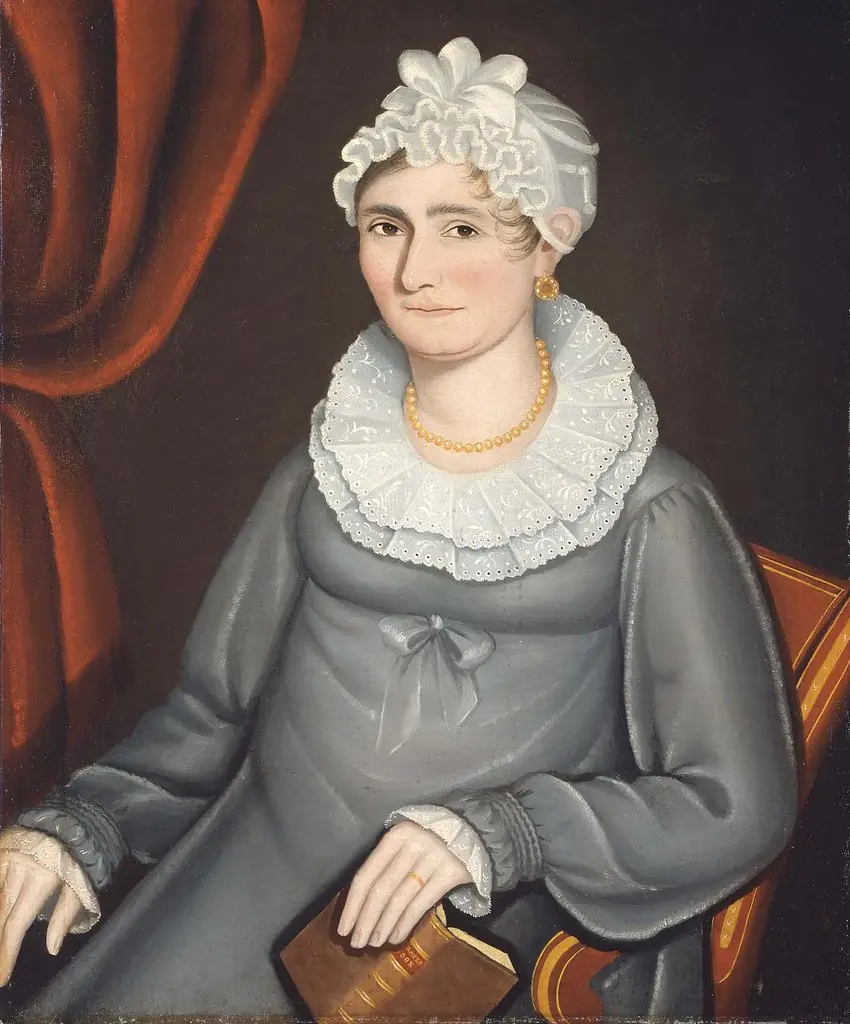 Jane Daney Smith
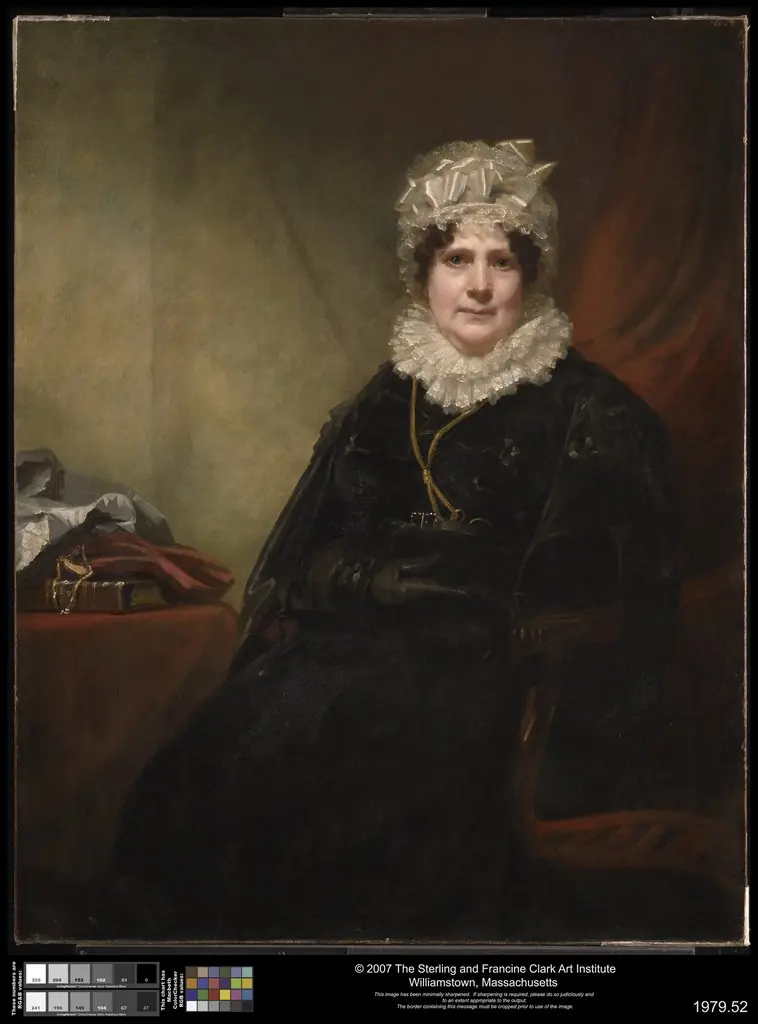 Miss Elizabeth Haig
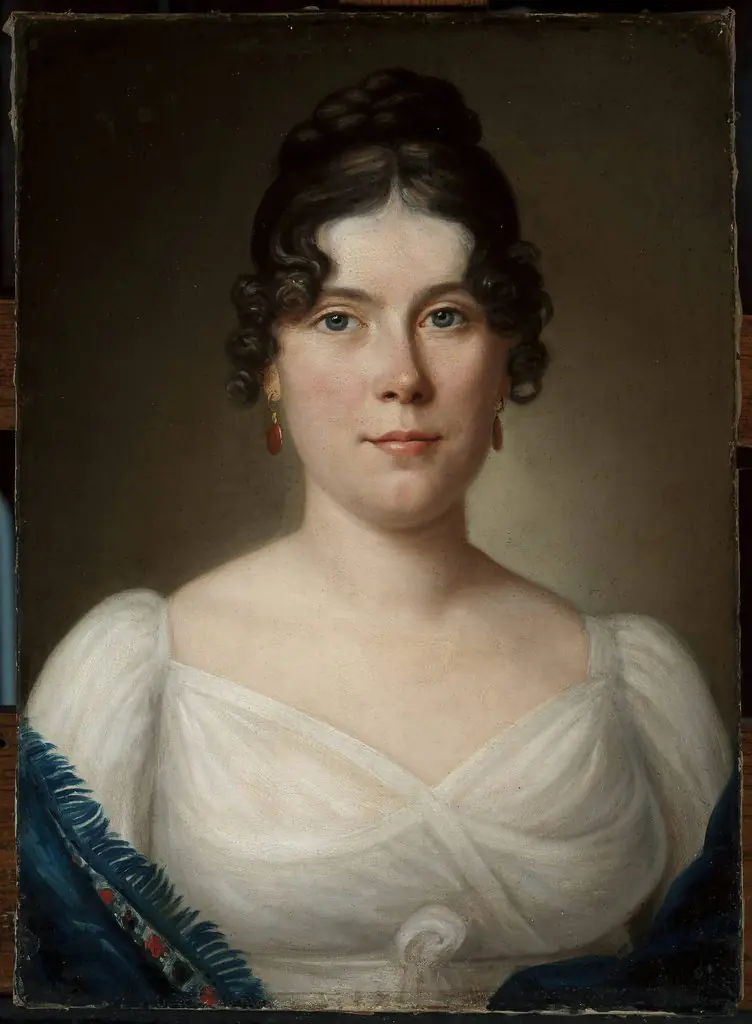 Portrait of Adelajda Lesznowska 1.v. Le Brun
![Mrs. Pearson [possibly Sarah Thompson Pearson], by Pieter Christoffel Wonder](https://artifactworldgallery.com/img/pieter-christoffel-wonder--mrs-pearson-possibly-sarah-thompson-pearson--0006ffde77661f8c-w320.webp) Mrs. Pearson [possibly Sarah Thompson Pearson]
Mrs. Pearson [possibly Sarah Thompson Pearson]