Artwork
Sir Thomas Pryse
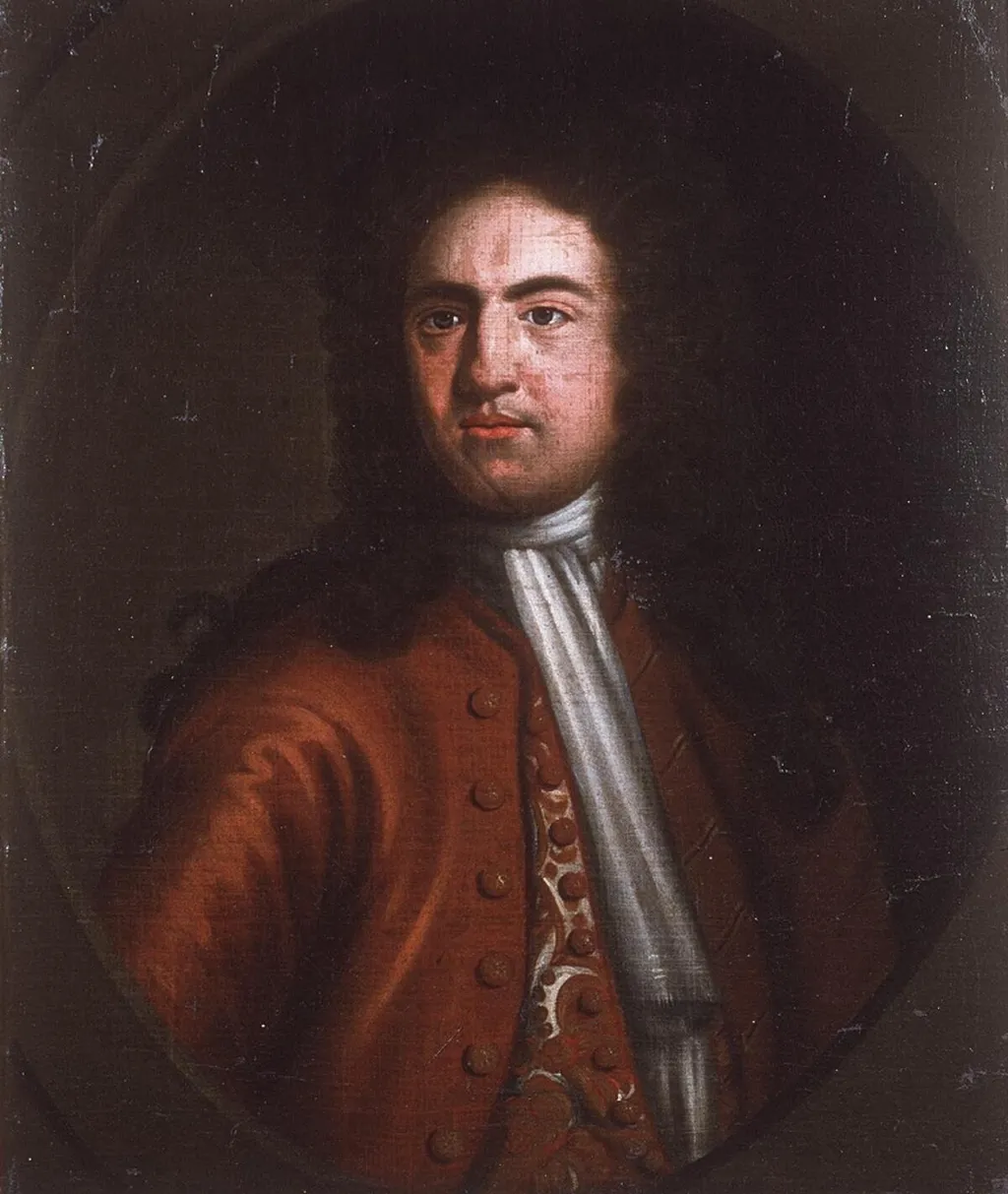
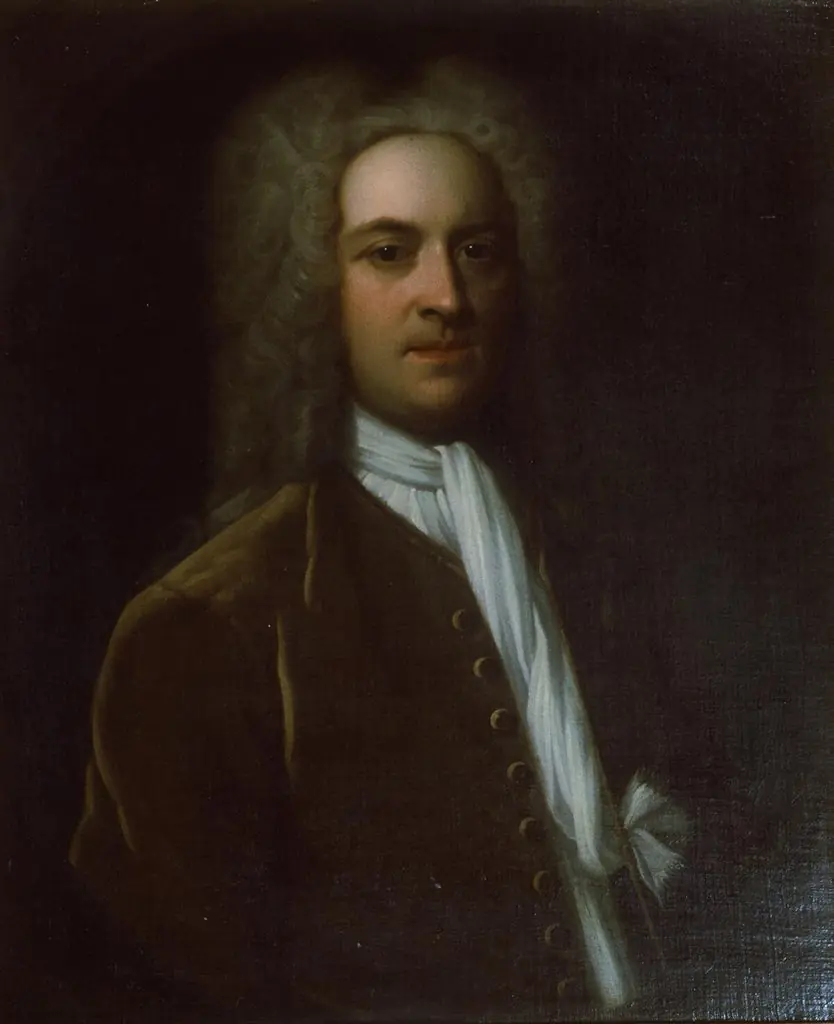
Sir Thomas Pryse is an oil painting by the Rococo painting artist Unknown. It dates from 1700 and is held in the collection of the National Library of Wales.
About this work
Overview
This oil painting presents a formal portrait of Sir Thomas Pryse, rendered with careful attention to texture and light. The subject is depicted in three-quarter view, set against a deep, unbroken background that isolates him visually. The medium allows for subtle gradations in tone, enhancing the three-dimensionality of his form and clothing.
Subject & Meaning
Sir Thomas Pryse is shown in aristocratic attire—a red coat with prominent brass buttons and a white cravat—suggesting his social standing. His serious expression and direct gaze convey dignity and composure, typical of portraiture intended to assert status rather than capture fleeting emotion. The absence of props or context focuses attention on his presence alone.
Technique & Style
The artist employs chiaroscuro to model the figure with strong contrasts between light and shadow, particularly along the contours of the face and coat. Brushwork is controlled yet expressive, especially in the rendering of fabric folds and the sheen of the scarf. The dark background enhances the luminosity of the subject’s upper body, directing visual emphasis.
History & Provenance
The painting is attributed to the late 17th or early 18th century, consistent with the style of British portraiture of the period. While its exact origins remain undocumented, it likely originated in Wales, where Pryse held local influence. Ownership history is sparse, but it has remained in private collections until its current institutional custody.
Context
During this era, portraiture served as a tool for asserting lineage and social rank among the landed gentry. The red coat, a symbol of military or civic authority, aligns with Pryse’s role as a Welsh magistrate. Such images were often displayed in family homes to reinforce identity and continuity across generations.
Legacy
The portrait contributes to the visual record of Welsh gentry during the early modern period. Though not widely known outside regional archives, it exemplifies the quiet precision of provincial portraiture that prioritized dignity over flamboyance. Its preservation offers insight into the aesthetics and values of a lesser-documented social class.
Artist & collection

 Domestic Scene
 Giacomo and Cardinal Marco, investing Andrea, Abbot of San Zeno, with his Benefice
 The Nymph of Fontainebleau
 Portrait of a Woman
 Madonna and Child with Saints in the Enclosed Garden
 Venus and Minerva
 Family Group of Four on Sofa
 Wall painting from Room H of the Villa of P. Fannius Synistor at Boscoreale
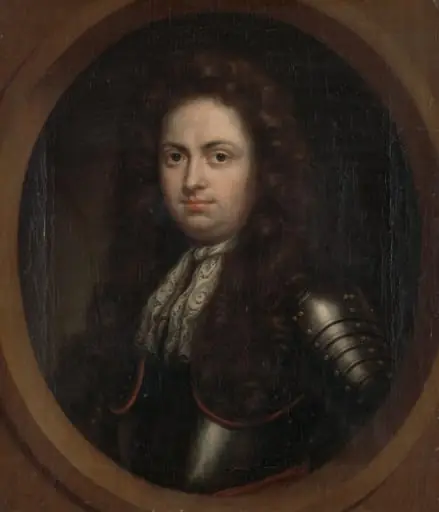 Aernout van Citters (1661-1718), Son of Aernout van Citters and Christina de Brauw
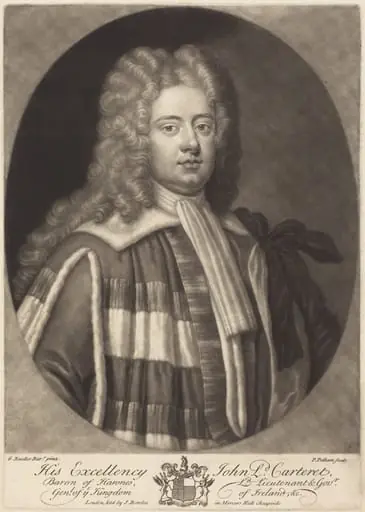 John, Lord Carteret
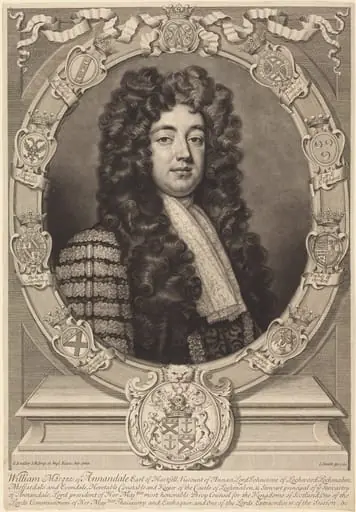 William Johnston, Marquess of Annandale
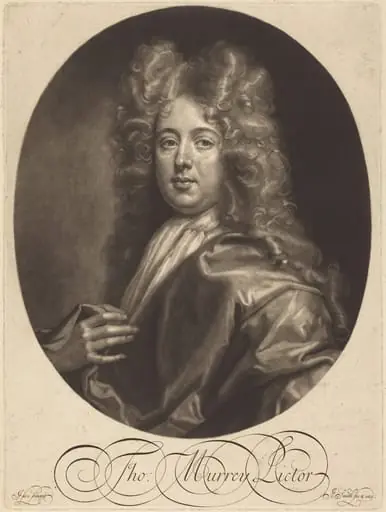 Thomas Murray
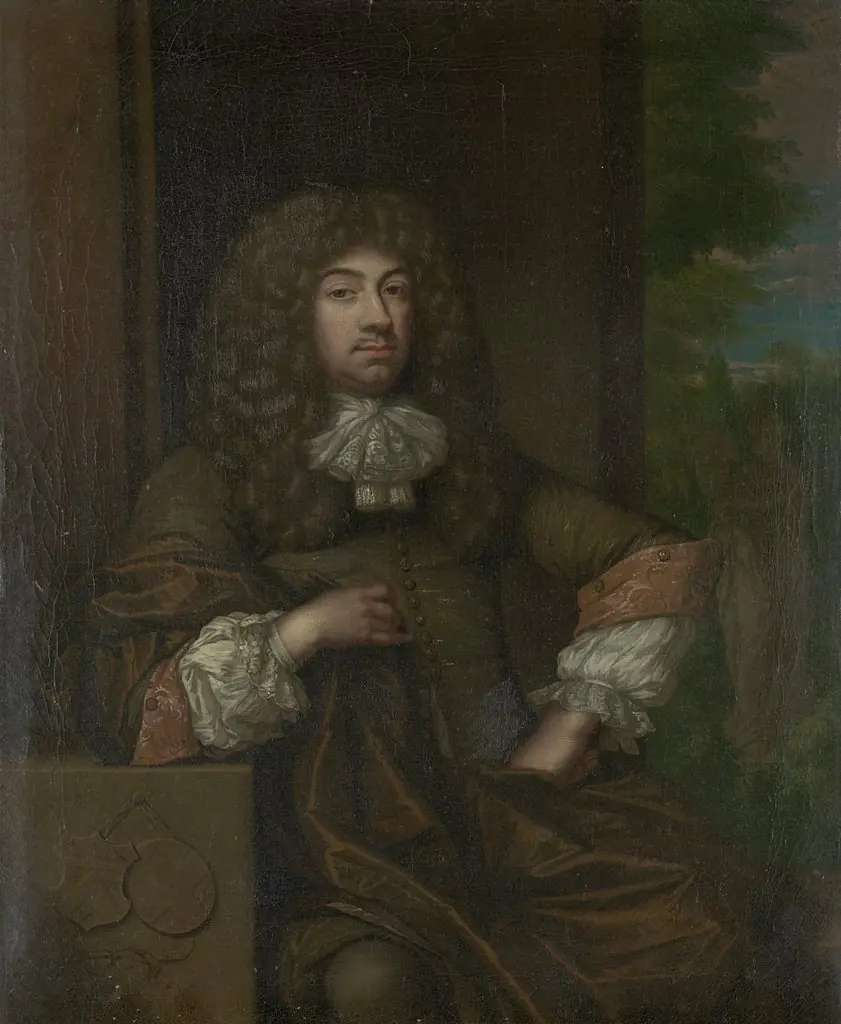 Portrait of Jan Boudaen Courten (1635-1716), lord of St. Laurens, Schellach and Popkensburg, Judge and alderman of Middelburg
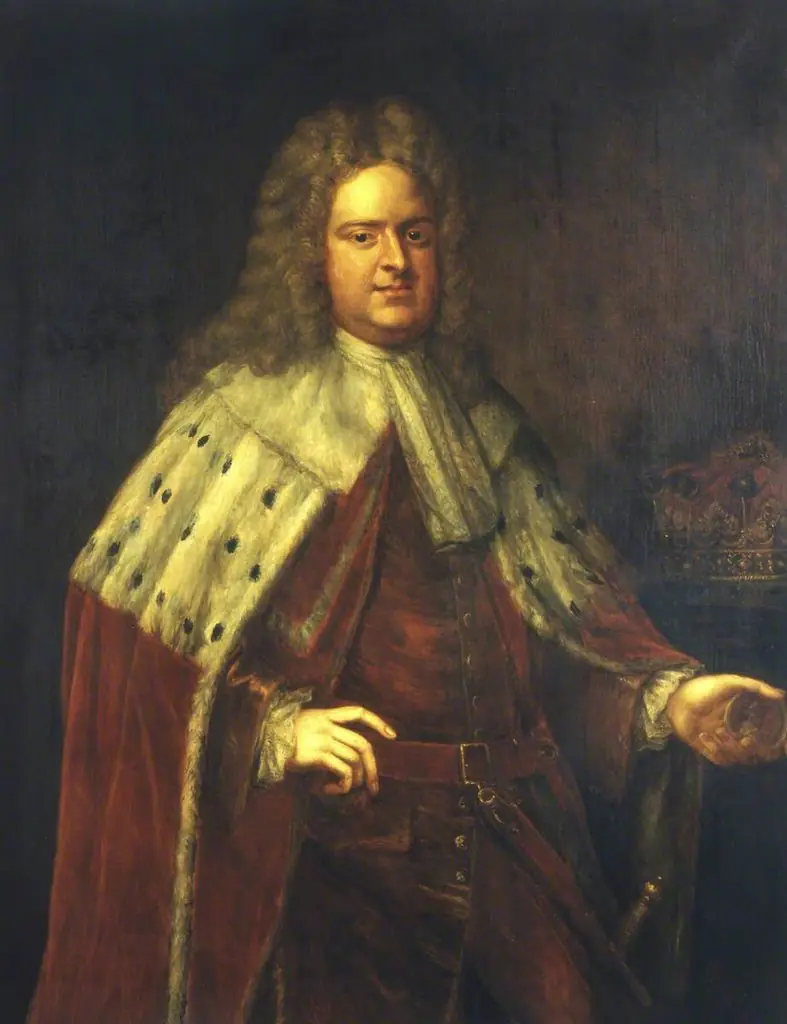 Edward Harley (1689–1741), 2nd Earl of Oxford and Mortimer
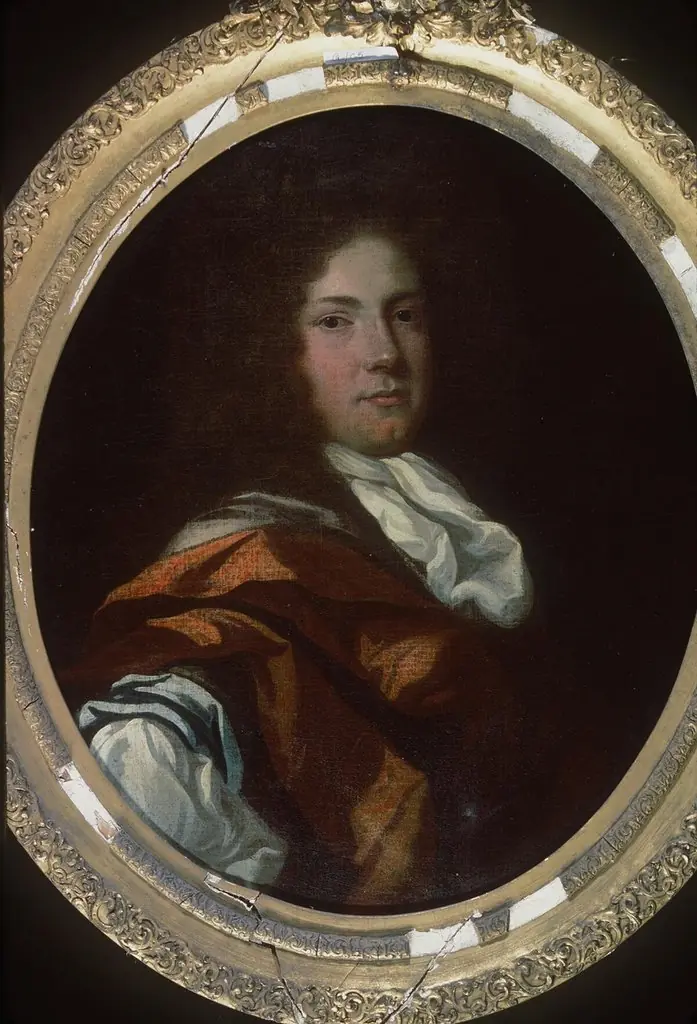 Edward Loveden
 Portrait of a Man
 William Trumbull
 Sir Watkin Williams-Wynn (1692 -1749)
 Captain Thomas Church
 Sir Richard Pryse