Artwork
Aernout van Citters (1661-1718), Son of Aernout van Citters and Christina de Brauw
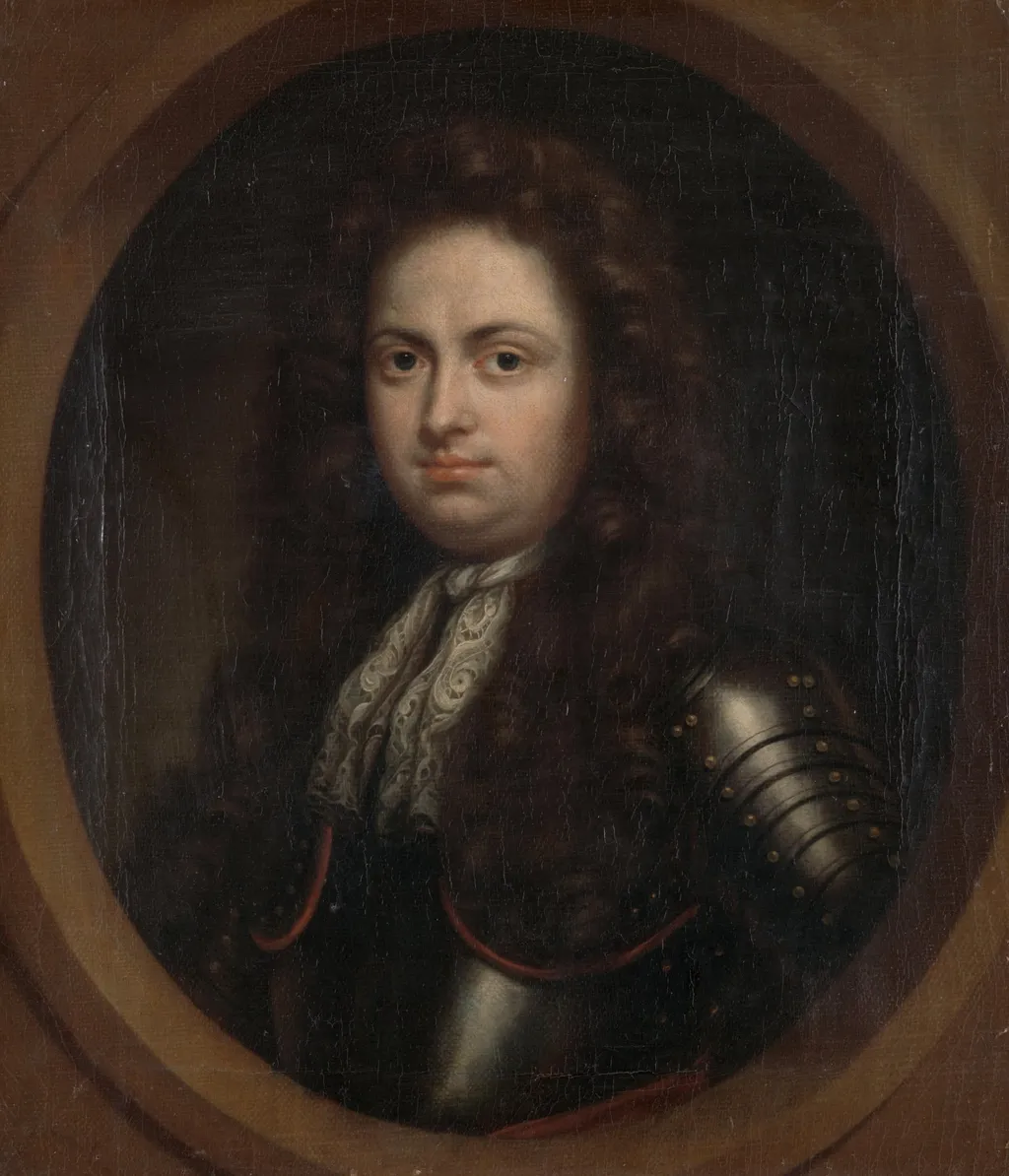
Aernout van Citters (1661-1718), Son of Aernout van Citters and Christina de Brauw is an unspecified painting by the Dutch Golden Age artist Simon Du Bois. It dates from 1699 and is held in the collection of the Rijksmuseum. This portrait depicts a young boy, Aernout van Citters, born in 1661, son of Aernout van Citters and Christina de Brauw.
About this work
Overview
Painted in the late 17th century, it captures him in a dark coat with a crisp white collar, holding a hat in his left hand.
This portrait depicts a young boy, Aernout van Citters, born in 1661, son of Aernout van Citters and Christina de Brauw. Painted in the late 17th century, it captures him in a dark coat with a crisp white collar, holding a hat in his left hand. His expression is calm and direct, with subtle color in his cheeks suggesting youth and vitality. The work reflects a tradition of familial representation, emphasizing lineage through symbolic elements on the reverse.
Subject & Meaning
The subject is a child of a prominent Dutch family, portrayed not merely as an individual but as a link in a dynastic chain. His poised posture and direct gaze convey a sense of dignity expected of noble youth. The inclusion of ancestral coats of arms on the reverse underscores the importance of heritage. The numeral '5' beneath the heraldry likely indicates his birth order among siblings, reinforcing the painting’s role in documenting family succession.
Technique & Style
The painting employs a restrained palette dominated by dark tones, with careful attention to the texture of fabric and the soft modeling of the boy’s face. The brushwork is precise but unobtrusive, avoiding theatricality in favor of quiet realism. The background is neutral, focusing attention entirely on the figure. The reverse side, bearing eight ancestral coats of arms, is rendered with equal care, suggesting the panel was designed as a two-sided object of familial commemoration.
History & Provenance
The painting’s origins are tied to the van Citters family of Amsterdam, known for their civic and commercial standing. The presence of eight ancestral arms, not painted by the same hand as the portrait, indicates the panel was modified or completed over time, possibly after the boy’s death or during a family reorganization. The numeral '5' and the heraldic details suggest the work was preserved within the family, likely as a record of lineage rather than a public display.
Context
In late 17th-century Holland, portraits of children were often commissioned to affirm family status and continuity, especially among merchant elites. Unlike grand aristocratic portraits, these works emphasized lineage over individual achievement. The inclusion of ancestral arms was uncommon in Dutch portraiture, making this piece a rare example of heraldic genealogy integrated into a personal image, reflecting a blend of civic pride and familial memory.
Legacy
Though the artist remains unidentified, the painting’s preservation and detailed heraldic additions suggest it held enduring significance for the van Citters family. It stands as a quiet testament to the Dutch tradition of documenting lineage through material culture. Today, it contributes to scholarly understanding of how non-noble families in the Netherlands expressed identity, inheritance, and social belonging through visual means.
Artist & collection
Artist
Simon Du Bois or Dubois (baptized 26 July 1632, Antwerp – buried 26 May 1706, London) ), was a portrait painter, of Flemish or Dutch origin, active in England from 1685 until his death.

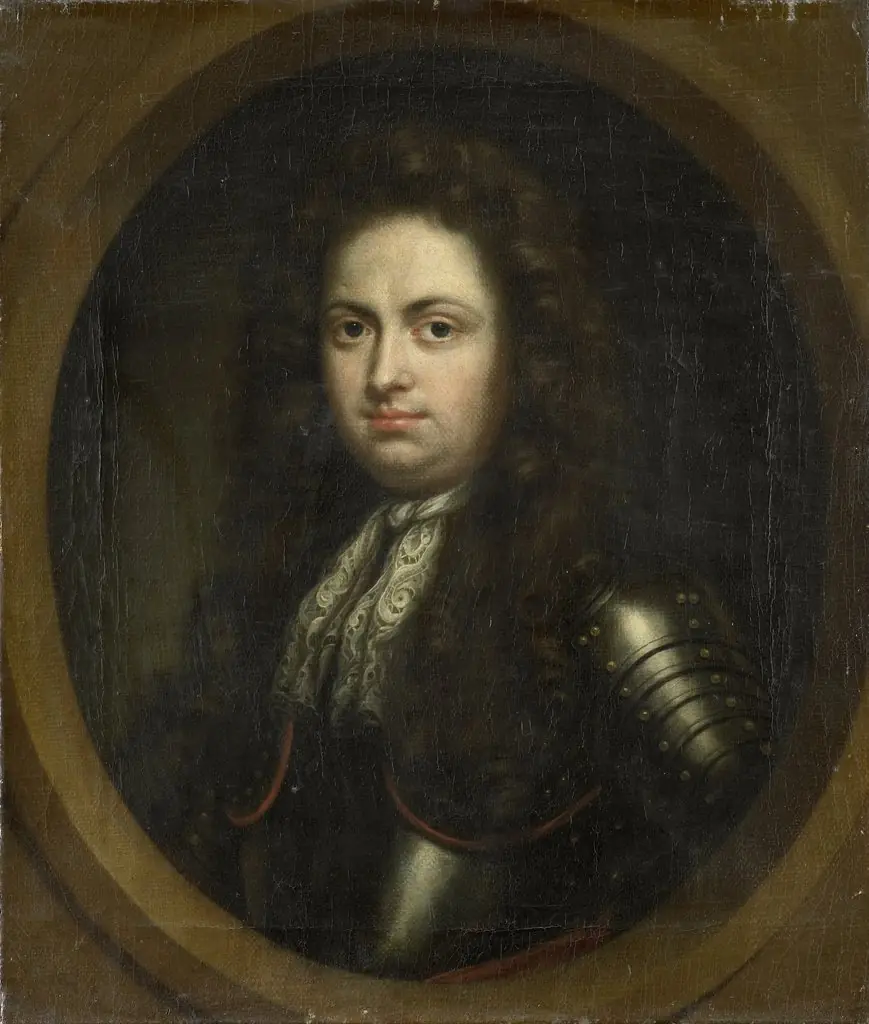 Portrait of Aernout van Citters (1661-1718), son of Aernout van Citters and Christina de Brauw
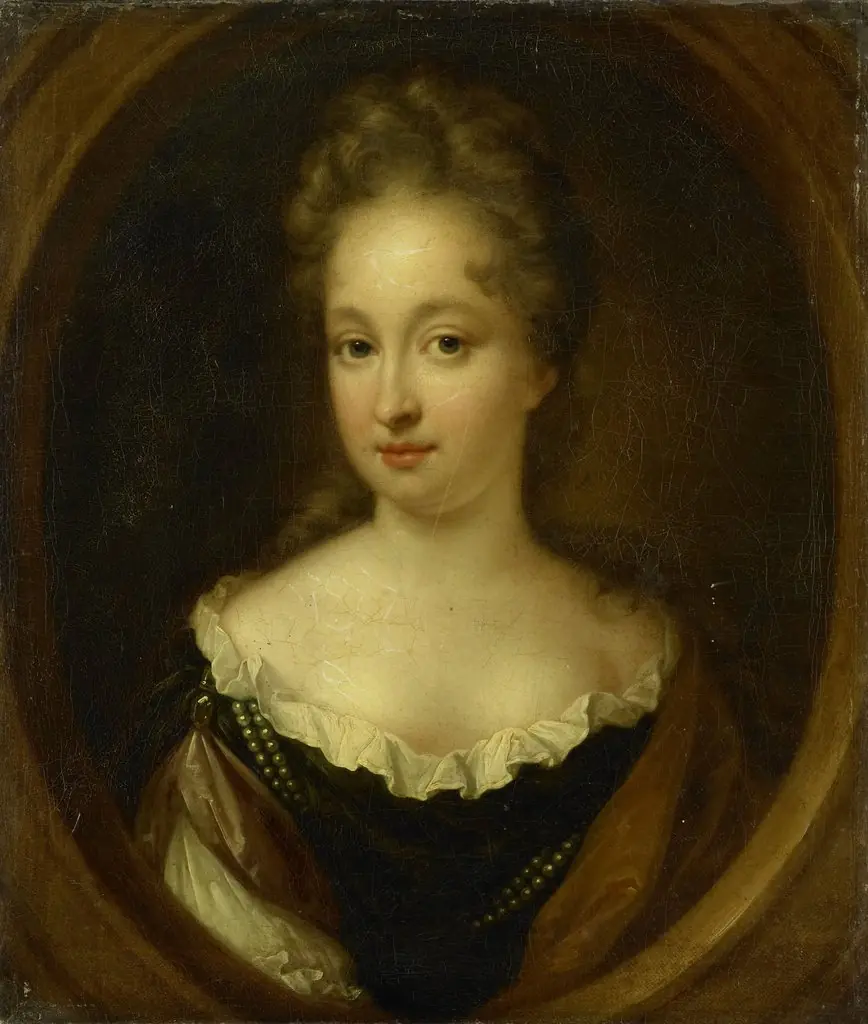 Portrait of Anna van Citters (1664-94), daughter of Aernout van Citters and Josina Parduyn
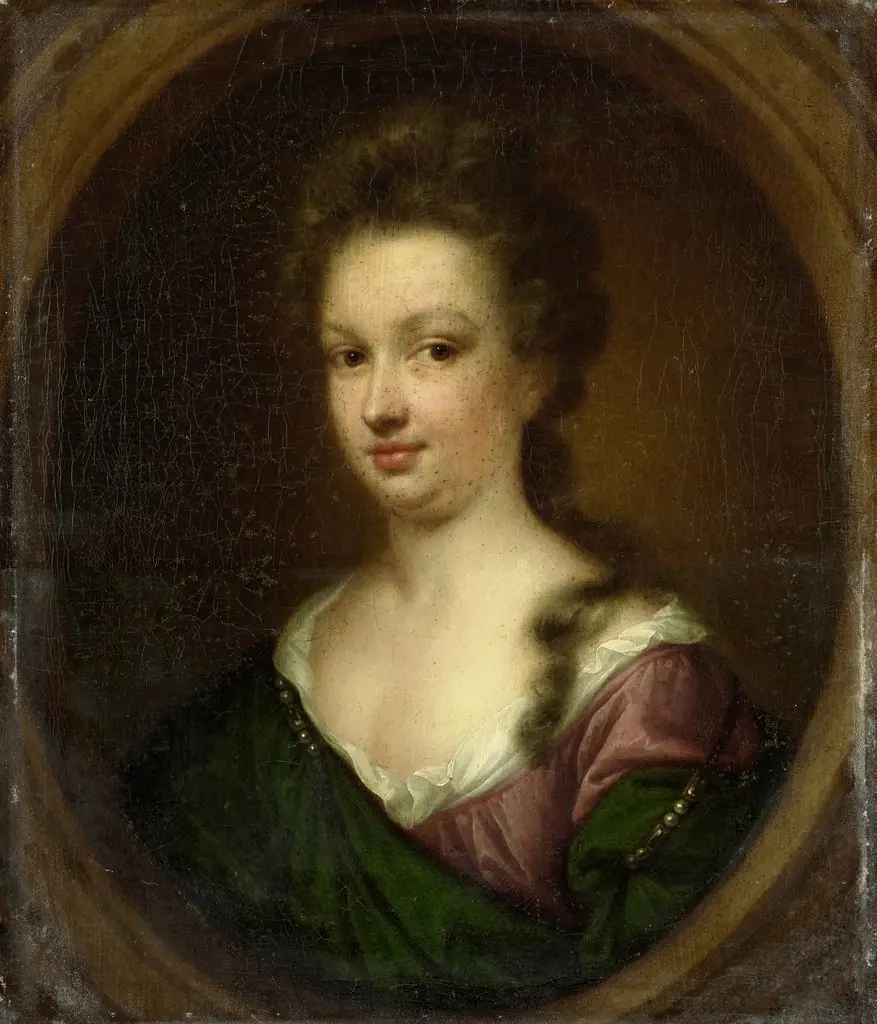 Portrait of Emerantia van Citters (1666-94), sister of Anna van Citters
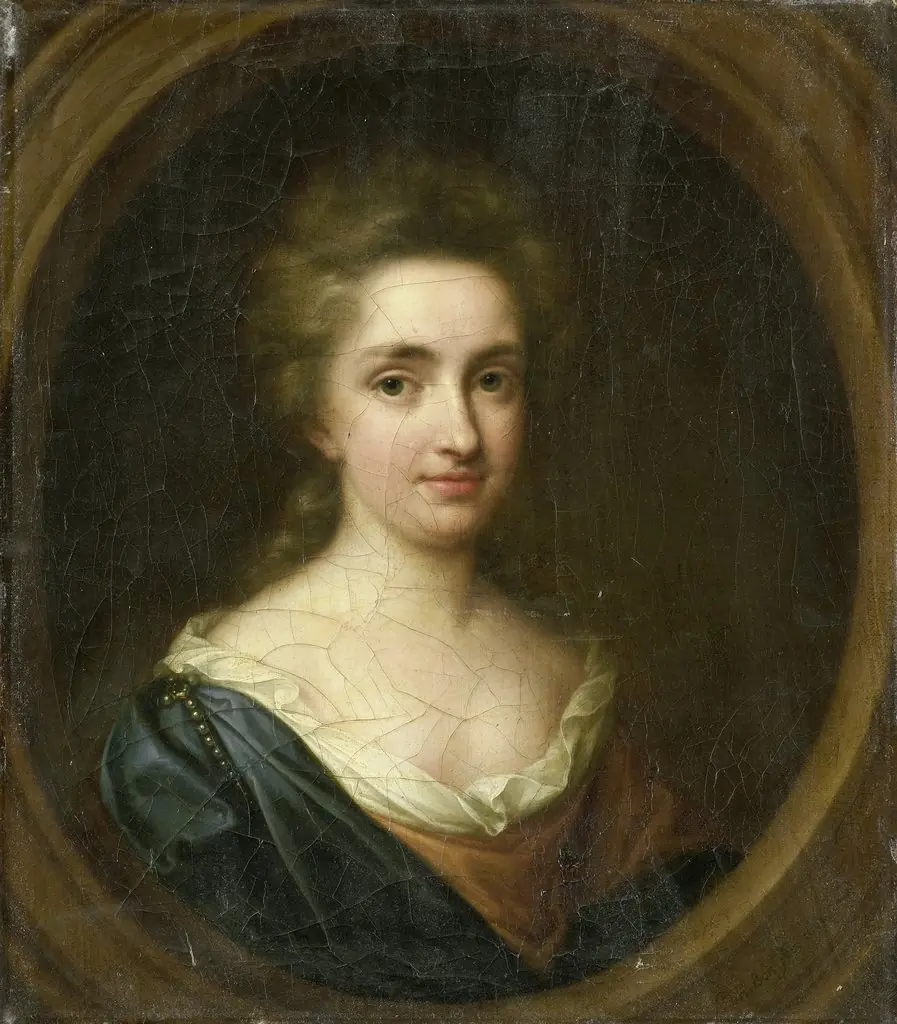 Portrait of Johanna van Citters (1672-1740), sister of Anna van Citters
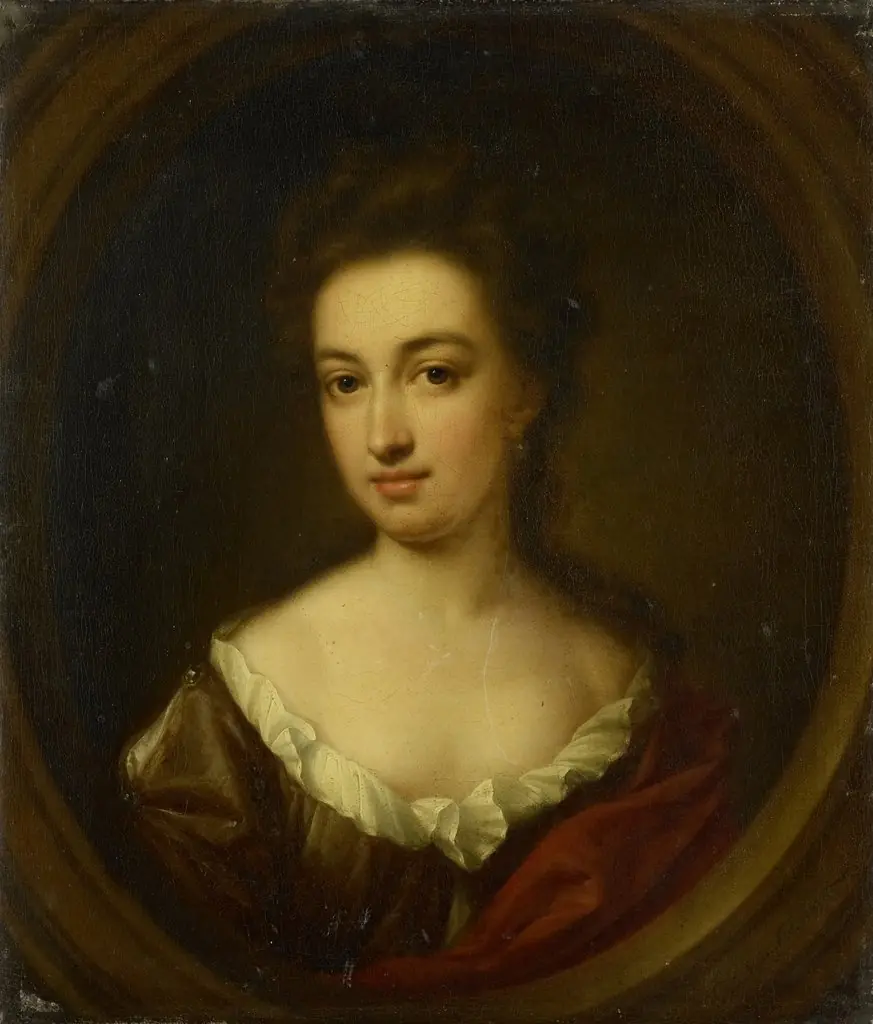 Portrait of Josina Clara van Citters (1671-1753), sister of Anna van Citters
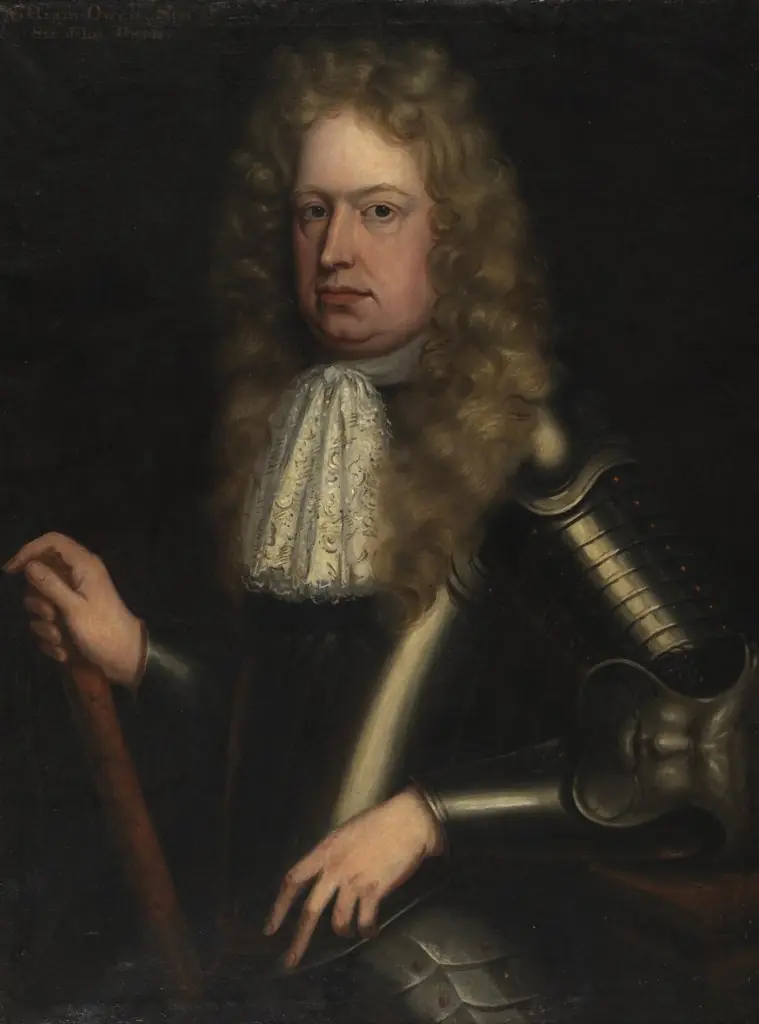 William Owen II of Porkington
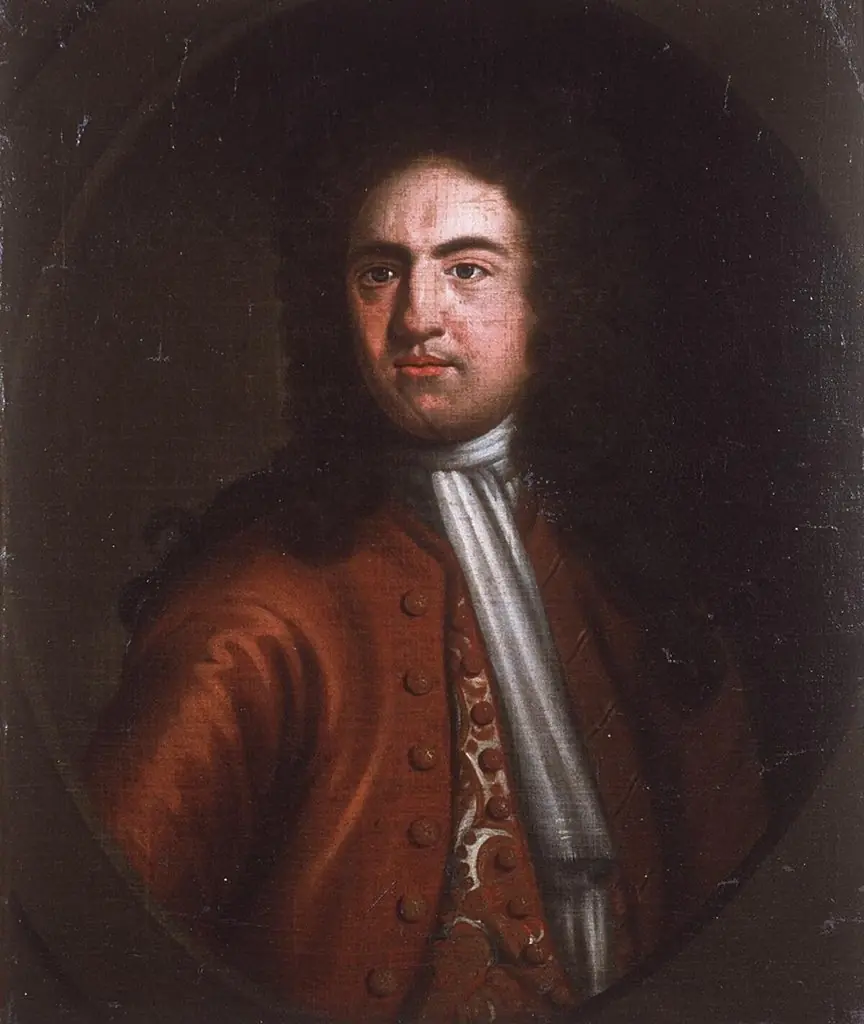 Sir Thomas Pryse
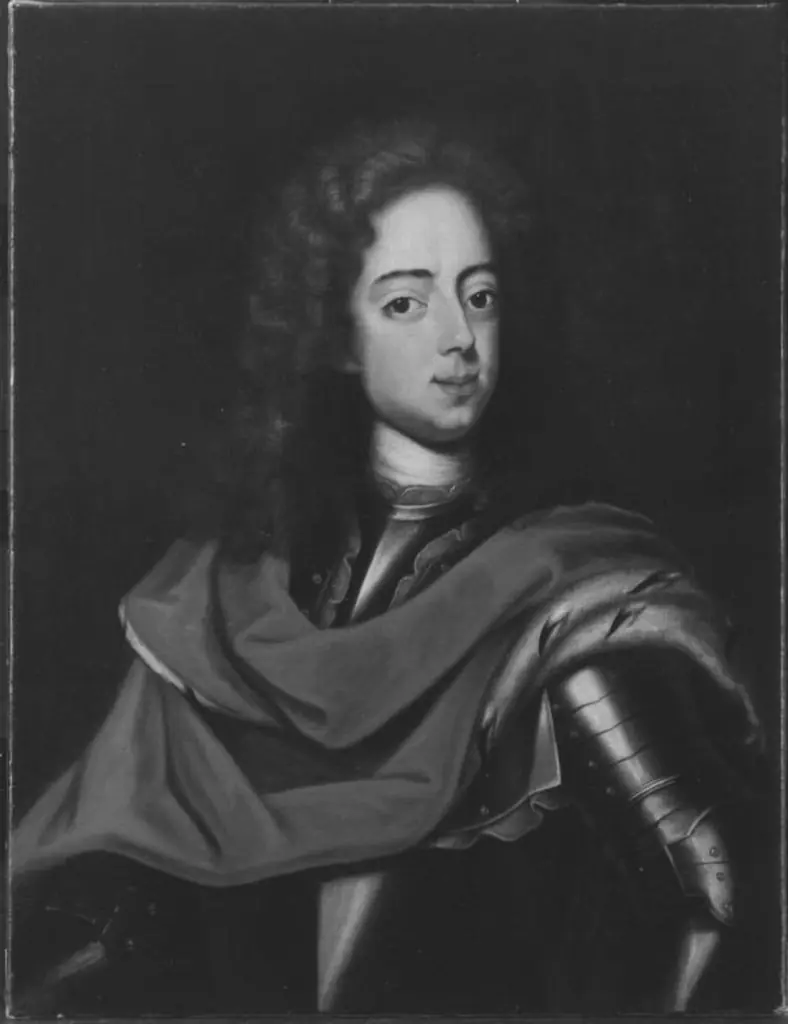 Bildnis eines jungen Fürsten
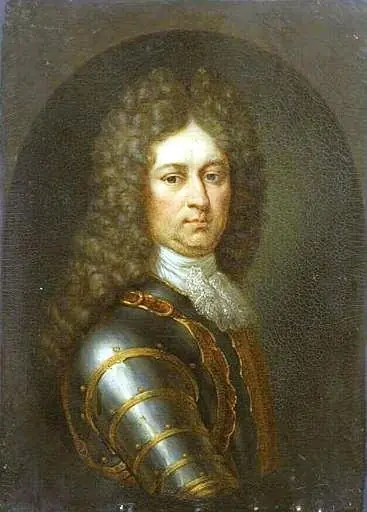 François-Henri de Rougé, marquis du Plessis-Bellière, maréchal de camp (1651-1692)
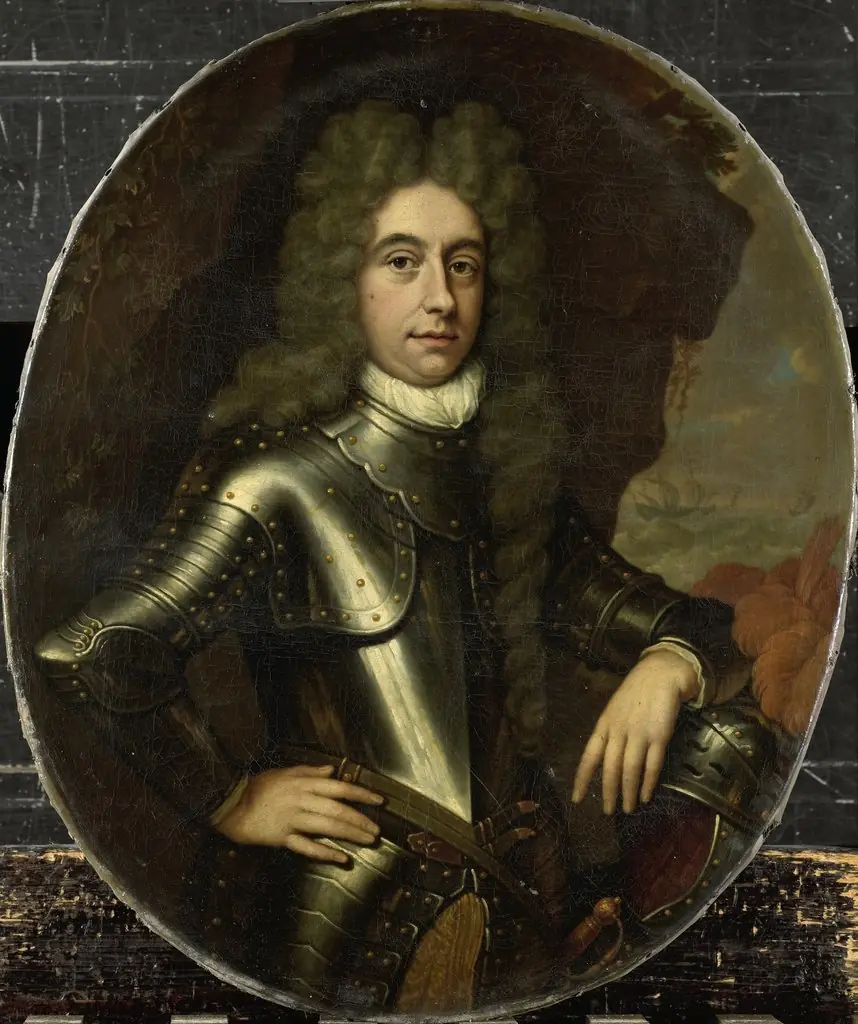 Portrait of Harmen Lijnslager, Secretary of the Admiralty of Amsterdam
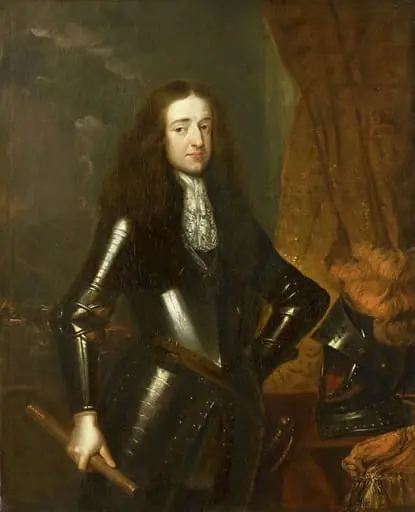 Portrait of Willem III (1650-1702), Prince of Orange and since 1689, King of England
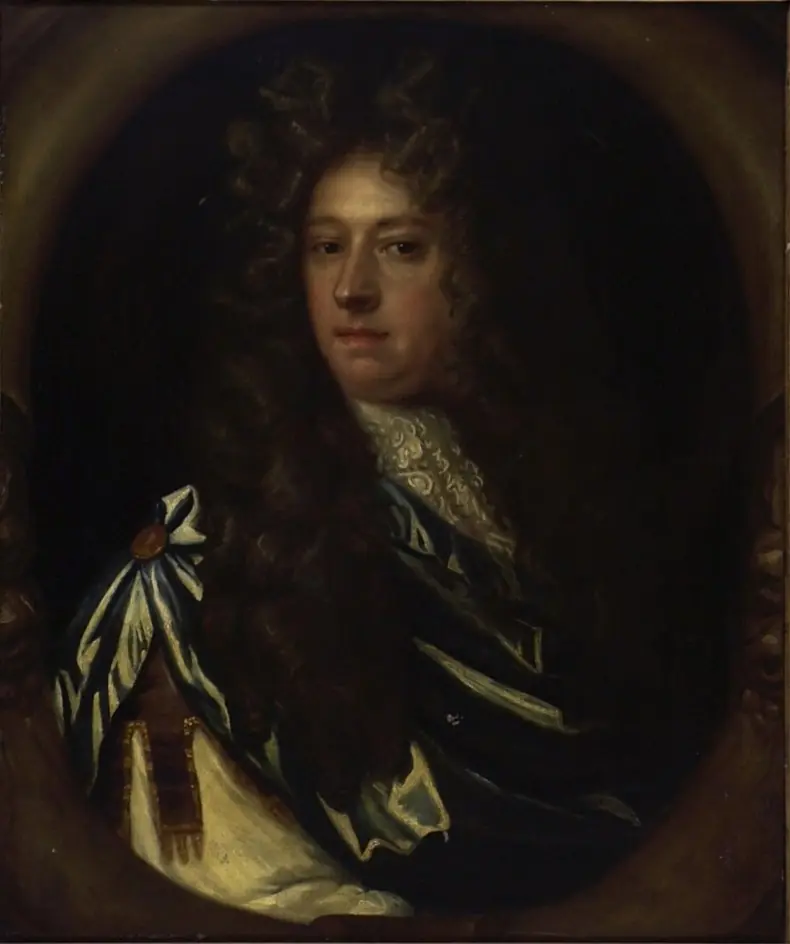 Portrait of a Man
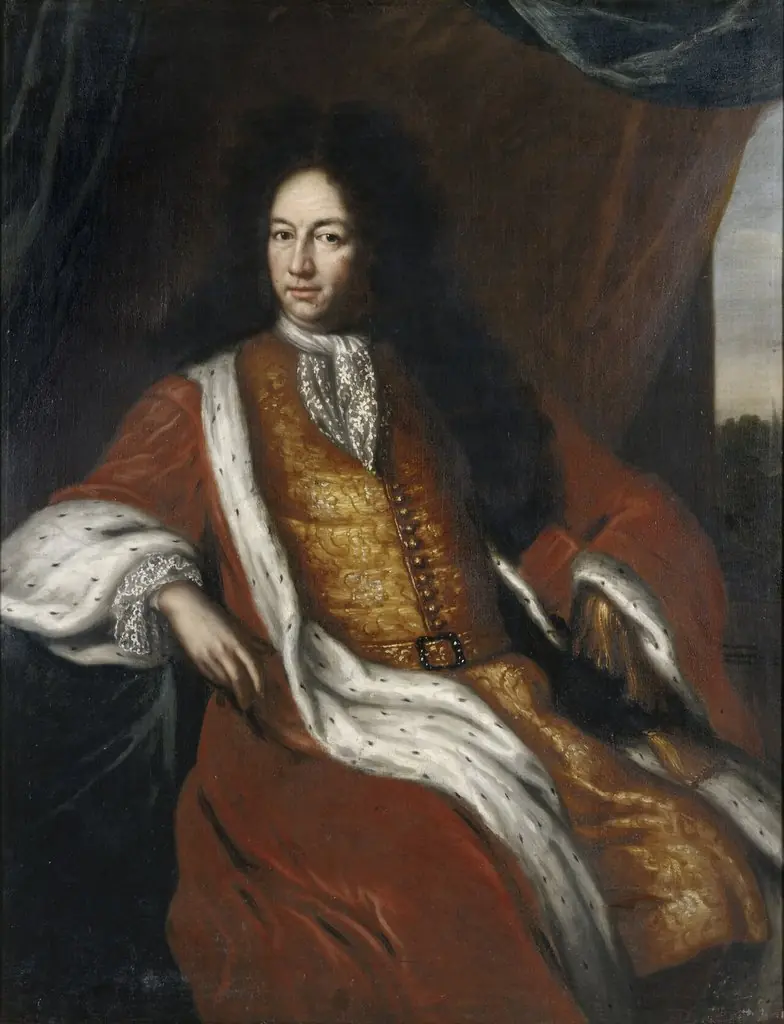 Carl Piper, 1647-1716, greve
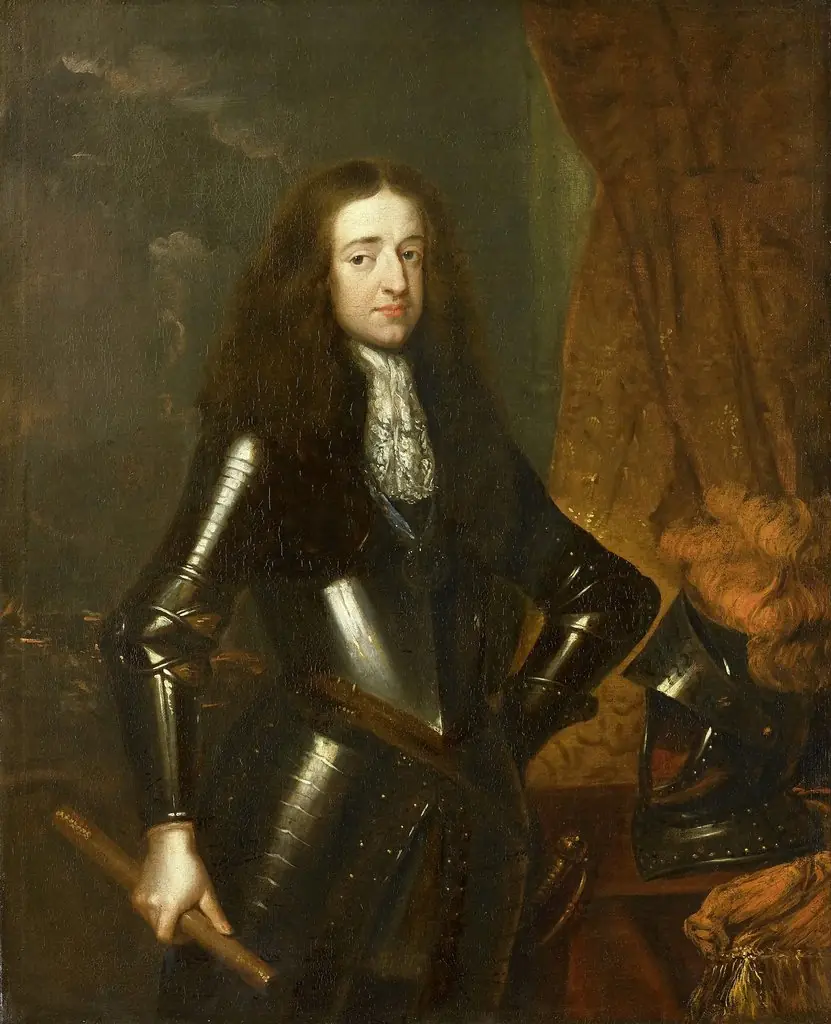 Portrait of Willem III (1650-1702), Prince of Orange and since 1689, King of England
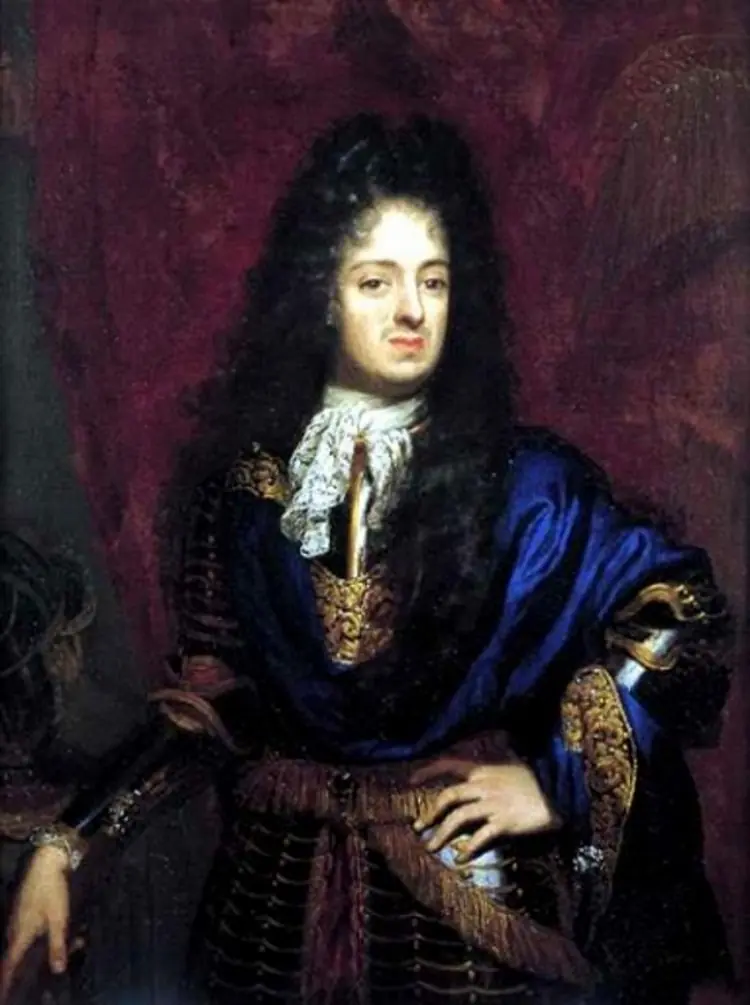 Ferdinando II de' Medici, Grand Duke of Tuscany (1610-1670)