Artwork
Edward Harley (1689–1741), 2nd Earl of Oxford and Mortimer
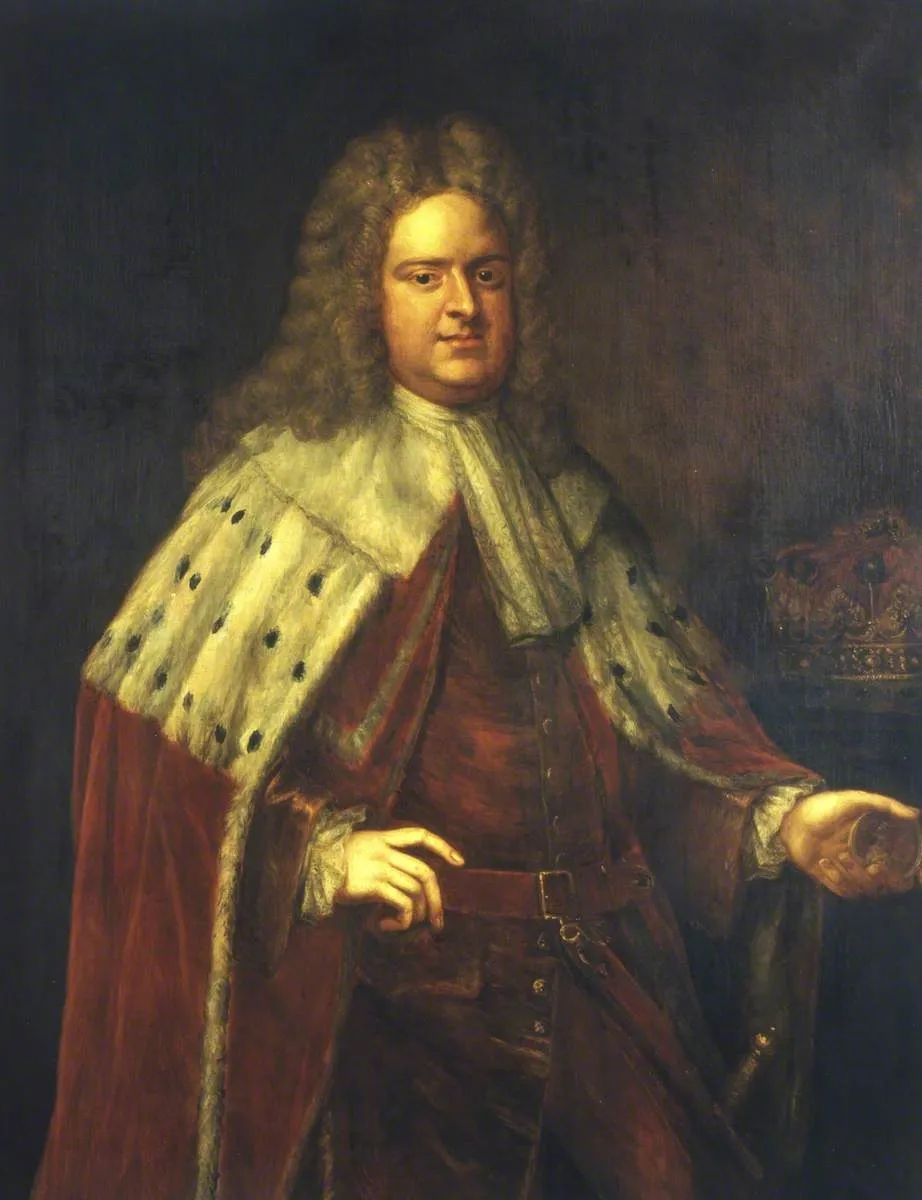
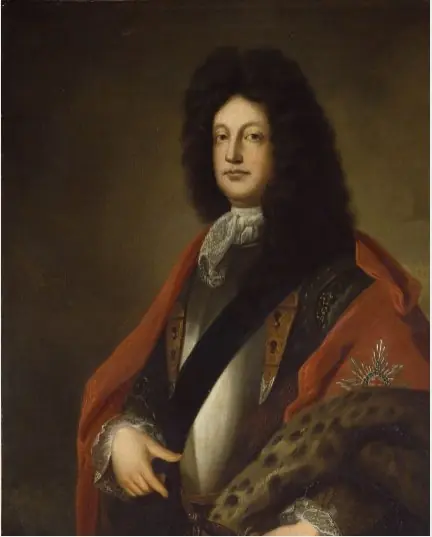
Edward Harley (1689–1741), 2nd Earl of Oxford and Mortimer is an oil painting by the Rococo painting artist Michael Dahl. It dates from 1735 and is held in the collection of the British Museum. The oil portrait, executed in 1735, presents Edward Harley, the second Earl of Oxford and Mortimer, seated in formal attire.
About this work
If you're interested in learning more about this style of painting, you might want to explore the work of the artist Michael Dahl.
This painting depicts a man in a red robe with a white cape, adorned with black dots. He has long, curly hair and wears a red vest with a belt and buttons. His right hand rests on his hip, while his left hand is extended, holding an object that is not clearly visible.
The man's attire and hairstyle suggest a formal or ceremonial setting, possibly from the 18th century. The use of oil paint and the style of the painting are consistent with the artistic techniques of that era.
If you're interested in learning more about this style of painting, you might want to explore the work of the artist Michael Dahl.
Overview
The oil portrait, executed in 1735, presents Edward Harley, the second Earl of Oxford and Mortimer, seated in formal attire. Rendered by Swedish-born portraitist Michael Dahl, who spent the bulk of his career in England, the work exemplifies the genteel portraiture of the mid‑18th century. It is part of the British Museum’s collection and reflects the conventions of aristocratic representation during the Rococo era.
Subject & Meaning
Edward Harley, a prominent member of the British aristocracy, is shown wearing a richly coloured red robe trimmed with a white cape patterned with black dots, a red vest, and a decorative belt. His posture—right hand on his hip and left hand extended toward an unseen object—conveys confidence and status, typical of portraiture intended to affirm the sitter’s social rank and personal dignity.
Technique & Style
Dahl employed the oil medium to achieve a smooth, luminous surface, allowing subtle modelling of flesh and fabric. The palette emphasizes deep reds and crisp whites, while delicate brushwork renders the curls of Harley’s hair and the texture of the velvet robe. The composition aligns with Rococo sensibilities, favouring elegance and refined detail over dramatic chiaroscuro.
History & Provenance
Created during Dahl’s mature period in England, the portrait entered the British Museum’s holdings as part of its collection of 18th‑century British portraiture. The work has remained in public view, offering insight into the visual culture of the English nobility and the cross‑national career of a Swedish artist who became a leading portraitist among the British elite.
Artist & collection
Artist
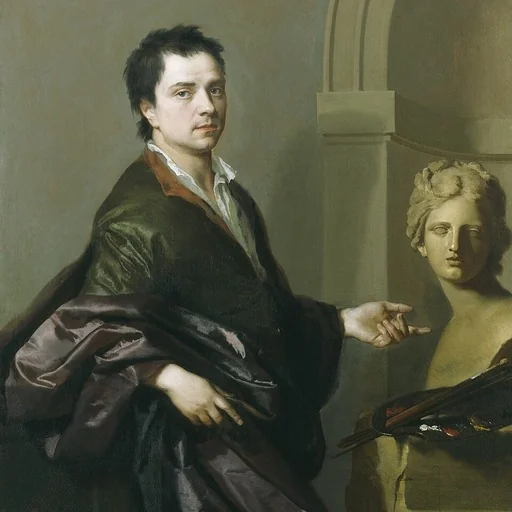
Michael Dahl (1656/1659 – 20 October 1743) was a Swedish painter who specialised in portrait painting and spent most of his career in England.

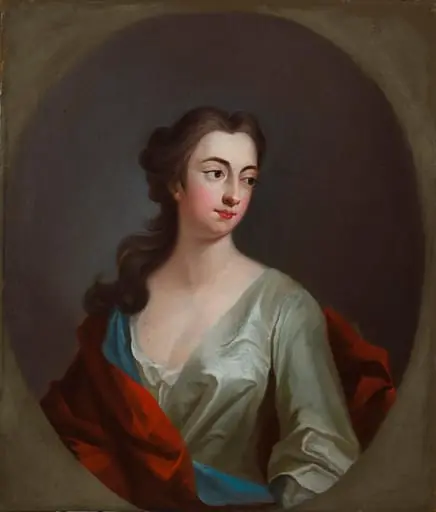
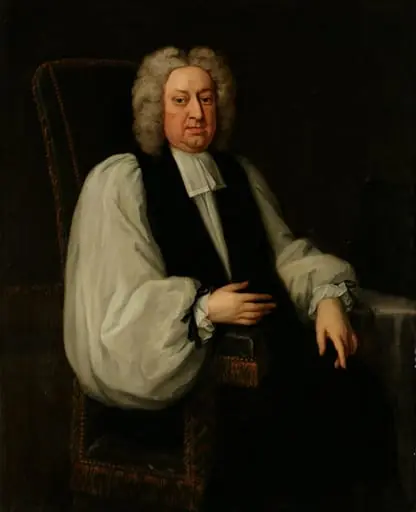
 Portrait of Richard Talbot, Earl and Duke of Tyrconnell (1630-1691)
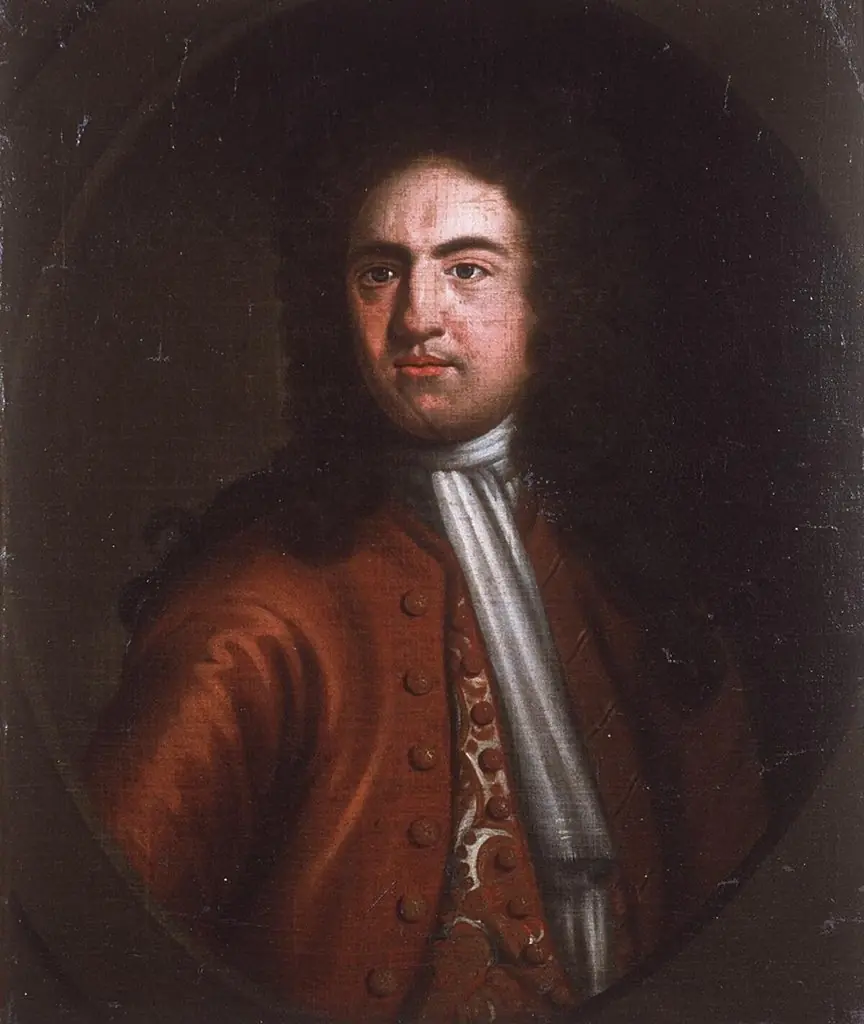 Sir Thomas Pryse
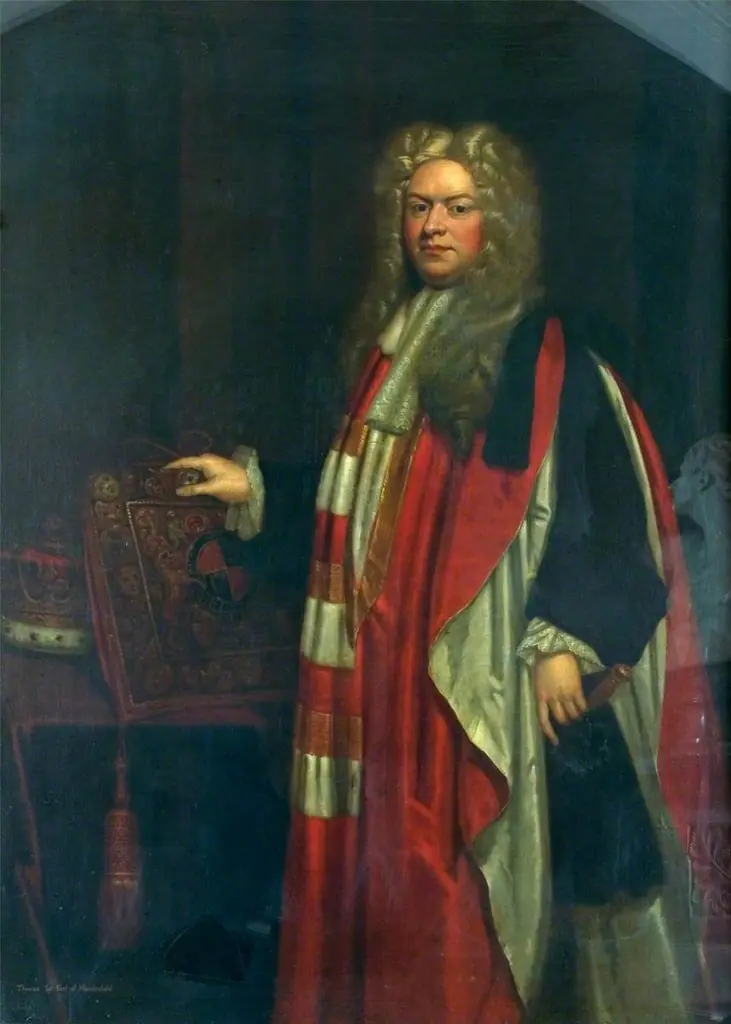 Sir Thomas Parker (1666–1732)
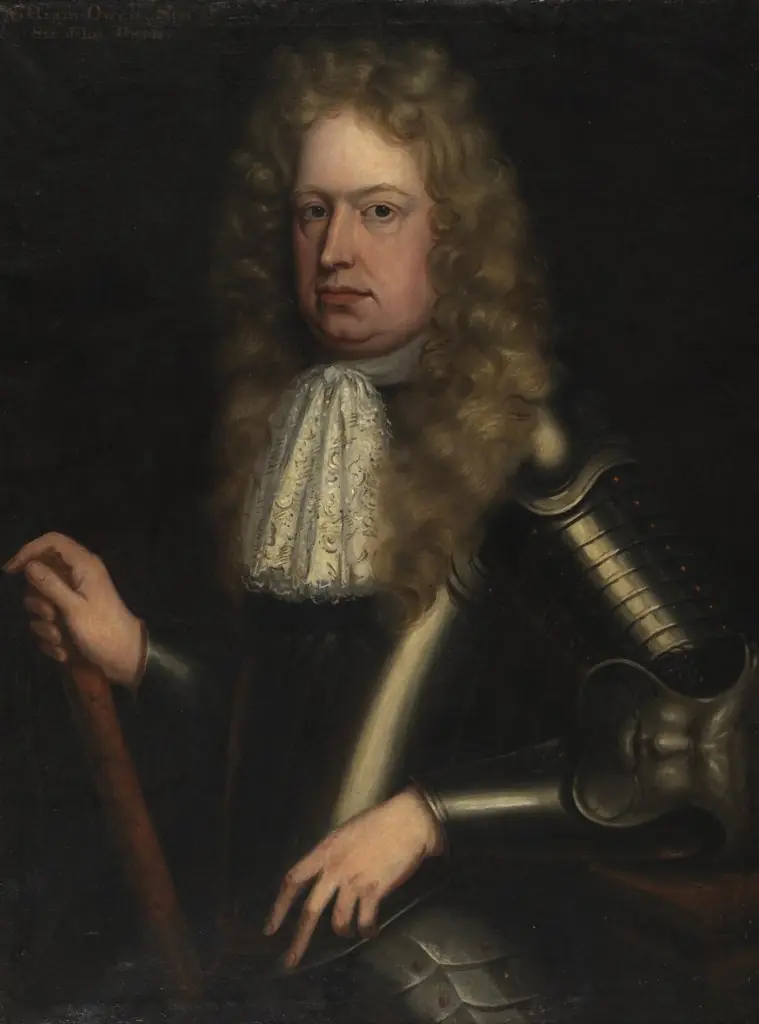 William Owen II of Porkington
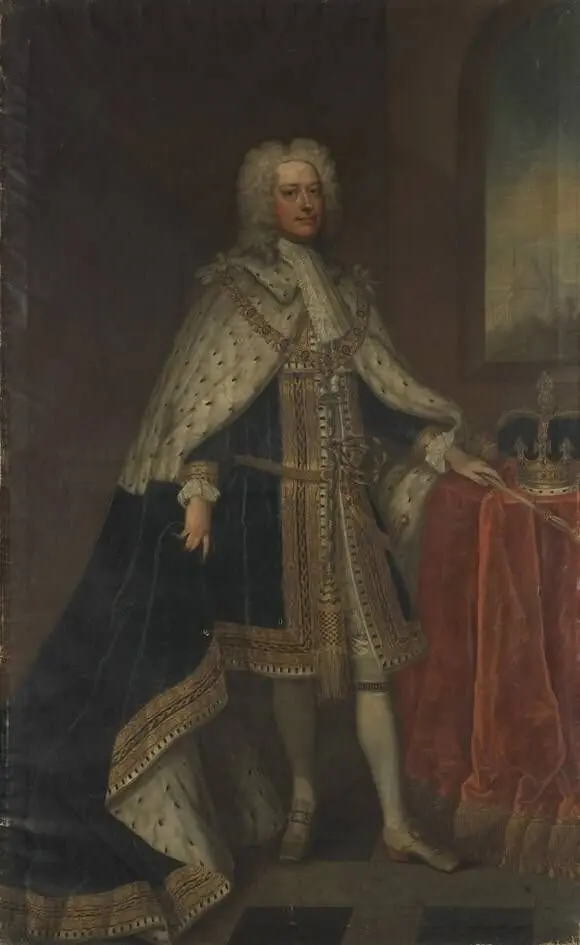 König Georg II. von England (Krönungsporträt) (Werkstatt)
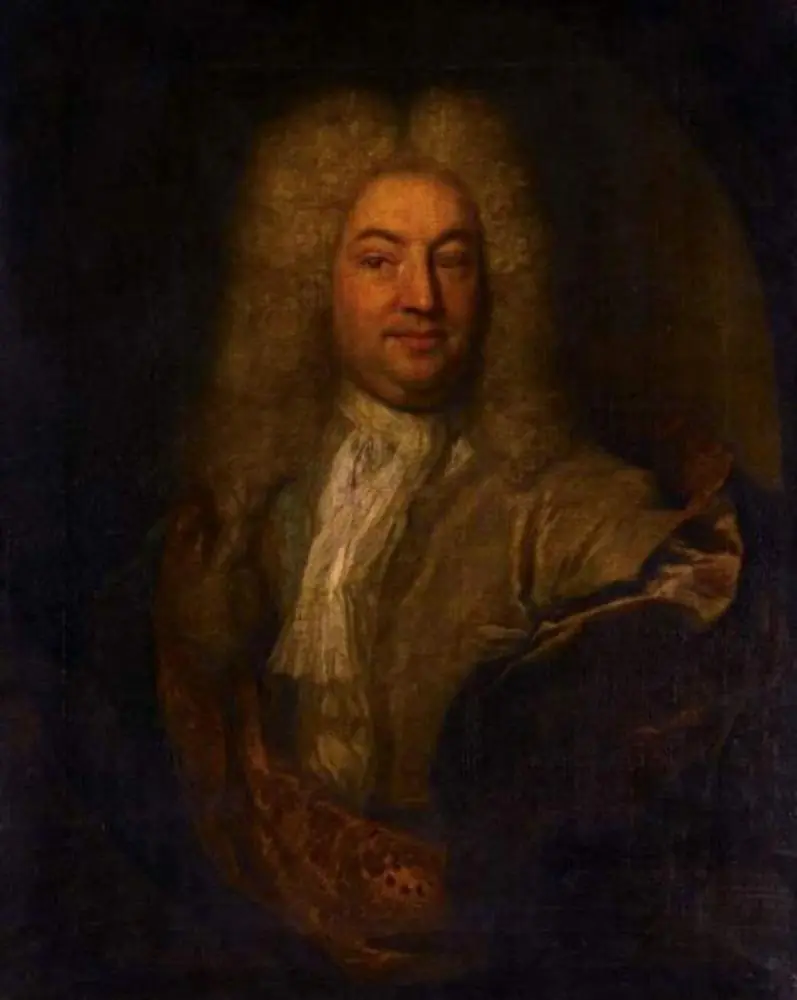 Portrait of Sir Matthew Decker, Bart
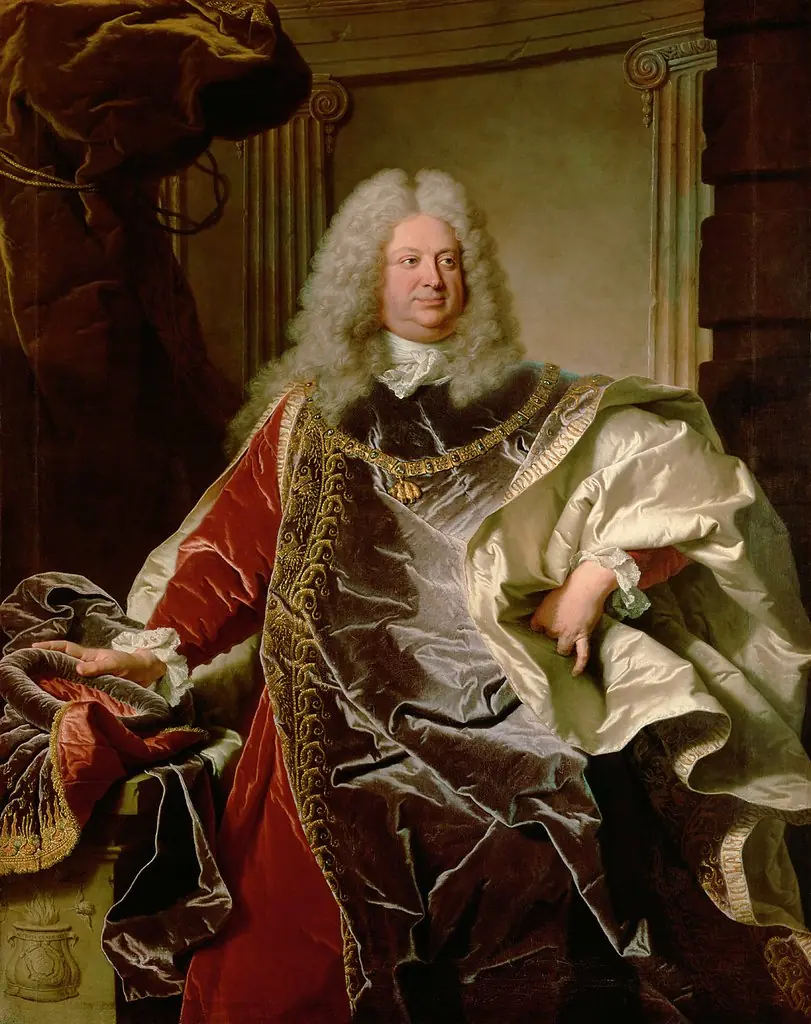 Philipp Ludwig Wenzel von Sinzendorf
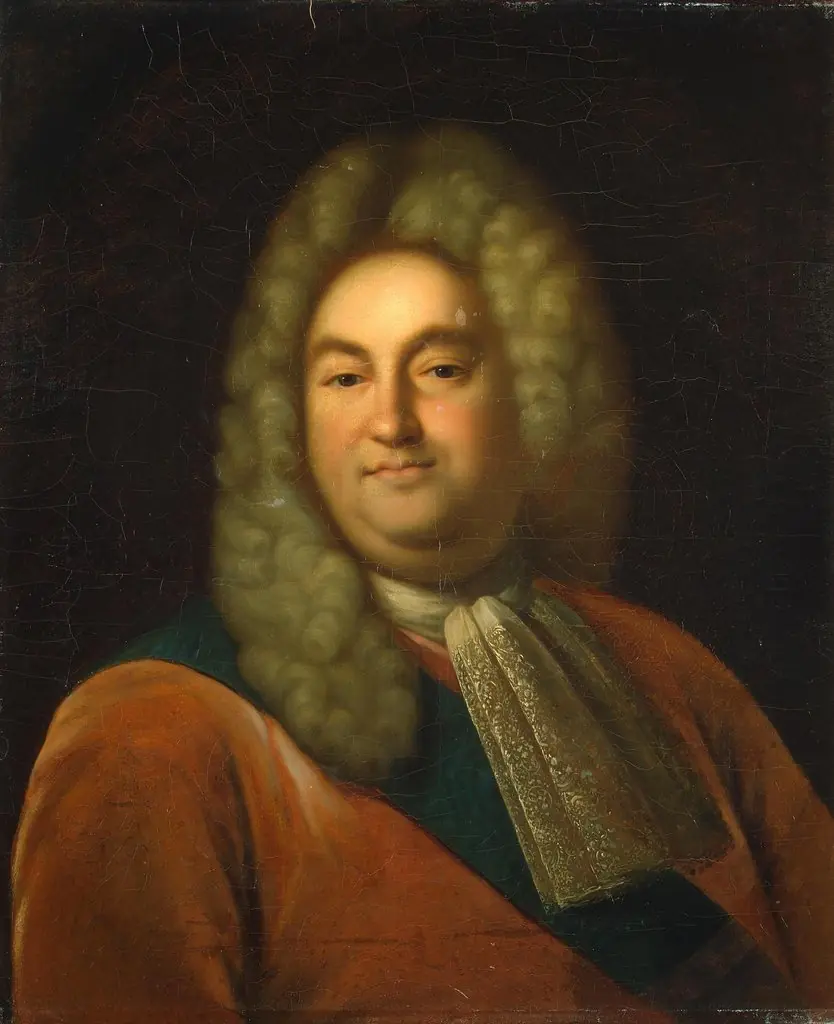 Portrait of Pyotr Shafirov
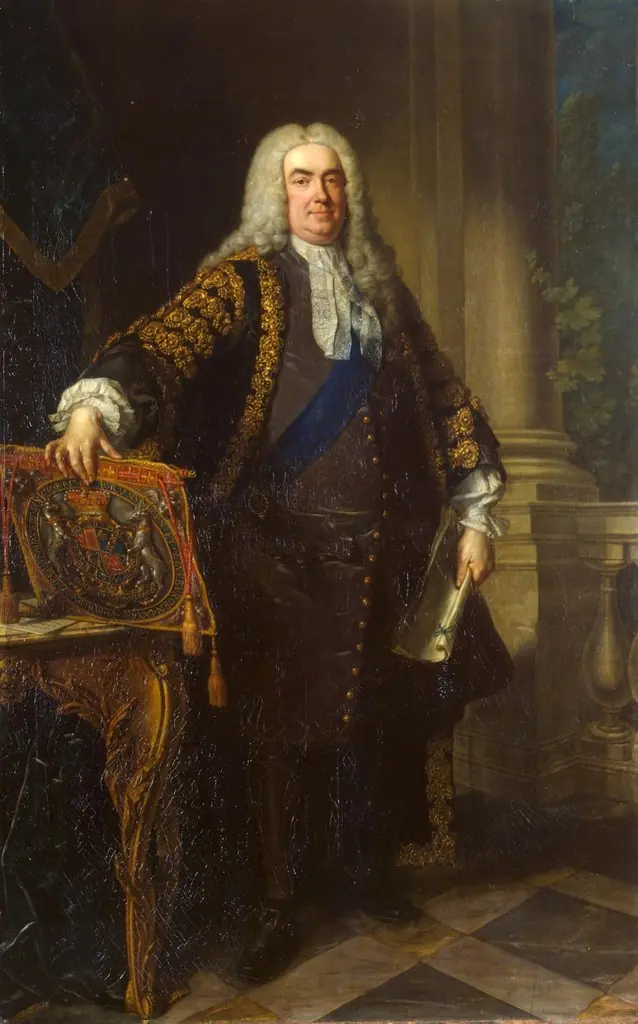 Portrait of Sir Robert Walpole
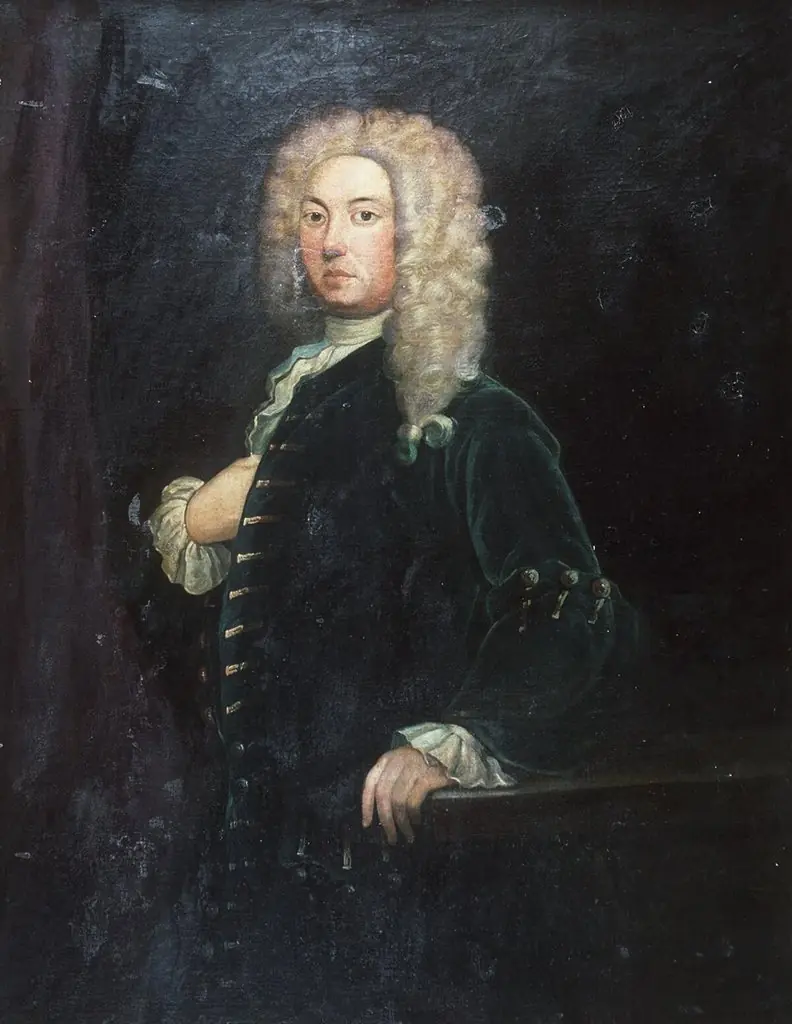 Councillor Richard Lloyd (died 1757)