Artwork
Weibliches Bildnis
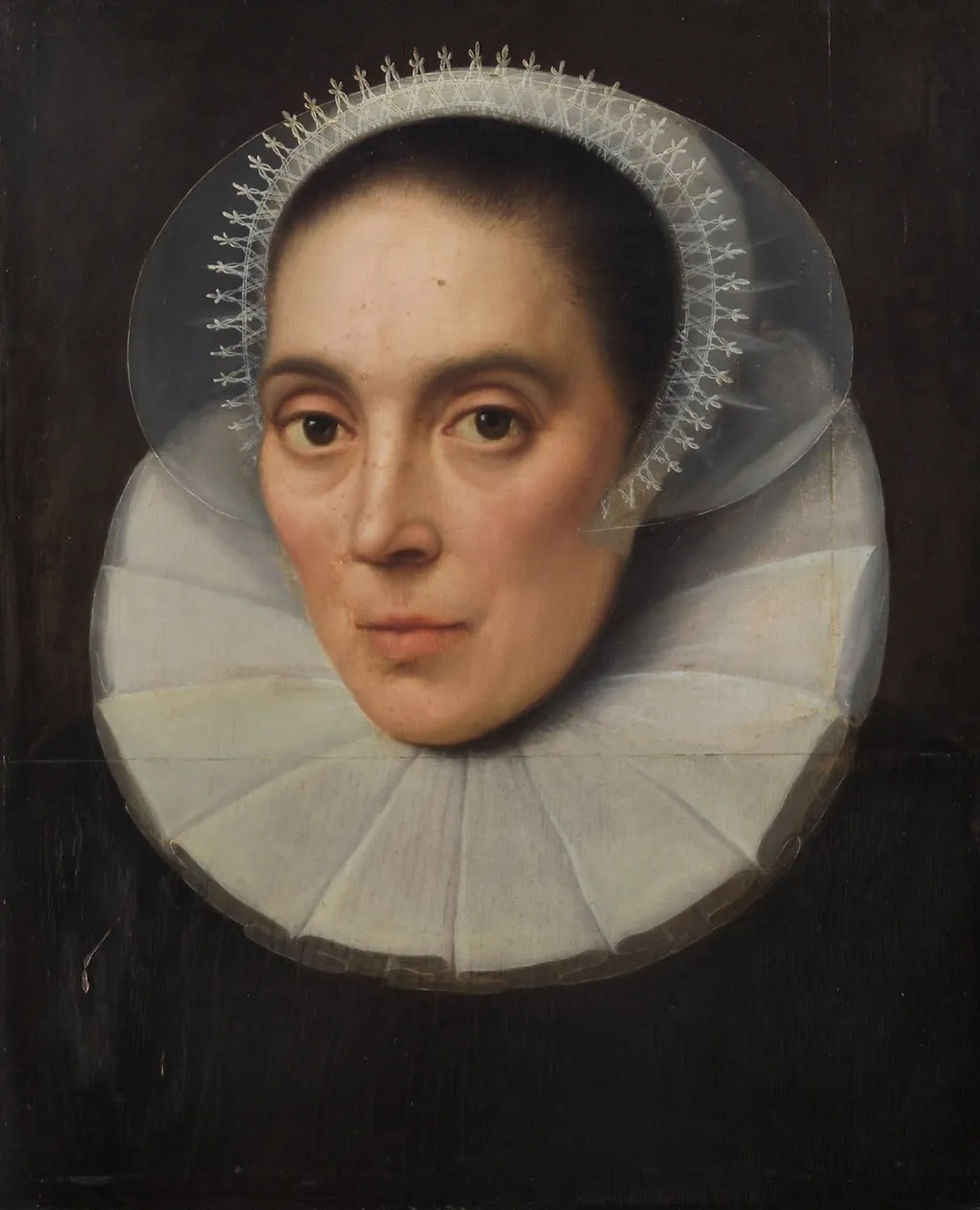
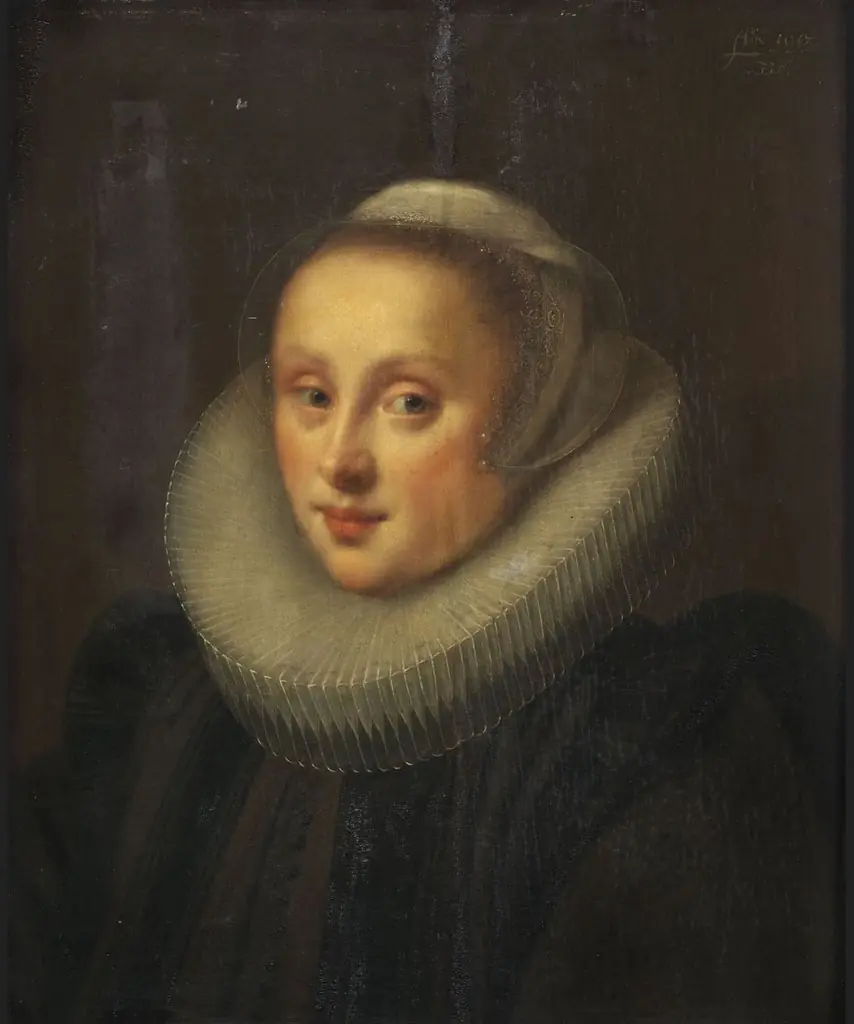
Weibliches Bildnis is an unspecified painting by the Early Baroque Italian artist Unknown. It dates from 1596 and is held in the collection of the Kunsthistorisches Museum. This portrait depicts a woman’s upper torso and face, rendered against a deep, unbroken background.
About this work
Overview
Her attire includes a stiff, pleated white collar and a delicate, embroidered cap that partially conceals her dark hair.
This portrait depicts a woman’s upper torso and face, rendered against a deep, unbroken background. Her attire includes a stiff, pleated white collar and a delicate, embroidered cap that partially conceals her dark hair. The composition focuses tightly on her features, eliminating extraneous detail to emphasize presence and quiet dignity. The lighting isolates her form with precision, a hallmark of early modern portraiture.
Subject & Meaning
The sitter’s expression is composed and introspective, suggesting restraint rather than emotion. Her attire—elaborate yet restrained—hints at social standing without overt display. The absence of symbolic objects or setting shifts focus entirely to her individuality, inviting contemplation of inner character rather than external status. The stillness of her gaze conveys a sense of self-possession.
Technique & Style
The artist employs chiaroscuro to model the face with subtle gradations of light and shadow, particularly around the cheekbones and jawline. The contrast between the luminous collar and the dark background enhances three-dimensionality. Fine brushwork captures the texture of the embroidered cap and the translucency of its fabric, while the skin is rendered with soft, blended tones to suggest life without idealization.
History & Provenance
The painting’s origins are undocumented in public records, and its early ownership remains unclear. It likely dates to the late 16th or early 17th century, based on costume and technique. No known artist is attributed to the work, and it has passed through private collections before entering its current institutional holding. Its survival suggests it was valued as a personal or familial portrait.
Context
In Northern European portraiture of this period, such intimate, dark-background compositions were common among urban elites. The emphasis on facial expression and fine textile detail reflected cultural values around modesty, refinement, and individual identity. Unlike grand court portraits, these works prioritized psychological presence over heraldic symbolism, aligning with Protestant ideals of personal piety.
Legacy
Though unsigned and unattributed, the painting exemplifies the quiet sophistication of non-noble portraiture in the early modern era. Its restrained aesthetic influenced later generations of artists who favored psychological depth over ornamentation. Today, it serves as a testament to the dignity afforded ordinary individuals in visual culture, beyond the realm of aristocratic commission.
Artist & collection

 Domestic Scene
 Giacomo and Cardinal Marco, investing Andrea, Abbot of San Zeno, with his Benefice
 The Nymph of Fontainebleau
 Portrait of a Woman
 Madonna and Child with Saints in the Enclosed Garden
 Venus and Minerva
 Family Group of Four on Sofa
 Wall painting from Room H of the Villa of P. Fannius Synistor at Boscoreale
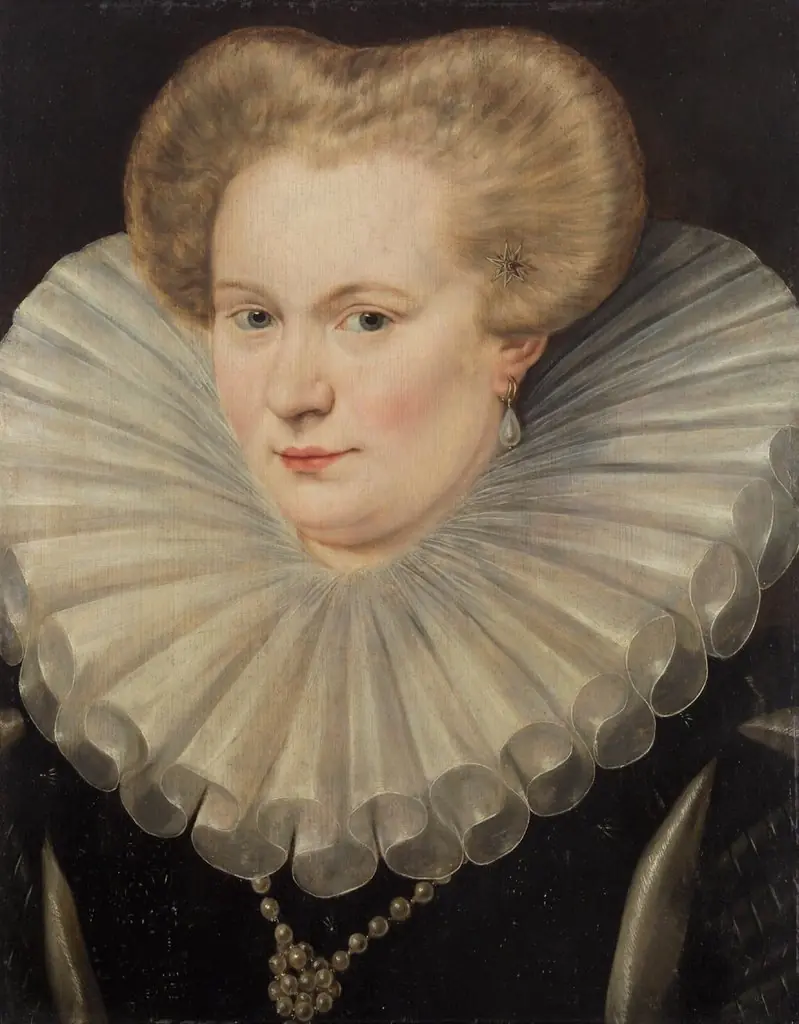 Weibliches Bildnis
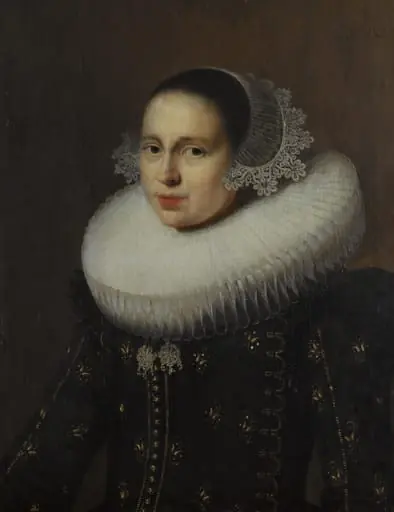 Portrait of Hendrickje Uylenburgh (1600-c. 1682)
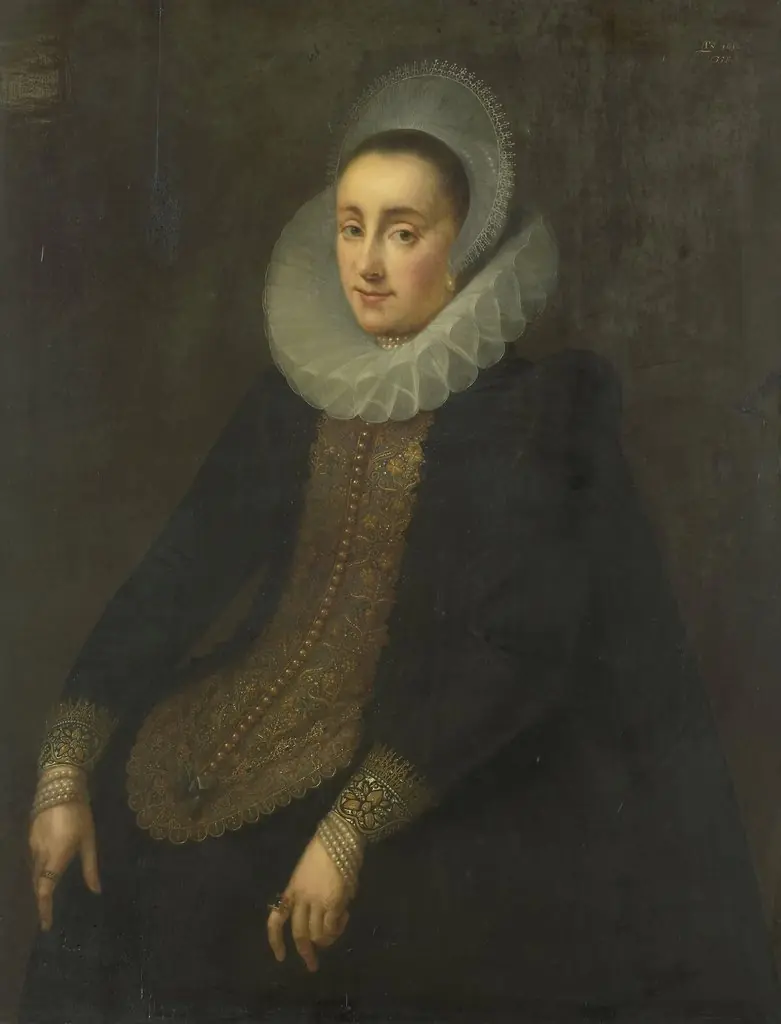 Portrait of Lucretia del Prado, Wife of Jeremias Boudinois
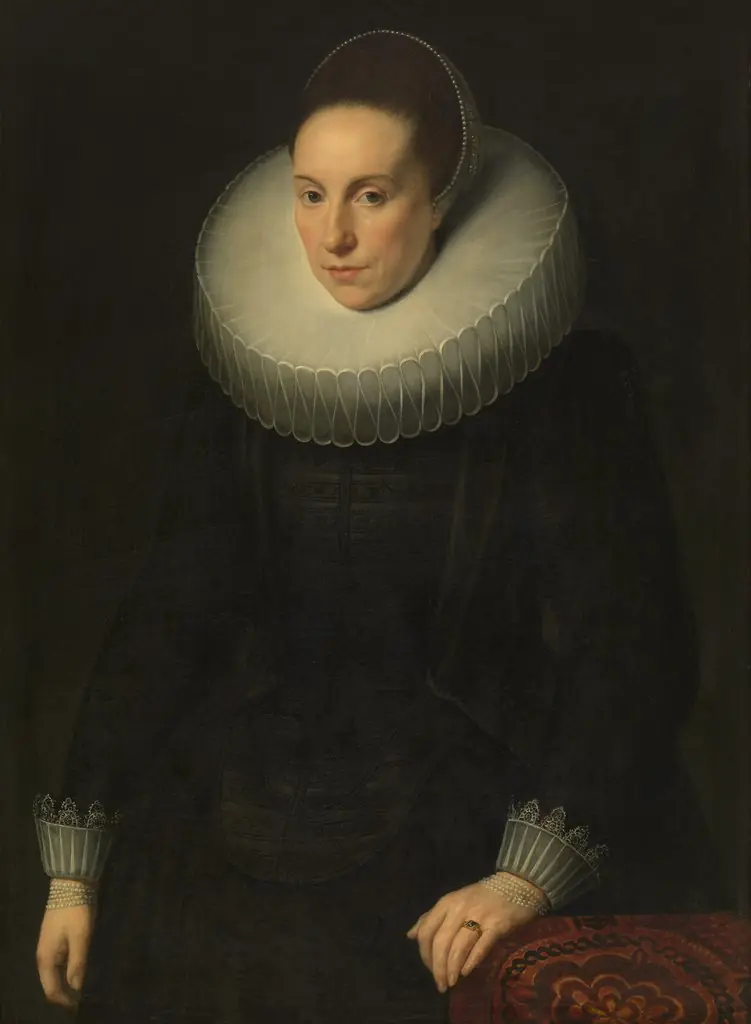 Portret van een vrouw
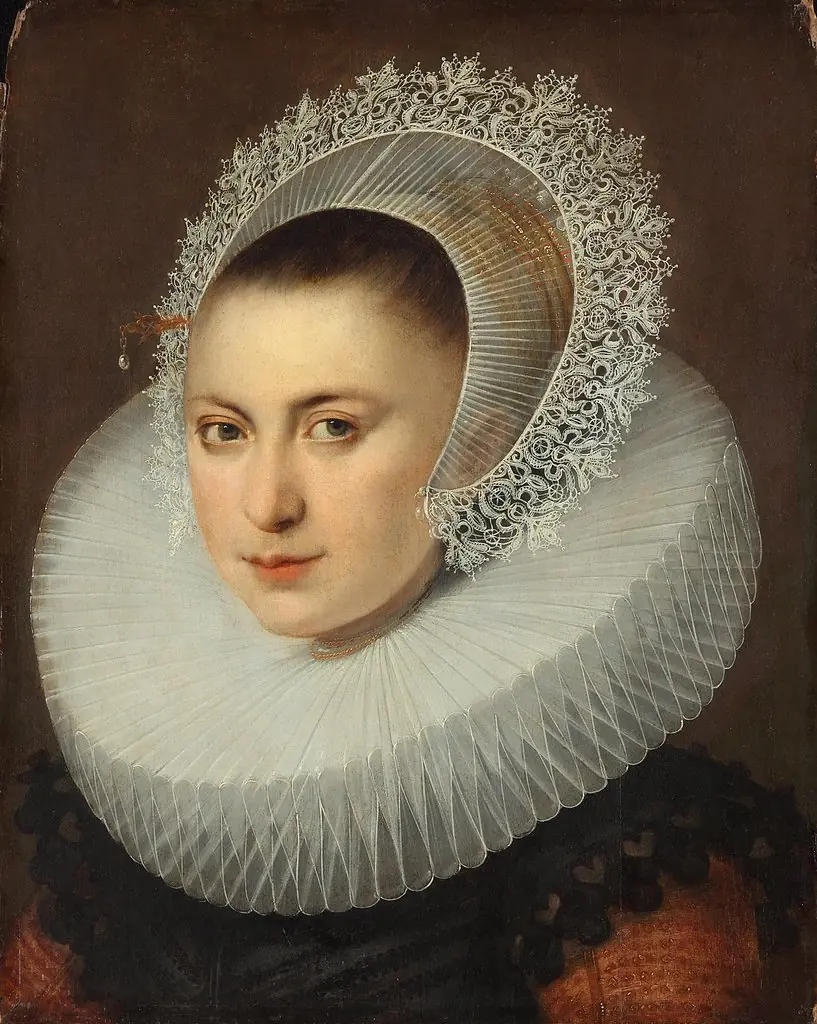 Portrait of a Woman
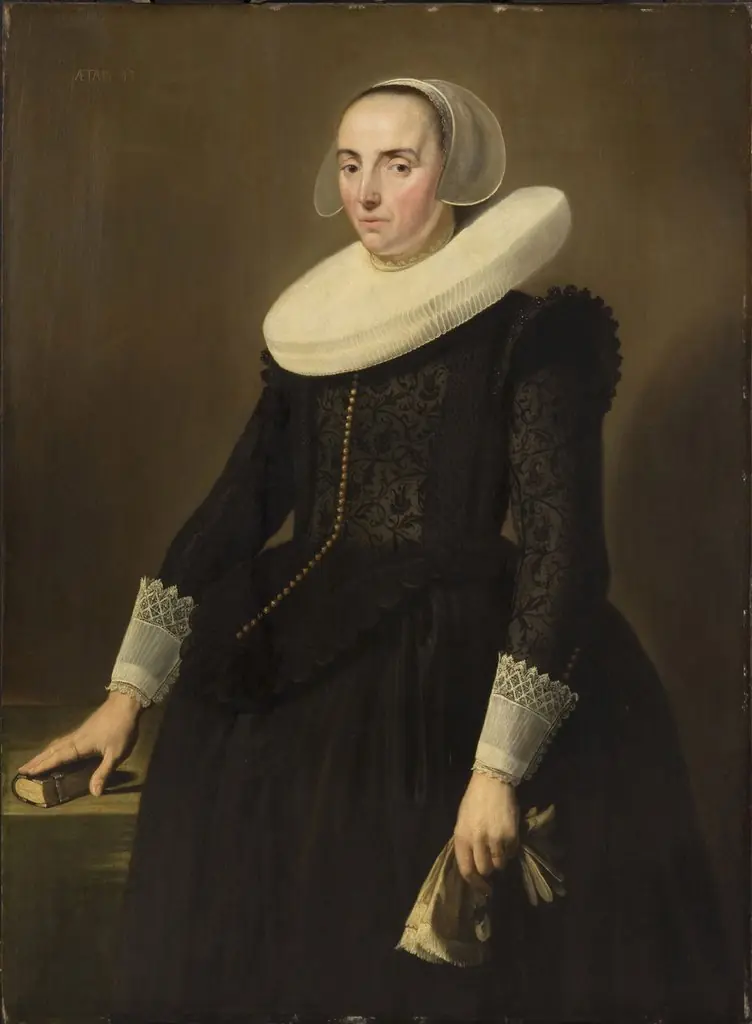 Portrait of Jeanne de Planque
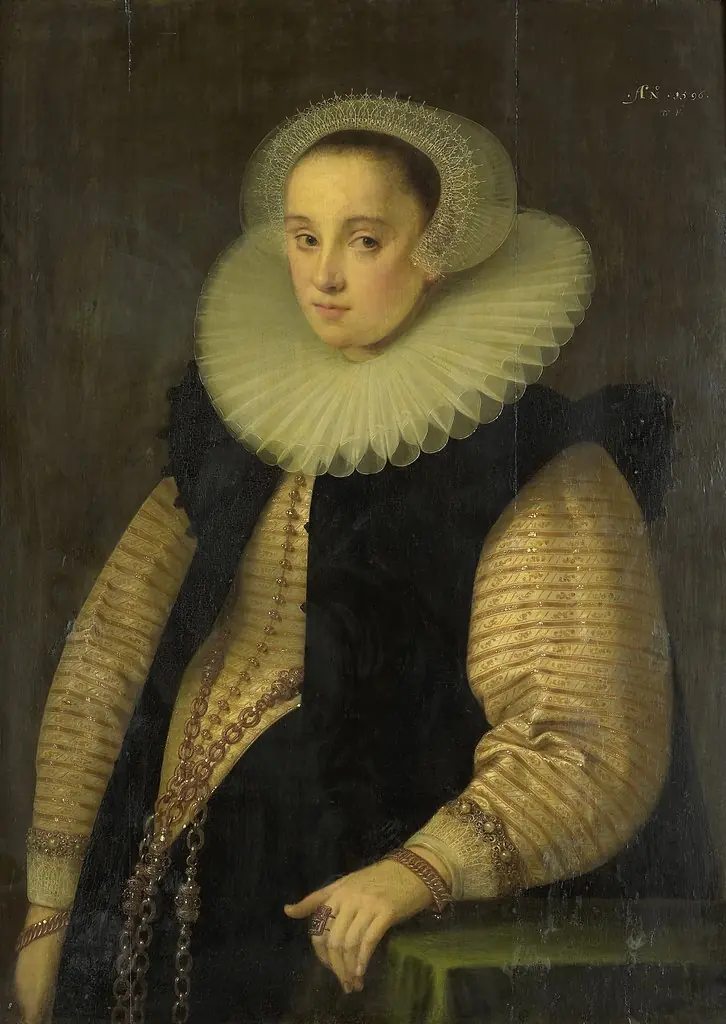 Portrait of Hortensia del Prado (died 1627), Wife of Jean Fourmenois
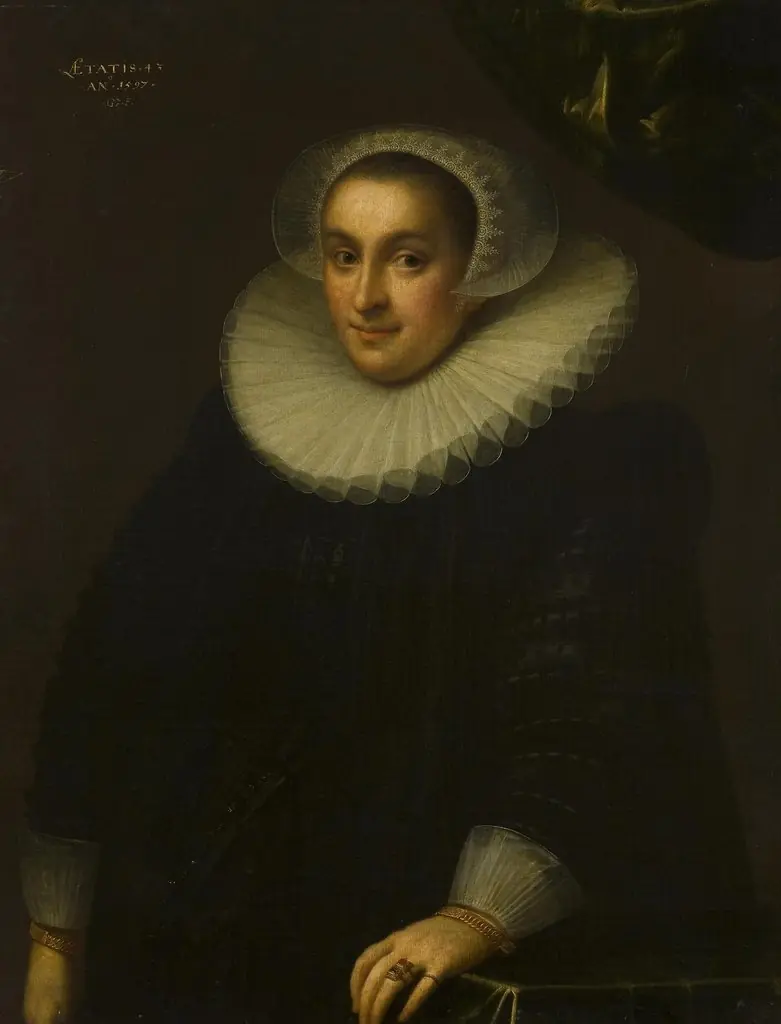 Portrait of Cornelia Bot, wife of Gottfried Houtappel
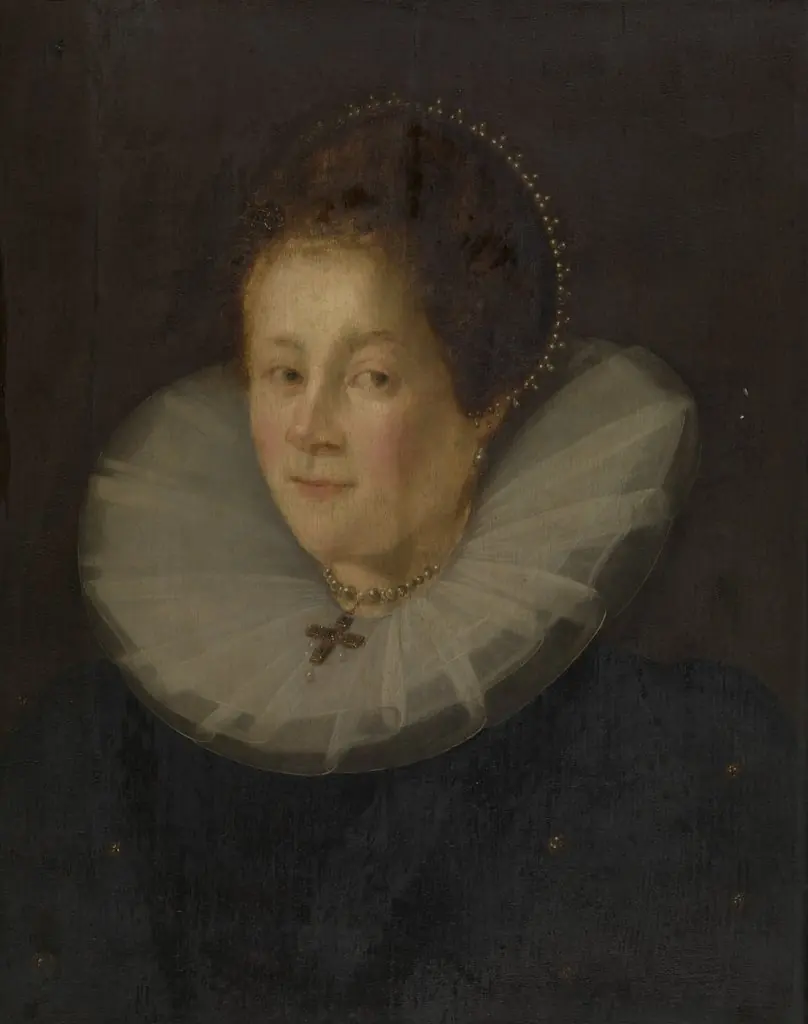 Portrait of a Woman
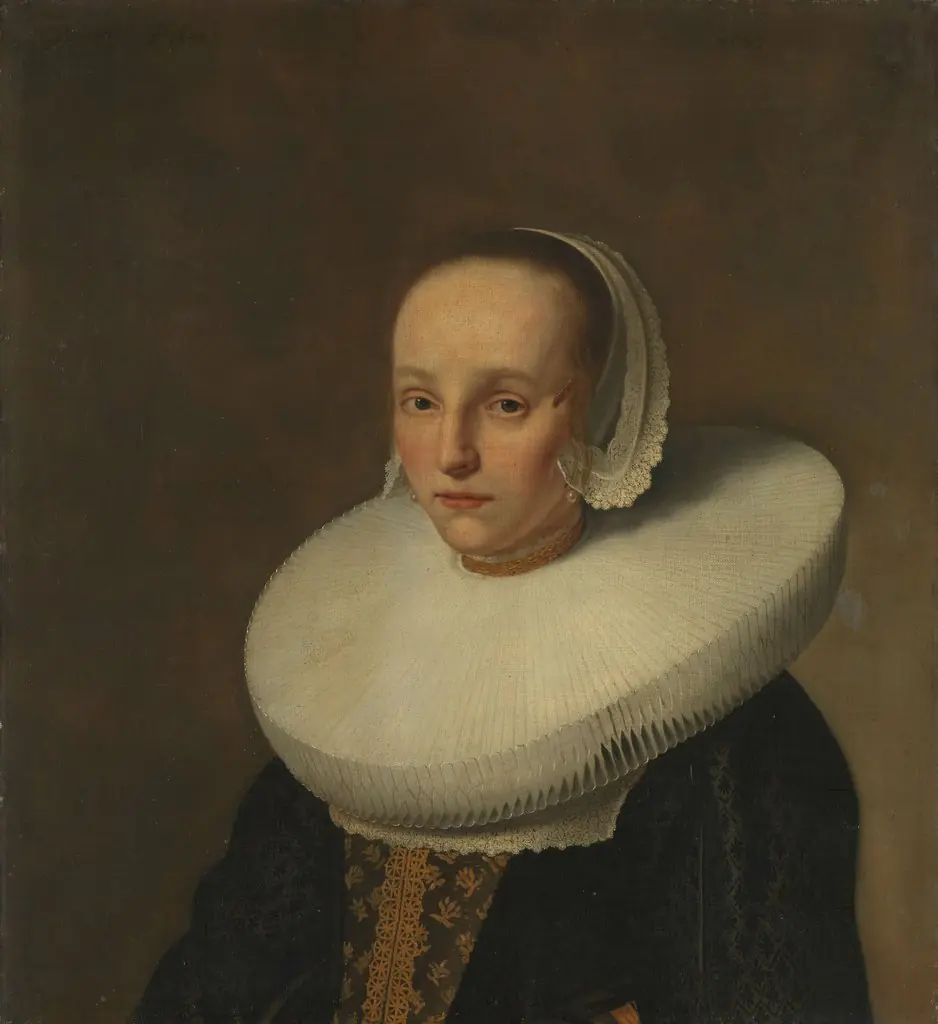 Anna van der Does (1609-50). Wife of Jan de Hooghe
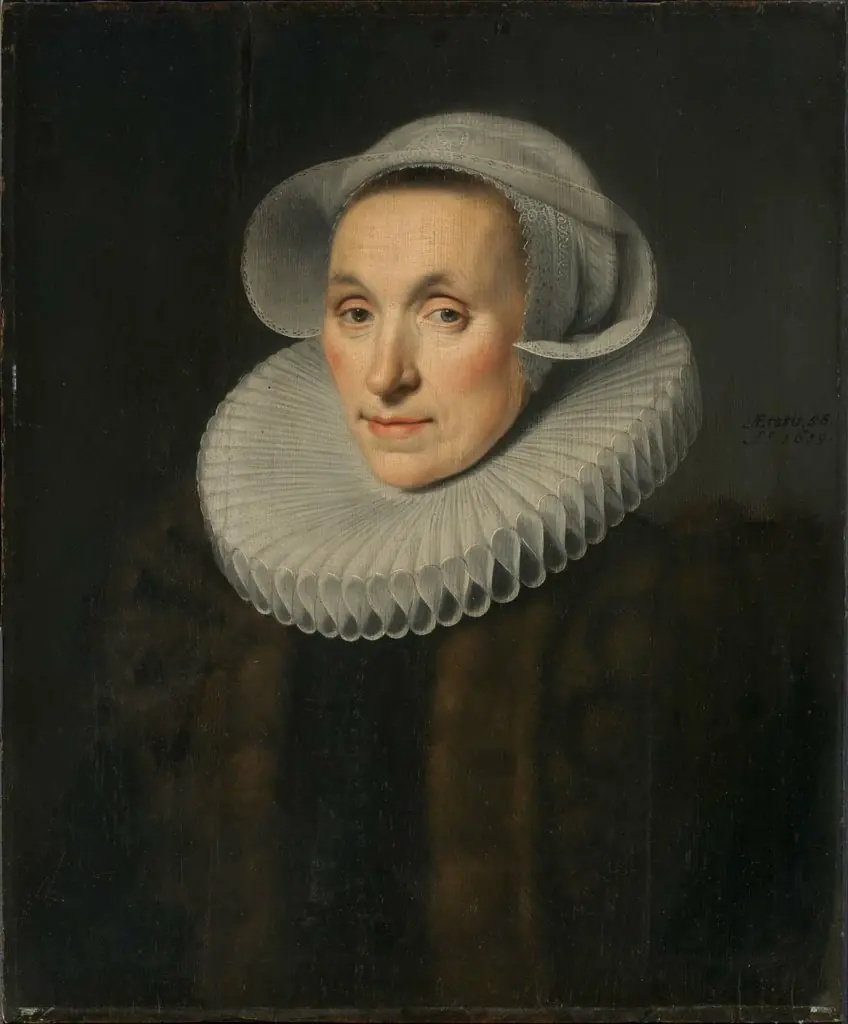 Sara van Bosschaert (version of 1/2-length portrait in the Prinsenhof, Delft)
 Portrait of Gertrud Cronenberg, second wife to Adriaen de Bruyn van Blanckenvort