Artwork
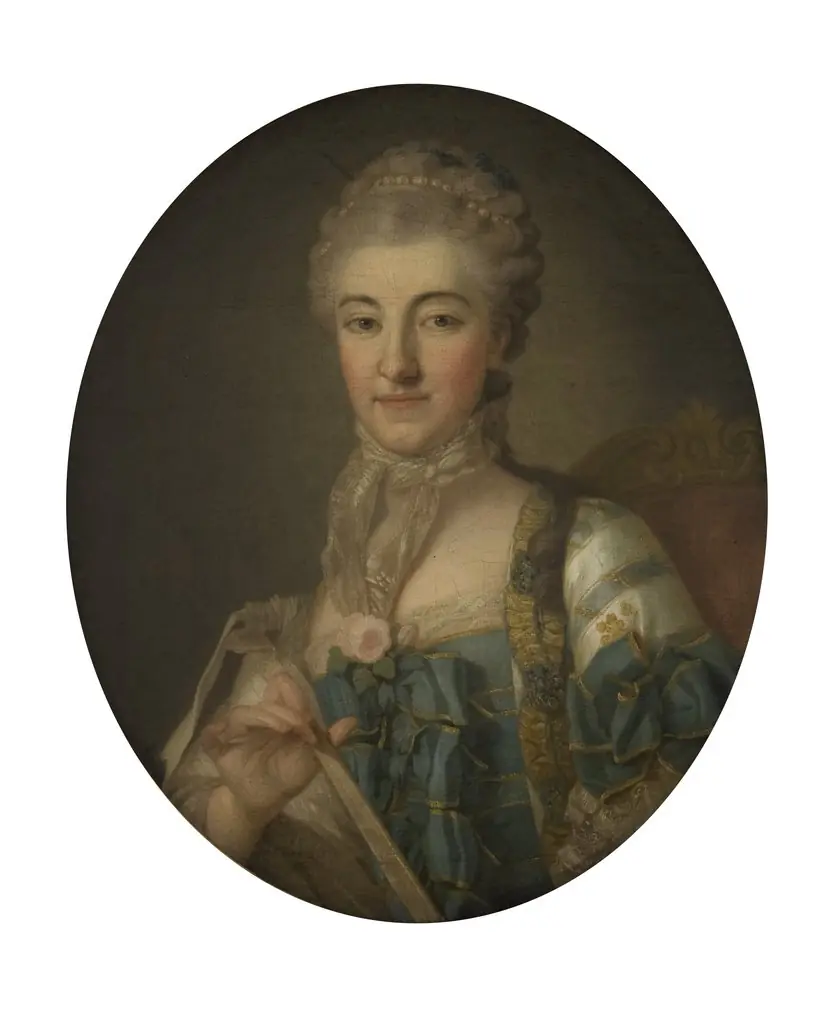
Portrait of Konstancja Poniatowska née Czartoryska
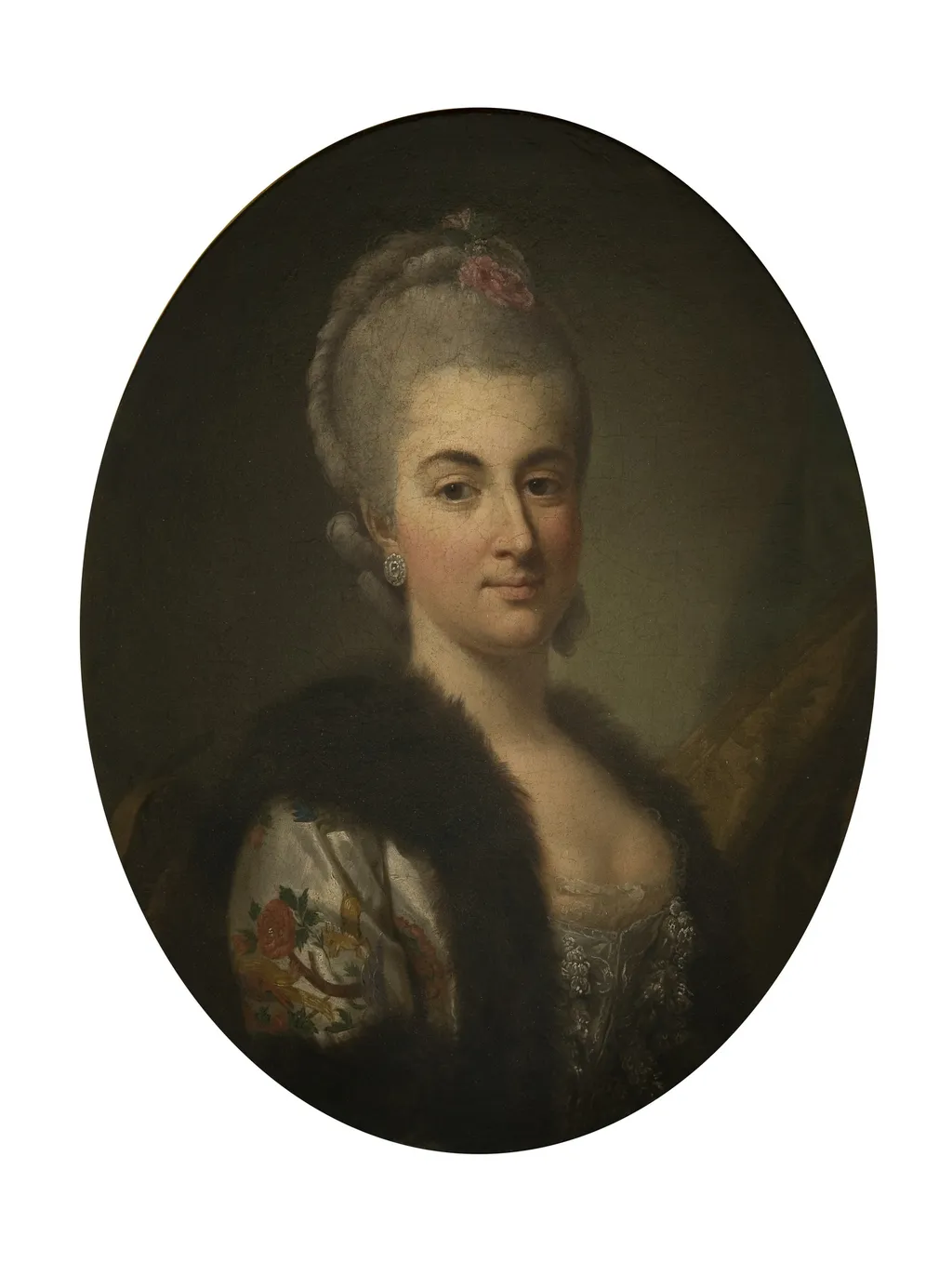
Portrait of Konstancja Poniatowska née Czartoryska is an oil painting by Per Krafft the Elder. It dates from 1768 and is held in the collection of the National Museum in Kraków.
About this work
Overview
Painted in 1768 by Swedish artist Per Krafft the Elder, this oil portrait depicts Konstancja Poniatowska, born Czartoryska.
Painted in 1768 by Swedish artist Per Krafft the Elder, this oil portrait depicts Konstancja Poniatowska, born Czartoryska. The work is part of the National Museum in Kraków’s collection and exemplifies 18th-century aristocratic portraiture. Krafft, known for his refined technique and psychological nuance, captured his subject with quiet dignity, avoiding theatricality in favor of restrained elegance.
Subject & Meaning
Konstancja Poniatowska, a member of Poland’s influential Czartoryski family, is portrayed with composure and subtle grace. Her delicate smile and composed gaze suggest inner poise rather than overt display. The inclusion of a pink flower and fur shawl signals both fashion and social status, while the absence of symbolic props emphasizes her identity as a noblewoman defined by personal presence rather than lineage alone.
Technique & Style
Krafft employed oil paint with careful attention to texture and light. The dark background isolates the figure, enhancing the luminosity of her white dress and the soft sheen of her fur wrap. Delicate brushwork renders the floral embroidery on her sleeves and the intricate updo of her hair, while subtle chiaroscuro models her face, lending volume and a quiet realism that avoids idealization.
History & Provenance
Commissioned during Krafft’s active years in Sweden and Poland, the portrait entered the National Museum in Kraków’s holdings in the 19th century. Its provenance traces back to the Czartoryski family, who maintained extensive art collections. The painting remained in Polish hands through political upheavals, preserving its connection to the aristocratic circles that commissioned it.
Context
Created during the Polish-Lithuanian Commonwealth’s final decades, the portrait reflects the cultural ties between Swedish and Polish nobility. Krafft, trained in Sweden but active across Northern Europe, brought a Nordic precision to Polish aristocratic portraiture. The work aligns with broader trends of intimate, psychologically grounded likenesses favored by enlightened elites before the partitions of Poland.
Legacy
Though not widely exhibited outside Poland, the portrait remains a significant example of Krafft’s mature style and his role in bridging Scandinavian and Central European portraiture. It contributes to the understanding of how aristocratic identity was visually constructed in the late 18th century, preserving the quiet presence of a woman whose life unfolded amid political transformation.
Artist & collection
Artist
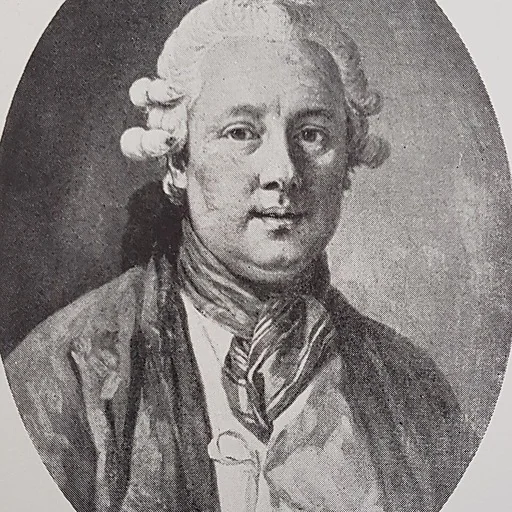
Per Krafft the Elder (16 January 1724 – 7 November 1793) was a Swedish portraitist. He was the father of the artists Per Krafft the Younger and Wilhelmina Krafft.

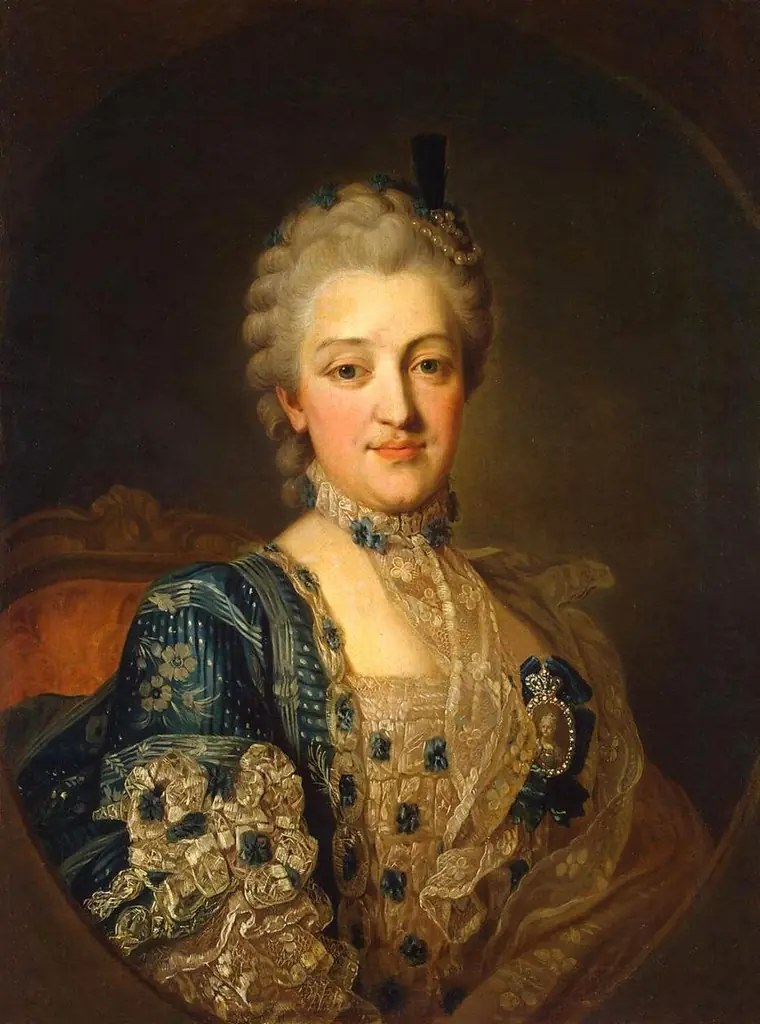
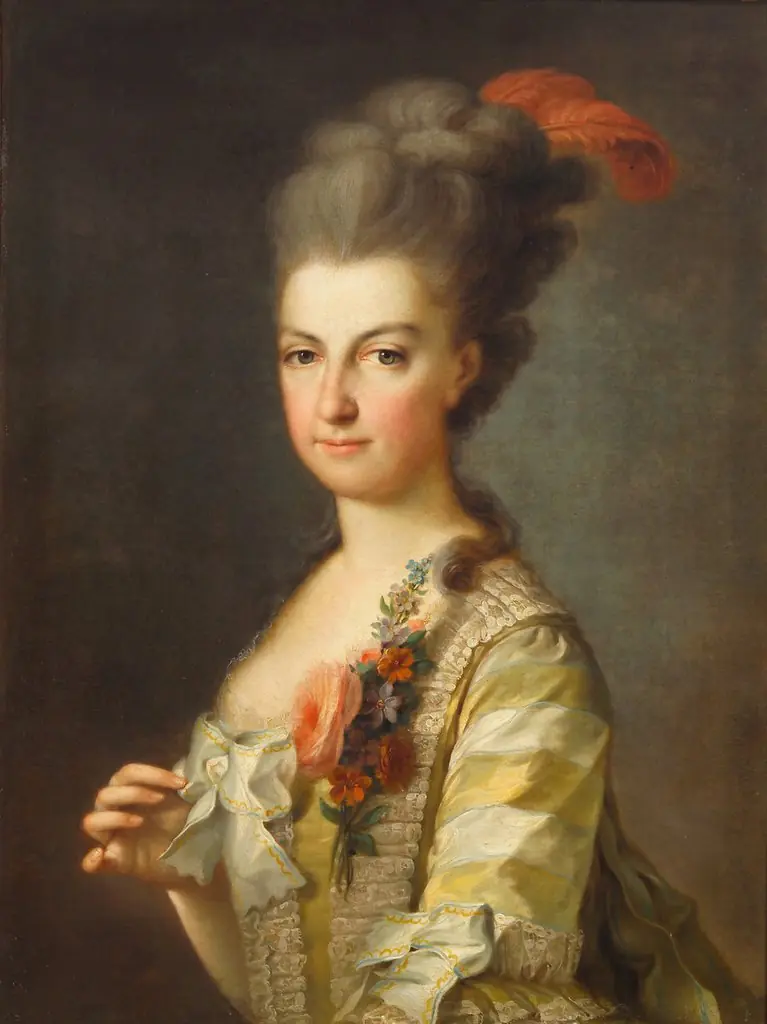 Erzherzogin Maria Christine (1742-1798), Herzogin von Sachsen - Teschen, in gestreiftem Seidenkleid, Halbfigur
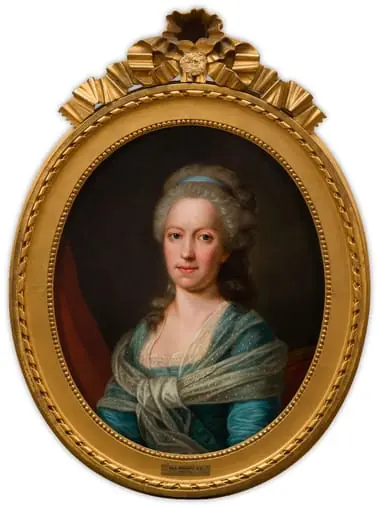 Dorotea Westén
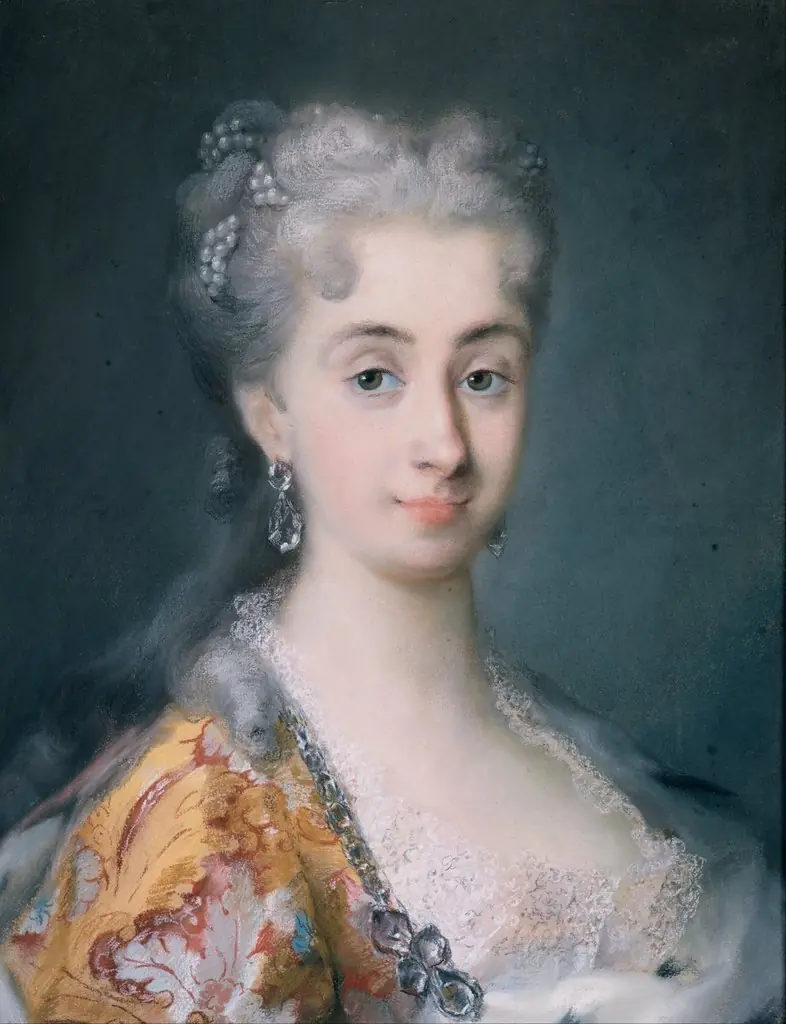 Lucrezia Mocenigo
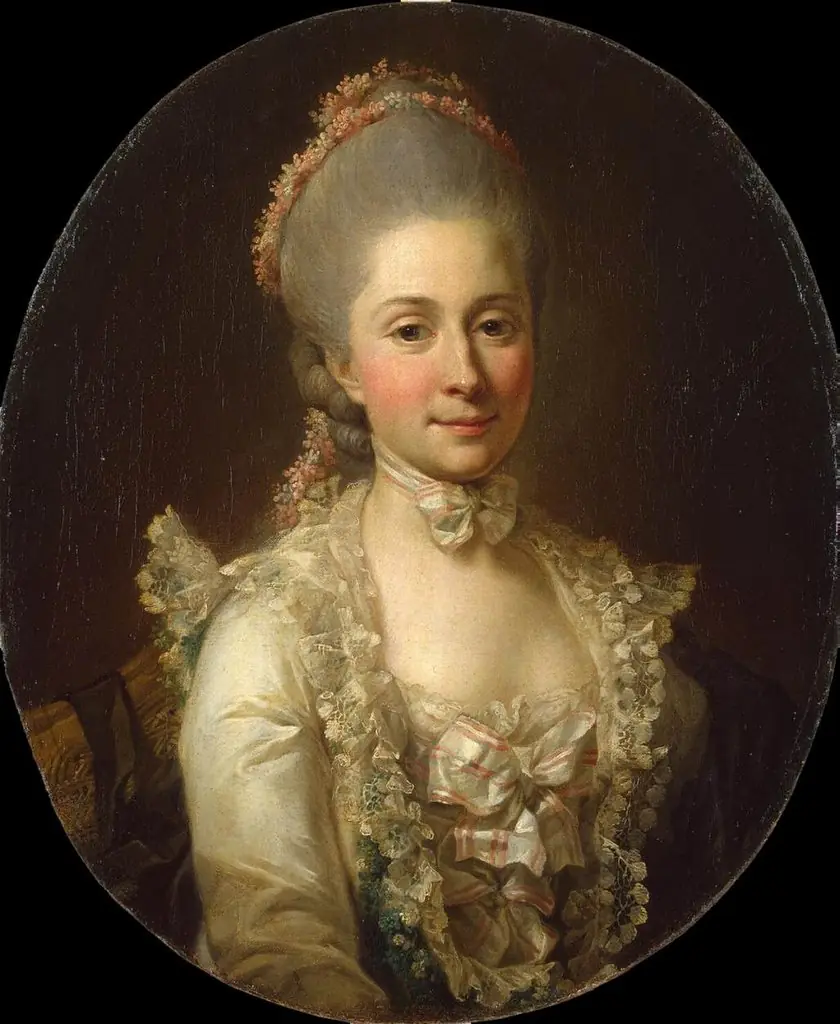 Portrait of a Woman
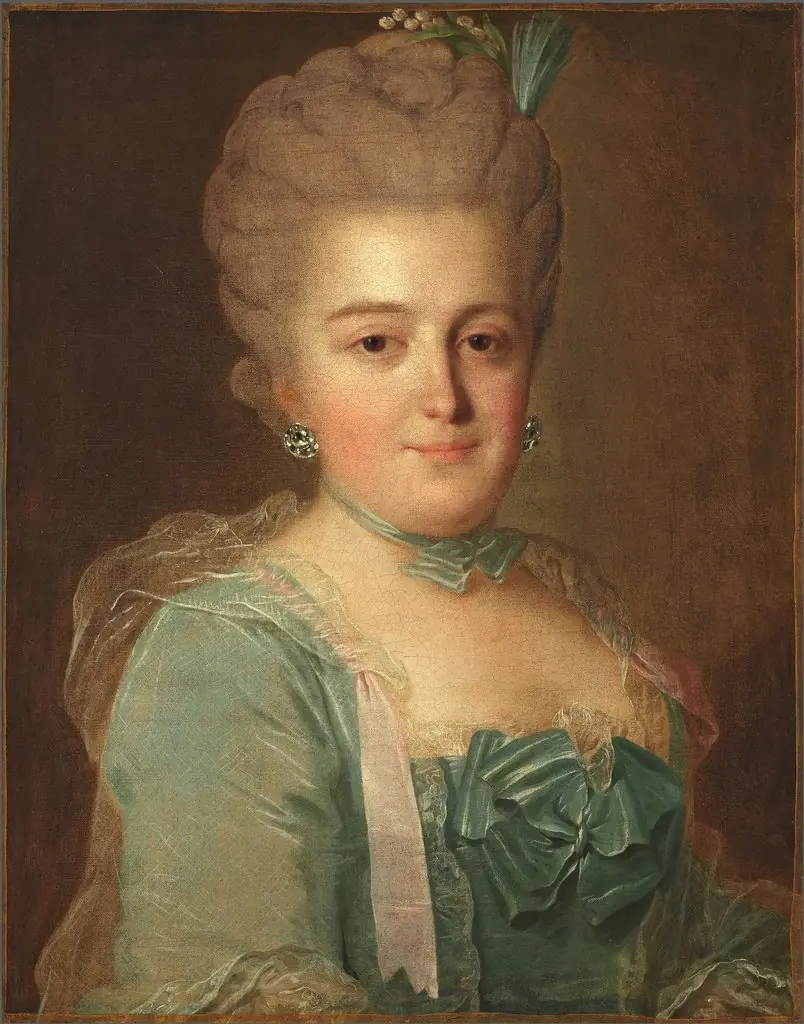 Portrait of Anna S. Tulinova
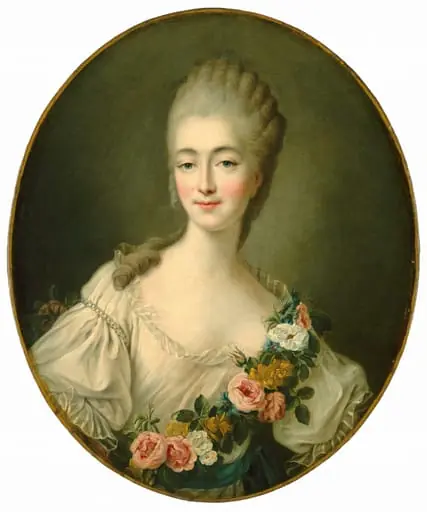 Jeanne Bécu, Comtesse du Barry
 Porträt der Praskovya Lanskaya
 Portrait of the Countess Du Barry as Flora
 Countess Teresa Kinska Poniatowska