Artwork
Anna Constanze Gräfin von Cosel (1680-1765)
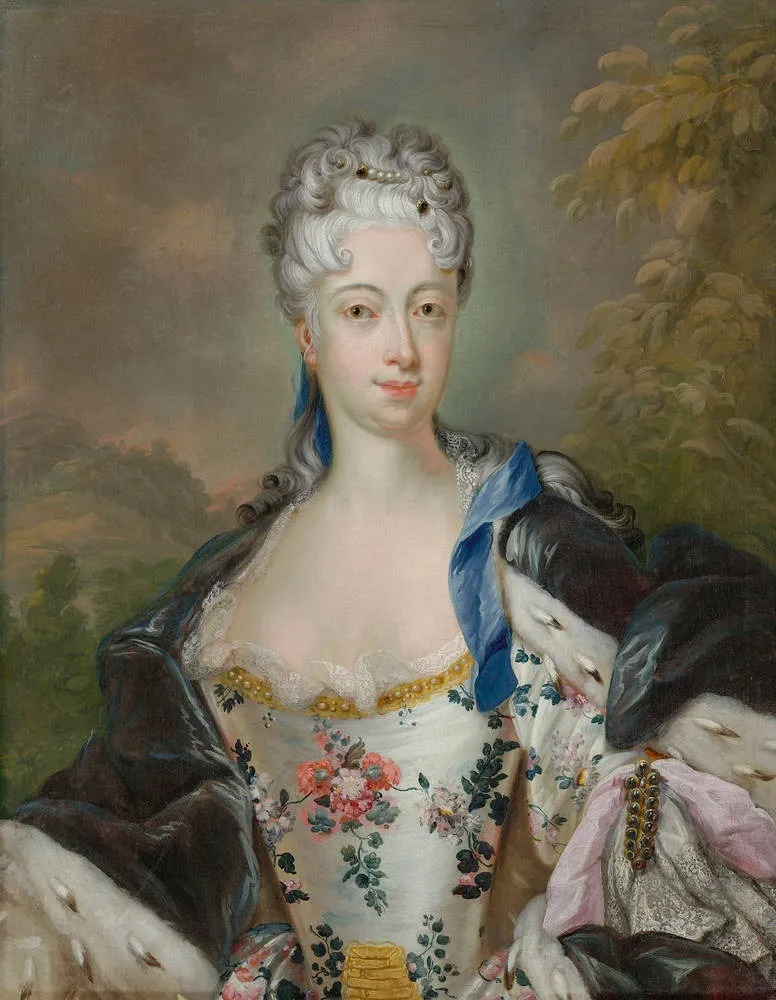
Anna Constanze Gräfin von Cosel (1680-1765) is an oil painting by the Rococo painting artist Unknown. It dates from 1707 and is held in the collection of the Staatliche Kunstsammlungen Dresden. This oil painting depicts Anna Constanze Gräfin von Cosel, a noblewoman of the early 18th century.
About this work
Overview
This oil painting depicts Anna Constanze Gräfin von Cosel, a noblewoman of the early 18th century. Executed in the Baroque tradition, the portrait captures her in formal attire, reflecting her status within the Saxon aristocracy. The work belongs to a broader tradition of court portraiture that emphasized lineage, dignity, and social position through visual representation.
Subject & Meaning
Anna Constanze von Cosel was a prominent figure at the Dresden court, known for her relationship with Augustus the Strong, Elector of Saxony. The portrait likely served to affirm her noble identity amid political controversy. Her composed demeanor and elaborate dress convey authority and refinement, reinforcing her place in a hierarchical society despite her contested status.
Technique & Style
The painting employs rich oil pigments to render fine textures in fabric, lace, and skin. Light falls subtly across the figure, modeling form without dramatic contrast. Brushwork is precise yet restrained, typical of court portraiture in Saxony, prioritizing clarity and elegance over emotional intensity or expressive flourish.
History & Provenance
The painting’s early ownership is tied to the Saxon court, possibly commissioned during Anna Constanze’s time in Dresden. It remained within noble collections before entering institutional care. Its survival through political upheavals suggests it was valued as a record of aristocratic lineage rather than personal sentiment.
Context
In early 18th-century Saxony, portraiture was a tool of political and social assertion. Women of noble birth, even those outside formal marriage, were depicted to legitimize their presence in elite circles. This portrait aligns with similar works produced for courtly patrons who sought to stabilize their reputations through visual permanence.
Legacy
The portrait endures as a document of gender, power, and status in early modern Europe. It contributes to scholarly understanding of how noblewomen navigated social constraints through representation. Though not widely exhibited, it remains a key reference in studies of Saxon court culture and 18th-century portraiture.
Artist & collection

 Domestic Scene
 Giacomo and Cardinal Marco, investing Andrea, Abbot of San Zeno, with his Benefice
 The Nymph of Fontainebleau
 Portrait of a Woman
 Madonna and Child with Saints in the Enclosed Garden
 Venus and Minerva
 Family Group of Four on Sofa
 Wall painting from Room H of the Villa of P. Fannius Synistor at Boscoreale
 Marcybela Ogiński
 Bildnis einer Fürstin
 Anna Dorothea Amiga
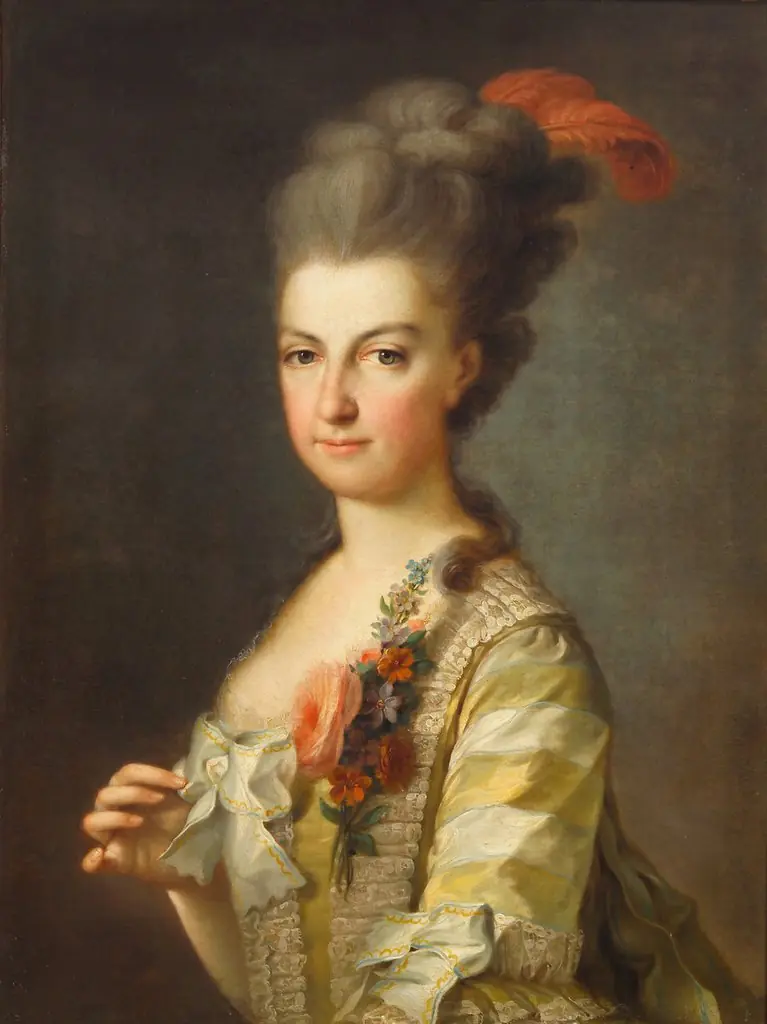 Erzherzogin Maria Christine (1742-1798), Herzogin von Sachsen - Teschen, in gestreiftem Seidenkleid, Halbfigur
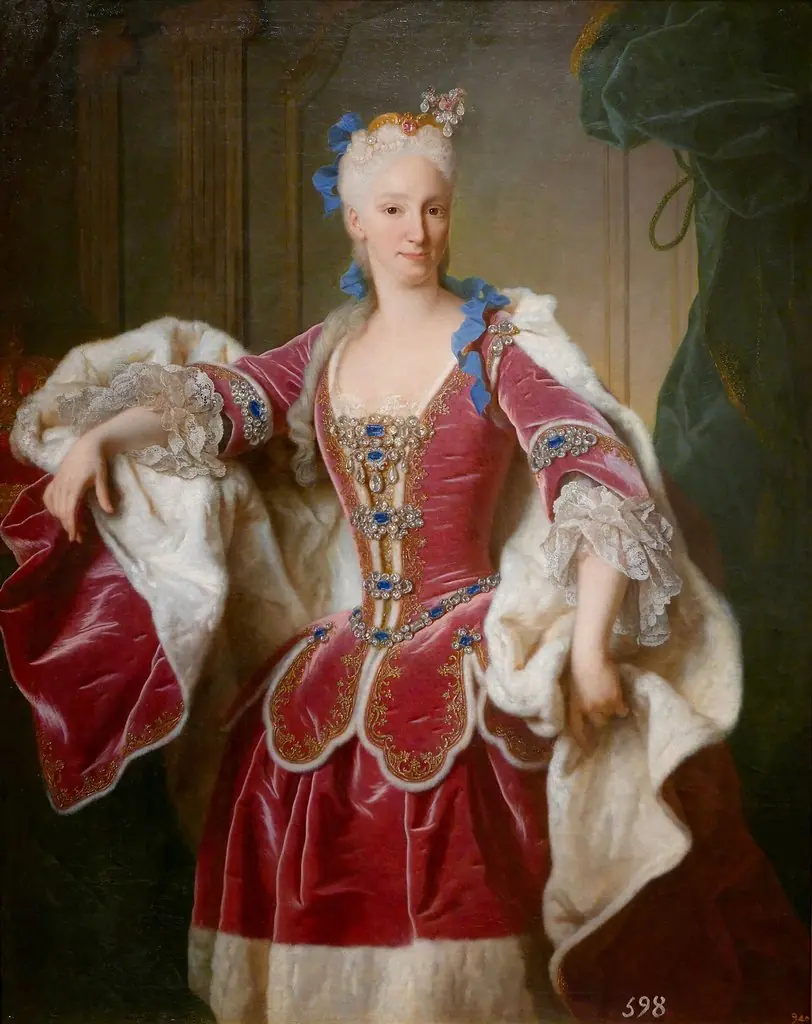 Elisabeth Farnese, Queen of Spain
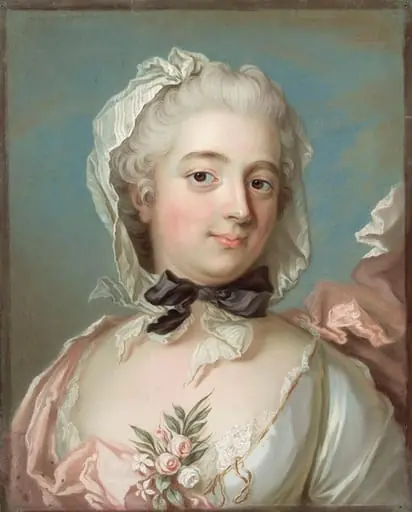 Rouva Werner
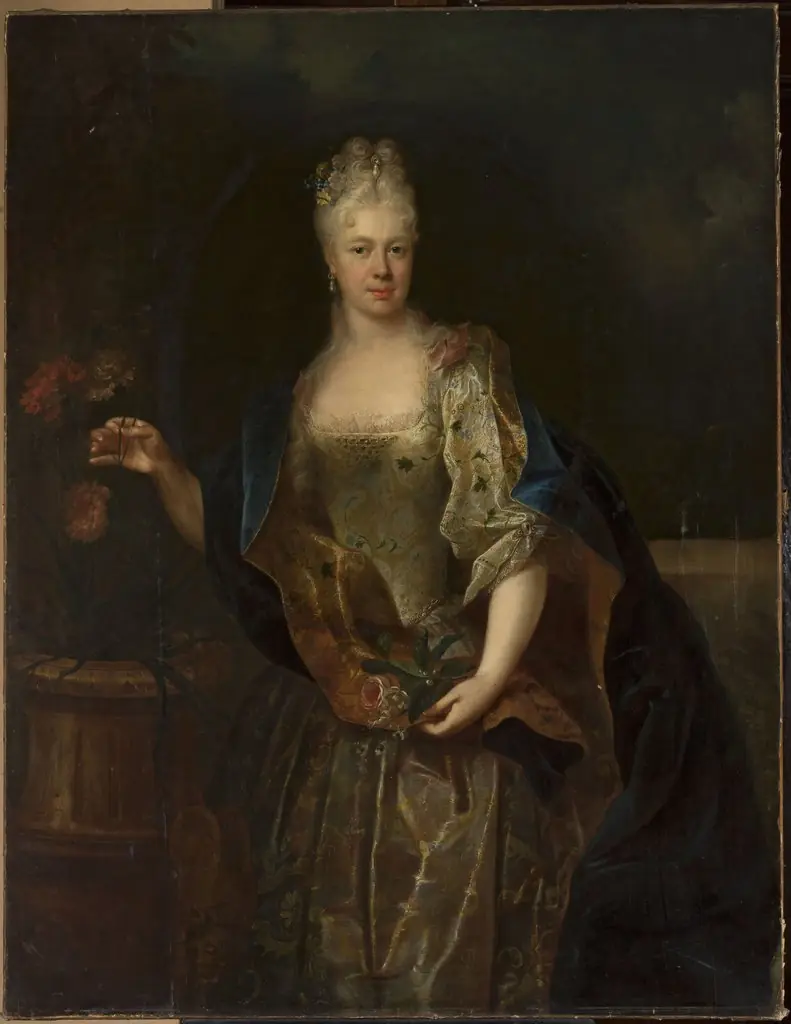 Portrait of Ludwika Amalia Lubomirska (1722–1778)
![Portrait of a young woman [Sophie Markgräfin von Brandenburg-Bayreuth, née Duchess Sachsen-Weißenfels (1684–1752)?], by Unknown](https://artifactworldgallery.com/img/unknown--portrait-of-a-young-woman-sophie-markgrafin-von-brandenburg--2d73c9561763e528-w320.webp) Portrait of a young woman [Sophie Markgräfin von Brandenburg-Bayreuth, née Duchess Sachsen-Weißenfels (1684–1752)?]
Portrait of a young woman [Sophie Markgräfin von Brandenburg-Bayreuth, née Duchess Sachsen-Weißenfels (1684–1752)?] Juliane Marie, Frederik V's anden dronning
 María Luisa de Borbón y Sajonia
 Tanskan kuningatar Louise
 Portrait of Maria Luisa of Spain