Artwork
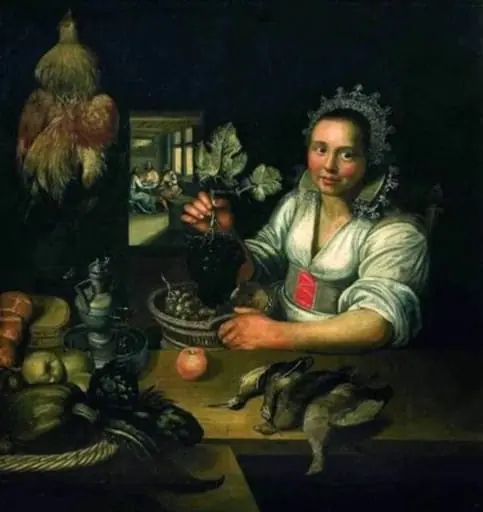
An Interior with Woman and Still Life
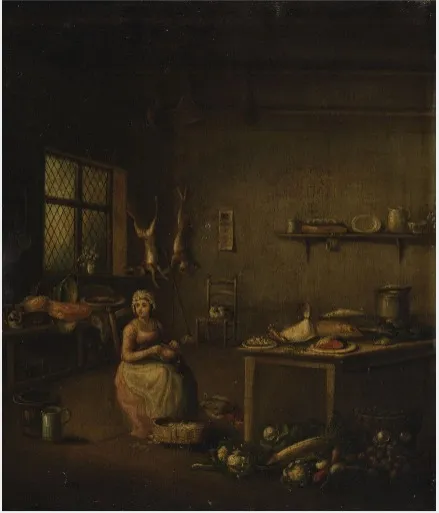
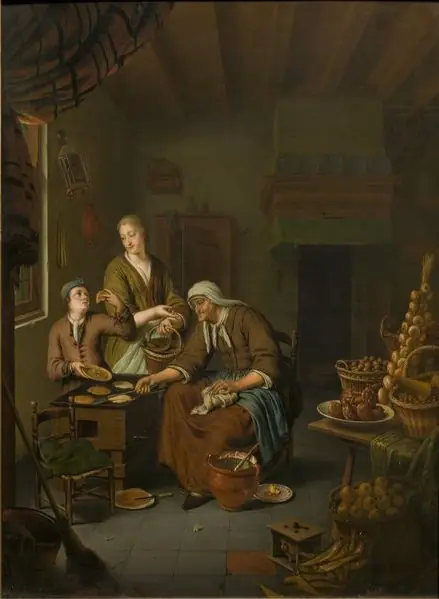
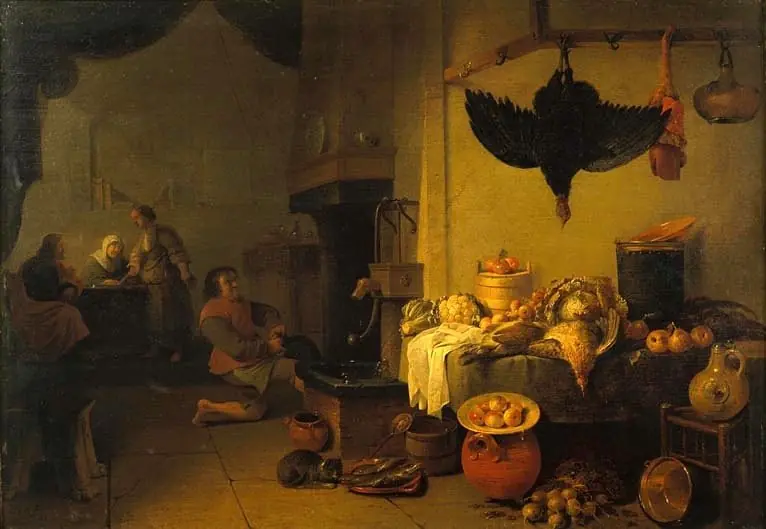
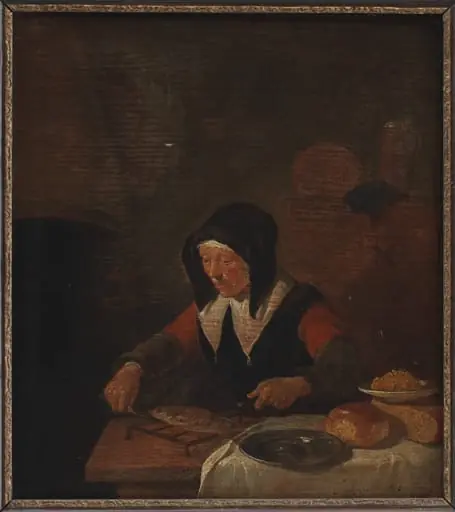
An Interior with Woman and Still Life is an unspecified painting by Unknown. It is held in the collection of the National Gallery of Ireland. This oil painting depicts an interior space inhabited by a woman and a carefully arranged still life.
About this work
Overview
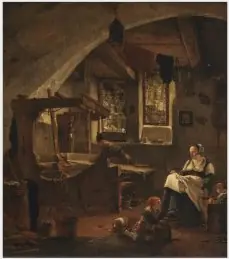
This oil painting depicts an interior space inhabited by a woman and a carefully arranged still life. The composition balances human presence with objects on a table, creating a quiet, contemplative atmosphere. The scene is rendered with attention to domestic detail, suggesting a moment of stillness rather than narrative action.
Subject & Meaning
The woman, seated or standing near a table, appears absorbed in her surroundings, her posture implying introspection. The still life—likely including vessels, fruit, or textiles—functions not as mere decoration but as an extension of her environment. Together, they evoke themes of solitude, routine, and the quiet dignity of everyday life.
Technique & Style
The artist employs muted tones and soft lighting to unify the interior space. Brushwork is restrained, favoring subtle transitions over dramatic contrasts. Textures of fabric, ceramic, and fruit are rendered with precision but without flourish, reinforcing the painting’s understated mood and focus on material presence.
History & Provenance
The painting’s early ownership is undocumented, but it entered a public collection in the late 19th century. Its attribution has been subject to scholarly review, with stylistic comparisons linking it to regional Dutch or Flemish painters of the 17th century. No significant alterations or restorations are recorded in its modern history.
Context
Created during a period when domestic interiors became popular subjects in Northern European art, the work reflects broader cultural interest in private life. Unlike grand historical scenes, such paintings valued quiet observation, aligning with Protestant ideals that honored modesty and the sanctity of home.
Legacy
Though not widely exhibited, the painting contributes to the understanding of genre painting’s evolution in early modern Europe. It exemplifies how ordinary moments were elevated through careful composition and restrained expression, influencing later realist traditions without seeking public acclaim.
Artist & collection

 Domestic Scene
 Giacomo and Cardinal Marco, investing Andrea, Abbot of San Zeno, with his Benefice
 The Nymph of Fontainebleau
 Portrait of a Woman
 Madonna and Child with Saints in the Enclosed Garden
 Venus and Minerva
 Family Group of Four on Sofa
 Wall painting from Room H of the Villa of P. Fannius Synistor at Boscoreale