Artwork
Cristo em casa de Marta
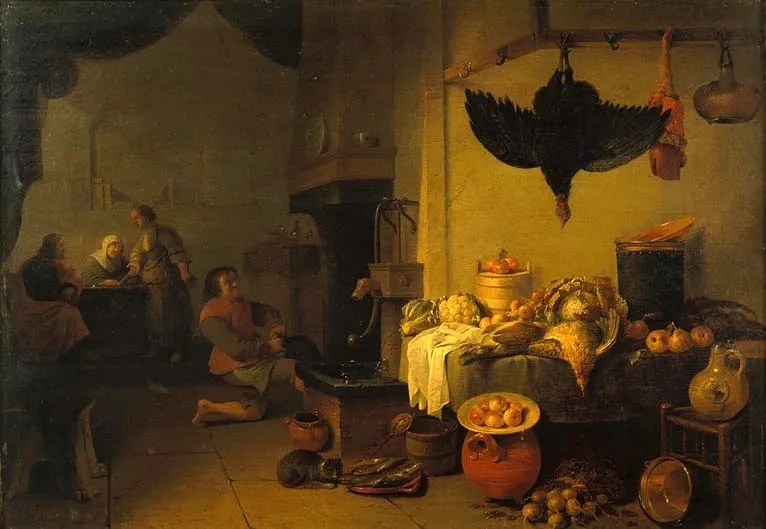
Cristo em casa de Marta is an oil painting by the Dutch Golden Age artist Pieter de Bloot. It dates from 1641 and is held in the collection of the National Museum of Ancient Art.
About this work
Overview
The painting is part of the collection at the National Museum of Ancient Art in Lisbon, where it remains one of the few surviving religious works by the artist.
Painted in 1641 by Pieter de Bloot, a Dutch artist active in the mid-seventeenth century, this oil-on-canvas work depicts a biblical moment set within a domestic interior. Though de Bloot is better known for rural genre scenes, this piece reflects his engagement with religious themes during the Dutch Golden Age. The painting is part of the collection at the National Museum of Ancient Art in Lisbon, where it remains one of the few surviving religious works by the artist.
Subject & Meaning
The scene illustrates Christ visiting the home of Martha, as recounted in the Gospel of Luke. Martha is shown engaged in the preparation of food, surrounded by the tangible signs of hospitality. The abundance of food, utensils, and hanging game suggests both earthly labor and spiritual welcome. The composition subtly contrasts Martha’s active service with the quiet presence of Christ, aligning with the biblical emphasis on contemplation over busyness.
Technique & Style
De Bloot employs chiaroscuro to model forms with soft, directional light that emerges from a hidden source, warming the wooden surfaces and textured fabrics. The brushwork is detailed yet restrained, capturing the roughness of earthenware, the sheen of metal, and the feathers of the suspended bird. The composition is tightly packed, with objects arranged to guide the eye toward the central figures, creating intimacy without clutter.
History & Provenance
The painting has remained in institutional hands since at least the early twentieth century, entering the National Museum of Ancient Art’s collection through documented acquisitions. Its survival is notable, as many of de Bloot’s religious works were lost or dispersed. No early records of its commission or original owner are known, but its presence in Portugal suggests it may have entered the collection via ecclesiastical or royal channels during the Iberian Union period.
Context
In the Dutch Republic, religious imagery persisted despite Calvinist restrictions, often embedded in domestic settings to avoid overt ecclesiastical association. De Bloot’s rendering reflects this trend: sacred narrative is conveyed through everyday realism rather than grandeur. The inclusion of market goods and kitchen tools grounds the biblical event in the material culture of contemporary Dutch households, making the divine feel accessible.
Legacy
Though de Bloot’s religious paintings are fewer than his genre scenes, this work demonstrates his ability to merge spiritual themes with keen observation of daily life. It stands as a quiet example of how Dutch artists navigated religious subject matter within a Protestant cultural framework. Today, it contributes to broader scholarly understanding of how biblical stories were visualized in private, non-ritual contexts during the Golden Age.
Artist & collection
Artist
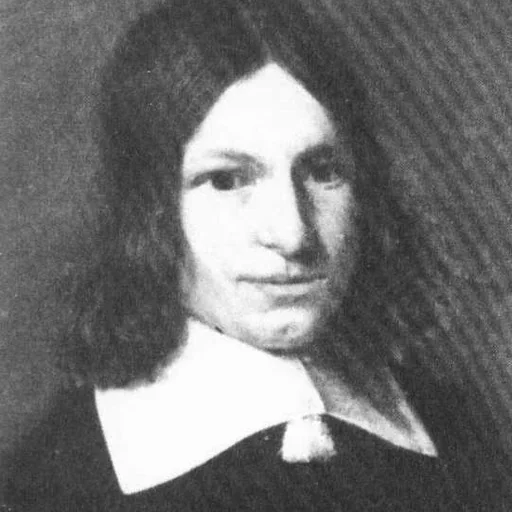
Pieter de Bloot (1601 – c. 6 November 1658) was a Dutch painter. De Bloot, who was born and died in Rotterdam, primarily painted landscapes and genre works, especially of countryside views and peasant subjects. He also…

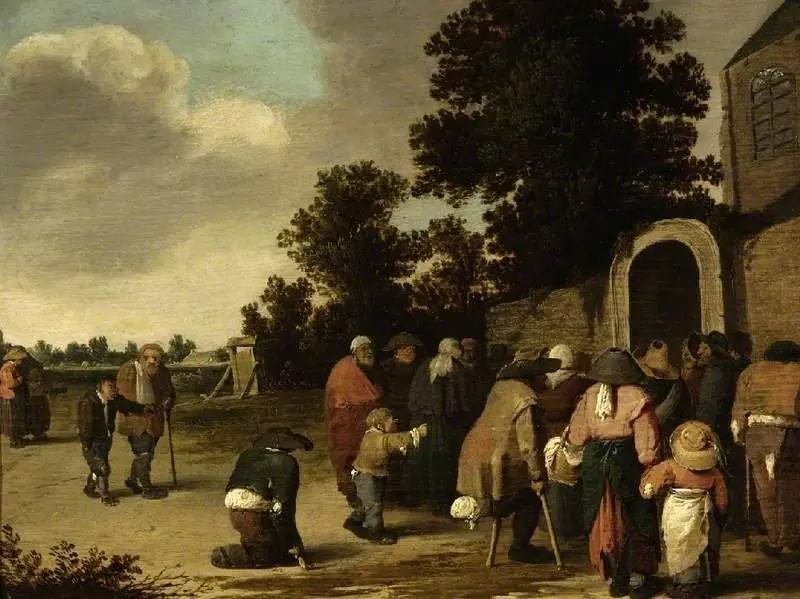
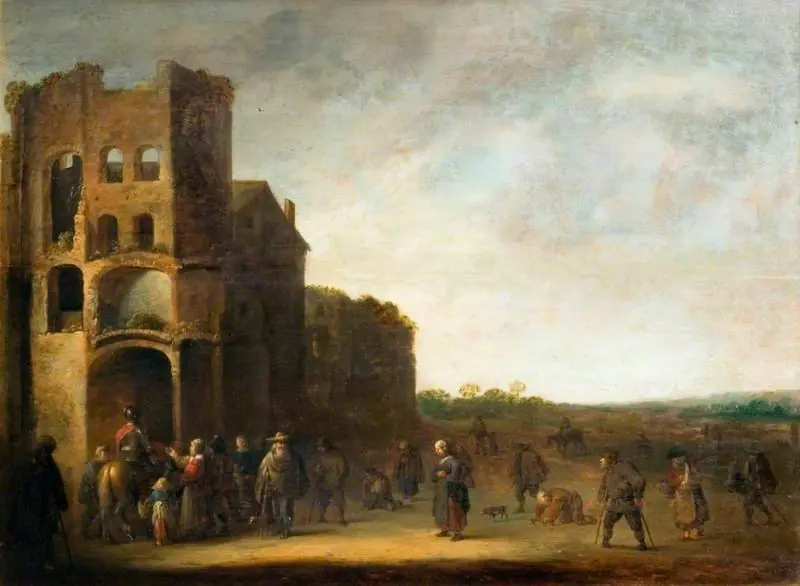
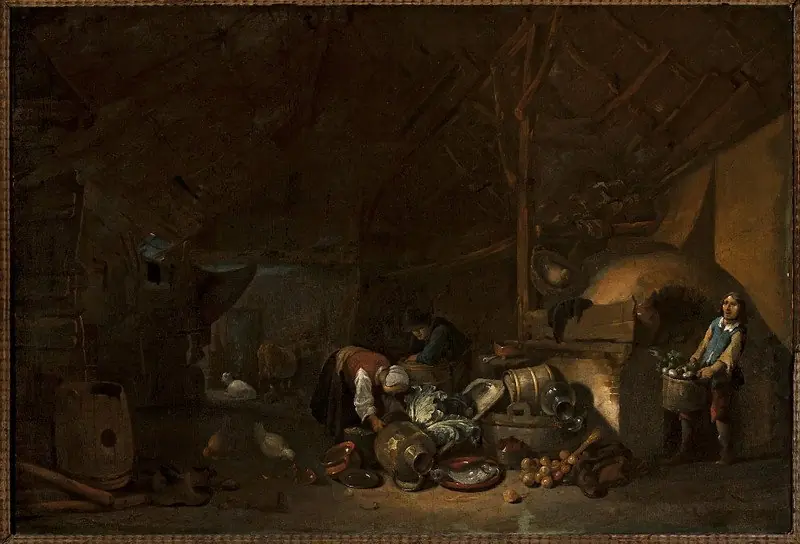 Inside a shed
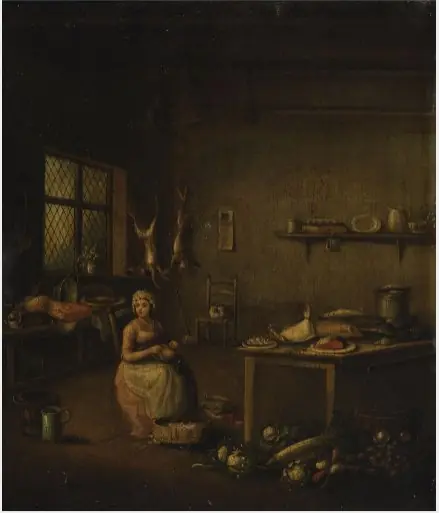 An Interior with Woman and Still Life
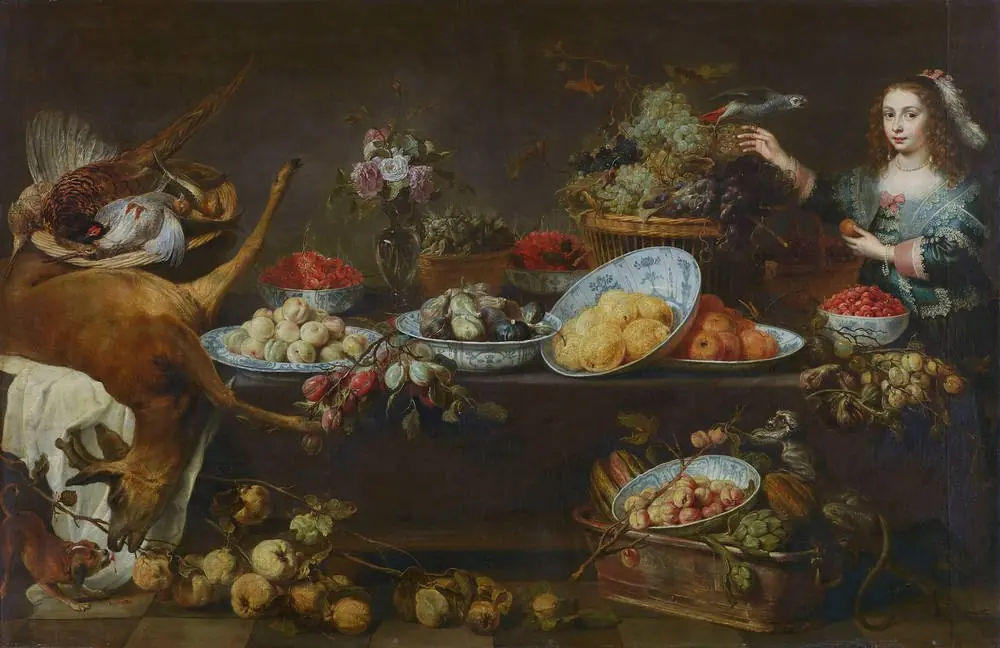 Large Still-life with a Lady and a Parrot
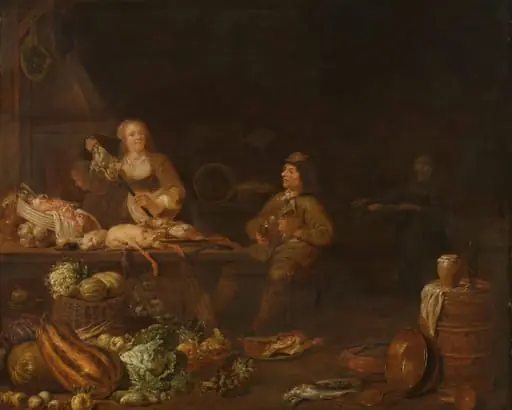 Kitchen Interior
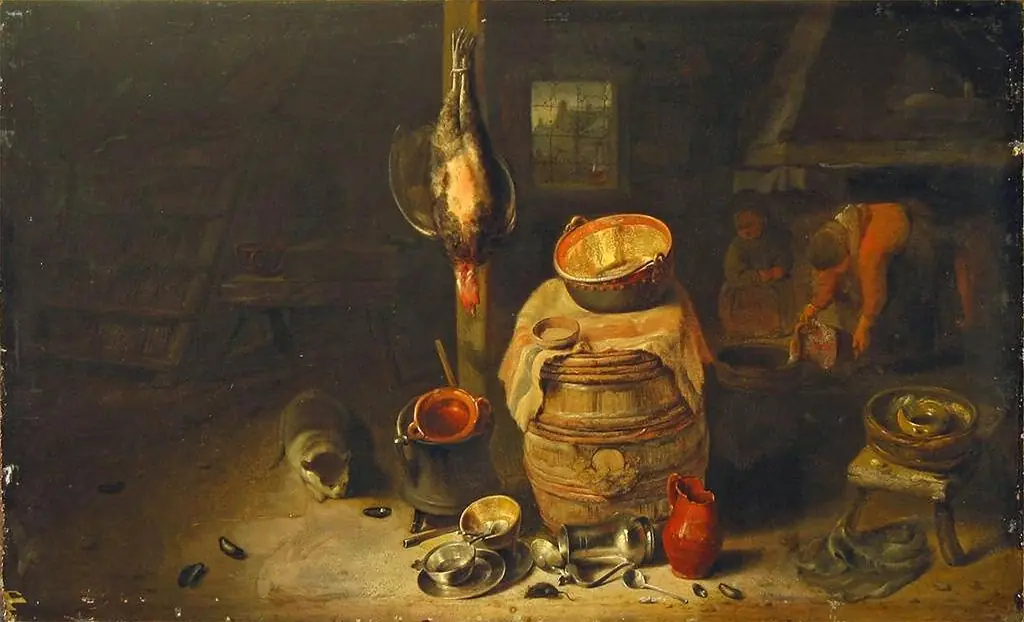 Kitchen
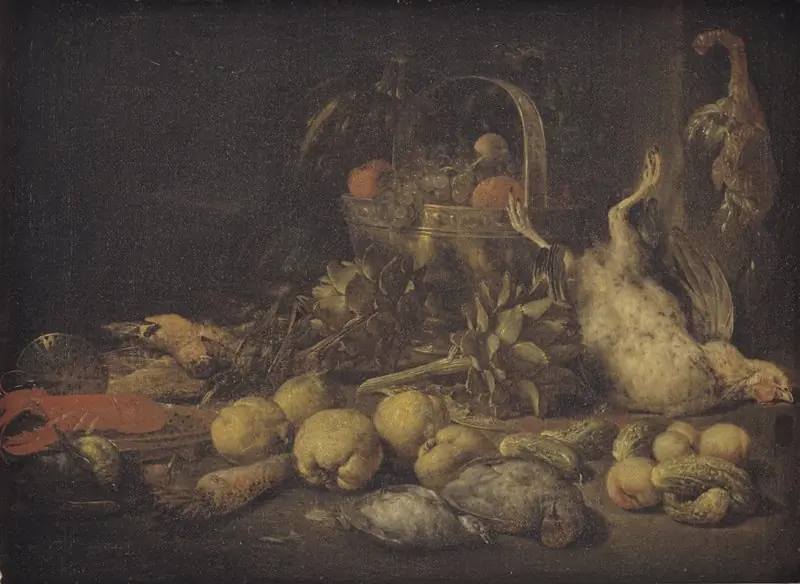 Still Life with Fruit and Birds
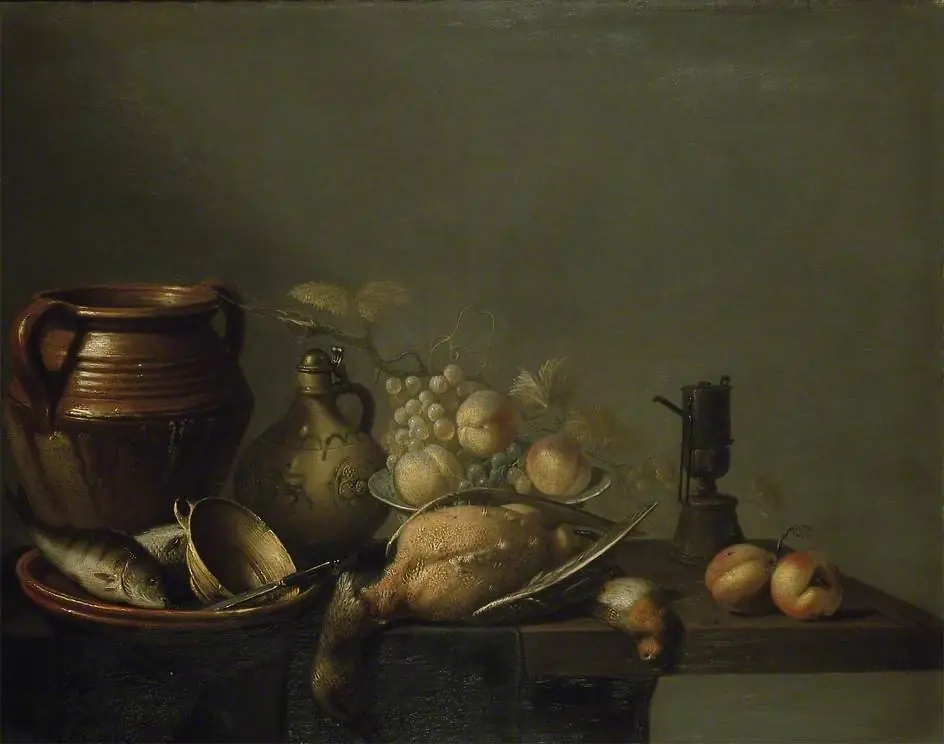 Still Life of Kitchen Utensils with Fruit and Game
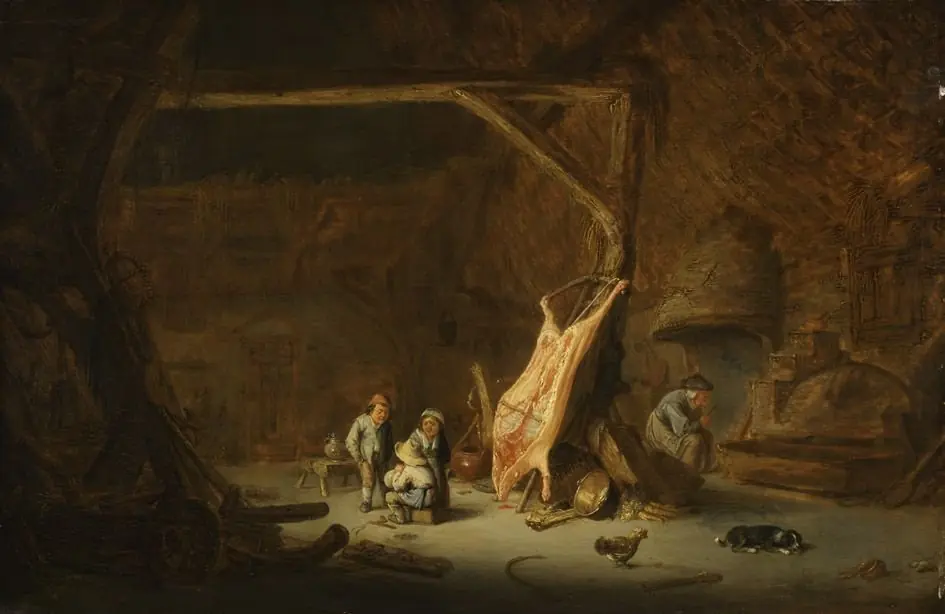 The Slaughtered Pig
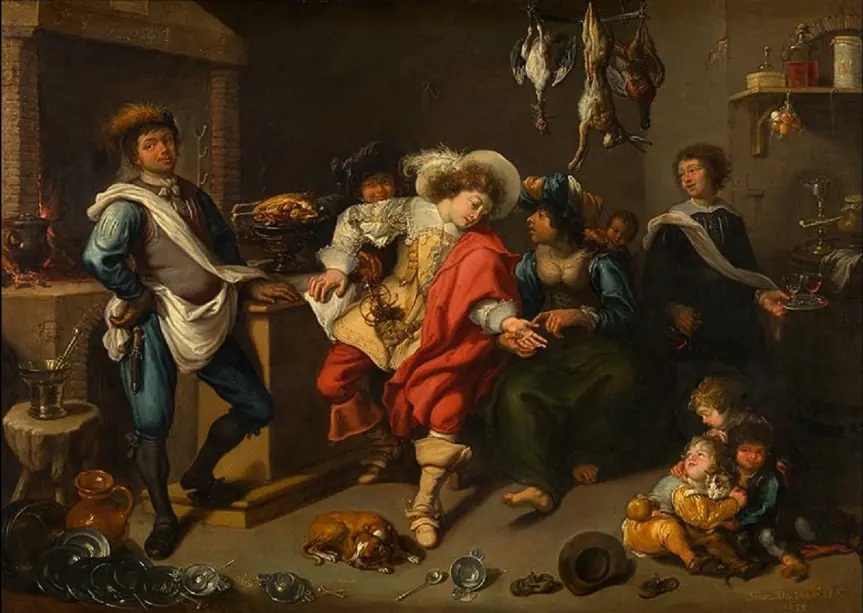 The Fortune Teller
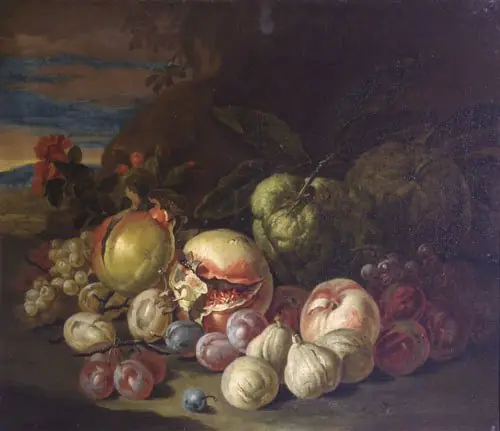 Still life of fruits with pomegranates and figs
 Fish in a Basket near a Scale
 Peasant interior