Artwork
Marie-Anne-Christine-Victoire de Bavière, Dauphine (1660-1690)
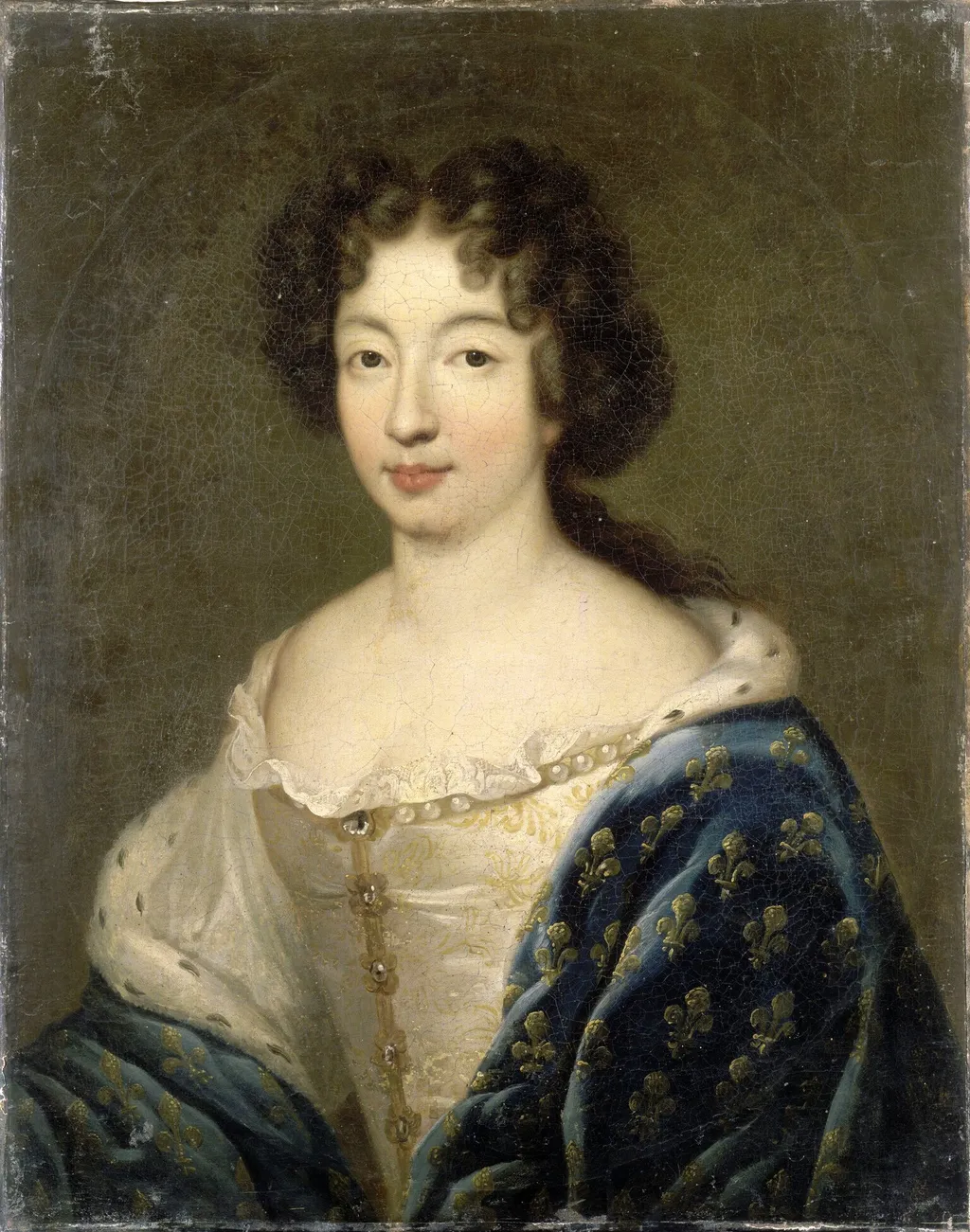
Marie-Anne-Christine-Victoire de Bavière, Dauphine (1660-1690) is an oil painting by the French Classical Baroque artist Unknown. It dates from 1693 and is held in the collection of the Palace of Versailles.
About this work
Overview
The oil painting depicts Marie‑Anne‑Christine‑Victoire de Bavière, Dauphine of France, rendered in a restrained brown backdrop that emphasizes her presence. She wears a white gown with a low neckline, accented by a white ruff at the throat, and a blue‑gold patterned robe draped over her shoulders. Her dark hair is styled back, and she gazes directly at the viewer.
Subject & Meaning
The portrait presents the Bavarian princess who became Dauphine through her marriage to Louis, the heir to the French throne. The direct eye contact and dignified pose convey her status and the political alliance between Bavaria and France in the late 17th century.
Technique & Style
Executed in oil on canvas, the work employs a muted palette for the background, allowing the luminous white of the dress and the rich blue‑gold of the robe to stand out. Fine brushwork defines the delicate ruff and the sheen of the fabric, while the smooth modeling of the face reflects the courtly portrait conventions of the era.
History & Provenance
Created between 1660 and 1690, the painting entered the royal collection and is now displayed at the Palace of Versailles. Its presence in the palace underscores its role as a visual record of the French royal family and their dynastic connections.
Context
The portrait belongs to a tradition of French court portraiture that emphasized regal bearing, refined attire, and clear identification of the sitter. Such images served both decorative and diplomatic purposes, reinforcing the legitimacy and alliances of the monarchy.
Artist & collection

 Domestic Scene
 Giacomo and Cardinal Marco, investing Andrea, Abbot of San Zeno, with his Benefice
 The Nymph of Fontainebleau
 Portrait of a Woman
 Madonna and Child with Saints in the Enclosed Garden
 Venus and Minerva
 Family Group of Four on Sofa
 Wall painting from Room H of the Villa of P. Fannius Synistor at Boscoreale
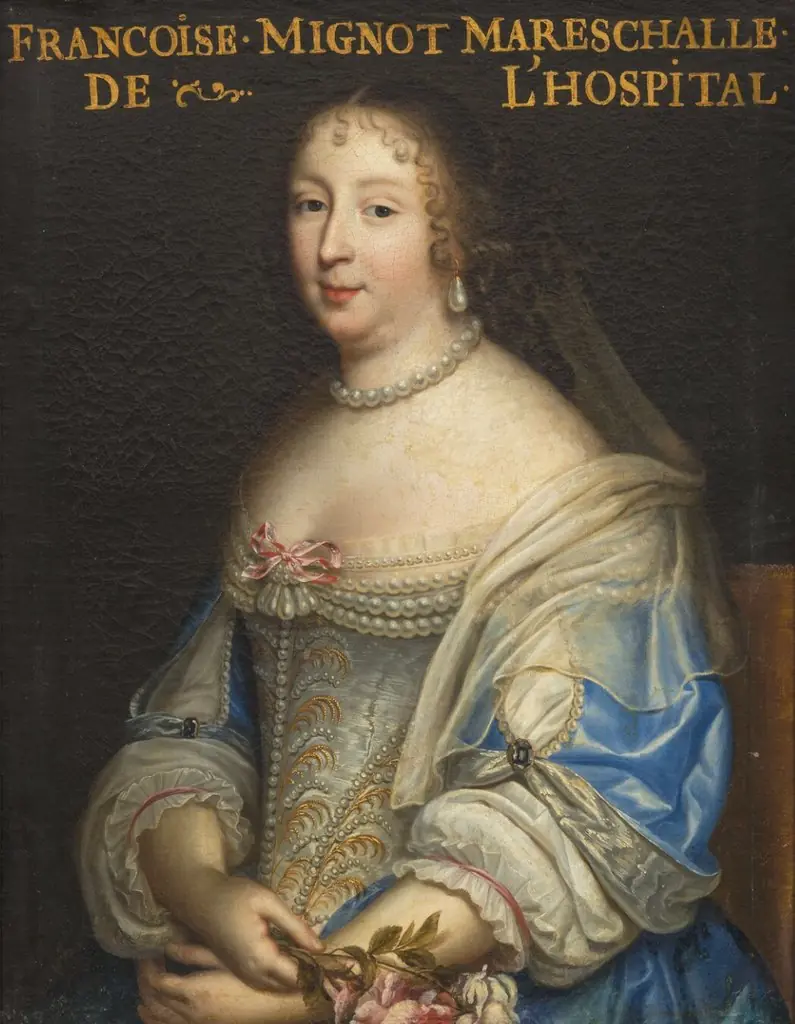 Françoise-Marie Mignot, maréchale de l'Hôpital (1624-1711)
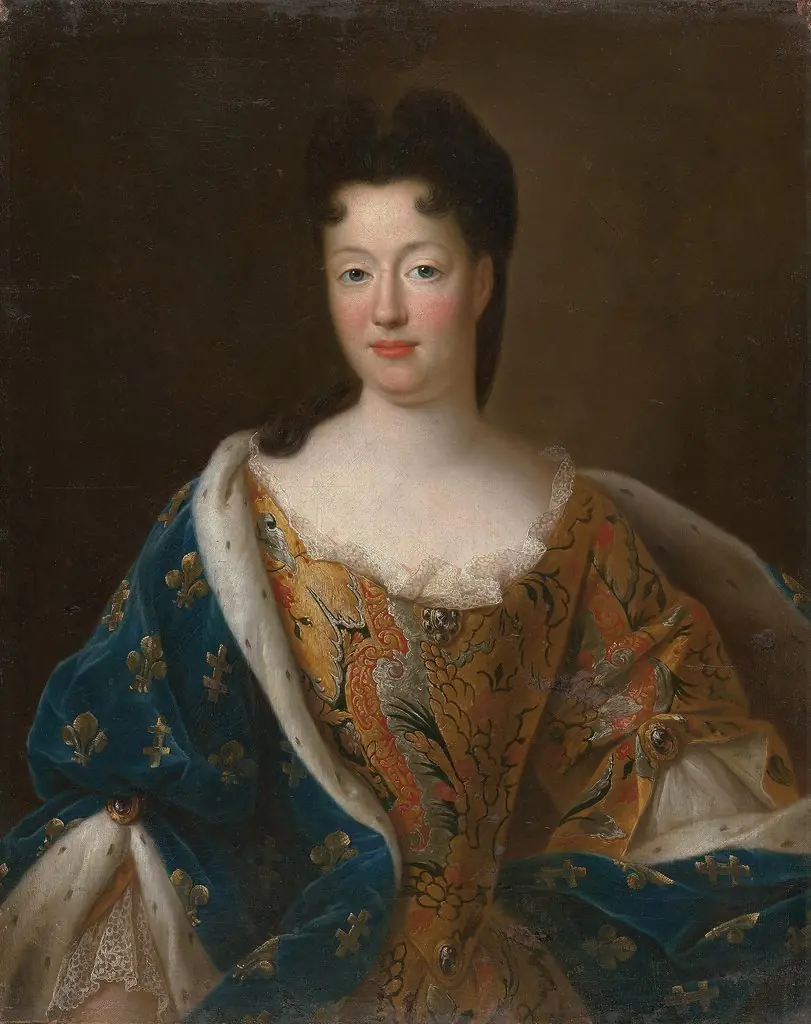 Portrait of Élisabeth Charlotte d'Orléans
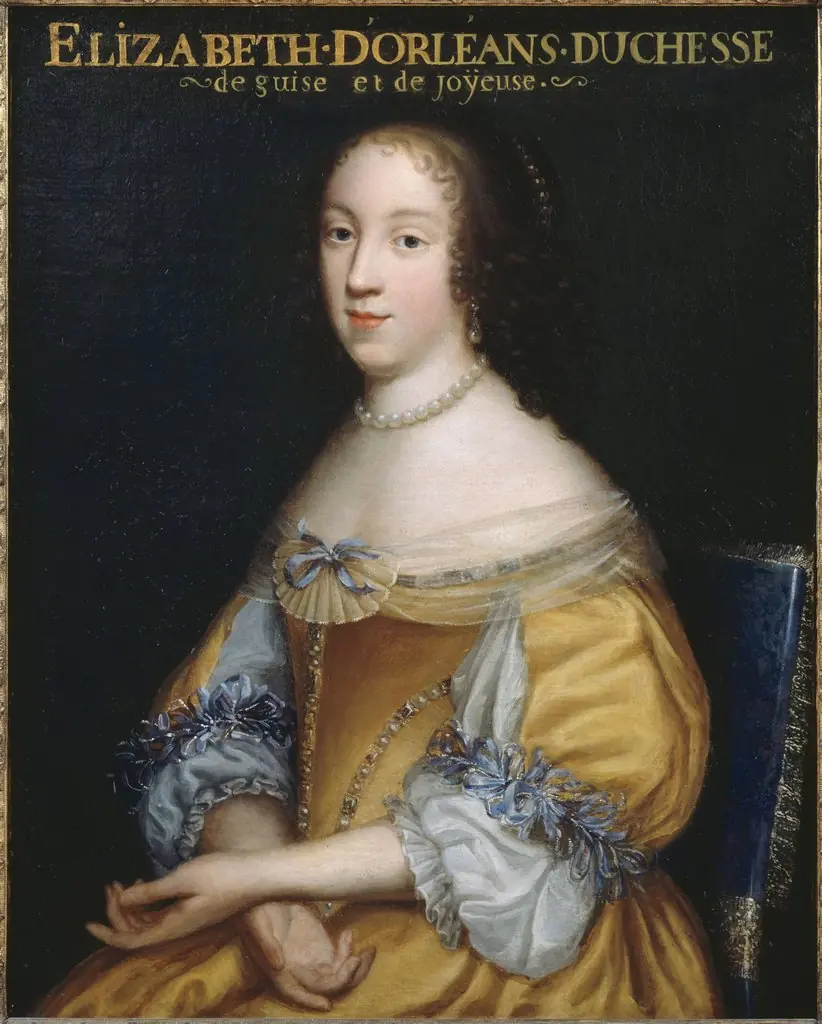 Elisabeth of Orleans, Duchess of Guise
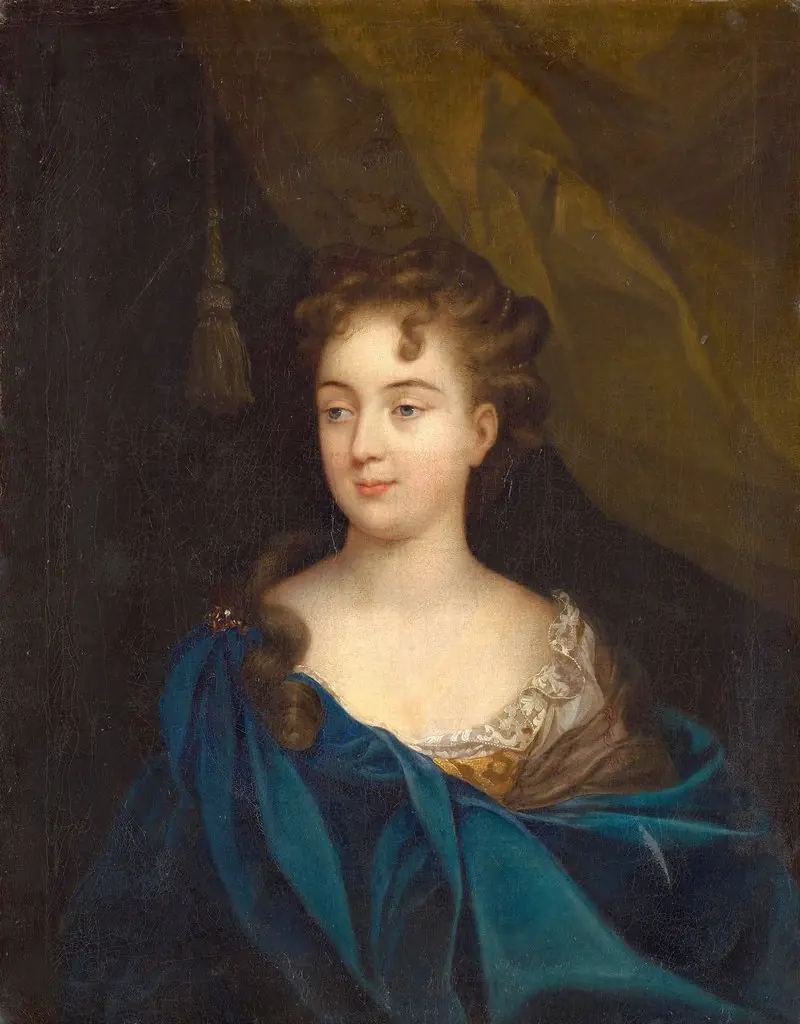 Maria Anna Christina, Dauphine von Frankreich (1660-1690) (Umkreis)
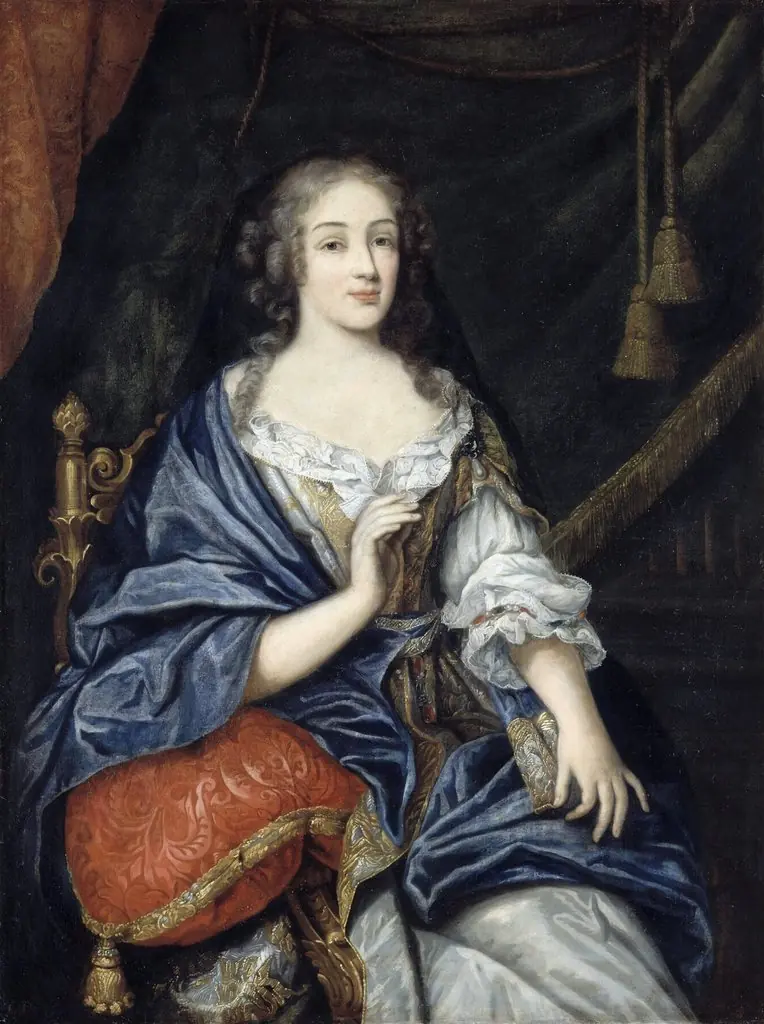 Louise de la Vallière, mistress of Louis XIV
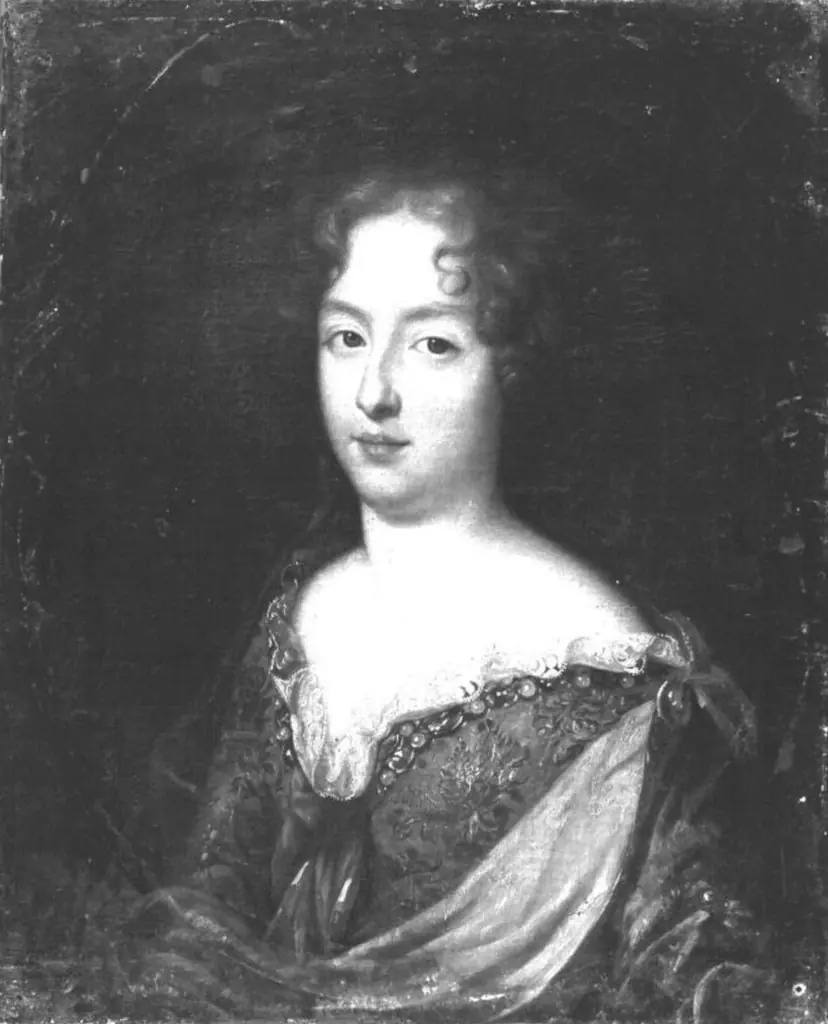 Bildnis einer jugendlichen Prinzessin
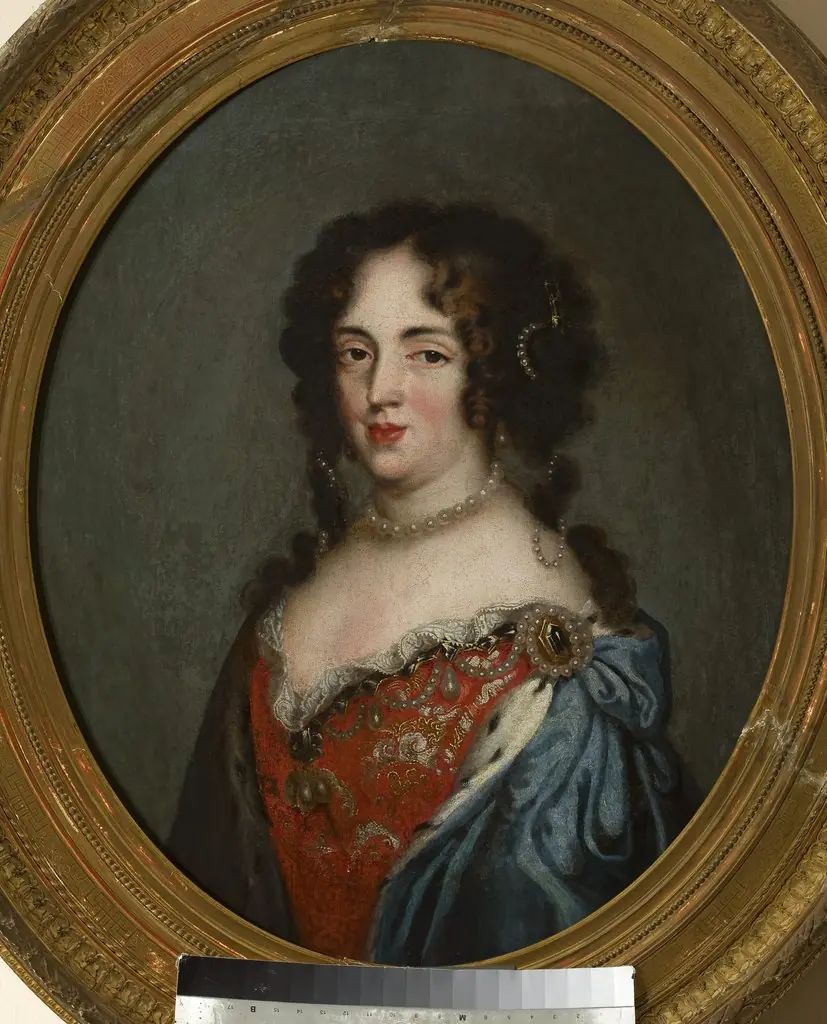 Portrait of Maria Kazimiera Sobieska
 Anna Maria von Orléans, Herzogin von Savoyen
 The three sisters of Mademoiselle de Montpensier
 Elisabeth-Charlotte d'Orléans, Duchess of Lorraine