Artwork
Anna Maria von Orléans, Herzogin von Savoyen
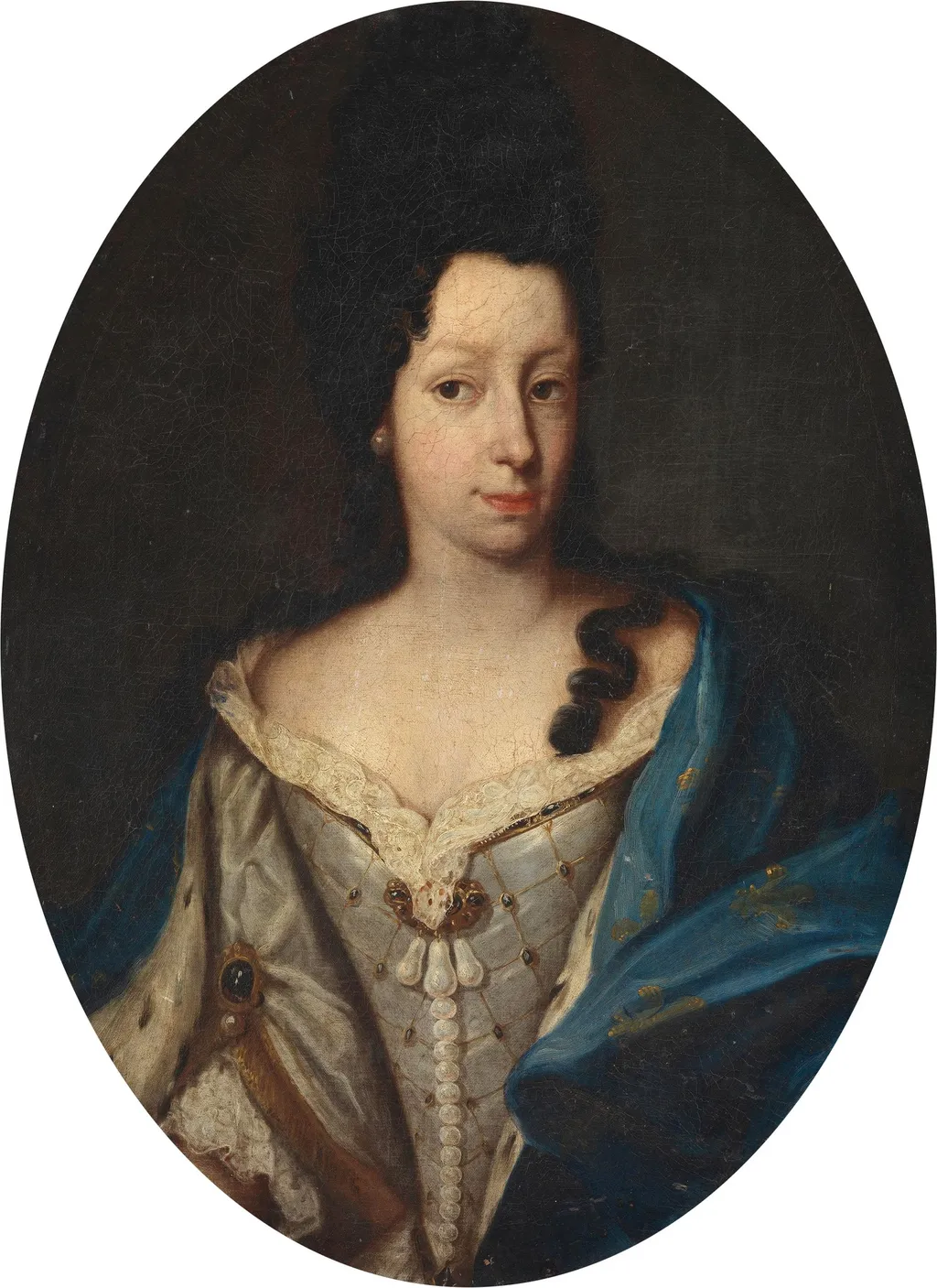
Anna Maria von Orléans, Herzogin von Savoyen is an unspecified painting by the Rococo painting artist Unknown. It dates from 1696 and is held in the collection of the Bavarian State Painting Collections. This portrait depicts Anna Maria von Orléans, Duchess of Savoy, rendered with quiet precision.
About this work
Overview
This portrait depicts Anna Maria von Orléans, Duchess of Savoy, rendered with quiet precision. The composition centers her face and upper torso against a deep, unmodulated background, isolating her from any contextual detail. Her attire—a white gown and blue shawl—contrasts subtly with the darkness, drawing attention to her presence without ornamentation.
Subject & Meaning
Anna Maria, a member of the French royal family through birth and the House of Savoy through marriage, is portrayed not as a symbol of power but as a figure of composed dignity. Her calm expression and restrained posture reflect ideals of noble femininity in early modern Europe, emphasizing inner poise over external display.
Technique & Style
The artist employs chiaroscuro to model the face and fabric with soft gradations of light and shadow, enhancing three-dimensionality. Delicate brushwork captures the texture of silk and lace, while the blue shawl is rendered with muted tones that harmonize with the skin’s warmth. The dark background intensifies the focus on her features without distraction.
History & Provenance
Commissioned during Anna Maria’s tenure as Duchess of Savoy in the late 17th century, the painting likely originated in Turin or a nearby court workshop. It remained within Savoyard collections until the 19th century, after which it entered a public collection, though its exact provenance before the 1800s remains partially undocumented.
Context
Portraits of noblewomen in this period often served diplomatic or dynastic purposes, affirming lineage and status. Anna Maria’s image, devoid of heraldic symbols or elaborate settings, aligns with a shift toward intimate, psychologically nuanced representations favored in French-influenced courts of the time.
Legacy
The painting contributes to a broader corpus of early modern female portraiture that prioritizes restraint and individuality over grandeur. Its quiet realism offers insight into how aristocratic women were visually constructed as figures of moral and emotional steadiness, rather than mere political assets.
Artist & collection

 Domestic Scene
 Giacomo and Cardinal Marco, investing Andrea, Abbot of San Zeno, with his Benefice
 The Nymph of Fontainebleau
 Portrait of a Woman
 Madonna and Child with Saints in the Enclosed Garden
 Venus and Minerva
 Family Group of Four on Sofa
 Wall painting from Room H of the Villa of P. Fannius Synistor at Boscoreale
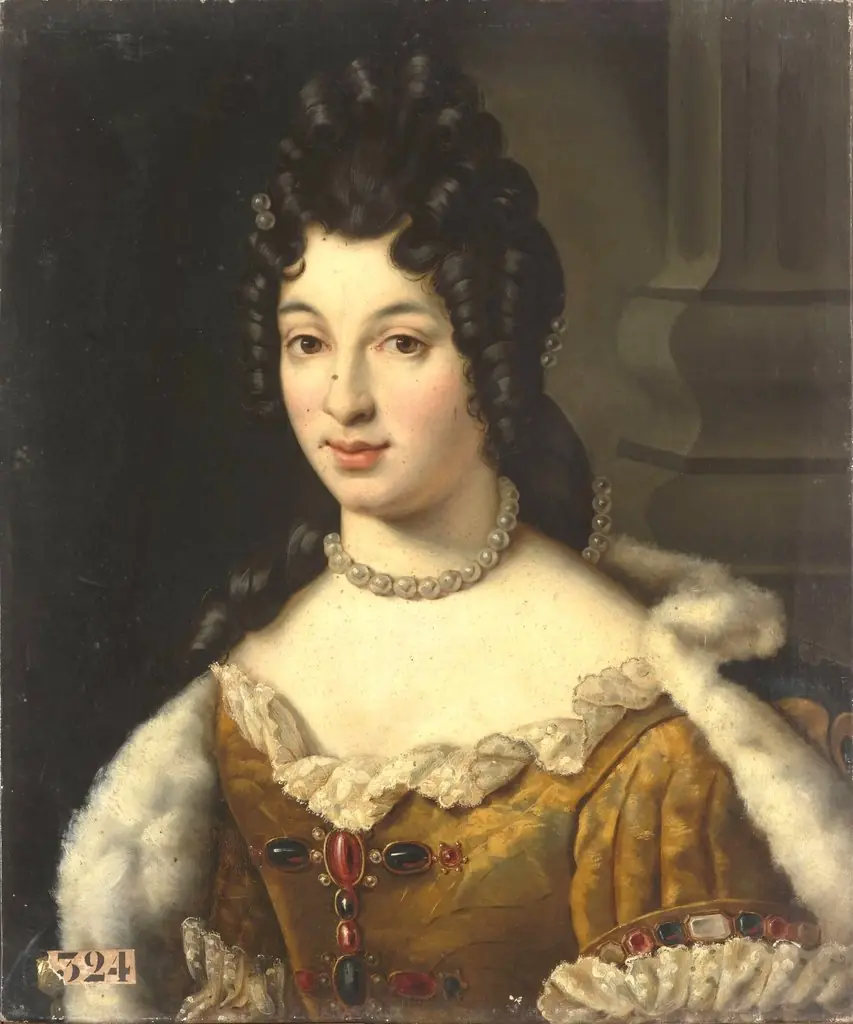 Portrait of Maria Adelaide of Savoy
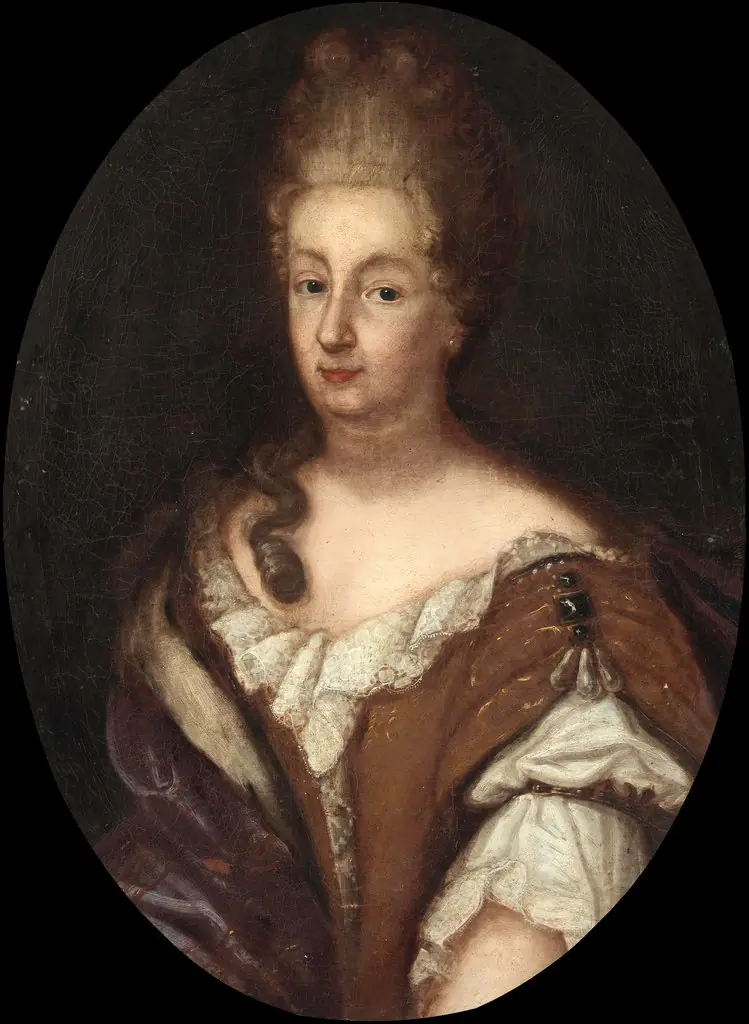 Elisabeth Charlotte Herzogin von Orléans (?)
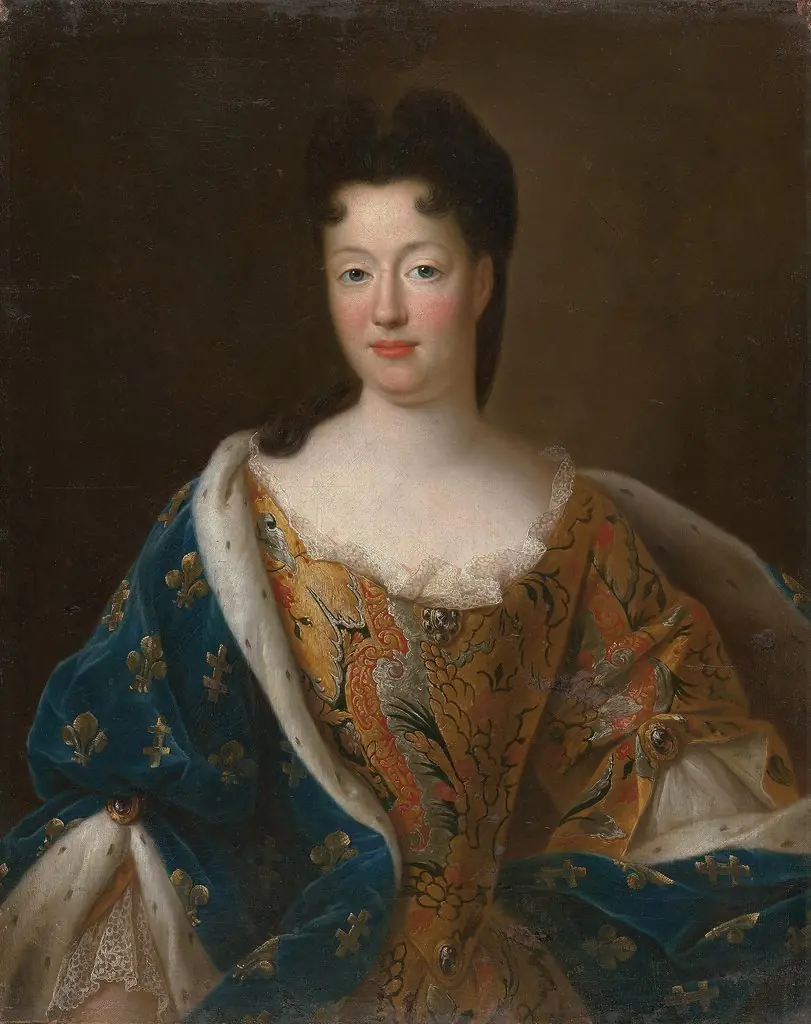 Portrait of Élisabeth Charlotte d'Orléans
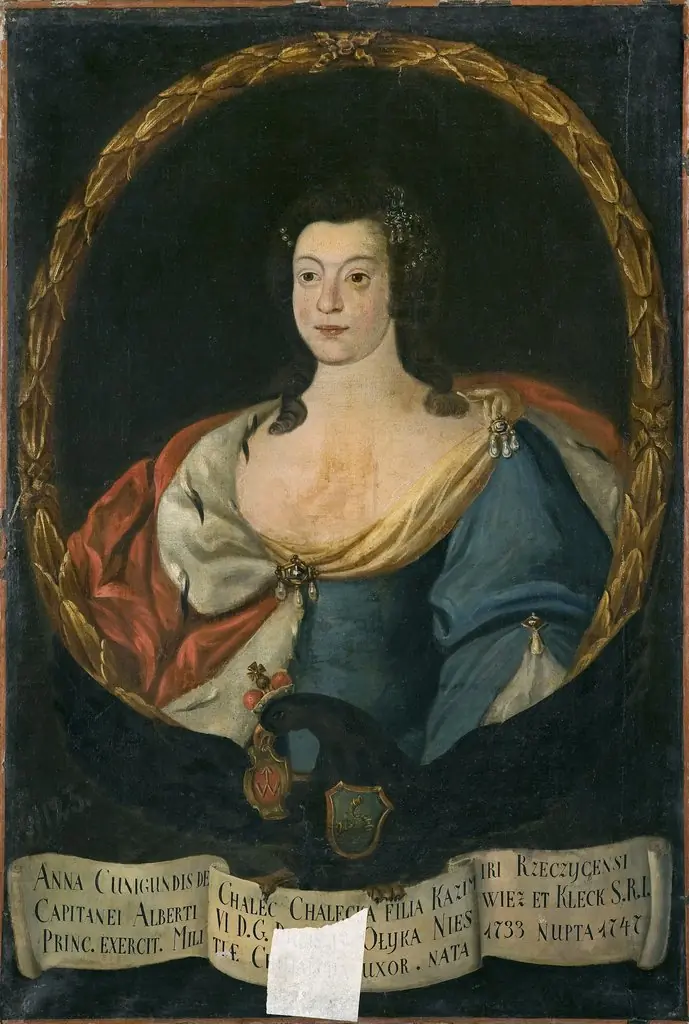 Portrait of Anna Kunegunda Radziwłł née Chalecka (1723–1765)
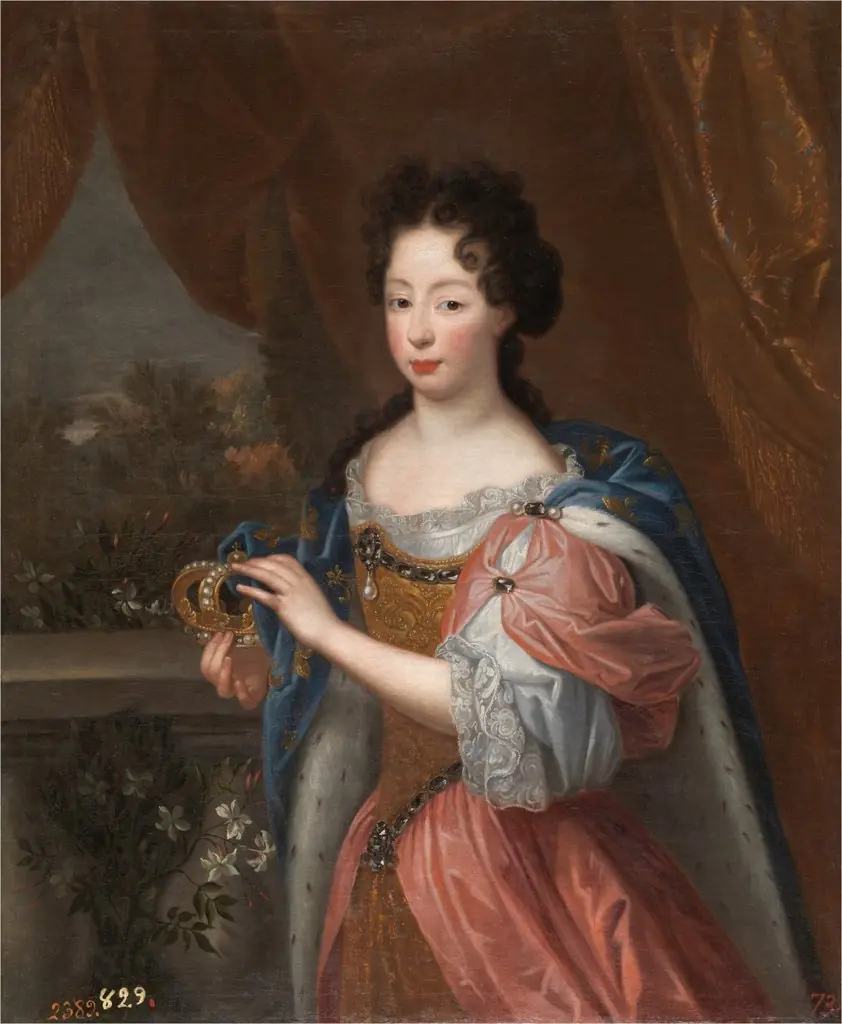 Anne Marie d'Orléans
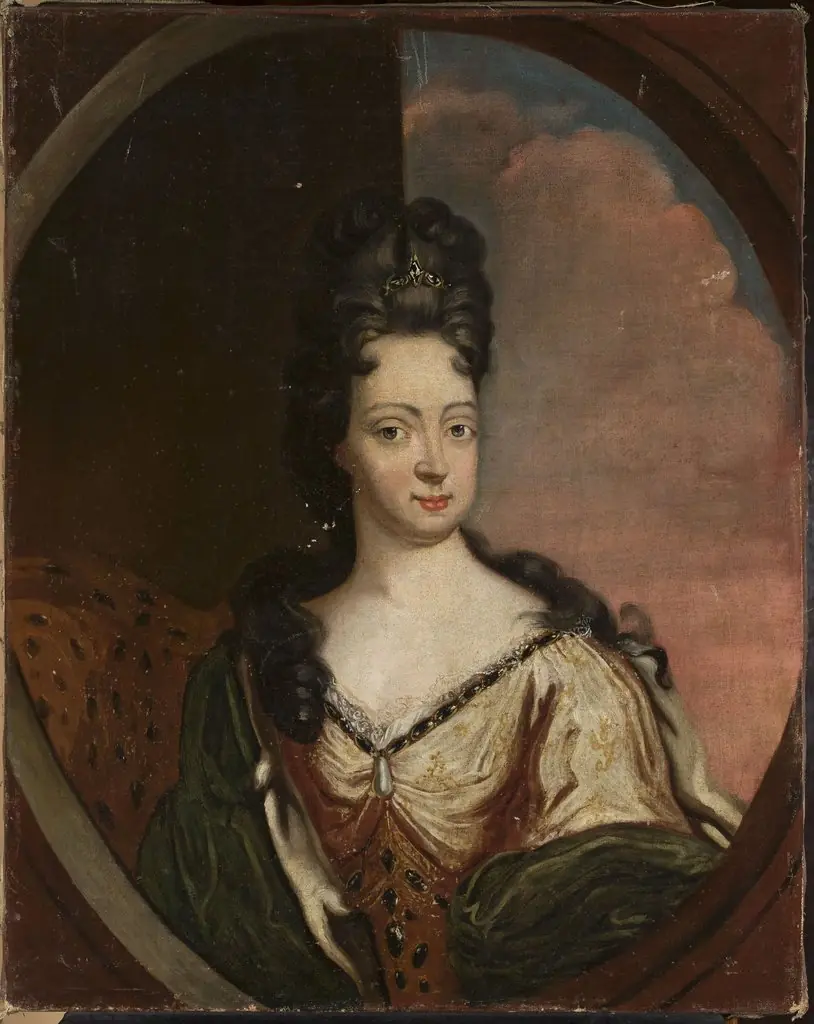 Elisabeth Christine of Brunswick-Wolfenbüttel (1691–1750), wife of emperor Charles VI, against clouds
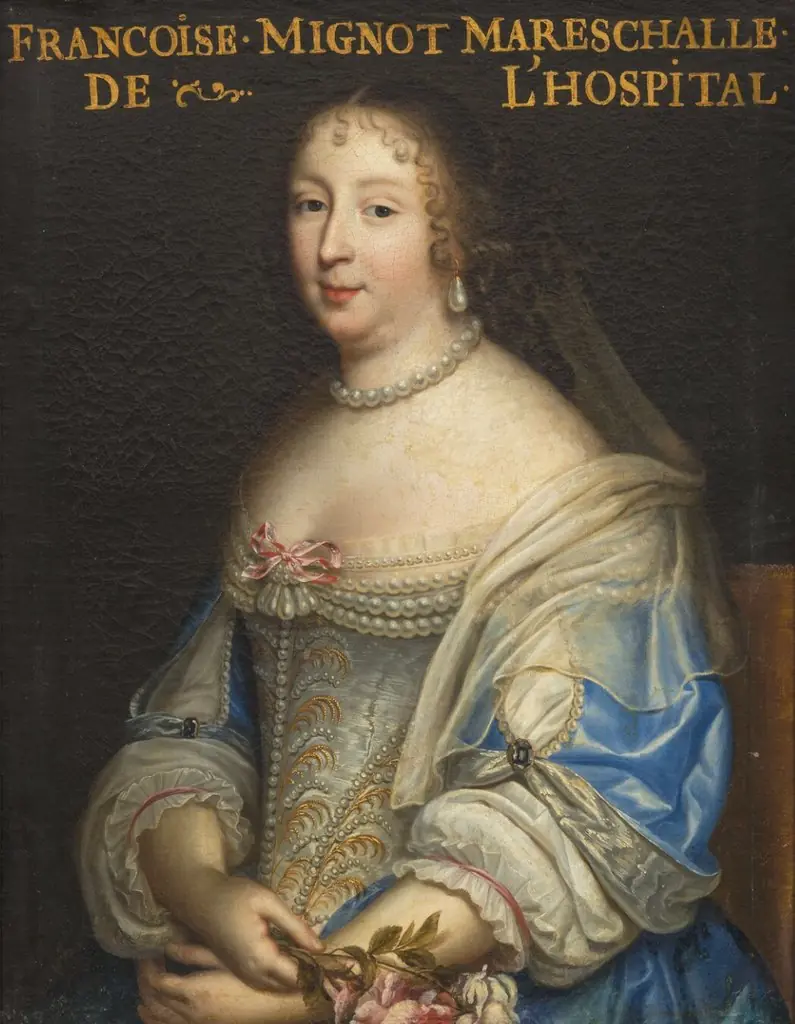 Françoise-Marie Mignot, maréchale de l'Hôpital (1624-1711)
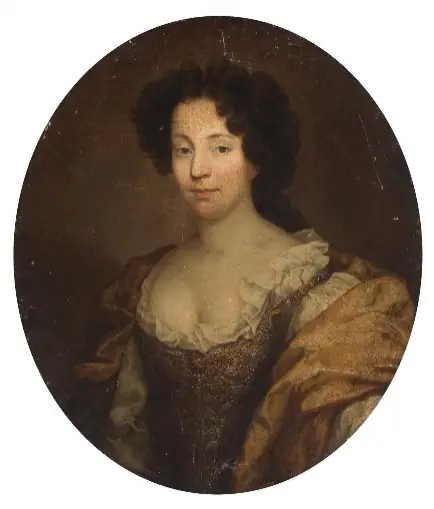 Portrait of a Lady
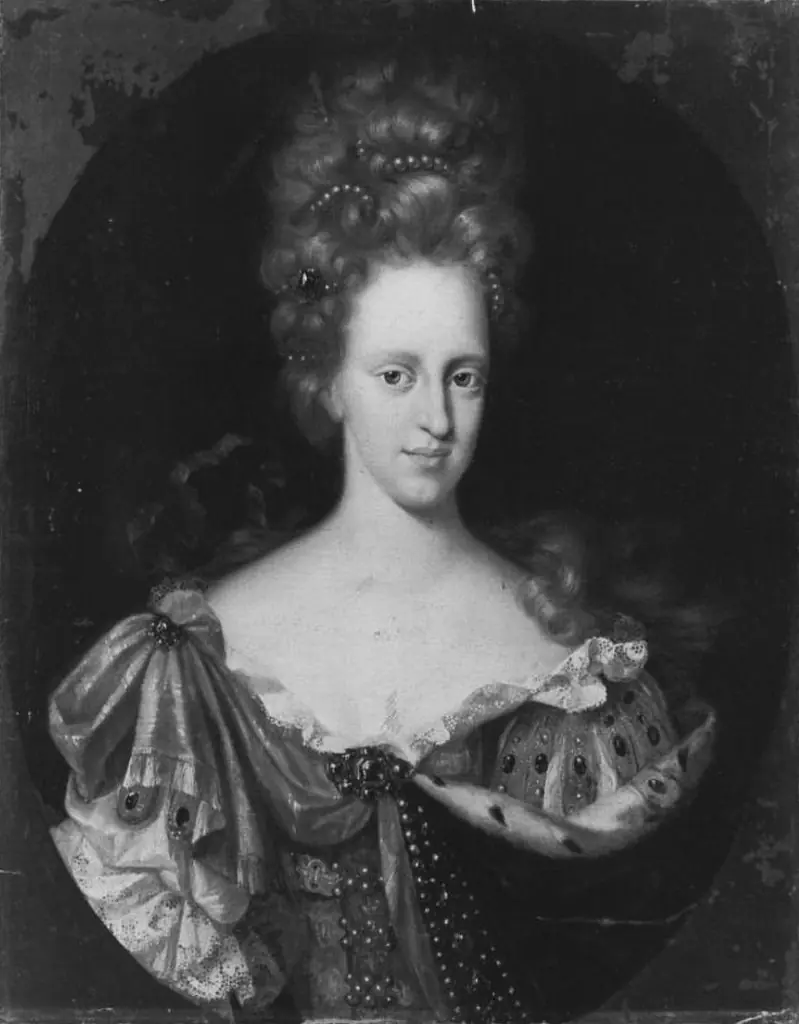 Prinzessin Hedwig Elisabeth Amalie
![Portrait of a young woman [Sophie Markgräfin von Brandenburg-Bayreuth, née Duchess Sachsen-Weißenfels (1684–1752)?], by Unknown](https://artifactworldgallery.com/img/unknown--portrait-of-a-young-woman-sophie-markgrafin-von-brandenburg--2d73c9561763e528-w320.webp) Portrait of a young woman [Sophie Markgräfin von Brandenburg-Bayreuth, née Duchess Sachsen-Weißenfels (1684–1752)?]
Portrait of a young woman [Sophie Markgräfin von Brandenburg-Bayreuth, née Duchess Sachsen-Weißenfels (1684–1752)?]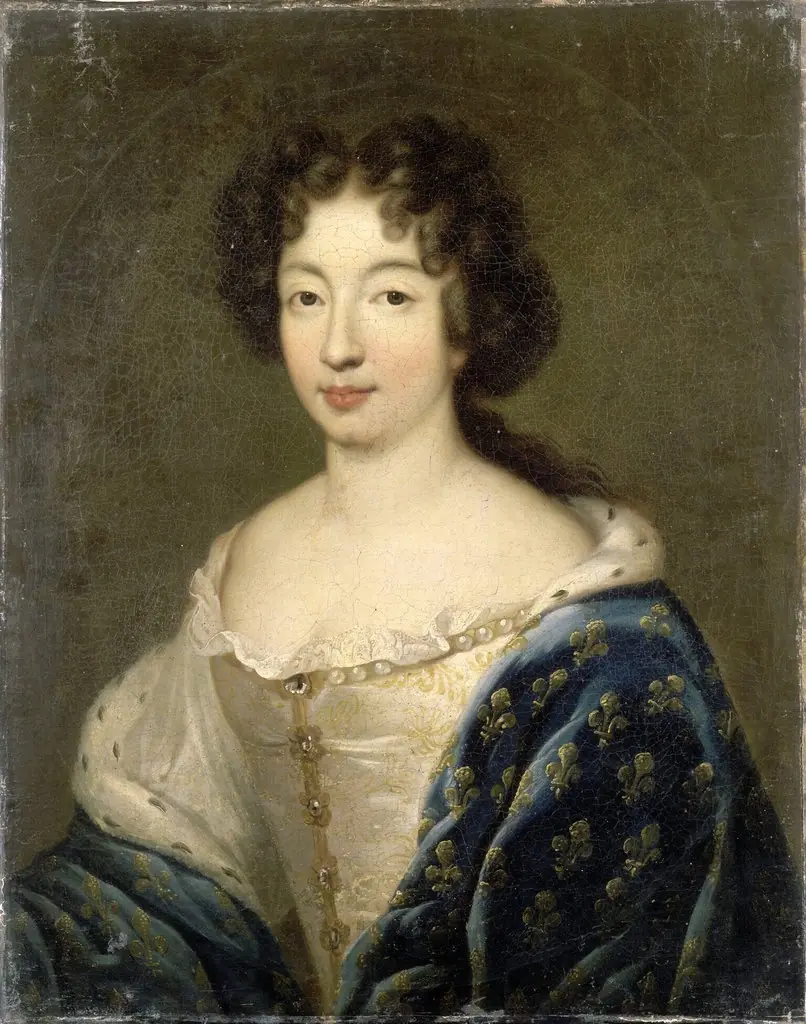 Marie-Anne-Christine-Victoire de Bavière, Dauphine (1660-1690)
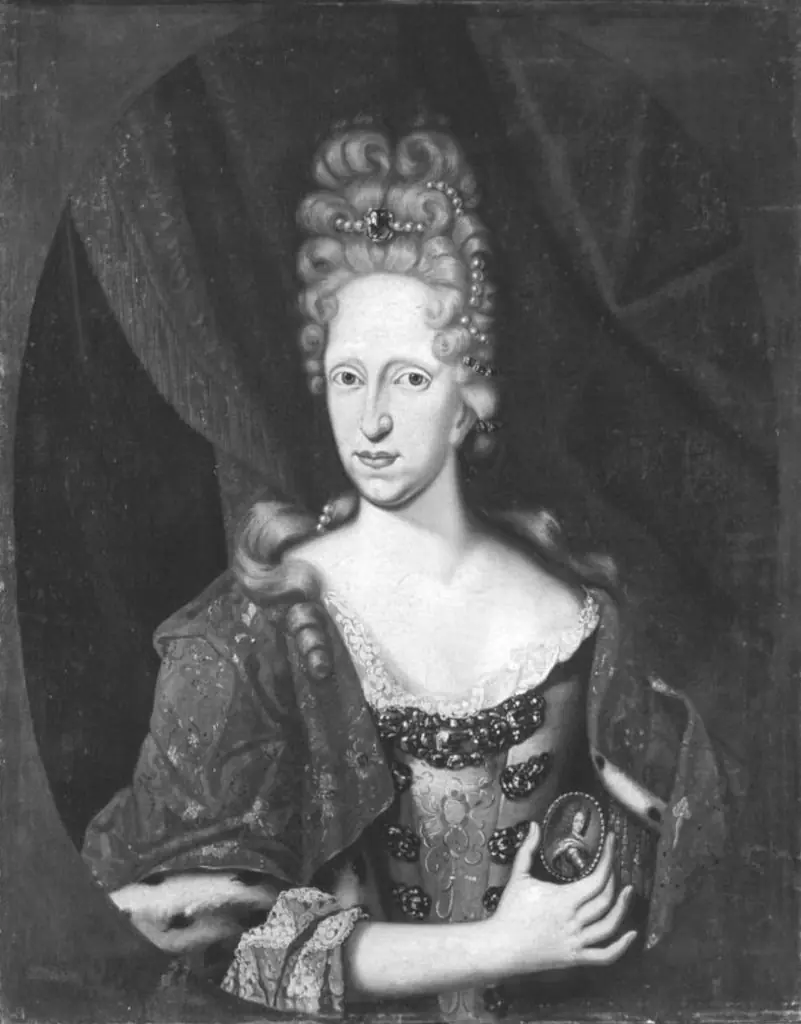 Pfalzgräfin Hedwig Elisabeth Amalie, Gemahlin des Prinzen Jacob Ludwig