Artwork
Tantric Manuscript, "Sangrahani Sutra"
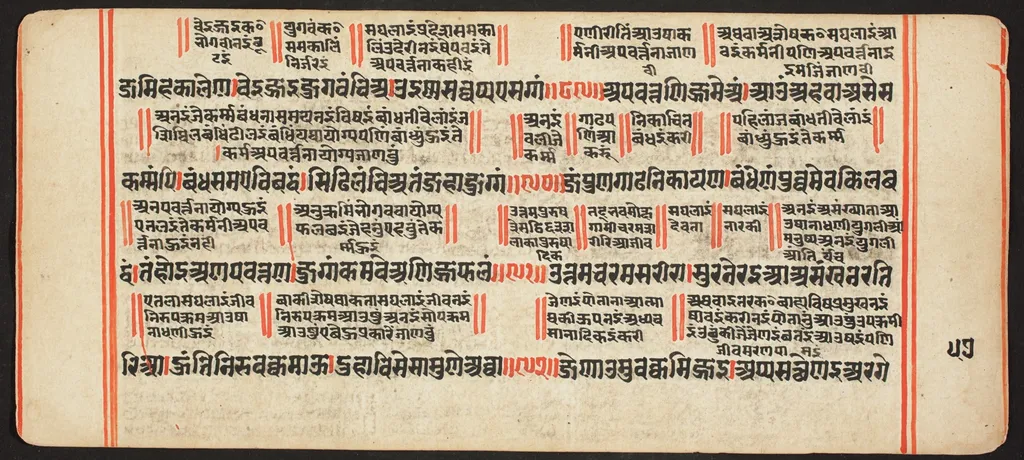
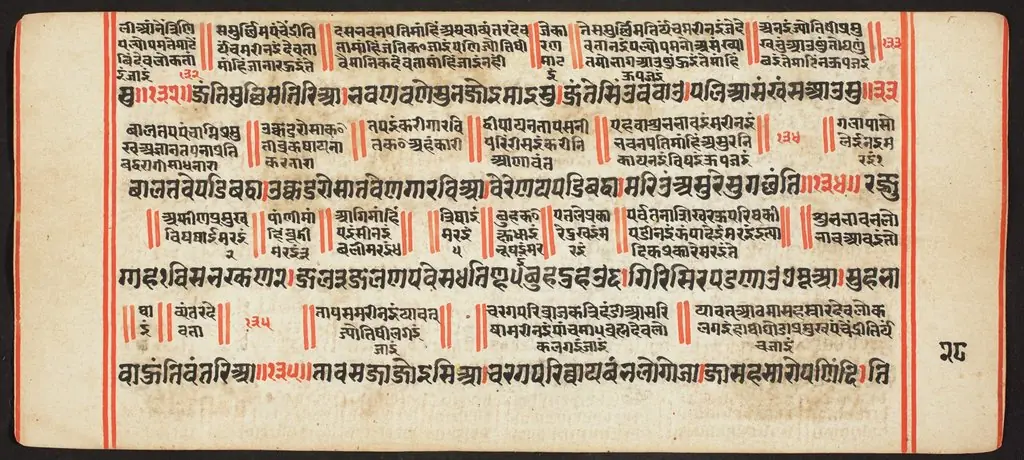
Tantric Manuscript, "Sangrahani Sutra" is an unspecified painting by Unknown. It is held in the collection of the Detroit Institute of Arts. This page comes from a handwritten manuscript of the Sangrahani Sutra, a Buddhist text composed in Prakrit.
About this work
Overview
Its preservation in the Detroit Institute of Arts reflects its significance as a devotional artifact from South or Southeast Asia.
This page comes from a handwritten manuscript of the Sangrahani Sutra, a Buddhist text composed in Prakrit. Created on palm leaf or paper, it exhibits signs of prolonged use and age, with a faded yellowed surface and worn edges. The script, rendered in a flowing cursive style, is partially emphasized with red ink, likely to mark key doctrinal passages. Its preservation in the Detroit Institute of Arts reflects its significance as a devotional artifact from South or Southeast Asia.
Subject & Meaning
The Sangrahani Sutra serves as a compendium of Buddhist teachings, organizing doctrinal summaries for monastic study. The red highlights indicate passages deemed essential for recitation or meditation, guiding the reader’s focus. The text’s physical form—worn yet carefully maintained—suggests repeated use in ritual or scholarly contexts, reinforcing its role as a living vessel of spiritual instruction rather than a static relic.
Technique & Style
The script is executed in a regional variant of Brahmi-derived writing, with deliberate flourishes that distinguish individual characters. Red ink, possibly derived from vermilion or cinnabar, was applied with precision to accentuate doctrinal points. The surface texture, uneven and slightly fibrous, indicates handmade paper or palm leaf, while the ink’s fading and minor abrasions reflect centuries of handling and environmental exposure.
History & Provenance
The manuscript likely originated in a monastic center in Sri Lanka, Myanmar, or Thailand between the 10th and 15th centuries. Its journey to the Detroit Institute of Arts is undocumented prior to its acquisition by the museum, but its condition suggests it was preserved within a religious community before entering a private or institutional collection in the 20th century.
Context
In Theravāda Buddhist traditions, such manuscripts were not merely texts but objects of reverence, often kept in temple libraries and handled with ritual care. The use of red for emphasis aligns with broader South Asian scribal practices, where color denoted sacred or instructional priority. This artifact exemplifies the integration of literacy, devotion, and material culture in pre-modern Buddhist societies.
Legacy
Though no longer used in active liturgy, the manuscript endures as a material witness to centuries of Buddhist scholarship and transmission. Its presence in a Western museum underscores the global circulation of religious artifacts and invites reflection on how sacred texts are preserved, interpreted, and displayed outside their original cultural frameworks.
Artist & collection

 Domestic Scene
 Giacomo and Cardinal Marco, investing Andrea, Abbot of San Zeno, with his Benefice
 The Nymph of Fontainebleau
 Portrait of a Woman
 Madonna and Child with Saints in the Enclosed Garden
 Venus and Minerva
 Family Group of Four on Sofa
 Wall painting from Room H of the Villa of P. Fannius Synistor at Boscoreale
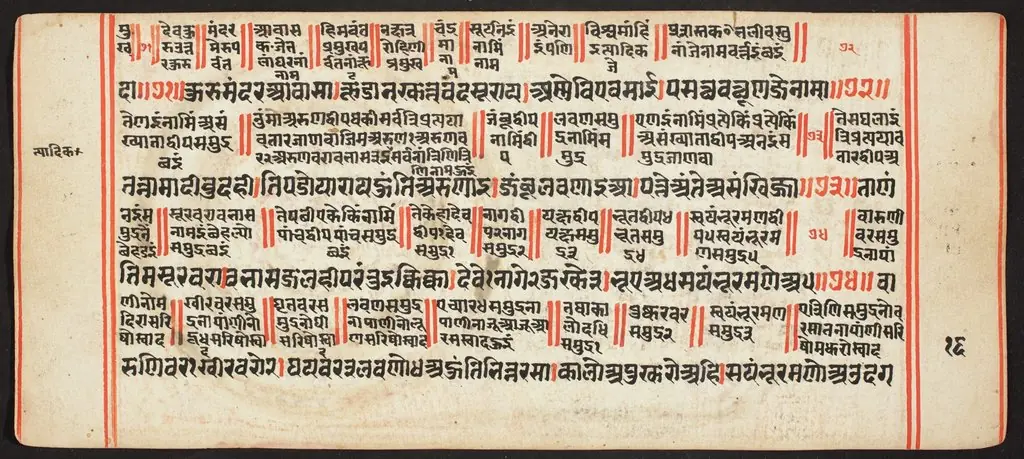 Tantric Manuscript, "Sangrahani Sutra"
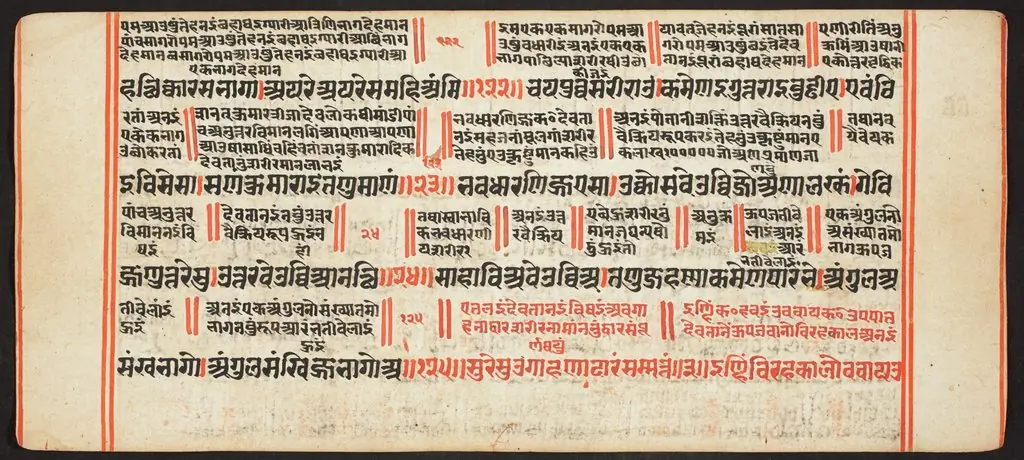 Tantric Manuscript, "Sangrahani Sutra"
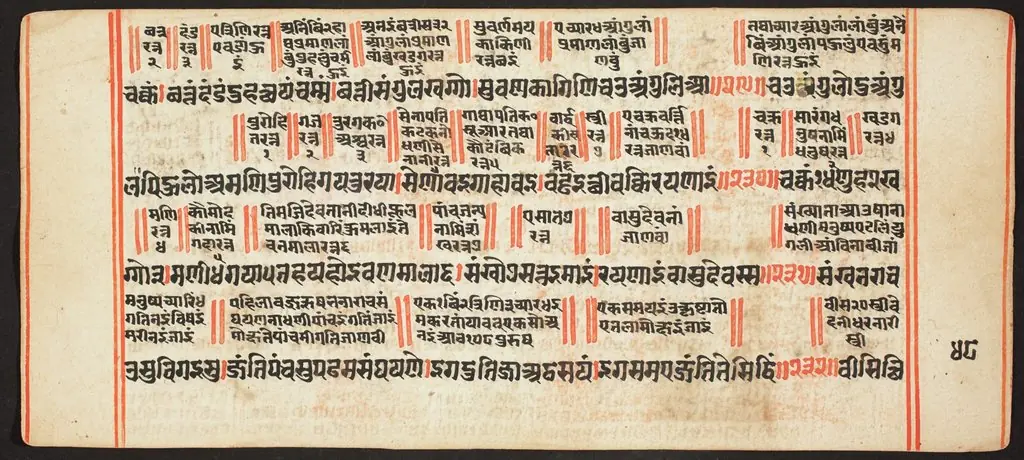 Tantric Manuscript, "Sangrahani Sutra"
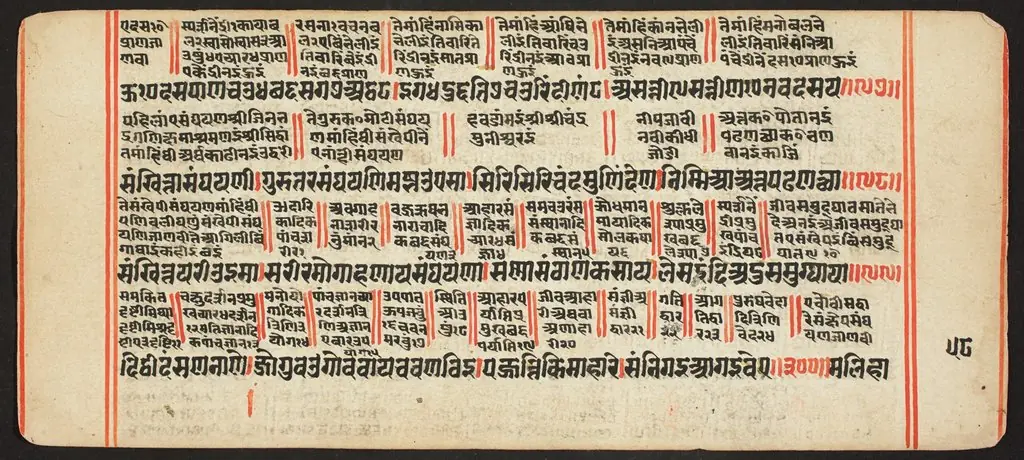 Tantric Manuscript, "Sangrahani Sutra"
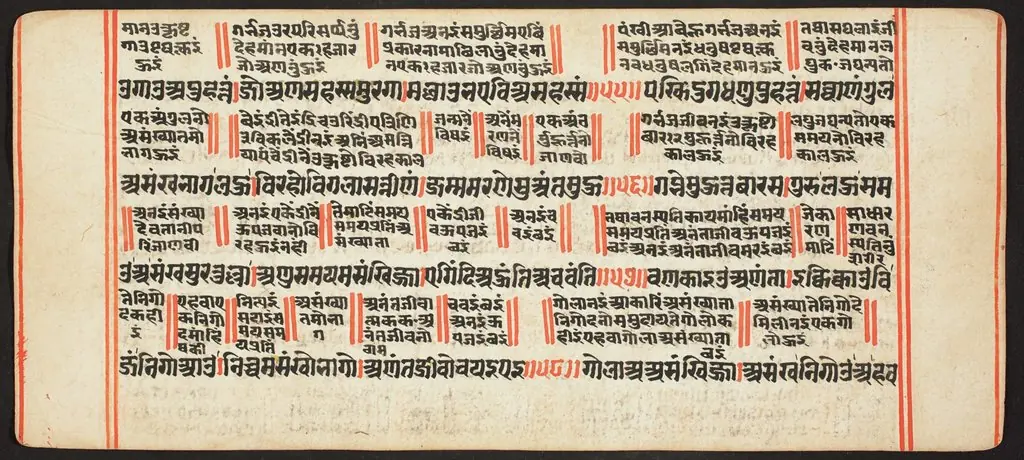 Tantric Manuscript, "Sangrahani Sutra"
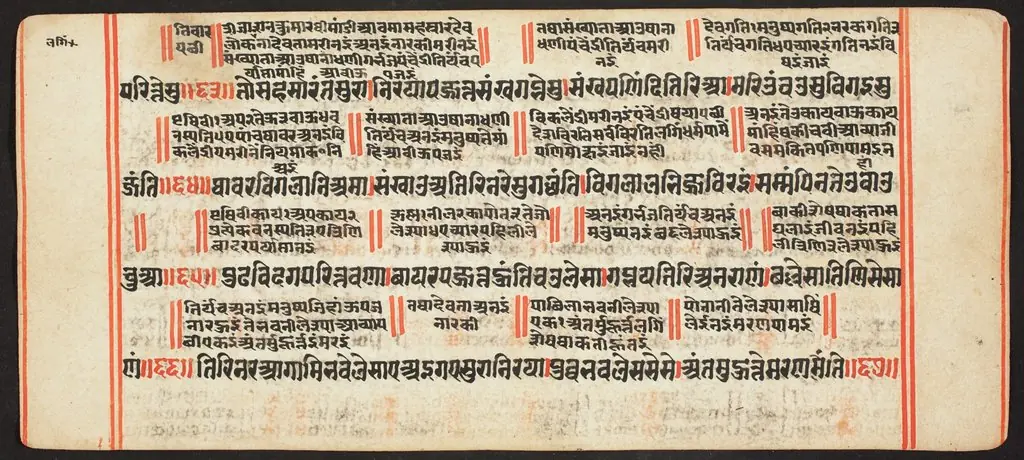 Tantric Manuscript, "Sangrahani Sutra"
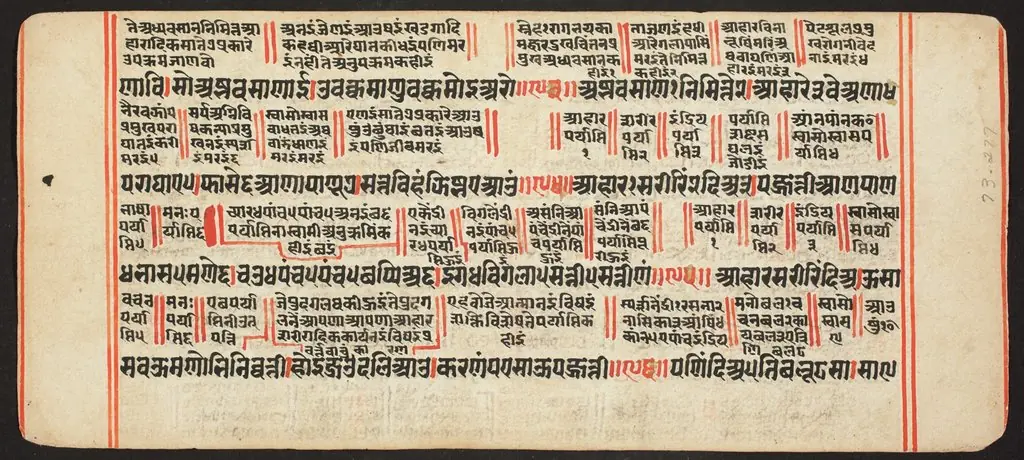 Tantric Manuscript, "Sangrahani Sutra"
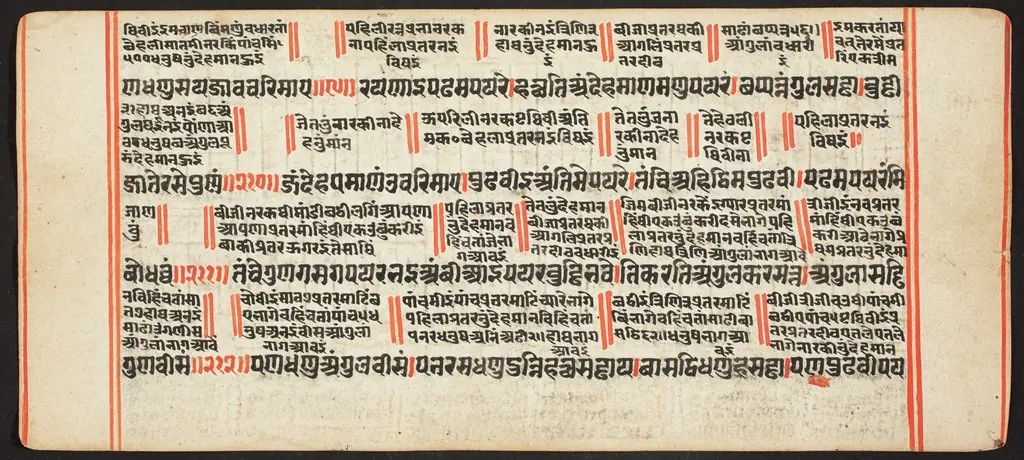 Tantric Manuscript, "Sangrahani Sutra"
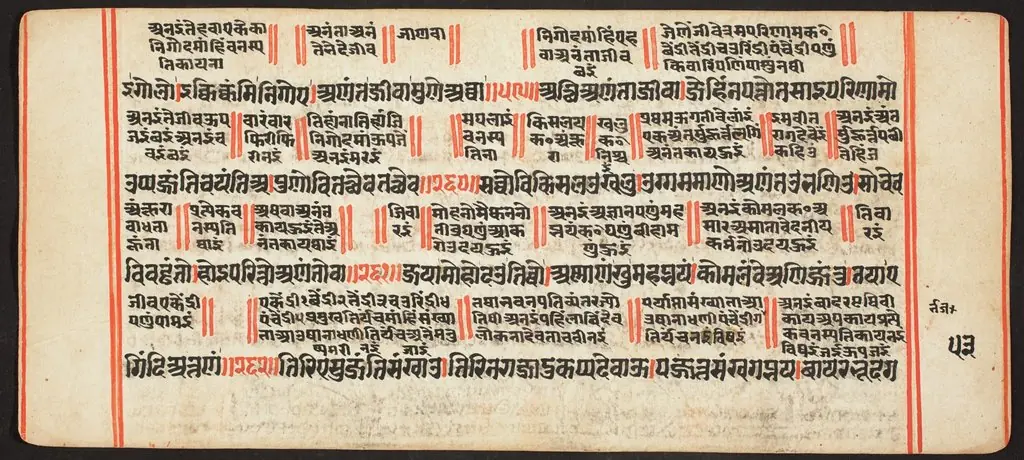 Tantric Manuscript, "Sangrahani Sutra"
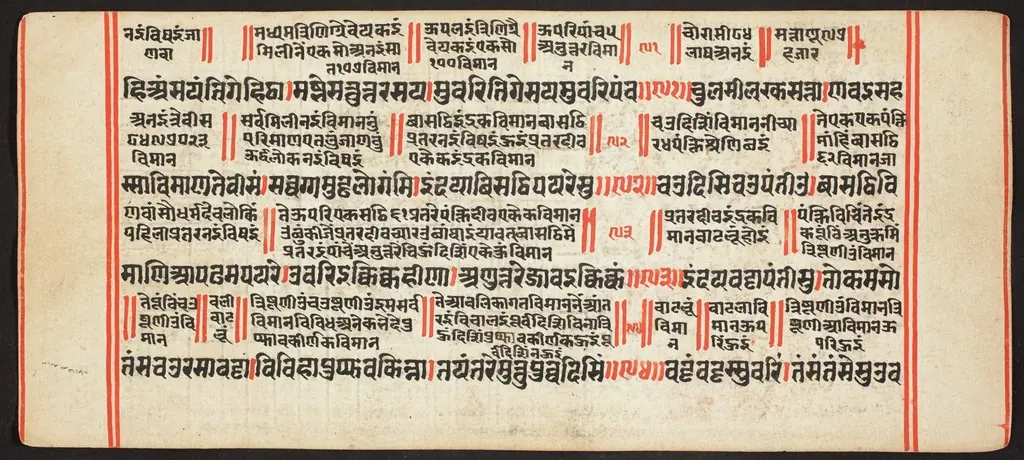 Tantric Manuscript, "Sangrahani Sutra"
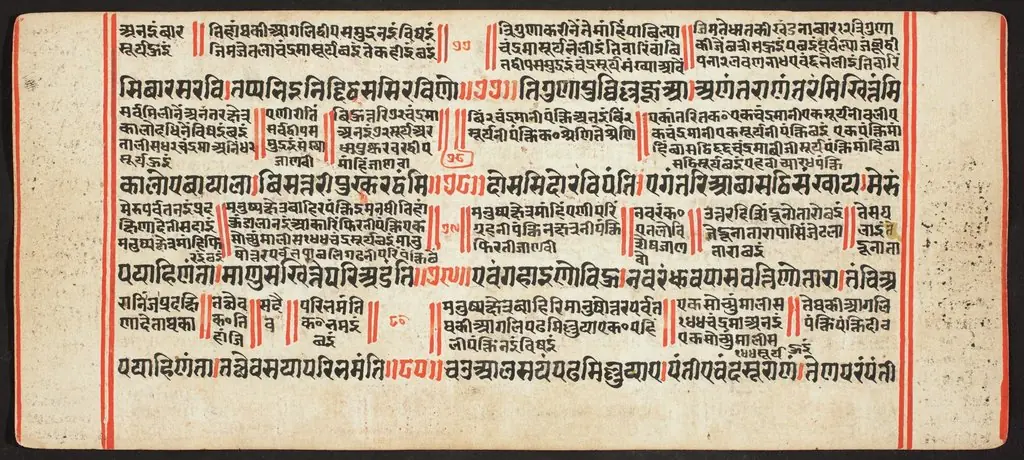 Tantric Manuscript, "Sangrahani Sutra"
 Tantric Manuscript, "Sangrahani Sutra"