Artwork
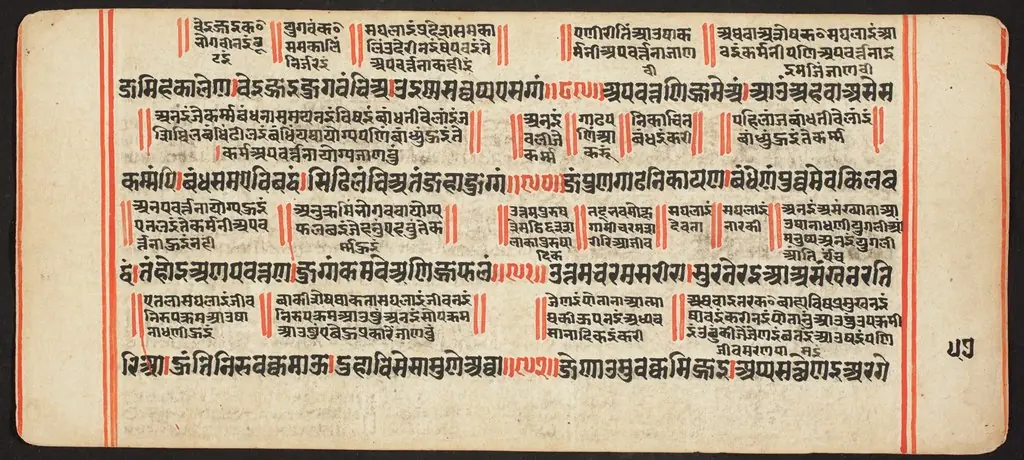
Tantric Manuscript, "Sangrahani Sutra"
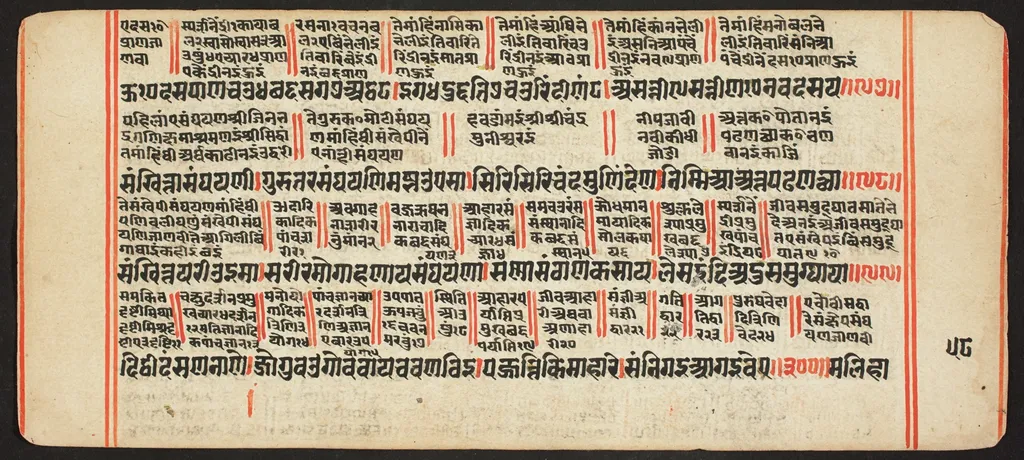
Tantric Manuscript, "Sangrahani Sutra" is an unspecified painting by Unknown. It is held in the collection of the Detroit Institute of Arts.
About this work
Overview
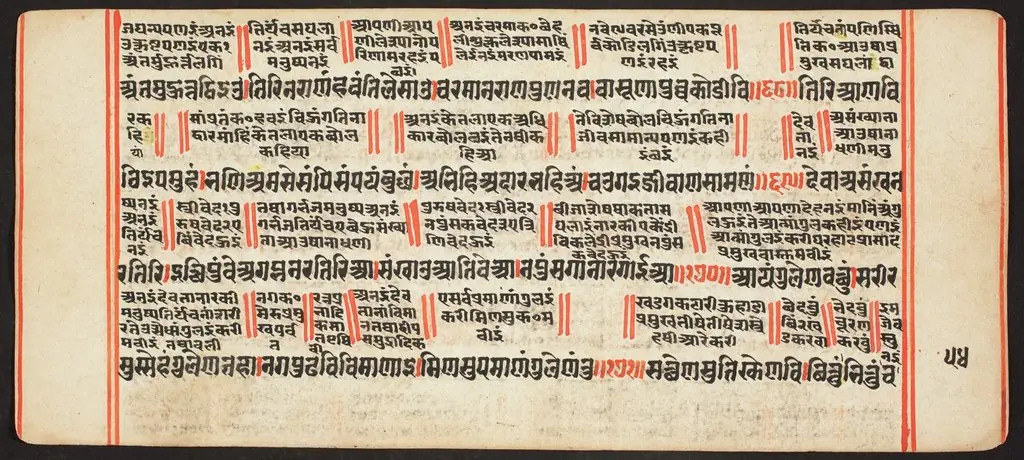
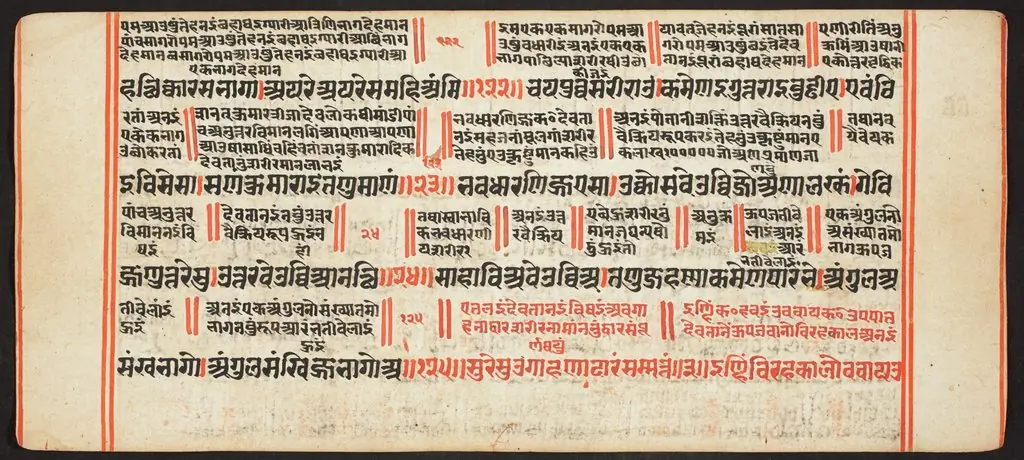
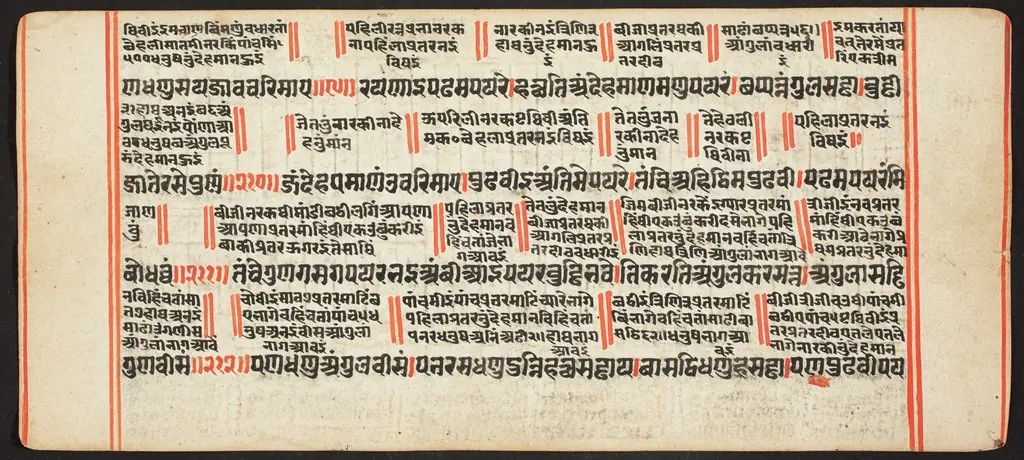
A painted manuscript folio from the Sangrahani Sutra, produced in medieval India, exemplifies the integration of religious text and visual symbolism within tantric Buddhist traditions. Created on palm leaf or paper, it served as a devotional and instructional object, blending scriptural content with intricate iconography to guide meditative practice.
Subject & Meaning
The painting illustrates deities and mandalas central to tantric cosmology, representing the union of wisdom and method. Figures are arranged in symbolic configurations meant to mirror internal spiritual states, with each gesture, color, and posture encoding esoteric teachings. The imagery functions not as decoration but as a visual roadmap for advanced practitioners seeking enlightenment.
Technique & Style
Executed in mineral pigments and fine brushwork, the composition emphasizes precise linearity and flat, saturated color fields. Figures are stylized with elongated proportions and rigid symmetry, reflecting conventions of tantric art rather than naturalism. Gold leaf may accentuate sacred elements, enhancing ritual potency through luminous detail.
History & Provenance
The manuscript likely originated in eastern India or Nepal during the late medieval period, among monastic communities practicing Vajrayana Buddhism. Its survival suggests careful preservation within temple libraries or private collections, possibly transported across regions through religious exchange or pilgrimage networks.
Context
Produced during a time when tantric Buddhism flourished in monastic centers, such manuscripts were used in initiation rites and meditative visualization. They existed alongside oral transmissions, serving as fixed visual anchors for teachings otherwise passed down through direct instruction. Their creation required both scholarly knowledge and ritual discipline.
Legacy
These folios remain vital to the study of South Asian religious art and tantric practice. Though no longer used in active ritual, they inform contemporary scholarship on the intersection of text, image, and spiritual discipline. Museums and archives preserve them as material witnesses to a complex, non-literal tradition of Buddhist thought.
Artist & collection

 Domestic Scene
 Giacomo and Cardinal Marco, investing Andrea, Abbot of San Zeno, with his Benefice
 The Nymph of Fontainebleau
 Portrait of a Woman
 Madonna and Child with Saints in the Enclosed Garden
 Venus and Minerva
 Family Group of Four on Sofa
 Wall painting from Room H of the Villa of P. Fannius Synistor at Boscoreale
 Tantric Manuscript, "Sangrahani Sutra"
 Tantric Manuscript, "Sangrahani Sutra"
 Tantric Manuscript, "Sangrahani Sutra"
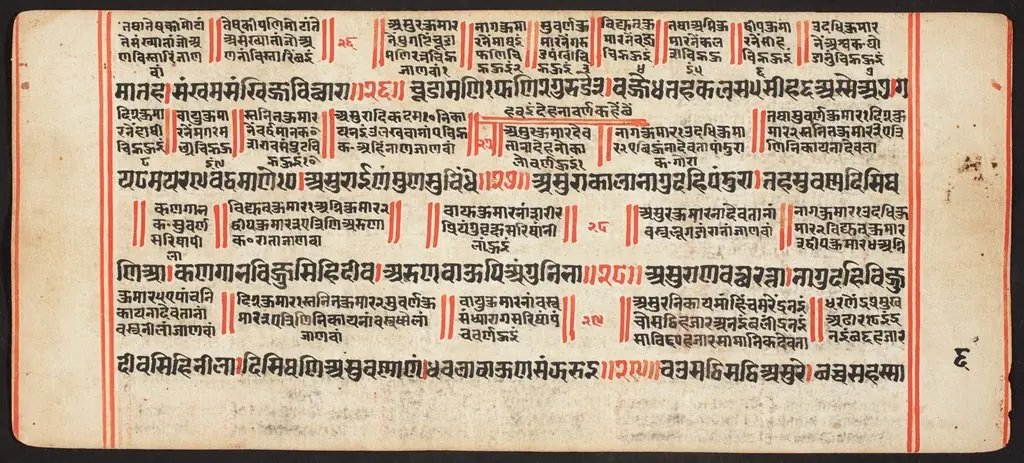 Tantric Manuscript, "Sangrahani Sutra"
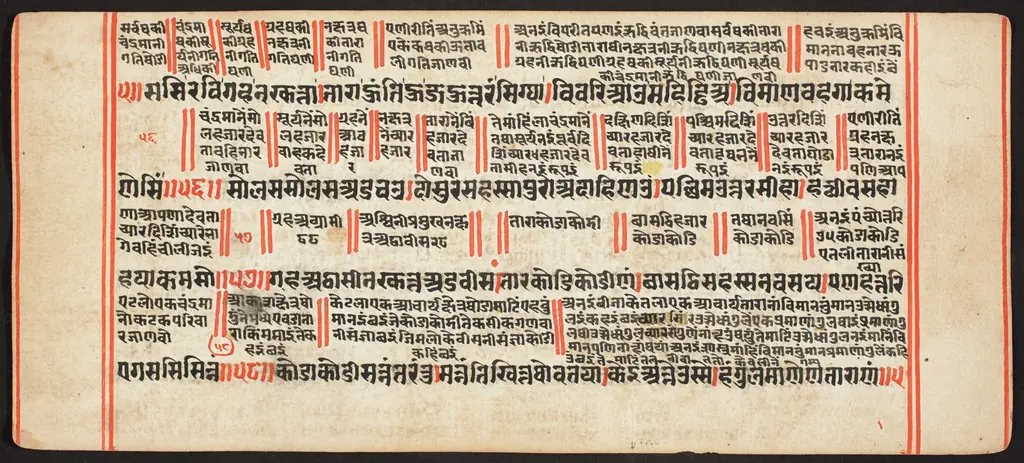 Tantric Manuscript, "Sangrahani Sutra"
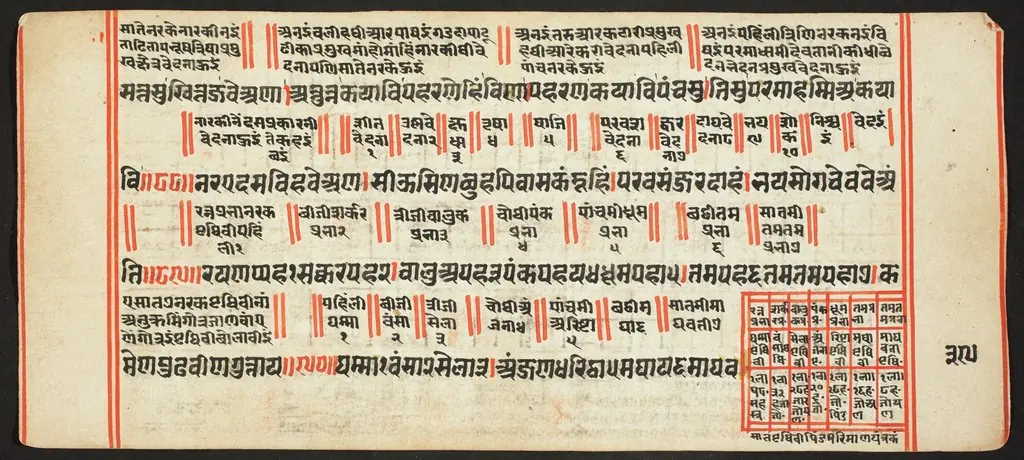 Tantric Manuscript, "Sangrahani Sutra"
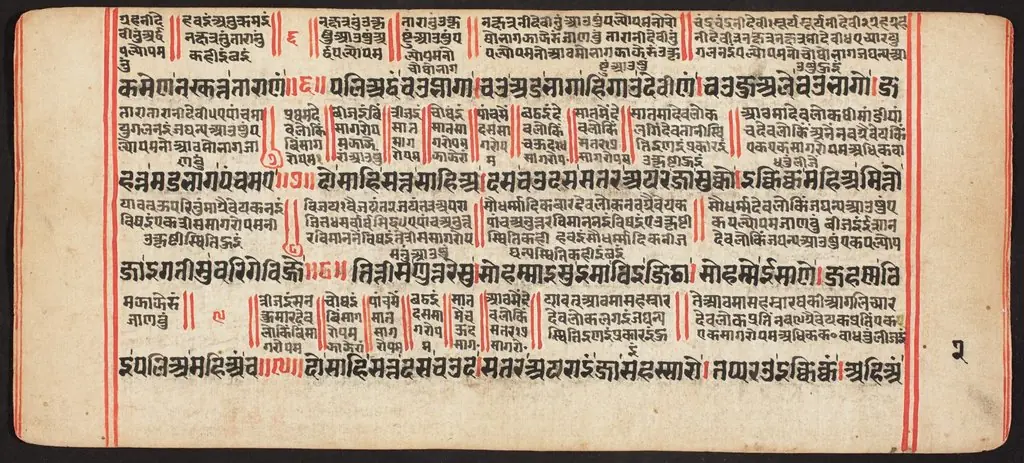 Tantric Manuscript, "Sangrahani Sutra"
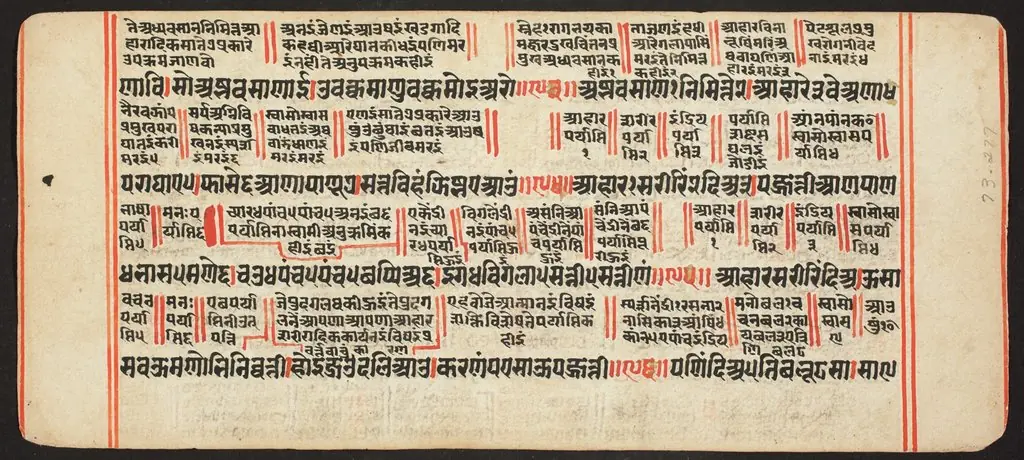 Tantric Manuscript, "Sangrahani Sutra"
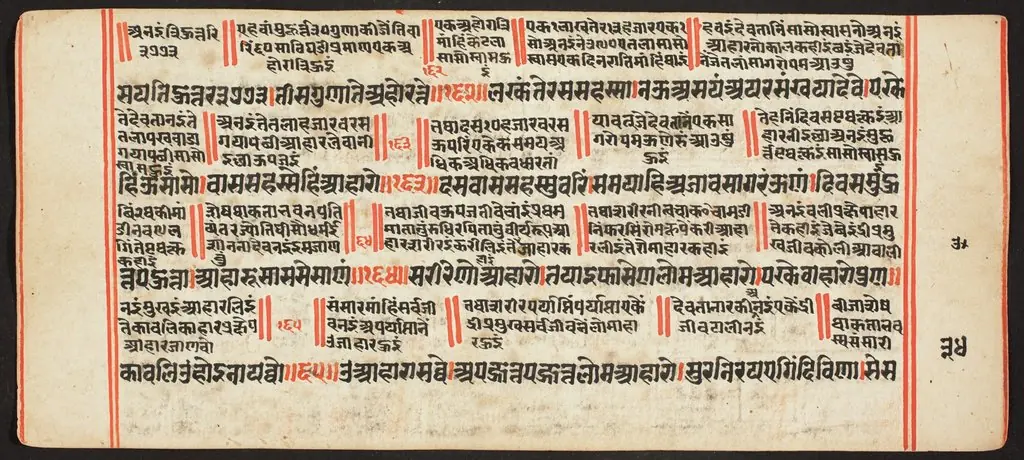 Tantric Manuscript, "Sangrahani Sutra"
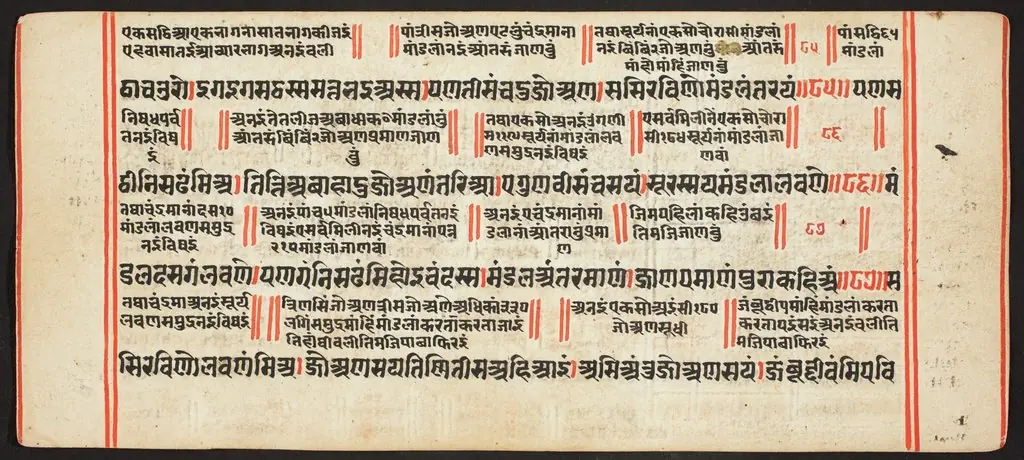 Tantric Manuscript, "Sangrahani Sutra"
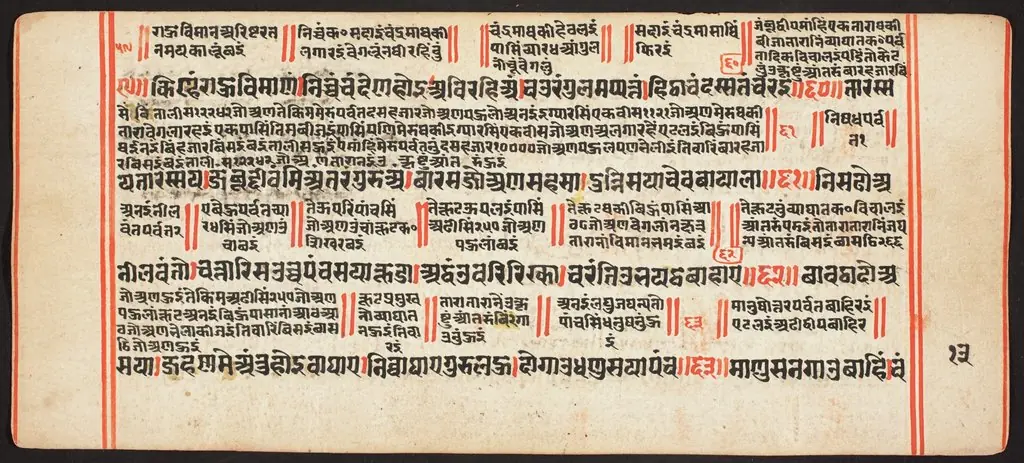 Tantric Manuscript, "Sangrahani Sutra"
 Tantric Manuscript, "Sangrahani Sutra"