Artwork
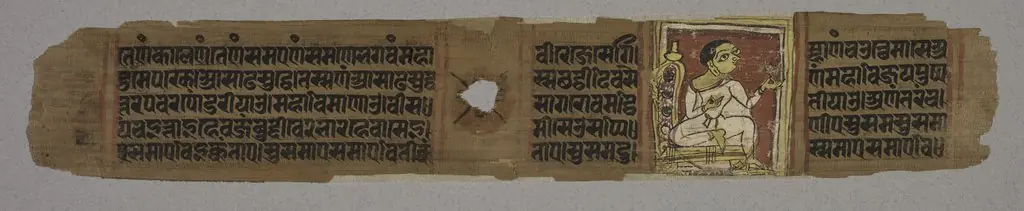
Folio 2, from a Kalpa-sutra: A Monk Preaching (recto); Text (verso)
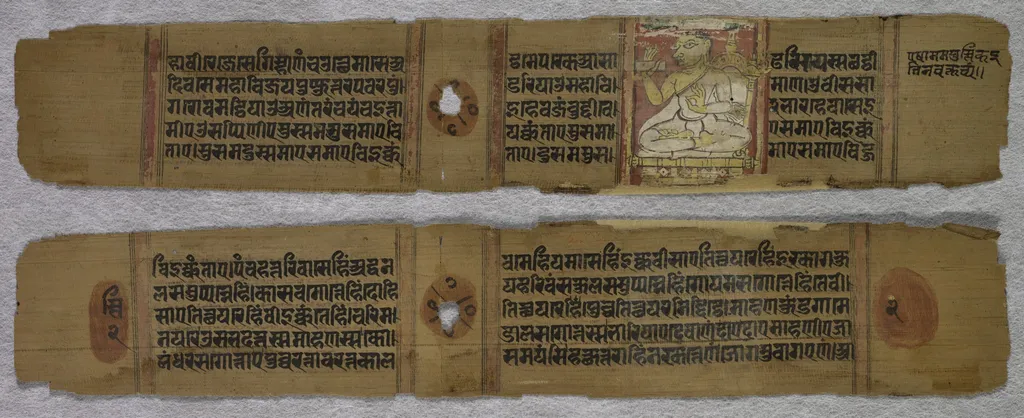
Folio 2, from a Kalpa-sutra: A Monk Preaching (recto); Text (verso) is an unspecified painting by Unknown. It dates from 1275 and is held in the collection of the Cleveland Museum of Art. This folio originates from a Kalpa-sutra manuscript, a Jain religious text.
About this work
Overview
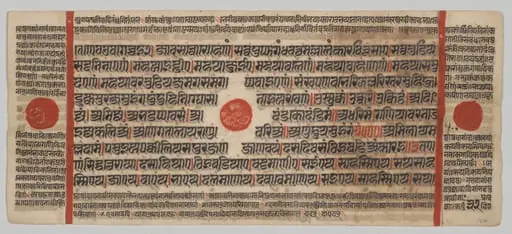
This folio originates from a Kalpa-sutra manuscript, a Jain religious text. The recto depicts a monk in meditation posture, hand raised in teaching gesture, against a golden background. The verso contains script in Prakrit, likely passages of doctrine. Executed in tempera, the composition emphasizes stillness over narrative detail, reflecting Jain monastic ideals of restraint and inner focus.
Subject & Meaning
The monk represents a spiritual teacher transmitting Jain doctrine, likely a Tirthankara or senior ascetic. His serene expression and minimal attire signal detachment from worldly concerns. The raised hand signifies the act of dharma-vyakhya—exposition of sacred law. The golden field evokes spiritual radiance, not earthly wealth, reinforcing the transcendental nature of the teaching moment.
Technique & Style
The warm gold background enhances the meditative tone without distraction, characteristic of early Western Indian manuscript painting.
Painted in tempera on paper, the work employs flat planes of color and strong, clean outlines. Details are reduced to essentials: folds in the robe, a simple halo, and a calm facial structure. The absence of landscape or ornamentation directs attention to the figure. The warm gold background enhances the meditative tone without distraction, characteristic of early Western Indian manuscript painting.
History & Provenance
The folio comes from a 15th-century Jain manuscript produced in Gujarat or Rajasthan. It entered the Cleveland Museum of Art’s collection through documented acquisitions of South Asian religious art, likely in the mid-20th century. Its preservation reflects the care given to devotional texts, though the full manuscript is now dispersed across institutions.
Context
Jain manuscripts like this were used in ritual recitation and monastic study. Artists worked under strict religious guidelines, avoiding figural excess to honor non-violence and simplicity. This folio aligns with regional styles of the period, where spiritual authority was conveyed through stillness rather than drama, contrasting with more ornate Hindu or Mughal traditions.
Legacy
This folio exemplifies the enduring Jain aesthetic of minimalism in devotional art. Its influence can be seen in later manuscript traditions that prioritized spiritual clarity over decorative flourish. As a surviving fragment of a larger textual tradition, it remains a quiet testament to centuries of monastic practice and textual transmission in western India.
Artist & collection

 Domestic Scene
 Giacomo and Cardinal Marco, investing Andrea, Abbot of San Zeno, with his Benefice
 The Nymph of Fontainebleau
 Portrait of a Woman
 Madonna and Child with Saints in the Enclosed Garden
 Venus and Minerva
 Family Group of Four on Sofa
 Wall painting from Room H of the Villa of P. Fannius Synistor at Boscoreale
 Folio 2, from a Kalpa-sutra: A Monk Preaching (recto); Text (verso)
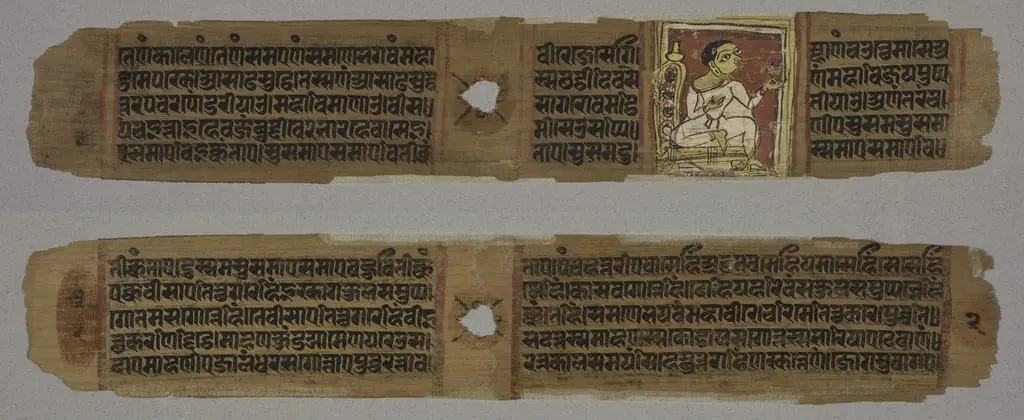 Folio 2, from a Kalpa-sutra and Story of Kalakacharya: Monk Holding a Flower (recto); text (verso)
 Folio 2, from a Kalpa-sutra and Story of Kalakacharya: Monk Holding a Flower (recto); text (verso)
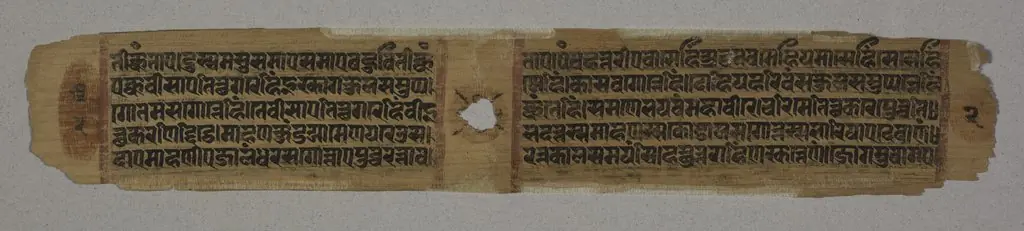 Folio 2 (verso), from a Kalpa-sutra and Story of Kalakacharya
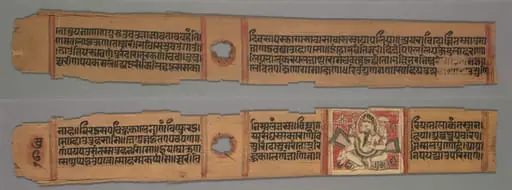 Folio from a Kalpa-sutra and Story of Kalakacharya of Devachandra: Text (recto); Brahmanshanti Yaksha (verso)
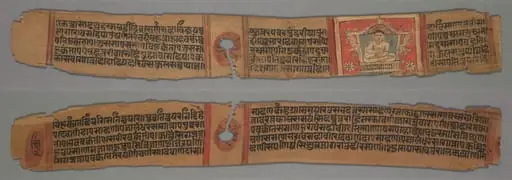 Folio 2, from a Kalpa-sutra and Story of Kalakacharya of Devachandra: Enthroned Monk Gautama (recto); Text (verso)
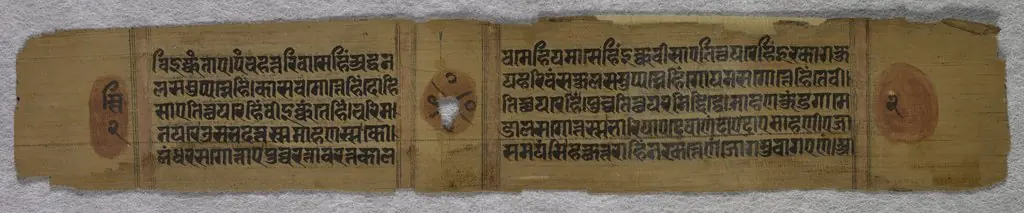 Text: Folio 2 (verso), from a Kalpa-sutra
 Monk Holding a Flower: Folio 2 (recto), from a Kalpa-sutra and Story of Kalakacharya
 Folio 167, from a Kalpa-sutra and Story of Kalakacharya: two nuns teaching lay women (recto); genealogical text (verso)
 Text, Folio 32 (verso), from a Kalpa-sutra
 Folio 2 from a Parshvanatha Charitra (Life and Stories of Lord Parshva) of Bhavadeva-suri: Monk preaching to a disciple with a lay audience (recto); Text (verso)