Artwork
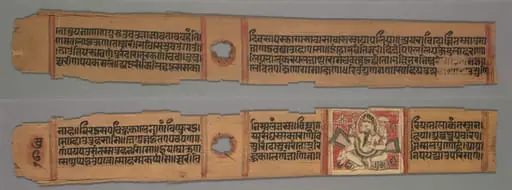
Folio 2, from a Kalpa-sutra: A Monk Preaching (recto); Text (verso)
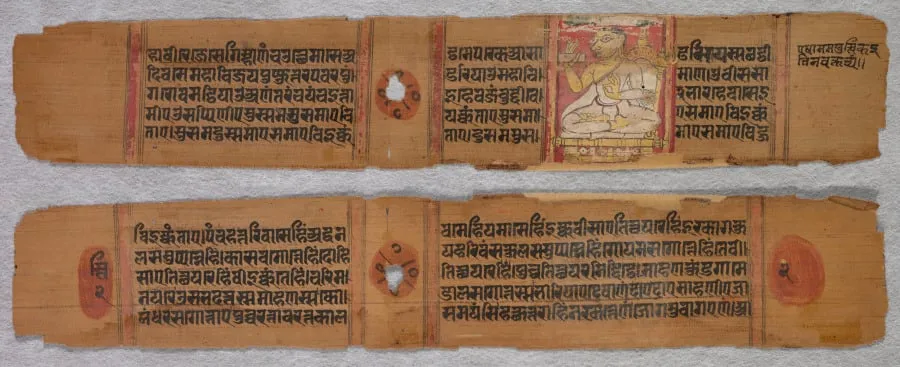
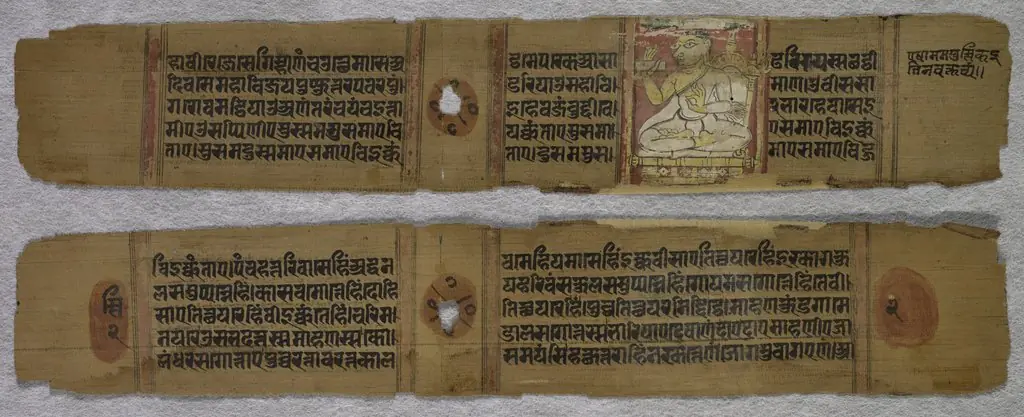
Folio 2, from a Kalpa-sutra: A Monk Preaching (recto); Text (verso) is an unspecified painting by the Mughal Painting artist Unknown. It dates from 1275 and is held in the collection of the Cleveland Museum of Art. Folio 2 belongs to a Kalpa‑sutra manuscript and consists of a narrow strip of aged paper that carries both image and text.
About this work
Overview
Folio 2 belongs to a Kalpa‑sutra manuscript and consists of a narrow strip of aged paper that carries both image and text. The recto presents a compact painted vignette of a seated figure accompanied by a lion, rendered in a limited palette of red and gold. The verso is filled with carefully executed Sanskrit script, the language traditionally used for Buddhist doctrinal works.
Subject & Meaning
The painted scene likely illustrates a monk delivering a sermon, a common motif in Buddhist narrative cycles. The lion, positioned beside the seated figure, serves as a symbolic emblem of spiritual authority and the power of the Dharma, reinforcing the didactic purpose of the accompanying sutra.
Technique & Style
The miniature painting employs mineral pigments applied in thin washes, creating a luminous red‑gold surface that contrasts with the dark ink of the text. The figure is rendered with minimal contouring, characteristic of early Indian manuscript illumination, where emphasis rests on symbolic presence rather than naturalistic detail.
History & Provenance
The folio originates from a Kalpa‑sutra tradition, a genre of Buddhist literature that codifies monastic rules and teachings. While the precise origin is uncertain, the use of Sanskrit and the stylistic traits suggest production in an Indian workshop between the 8th and 10th centuries CE. The manuscript later entered the collection of the Cleveland Museum of Art.
Context
Kalpa‑sutras were circulated among monastic communities to standardize practice and doctrine. Visual accompaniments such as this vignette functioned as mnemonic aids, linking the textual instruction to a recognizable narrative image that could be recalled during recitation or instruction.
Legacy
Objects like this folio illustrate the intertwined development of textual transmission and visual culture in early Buddhist societies. Their preservation offers insight into the material conditions of manuscript production and the pedagogical strategies employed to disseminate religious teachings.
Artist & collection

 Domestic Scene
 Giacomo and Cardinal Marco, investing Andrea, Abbot of San Zeno, with his Benefice
 The Nymph of Fontainebleau
 Portrait of a Woman
 Madonna and Child with Saints in the Enclosed Garden
 Venus and Minerva
 Family Group of Four on Sofa
 Wall painting from Room H of the Villa of P. Fannius Synistor at Boscoreale
 A Monk Preaching: Folio 2 (recto), from a Kalpa-sutra
 Folio 2, from a Kalpa-sutra: A Monk Preaching (recto); Text (verso)
 Folio 2, from a Kalpa-sutra and Story of Kalakacharya: Monk Holding a Flower (recto); text (verso)
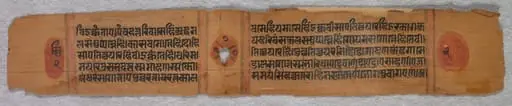 Text: Folio 2 (verso), from a Kalpa-sutra
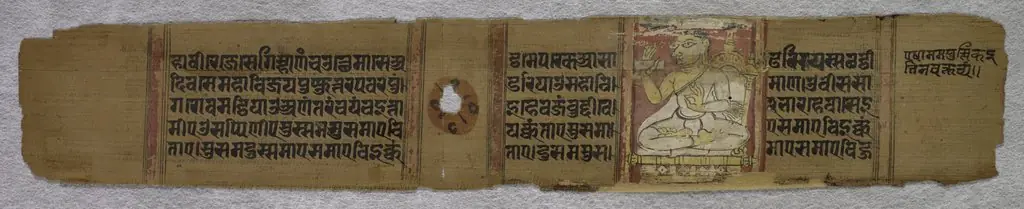 A Monk Preaching: Folio 2 (recto), from a Kalpa-sutra
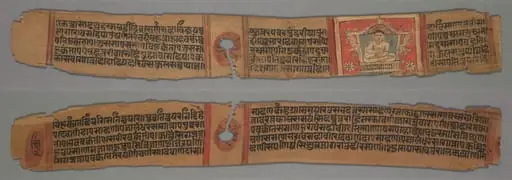 Folio 2, from a Kalpa-sutra and Story of Kalakacharya of Devachandra: Enthroned Monk Gautama (recto); Text (verso)
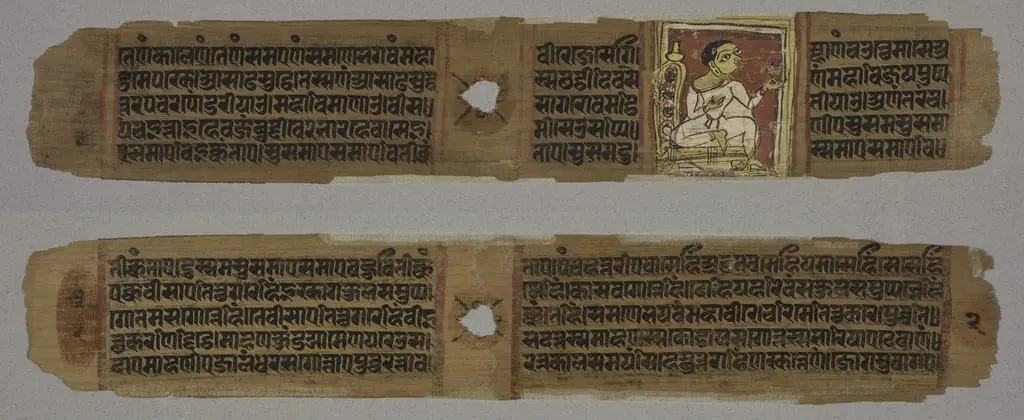 Folio 2, from a Kalpa-sutra and Story of Kalakacharya: Monk Holding a Flower (recto); text (verso)
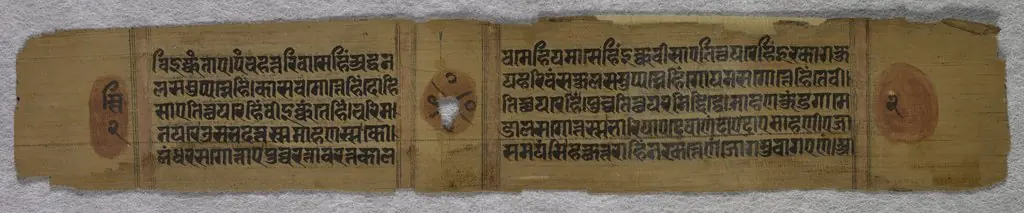 Text: Folio 2 (verso), from a Kalpa-sutra
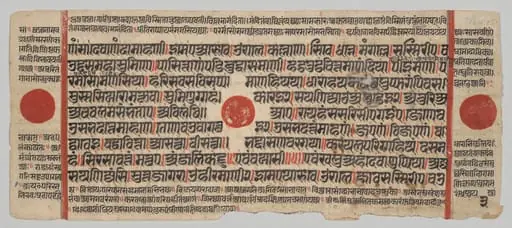 Text, Folio 3 (verso), from a Kalpa-sutra
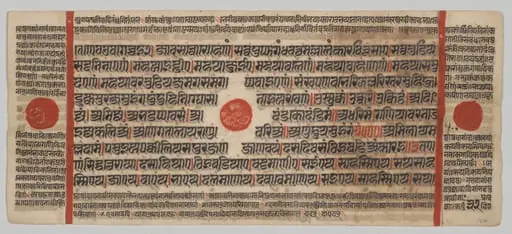 Text, Folio 32 (verso), from a Kalpa-sutra
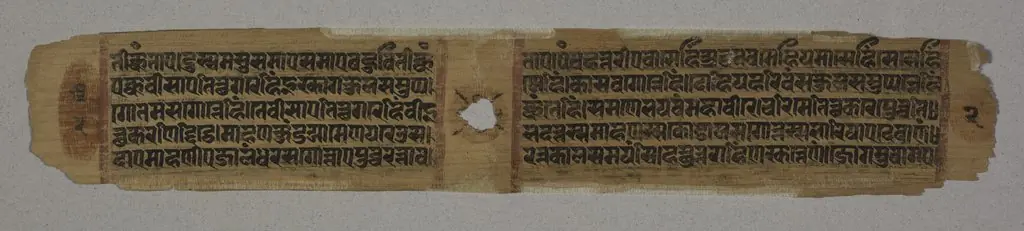 Folio 2 (verso), from a Kalpa-sutra and Story of Kalakacharya
 Folio from a Kalpa-sutra and Story of Kalakacharya of Devachandra: Text (recto); Brahmanshanti Yaksha (verso)