Artwork
Erzherzogin Maria Christierna (1574-1621) in grünem Gewand, Kniestück
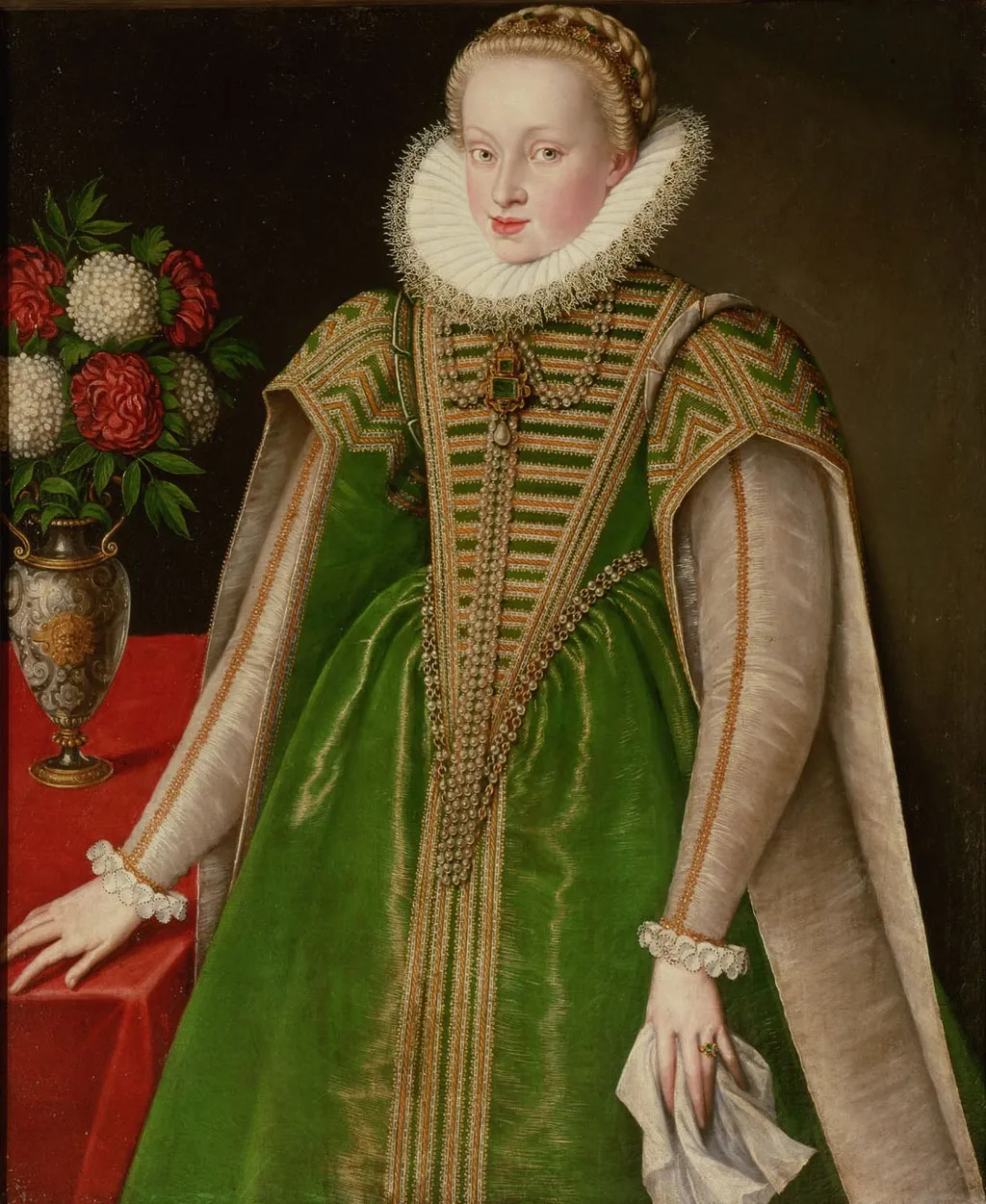
Erzherzogin Maria Christierna (1574-1621) in grünem Gewand, Kniestück is an oil painting by the Early Baroque Italian artist Unknown. It dates from 1596 and is held in the collection of the Kunsthistorisches Museum. This oil painting depicts a woman identified as Archduchess Maria Christierna, dated to the late 16th or early 17th century.
About this work
Overview
Executed as a three-quarter-length portrait, it emphasizes the sitter’s presence through meticulous rendering of textiles and a controlled play of light.
This oil painting depicts a woman identified as Archduchess Maria Christierna, dated to the late 16th or early 17th century. Executed as a three-quarter-length portrait, it emphasizes the sitter’s presence through meticulous rendering of textiles and a controlled play of light. The composition balances opulence with restraint, situating the figure against a neutral background that directs focus toward her attire and gesture.
Subject & Meaning
The portrait captures Maria Christierna, a member of Habsburg nobility, during her lifetime. Her pose—one hand resting on a table, the other holding a cloth—suggests a blend of authority and refinement. The inclusion of flowers in a vase may allude to transience or virtue, while the rich garments signal her elevated social standing. Such representations often served to affirm dynastic continuity and personal prestige.
Technique & Style
The artist employs chiaroscuro to model the figure’s form, using strong contrasts between illuminated and shadowed areas. Brushwork is fine yet assured, particularly in the depiction of embroidered fabrics and delicate lace. The green dress, with its gold detailing, demonstrates technical skill in rendering texture and sheen. The restrained palette, punctuated by the dress’s vibrancy, aligns with court portraiture conventions of the period.
History & Provenance
Created between 1574 and 1621, the painting likely originated within Habsburg court circles. Specific early ownership remains unrecorded, though its preservation suggests it remained within collections tied to the sitter’s family or associates. Its survival intact indicates careful handling, possibly passing through noble or institutional holdings before entering its current repository.
Context
Portraits of this kind were commissioned to document lineage and reinforce political alliances. The Habsburgs frequently used imagery to project stability and cultural sophistication. Maria Christierna’s representation reflects broader trends in European portraiture, where individual likeness merged with symbolic attributes to convey status. The painting’s format and execution align with works produced for elite patrons during the late Renaissance.
Artist & collection

 Domestic Scene
 Giacomo and Cardinal Marco, investing Andrea, Abbot of San Zeno, with his Benefice
 The Nymph of Fontainebleau
 Portrait of a Woman
 Madonna and Child with Saints in the Enclosed Garden
 Venus and Minerva
 Family Group of Four on Sofa
 Wall painting from Room H of the Villa of P. Fannius Synistor at Boscoreale
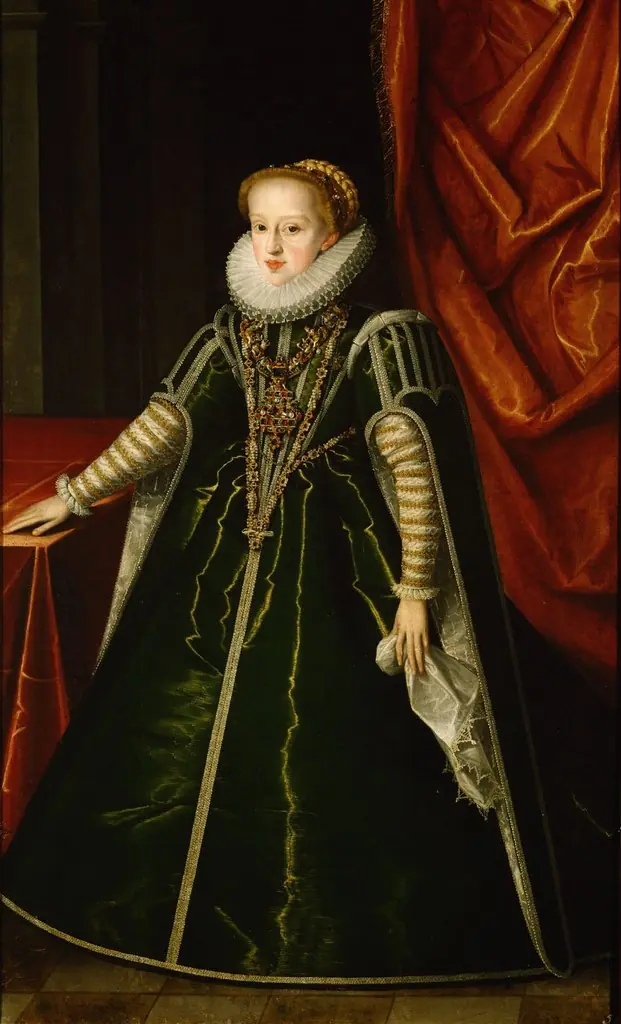 Erzherzogin Gregoria Maximiliane (1581-1597), Tochter von Karl II. von Innerösterreich, im Alter von 11 bis 12 Jahren in ganzer Figur
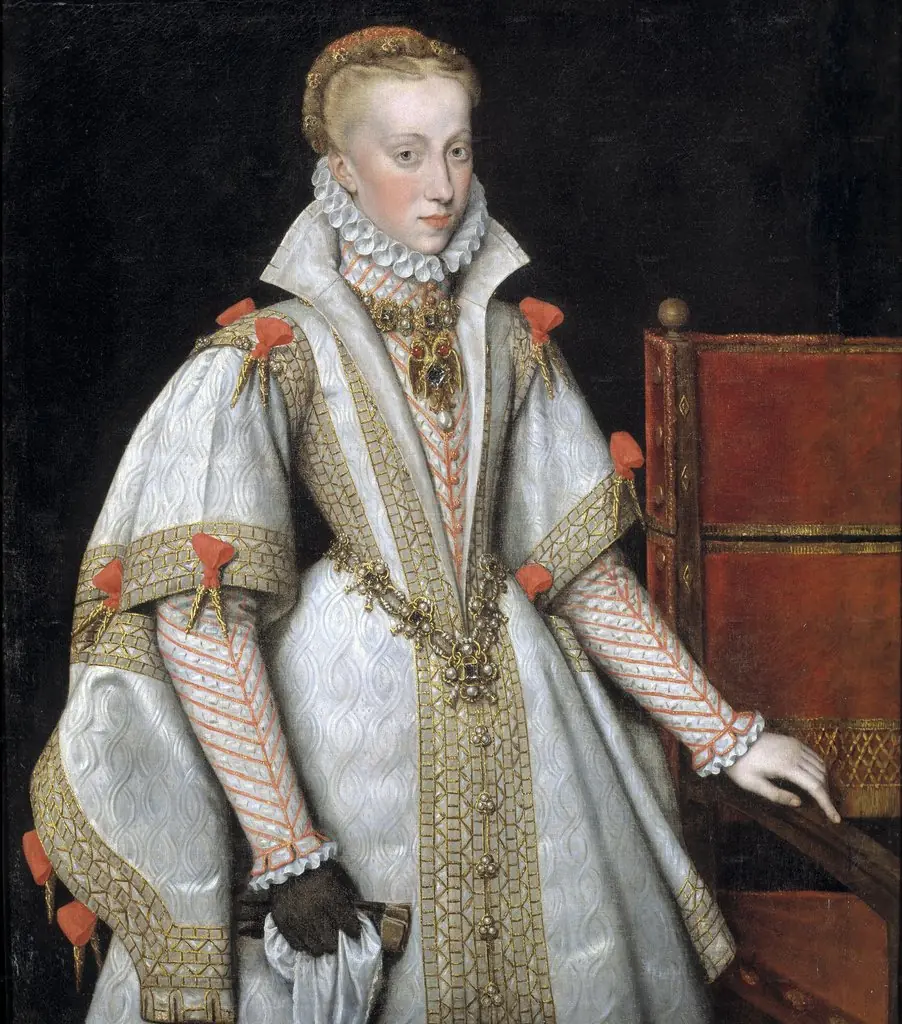 Queen Anne of Austria, fourth Wife of Philip II
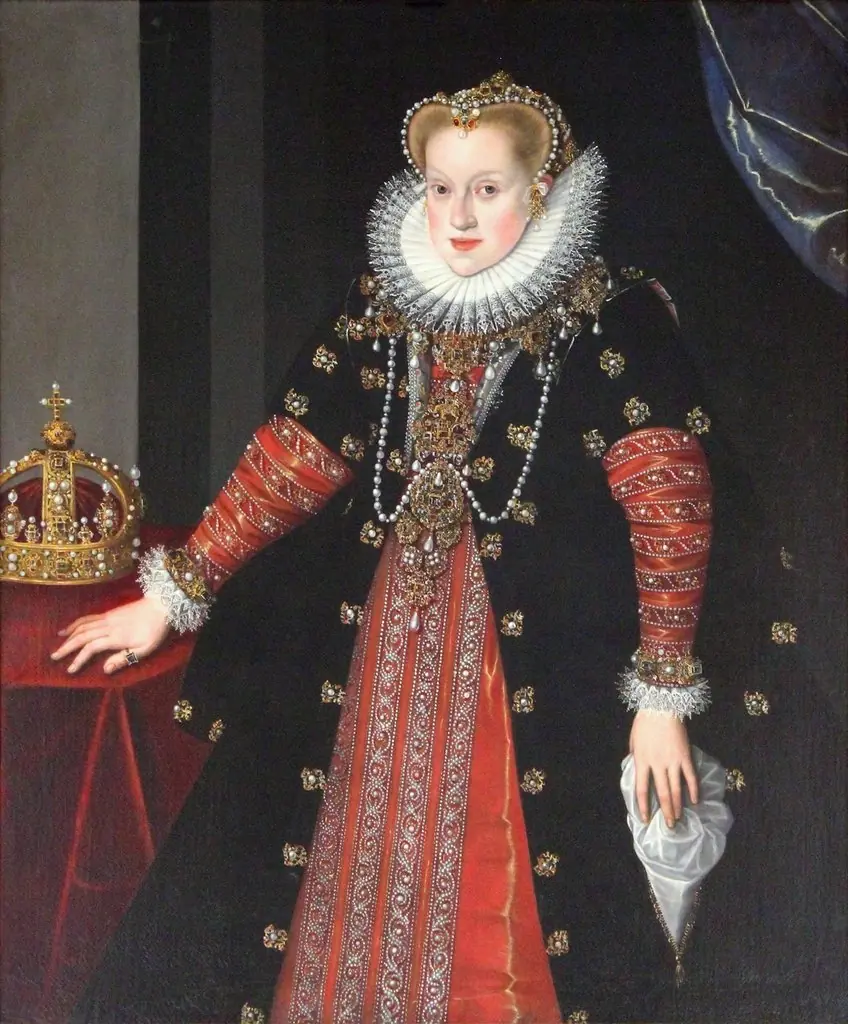 Portrait of Anne of Austria, Queen of Poland (1573-1598)
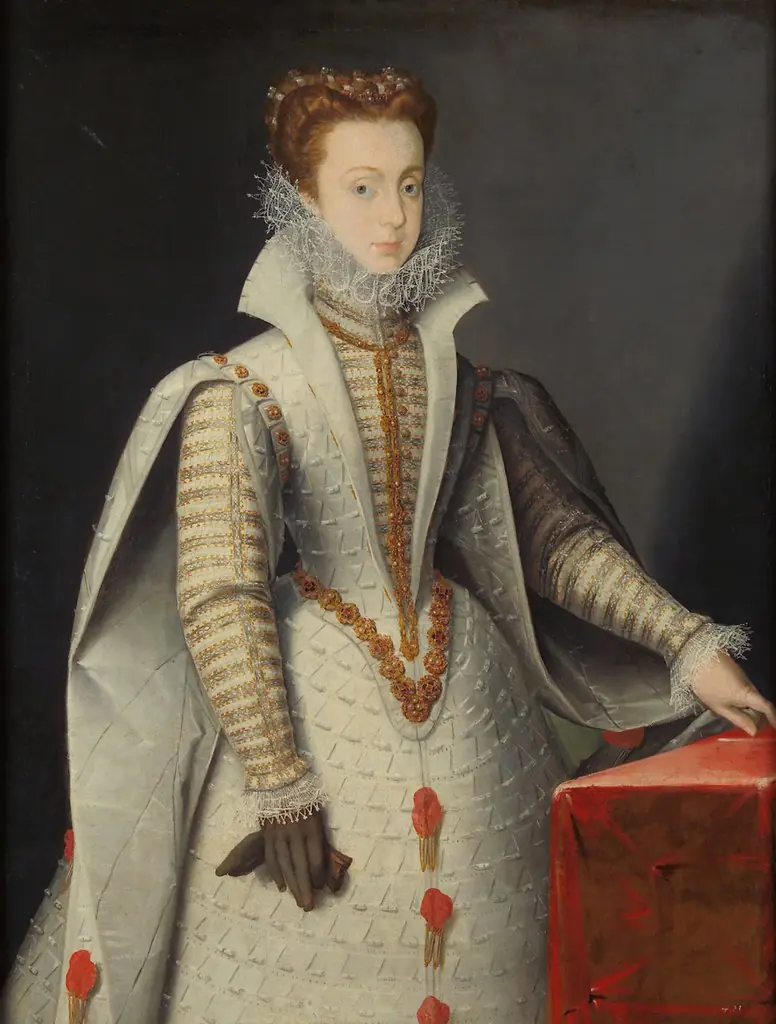 Herzogin Margarete von Joyeuse (1564-1625), Dreiviertelbildnis
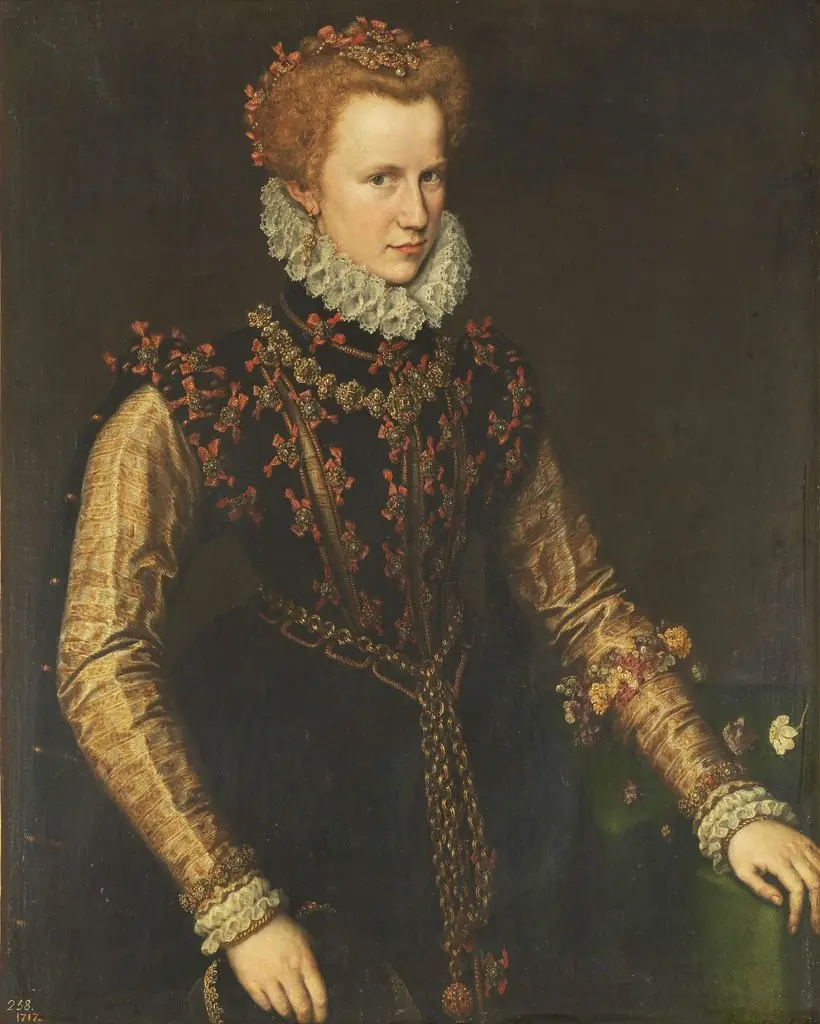 Jane Dormer, Duchess of Feria (?)
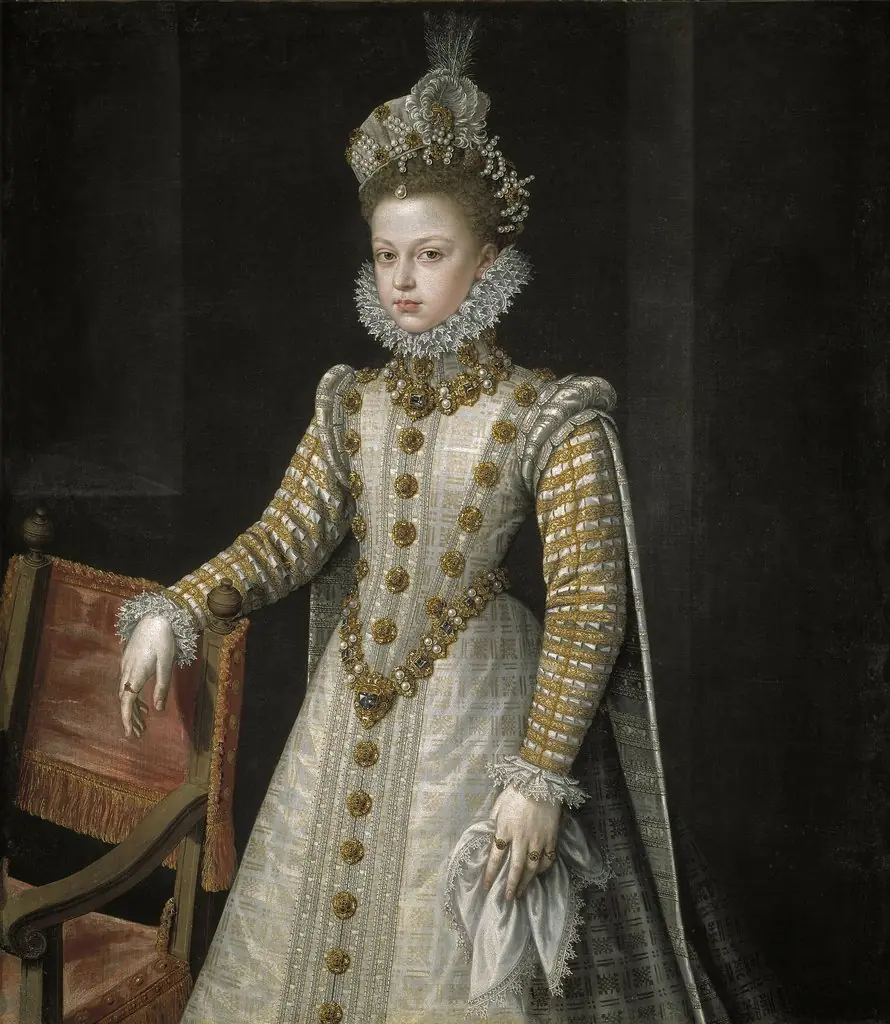 Infanta Isabel Clara Eugenia
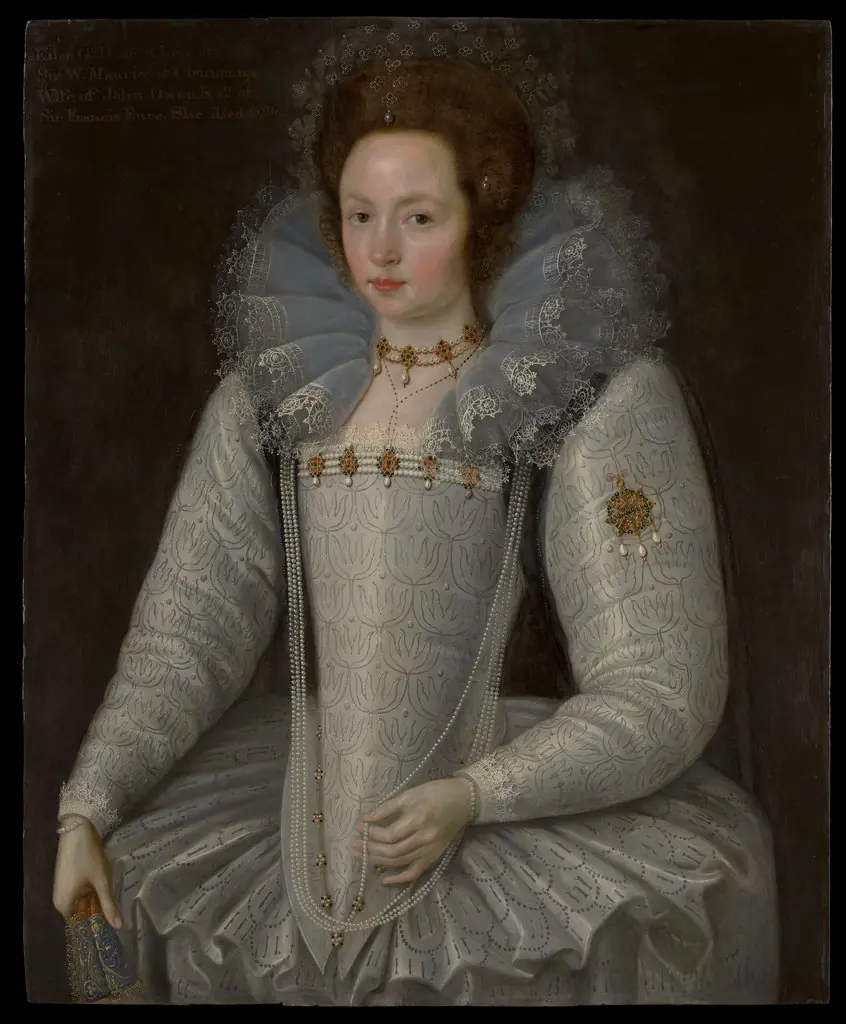 Ellen Maurice (1578–1626)
 Unknown Lady
 Portrait of a Court Lady
 Portrait of a woman, probably Maria Schuurman (1575-1621)