Artwork
Portrait of a Court Lady
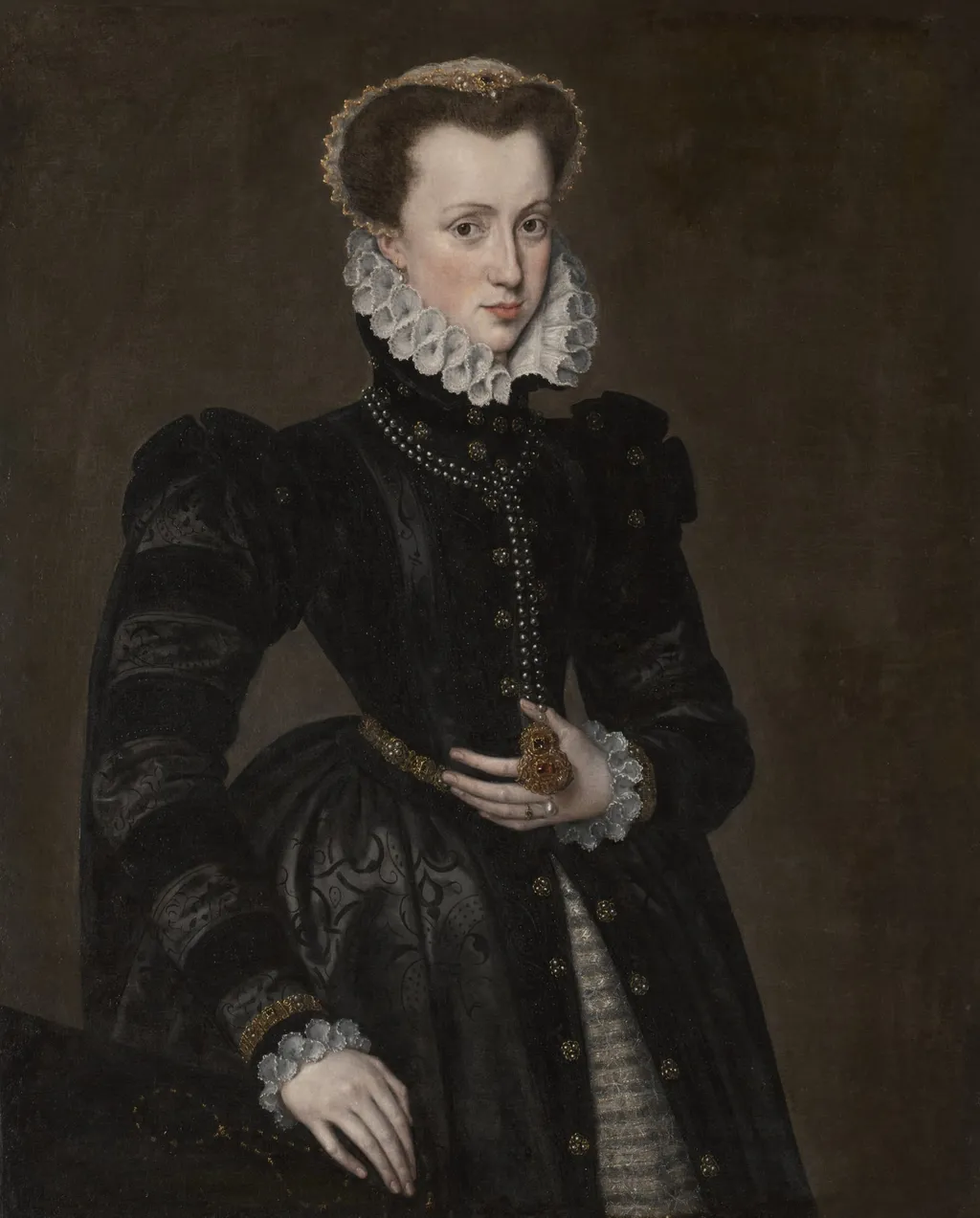
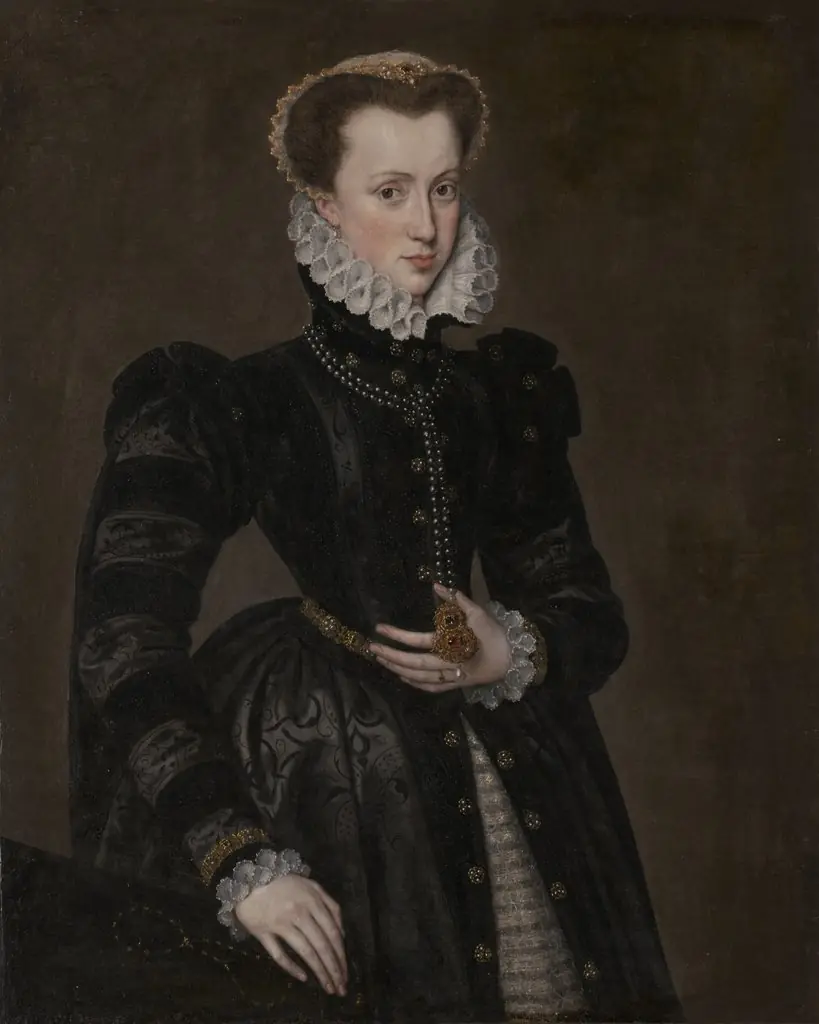
Portrait of a Court Lady is an oil painting by the Mannerist artist Follower of Antonis Mor. It dates from 1565 and is held in the collection of the Art Institute of Chicago.
About this work
Overview
It depicts an unidentified noblewoman seated in a formal pose, rendered with meticulous attention to texture and detail.
This oil-on-canvas portrait, dated around 1565, is attributed to a follower of Antonis Mor. It depicts an unidentified noblewoman seated in a formal pose, rendered with meticulous attention to texture and detail. The work resides in the collection of the Art Institute of Chicago, representing the Northern Renaissance tradition of courtly portraiture that emphasized social status through visual precision.
Subject & Meaning
The sitter is portrayed as a woman of elevated rank, indicated by her elaborate attire and ornate jewelry. Her direct gaze and composed demeanor convey dignity and self-possession, typical of aristocratic portraiture in mid-16th-century Europe. The image functions not merely as likeness but as a statement of lineage, wealth, and refined identity within a rigid social hierarchy.
Technique & Style
The painter employed glazing techniques to build luminous layers of color, particularly in the fabric of the gown and the sheen of pearls. Fine brushwork captures the intricate embroidery and lace, while the background remains muted to focus attention on the figure. This method, inherited from Mor’s workshop, prioritizes material realism over emotional expression.
History & Provenance
The painting entered the Art Institute of Chicago’s collection in the early 20th century, though its earlier ownership remains undocumented. It was likely produced in the Low Countries or Spain, where Mor’s style was widely emulated by local artists. Its attribution to a follower rather than Mor himself reflects the common practice of studio replication among elite portraitists of the period.
Context
During the 1560s, portraiture in Habsburg territories served as a tool of political and social assertion. Noblewomen, though rarely granted public power, were carefully depicted to reinforce familial prestige and marital alliances. This portrait aligns with a broader trend of using clothing and posture to communicate status in an era when visual codes were tightly regulated.
Legacy
As an example of Northern Renaissance portraiture, the work illustrates how artistic skill was harnessed to sustain aristocratic imagery beyond the lifetime of the original sitter. Its preservation offers insight into the visual language of power and the transmission of stylistic conventions through apprentice networks in 16th-century Europe.
Own this work as a print
Artist & collection
Artist
Antonis Mor’s anonymous follower loved the drama of power. They draped their subjects in stiff lace collars and serious stares, making every court lady look like she could out-stare the king. You’ll spot this style in…

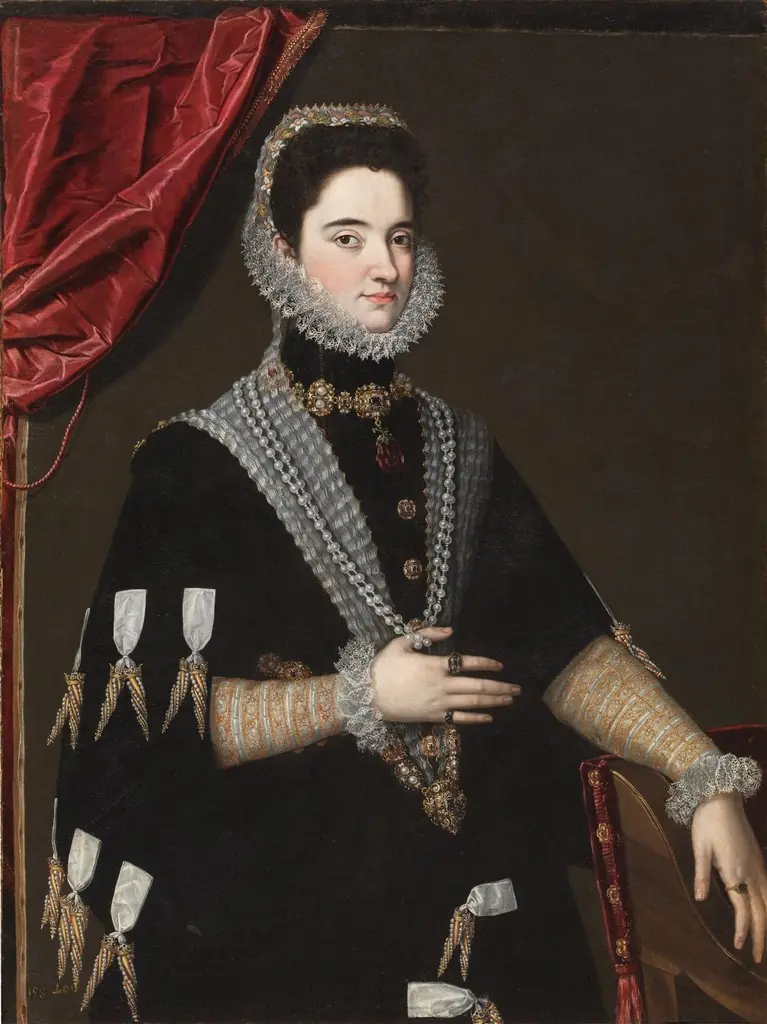 Portrait of a Lady
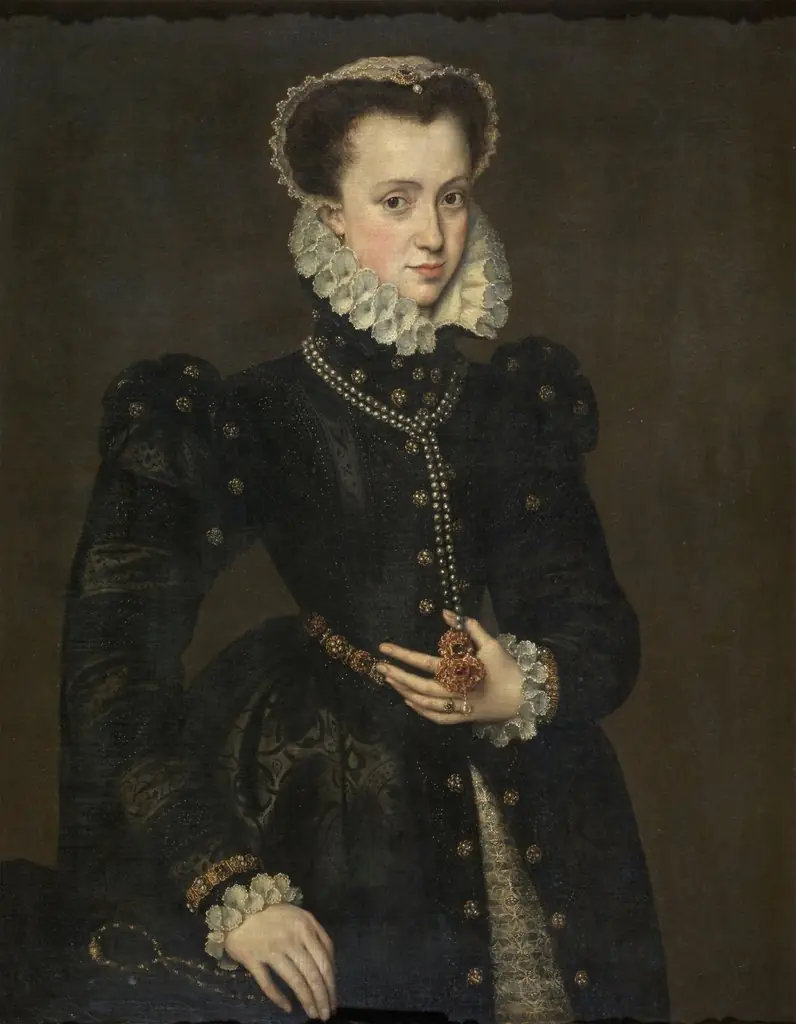 Portrait of a Lady
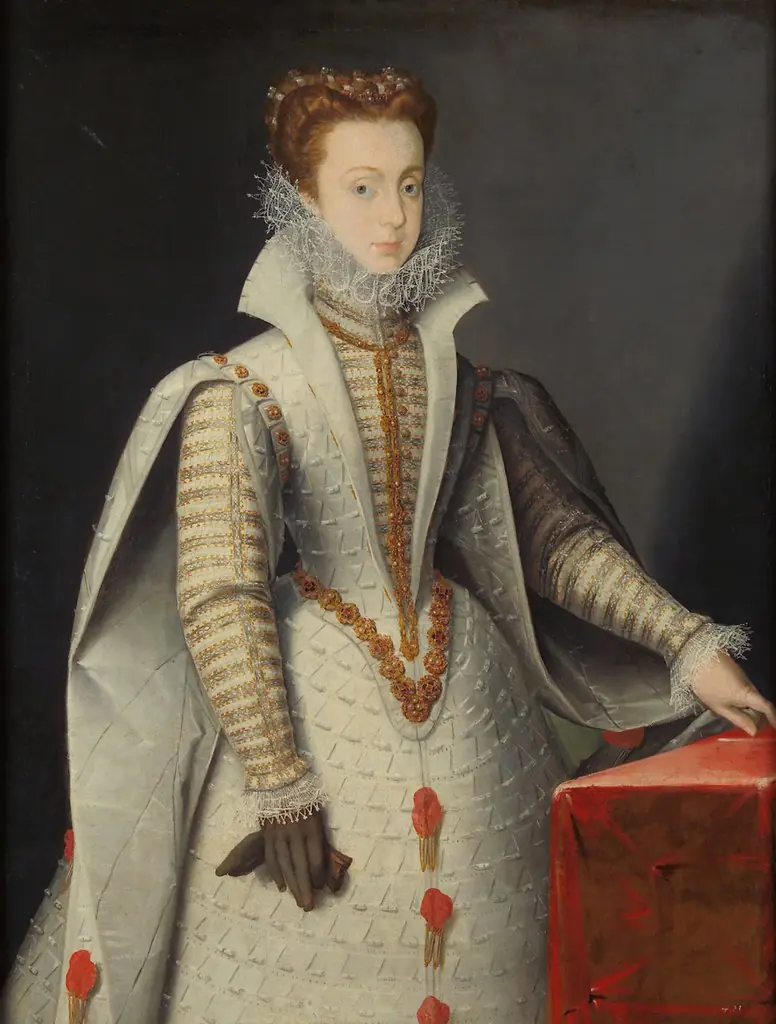 Herzogin Margarete von Joyeuse (1564-1625), Dreiviertelbildnis
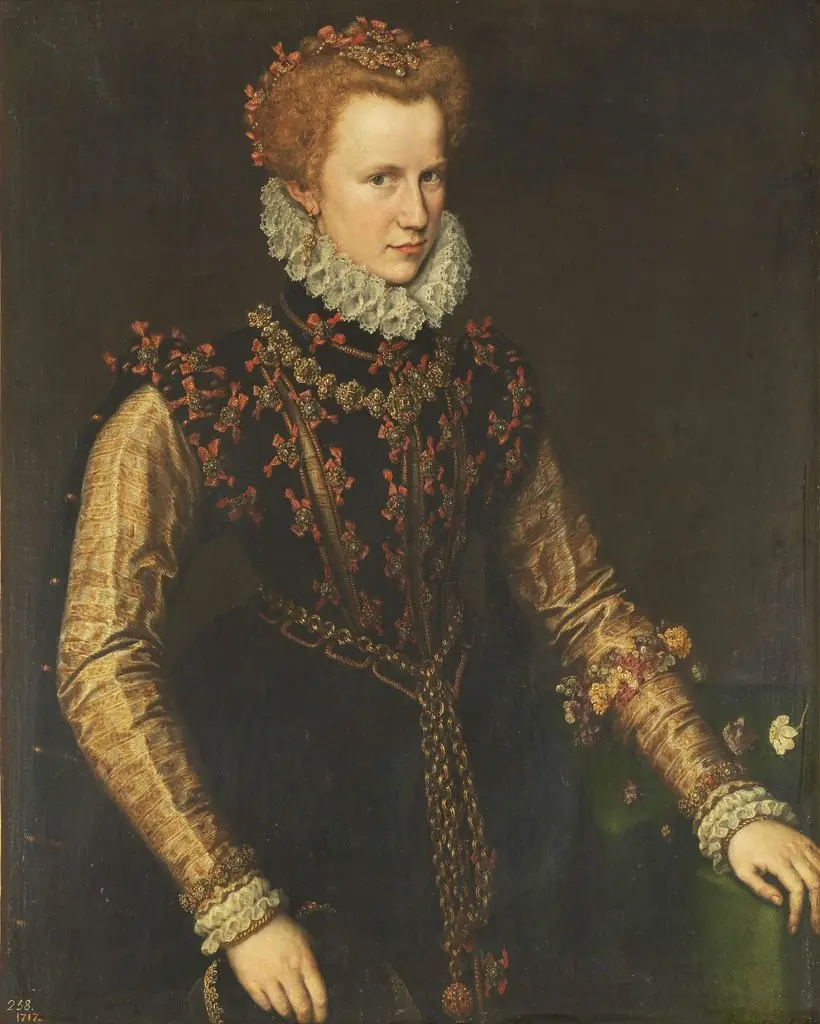 Jane Dormer, Duchess of Feria (?)
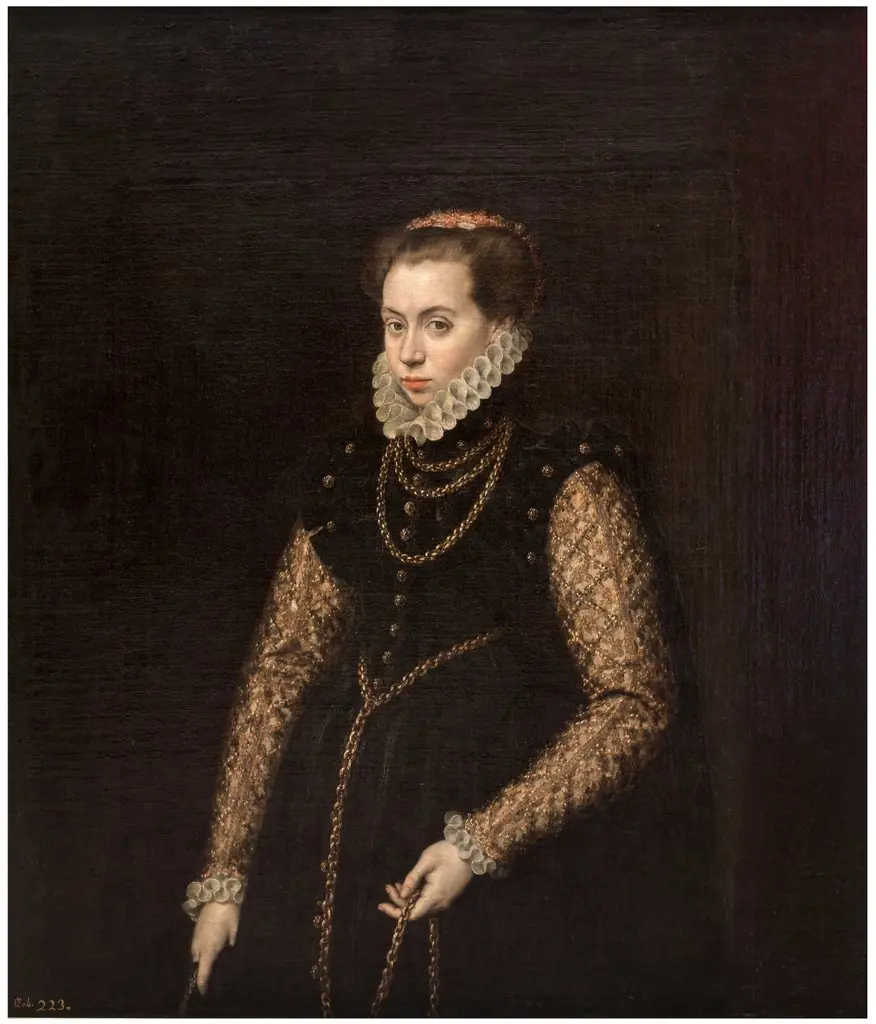 Lady with Gold Chains
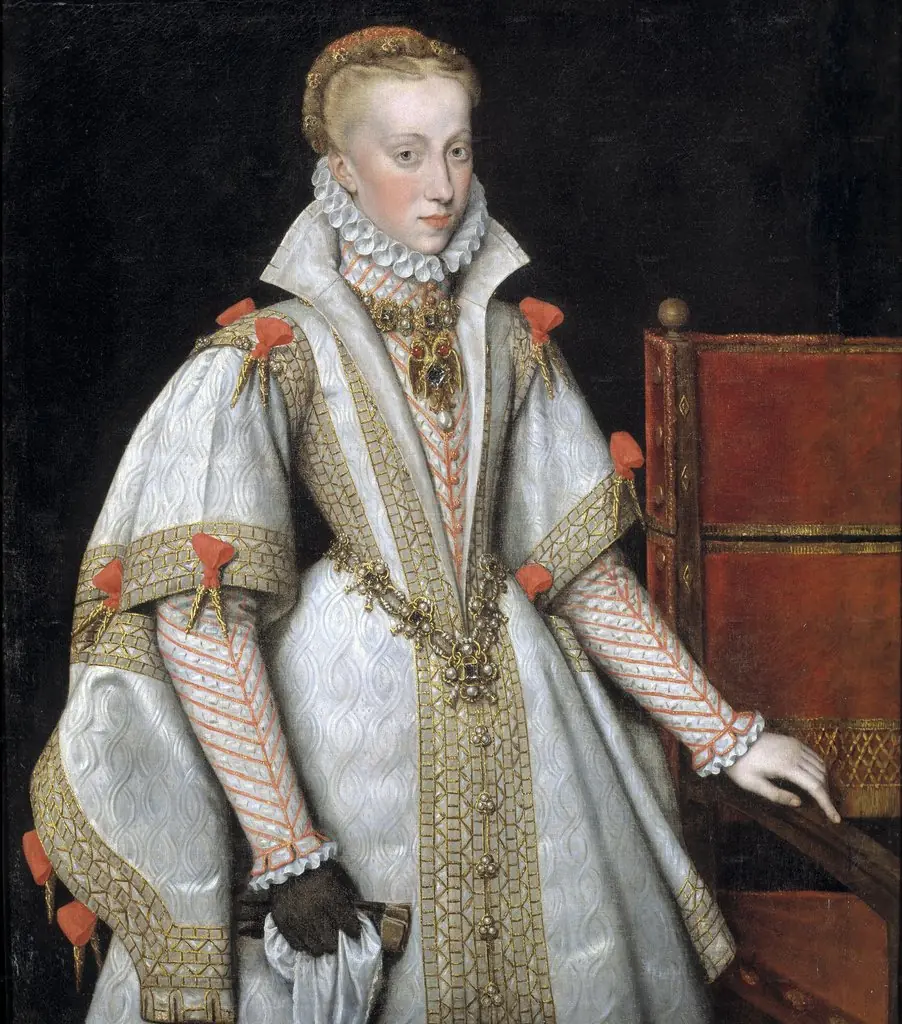 Queen Anne of Austria, fourth Wife of Philip II
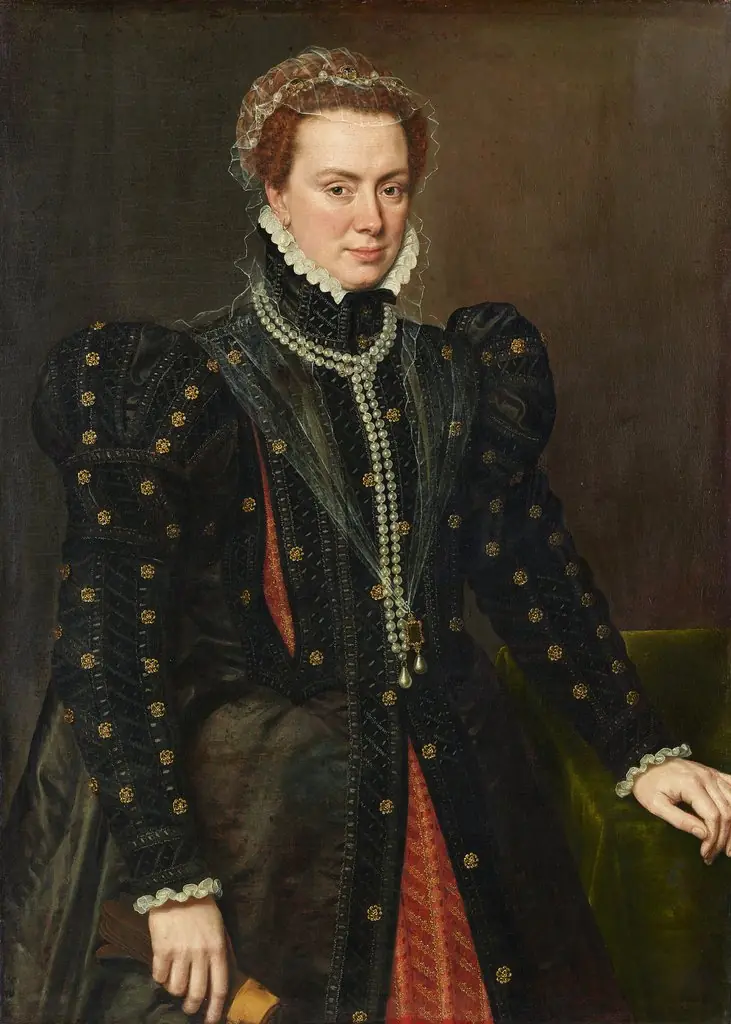 Margaret, Duchess of Parma
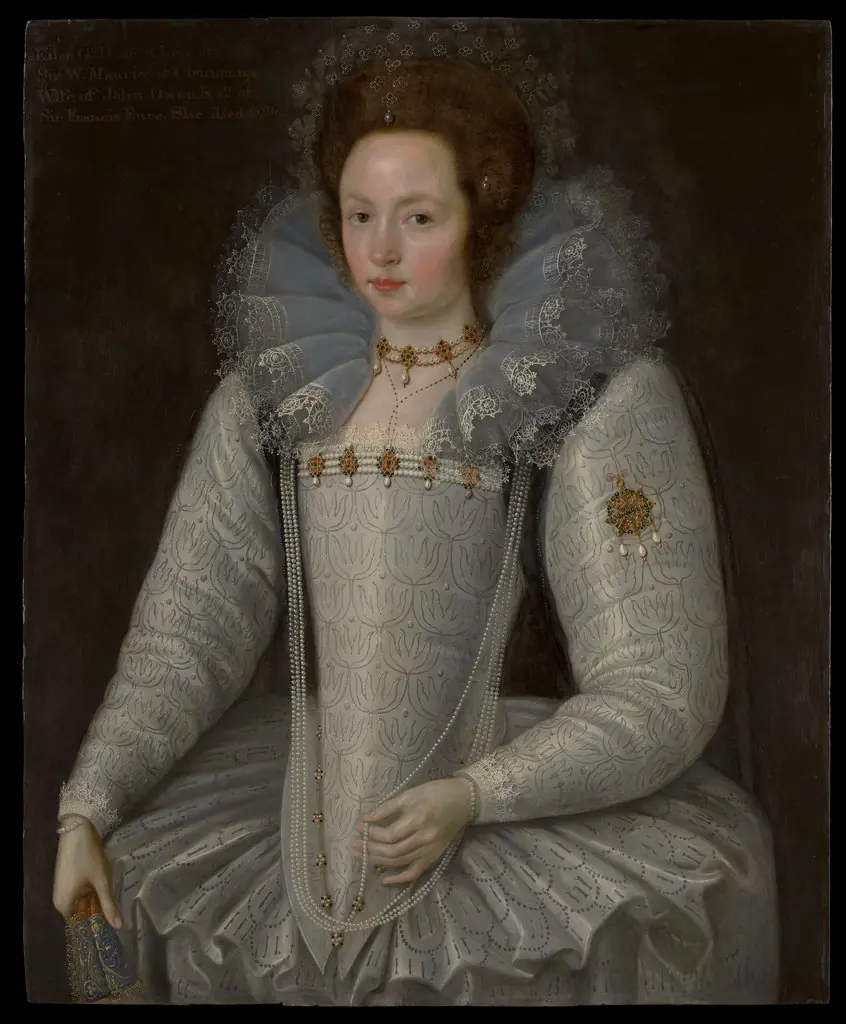 Ellen Maurice (1578–1626)
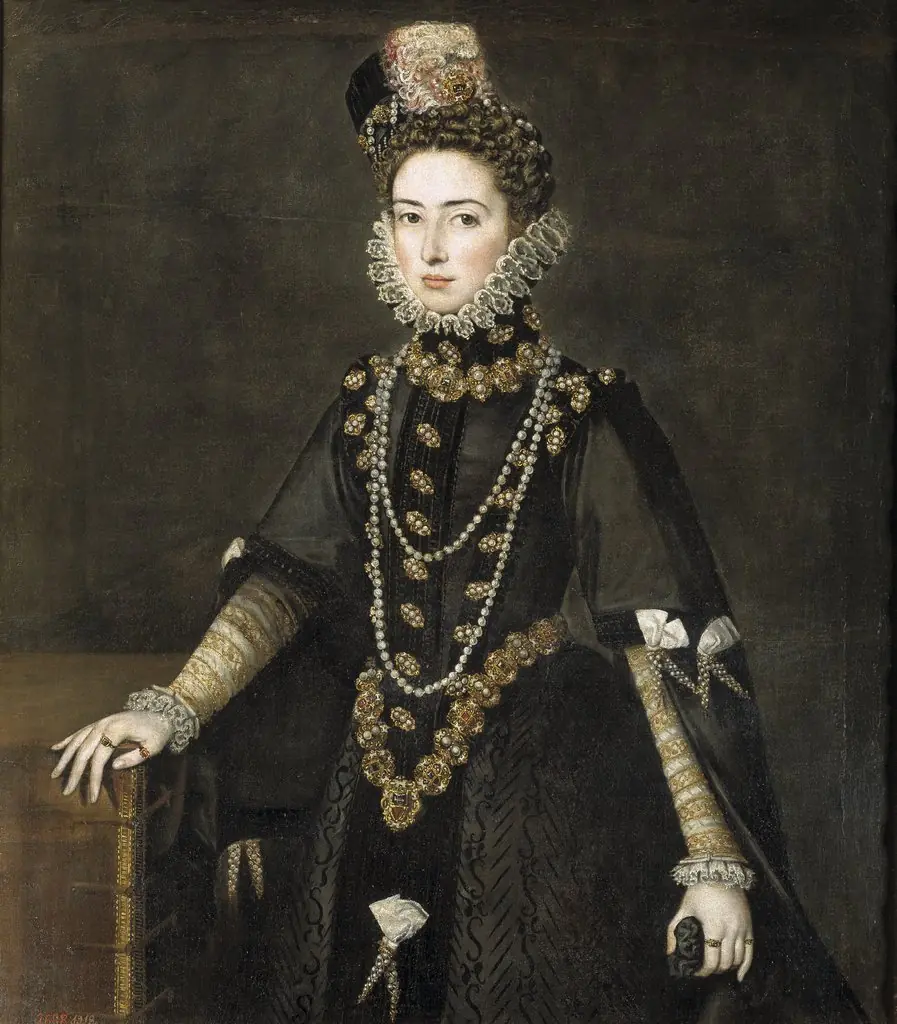 Catalina Micaela de Austria, Duchess of Savoy
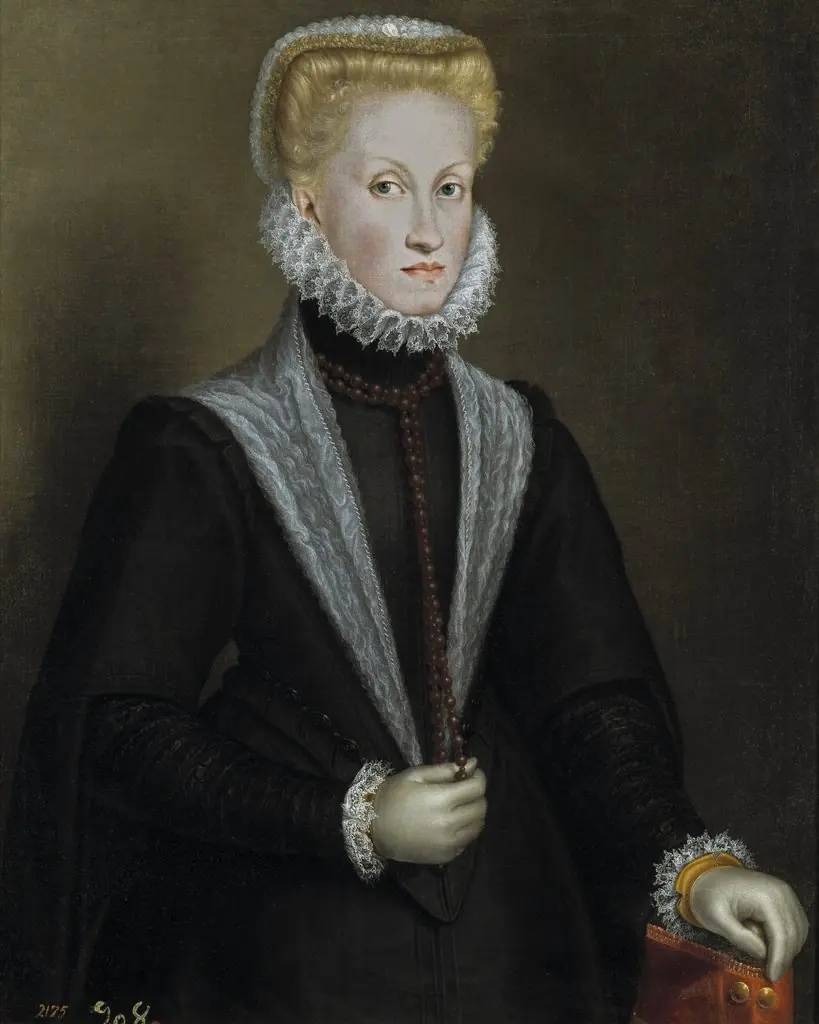 Portrait of Anna of Austria (1549-1580)
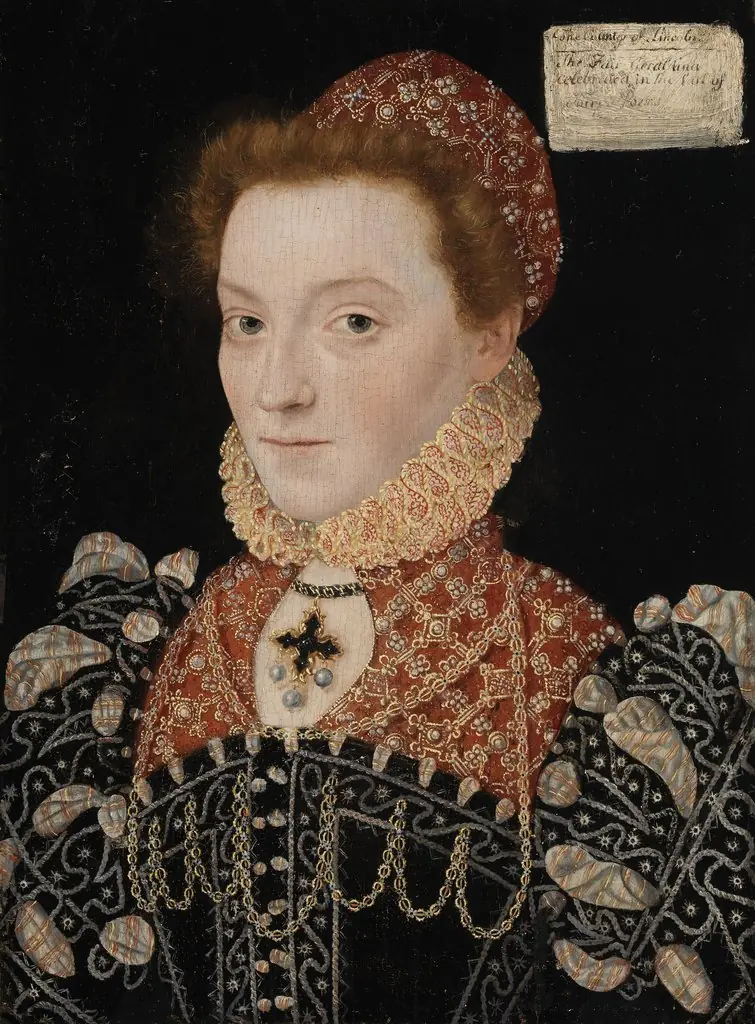 Portrait of 'The Fair Geraldine' (Elizabeth Fitzgerald, Countess of Lincoln, c1528-1590)
 Portrait of a Court Lady