Artwork
Portrait of Gustav Kh. Schele (1759/60-1820)
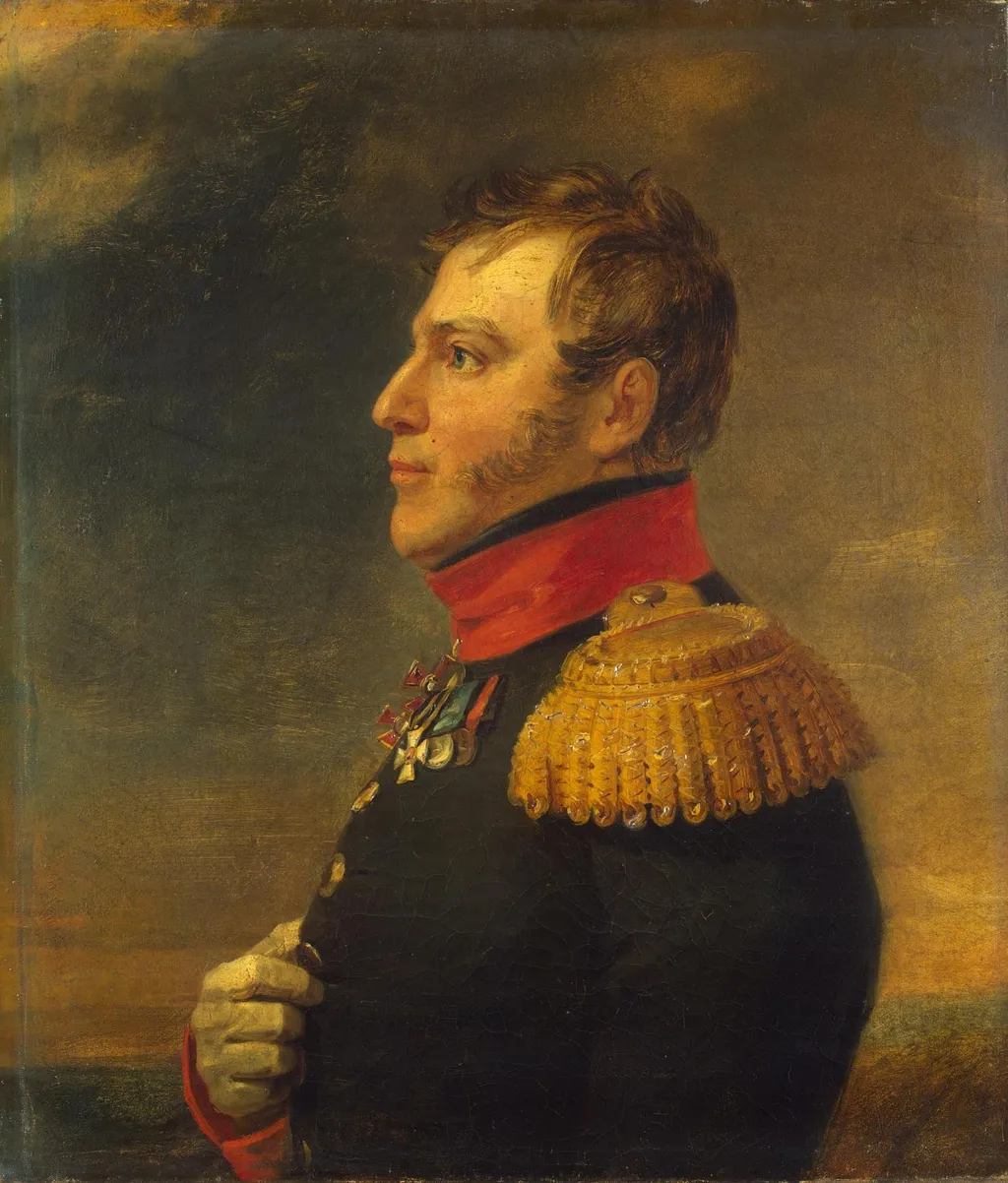
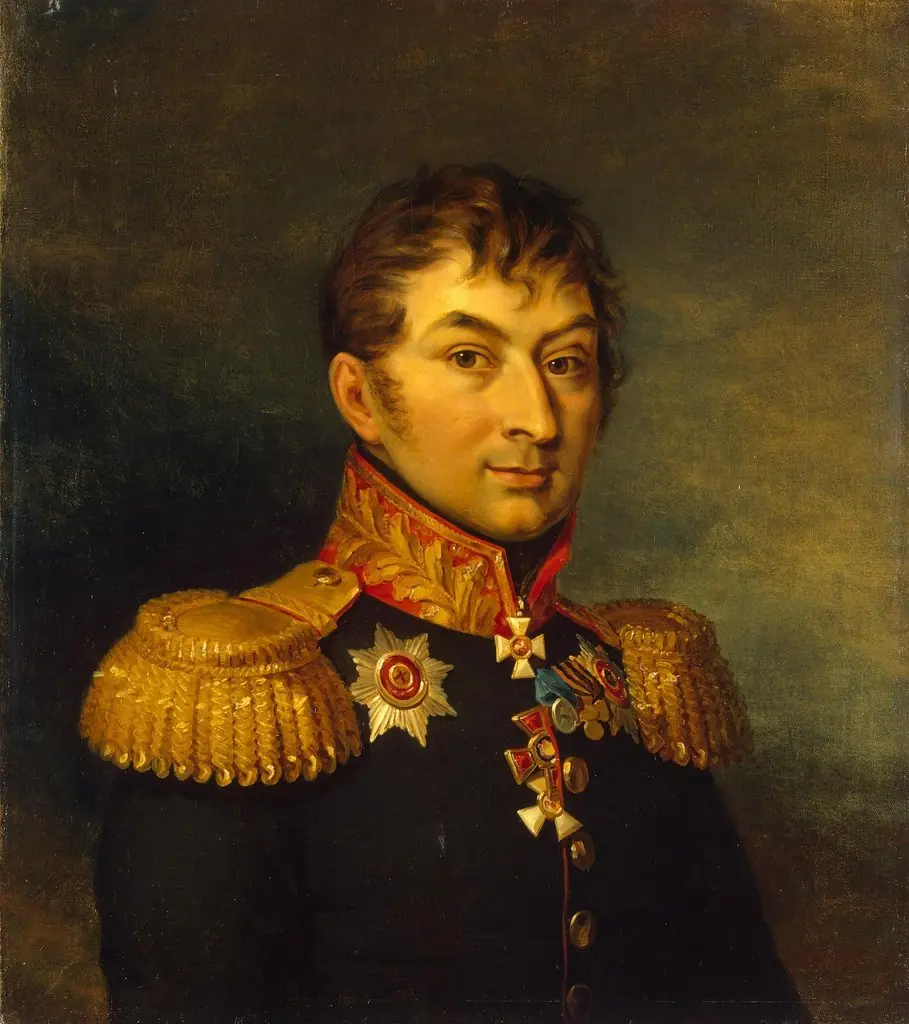
Portrait of Gustav Kh. Schele (1759/60-1820) is an oil painting by Unknown. It dates from 1824 and is held in the collection of the Hermitage Museum. This oil painting portrays Gustav Kh.
About this work
Overview
The composition centers on his figure against a neutral brown background, minimizing distraction and emphasizing his presence.
This oil painting portrays Gustav Kh. Schele, a military officer active in the late 18th and early 19th centuries. Dressed in a dark uniform with gold epaulets and a red collar, he is depicted with restrained formality. The composition centers on his figure against a neutral brown background, minimizing distraction and emphasizing his presence. Subtle lighting enhances the three-dimensionality of his features and attire.
Subject & Meaning
Schele is shown in full military regalia, indicating his rank and service. The medals on his chest signify honors earned, while his clasped hands and direct, unsmiling gaze convey discipline and solemnity. The portrait does not seek to flatter but to document status and character, reflecting the values of military professionalism and stoic duty prevalent in his era.
Technique & Style
The artist employs chiaroscuro to model the figure with soft transitions between light and shadow, particularly on the face and uniform. This technique adds volume and realism without theatricality. Brushwork is controlled and precise, especially in rendering the metallic details of the epaulets and the texture of fabric. The muted background isolates the subject, reinforcing the portrait’s formal intent.
History & Provenance
Painted between 1759 and 1820, the portrait likely originated in a German or Scandinavian context, given Schele’s name and military context. Its early provenance is undocumented, but such portraits were typically commissioned by the subject or their family to affirm social standing. The work remained in private hands until entering institutional collection, preserving its historical integrity.
Context
During the Napoleonic era, military portraiture served as both personal commemoration and public assertion of loyalty and rank. Officers like Schele were expected to embody order and duty, and their images reflected these ideals. The restrained palette and lack of ornate setting align with Northern European traditions that favored sobriety over grandeur in official representation.
Legacy
The portrait stands as a quiet example of early 19th-century military portraiture, valued for its understated realism and technical restraint. It contributes to the visual record of officer class identity during a period of political upheaval. Though not widely exhibited, it remains a reference for studies on regional portraiture and the visual language of military authority.
Artist & collection

 Domestic Scene
 Giacomo and Cardinal Marco, investing Andrea, Abbot of San Zeno, with his Benefice
 The Nymph of Fontainebleau
 Portrait of a Woman
 Madonna and Child with Saints in the Enclosed Garden
 Venus and Minerva
 Family Group of Four on Sofa
 Wall painting from Room H of the Villa of P. Fannius Synistor at Boscoreale
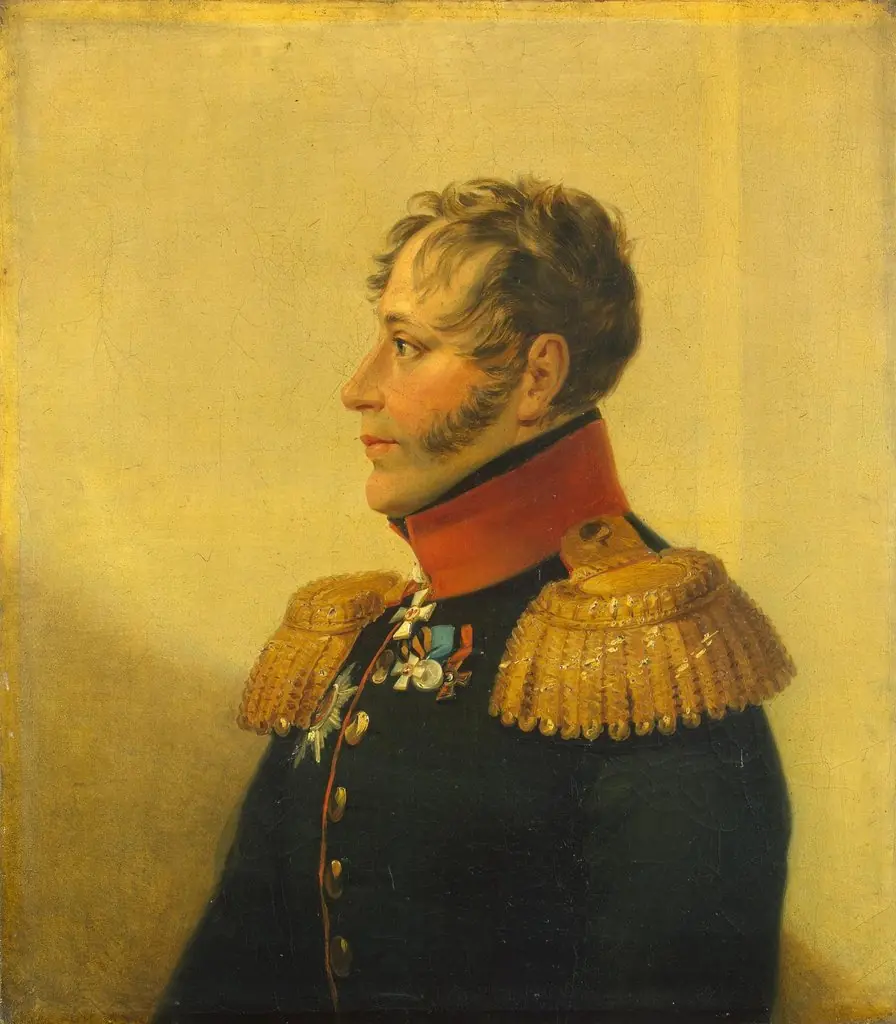 Portrait of Yegor A. Akhte (1772-1826)
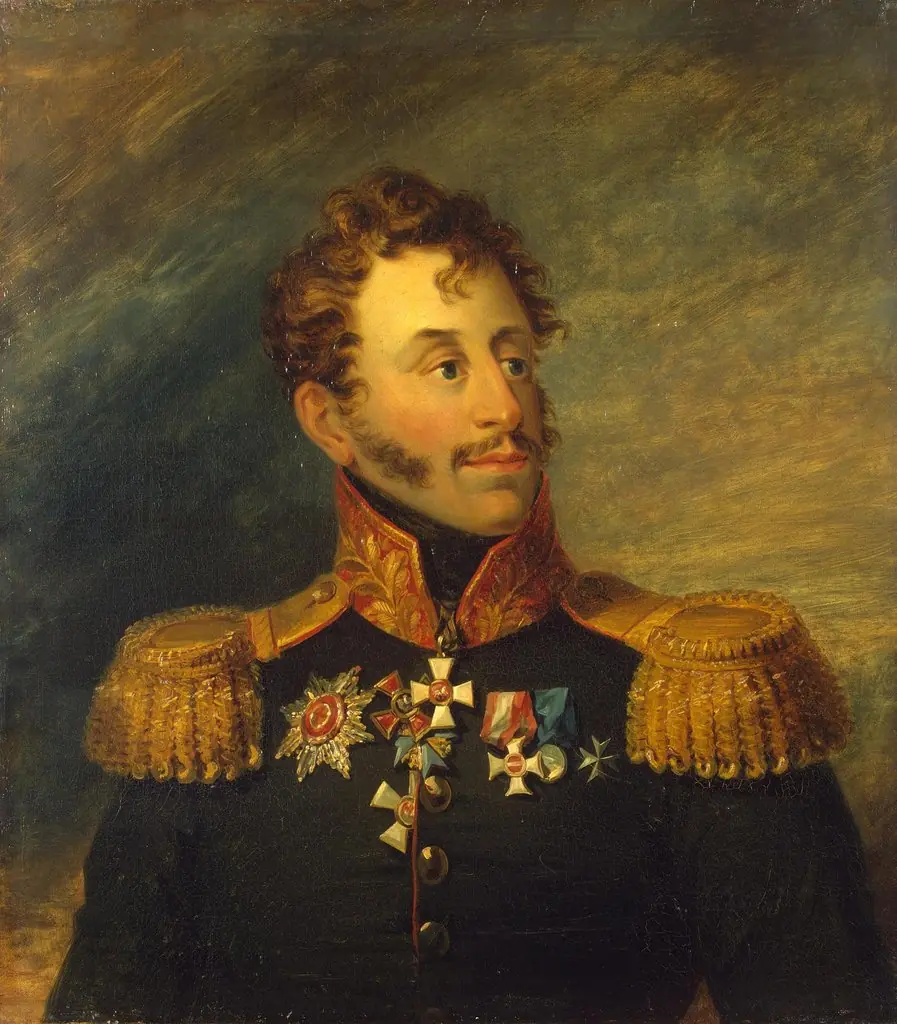 Portrait of Karl B. von Knorring (1774-1817) (3rd)
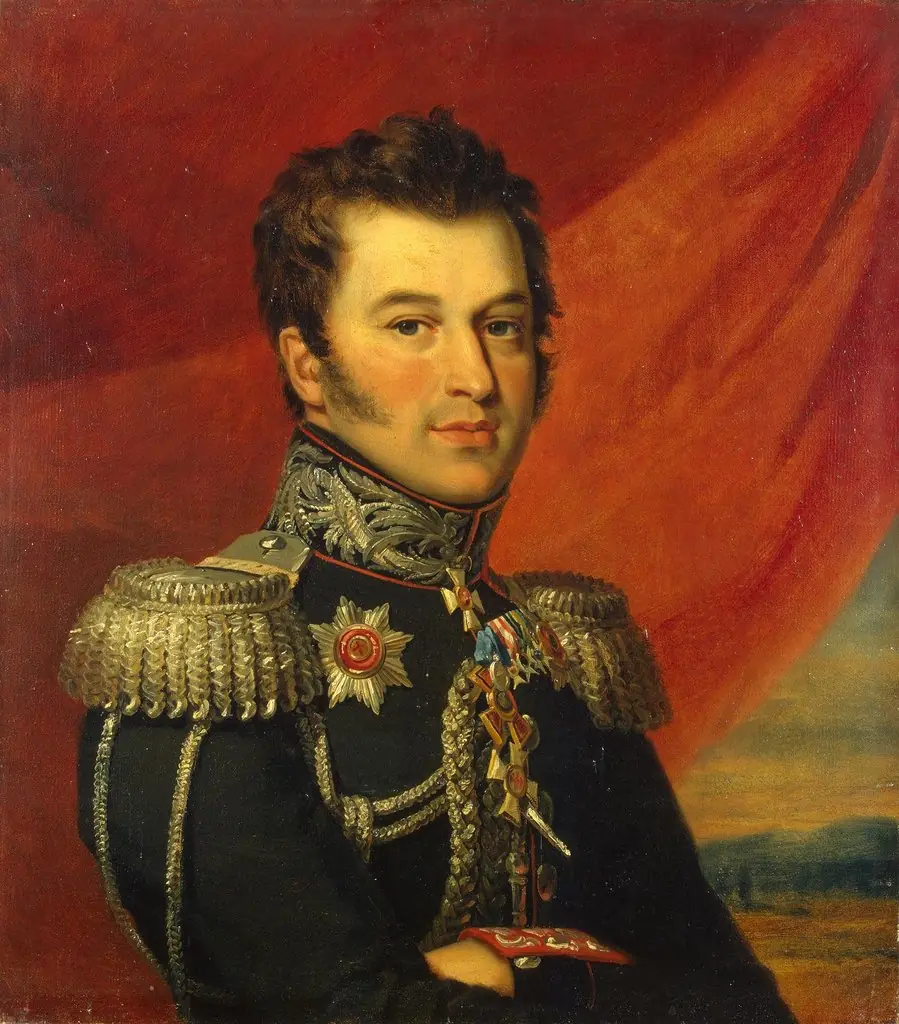 Portrait of Paisy S. Kaisarov (1783-1844)
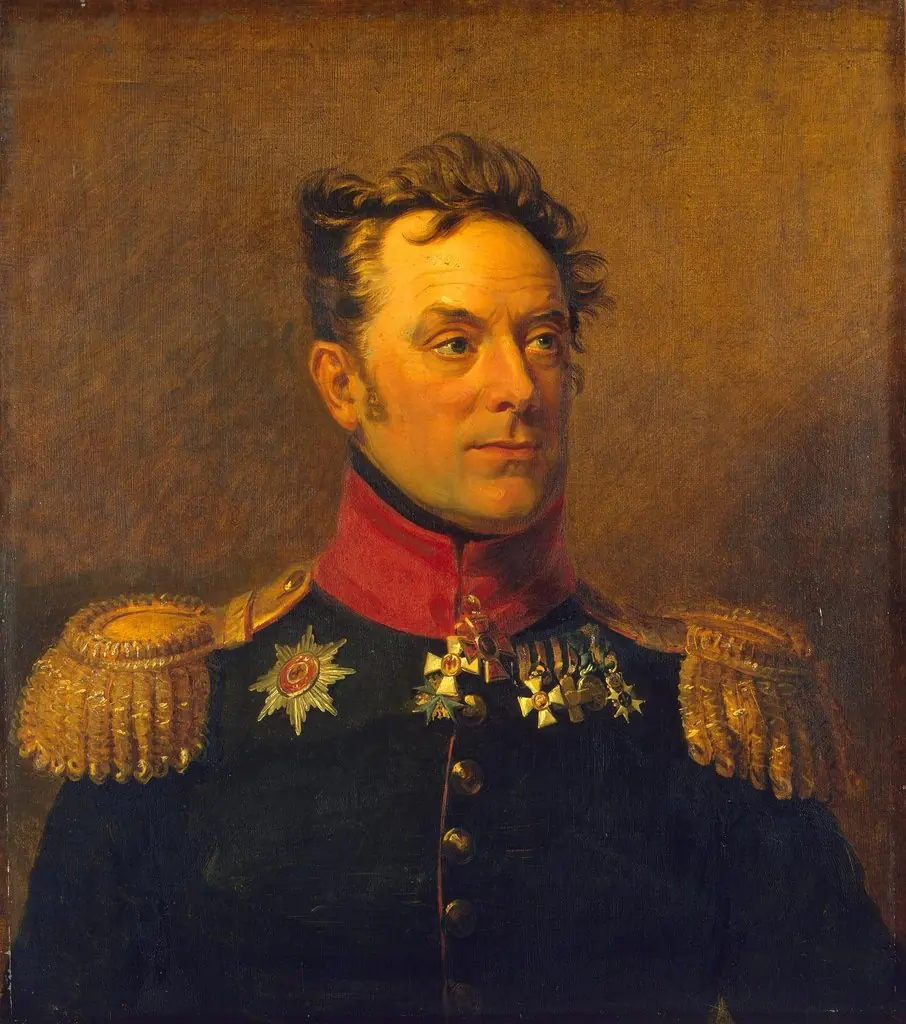 Portrait of Yermolai F. Kern (1765-1841)
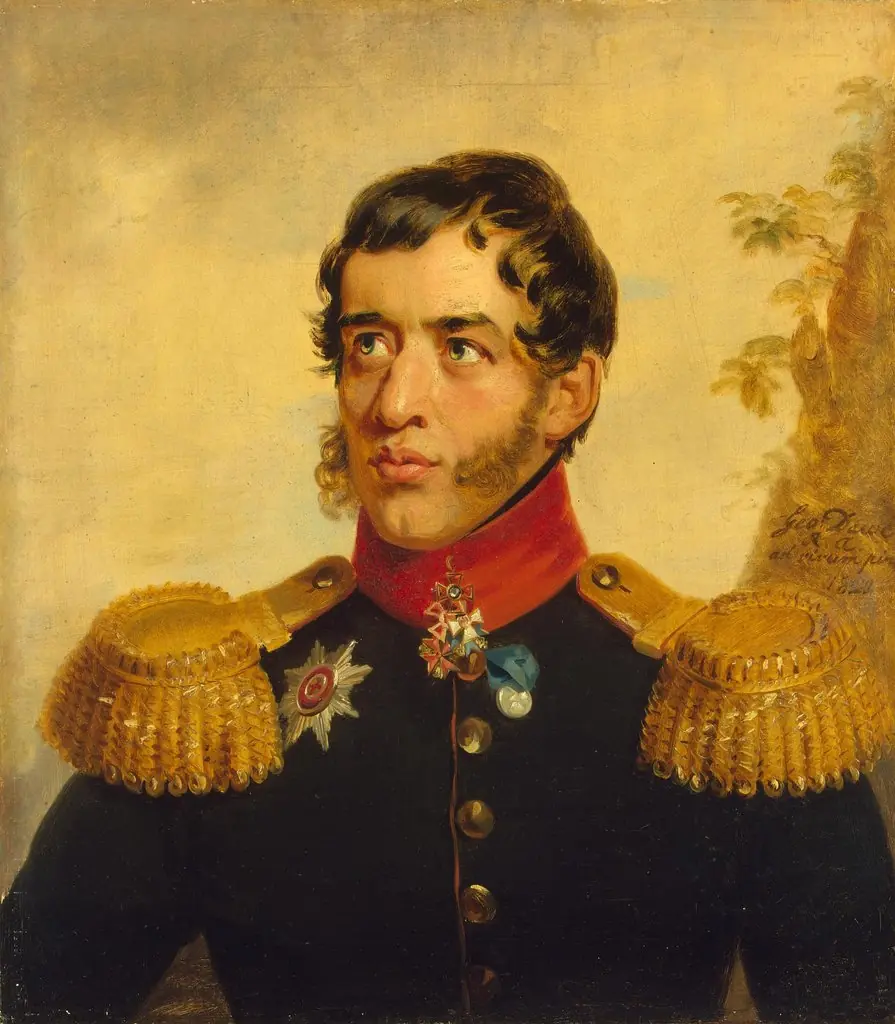 Portrait of Sergey G. Volkonsky (1788-1865)
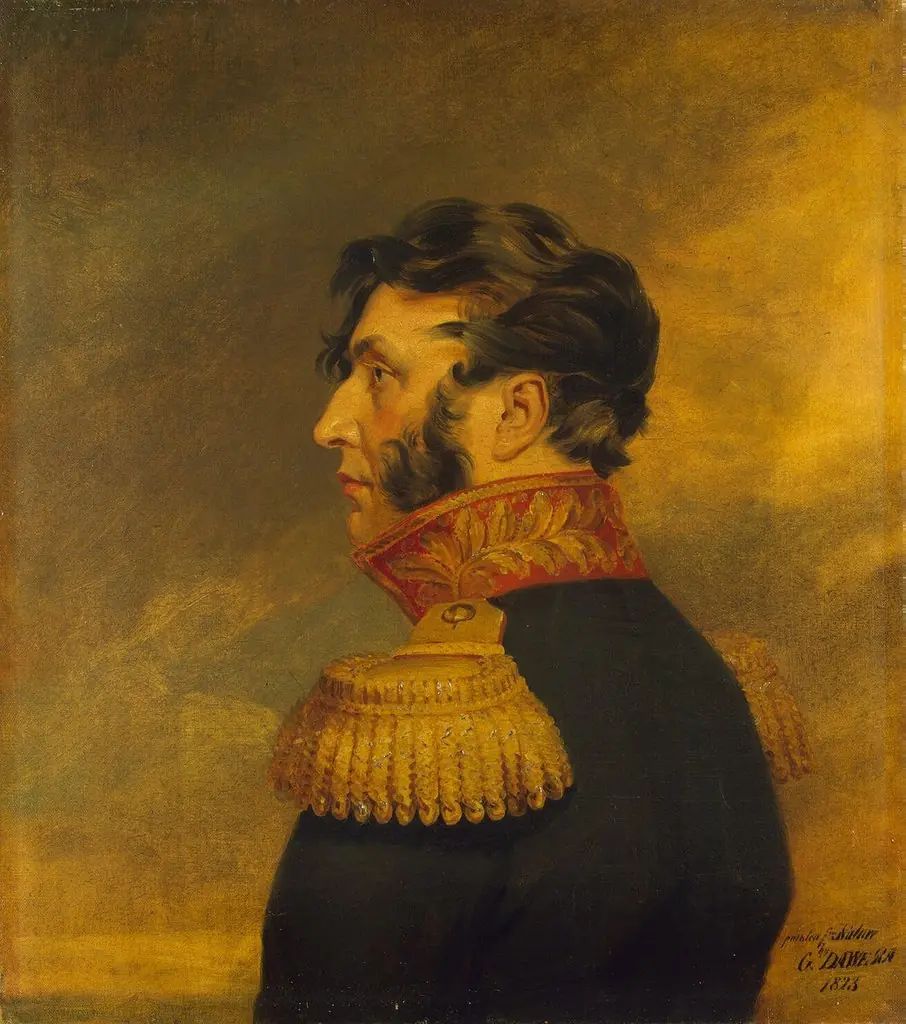 Portrait of Dmitry A. Levin (1777-1839)
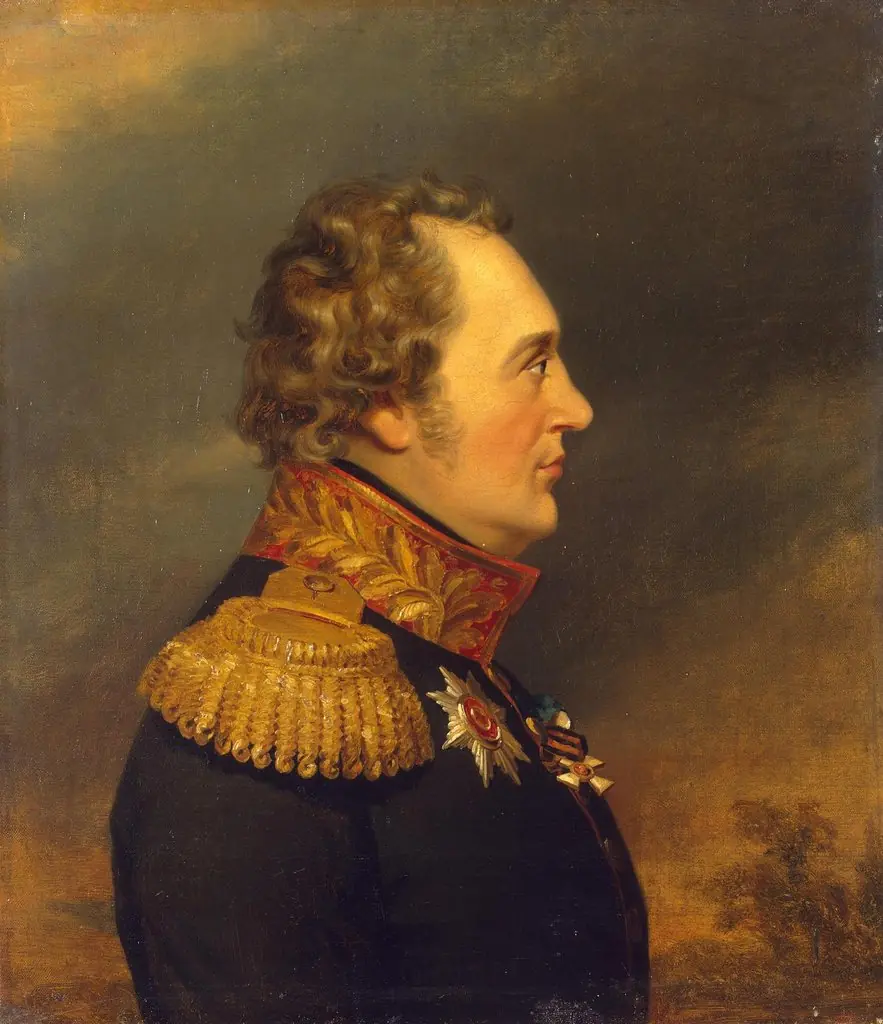 Portrait of Ivan N. (Magnus Gustav) Essen (1758/59-1813)
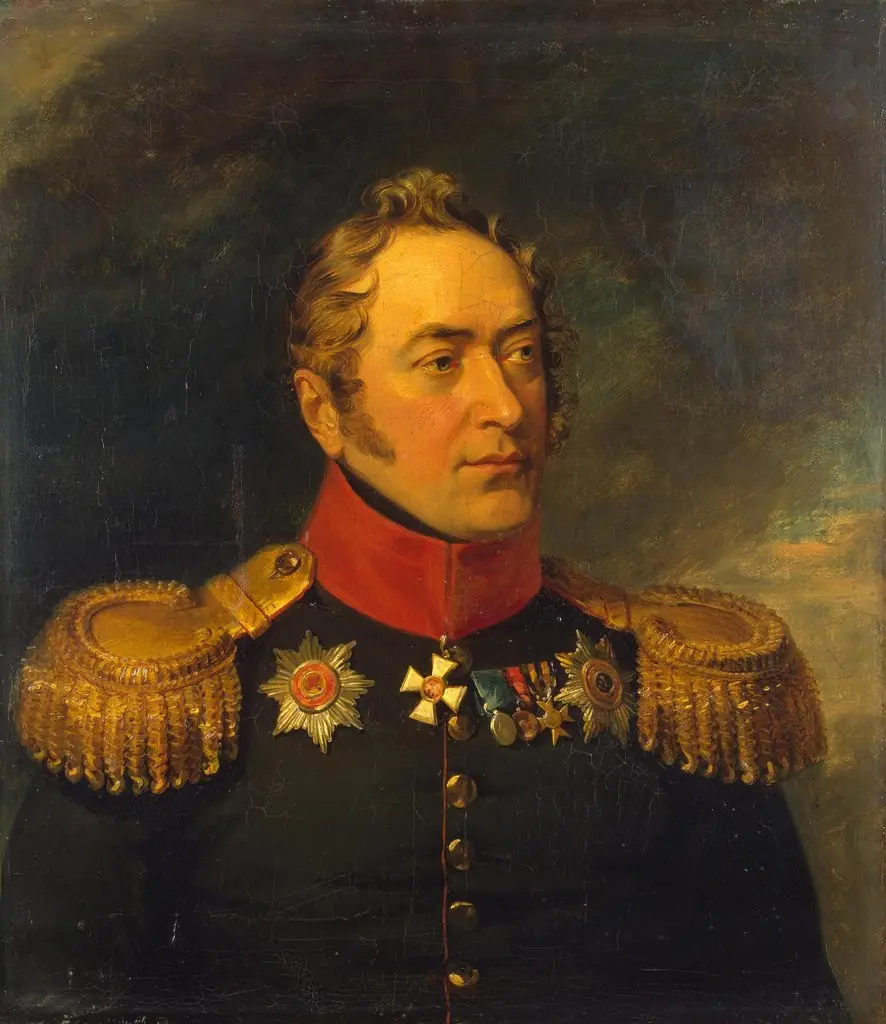 Portrait of Nikolai N. Khovansky (1777-1837)
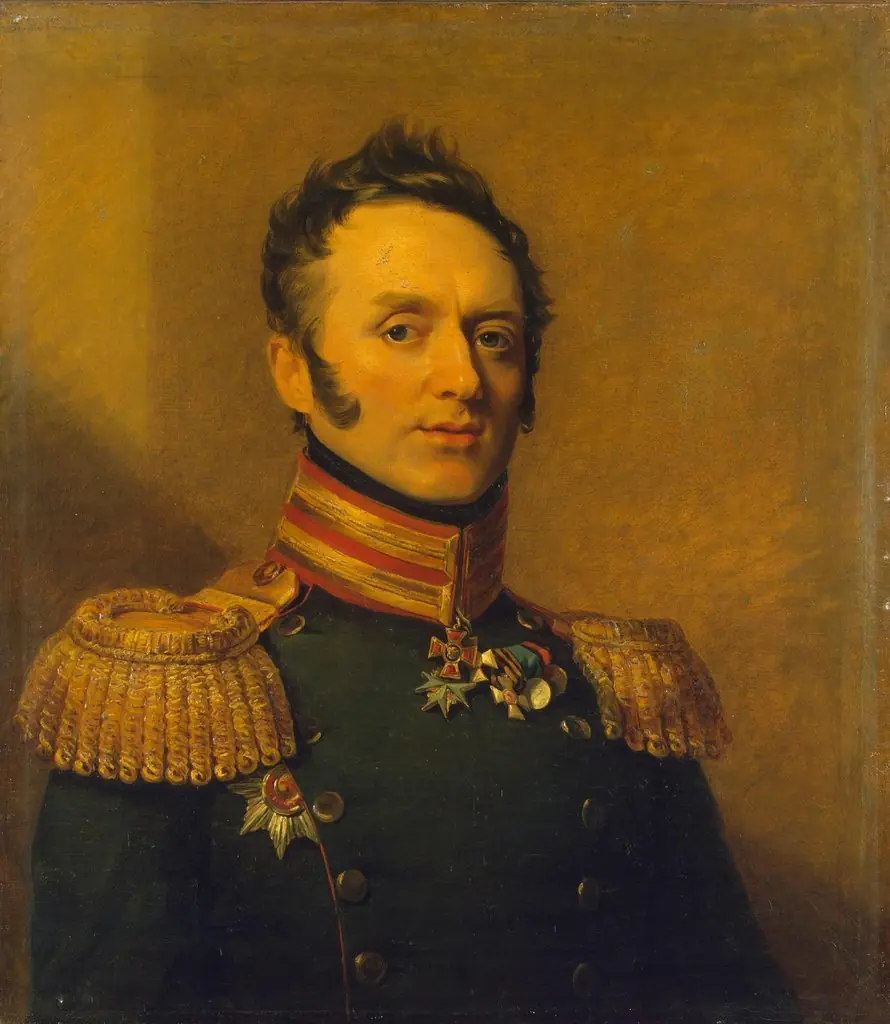 Portrait of Ivan F. Udom (1769-1821) (1st)
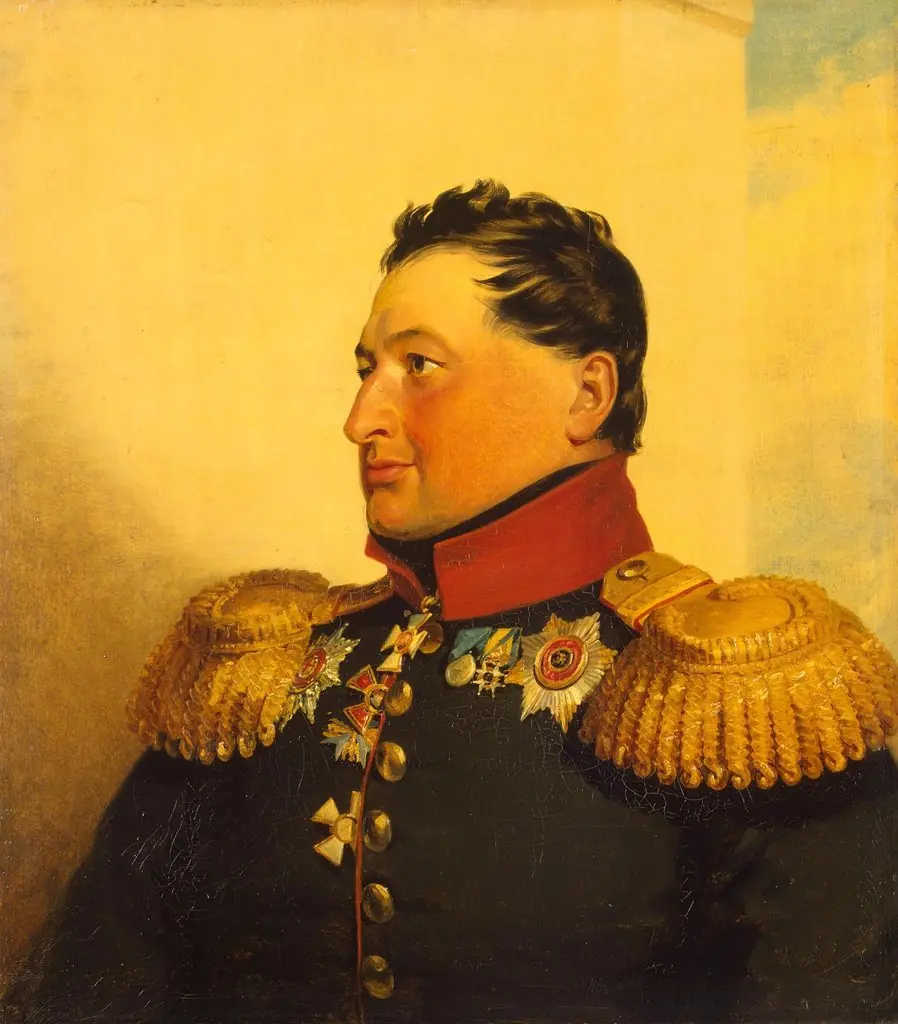 Portrait of Pavel P. Turchaninov (1776-1839) (1st)
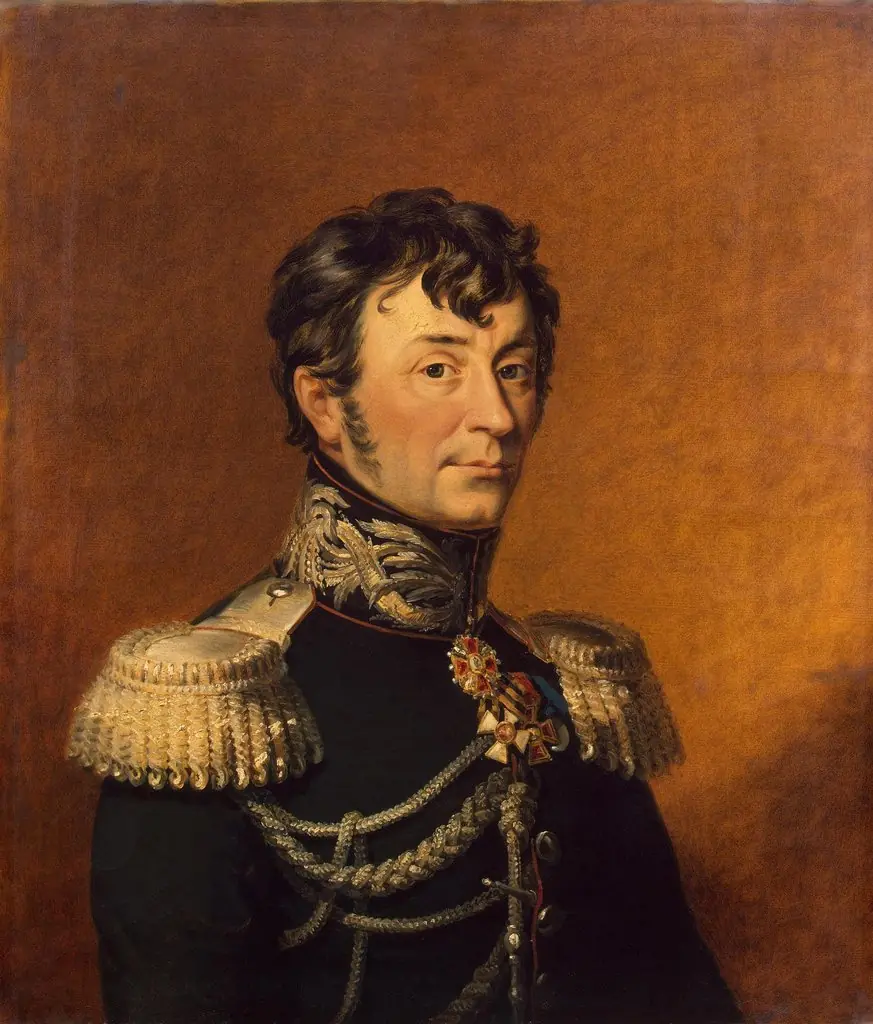 Portrait of Karl Klodt von Jurgensburg (1765-1822)
 Portrait of Ivan D. Panchulidzev (1759-1815) (1st)