Artwork
Portrait of King Louis II (1506-1526) of Hungary, 10-12 years old
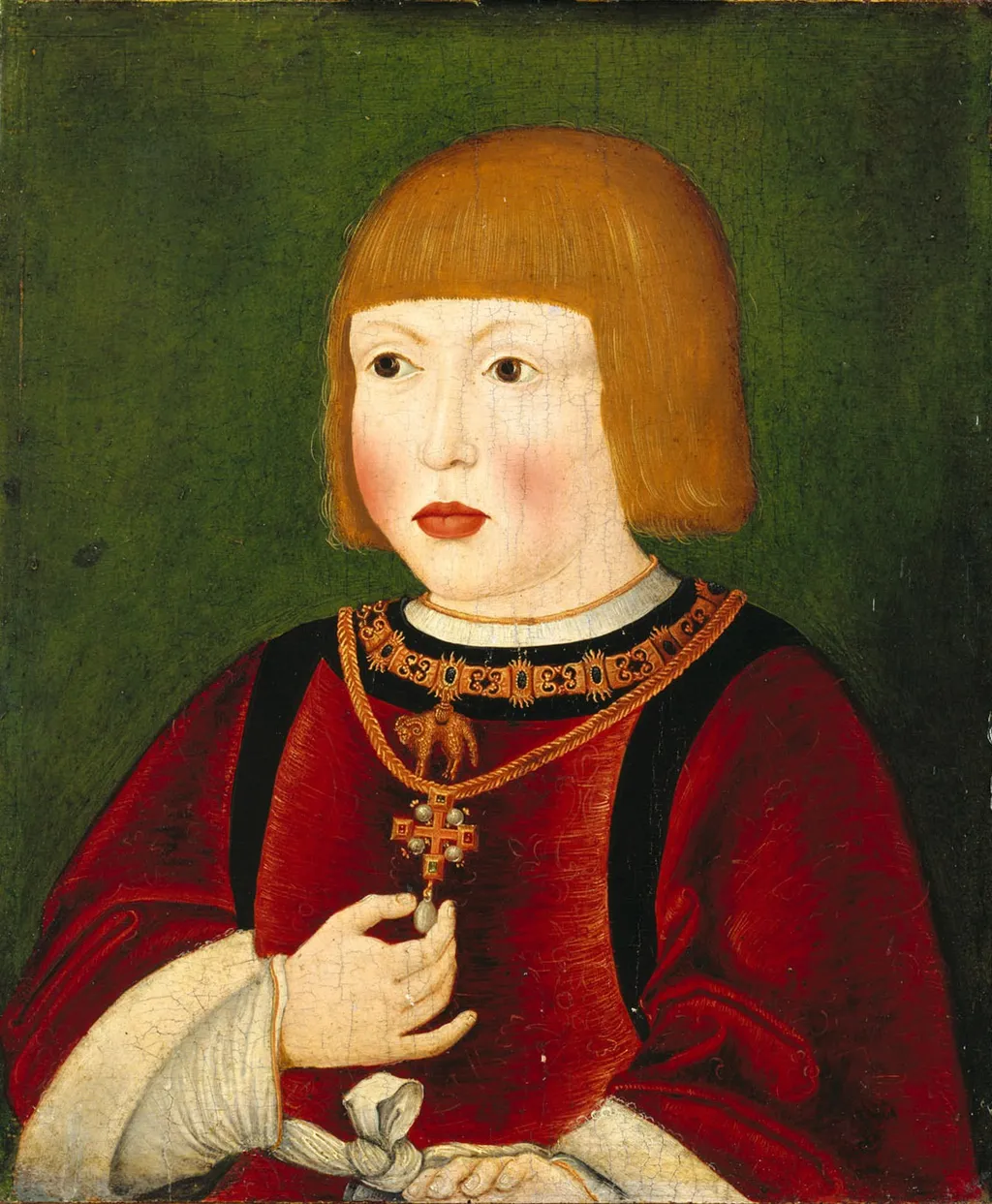
Portrait of King Louis II (1506-1526) of Hungary, 10-12 years old is an oil painting by the Northern Renaissance artist Unknown. It dates from 1518 and is held in the collection of the Kunsthistorisches Museum. This oil painting depicts King Louis II of Hungary as a child, likely between ten and twelve years old.
About this work
Overview
The composition emphasizes symbolic regalia over naturalistic detail, reflecting the conventions of court portraiture in Central Europe at the time.
This oil painting depicts King Louis II of Hungary as a child, likely between ten and twelve years old. Painted around the early 1520s, it presents the young monarch in formal attire against a flat, dark green backdrop. The composition emphasizes symbolic regalia over naturalistic detail, reflecting the conventions of court portraiture in Central Europe at the time. The lack of shading and spatial depth aligns with pre-Renaissance stylistic traditions still in use among regional workshops.
Subject & Meaning
The portrait serves as a statement of dynastic continuity, presenting Louis II not as a child but as a sovereign in miniature. His red robe, gold trim, and black collar signify royal authority, while the small cross he holds underscores his role as a Christian ruler. The solemn expression and rigid posture convey expected dignity, reinforcing the idea of inherited power. The image was likely intended for display in a courtly or religious setting to affirm legitimacy.
Technique & Style
The painting employs flat areas of unmodulated color with no use of chiaroscuro or perspective to suggest volume. Details like the orange hair and gold embroidery are rendered with sharp outlines, creating a graphic quality. The white sleeves and facial features are subtly defined but lack tonal transitions. This approach reflects a late medieval aesthetic, prioritizing symbolic clarity and decorative richness over anatomical realism or atmospheric depth.
History & Provenance
Commissioned during Louis II’s minority, the portrait was likely produced in the Hungarian court or a nearby workshop under Habsburg influence. It survived the Ottoman conquests and was preserved in royal collections, possibly transferred to Vienna after the Battle of Mohács in 1526. Its survival is rare, as many Hungarian royal images were lost during the wars and political upheavals of the 16th century.
Context
In early 16th-century Central Europe, royal portraits were tools of political messaging rather than personal likenesses. Artists often relied on established templates, especially for underage rulers. This work aligns with similar portraits from Bohemia and Austria, where Gothic traditions persisted longer than in Italy. The absence of landscape or props reflects a focus on the figure as emblem, not individual.
Legacy
The portrait remains one of the few surviving visual records of Louis II before his death at Mohács. It offers insight into how youth and sovereignty were visually reconciled in a turbulent era. While stylistically archaic compared to contemporary Italian works, its preservation highlights the resilience of regional artistic practices and the enduring role of portraiture in legitimizing dynastic rule.
Artist & collection

 Domestic Scene
 Giacomo and Cardinal Marco, investing Andrea, Abbot of San Zeno, with his Benefice
 The Nymph of Fontainebleau
 Portrait of a Woman
 Madonna and Child with Saints in the Enclosed Garden
 Venus and Minerva
 Family Group of Four on Sofa
 Wall painting from Room H of the Villa of P. Fannius Synistor at Boscoreale
 King Ludwig II of Hungary as a boy
 Portrait of a young man
 Emperor Ferdinand I (1503-1564) at the age of ten or twelve years
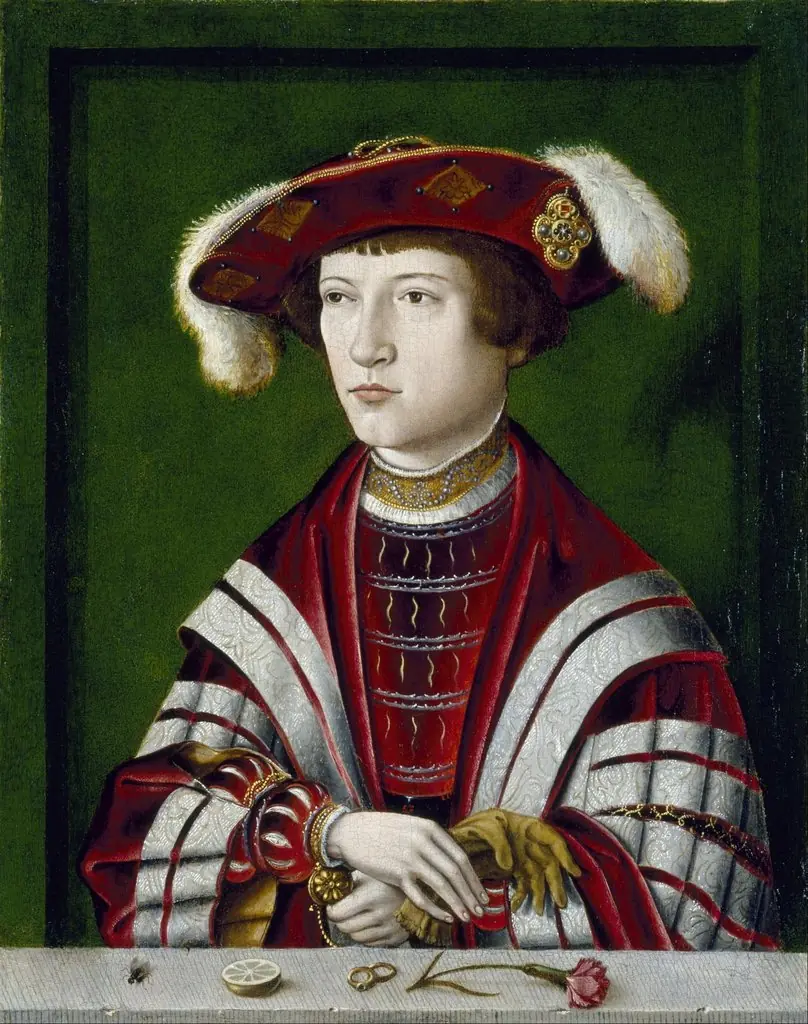 Portrait of a Nobleman
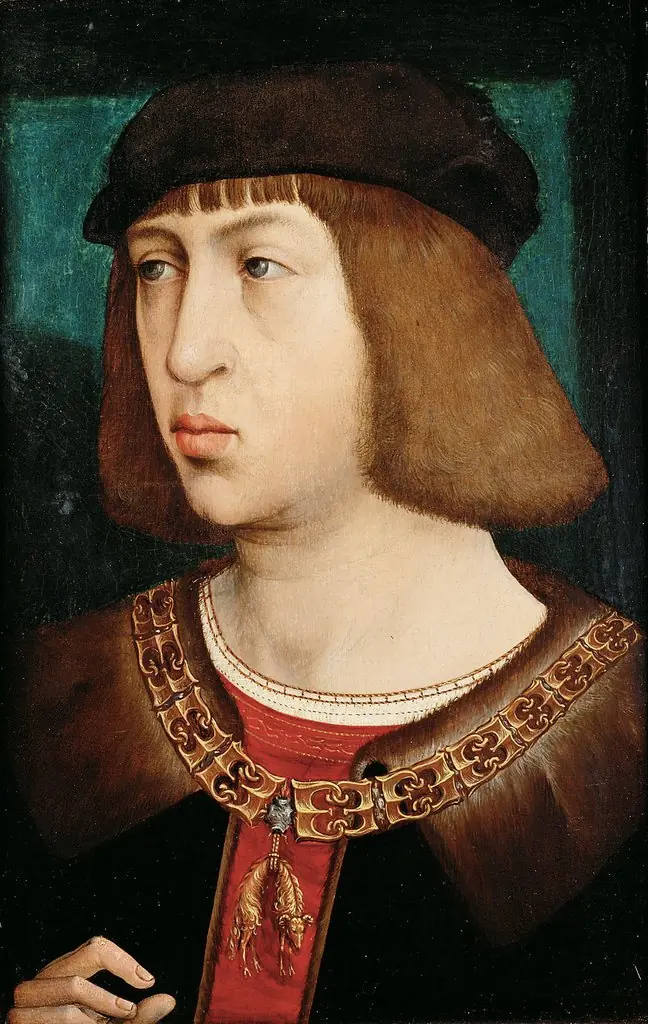 Philip the Handsome (1478-1506)
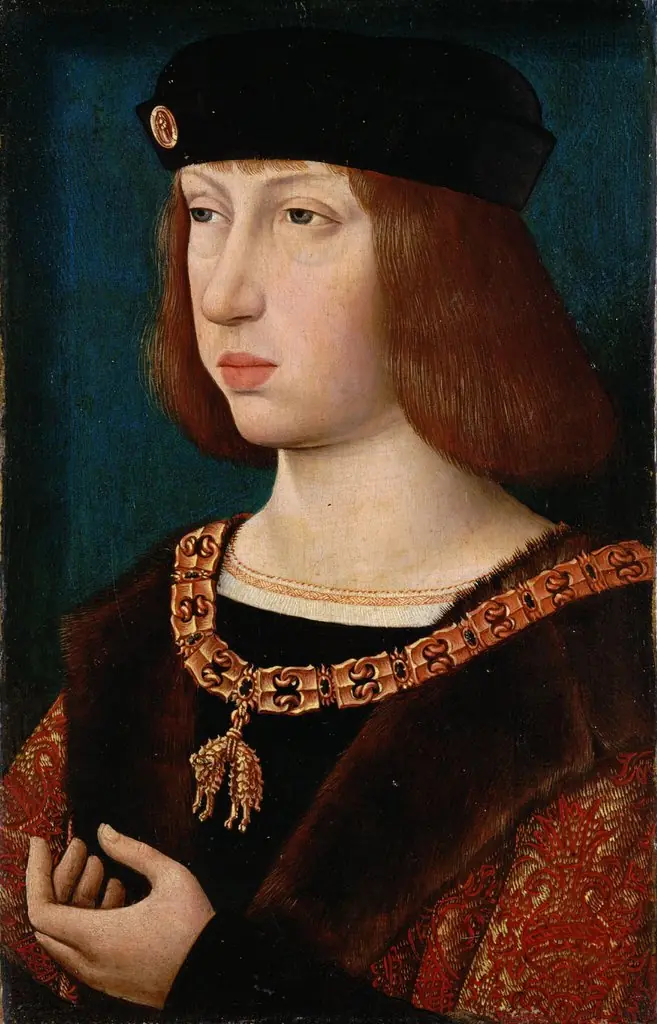 Portrait of Philips 'de Schone' van Habsburg (1478-1506)
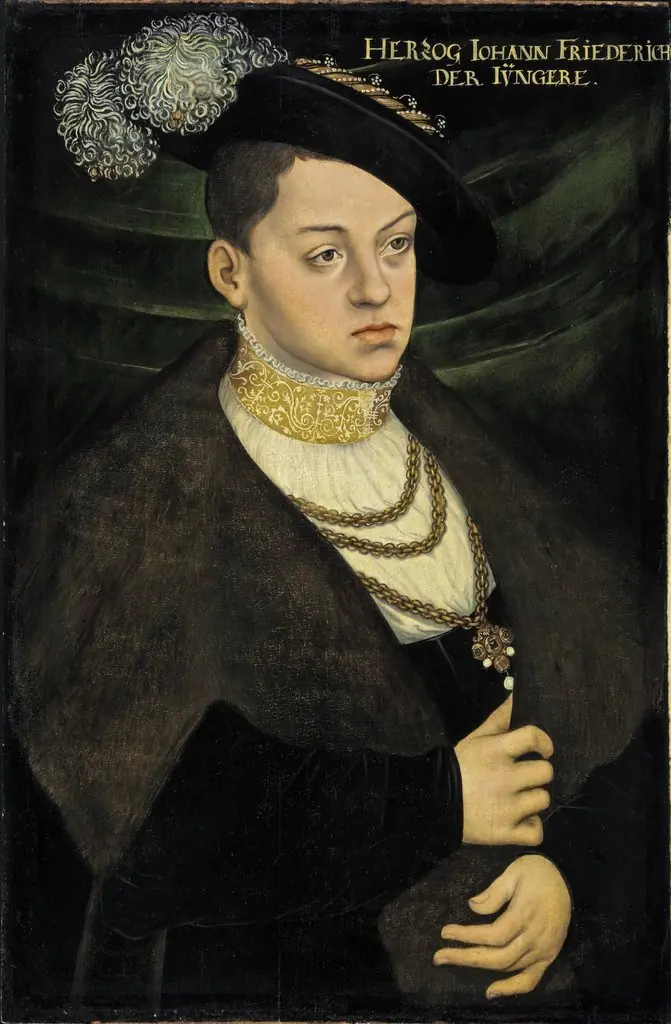 Johann Ernst, Duke of Saxe-Coburg
 Portrait of Magdalena of Saxony, first Wife of Elector Joachim II of Brandenburg
 Portrait of Charles V, Holy Roman Emperor
 Portrait of a Boy, thought to be Giovanni de' Medici (1543-1562)