Artwork
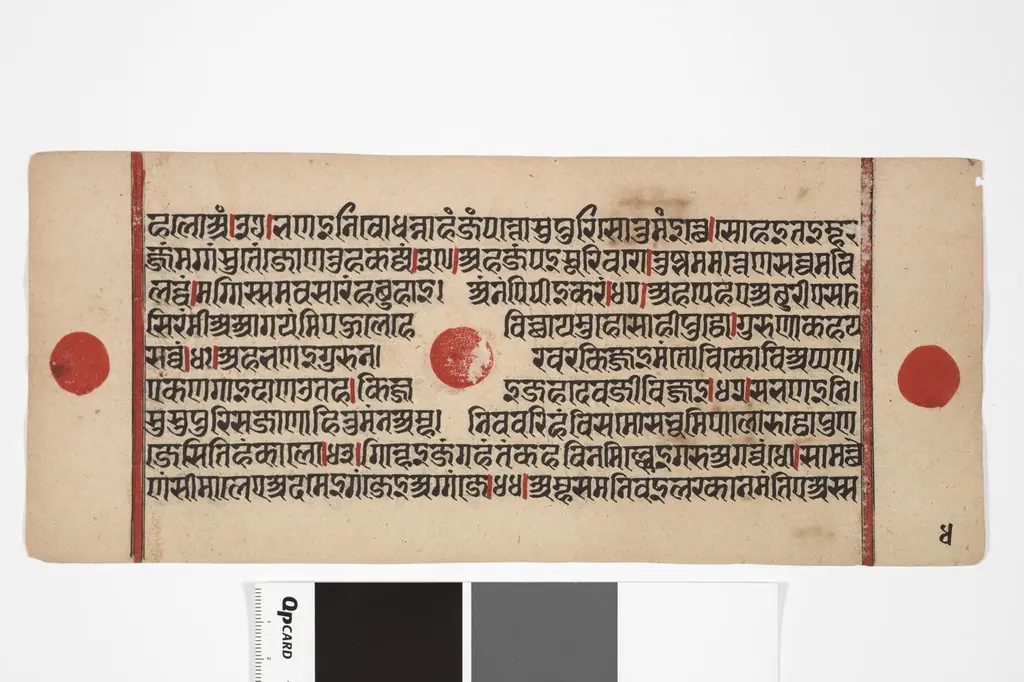
Jain Manuscript: Kalakacarya Katha (folio 6)
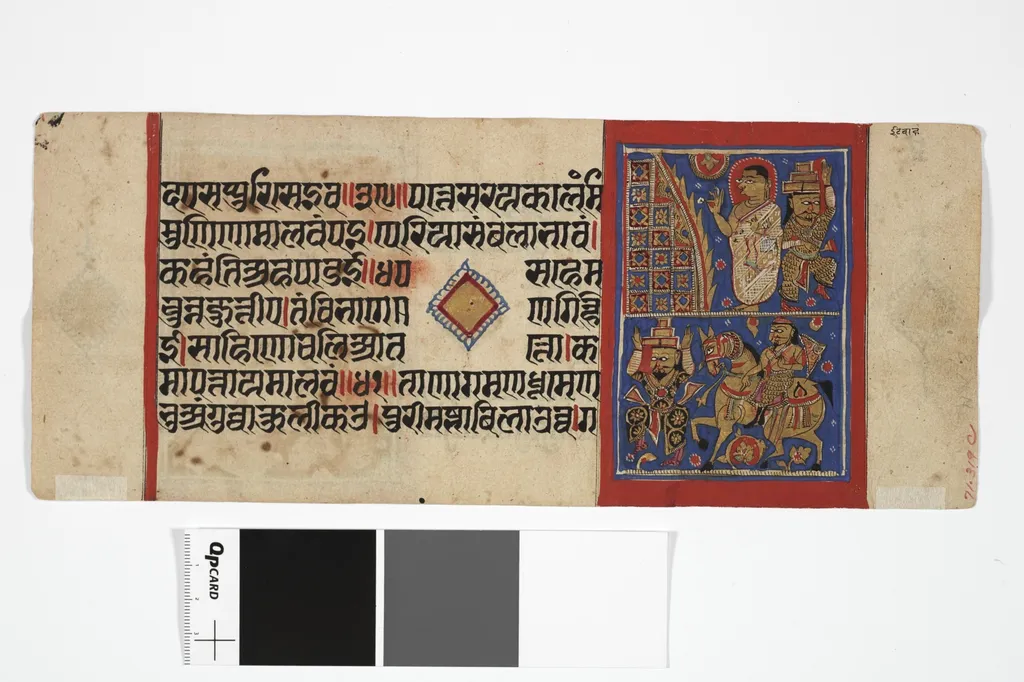
Jain Manuscript: Kalakacarya Katha (folio 6) is an unspecified painting by the Northern Renaissance artist Unknown. It dates from 1500 and is held in the collection of the Detroit Institute of Arts. This folio originates from a Jain manuscript illustrating the Kalakacarya Katha, a narrative centered on a Jain monk’s spiritual journey.
About this work
Overview
The layout reflects standard manuscript conventions of medieval western India, where textual and visual elements coexisted to support religious study.
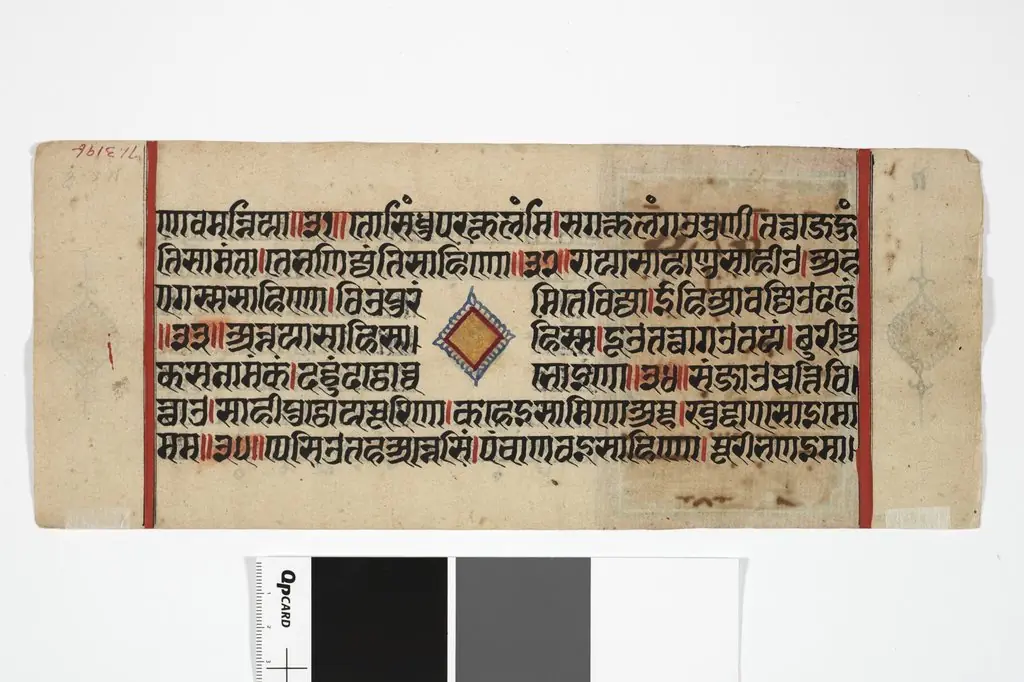
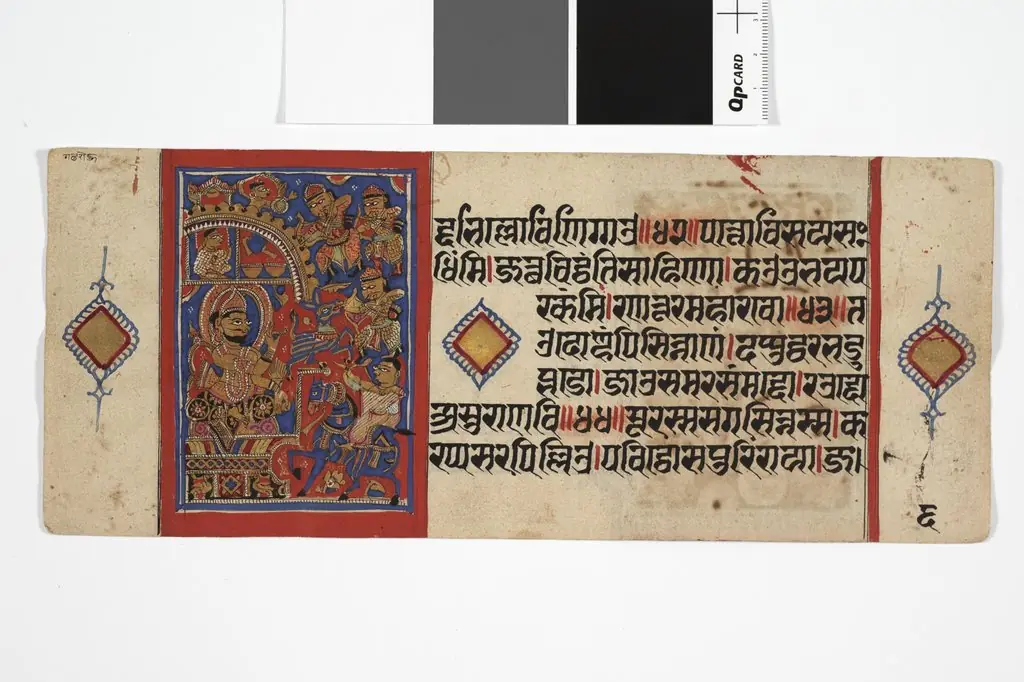
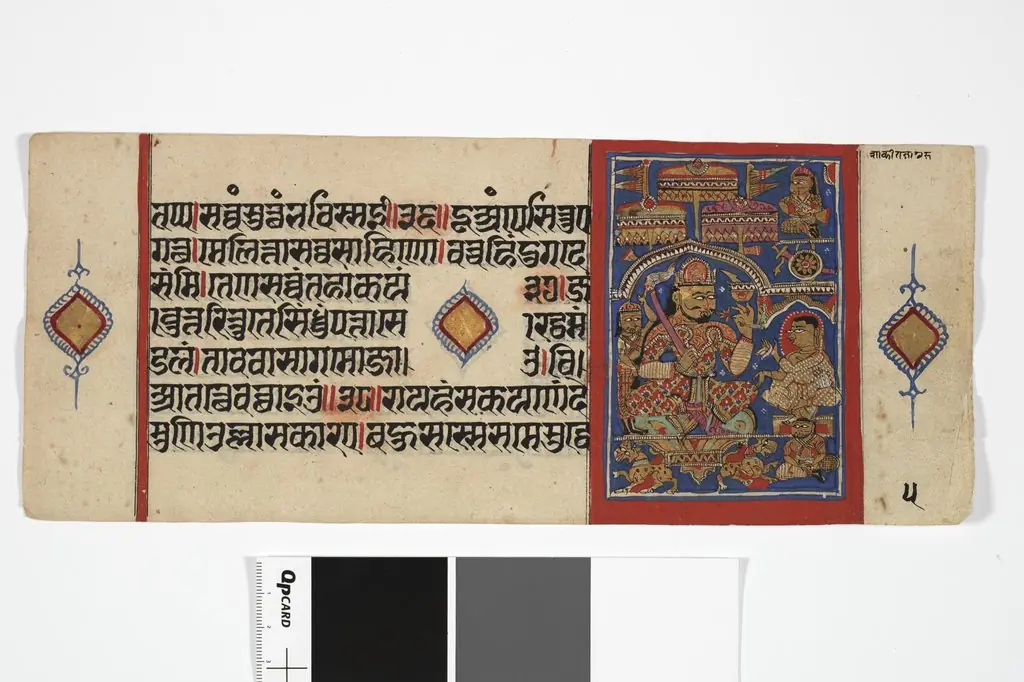
This folio originates from a Jain manuscript illustrating the Kalakacarya Katha, a narrative centered on a Jain monk’s spiritual journey. The page is framed by a red border and split into two distinct zones: left, a block of script in an undeciphered Indic script; right, a vivid miniature painting. The layout reflects standard manuscript conventions of medieval western India, where textual and visual elements coexisted to support religious study.
Subject & Meaning
The illustration depicts Kalakacarya, a Jain sage, alongside a female figure, likely his consort or a symbolic representation. He holds a bow, an unusual attribute that may signify spiritual authority or a narrative moment from the text. The woman on horseback could represent movement between realms or a divine escort. The blue background with ornamental patterns evokes cosmic order, aligning with Jain cosmological themes of balance and transcendence.
Technique & Style
The painting employs mineral pigments on paper, typical of western Indian manuscript traditions. Colors are applied in flat, saturated planes with fine brushwork defining details like clothing and ornamentation. The background’s intricate patterns suggest decorative motifs drawn from textile and architectural design. The composition avoids perspective, emphasizing symbolic presence over naturalism, consistent with Jain artistic norms of the period.
History & Provenance
The folio likely dates to the 15th or 16th century, produced in a Jain scriptorium in Gujarat or Rajasthan. Such manuscripts were commissioned by wealthy patrons for monastic use. Its survival suggests careful preservation within temple or monastic libraries. The Detroit Institute of Arts acquired it as part of a broader collection of South Asian manuscripts, though its exact provenance before the 20th century remains undocumented.
Context
Jain manuscript painting flourished between the 12th and 17th centuries, particularly in western India, where religious texts were meticulously copied and illustrated. These works served both devotional and educational purposes, aiding monks in memorizing doctrine. The Kalakacarya Katha was one of several popular hagiographies, recounting the lives of revered teachers. Its visual representation followed established iconographic rules, ensuring doctrinal accuracy.
Legacy
This folio exemplifies the enduring link between text and image in Jain religious culture. Though production of such manuscripts declined after the 17th century, surviving examples remain vital to understanding medieval Indian aesthetics and Jain theology. Scholars continue to study their scripts and iconography to reconstruct lost narratives and regional artistic practices, preserving a tradition that valued precision over spectacle.
Artist & collection

 Domestic Scene
 Giacomo and Cardinal Marco, investing Andrea, Abbot of San Zeno, with his Benefice
 The Nymph of Fontainebleau
 Portrait of a Woman
 Madonna and Child with Saints in the Enclosed Garden
 Venus and Minerva
 Family Group of Four on Sofa
 Wall painting from Room H of the Villa of P. Fannius Synistor at Boscoreale
 Jain Manuscript: Kalakacarya Katha (folio 5)
 Jain Manuscript: Kalakacarya Katha (folio 6)
 Jain Manuscript: Kalakacarya Katha (folio 5)
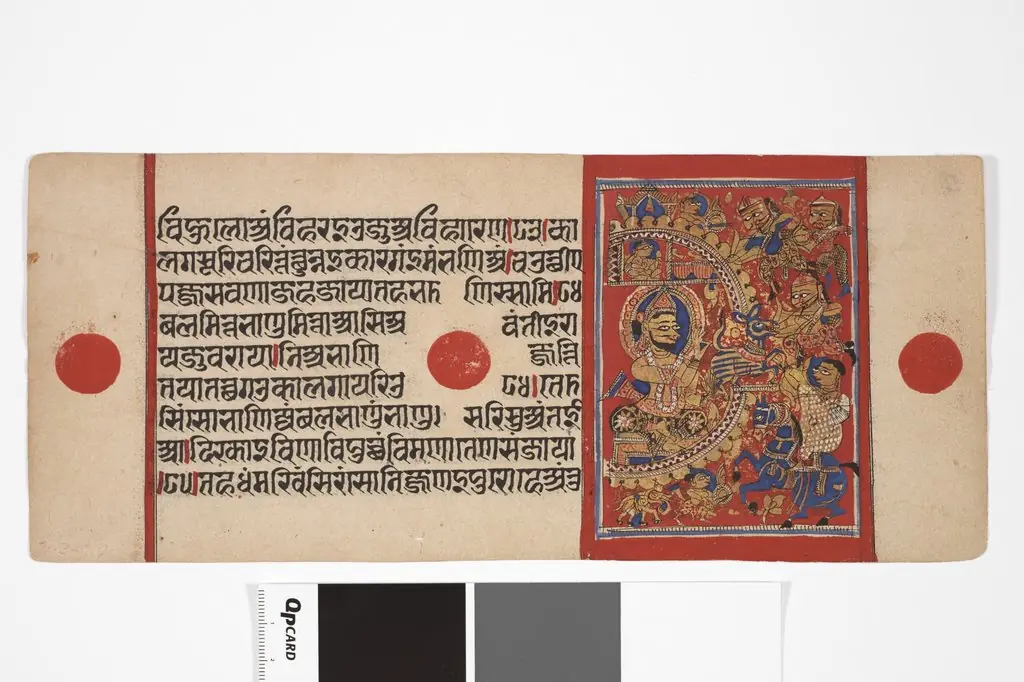 Jain Manuscript: Kalakacarya Katha
 Jain Manuscript: Kalakacarya Katha
 Jain Manuscript: Kalakacarya Katha
 Jain Manuscript: Kalakacarya Katha
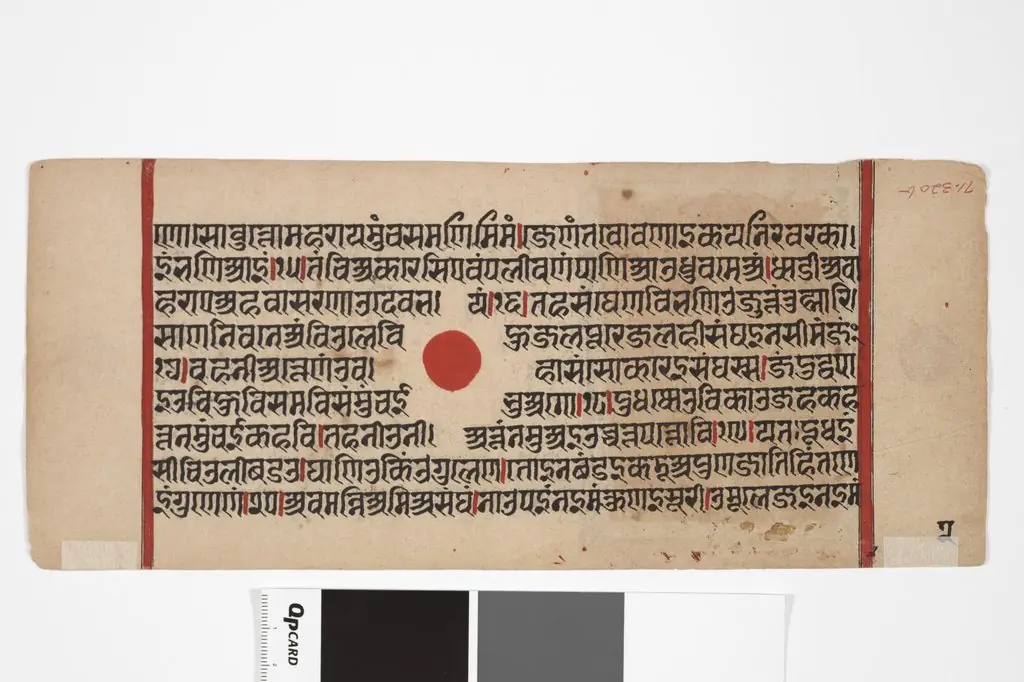 Jain Manuscript: Kalakacarya Katha
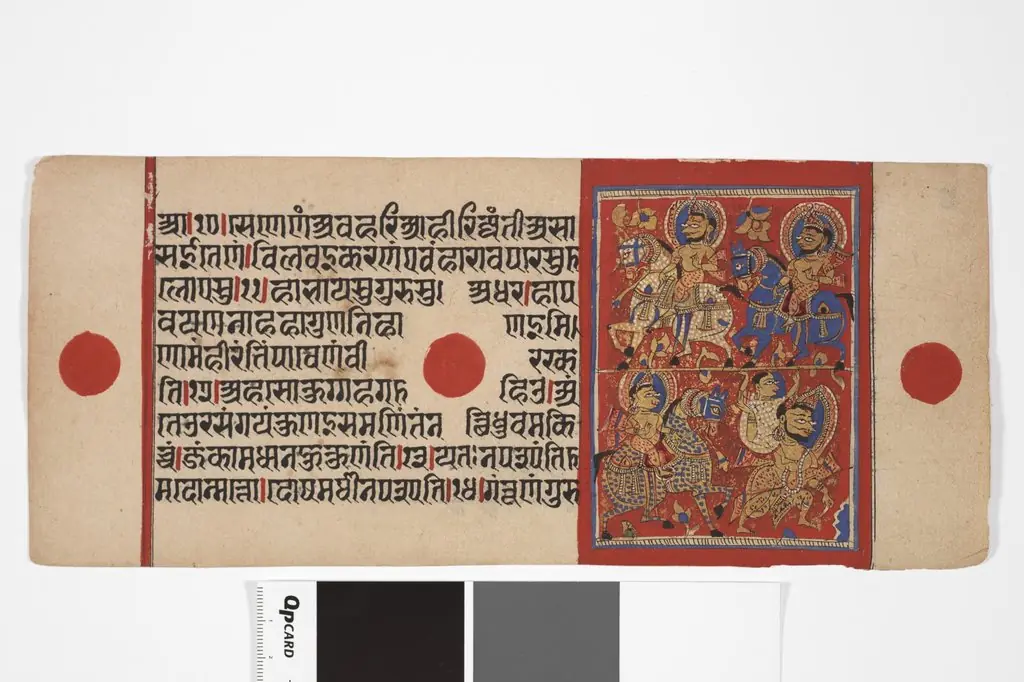 Jain Manuscript: Kalakacarya Katha
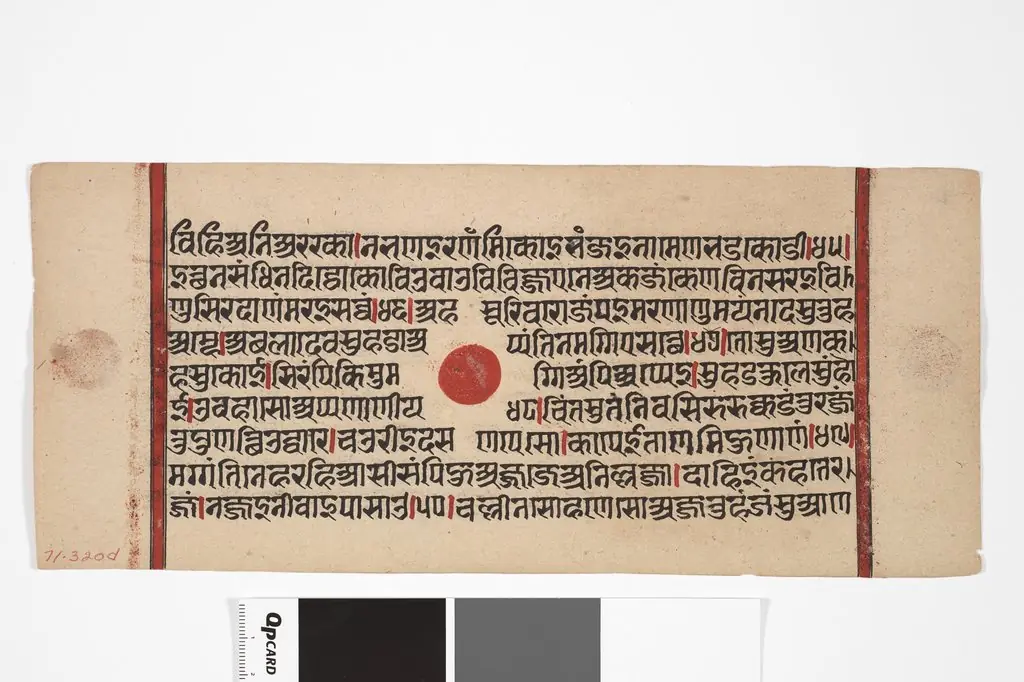 Jain Manuscript: Kalakacarya Katha
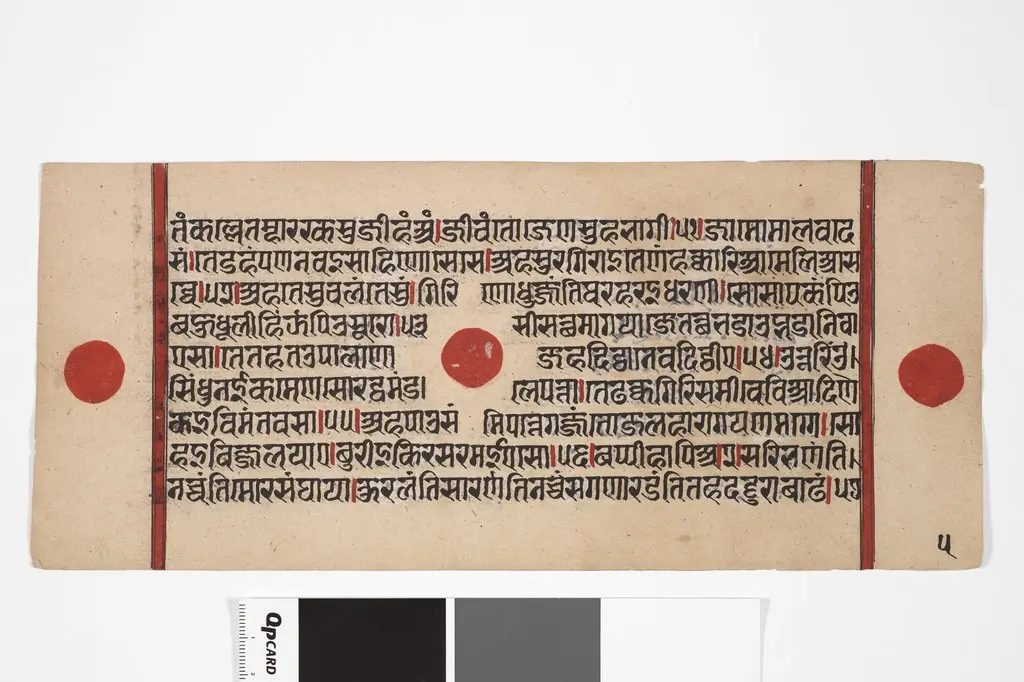 Jain Manuscript: Kalakacarya Katha
 Jain Manuscript: Kalakacarya Katha