Artwork
The Holy Family
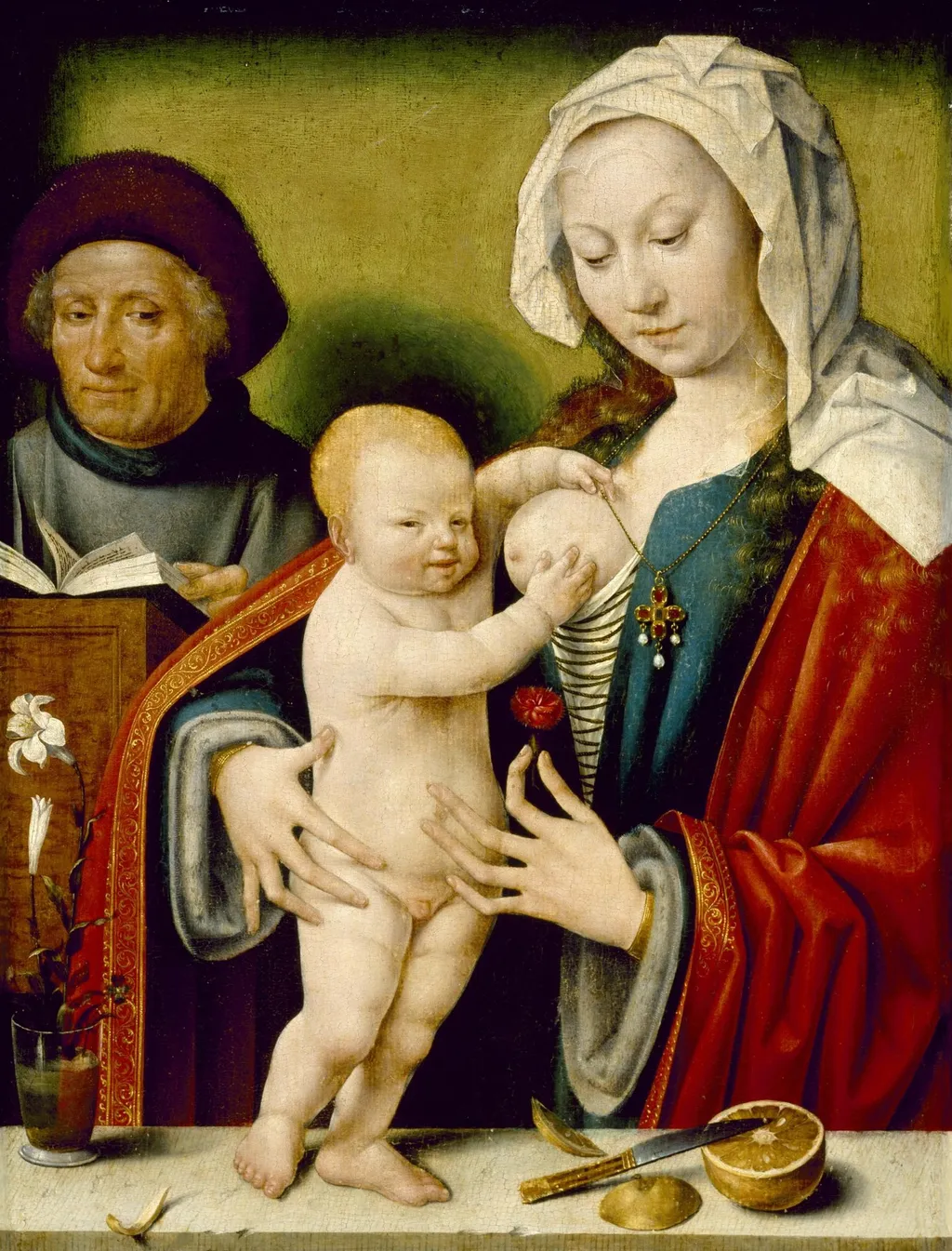
The Holy Family is an oil painting by the Mannerist artist Unknown. It dates from 1525 and is held in the collection of the Museum of Fine Arts, Houston.
About this work
Overview
The use of chiaroscuro models their forms with subtle gradations of light and shadow, grounding the sacred subject in tangible, human space.
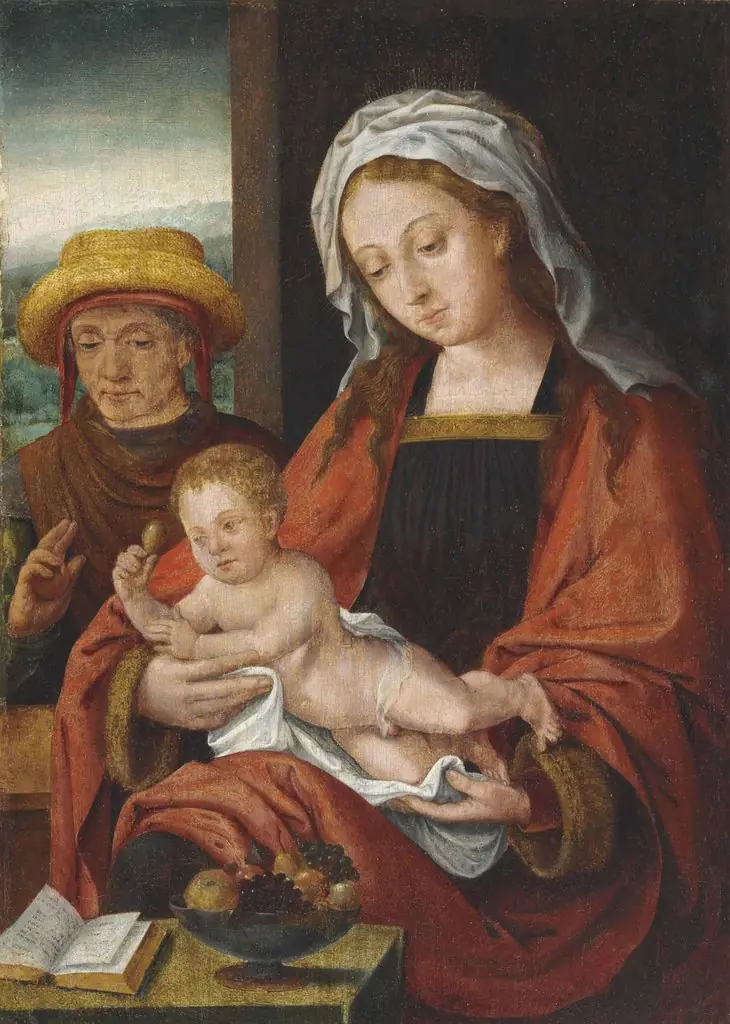
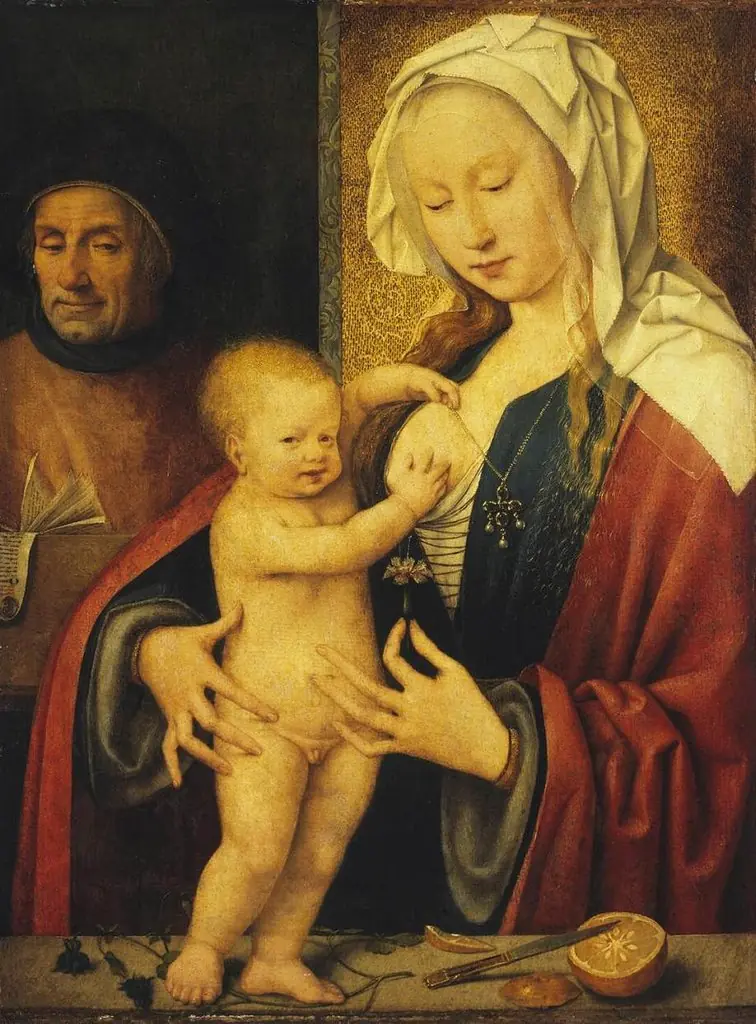
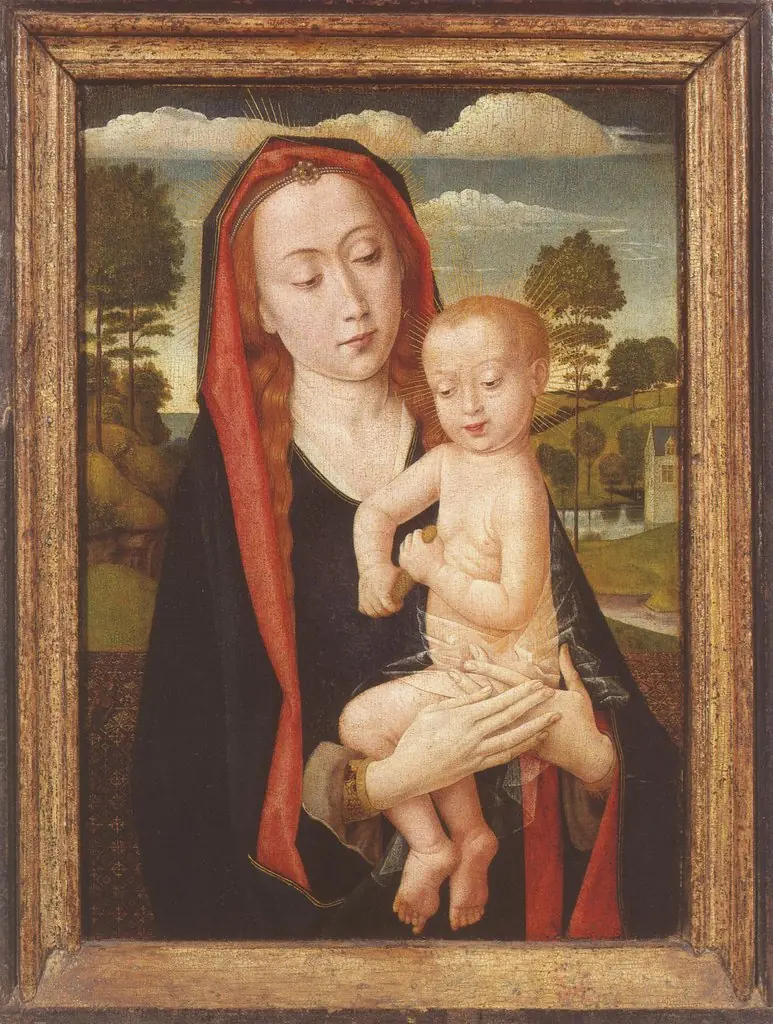
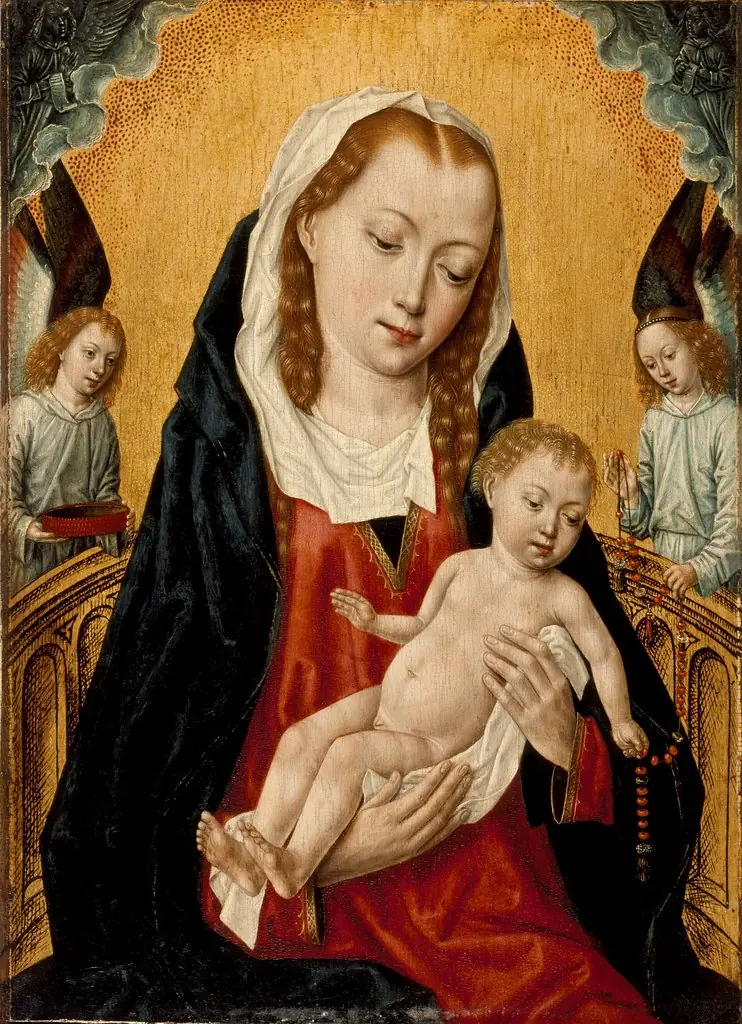
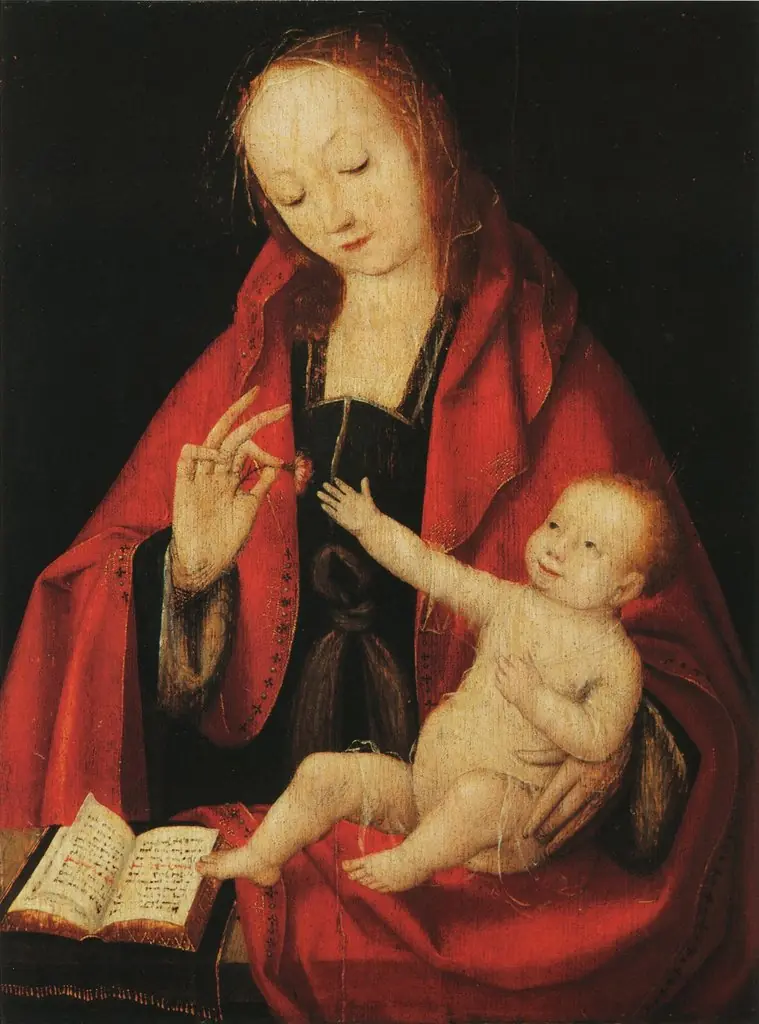
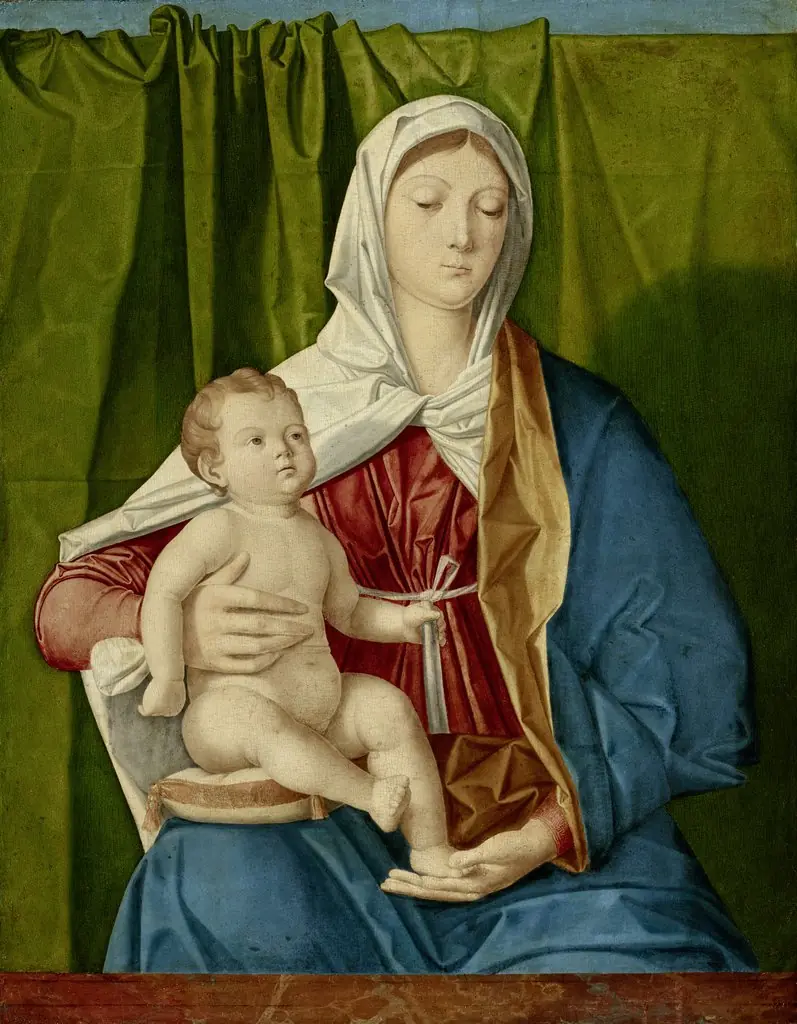
This oil painting depicts a domestic scene centered on the Holy Family—Mary, Joseph, and the infant Jesus—rendered with quiet intimacy. The figures are arranged in a compact group, their gestures and positioning suggesting a moment of stillness amid daily life. The use of chiaroscuro models their forms with subtle gradations of light and shadow, grounding the sacred subject in tangible, human space.
Subject & Meaning
Mary, dressed in blue with a red underlayer and wearing a cross necklace, holds the infant Jesus, who reaches toward a small ball—a possible symbol of the world or divine destiny. Joseph, seated and absorbed in a book, embodies contemplation and guardianship. The coins and bowl at Mary’s feet may reference earthly provision, while the white flowers in the vase suggest purity. The scene merges the divine with the ordinary, emphasizing humility and familial care.
Technique & Style
The artist employs oil paint to achieve soft transitions between light and dark, creating a sense of volume and texture. The baby’s skin appears warm and plump, rendered with delicate brushwork, while the folds of Mary’s dress are carefully modeled to suggest fabric weight. The background remains muted, directing focus to the figures. The composition is balanced yet informal, avoiding rigid symmetry in favor of naturalistic arrangement.
History & Provenance
The painting’s early ownership is undocumented, but its style and subject align with devotional works produced in the late 15th or early 16th century. It likely originated in a private chapel or home, intended for personal meditation rather than public display. No records of commission or artist signature survive, leaving its origin speculative, though its craftsmanship suggests a skilled regional workshop.
Context
During the Renaissance, depictions of the Holy Family in domestic settings became increasingly common, reflecting a broader cultural shift toward humanizing religious figures. This painting fits within that trend, emphasizing tenderness over grandeur. The inclusion of everyday objects—coins, a book, flowers—mirrors contemporary ideals of piety rooted in daily life, rather than solely in ecclesiastical ritual.
Legacy
Though not widely known or reproduced, the painting contributes to a quieter strand of Renaissance devotional art that prioritized emotional resonance over spectacle. Its emphasis on quiet domesticity influenced later generations of artists who sought to portray sacred figures with psychological depth and physical presence, reinforcing the value of ordinary moments in spiritual experience.
Artist & collection

 Domestic Scene
 Giacomo and Cardinal Marco, investing Andrea, Abbot of San Zeno, with his Benefice
 The Nymph of Fontainebleau
 Portrait of a Woman
 Madonna and Child with Saints in the Enclosed Garden
 Venus and Minerva
 Family Group of Four on Sofa
 Wall painting from Room H of the Villa of P. Fannius Synistor at Boscoreale