Artwork
Gabriël Cambry
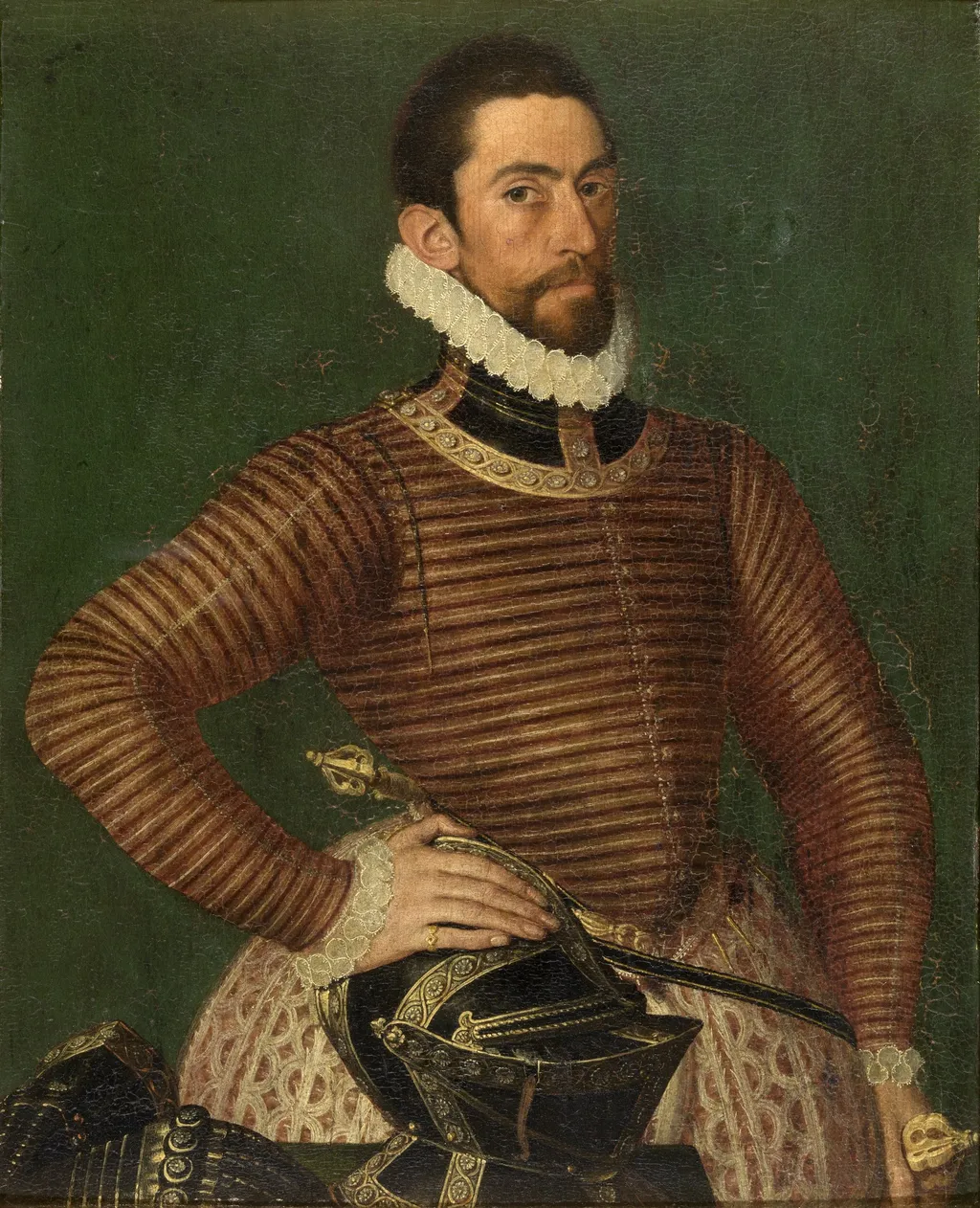
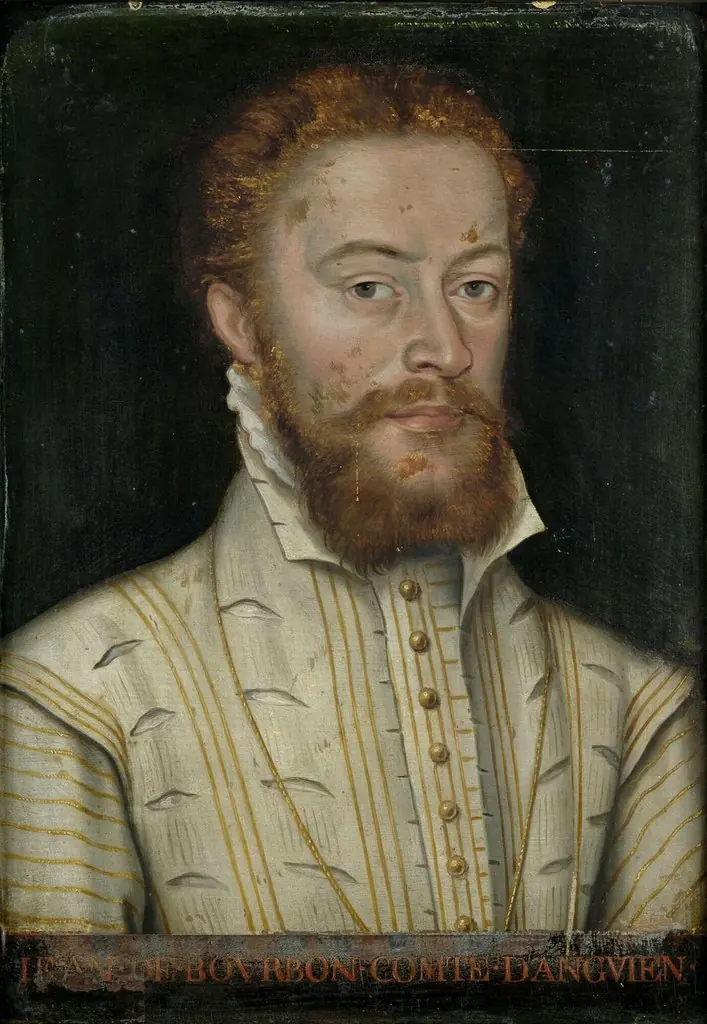
Gabriël Cambry is an oil painting by the Flemish Baroque painting artist Unknown. It dates from 1549 and is held in the collection of the Royal Museum of Fine Arts Antwerp. The work is an oil painting portraying a male figure dressed in attire characteristic of the sixteenth century.
About this work
The man's attire and the style of the painting suggest that it may be a portrait of a noble or aristocratic figure from the 16th century.
This painting depicts a man dressed in 16th-century attire, with a brown striped shirt and a white ruffled collar. He wears a pink and white patterned skirt and holds a black helmet adorned with gold accents. The man's right hand rests on the helmet, while his left hand grasps the hilt of a sword. The background of the painting is a dark green color. The man's attire and the style of the painting suggest that it may be a portrait of a noble or aristocratic figure from the 16th century.
Overview
The work is an oil painting portraying a male figure dressed in attire characteristic of the sixteenth century. He is shown in a brown striped shirt with a white ruffled collar, a pink-and-white patterned skirt, and a black helmet embellished with gold. His right hand rests on the helmet, while his left hand holds the sword hilt, set against a dark green background.
Subject & Meaning
The sitter appears to be a member of the noble class, suggested by the elaborate costume and the presence of armor and weaponry. The combination of civilian clothing and martial accessories may indicate a portrait intended to convey both status and martial readiness, reflecting the social expectations of aristocratic identity during the period.
Technique & Style
Executed in oil on canvas, the painting employs a muted palette dominated by browns, pinks, and deep greens. The rendering of fabric textures—striped shirt, ruffled collar, patterned skirt—and the metallic sheen of the helmet demonstrate careful attention to material detail. The overall composition is relatively flat, with limited background depth, a common trait in portraiture of the era.
Context
Costume elements such as the white ruff and patterned skirt align with fashion trends of the mid‑1500s in Northern Europe, where elaborate dress signified rank. The inclusion of a sword and helmet reflects the period’s emphasis on the martial responsibilities of the aristocracy, situating the portrait within the cultural milieu of Renaissance courtly life.
Legacy
While the artist’s identity remains unspecified, the painting contributes to the visual record of sixteenth‑century aristocratic portraiture. Its preservation offers insight into contemporary dress, armor design, and the conventions of status representation that informed portraiture in the early modern period.
Artist & collection

 Domestic Scene
 Giacomo and Cardinal Marco, investing Andrea, Abbot of San Zeno, with his Benefice
 The Nymph of Fontainebleau
 Portrait of a Woman
 Madonna and Child with Saints in the Enclosed Garden
 Venus and Minerva
 Family Group of Four on Sofa
 Wall painting from Room H of the Villa of P. Fannius Synistor at Boscoreale
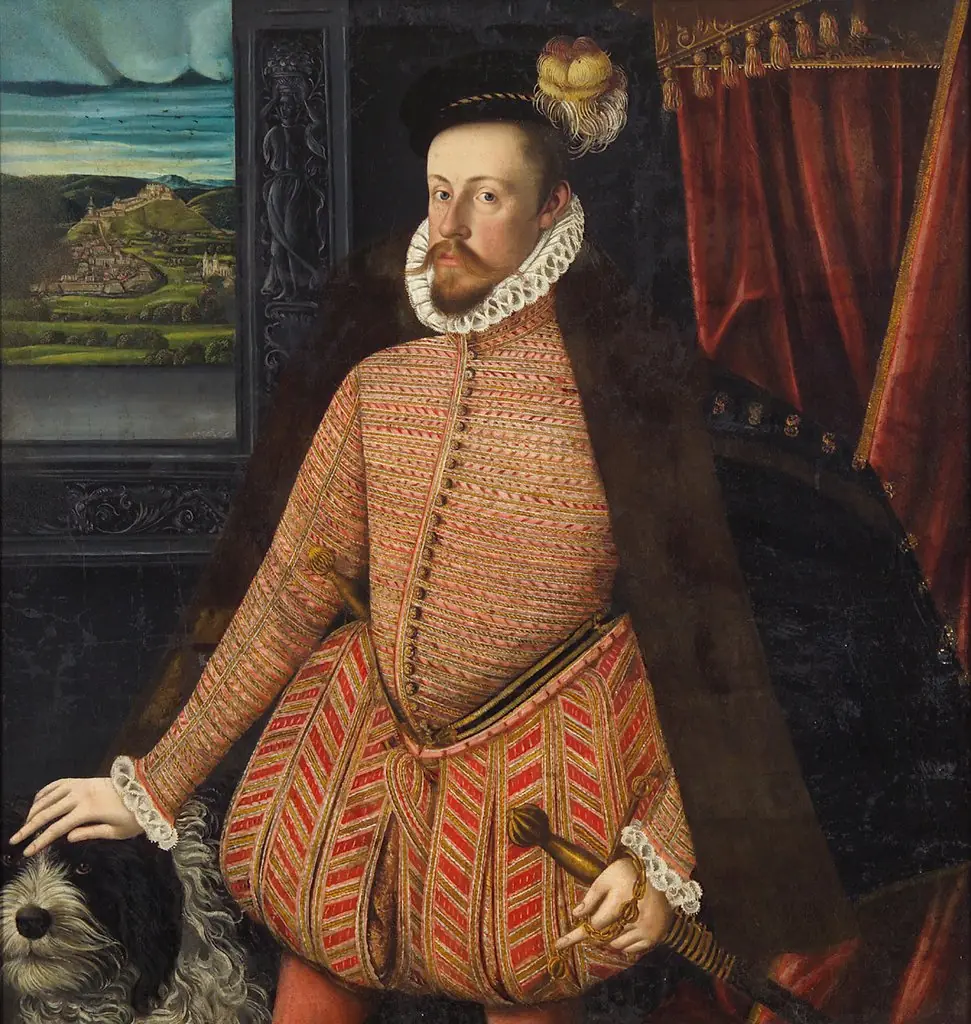 Erzherzog Karl II. (1540-1590) mit dem Blick auf Graz, Kniestück
 Portrait of a Gentleman
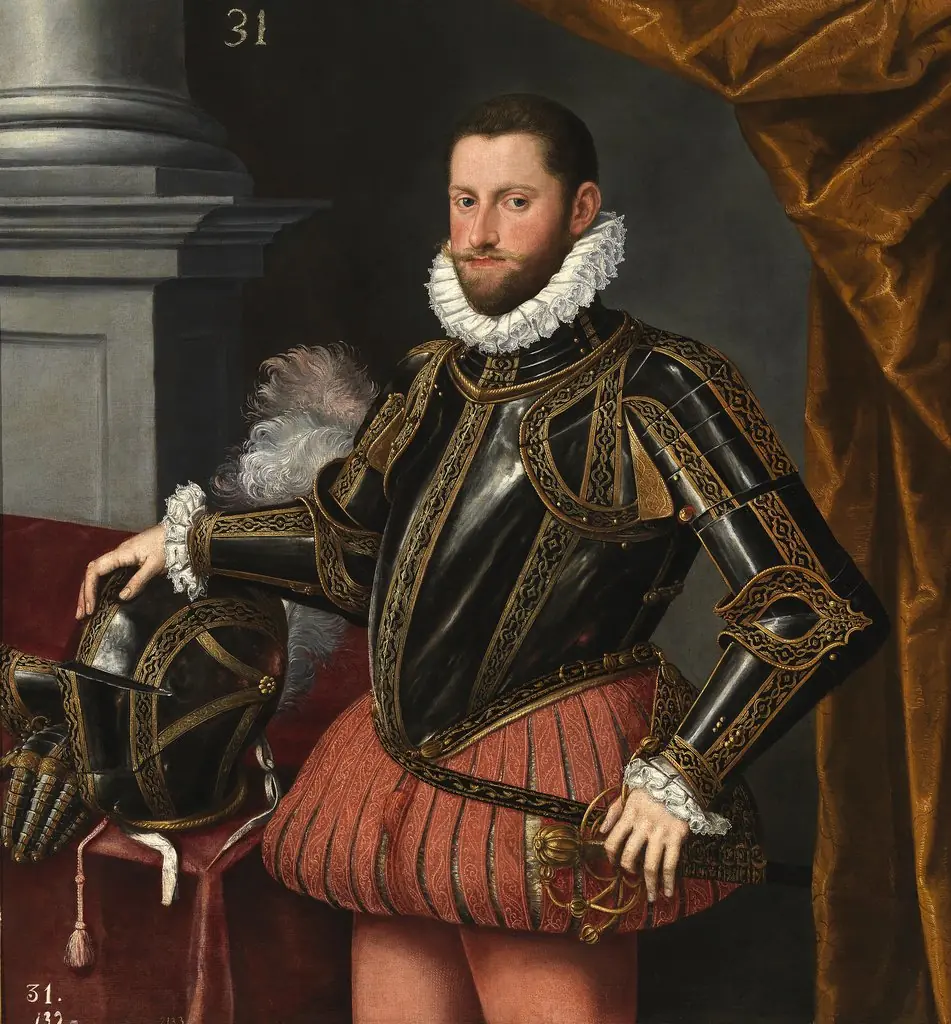 El archiduque Diego Ernesto de Austria
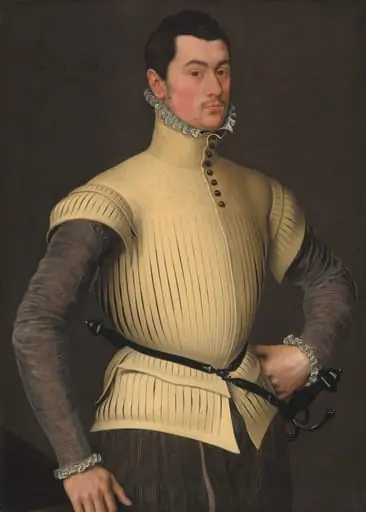 Portrait of a Young Man
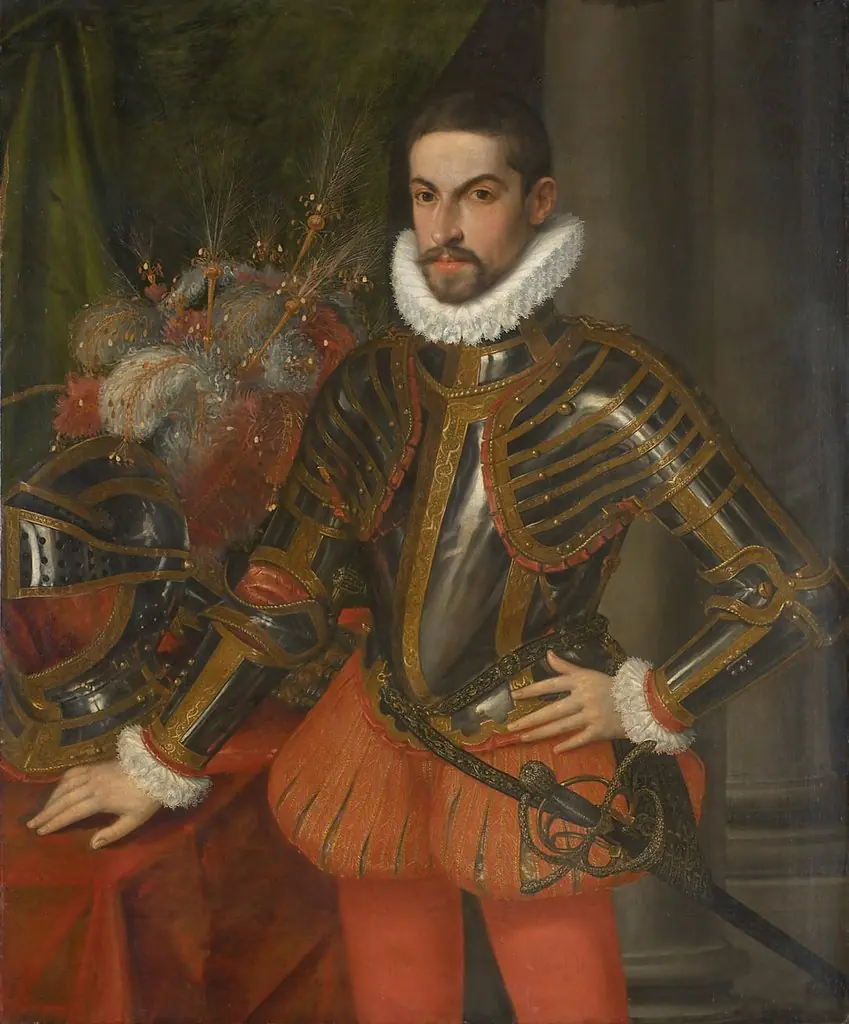 Erzherzog Maximilian III. (1558-1618) im Harnisch, Kniestück
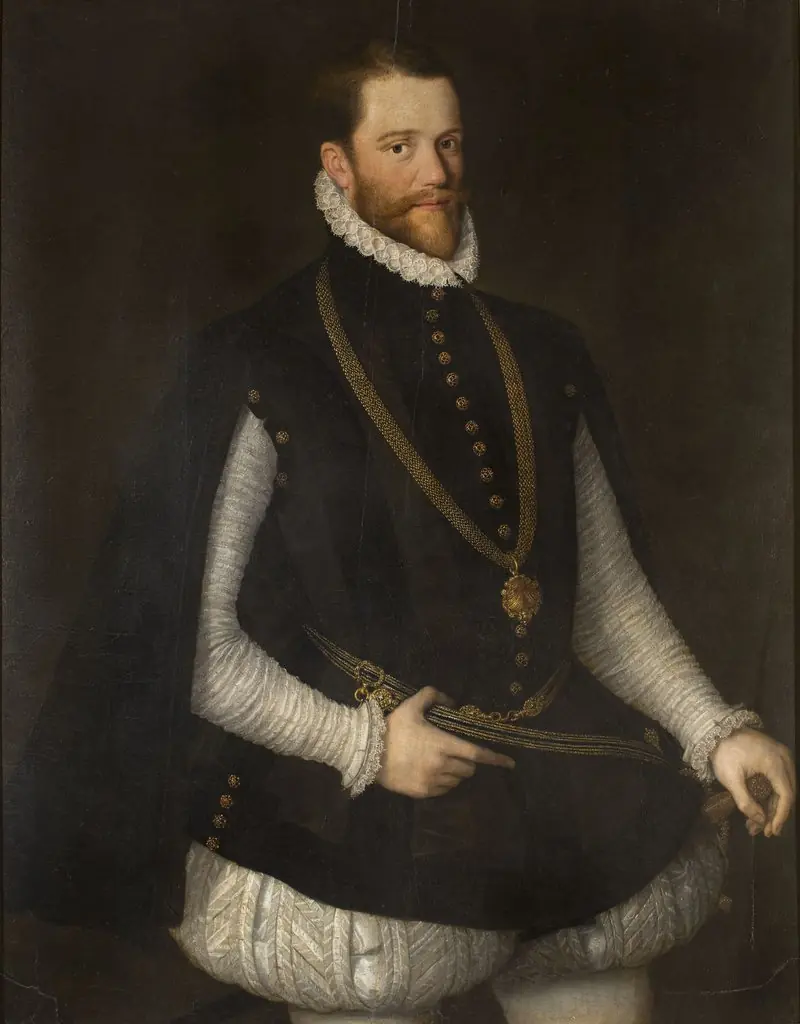 Portrait of a Gentleman of the order of Saint James
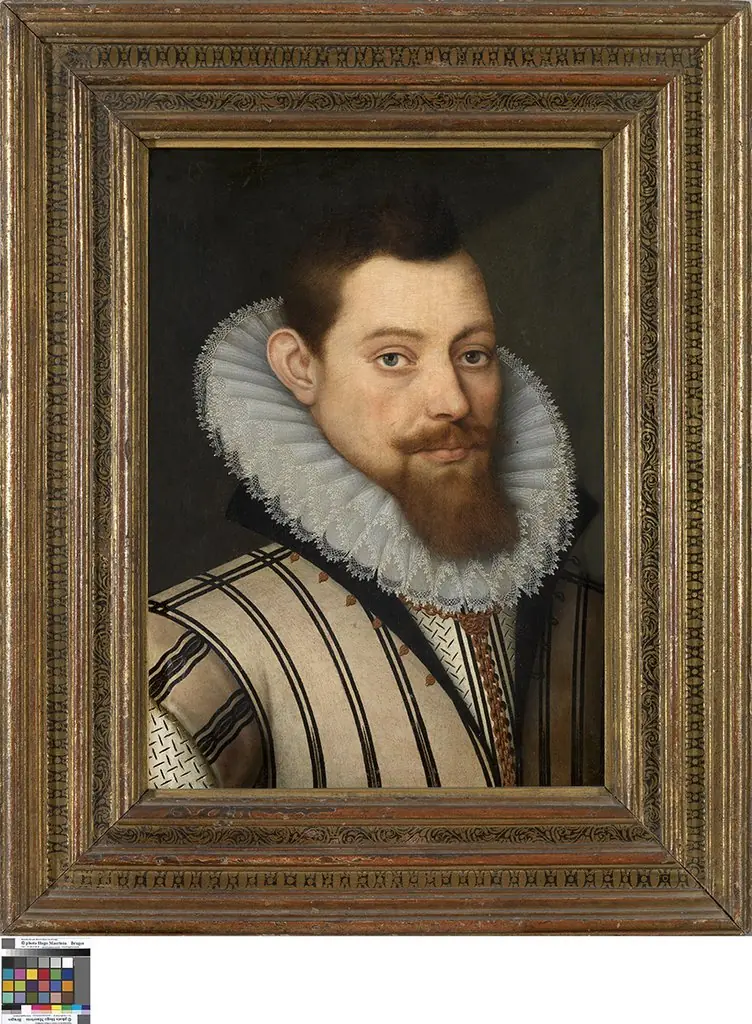 Portrait of a Man
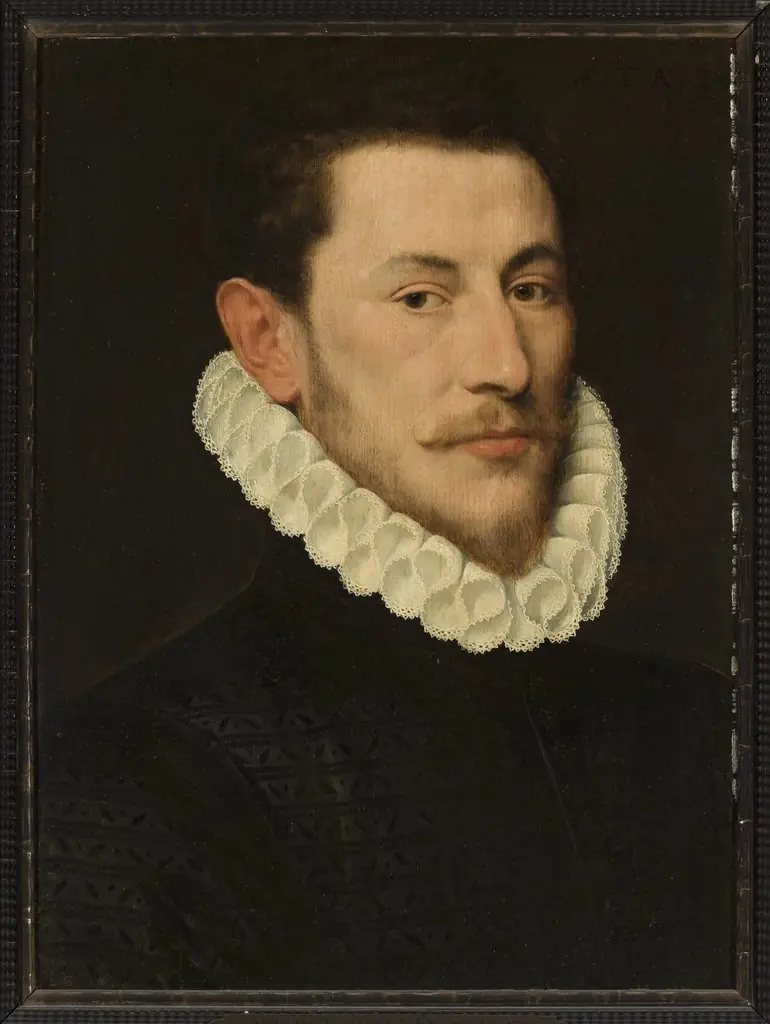 Portrait of a young man
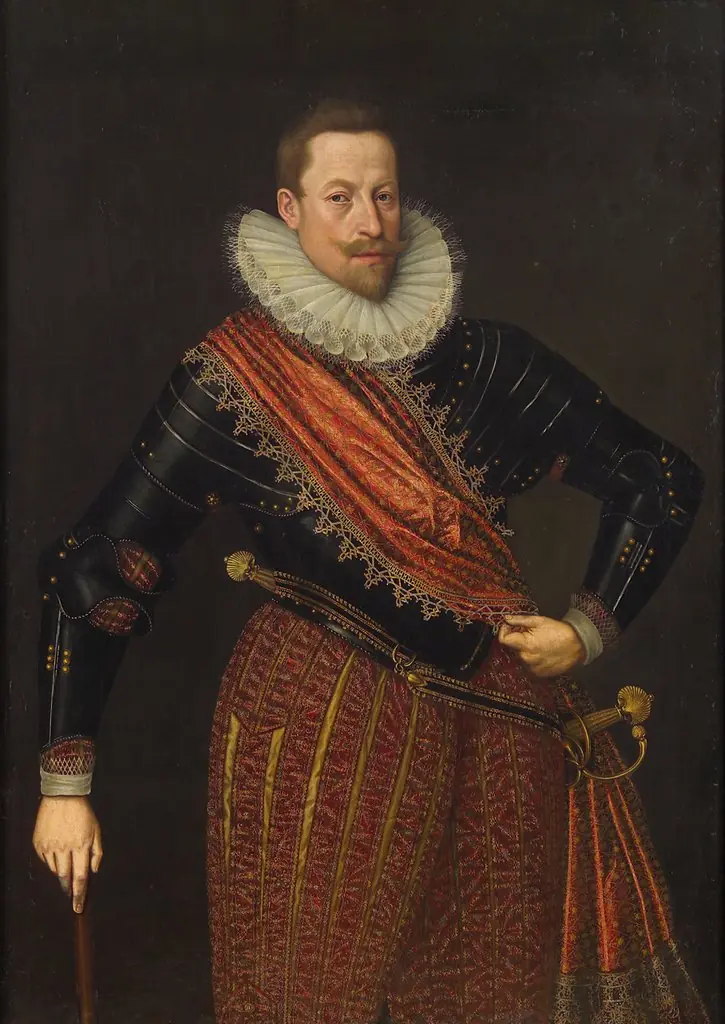 Portrait of Matthias II of Habsburg (1557-1619), the future Holy Roman Emperor
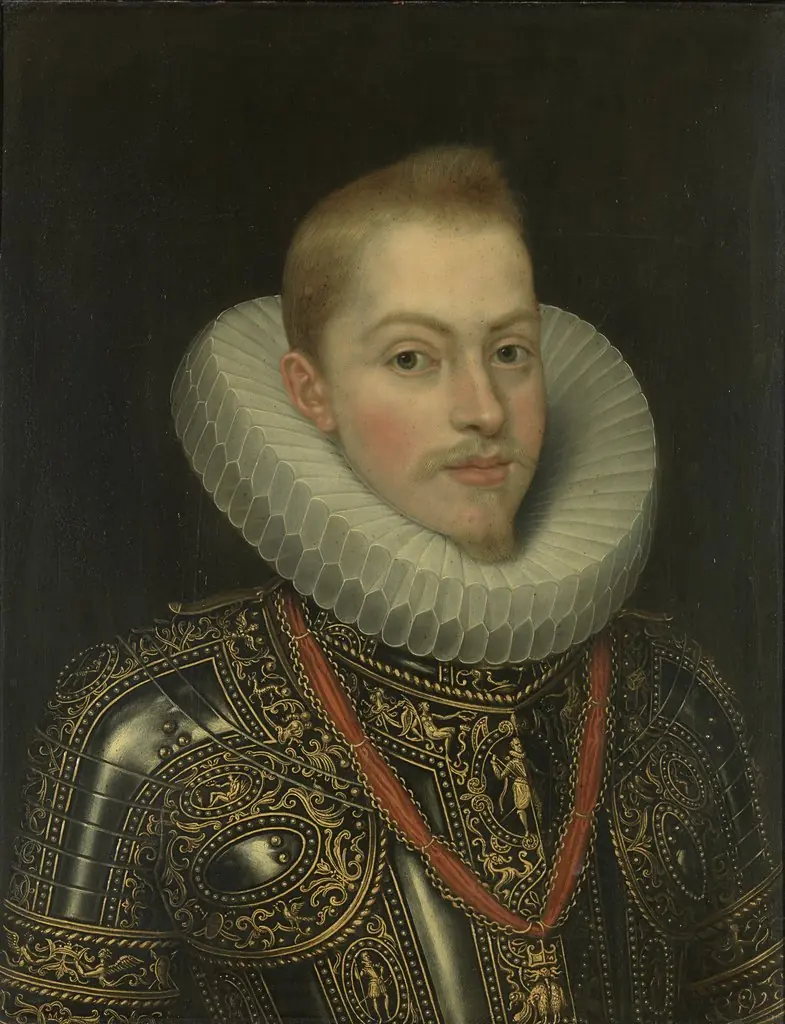 Portrait of Philip III, King of Spain
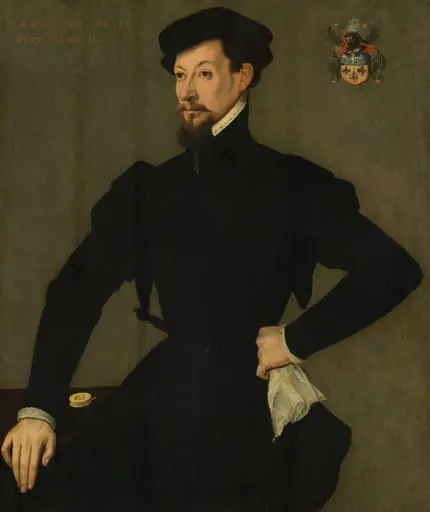 Portrait of a Member of the Quaratesi Family
 Jean de Bourbon, comte de Soissons et d'Enghien