Artwork
Erzherzog Maximilian III. (1558-1618) im Harnisch, Kniestück
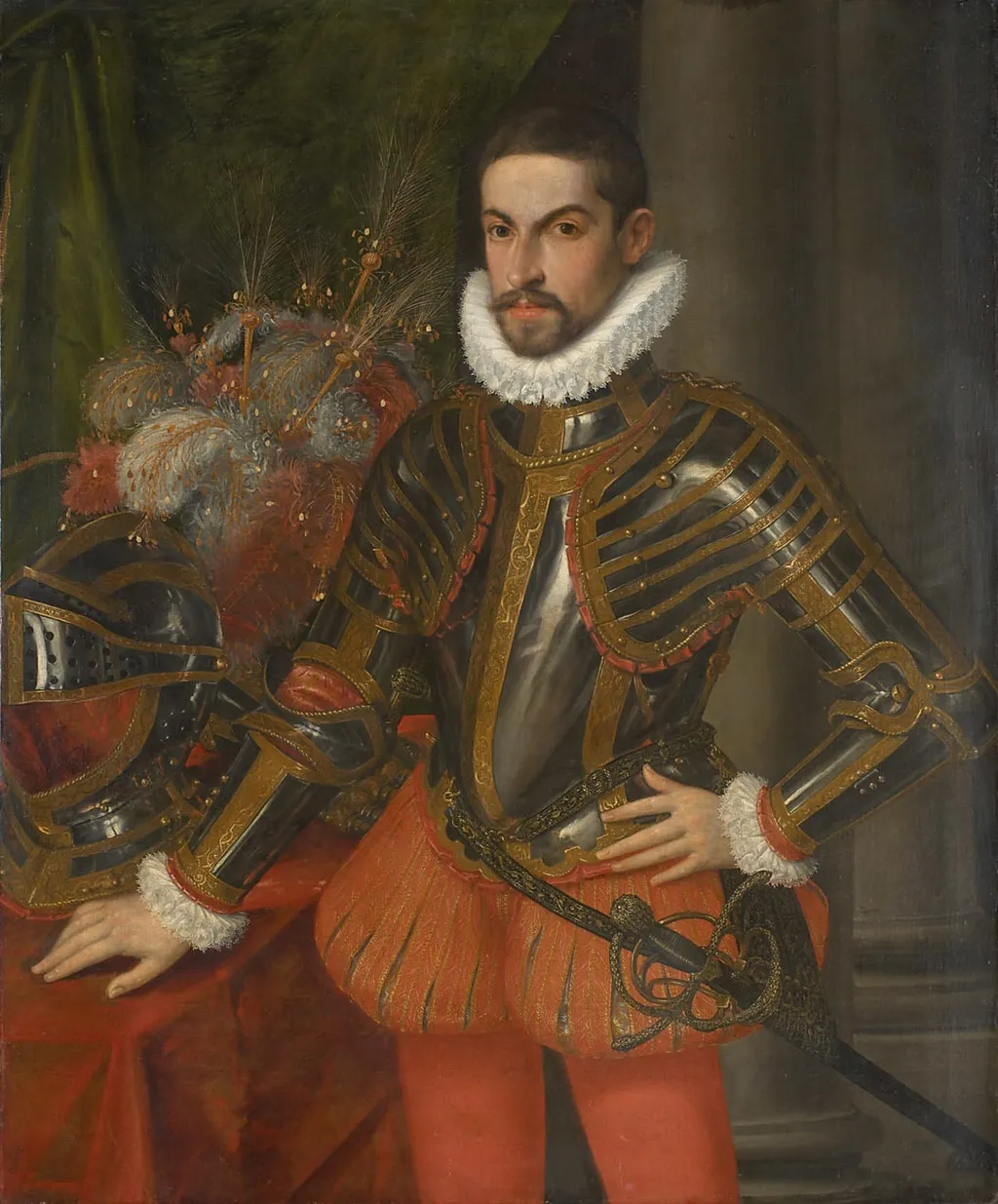
Erzherzog Maximilian III. (1558-1618) im Harnisch, Kniestück is a color painting by the Mannerist artist Martino Rota. It dates from 1590 and is held in the collection of the Kunsthistorisches Museum.
About this work
Overview
Painted in 1590 by Martino Rota, this portrait captures Archduke Maximilian III of Austria in full armor, rendered in color on a plain background.
Painted in 1590 by Martino Rota, this portrait captures Archduke Maximilian III of Austria in full armor, rendered in color on a plain background. Rota, a Dalmatian artist active across Venice, Rome, and Vienna, specialized in printmaking and portraiture. The work exemplifies Mannerist tendencies through its precise detail and formal composition, emphasizing the sitter’s status through meticulously rendered military attire rather than elaborate surroundings.
Subject & Meaning
Archduke Maximilian III is depicted in ceremonial armor, conveying his role as a Habsburg prince and military leader. The inclusion of a plumed helmet, buckled breastplate, and ornate straps underscores his authority and readiness for command. His hands resting on the helmet suggest contemplation or readiness, while the absence of a landscape or symbolic objects focuses attention on his identity as a noble warrior, aligning with the Habsburg emphasis on dynastic power and martial virtue.
Technique & Style
Rota employs fine brushwork to render the textures of metal, fabric, and feathers with clinical precision. The armor’s gold and black striations, the red breeches with contrasting dark lines, and the gilded plumes are rendered with attention to material realism. The Mannerist style is evident in the elongated proportions and the rigid, frontal pose, which prioritize symbolic presence over naturalism. The flat, unadorned background directs all visual weight to the figure and his equipment.
History & Provenance
Commissioned during Maximilian’s tenure as a key Habsburg figure, the portrait entered the imperial collection in Vienna. It remained within the Habsburg holdings and was later cataloged in the Kunsthistorisches Museum, which inherited the imperial art collection. Rota’s connection to the Viennese court through his work as a printmaker likely facilitated this commission, ensuring the portrait’s integration into the dynasty’s visual archive.
Context
In late 16th-century Europe, portraits of nobility in armor were common tools of political representation, especially among the Habsburgs. Rota’s work reflects the broader trend of using portraiture to assert dynastic continuity and martial identity. While Italian Mannerism influenced his style, the subject’s Austrian context and the portrait’s function within courtly display distinguish it from more flamboyant Italian examples of the period.
Legacy
The portrait endures as a representative example of Habsburg court portraiture, illustrating how armor functioned as both protective gear and ceremonial regalia. Rota’s skill in translating metal and textile surfaces into pigment influenced later court artists. Though not widely exhibited outside Vienna, it remains a key reference for understanding the visual language of aristocratic identity in early modern Central Europe.
Artist & collection
Artist
Martino Rota, also Martin Rota and Martin Rota Kolunić (c. 1520–1583) was an artist, now mainly known for his printmaking, from Dalmatia. Martino Rota was born in about the year 1520 in Šibenik (Sebenico), Dalmatia.…

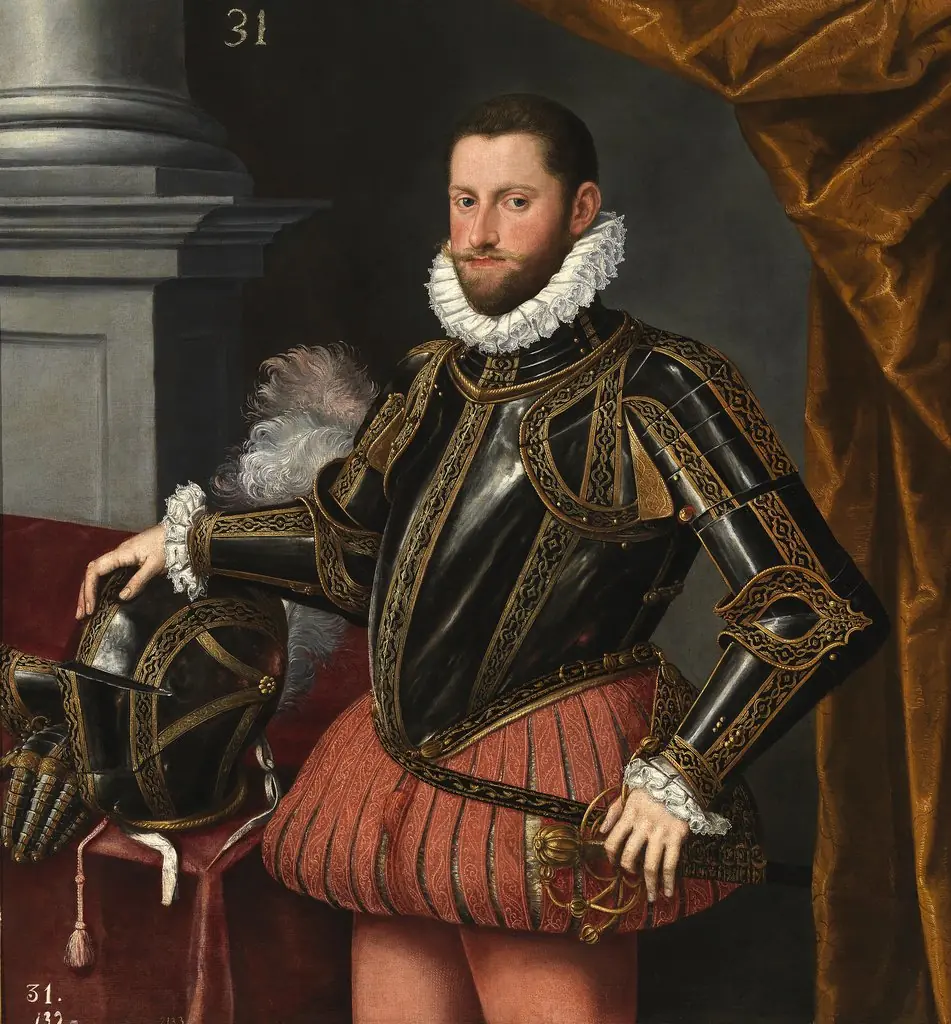 El archiduque Diego Ernesto de Austria
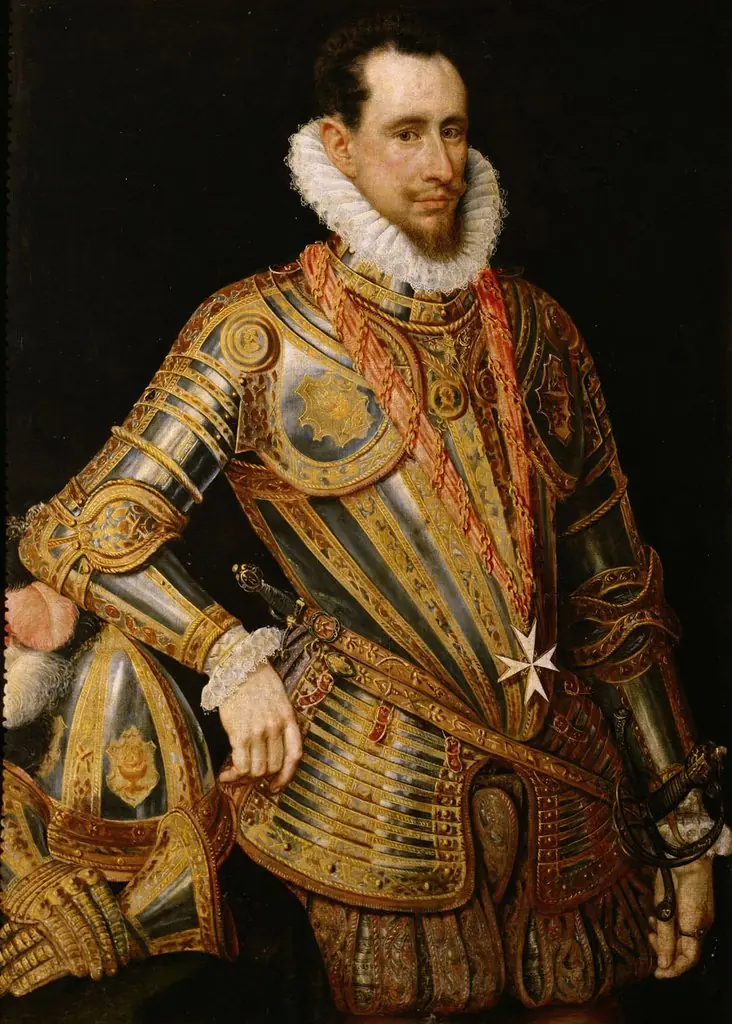 Bildnis eines Malteserritters
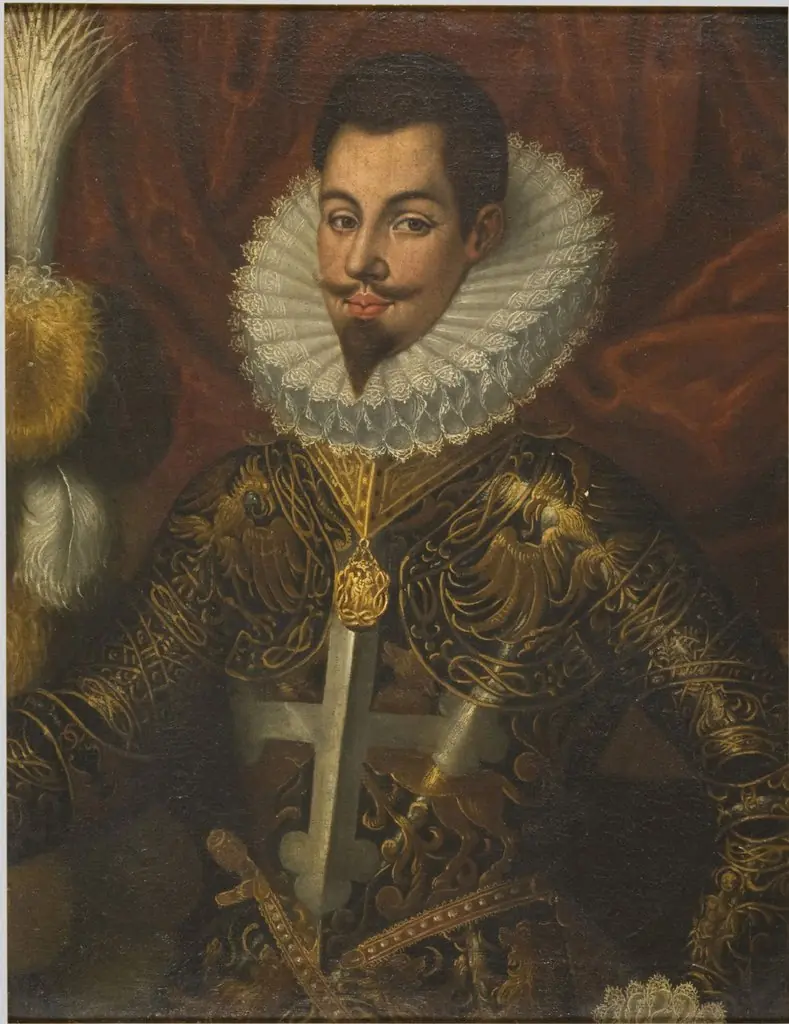 Portrait of a Man in Armor
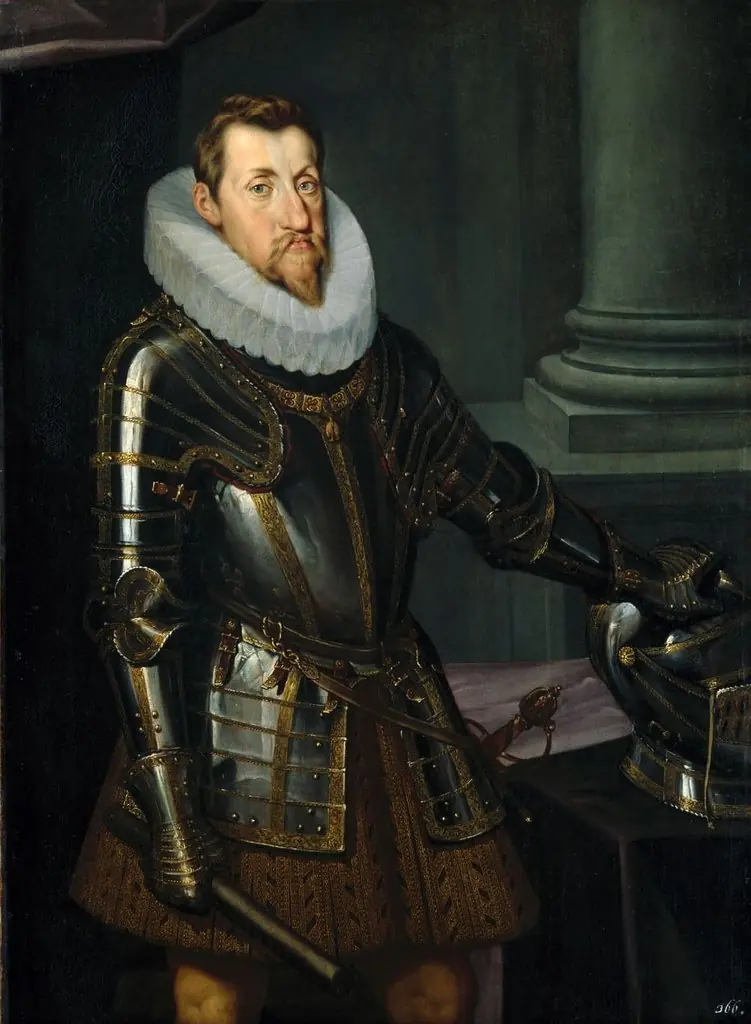 Portrait of Ferdinand II, Holy Roman Emperor (1578-1637)
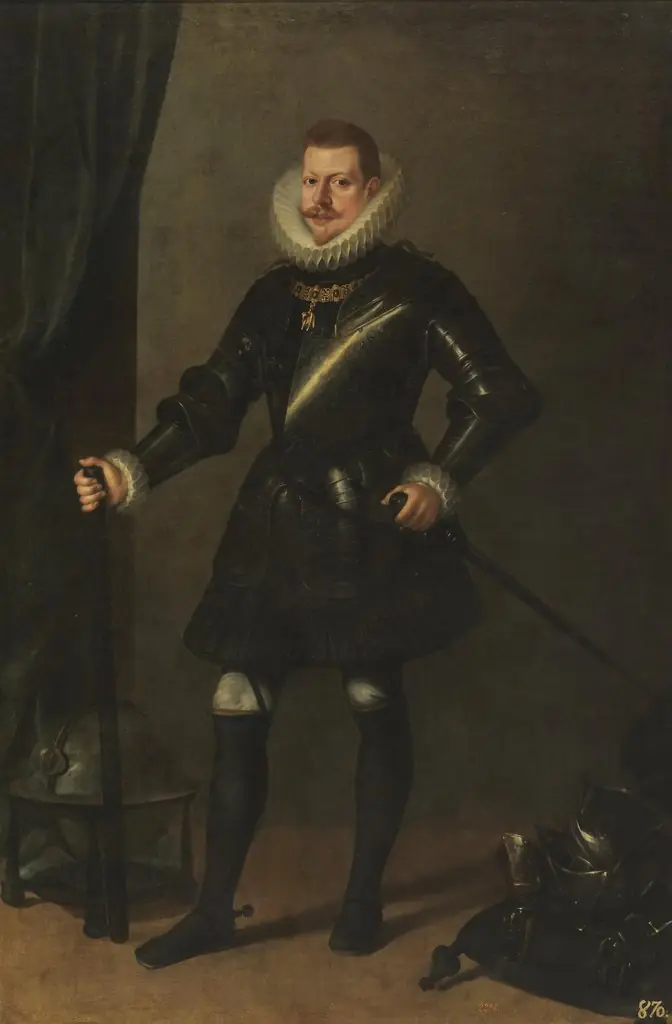 Philip III in Armour
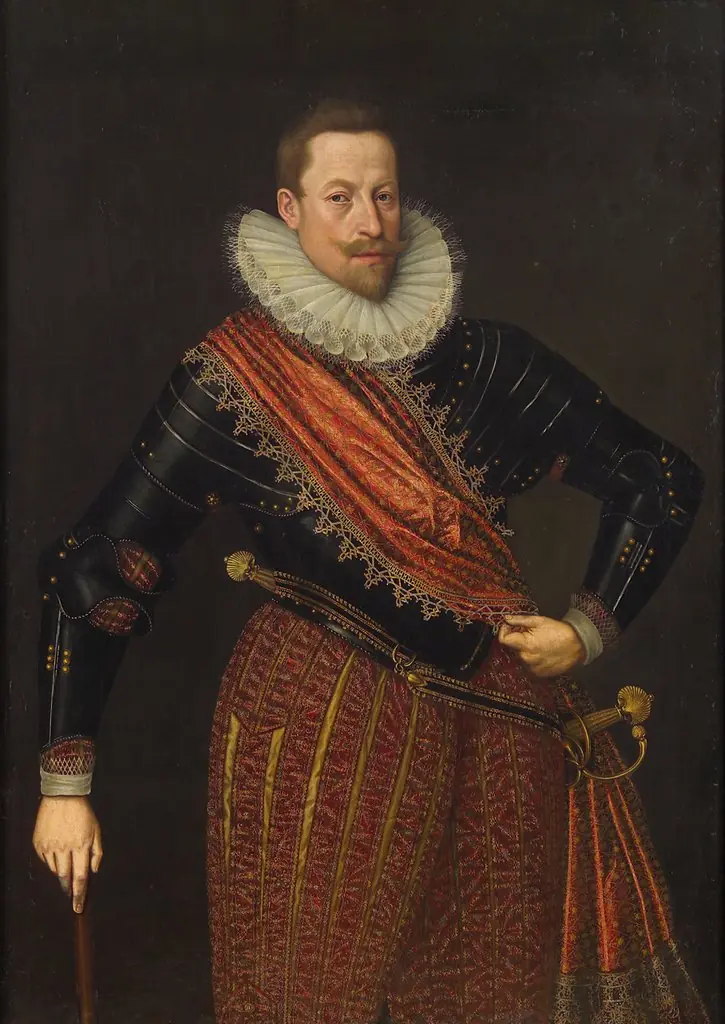 Portrait of Matthias II of Habsburg (1557-1619), the future Holy Roman Emperor
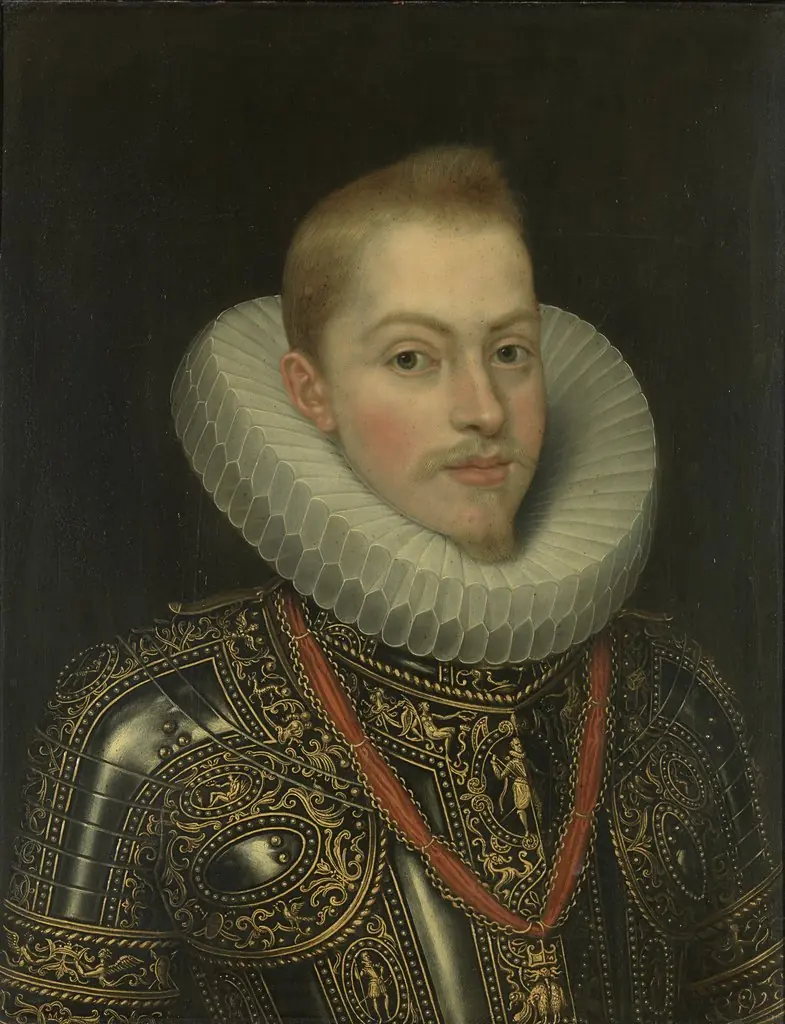 Portrait of Philip III, King of Spain
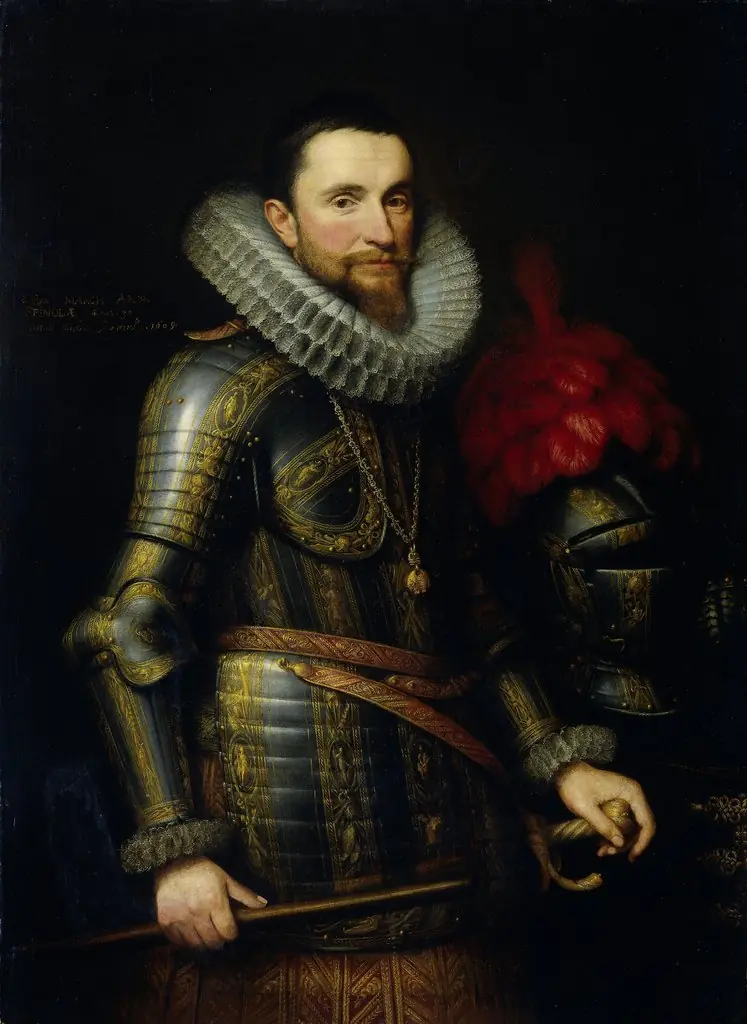 Portrait of Ambrogio Spinola (1569-1630)
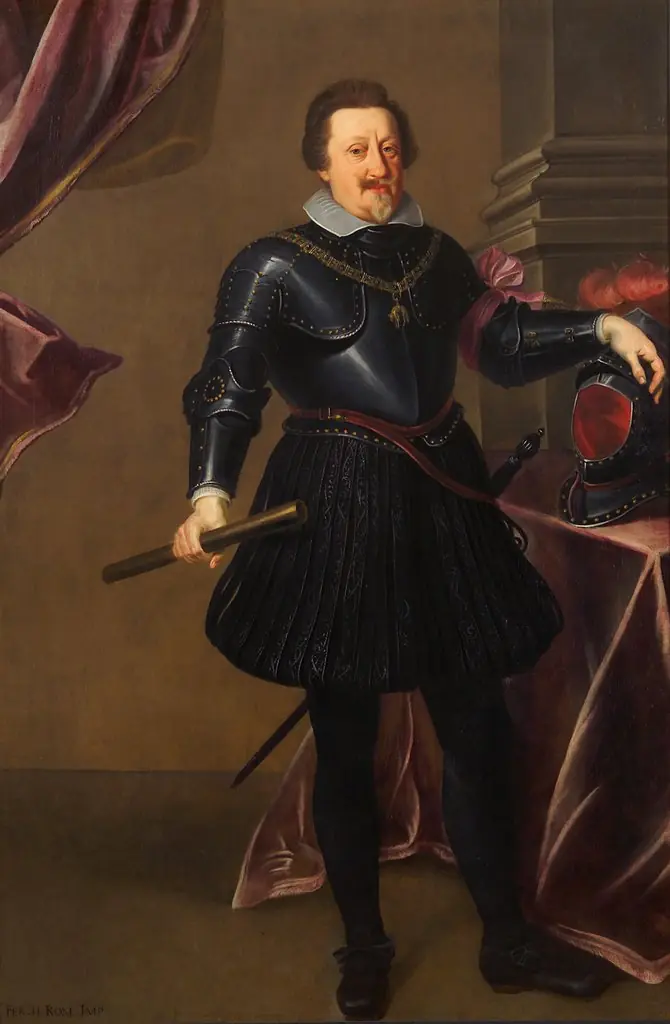 Emperor Ferdinand II. (1578-1637) in black armor, full-length
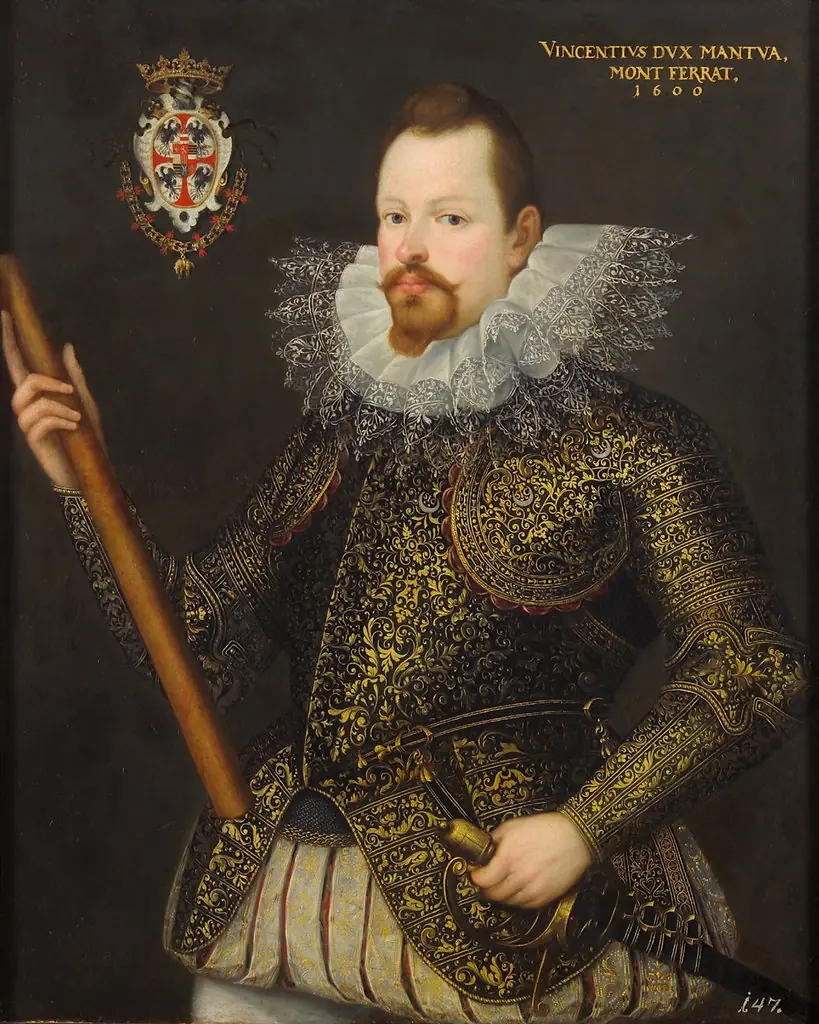 Portrait of Vicenzo Gonzaga, Duke of Mantua
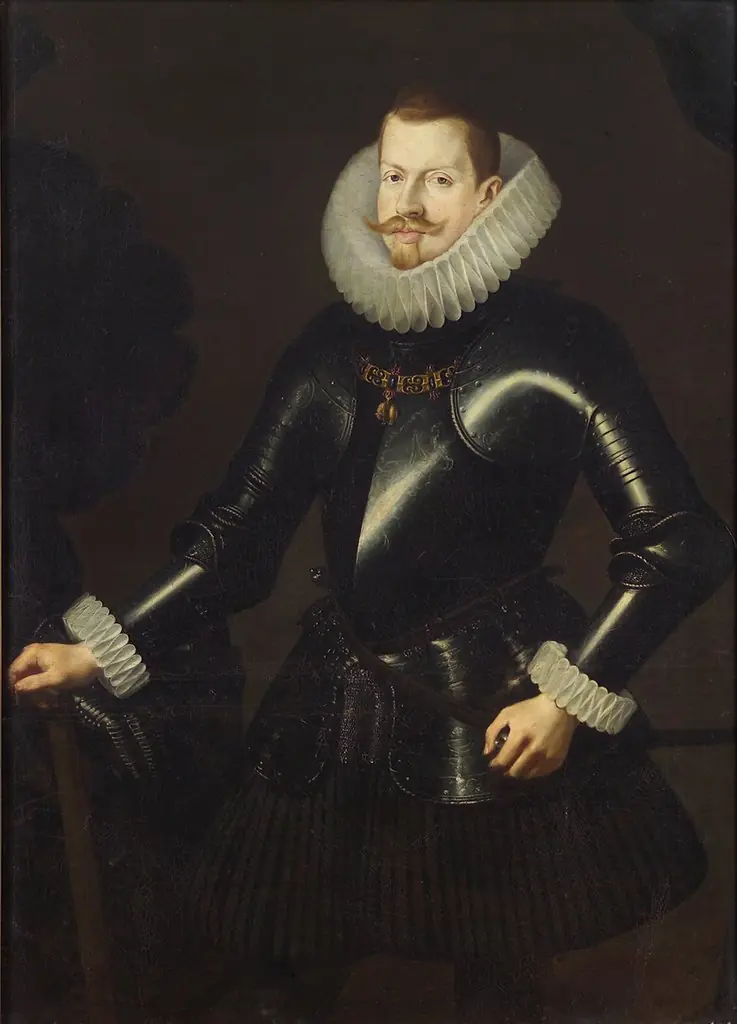 König Philipp III. von Spanien (1578-1621), Bildnis im Harnisch