Artwork
Jean de Bourbon, comte de Soissons et d'Enghien
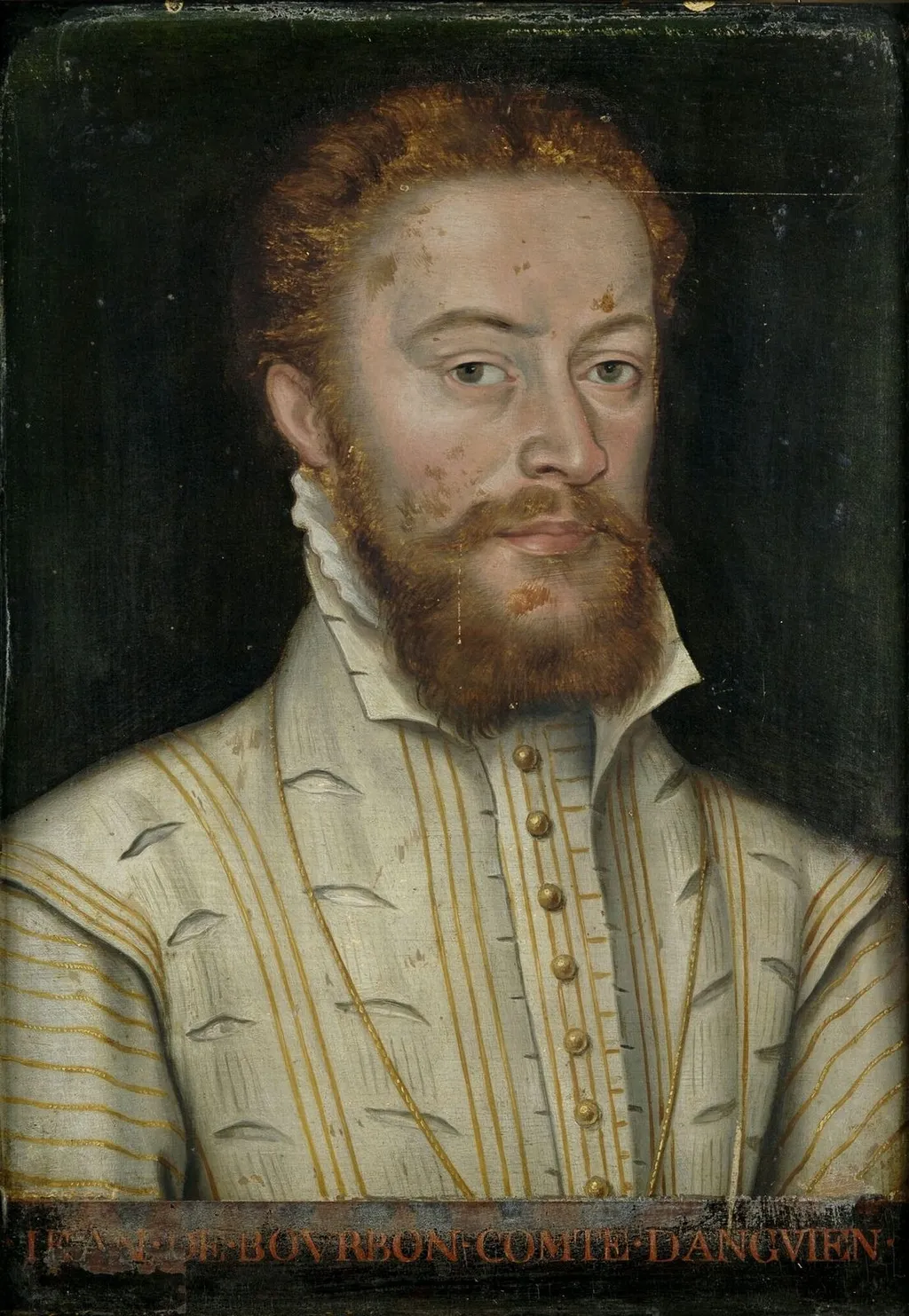
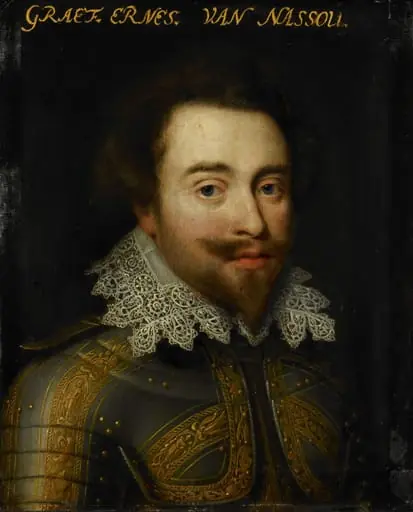
Jean de Bourbon, comte de Soissons et d'Enghien is an oil painting by Unknown. It is held in the collection of the Palace of Versailles. This oil painting depicts Jean de Bourbon, Count of Soissons and Enghien, rendered in a portrait format typical of Renaissance nobility.
About this work
Overview
This oil painting depicts Jean de Bourbon, Count of Soissons and Enghien, rendered in a portrait format typical of Renaissance nobility. The subject is shown in three-quarter view against a dark, unadorned background, emphasizing his presence. The composition focuses on his facial features and clothing, with no extraneous details to distract from the individuality of the sitter.
Subject & Meaning
Jean de Bourbon was a French nobleman of the early 16th century, a member of the House of Bourbon, a cadet branch of the royal family.
Jean de Bourbon was a French nobleman of the early 16th century, a member of the House of Bourbon, a cadet branch of the royal family. The portrait serves as a formal representation of his status and lineage. His attire and composed demeanor reflect the ideals of aristocratic dignity, while the direct gaze suggests a claim to authority and personal presence within the political hierarchy of the time.
Technique & Style
The artist employs chiaroscuro to model the face and clothing with subtle gradations of light and shadow, creating a sense of three-dimensionality. The white shirt with gold detailing is rendered with precision, highlighting texture and material value. The dark background isolates the figure, enhancing the focus on his form and expression, a hallmark of Renaissance portraiture aiming for psychological realism.
History & Provenance
The painting's origins are tied to the French court during the reign of Francis I, a period when portraiture flourished among the nobility. While the exact commissioning context is undocumented, its style aligns with works produced in France and the Low Countries around 1520–1540. It has remained in private collections since at least the 18th century, with no public exhibition history prior to the 20th century.
Context
During the early 16th century, French nobility increasingly commissioned portraits to assert identity and lineage amid shifting political alliances. The use of rich fabrics, precise rendering of hair and beard, and avoidance of symbolic props reflect a move toward naturalism over medieval heraldic conventions. This portrait aligns with broader trends in Northern Renaissance art, where individuality and material detail gained prominence.
Legacy
The painting contributes to the visual record of French aristocracy during the Renaissance, offering insight into how noble identity was constructed through appearance. Though not attributed to a major named artist, its technical competence and stylistic coherence place it within the broader circle of court painters active in France and neighboring regions. It remains a quiet but significant example of secular portraiture from the period.
Artist & collection

 Domestic Scene
 Giacomo and Cardinal Marco, investing Andrea, Abbot of San Zeno, with his Benefice
 The Nymph of Fontainebleau
 Portrait of a Woman
 Madonna and Child with Saints in the Enclosed Garden
 Venus and Minerva
 Family Group of Four on Sofa
 Wall painting from Room H of the Villa of P. Fannius Synistor at Boscoreale
 Philip II
 Philip II
 Portrait of a Bearded Man in White
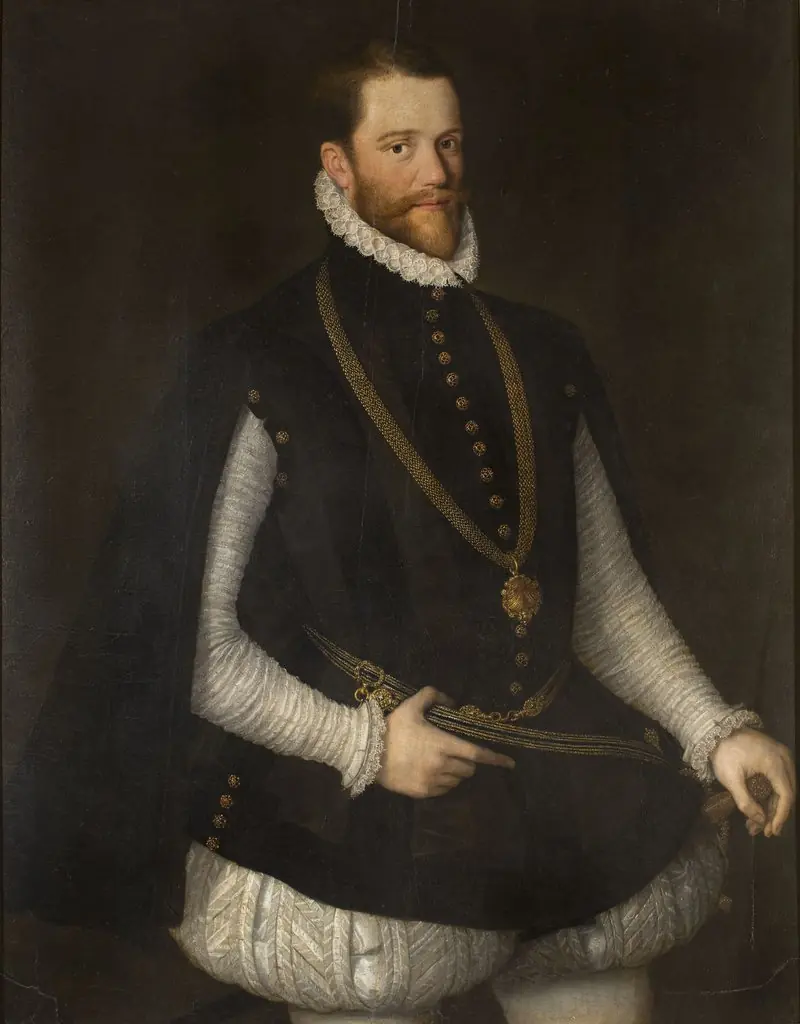 Portrait of a Gentleman of the order of Saint James
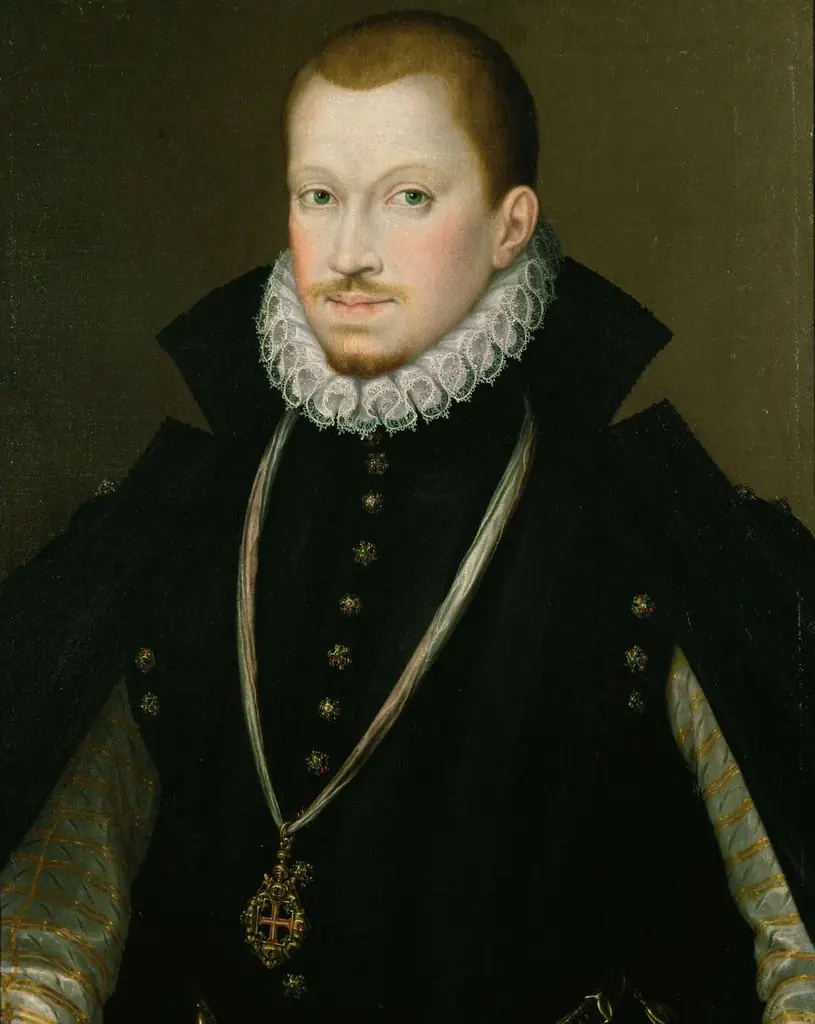 Don Sebastian (1554-nach 1578), König von Portugal, mit dem Kreuz des Christusordens, Halbfigur (beschnitten)
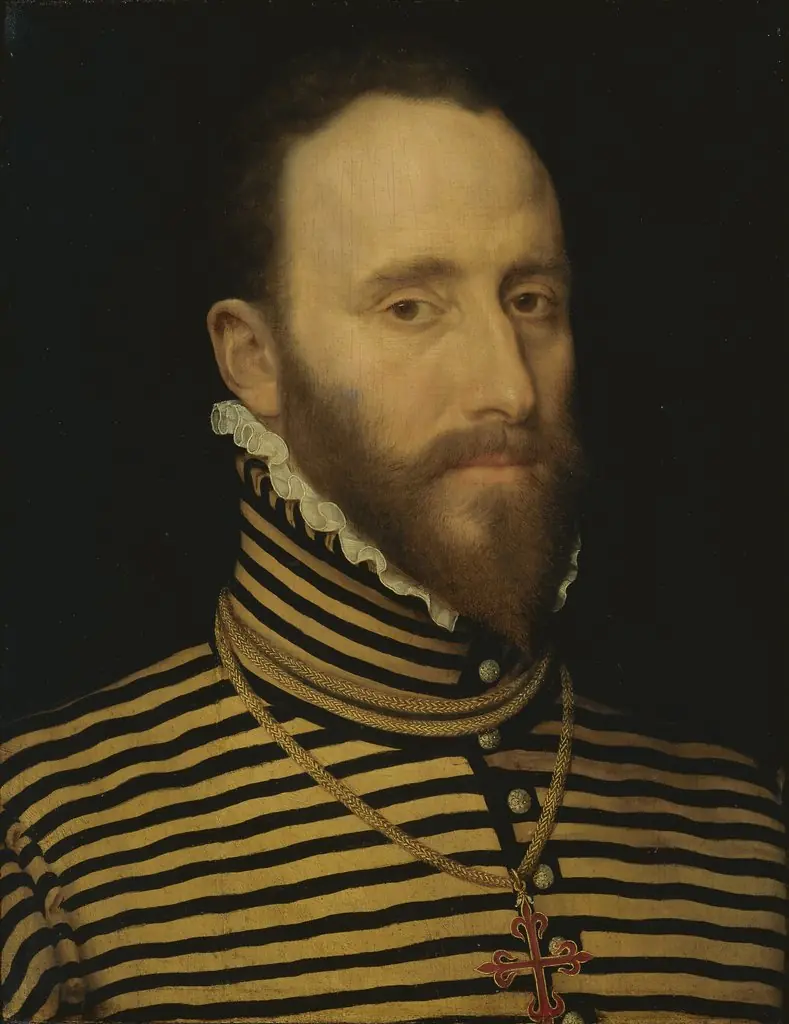 Portrait of a Knight of the Order of Calatrava, probably of the Sorias or Soreau Lineage (Sorel)
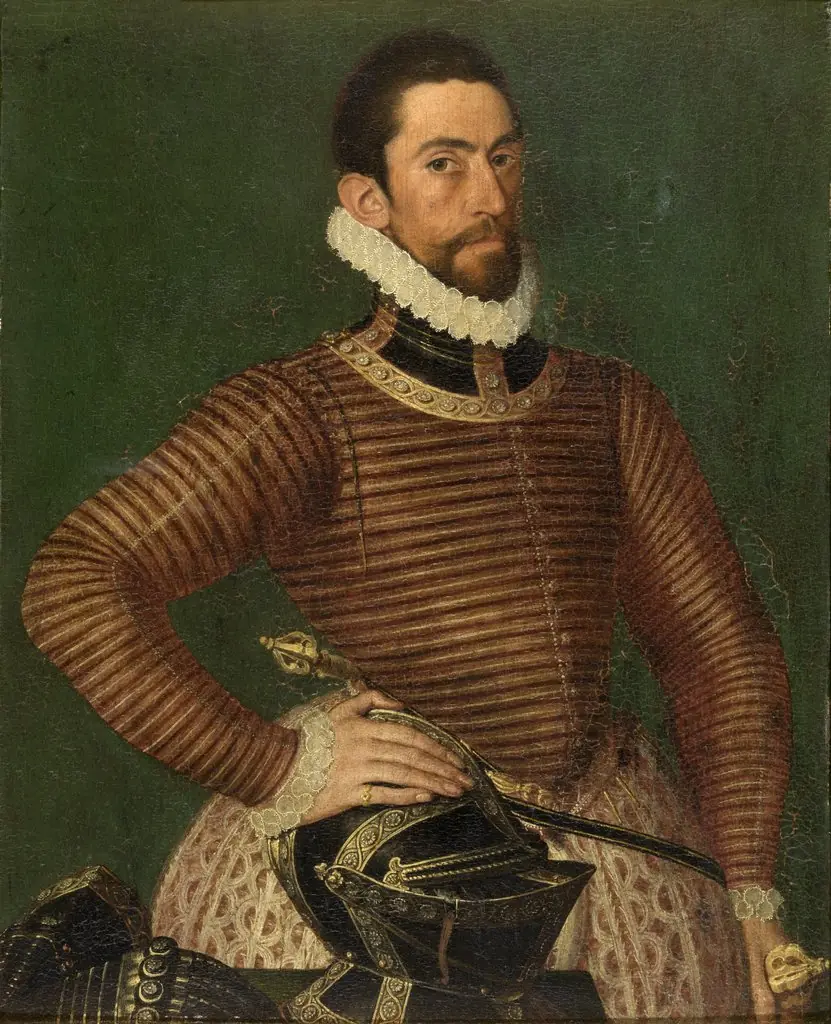 Gabriël Cambry
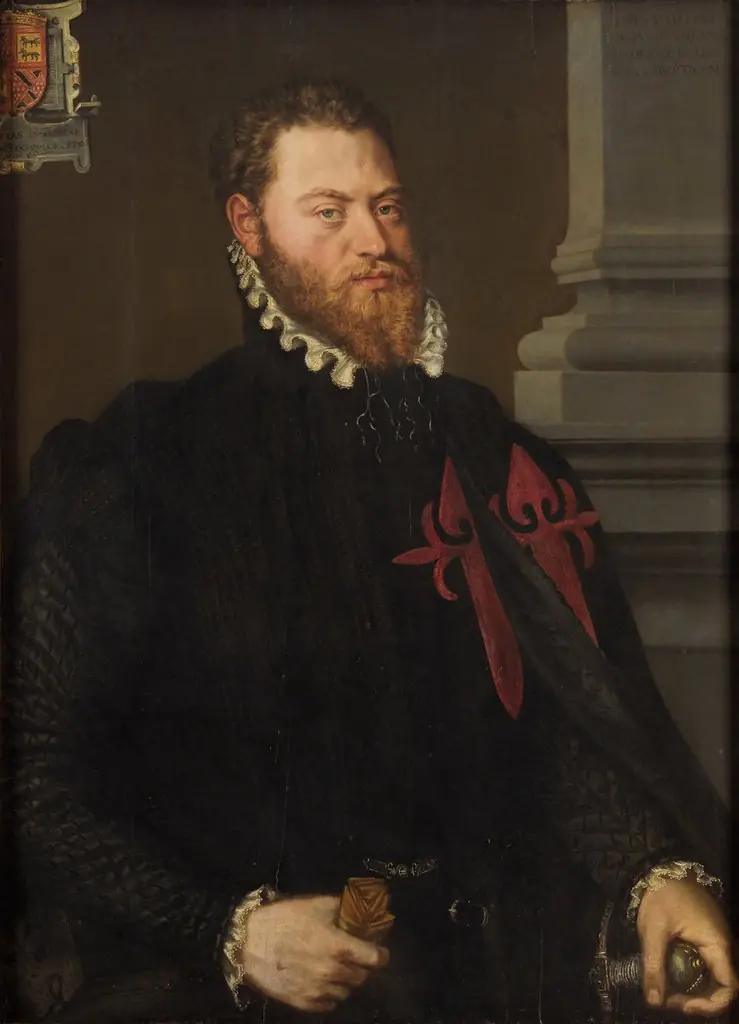 Don Inigo López de Mendoza y Zuniga
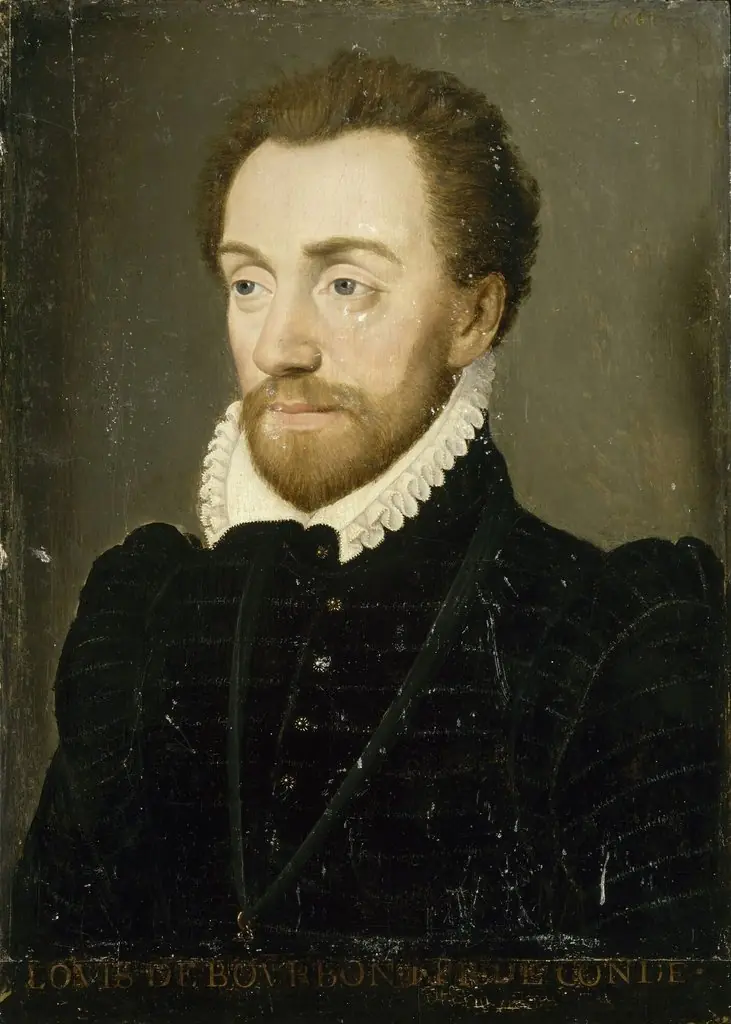 Louis Ier de Bourbon, prince de Condé (1530-1569)
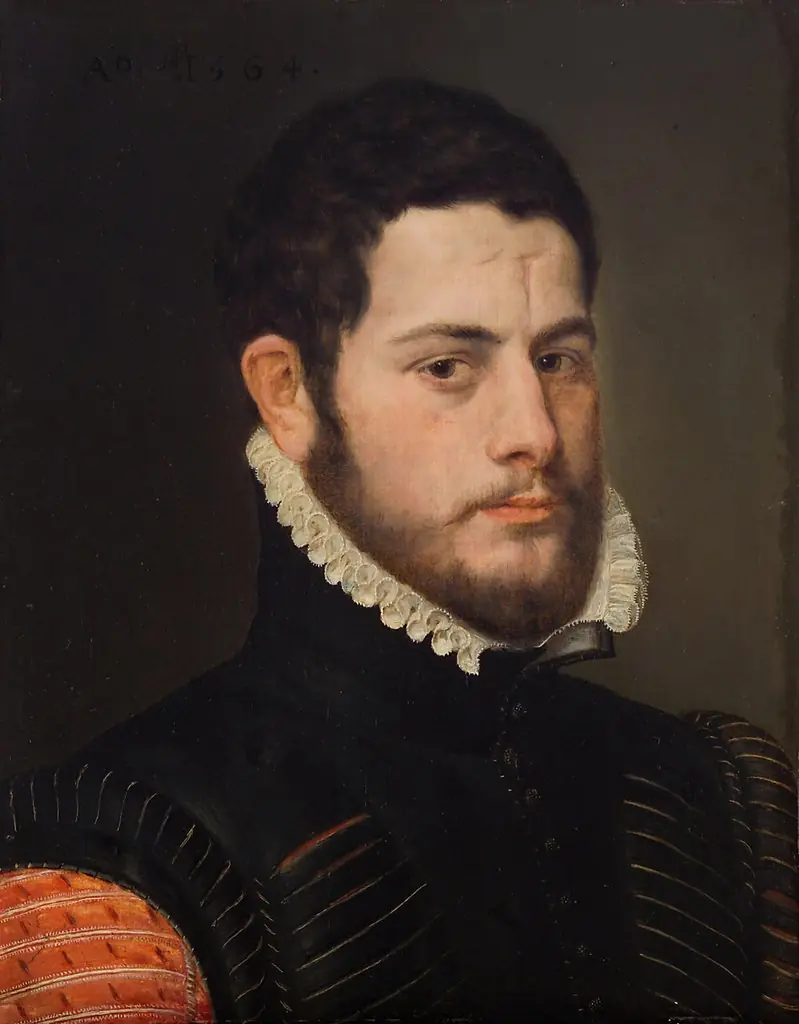 Portrait of a Man with Brow
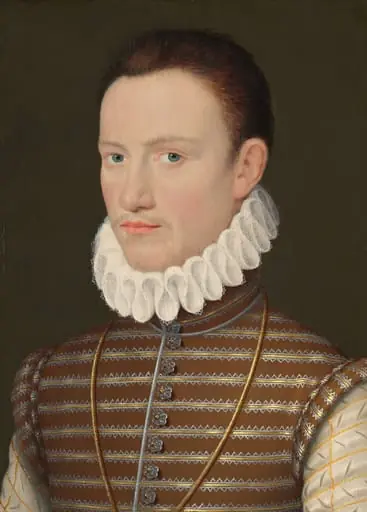 Portrait of a Nobleman
 Untitled