Artwork
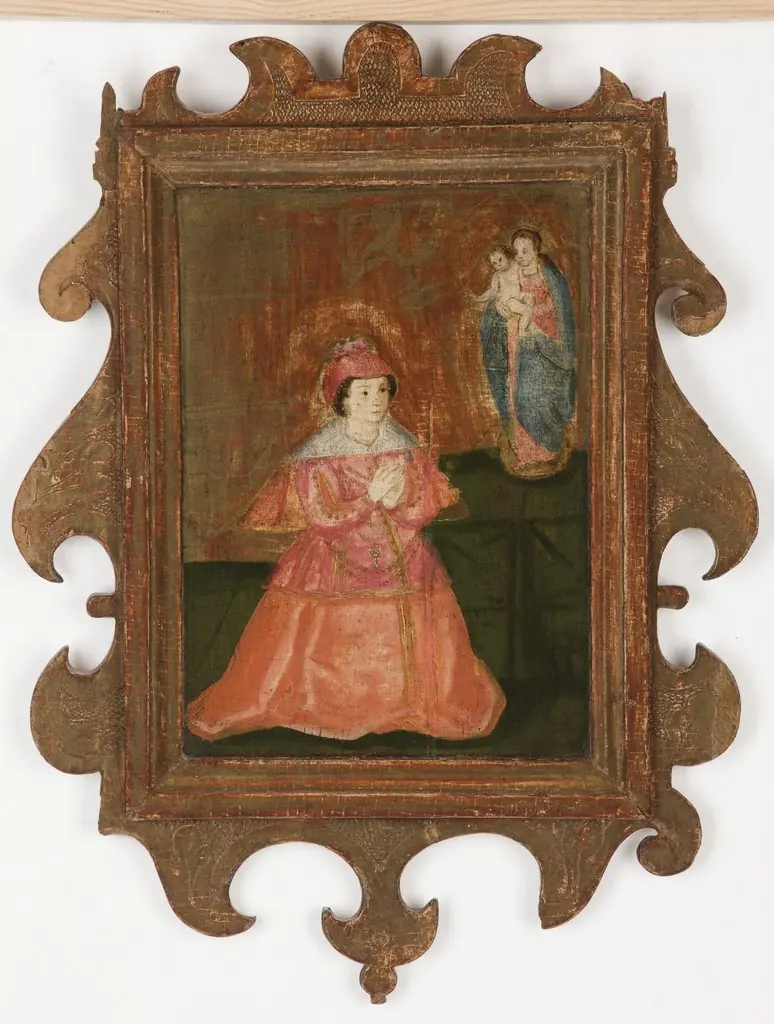
Epitaph of Katarzyna Jurgiewic, from the St Mary's Church in Krakow
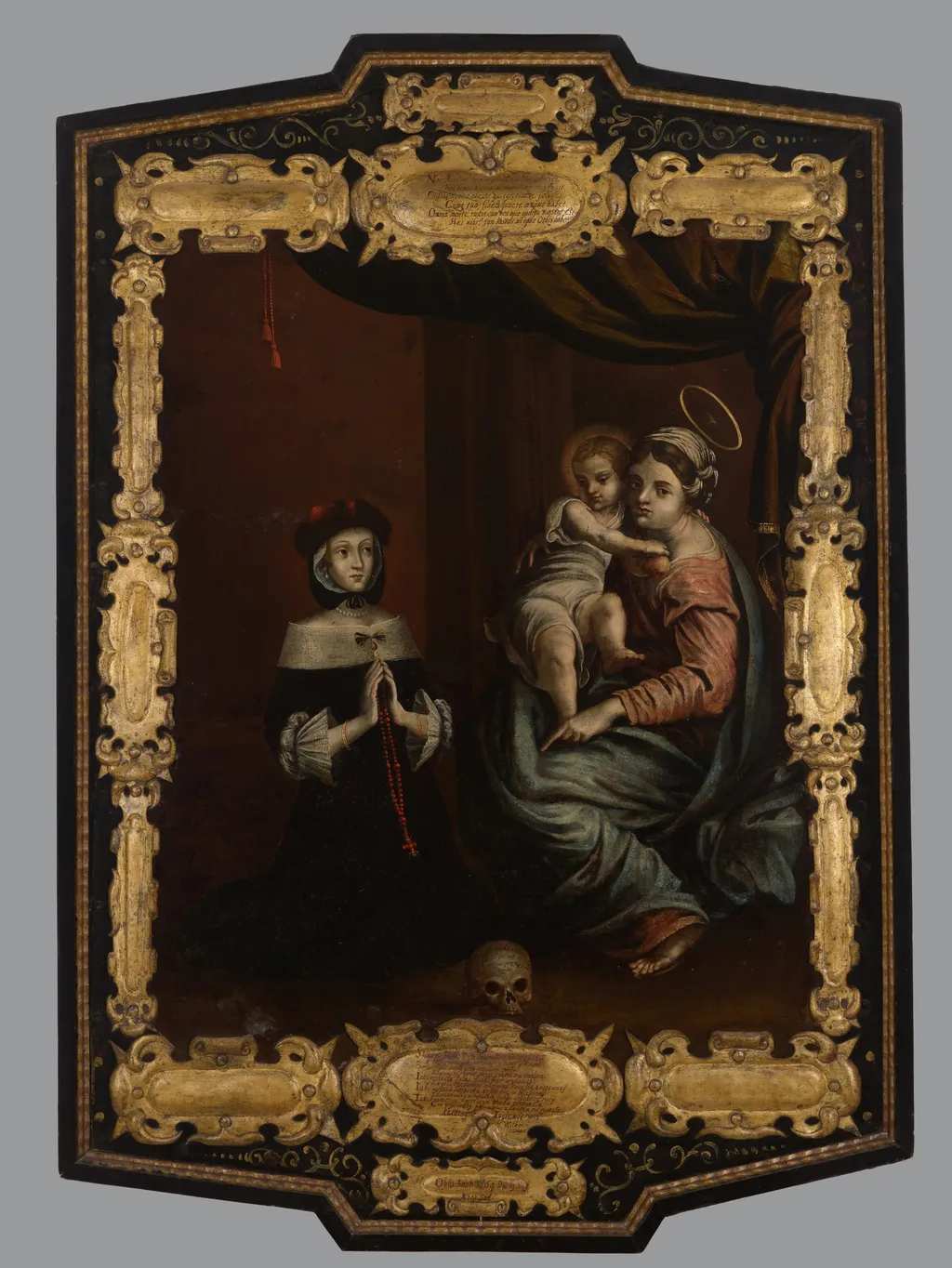
Epitaph of Katarzyna Jurgiewic, from the St Mary's Church in Krakow is an unspecified painting by Unknown. It dates from 1694 and is held in the collection of the National Museum in Kraków. This devotional painting originates from St.
About this work
Overview
The subdued palette and controlled lighting reflect the solemnity appropriate to its religious and commemorative purpose.
This devotional painting originates from St. Mary’s Church in Krakow and serves as an epitaph for Katarzyna Jurgiewicz. Executed in oil on panel, it presents a quiet, introspective scene centered on a kneeling woman in prayer. The composition is framed by an elaborate border, reinforcing its function as a memorial object. The subdued palette and controlled lighting reflect the solemnity appropriate to its religious and commemorative purpose.
Subject & Meaning
The central figure, Katarzyna Jurgiewicz, is shown in private devotion, her clasped hands and rosary signaling piety and preparation for the afterlife. To her right, a mother and child gaze outward, creating a subtle bridge between the spiritual and the earthly. Their presence may symbolize familial continuity or the intercession of the living for the deceased. The scene avoids narrative drama, emphasizing contemplation over spectacle.
Technique & Style
The artist employs chiaroscuro to model the figures with quiet intensity, guiding attention to the kneeling woman’s form and gestures. Dark, muted tones dominate the background, enhancing the sense of reverence. The textures of fabric and the delicate rendering of the rosary beads suggest attention to material detail. The ornate frame, though external to the panel, is integral to the work’s ceremonial presence.
History & Provenance
Commissioned for Katarzyna Jurgiewicz’s burial chapel in St. Mary’s Church, the painting functioned as both memorial and devotional aid. It remained in situ for centuries, associated with her family’s legacy in Krakow. Its survival through periods of political and religious upheaval reflects its enduring local significance. The work was documented in church inventories by the 17th century.
Context
Created during the late Renaissance or early Baroque period in Poland, the painting aligns with Counter-Reformation ideals that emphasized personal piety and the veneration of the dead. Similar epitaph portraits were common in Polish churches, blending local traditions with broader European devotional practices. The inclusion of a child in the scene reflects the cultural importance of family and lineage in religious commemoration.
Legacy
The painting remains a rare surviving example of a private devotional epitaph from early modern Poland. It contributes to the understanding of how religious identity and familial memory were visually expressed in urban ecclesiastical settings. Though not widely known outside regional art history, it continues to be studied for its quiet emotional resonance and technical restraint.
Artist & collection

 Domestic Scene
 Giacomo and Cardinal Marco, investing Andrea, Abbot of San Zeno, with his Benefice
 The Nymph of Fontainebleau
 Portrait of a Woman
 Madonna and Child with Saints in the Enclosed Garden
 Venus and Minerva
 Family Group of Four on Sofa
 Wall painting from Room H of the Villa of P. Fannius Synistor at Boscoreale
 Madonna
 The Soul of the Virgin Mary
 Madonna and Child Framed a Garland of Flowers
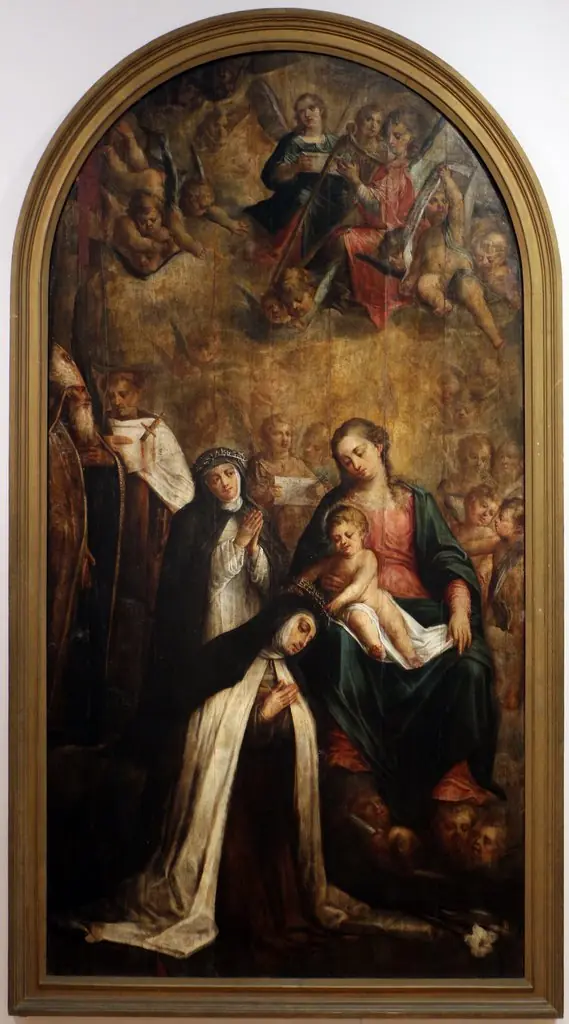 Saint Mary Magdalene of Pazzi crowned with thorns
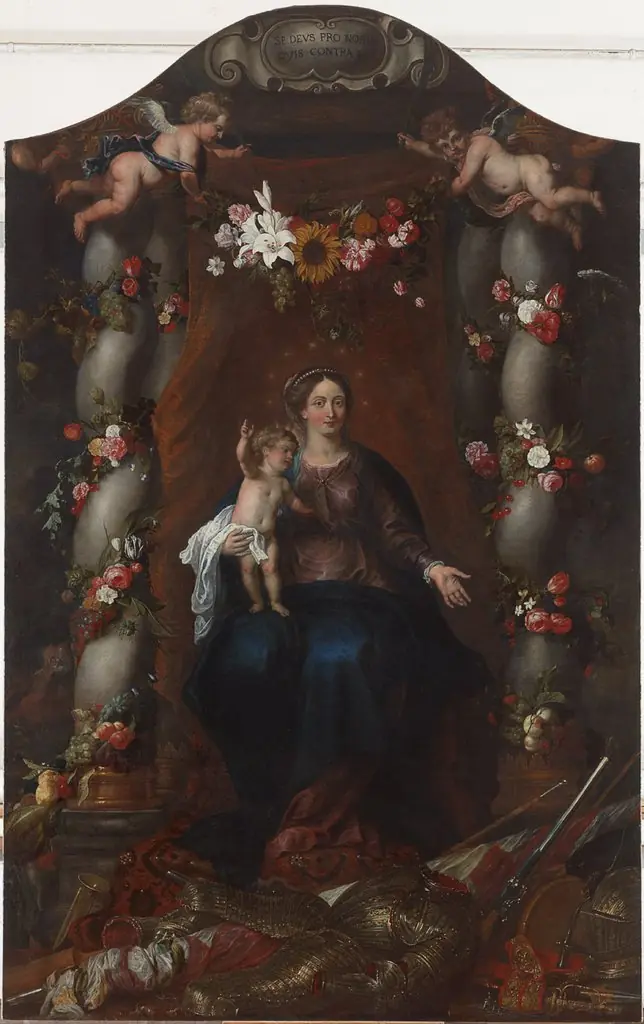 Madonna and Child Enthroned in a Fruit & Flower Garland
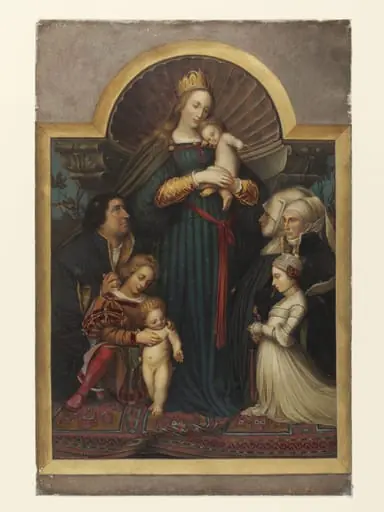 Copy after the painting Virgin and Child and Meyer Family by Hans Holbein in Darmstadt
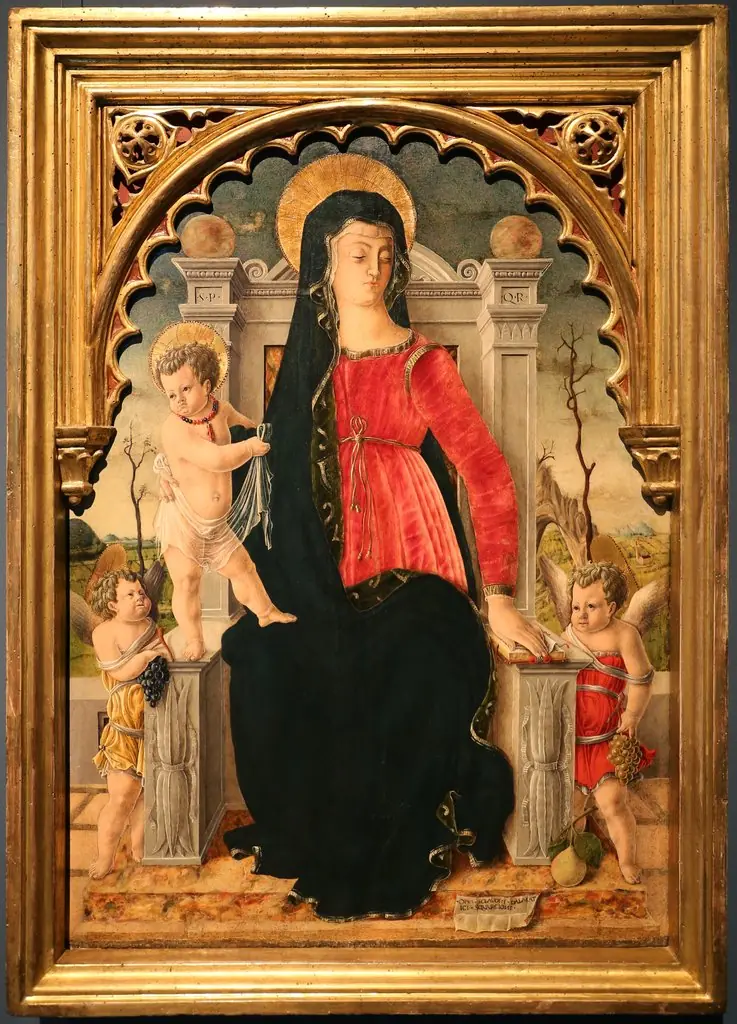 Virgin and Child enthroned with Angels
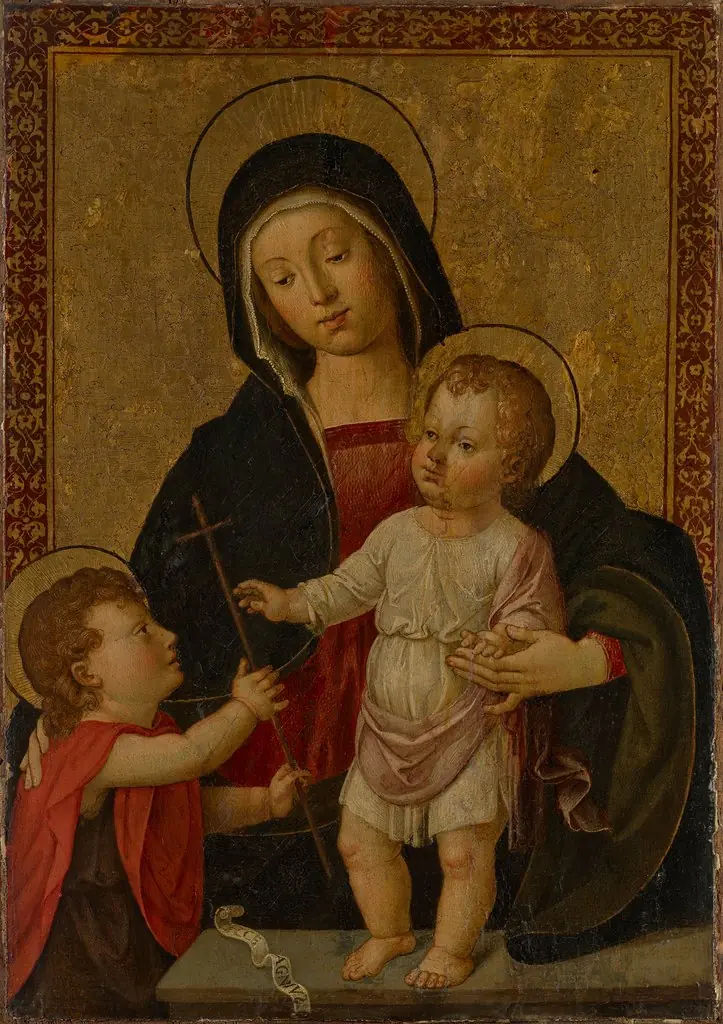 The Virgin and Child with the Young St. John
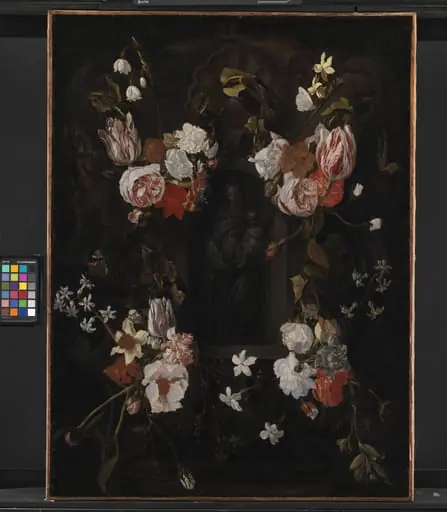 A Stone Cartouche with Virgin Mary and the Infant Christ in a Niche encircled by a Garland of Flowers
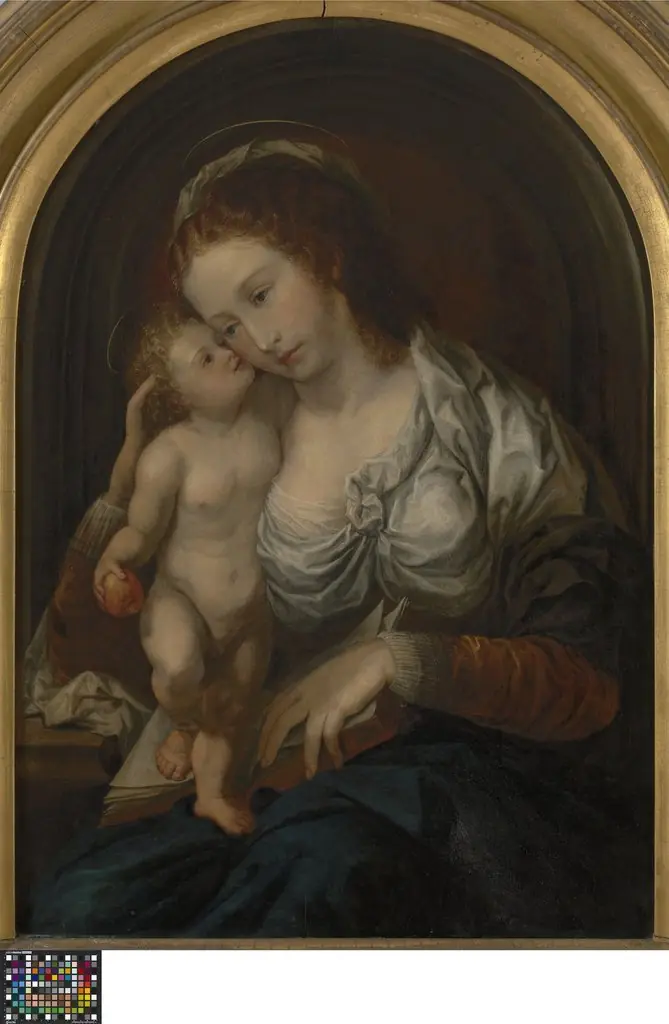 Madonna
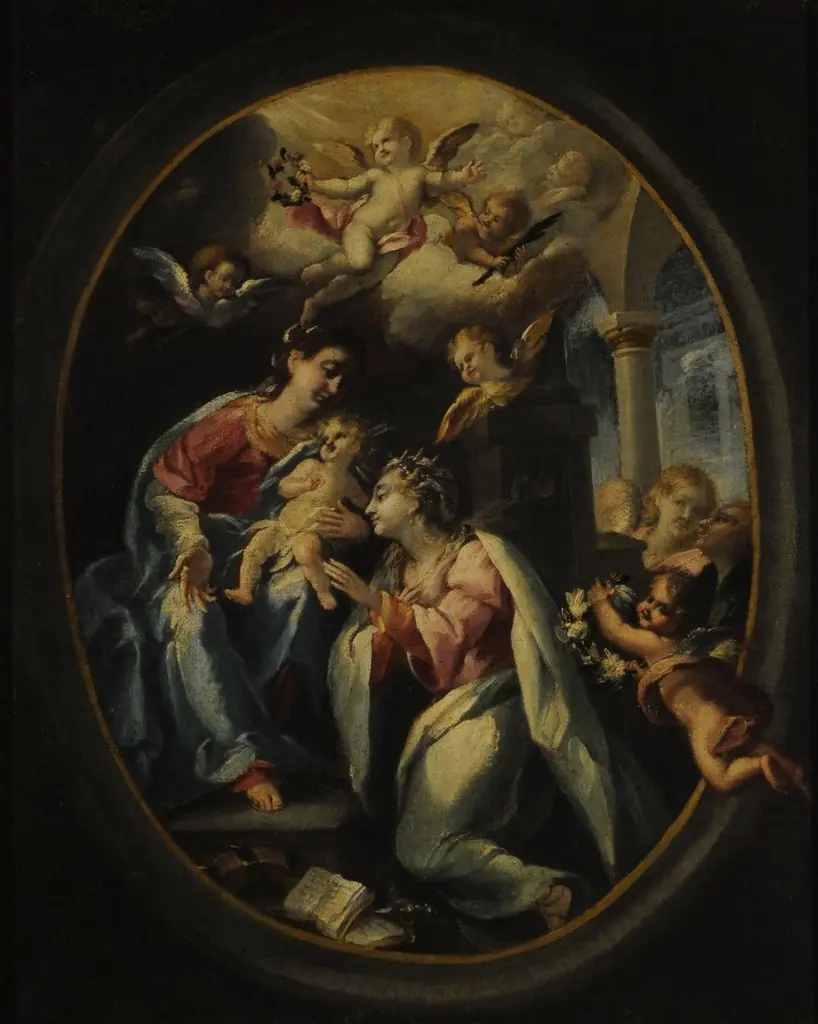 Mystical weddings of Santa Catalina
 Epitafium Agnieszki Błoniowskiej, z kościoła Mariackiego w Krakowie