Artwork
Painting of Lady Tjepu
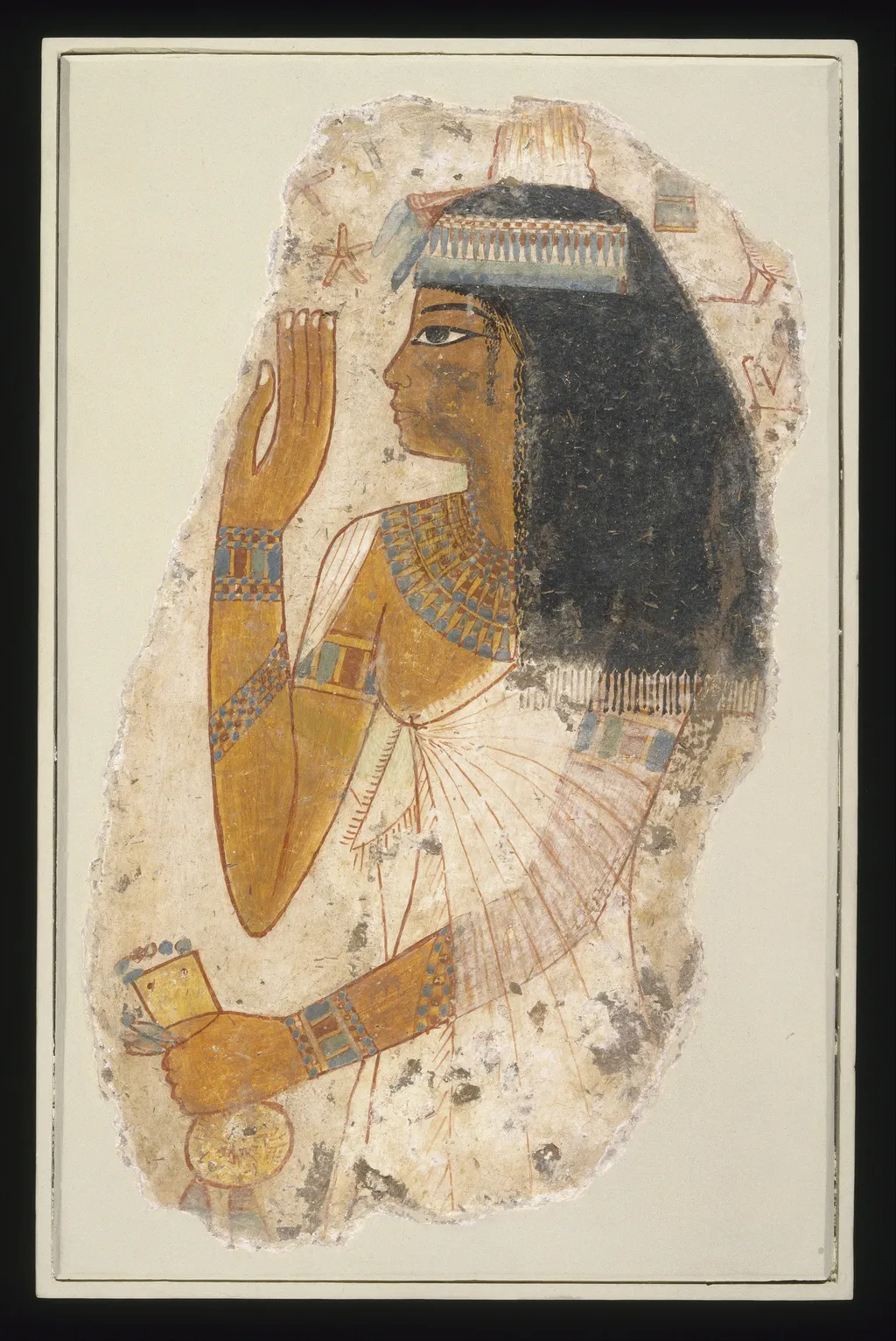
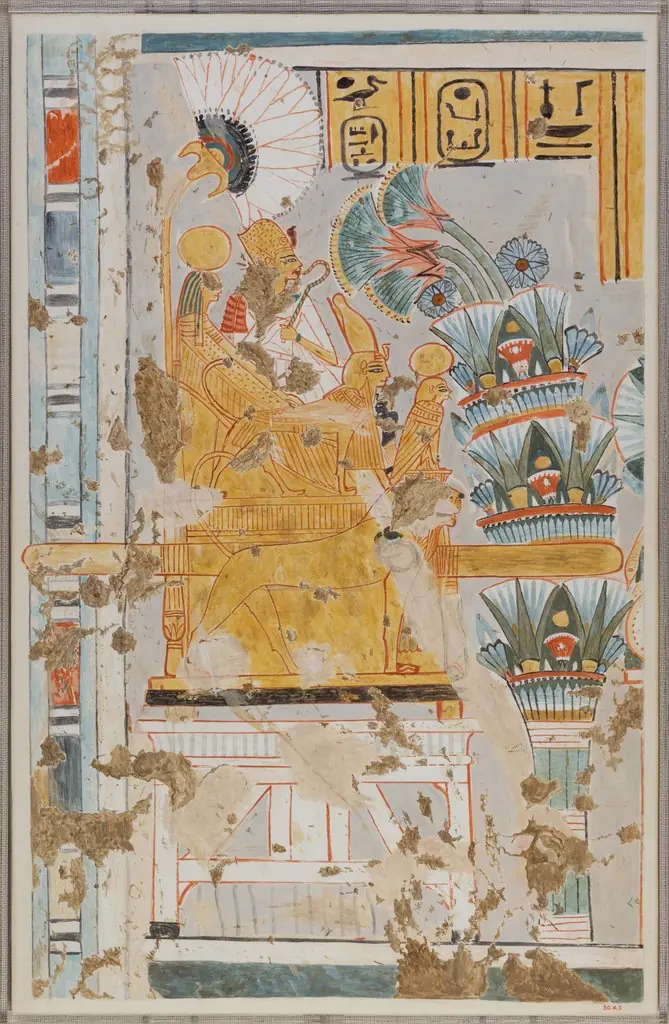
Painting of Lady Tjepu is an unspecified painting by the Byzantine icon painting artist Unknown. It dates from 1396 and is held in the collection of the Brooklyn Museum. The fragment originates from a large fresco that once adorned Tomb 181 in Thebes, dating to the reign of Amenhotep III in the 18th Dynasty.
About this work
Overview
The fragment originates from a large fresco that once adorned Tomb 181 in Thebes, dating to the reign of Amenhotep III in the 18th Dynasty. Executed on limestone, the surviving piece portrays a woman in an elaborate dress, her pose and accessories indicating high status within the late‑New Kingdom elite.
Subject & Meaning
She holds a menat—a ritual necklace associated with the cult of Amun—while her right arm is raised and her left rests at hip height.
The figure is identified as Lady Tjepu, titled “Lady of the House,” whose name appears in an inscription behind her head. She holds a menat—a ritual necklace associated with the cult of Amun—while her right arm is raised and her left rests at hip height. The depiction follows the idealised youthful convention typical of elite funerary art, emphasizing her role in offering rites for the Beautiful Festival of the Valley.
Technique & Style
Painted on a limestone substrate, the scene employs a translucent white garment that allows the underlying form to show through, a characteristic of high‑status portraiture. The wig is finely rendered, topped with a floral crown, and a small head cone of grease signals aristocratic rank. The work shows signs of pigment loss, exposing the stone beneath, yet retains enough detail to convey the intricate jewelry and patterned shoulder straps.
History & Provenance
The original composition placed Tjepu behind her son Nebamun, a tomb owner who shared the burial space with the sculptor Ipuki. This arrangement is atypical, as wives usually occupy that position; the deviation likely reflects Nebamun’s marriage to Ipuki’s widow and the resulting familial connections. The fresco fragment was recovered from the tomb’s wall and entered the museum collection during early 20th‑century excavations.
Context
Tomb 181 belongs to a period when elite families emphasized their devotion to Amun through elaborate offering scenes. The presence of the menat and the shrine in the background aligns with the ritual practices of the Beautiful Festival of the Valley, a ceremony that celebrated the renewal of the god’s power and the deceased’s participation in divine rites.
Artist & collection

 Domestic Scene
 Giacomo and Cardinal Marco, investing Andrea, Abbot of San Zeno, with his Benefice
 The Nymph of Fontainebleau
 Portrait of a Woman
 Madonna and Child with Saints in the Enclosed Garden
 Venus and Minerva
 Family Group of Four on Sofa
 Wall painting from Room H of the Villa of P. Fannius Synistor at Boscoreale
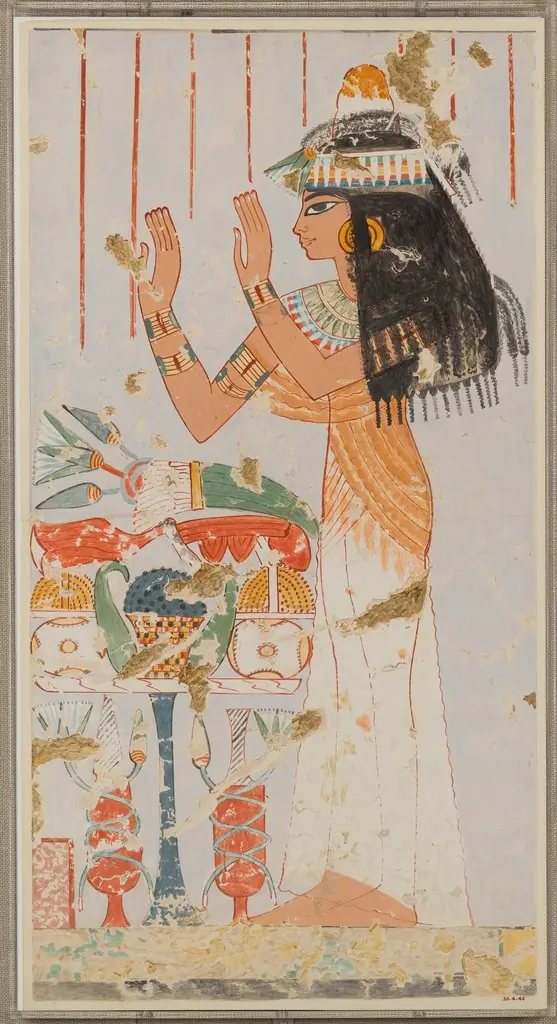 Menna's Daughter Offering to her Parents, Tomb of Menna
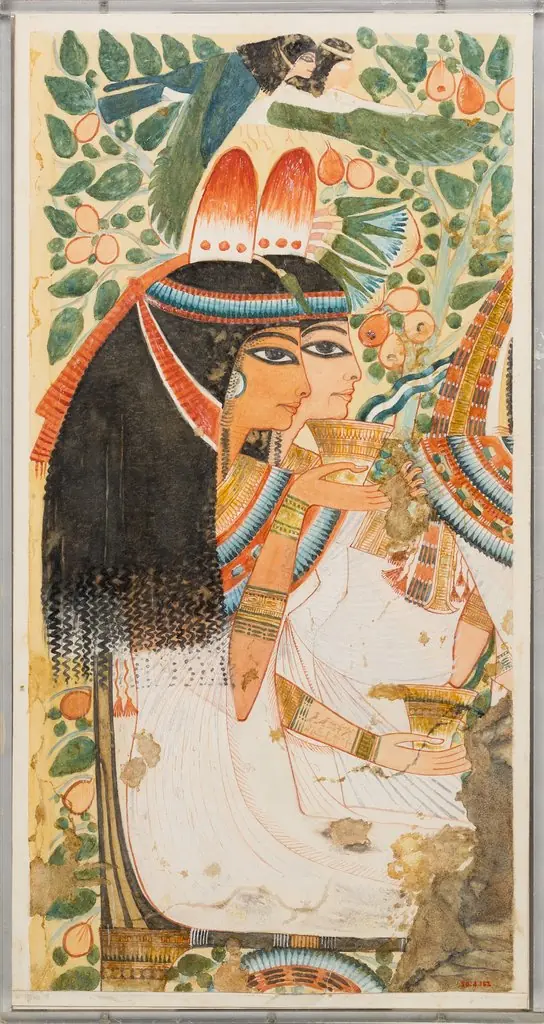 The Mother and Wife of Userhat, Tomb of Userhat
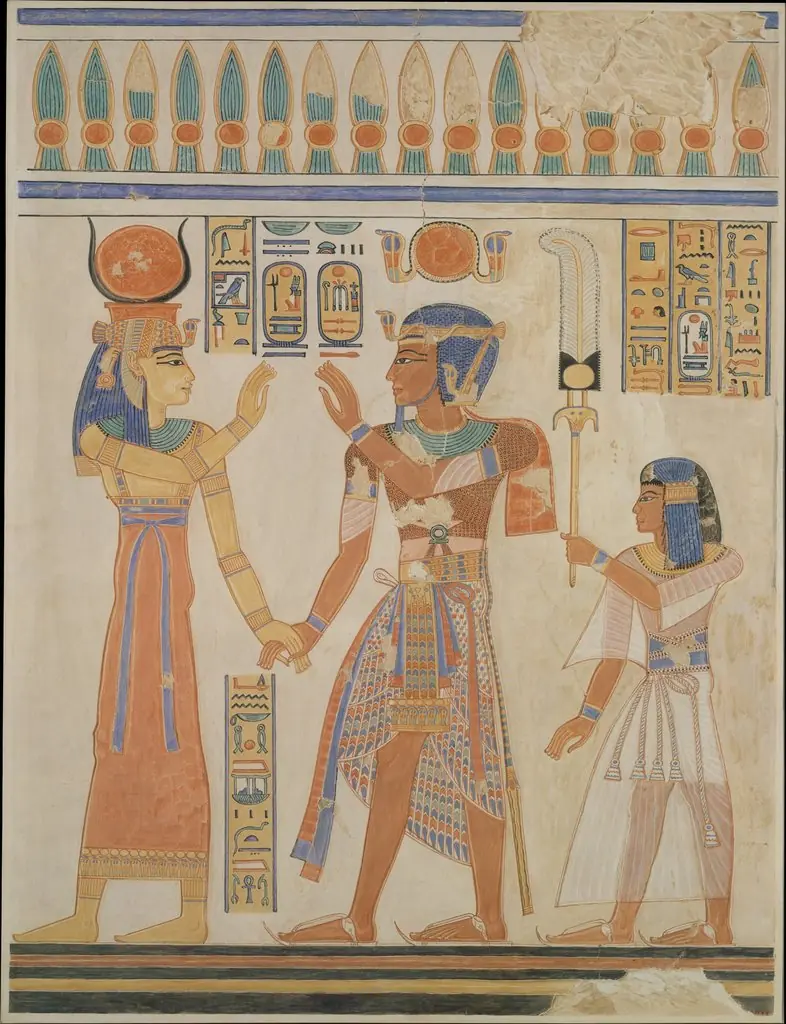 Ramesses III and Prince Amenherkhepeshef before Hathor
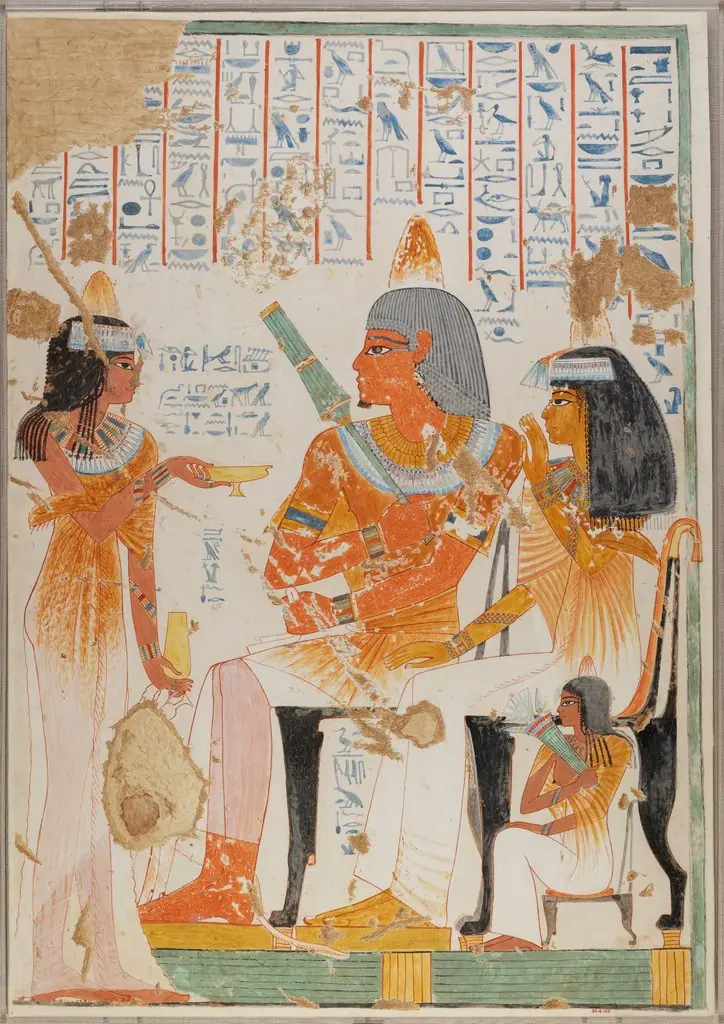 Nebamun Receiving Wine
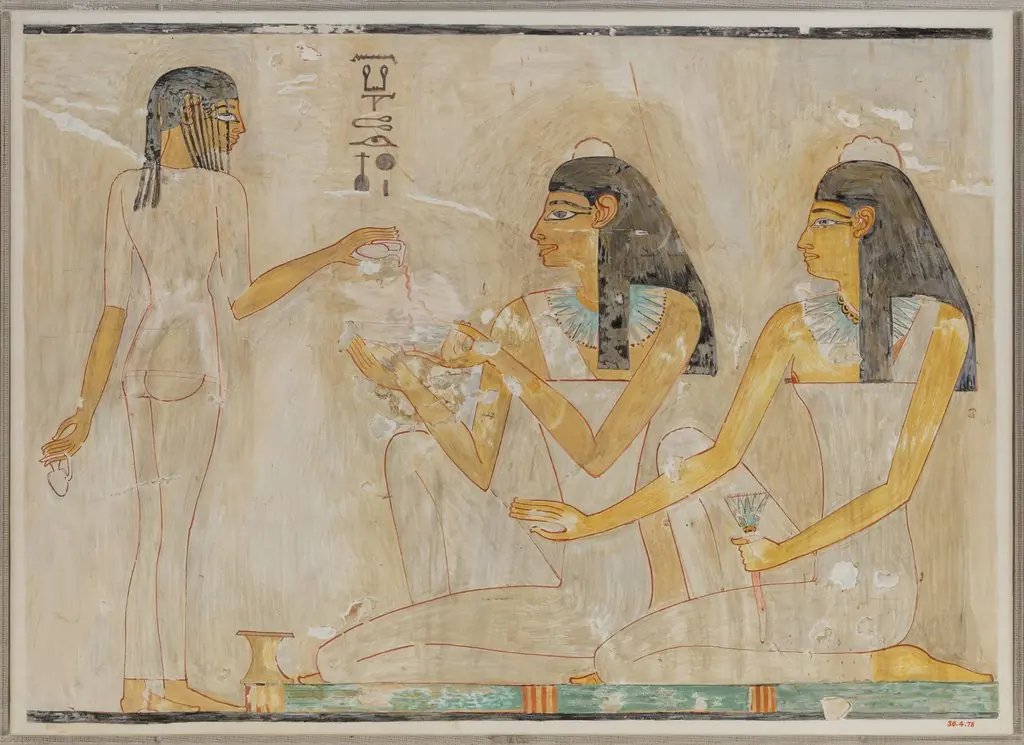 Women at a Banquet
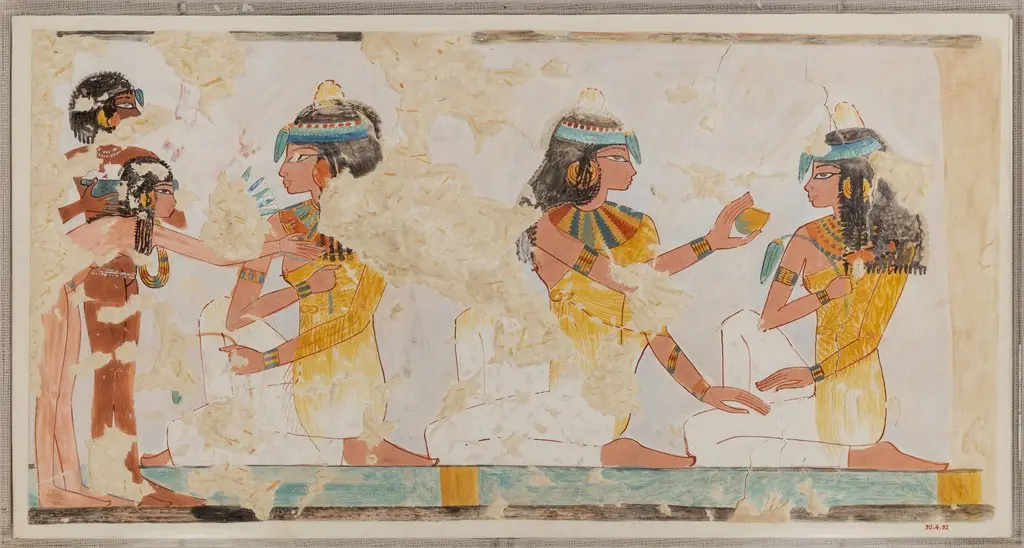 Women at a Banquet
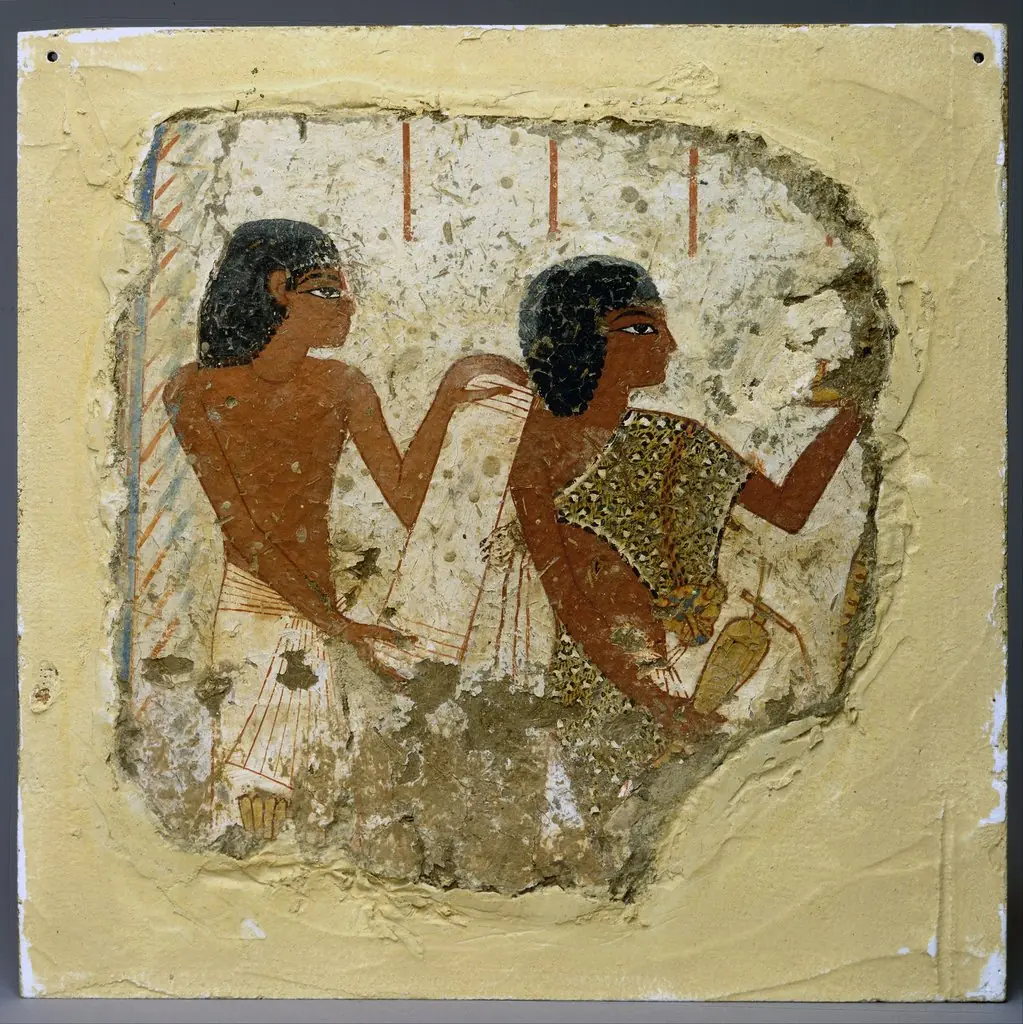 Tomb painting depicting two priests, one holding a papyrus roll and the other a vase for libations (...
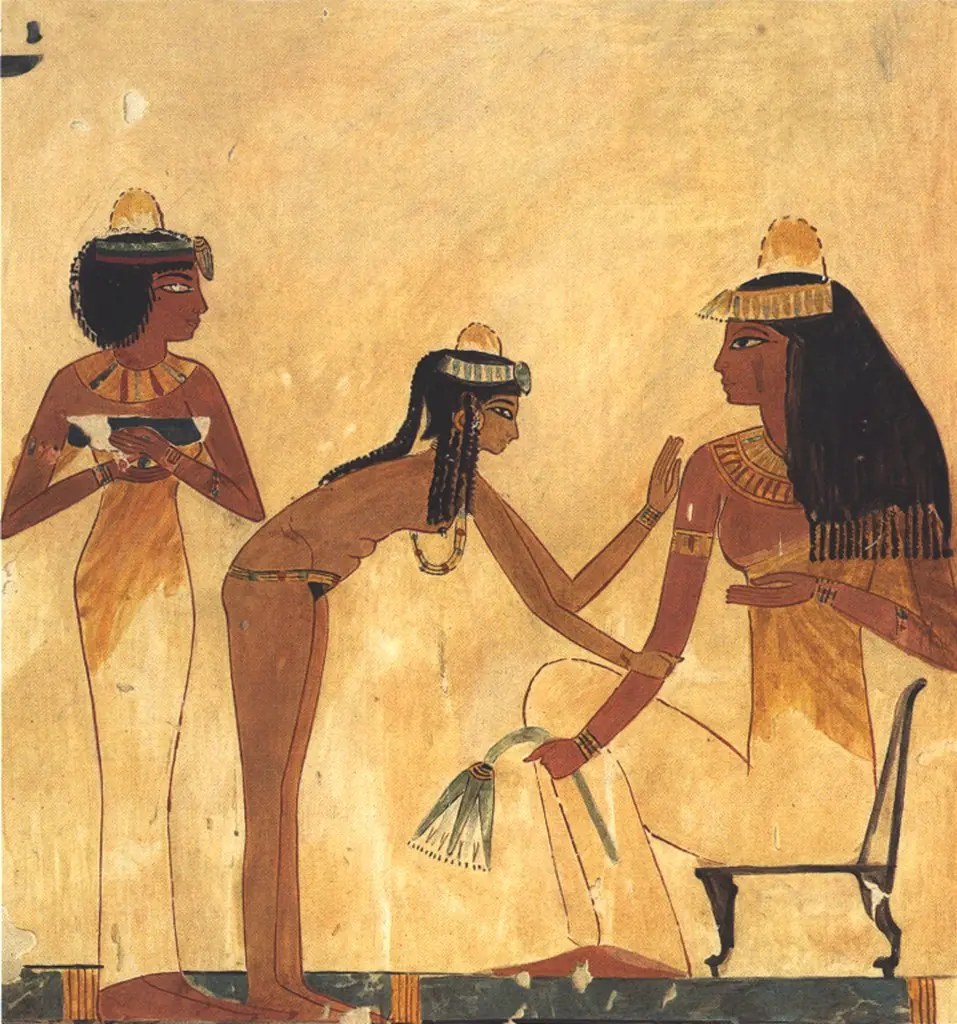 Seated woman with Two Female Servants
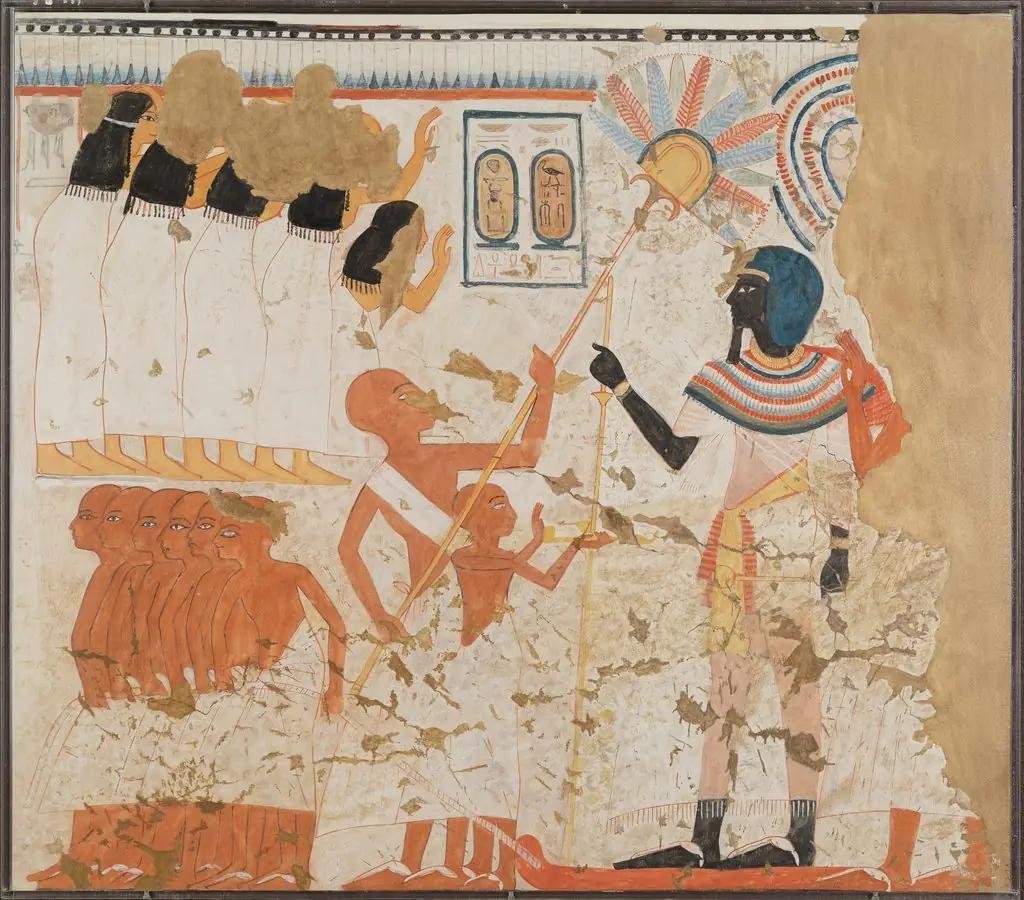 Dragging a Statue of Thutmose I
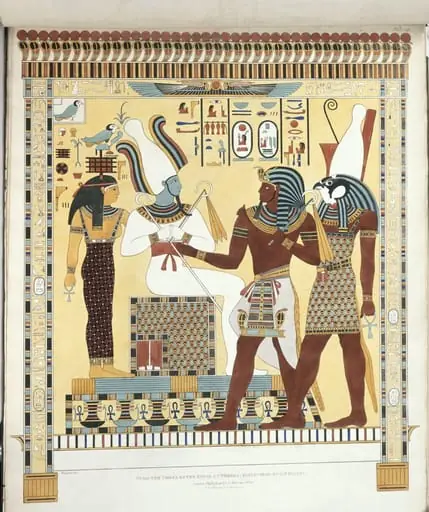 Plates Illustrative Of The Researches And Operations Of G. Belzoni In Egypt And Nubia
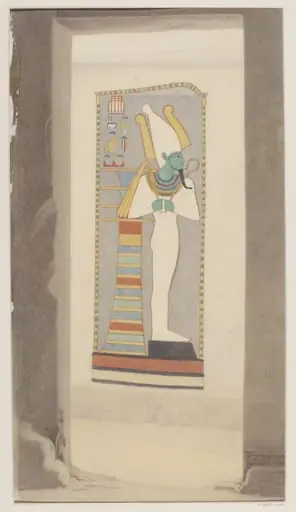 Osiris carrying a flail and crook
 Statue of Deified Amenhotep I