Artwork
Dragging a Statue of Thutmose I
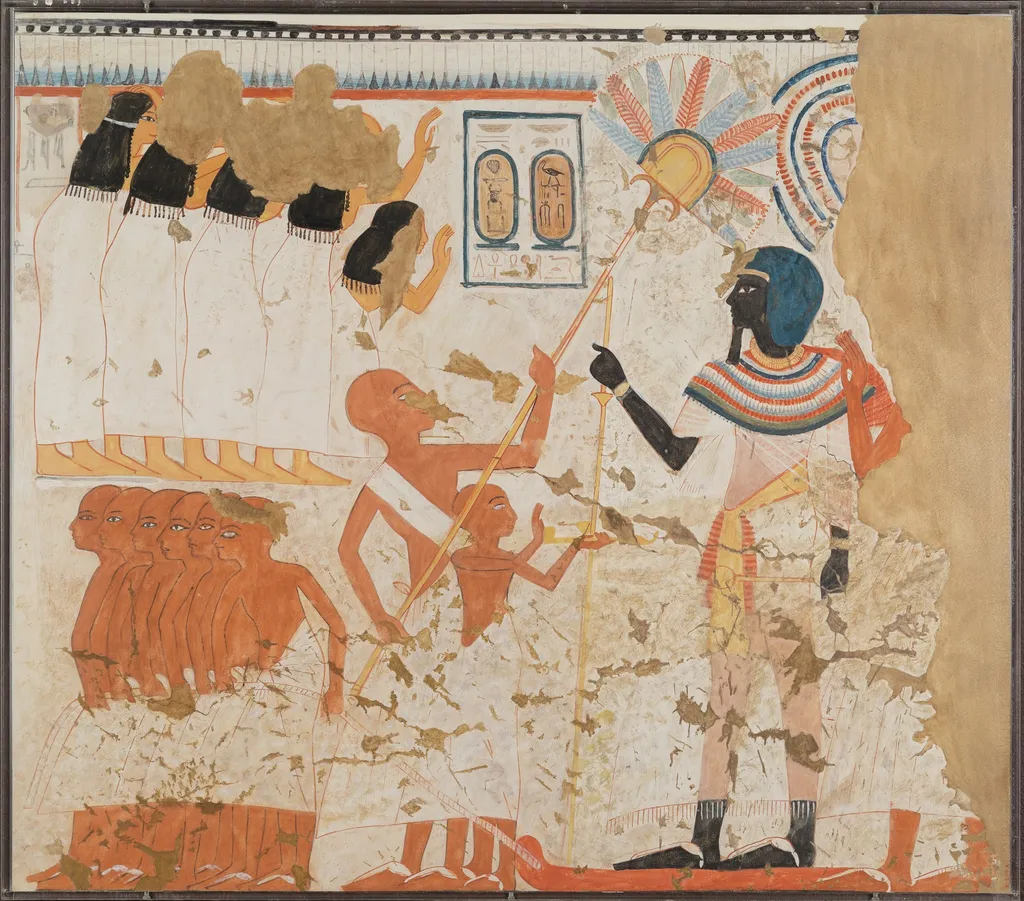
Dragging a Statue of Thutmose I is an unspecified painting by Norman de Garis Davies. It is held in the collection of the Metropolitan Museum of Art.
About this work
Overview
The work titled “Dragging a Statue of Thutmose I” is a painted representation that captures a group of ancient Egyptian laborers engaged in moving a massive stone statue. The composition centers on the collective effort, showing figures pulling ropes and pushing the monument, while the statue itself remains only partially visible, emphasizing the scale of the task.
Subject & Meaning
The scene illustrates a ceremonial or practical relocation of a royal statue, likely associated with the reign of Thutmose I. By focusing on the coordinated labor of the workers, the painting highlights the communal responsibilities and organized workforce that underpinned monumental projects in ancient Egypt, reflecting societal values of duty and reverence for the king.
Technique & Style
Executed with bold outlines and vivid coloration, the painting adopts visual conventions reminiscent of traditional Egyptian art, such as flattened perspective and stylized figures. Detailed rendering of the workers’ attire includes hieroglyphic motifs, and the stone statue bears similar decorative inscriptions, reinforcing the authenticity of the historical visual language.
Context
The piece aligns with the scholarly tradition of documenting Egyptian antiquities, a practice exemplified by artists like Norman de Garis Davies, who recorded tomb scenes and monuments with comparable fidelity. Though the painting itself is a modern creation, it draws upon the aesthetic and methodological approaches of early 20th‑century Egyptologists.
Artist & collection
Artist
Norman de Garis Davies painted delicate scenes straight from ancient Egyptian tomb walls.

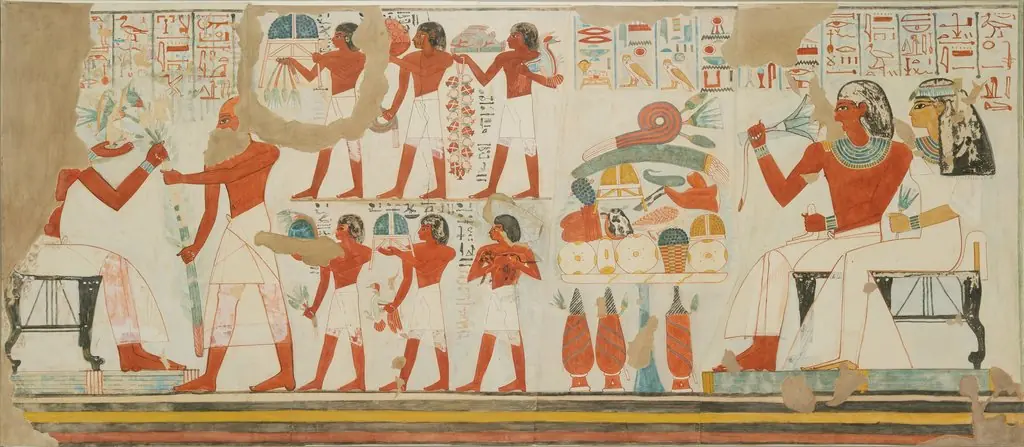 Offerings Made to the Deceased and his Wife, Tomb of Djehutyemheb
 Plates Illustrative Of The Researches And Operations Of G. Belzoni In Egypt And Nubia
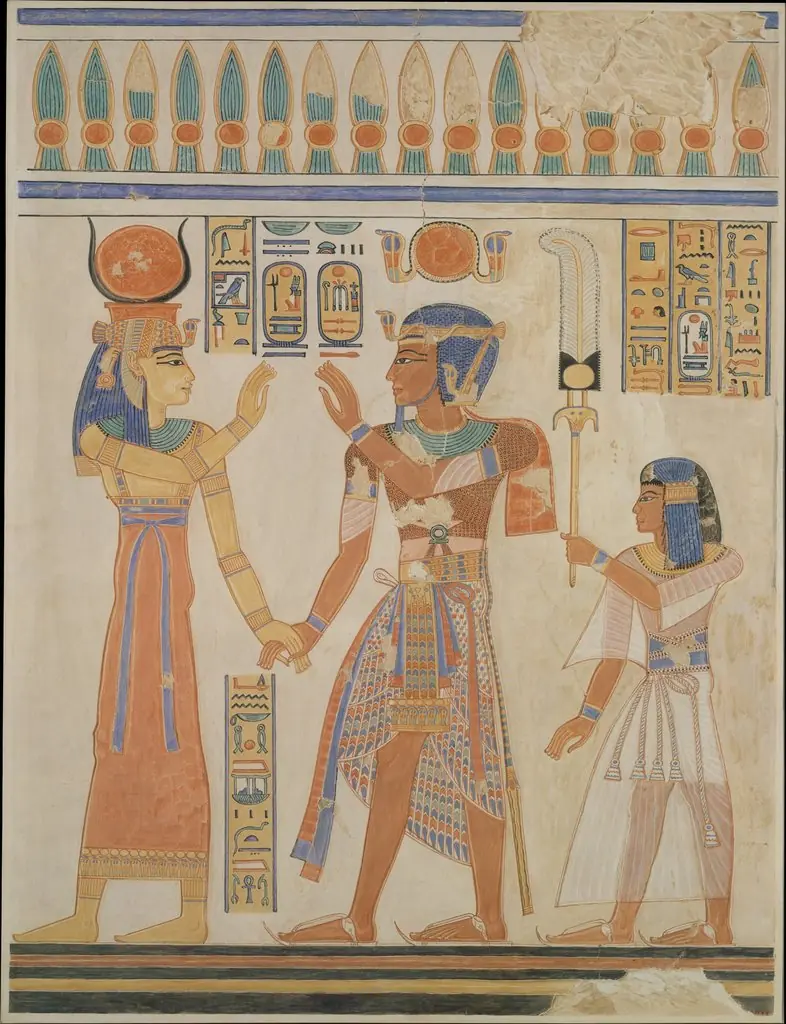 Ramesses III and Prince Amenherkhepeshef before Hathor
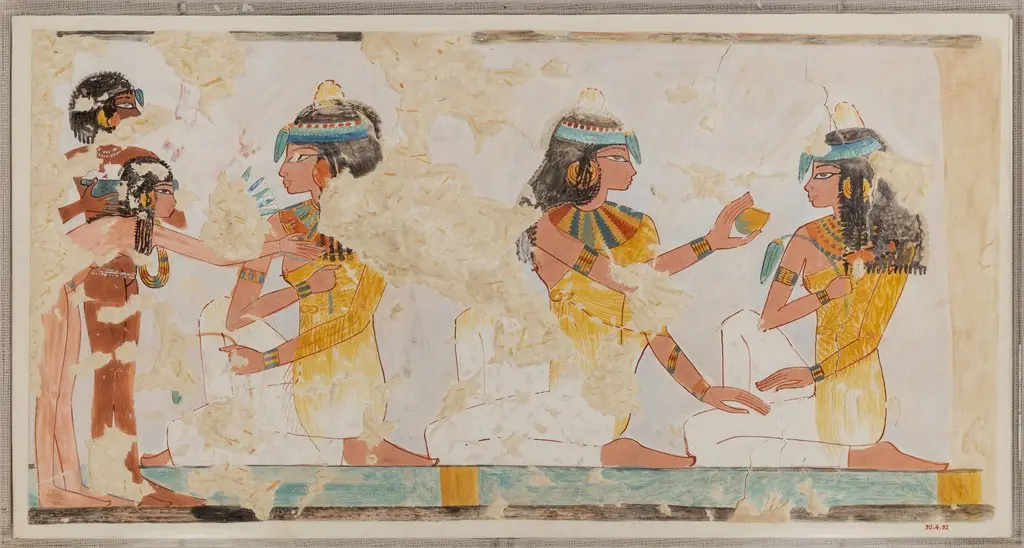 Women at a Banquet
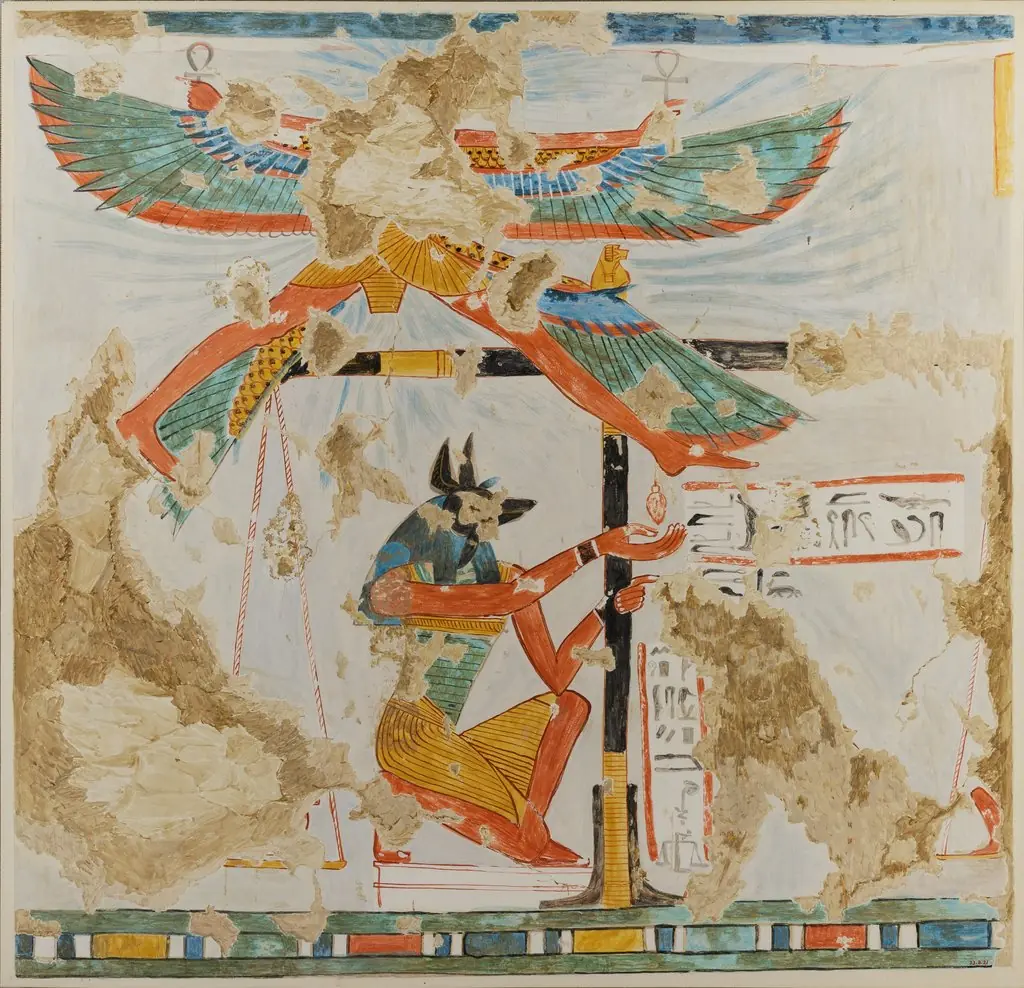 Anubis Weighing the Heart, Tomb of Nakhtamun
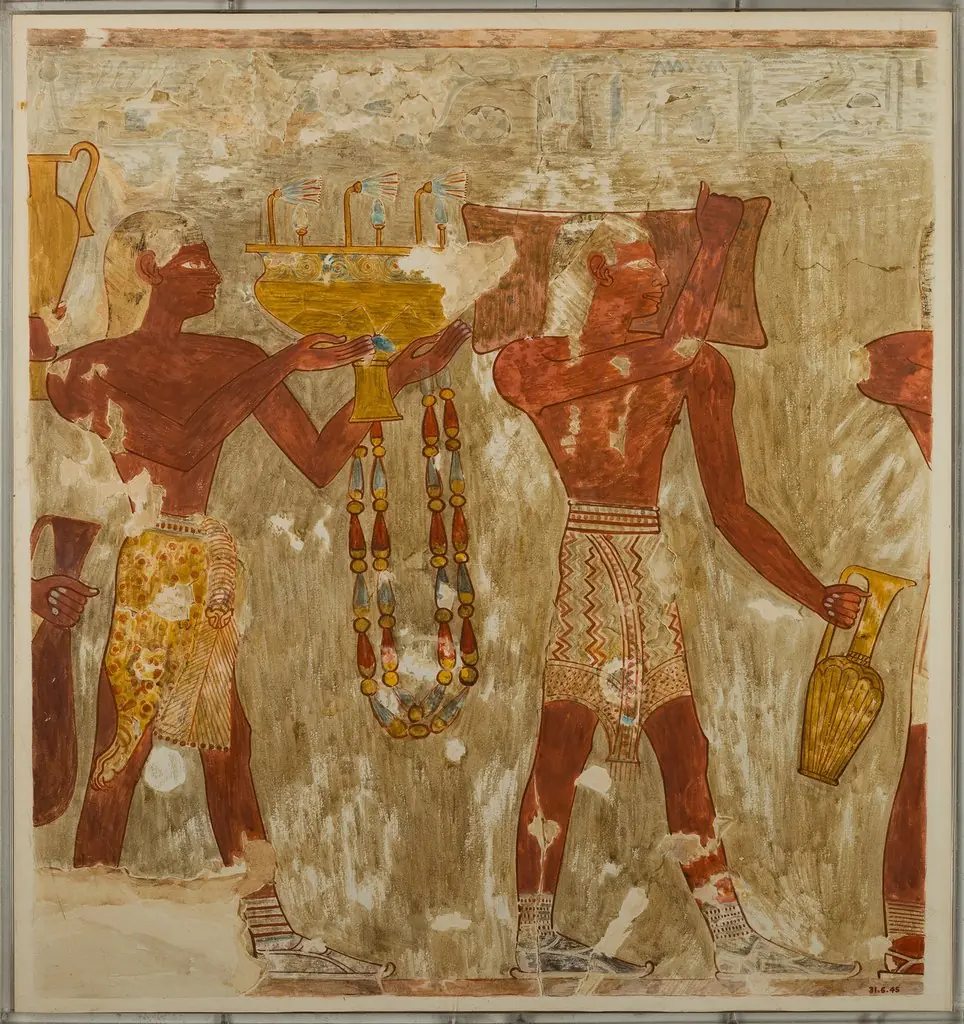 Cretans Bringing Gifts of Metal and Jewelry, Tomb of Rekhmire
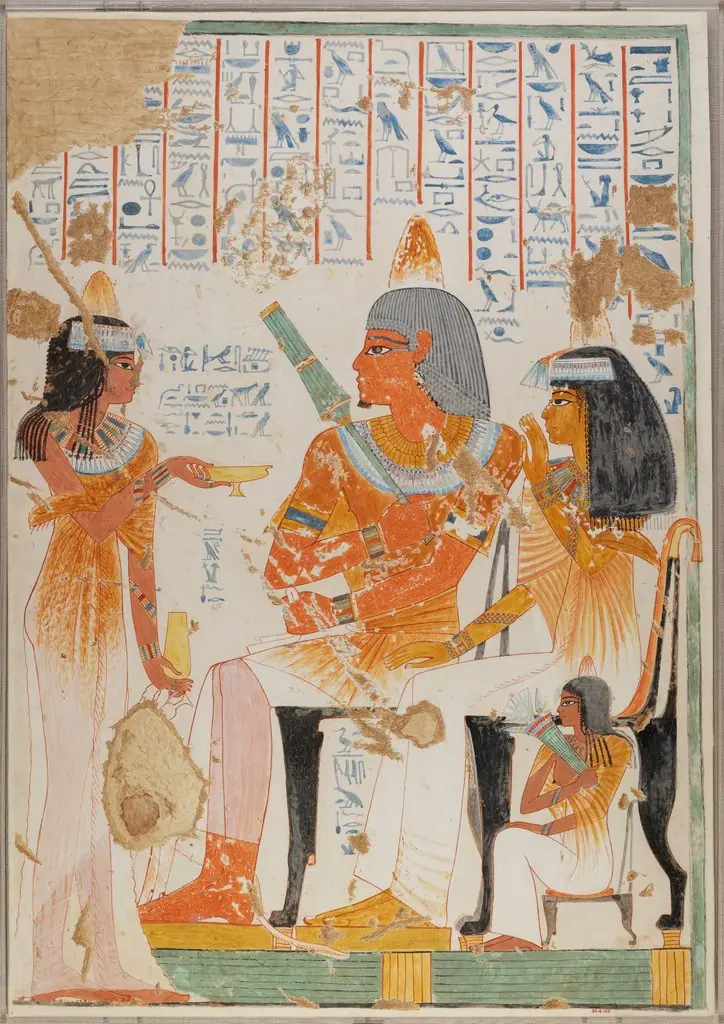 Nebamun Receiving Wine
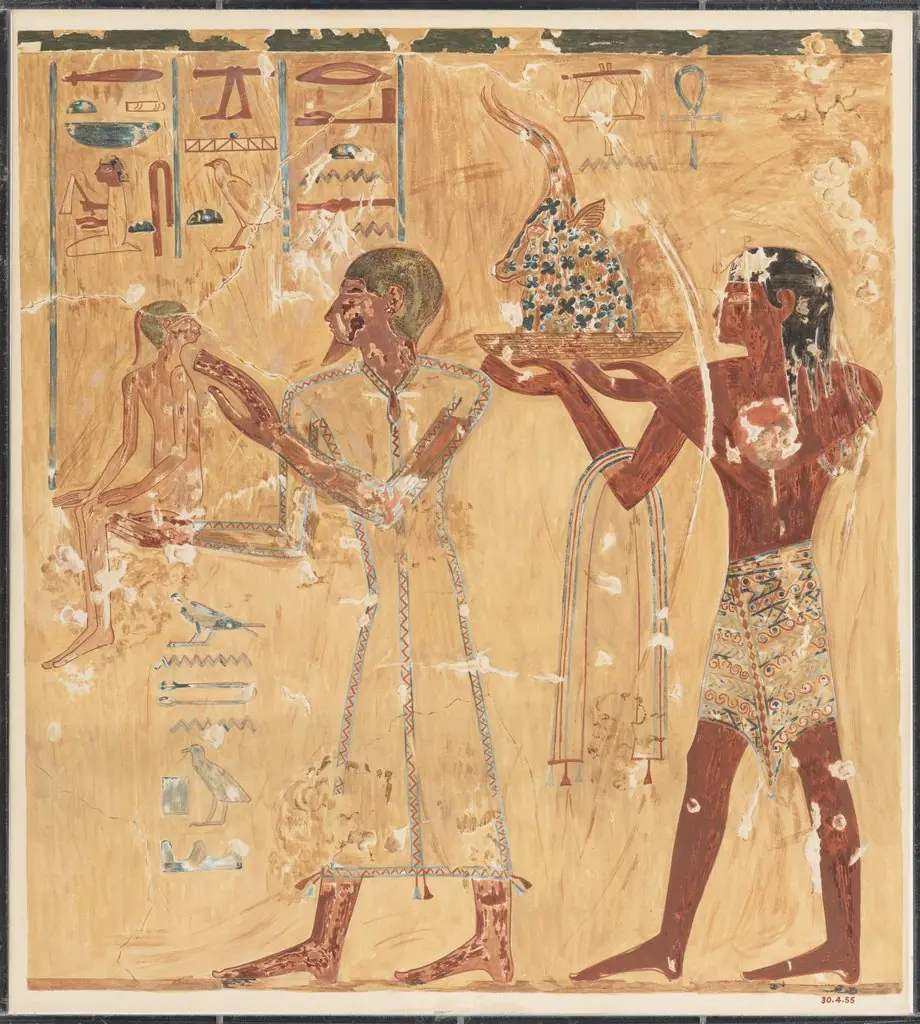 Foreigners, Tomb of Menkheperraseneb
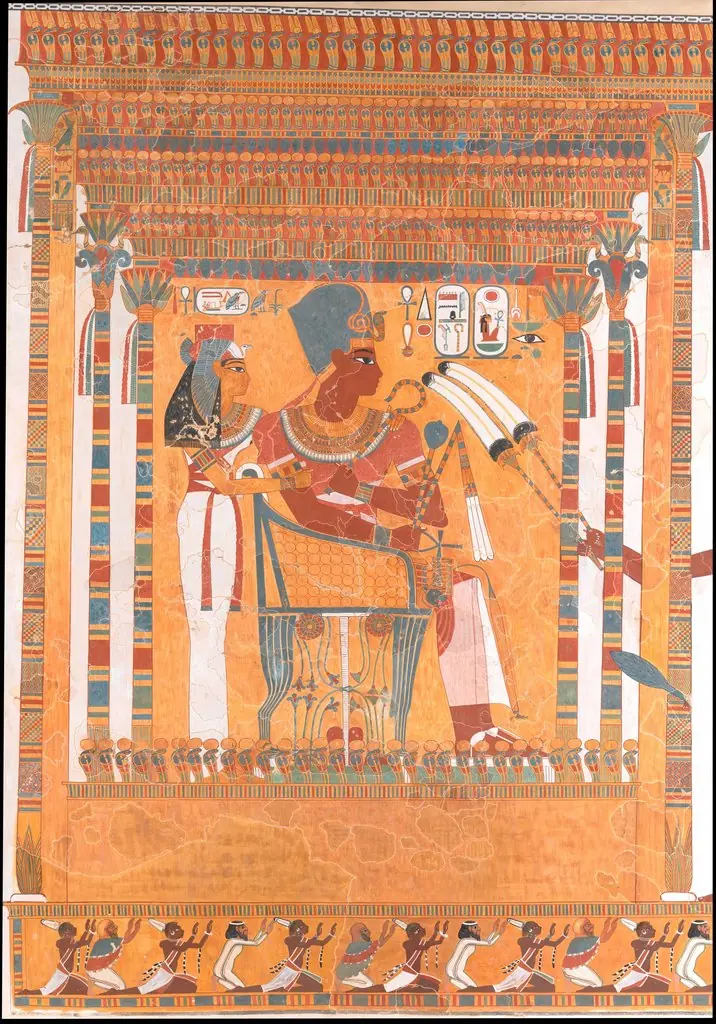 Amenhotep III and his Mother, Mutemwia, in a Kiosk