Artwork
宋太宗立像
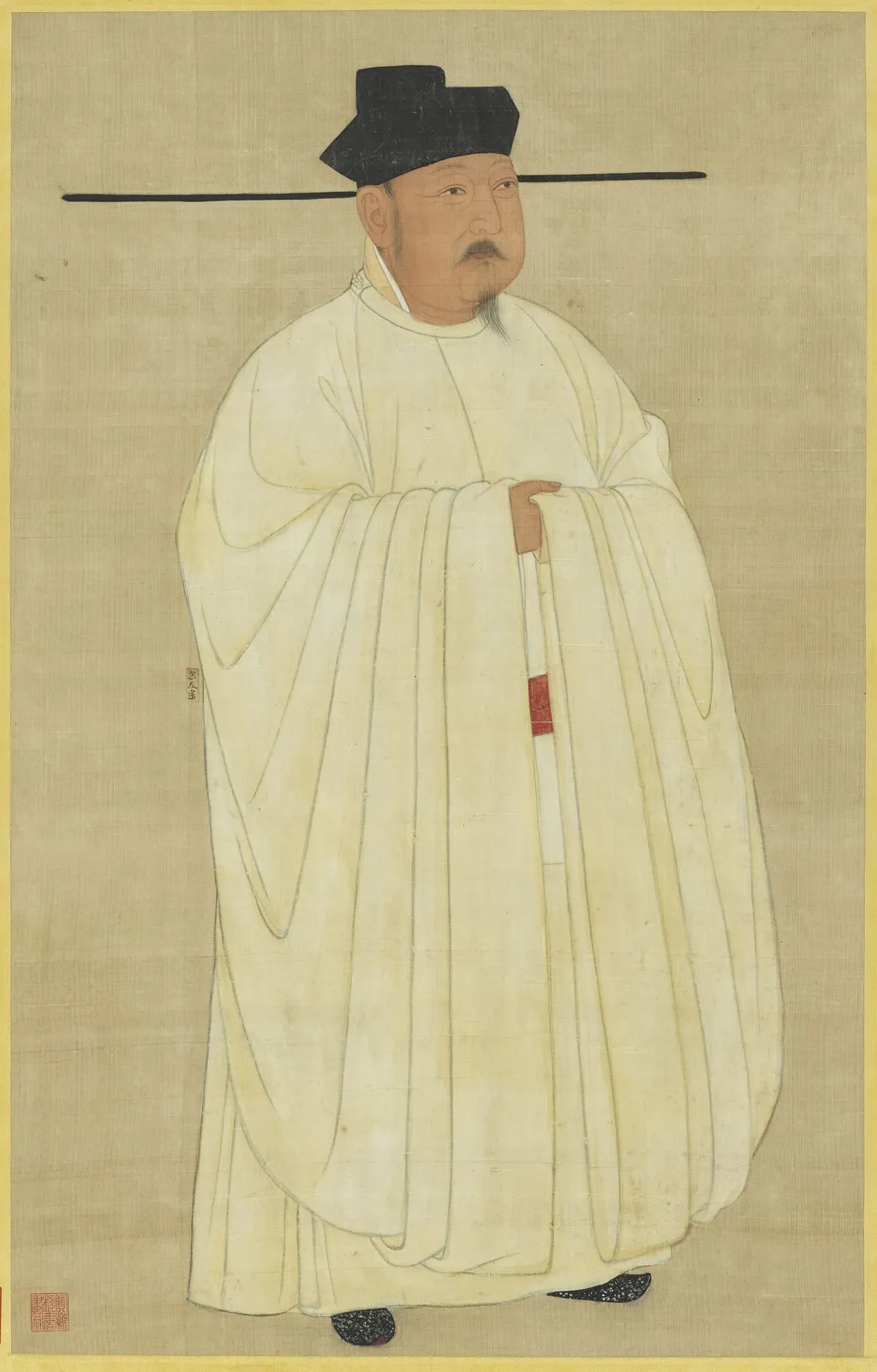
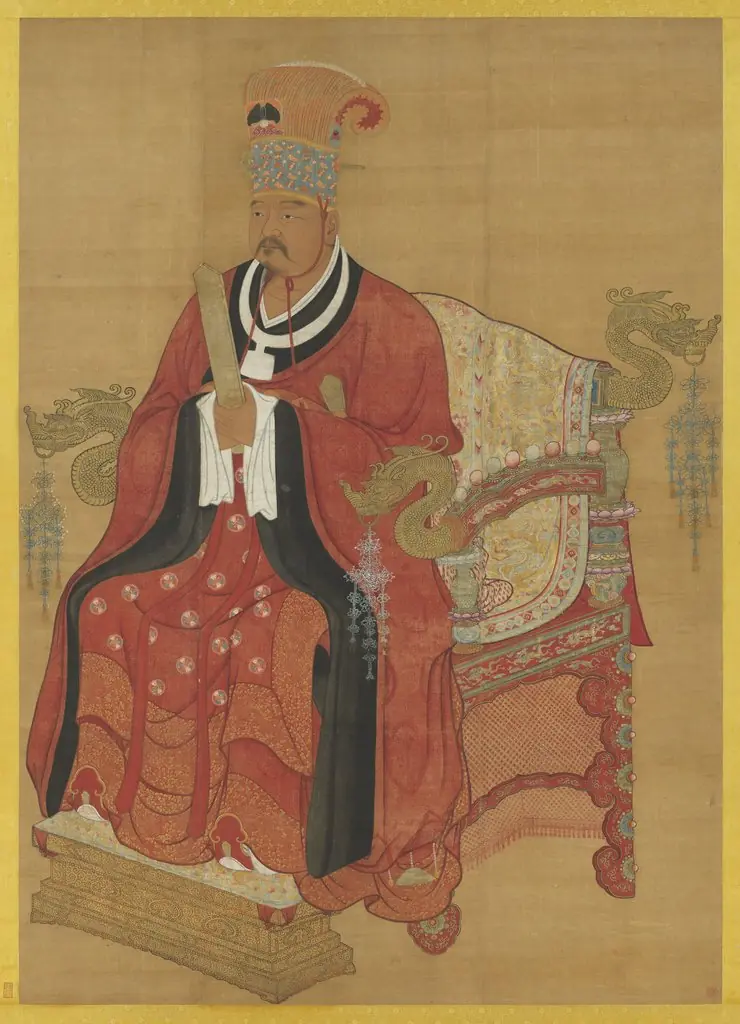
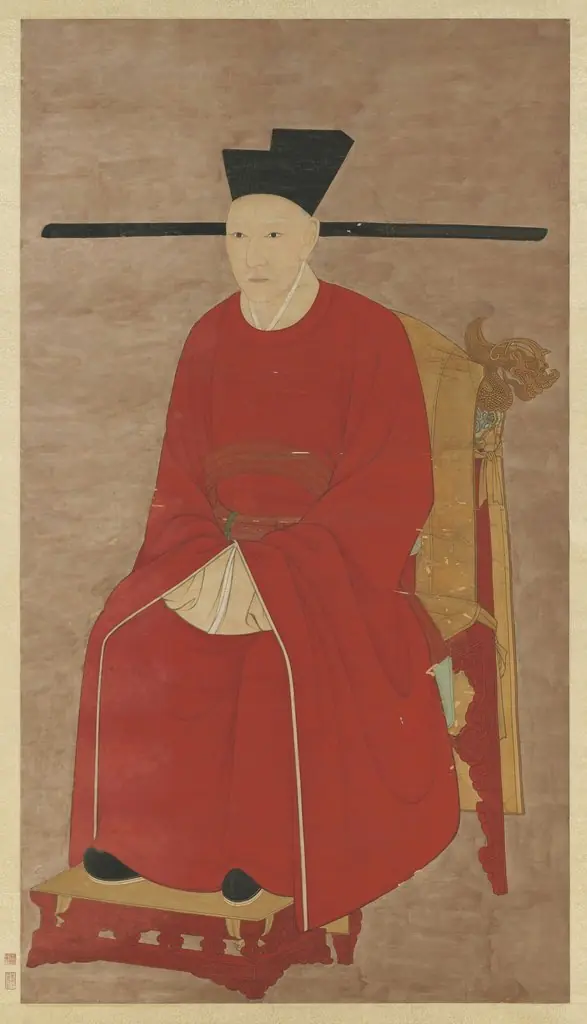
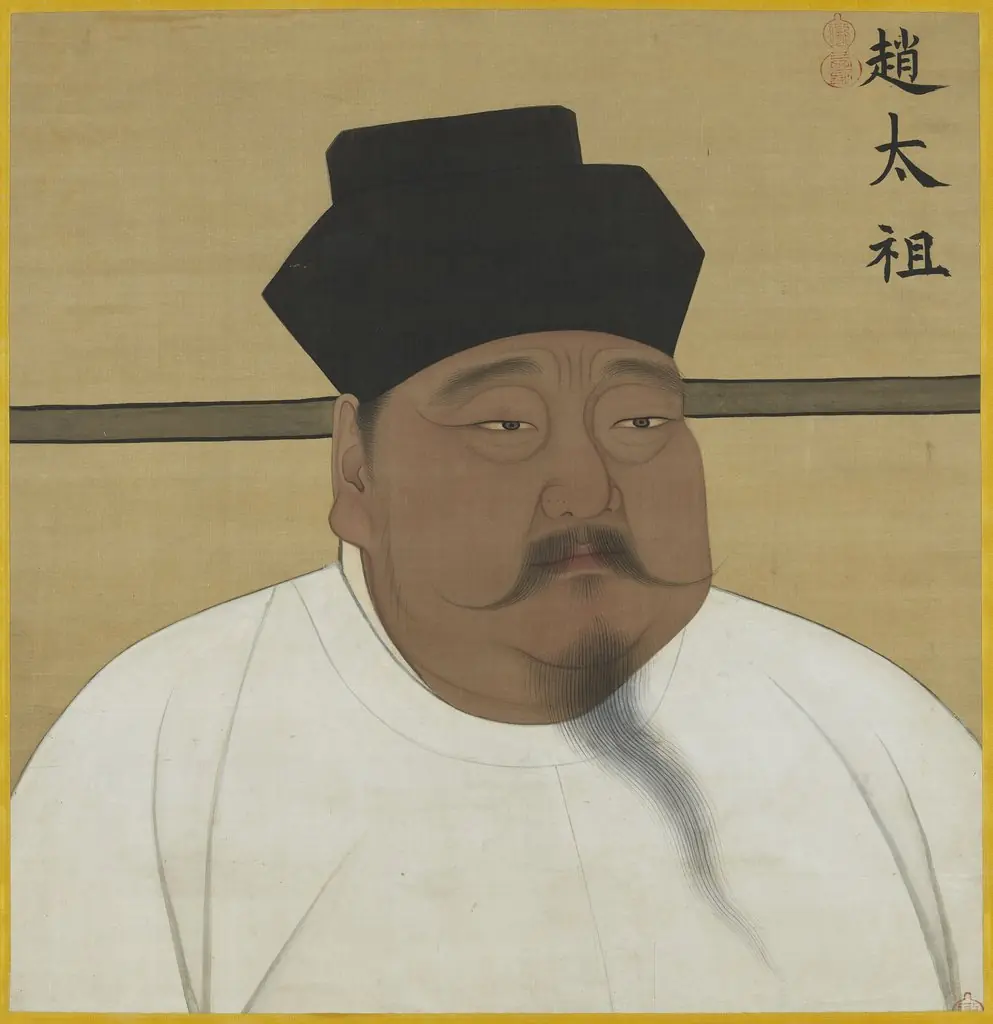
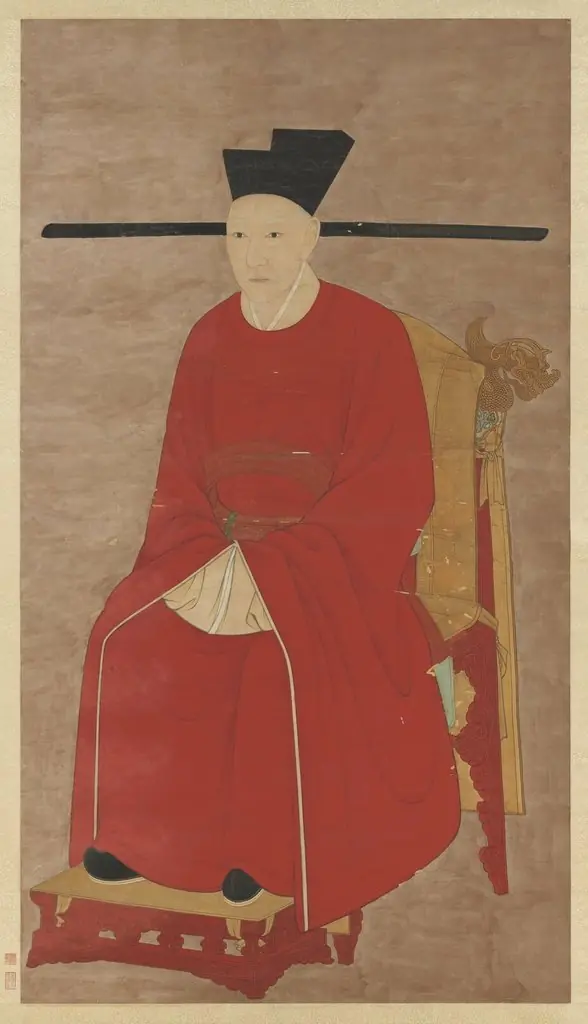
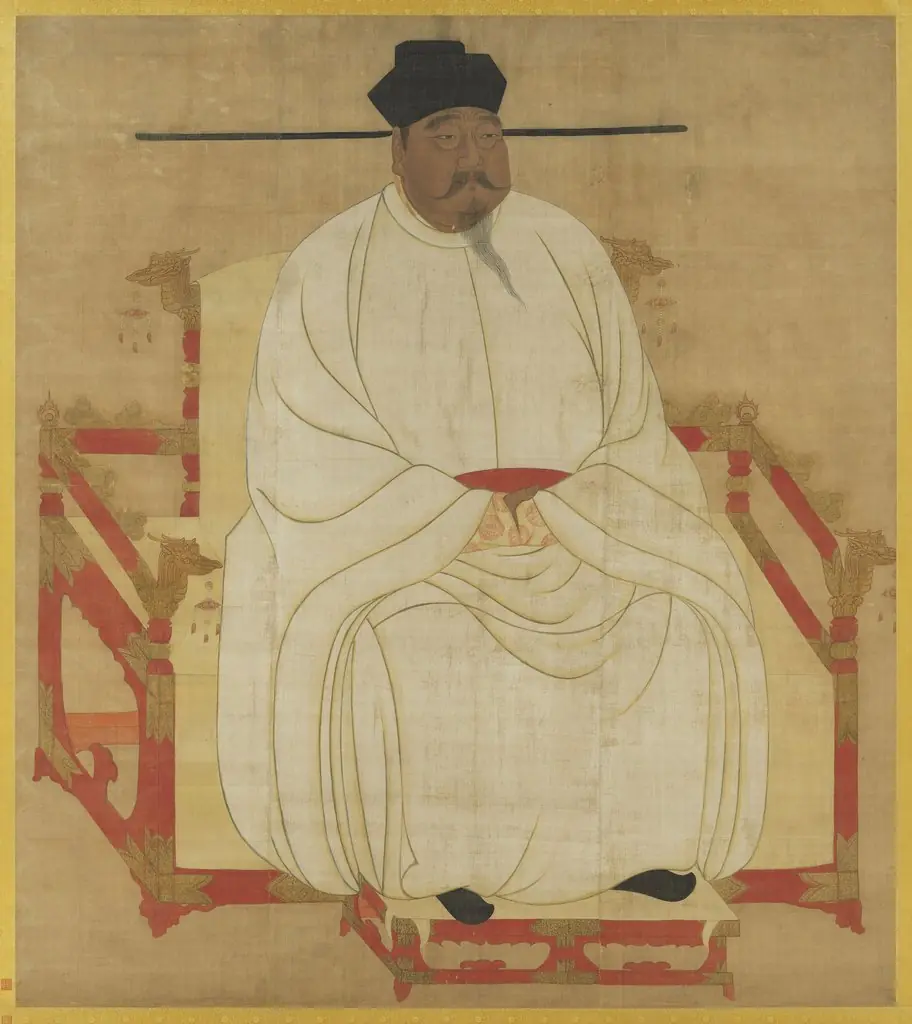
宋太宗立像 is an unspecified painting by Unknown. It is held in the collection of the National Palace Museum. This ink-and-color painting depicts Emperor Taizong of the Song dynasty in full ceremonial attire, rendered with precise realism.
About this work
Overview
This ink-and-color painting depicts Emperor Taizong of the Song dynasty in full ceremonial attire, rendered with precise realism. The figure stands centered against a muted brown background, his posture formal and still. The composition emphasizes dignity through restrained movement and focused gaze, typical of imperial portraiture in medieval China.
Subject & Meaning
The subject is Emperor Taizong, the second ruler of the Song dynasty, portrayed not in action but in solemn presence. His white robe and black headgear signify imperial rank, while his direct gaze and composed hand position convey authority and introspection. The image functions as a visual assertion of legitimacy and imperial continuity, not a narrative scene.
Technique & Style
The artist employs fine brushwork to capture the weight and texture of silk robes, with carefully rendered folds suggesting volume. Subtle chiaroscuro models the face and hands, enhancing three-dimensionality without Western-style lighting. The palette is limited to ink tones and muted colors, prioritizing clarity and restraint over ornamentation.
History & Provenance
Created during or shortly after Taizong’s reign (976–997), the painting likely originated in the imperial court’s art bureau. It was preserved as an ancestral portrait, possibly displayed in palace shrines or used in ritual contexts. Its survival into modern times reflects its enduring symbolic value within the imperial tradition.
Context
Imperial portraiture in the Song dynasty emphasized moral gravity over theatricality, aligning with Confucian ideals of rulership. Unlike earlier dynasties that favored elaborate symbolism, Song artists favored understated realism to reflect the era’s intellectual and bureaucratic ethos. This portrait fits within a broader trend of documenting rulers with psychological depth.
Legacy
The painting remains a key reference for understanding Song imperial iconography. Its restrained aesthetic influenced later court portraits and contributed to the enduring visual language of Chinese emperorship. It is studied today for its technical precision and as a document of how power was visually encoded in medieval China.
Artist & collection

 Domestic Scene
 Giacomo and Cardinal Marco, investing Andrea, Abbot of San Zeno, with his Benefice
 The Nymph of Fontainebleau
 Portrait of a Woman
 Madonna and Child with Saints in the Enclosed Garden
 Venus and Minerva
 Family Group of Four on Sofa
 Wall painting from Room H of the Villa of P. Fannius Synistor at Boscoreale