Artwork
宋太祖半身像(一)
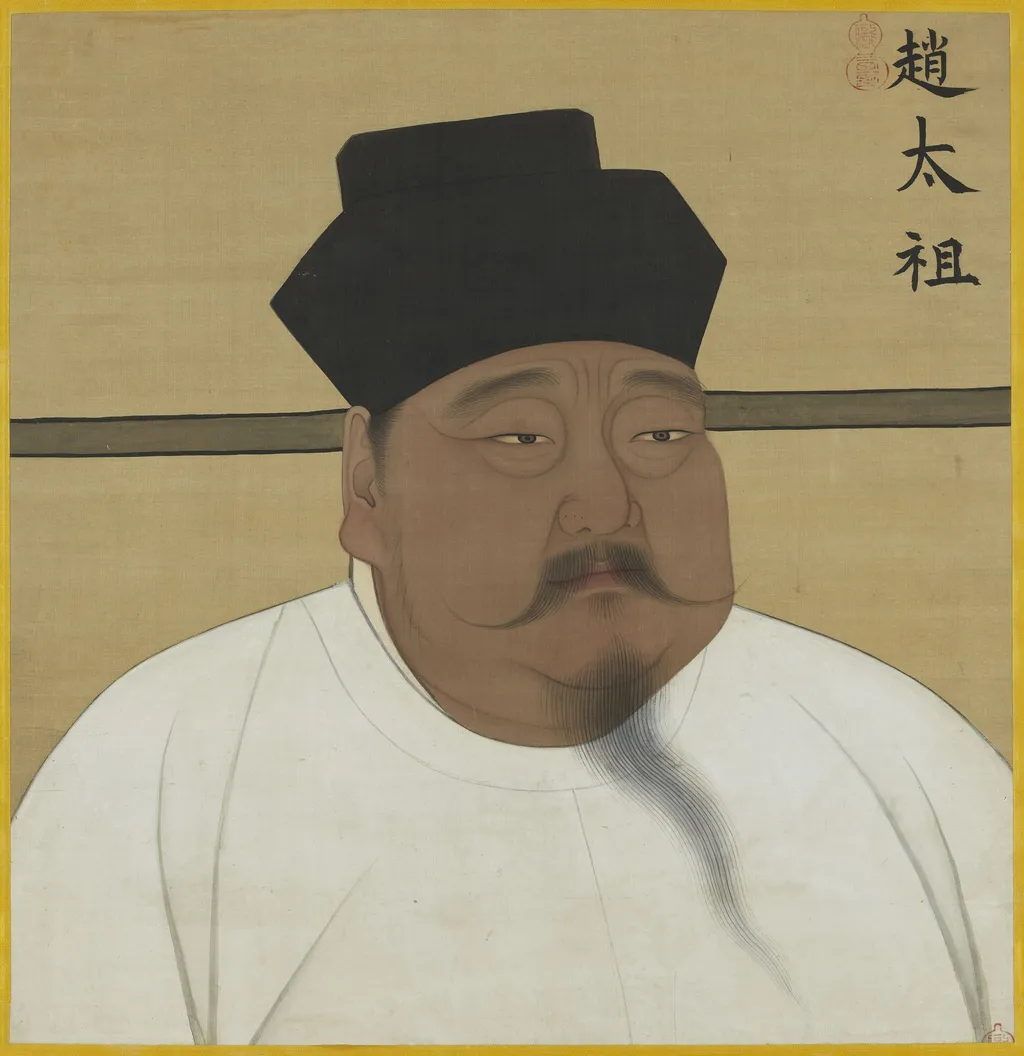
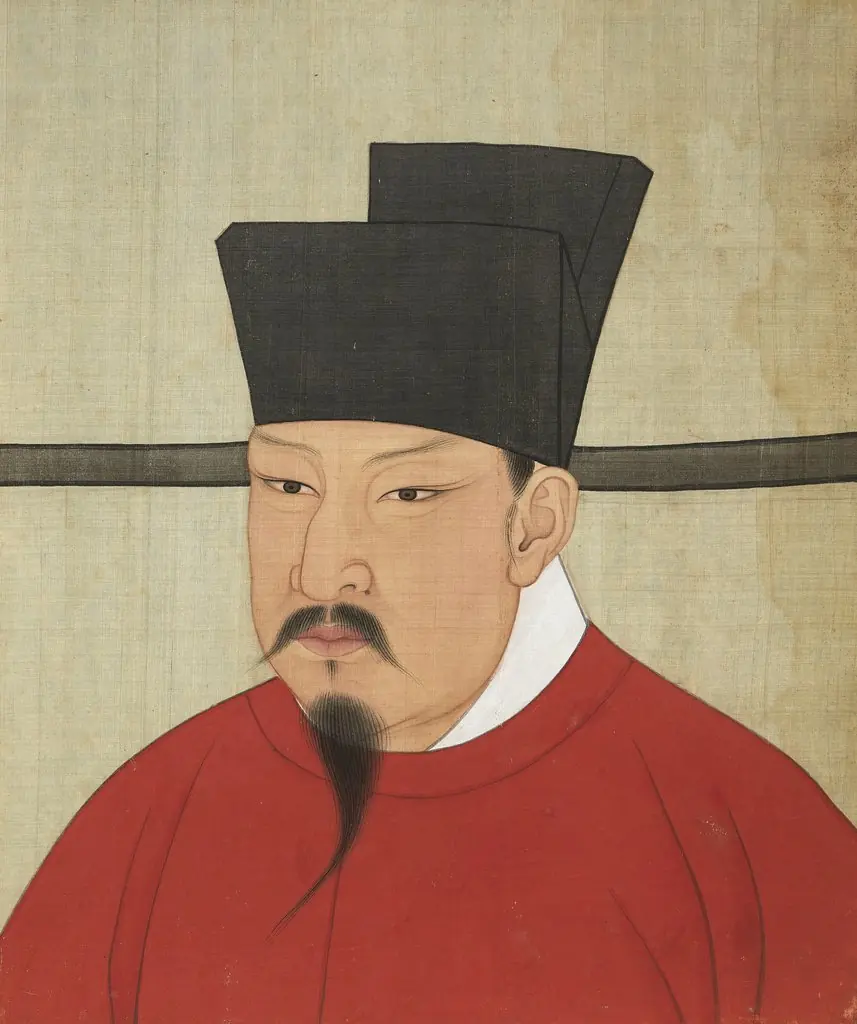
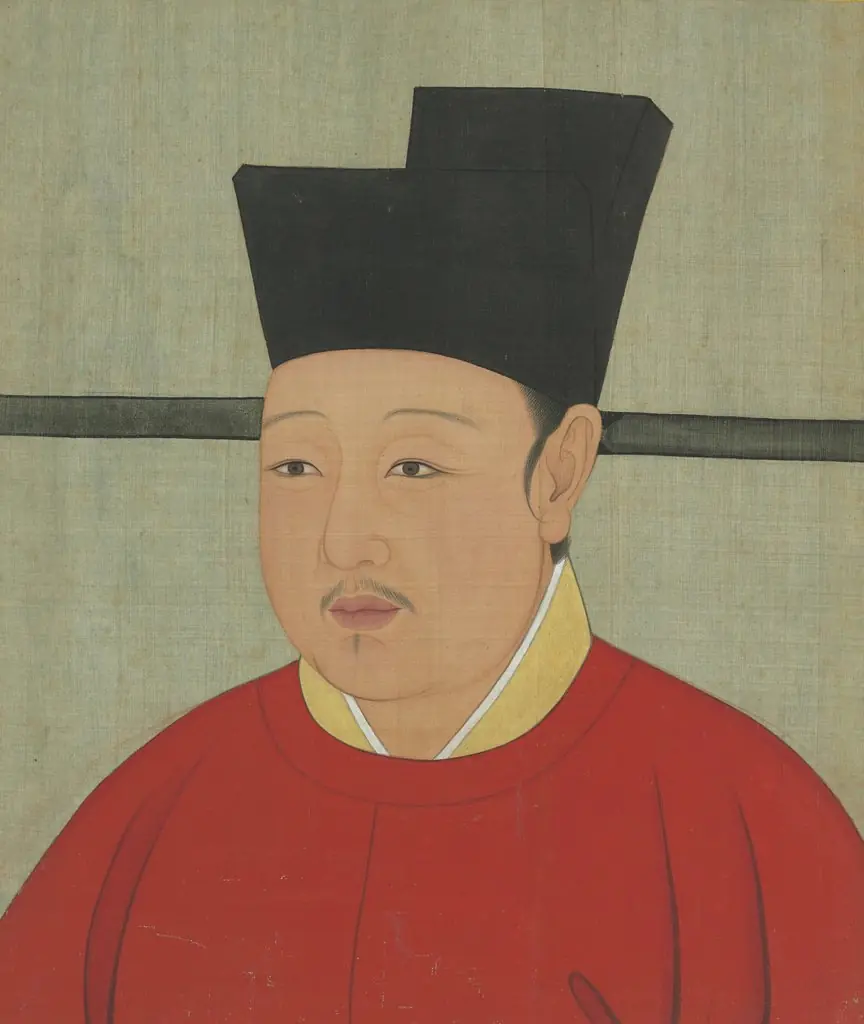
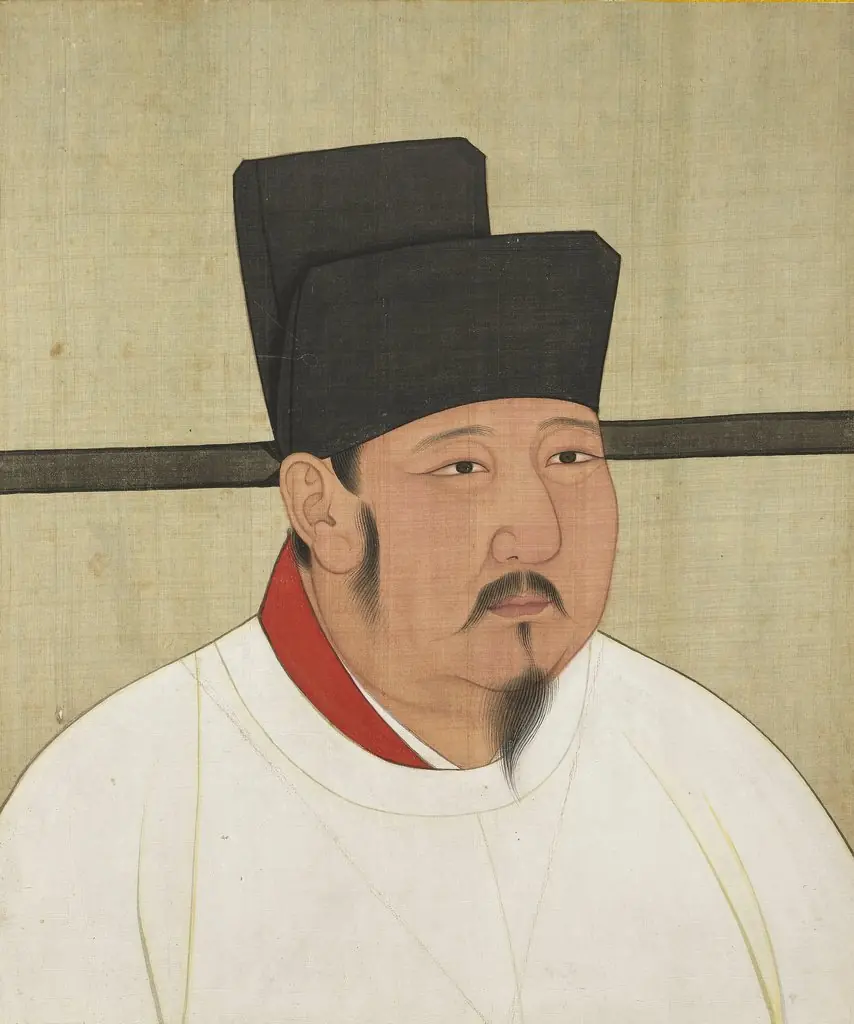
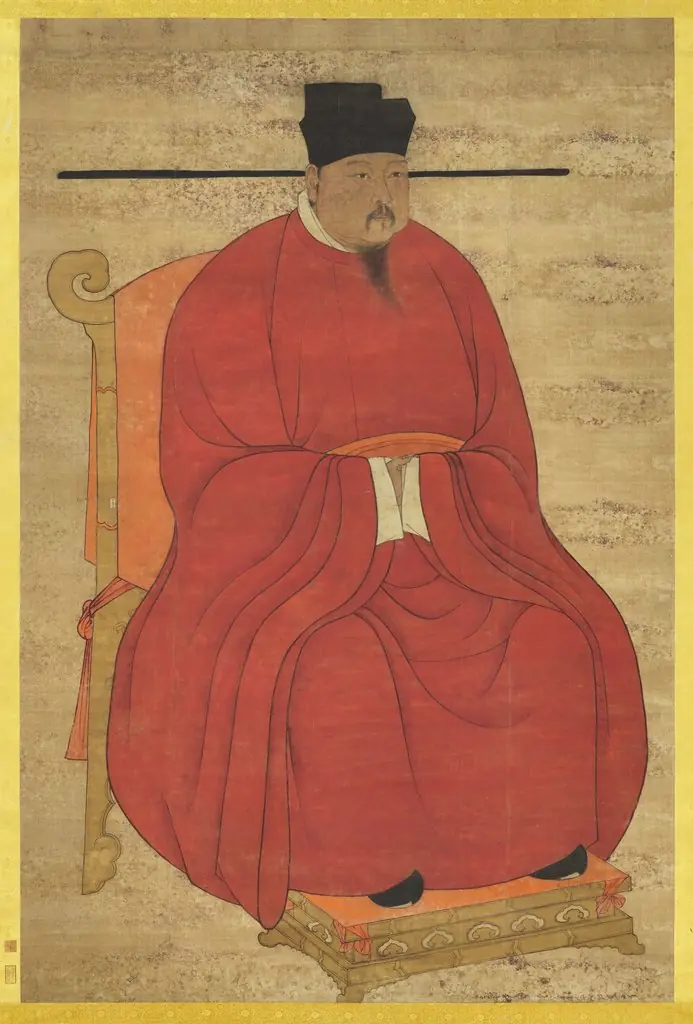
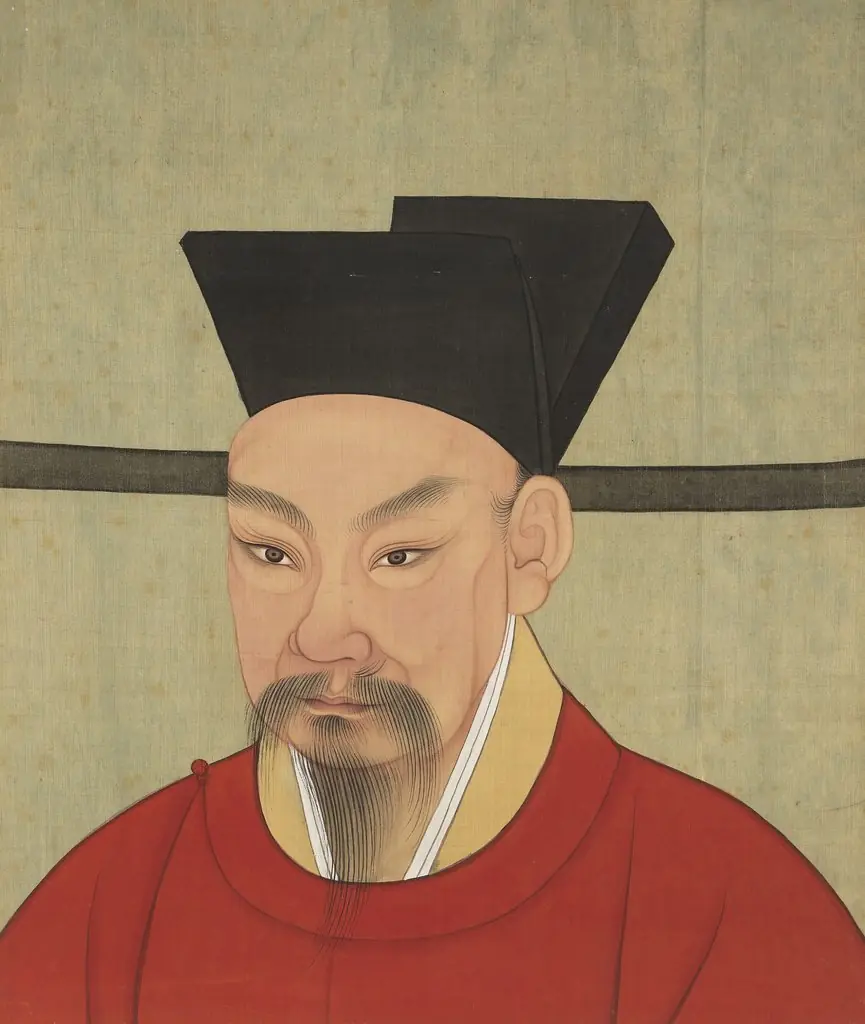
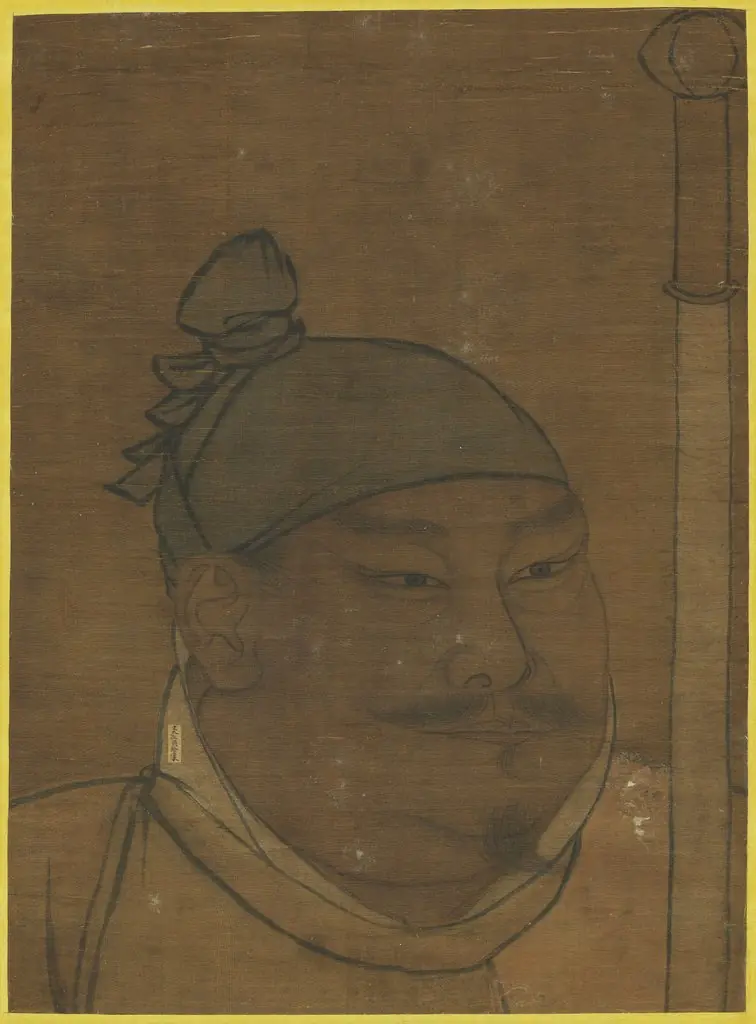
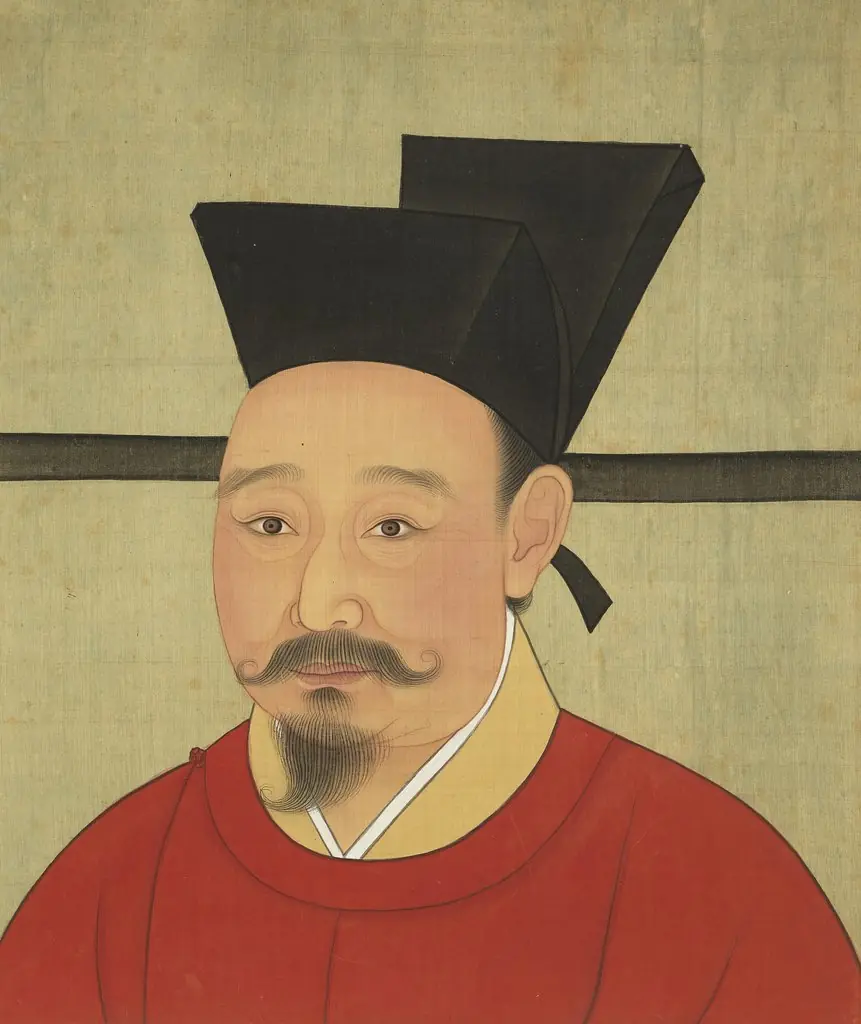
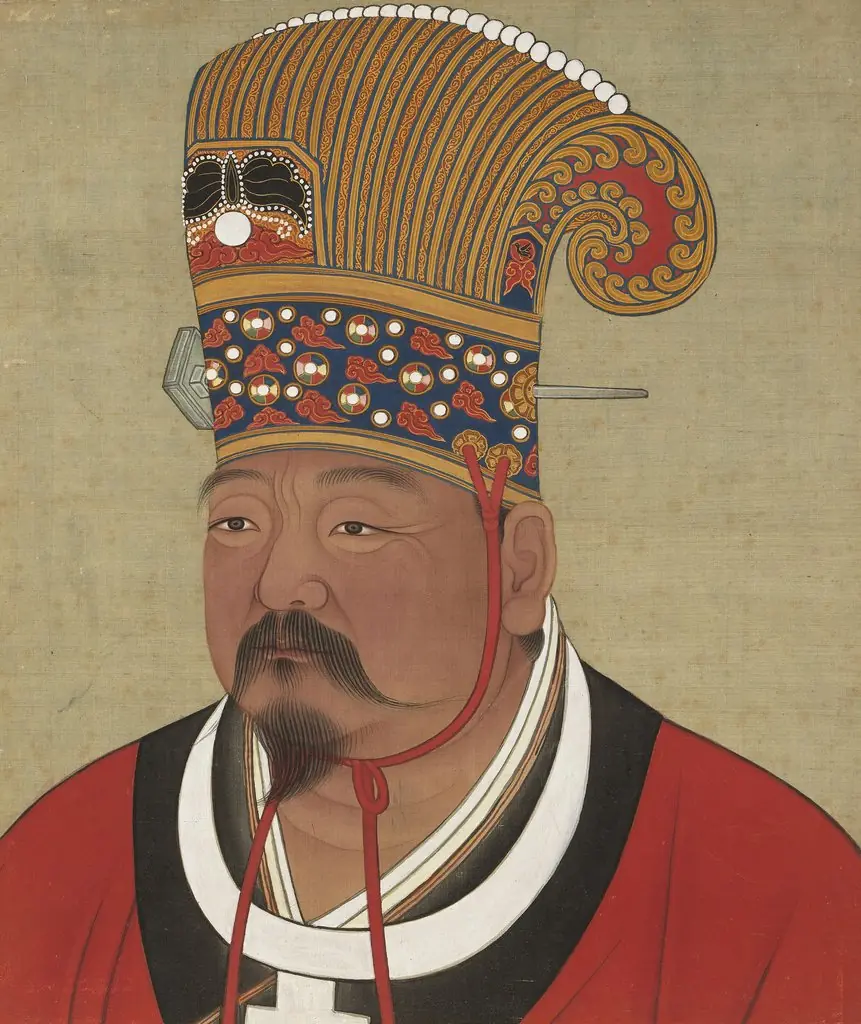
宋太祖半身像(一) is an unspecified painting by Unknown. It is held in the collection of the National Palace Museum. This portrait depicts Emperor Taizu of Song, the founding ruler of the Song dynasty, rendered in a half-length format.
About this work
Overview
This portrait depicts Emperor Taizu of Song, the founding ruler of the Song dynasty, rendered in a half-length format.
This portrait depicts Emperor Taizu of Song, the founding ruler of the Song dynasty, rendered in a half-length format. Dressed in a white robe and black ceremonial hat, he faces the viewer directly with a composed, solemn expression. The background is plain and unadorned, drawing full attention to his features. Calligraphic inscriptions in the upper right identify the subject and likely serve as an official annotation.
Subject & Meaning
The portrait presents Emperor Taizu not as a divine figure but as a ruler of authority and gravitas. His serious gaze and restrained demeanor convey imperial dignity and vigilance. The absence of ornate symbols or regalia emphasizes personal presence over ceremonial display, reflecting early Song ideals of Confucian governance rooted in moral example rather than spectacle.
Technique & Style
The artist employs firm, deliberate brushwork to define facial contours and texture in the beard and robe. Bold strokes model the face with subtle volume, while the flat, beige background avoids distraction. The rendering is restrained yet precise, prioritizing likeness and psychological presence over decorative flourish, aligning with courtly portraiture traditions of the Northern Song period.
History & Provenance
Created during or shortly after Emperor Taizu’s reign (960–976), the painting likely originated in the imperial atelier. It was probably used for ancestral veneration or state ritual, maintaining a visual record of the dynasty’s founder. Its survival suggests continuous preservation within imperial collections, though its exact early provenance remains undocumented beyond stylistic attribution.
Context
In early Song China, imperial portraiture shifted from mythic grandeur to sober realism, reflecting the dynasty’s emphasis on bureaucratic order and civil authority. This portrait aligns with a broader trend of documenting rulers through lifelike images, distinct from Tang dynasty idealization. It served both as a political tool and a ritual object in ancestral worship practices.
Legacy
The portrait established a visual template for subsequent Song emperors, influencing official portraiture for generations. Its restrained style became a model for imperial representation, reinforcing the idea that authority derived from demeanor rather than adornment. As one of the earliest surviving portraits of a Song emperor, it remains a key reference for understanding early dynastic visual culture.
Artist & collection

 Domestic Scene
 Giacomo and Cardinal Marco, investing Andrea, Abbot of San Zeno, with his Benefice
 The Nymph of Fontainebleau
 Portrait of a Woman
 Madonna and Child with Saints in the Enclosed Garden
 Venus and Minerva
 Family Group of Four on Sofa
 Wall painting from Room H of the Villa of P. Fannius Synistor at Boscoreale