Artwork
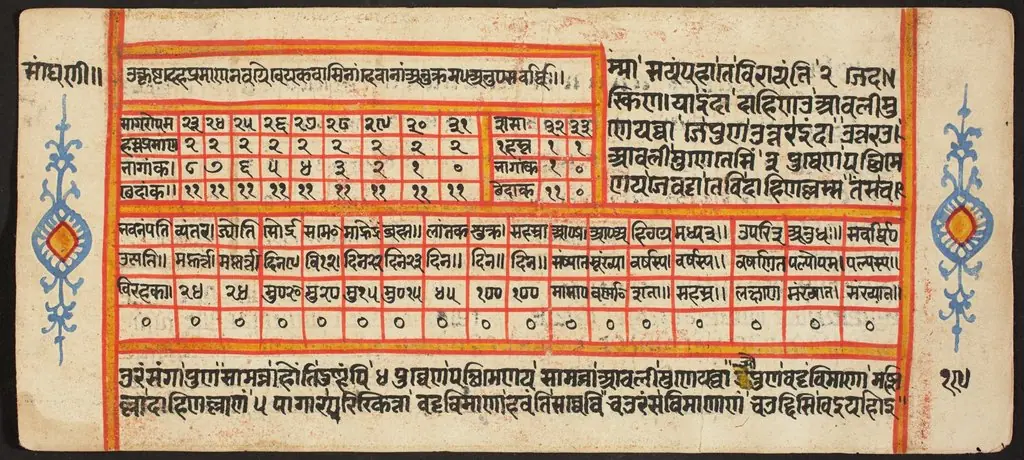
Tantric Manuscript "Sangrahani Sutra"
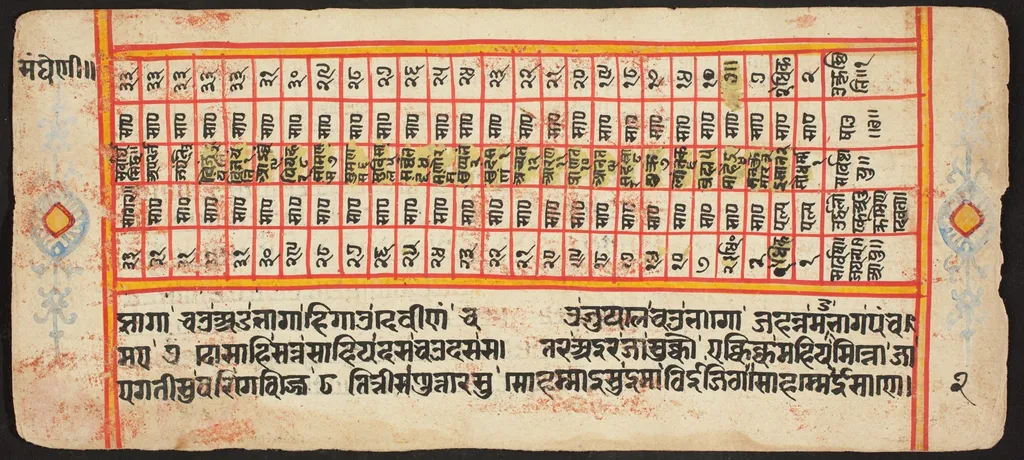
Tantric Manuscript "Sangrahani Sutra" is an unspecified painting by Unknown. It is held in the collection of the Detroit Institute of Arts.
About this work
Overview
Its compact form reflects the intimate, esoteric nature of tantric practice, where visual symbols served as aids to meditation and spiritual transmission.
A painted manuscript fragment from the tantric Buddhist tradition, the Sangrahani Sutra was produced in medieval India, likely in the eastern regions. It consists of a single folio, rendered in mineral pigments on palm leaf, intended for ritual use rather than public display. Its compact form reflects the intimate, esoteric nature of tantric practice, where visual symbols served as aids to meditation and spiritual transmission.
Subject & Meaning
The painting depicts a seated deity surrounded by symbolic elements—lotus petals, vajras, and mandalic geometry—common in tantric iconography. These motifs represent cosmic order and the union of wisdom and method. The imagery is not illustrative of a narrative but functions as a visual mantra, guiding the practitioner’s inner transformation through focused contemplation of sacred forms.
Technique & Style
The artwork employs fine brushwork and flat, opaque pigments derived from minerals and earths, applied with precision on a narrow palm leaf surface. Lines are crisp and deliberate, with minimal shading, emphasizing clarity over naturalism. The composition is tightly contained, adhering to canonical proportions prescribed in tantric texts, reflecting a disciplined aesthetic rooted in ritual requirements.
History & Provenance
The folio likely originated in a monastic center in Bihar or Bengal between the 9th and 12th centuries. It was probably part of a larger manuscript collection used by initiates in esoteric rituals. Its survival suggests it was preserved in a protected context, possibly within a temple or private collection, avoiding the widespread loss of palm-leaf texts due to environmental decay and historical upheaval.
Context
Produced during a period of flourishing tantric Buddhism in eastern India, this painting reflects a tradition where visual art was inseparable from liturgical practice. Unlike public temple sculpture, such manuscripts were handled by initiated practitioners under strict ritual protocols. Their creation required both artistic skill and doctrinal knowledge, blending spiritual discipline with material craft.
Legacy
Surviving fragments like this one offer rare insight into the material culture of tantric Buddhism, a tradition largely displaced by later religious shifts in South Asia. Today, such manuscripts are studied for their iconographic precision and as physical artifacts of a meditative practice that valued subtlety over spectacle, preserving a quiet but profound artistic heritage.
Artist & collection

 Domestic Scene
 Giacomo and Cardinal Marco, investing Andrea, Abbot of San Zeno, with his Benefice
 The Nymph of Fontainebleau
 Portrait of a Woman
 Madonna and Child with Saints in the Enclosed Garden
 Venus and Minerva
 Family Group of Four on Sofa
 Wall painting from Room H of the Villa of P. Fannius Synistor at Boscoreale
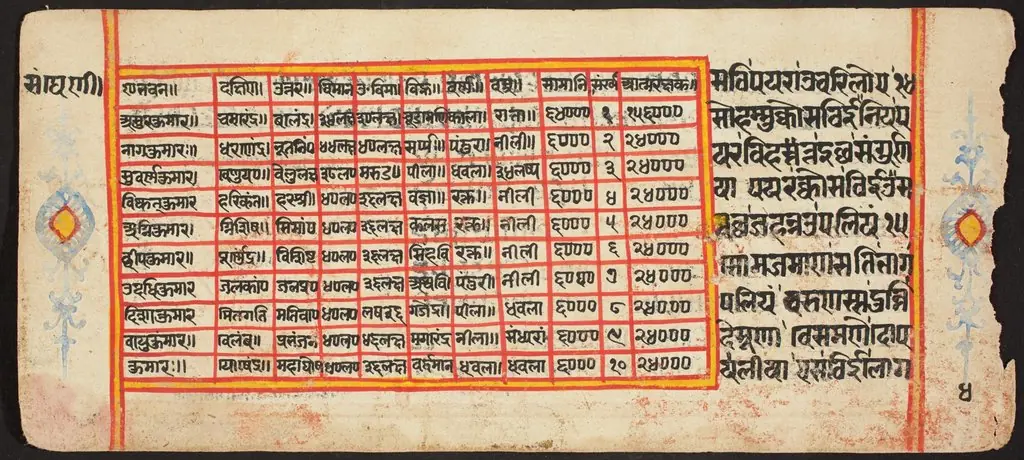 Tantric Manuscript "Sangrahani Sutra"
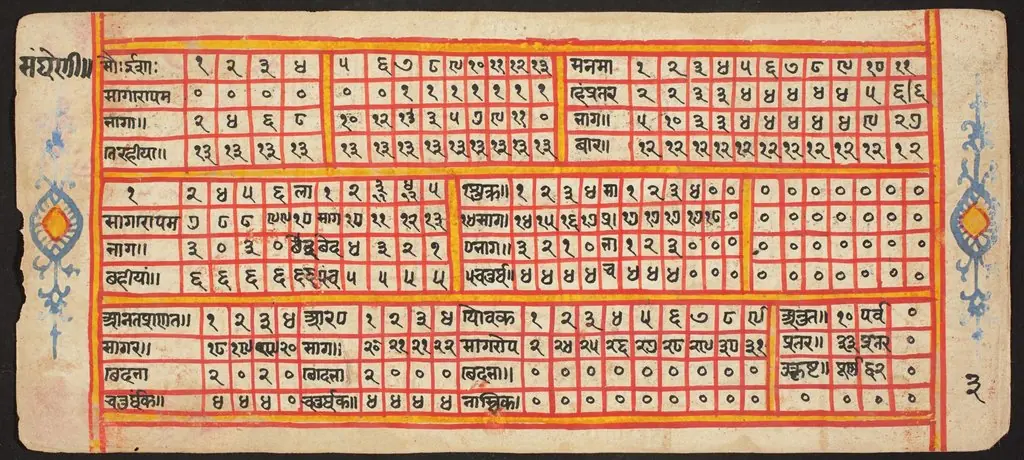 Tantric Manuscript "Sangrahani Sutra"
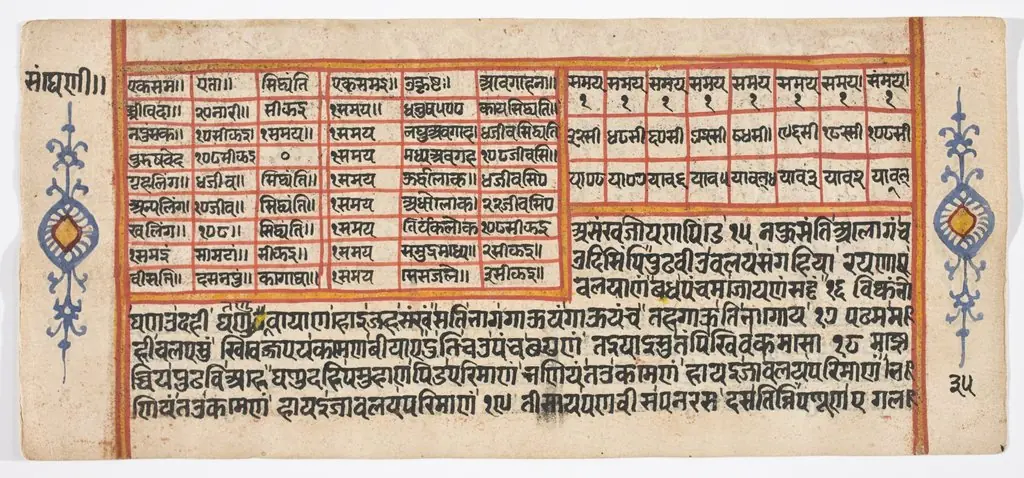 Tantric Manuscript "Sangrahani Sutra"
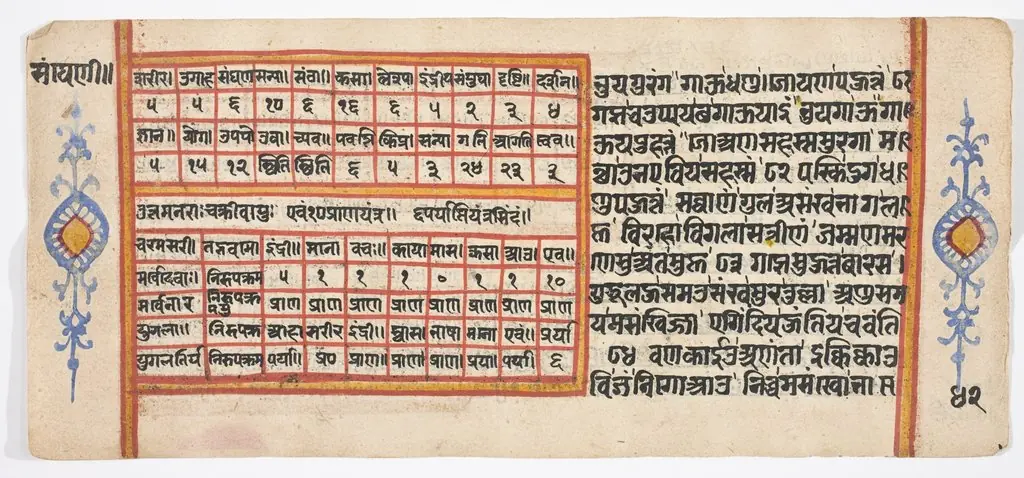 Tantric Manuscript "Sangrahani Sutra"
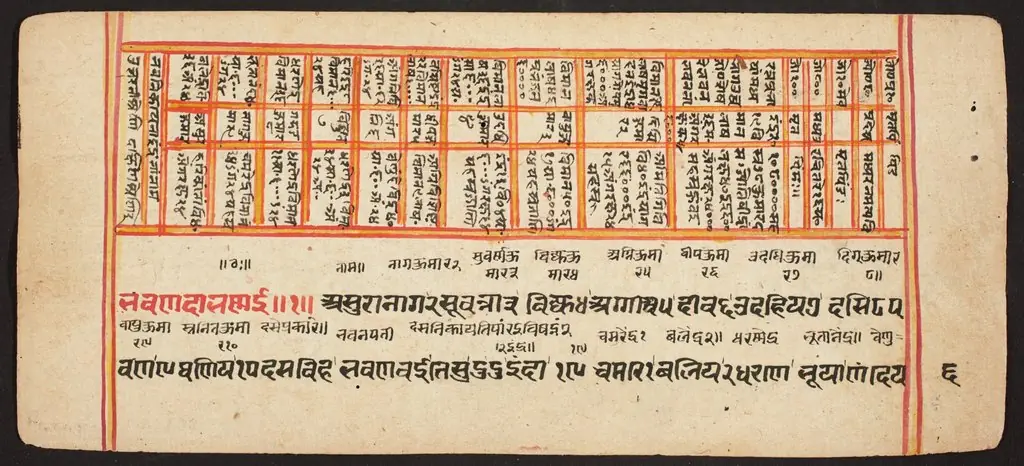 Tantric Manuscript "Sangrahani Sutra"
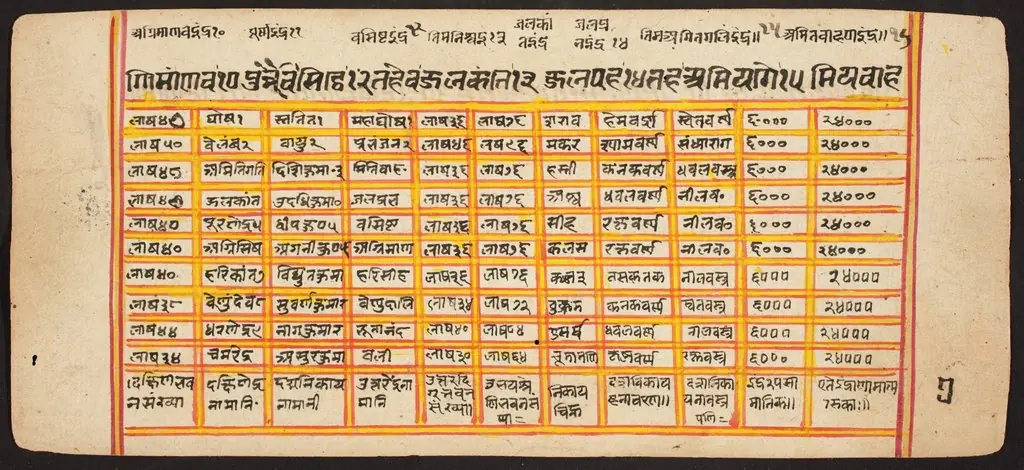 Tantric Manuscript "Sangrahani Sutra"
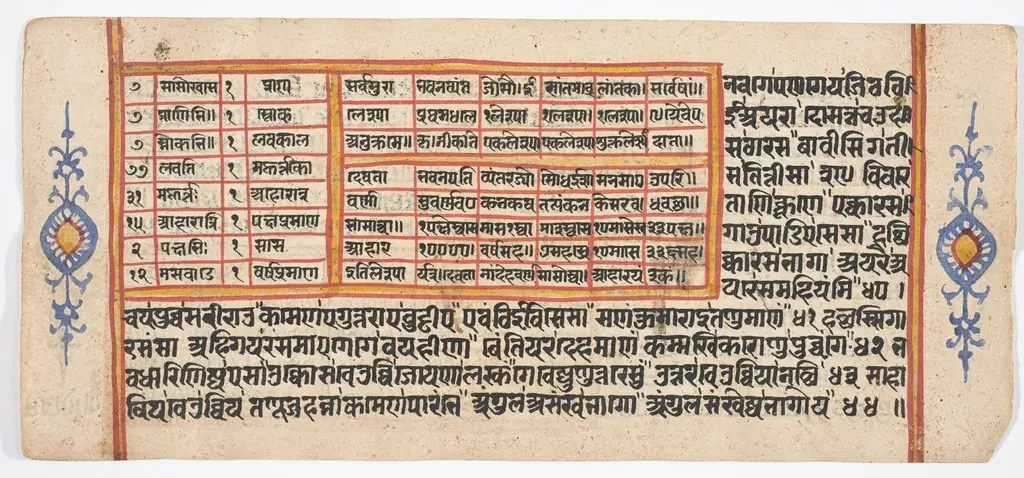 Tantric Manuscript "Sangrahani Sutra"
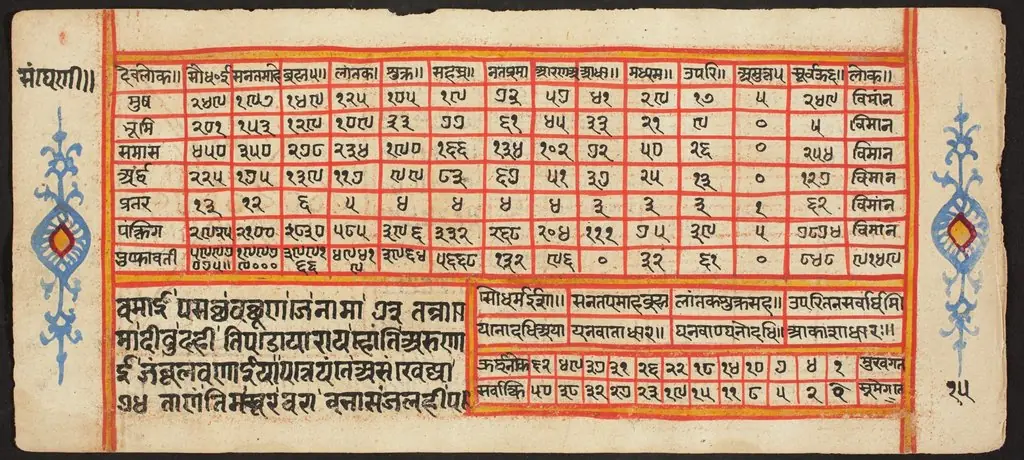 Tantric Manuscript "Sangrahani Sutra"
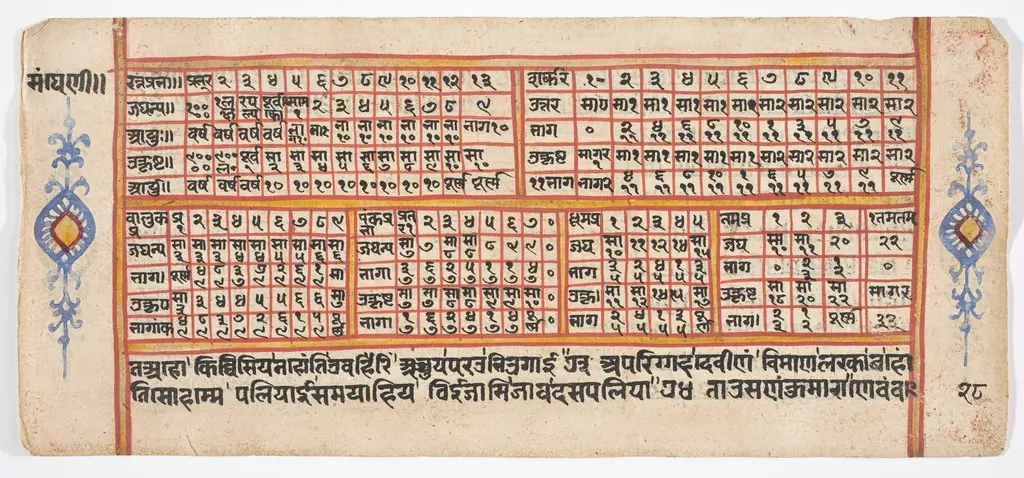 Tantric Manuscript "Sangrahani Sutra"
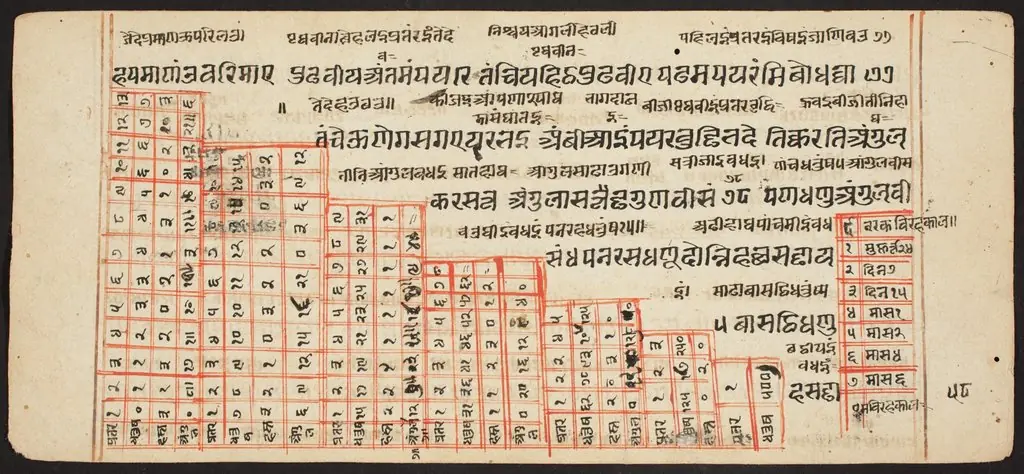 Tantric Manuscript "Sangrahani Sutra"
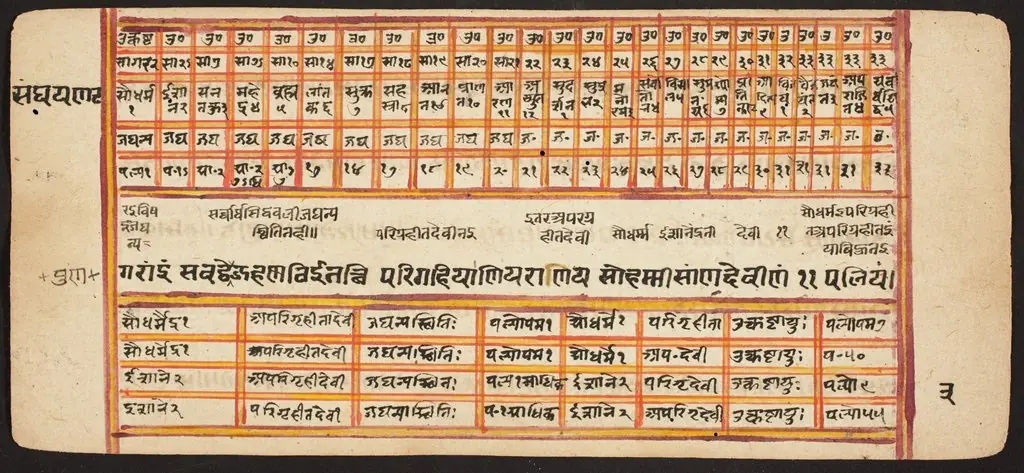 Tantric Manuscript "Sangrahani Sutra"
 Tantric Manuscript "Sangrahani Sutra"