Artwork
The Bodhisattva Kannon, from the triptych Approach of the Amida Trinity
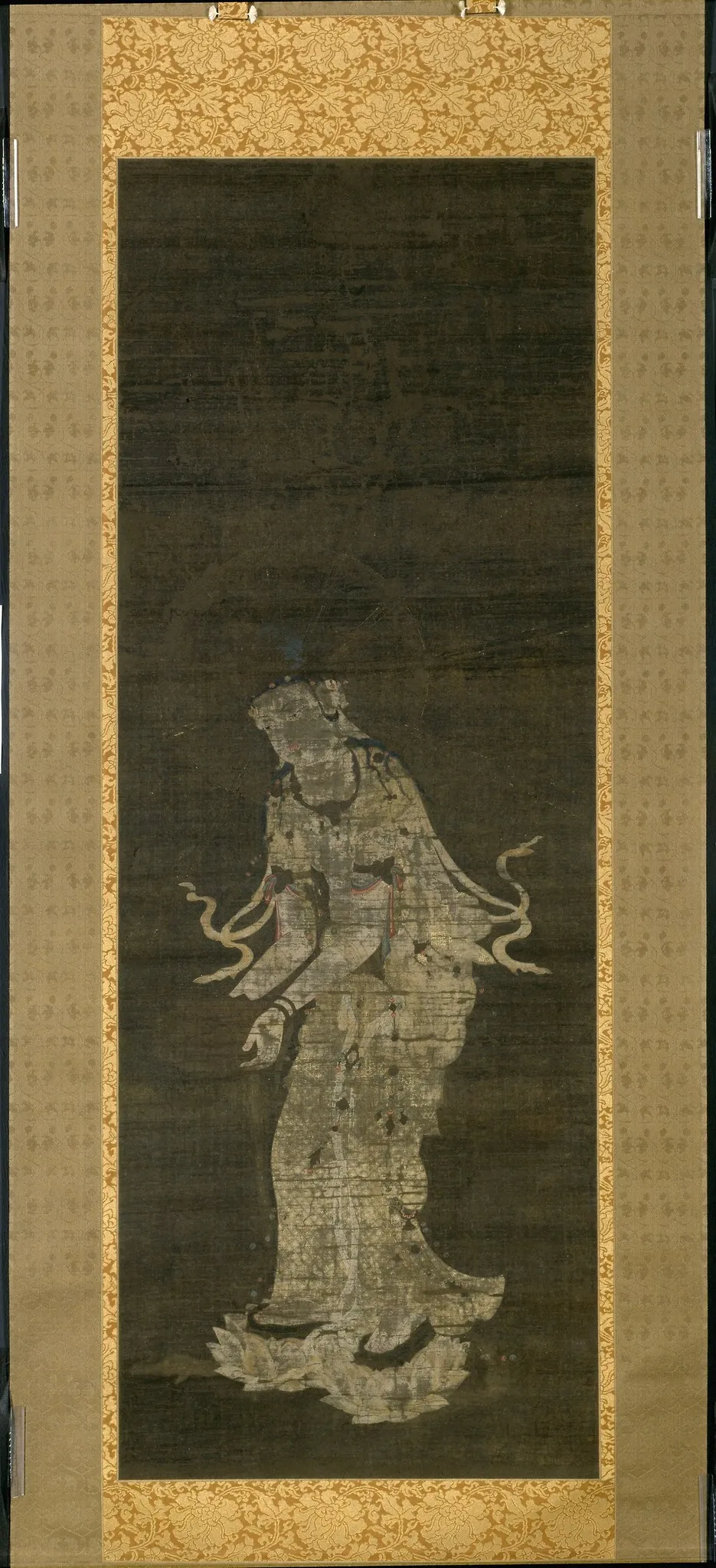
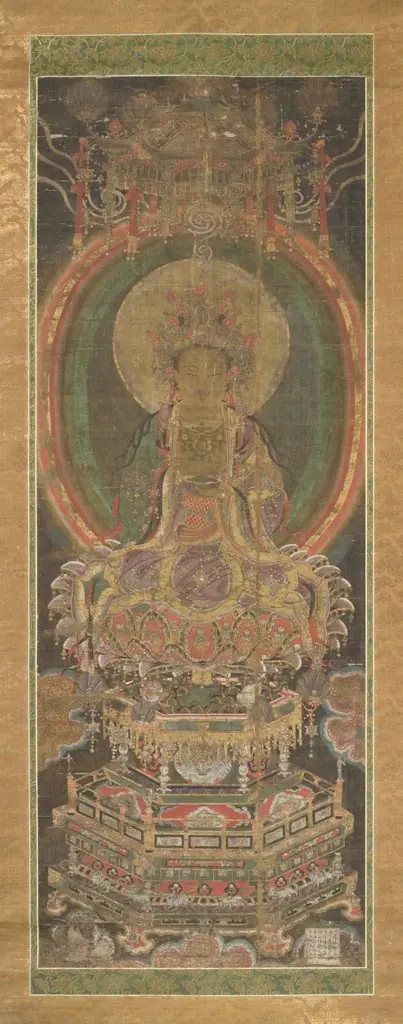
The Bodhisattva Kannon, from the triptych Approach of the Amida Trinity is an unspecified painting by Unknown. It dates from 1250 and is held in the collection of the Art Institute of Chicago. This painting depicts Kannon, the Bodhisattva of Compassion, as part of a triptych illustrating the Approach of the Amida Trinity.
About this work
Overview
This painting depicts Kannon, the Bodhisattva of Compassion, as part of a triptych illustrating the Approach of the Amida Trinity. Created in the Kamakura period, it reflects the devotional practices of Pure Land Buddhism, emphasizing Kannon’s role as a guide to salvation. The work is executed in ink and color on silk, typical of Japanese Buddhist altar paintings of the era.
Subject & Meaning
Kannon is portrayed in royal attire, standing gracefully beside Amida Buddha, symbolizing compassionate intervention for the faithful.
Kannon is portrayed in royal attire, standing gracefully beside Amida Buddha, symbolizing compassionate intervention for the faithful. The figure’s serene expression and outstretched hand convey reassurance and accessibility, reinforcing the Pure Land belief that devotion to Amida ensures rebirth in the Western Paradise. Kannon’s presence bridges the divine and the mortal, offering hope to practitioners.
Technique & Style
The painting employs fine ink lines and layered mineral pigments on silk, with gold leaf accents highlighting robes and halos. Figures are rendered with delicate, flowing contours and subtle modeling, reflecting Chinese Song dynasty influences adapted into Japanese aesthetic sensibilities. The composition is symmetrical and hieratic, prioritizing spiritual presence over naturalistic depth.
History & Provenance
The triptych was likely commissioned for a temple or private devotional space in 13th-century Japan. It remained in religious use for centuries before entering a museum collection in the 20th century. Its survival is attributed to careful storage and continuous veneration, with minimal restoration beyond necessary conservation.
Context
During the Kamakura period, Pure Land Buddhism gained widespread popularity among all social classes, shifting focus from complex rituals to simple faith in Amida Buddha. Triptychs like this one served as visual aids for meditation and ritual, reinforcing the promise of salvation through devotion. Artistic production flourished under temple patronage, blending imported Chinese styles with local traditions.
Legacy
This painting exemplifies the enduring visual language of Japanese Buddhist art, influencing later depictions of Kannon in both religious and secular contexts. Its formal qualities—elegance, restraint, and symbolic clarity—continue to inform contemporary interpretations of Buddhist iconography, preserving a link to medieval spiritual practice.
Artist & collection

 Domestic Scene
 Giacomo and Cardinal Marco, investing Andrea, Abbot of San Zeno, with his Benefice
 The Nymph of Fontainebleau
 Portrait of a Woman
 Madonna and Child with Saints in the Enclosed Garden
 Venus and Minerva
 Family Group of Four on Sofa
 Wall painting from Room H of the Villa of P. Fannius Synistor at Boscoreale
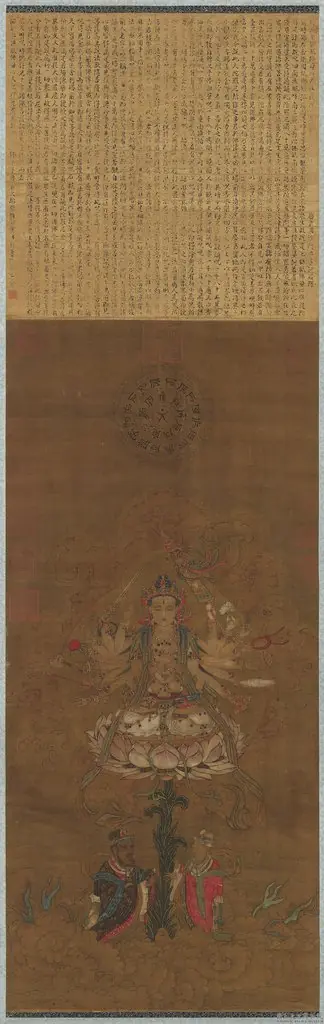 Cundi Bodhisattva
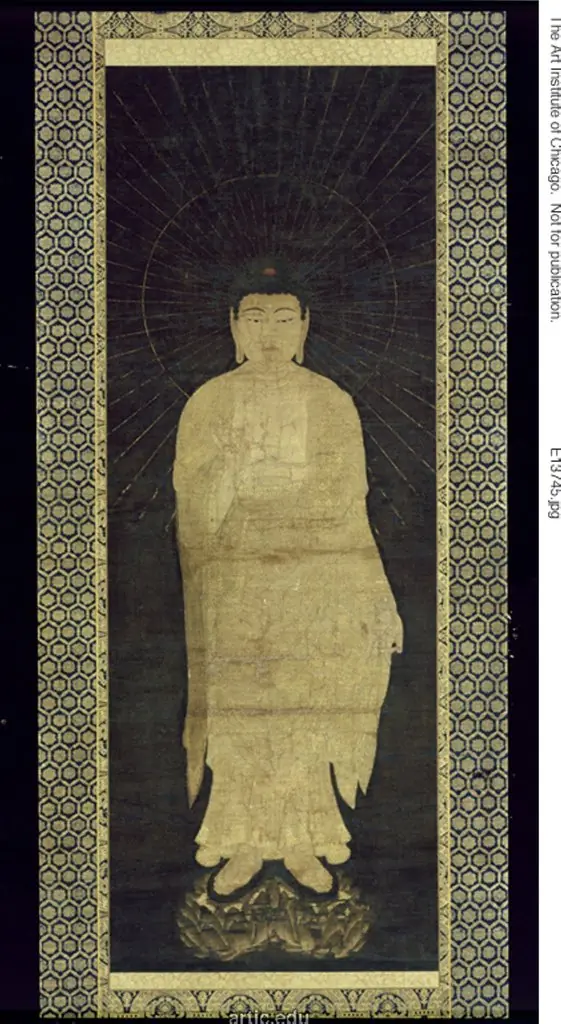 The Buddha Amida, from the triptych Approach of the Amida Trinity
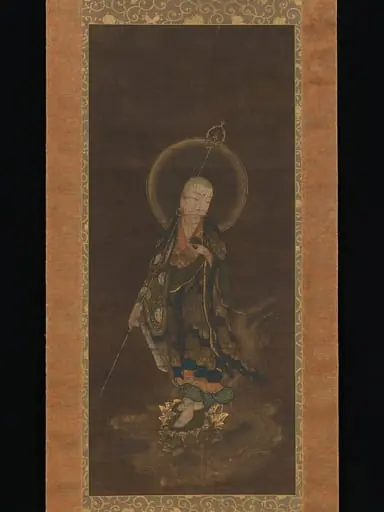 見返り地蔵菩薩図|The Bodhisattva Jizō “Looking Back”
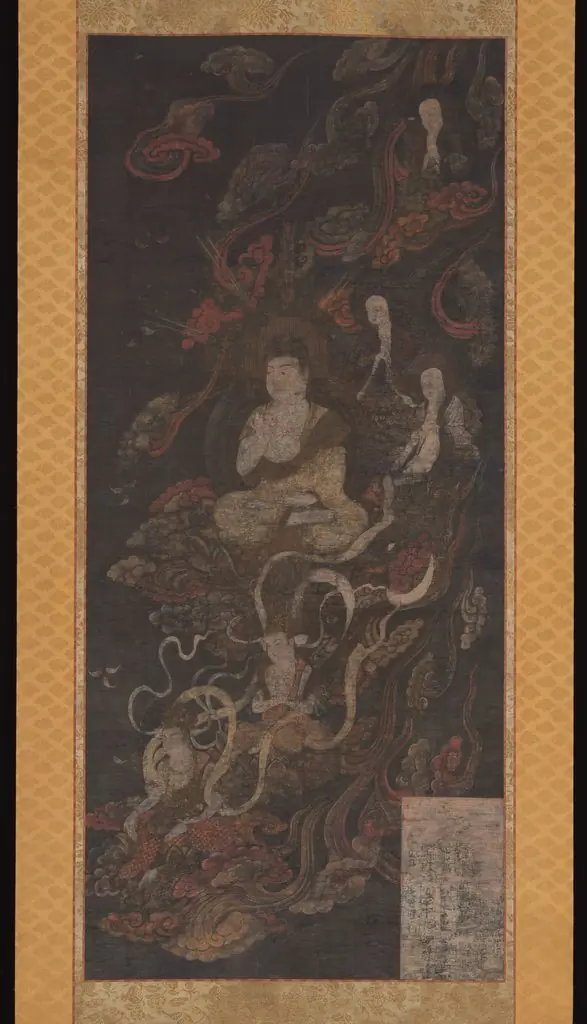 Welcoming Descent of Amida, the Buddha of Infinite Light, and His Holy Retinue
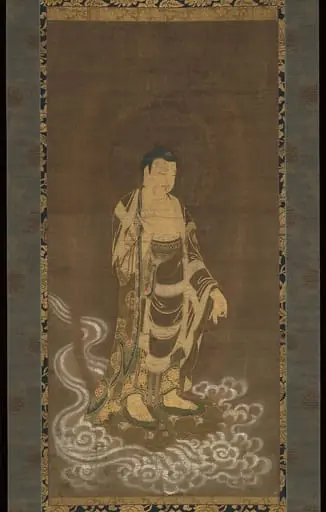 阿弥陀如来像|Welcoming Descent of Amida Buddha
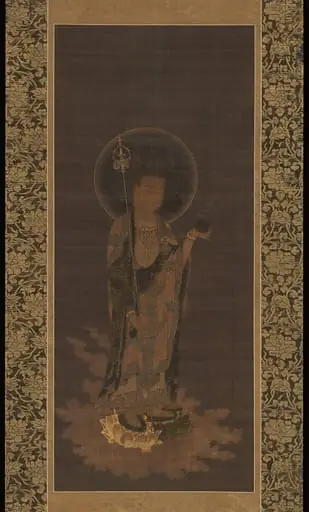 地蔵菩薩来迎図|Welcoming Descent of the Bodhisattva Jizō
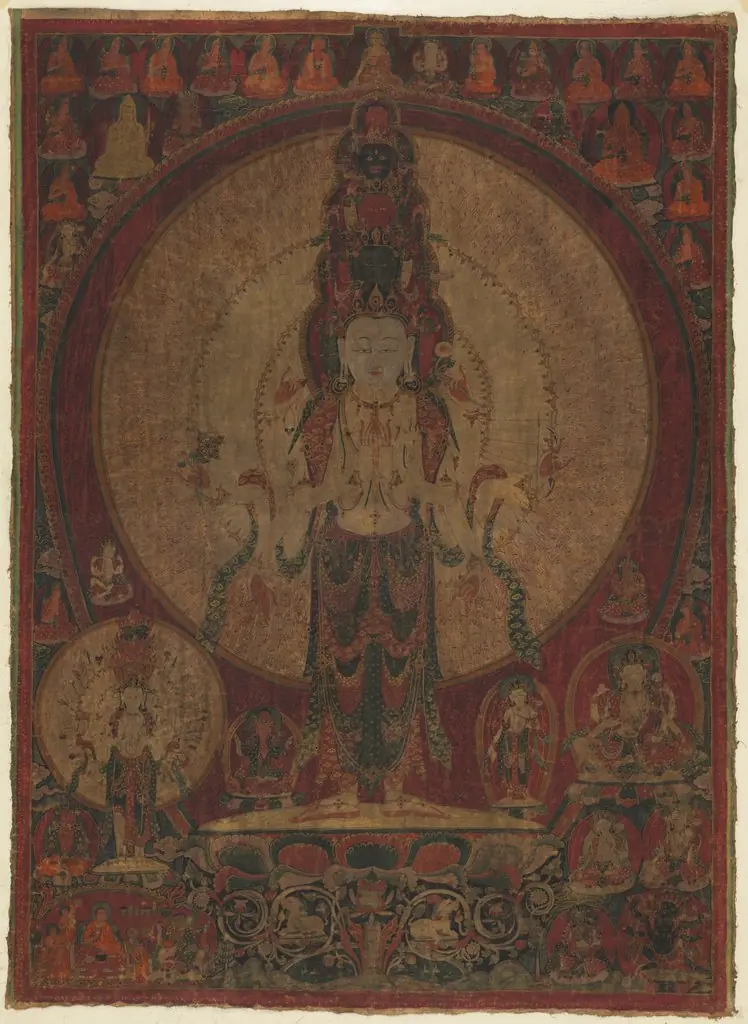 Eleven-Headed, Thousand-Armed Bodhisattva of Compassion (Avalokiteshvara)
 Avalokiteshvara (Guanyin), the Bodhisattva of Compassion