Artwork
Saint Veronica
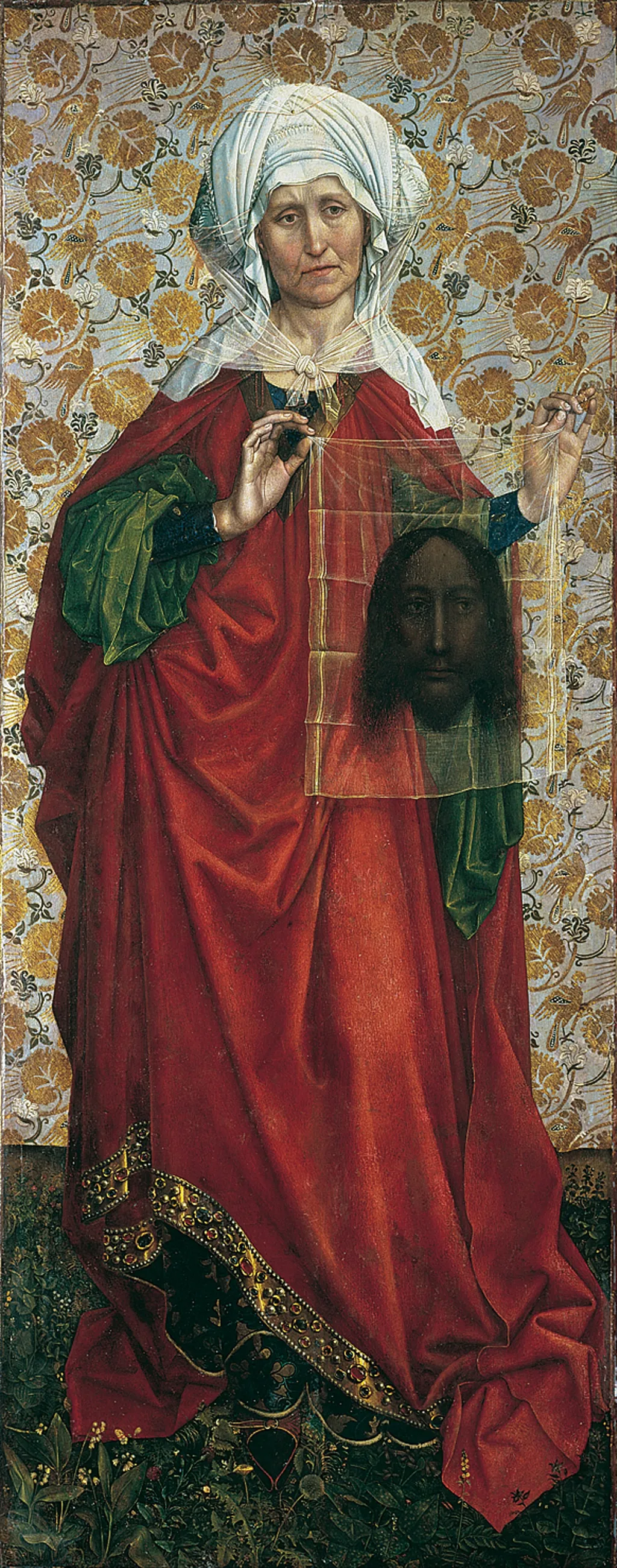
Saint Veronica is an oil painting by the Northern Renaissance artist Unknown. It dates from 1429 and is held in the collection of the Städel Museum.
About this work
Overview
Rendered in rich pigments, the figure stands before a delicate floral backdrop, her red robe and green sleeves emphasizing ceremonial dignity.
This oil painting portrays Saint Veronica, a figure from Christian tradition associated with the veil bearing Christ’s image. Rendered in rich pigments, the figure stands before a delicate floral backdrop, her red robe and green sleeves emphasizing ceremonial dignity. The translucent cloth she holds, faintly imprinted with a facial likeness, introduces a quiet enigma to the composition, aligning with devotional imagery of the period.
Subject & Meaning
The subject reflects the legend of Saint Veronica, who, according to medieval accounts, offered her veil to Christ on the way to Calvary and received his likeness imprinted upon it. The painting visualizes this moment of sacred contact, transforming the veil into a relic of presence rather than mere portraiture. The stillness of the figure and the clarity of the image suggest divine revelation through touch and faith.
Technique & Style
The work employs glazing techniques to achieve luminous skin tones and deep, saturated colors, particularly in the robe and background. Subtle chiaroscuro defines the face on the cloth without overt modeling, preserving its ethereal quality. The floral setting is rendered with fine detail, suggesting influence from late medieval panel painting traditions, especially those associated with the Rhineland.
History & Provenance
Though no documented provenance is provided, stylistic elements—such as the delicate brushwork and compositional symmetry—point to a Northern European origin, likely early 15th century. The painting’s resemblance to works by Stephan Lochner suggests it may stem from his workshop or a closely related regional atelier, though it lacks a signed attribution.
Context
Created during a period when private devotion and relic veneration were widespread, the image served as a focus for contemplation. Similar depictions of Veronica and the Holy Veil appeared in altarpieces and devotional panels across Germany and the Low Countries, often commissioned for chapels or personal prayer spaces where tactile spirituality was emphasized.
Legacy
The painting contributes to a broader visual tradition of sacred portraiture that prioritized spiritual presence over naturalism. While not widely known today, its technique and iconography reflect the enduring influence of early Netherlandish aesthetics on religious imagery, preserving a quiet, intimate form of medieval piety in oil on panel.
Artist & collection

 Domestic Scene
 Giacomo and Cardinal Marco, investing Andrea, Abbot of San Zeno, with his Benefice
 The Nymph of Fontainebleau
 Portrait of a Woman
 Madonna and Child with Saints in the Enclosed Garden
 Venus and Minerva
 Family Group of Four on Sofa
 Wall painting from Room H of the Villa of P. Fannius Synistor at Boscoreale
 Saint Paul
![The Archangel Gabriel [middle left panel], by Cosmè Tura](https://artifactworldgallery.com/img/cosme-tura--the-archangel-gabriel-middle-left-panel--c900f72d54477be2-w320.webp) The Archangel Gabriel [middle left panel]
The Archangel Gabriel [middle left panel] Mary Magdalen
 The Assumption of the Virgin with Saints from an Augustinian altarpiece
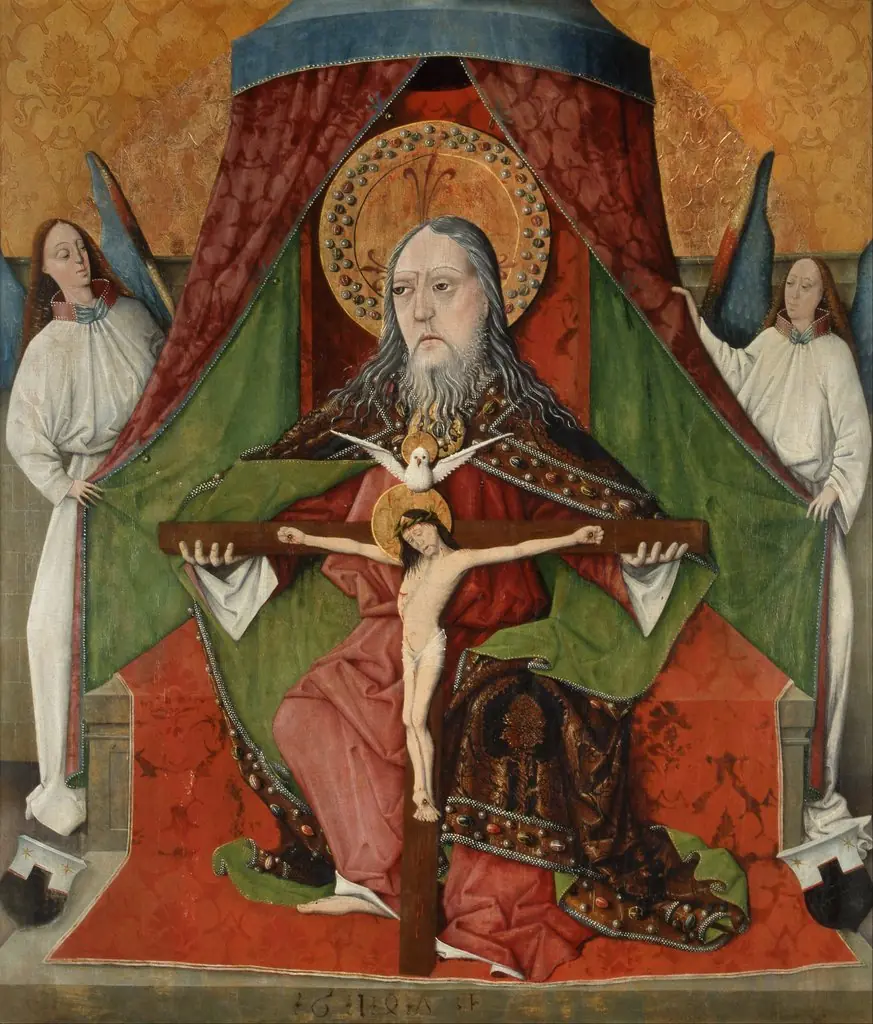 Holy Trinity, Central Panel from the High Altar of the Trinity Church, Mosóc
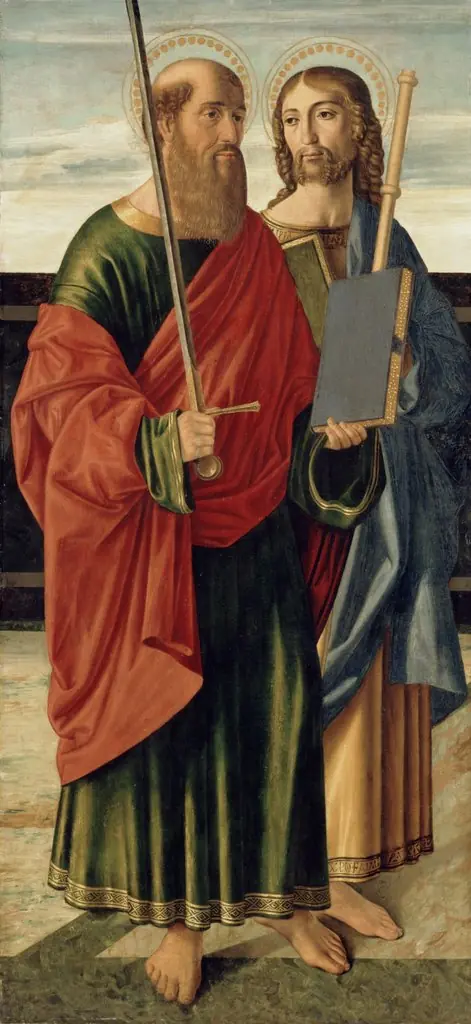 Saint Paul and Saint James the Elder
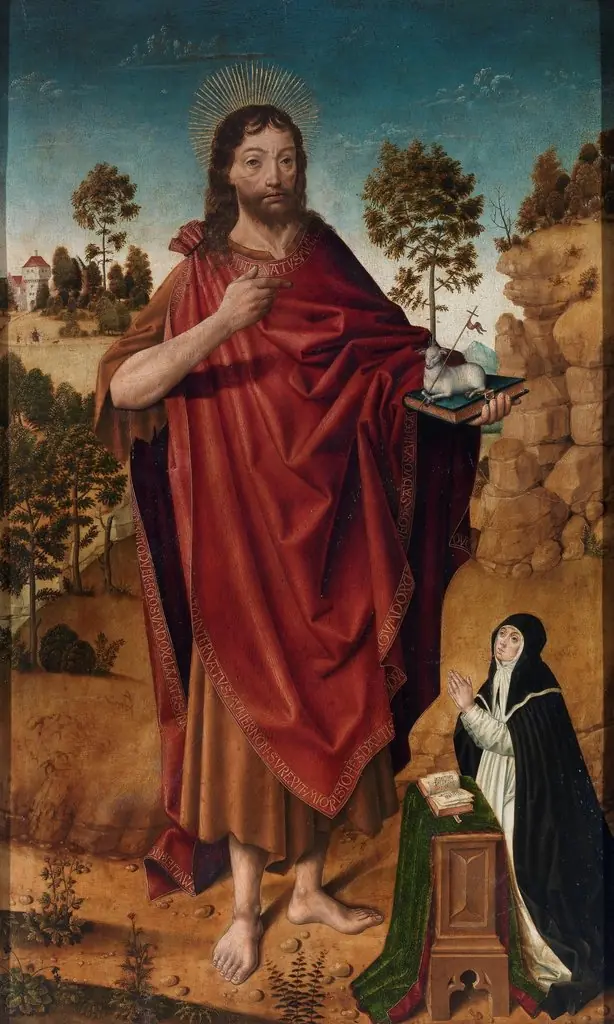 Saint John the Baptist and a Donor
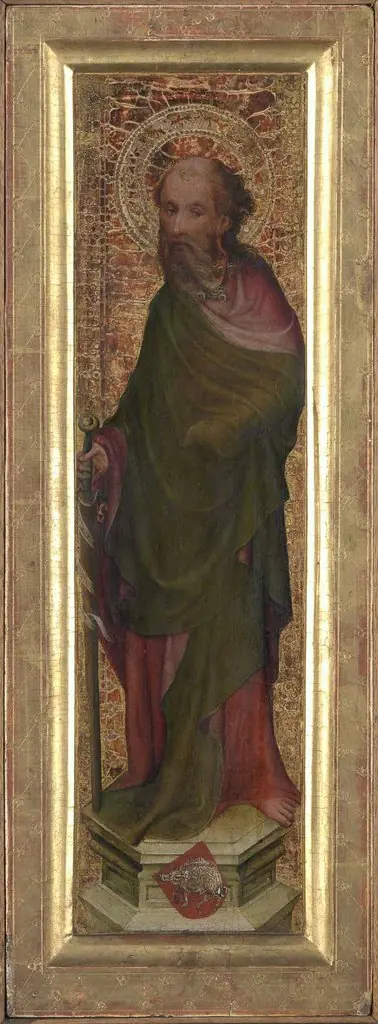 Hl. Paulus Rückseite: Hl. Reinoldus
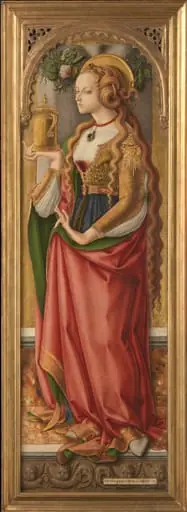 Maria Magdalena
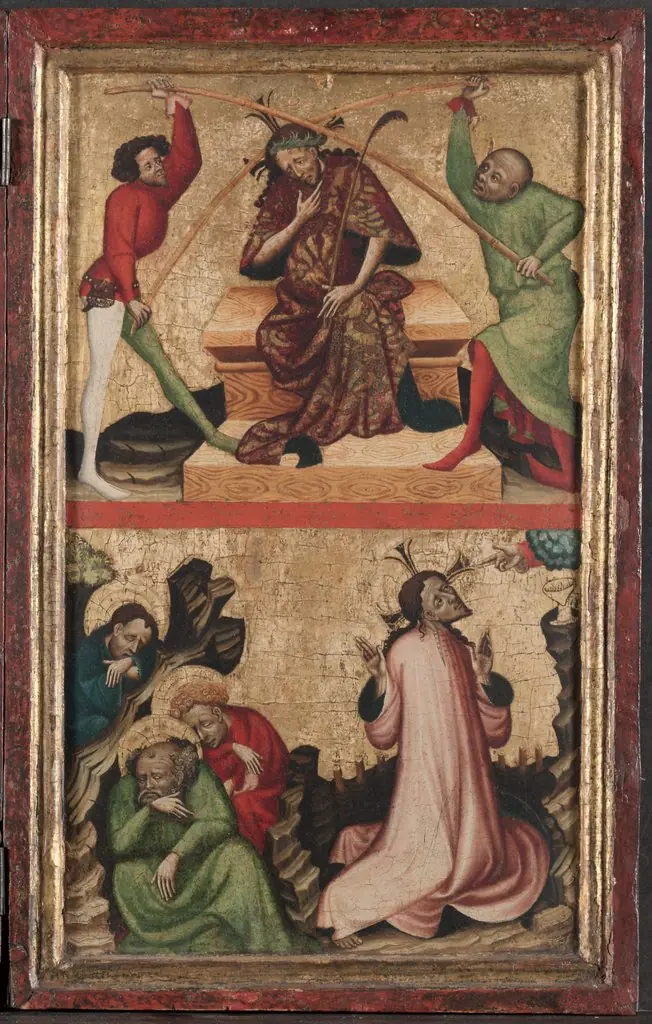 Diptych with the Passion of Christ (right wing): Crowning with Thorns and Agony on the Garden
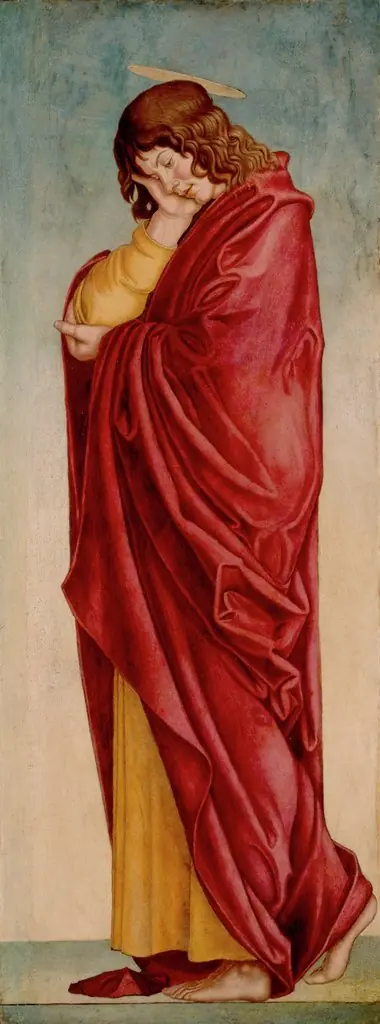 The Mourning Saint John
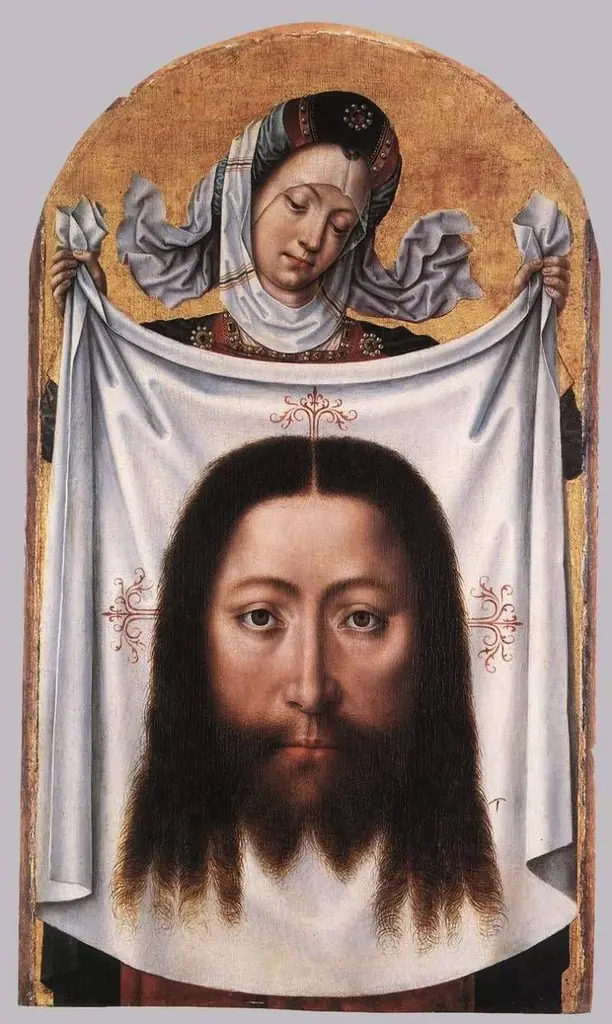 Saint Veronica with the Sudarium