Artwork
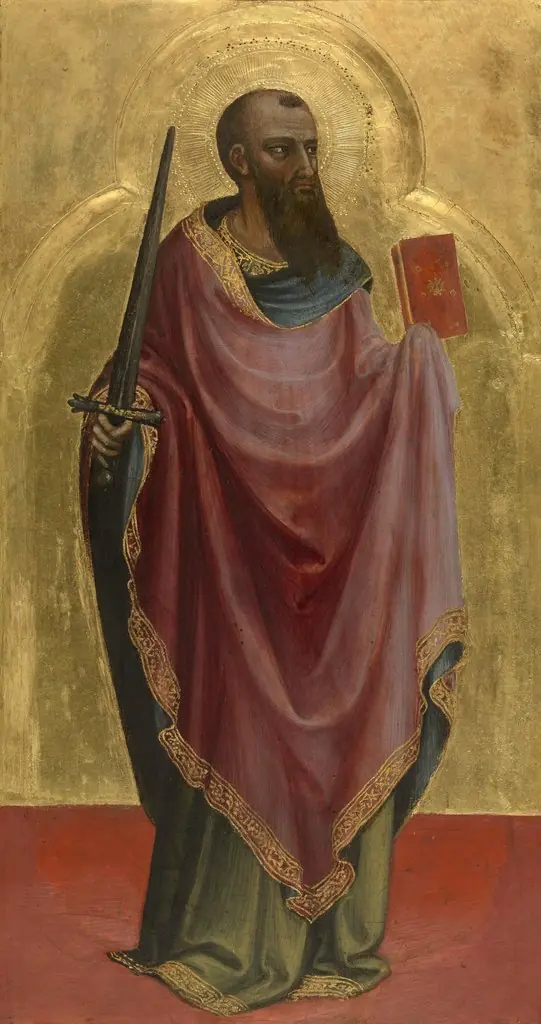
Saint Paul
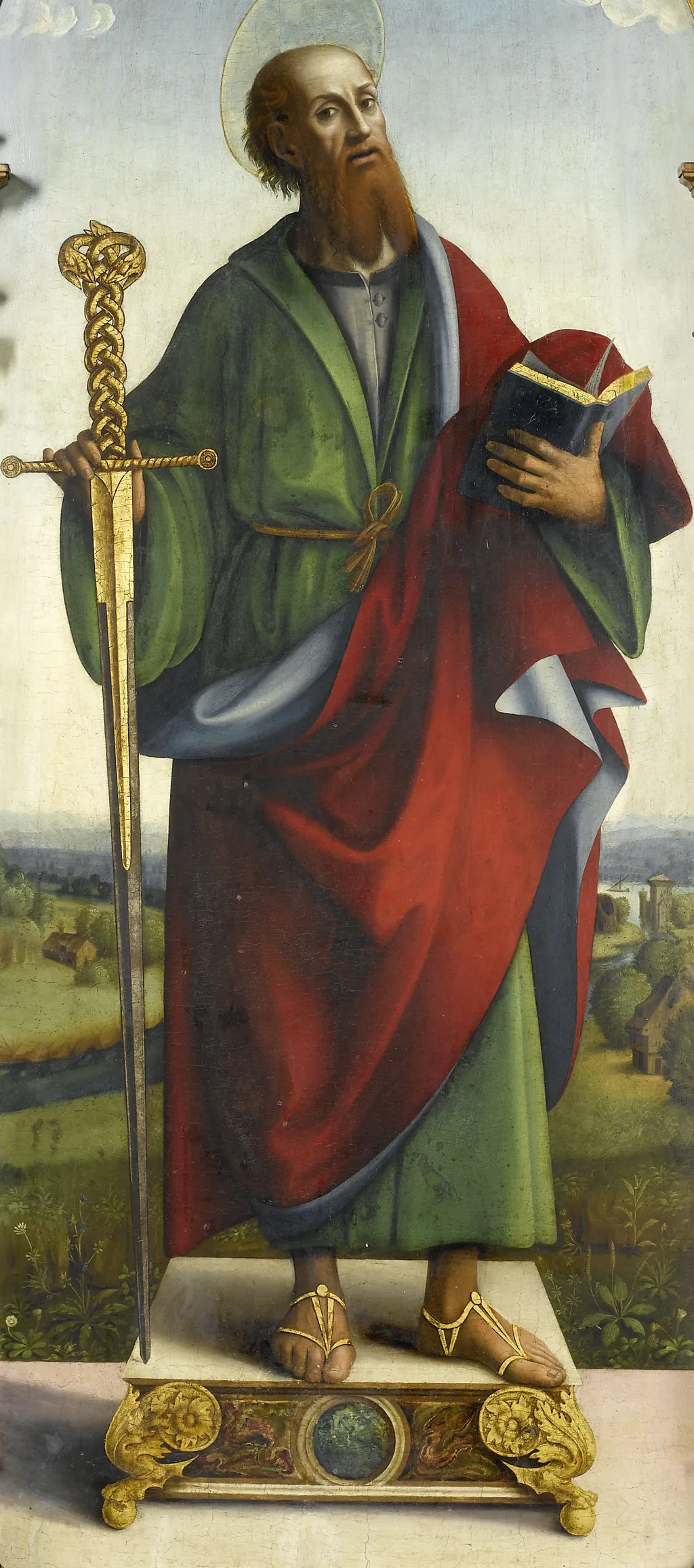
Saint Paul is an oil painting by the High Renaissance artist Macrino d'Alba. It dates from 1500 and is held in the collection of the Rijksmuseum.
About this work
Overview
Created circa 1500 by the Piedmontese painter Macrino d’Alba, this oil work portrays a standing figure identified as Saint Paul. The composition places the saint on a light‑colored platform against a landscape of gentle hills and a clear sky, and it is presently part of the Rijksmuseum’s collection.
Subject & Meaning
The central figure is clothed in a green robe over a gray tunic, with a red cloak draped across his shoulders, and sandals on his feet. A golden halo crowns his head, indicating sanctity. In his right hand he grasps a sword, a traditional attribute of Paul, while his left hand holds a book, alluding to his role as an apostle and author of epistles.
Technique & Style
Executed in oil, the painting reflects High Renaissance aesthetics, employing balanced proportions and a calm, dignified pose. Subtle modeling of light and shadow gives the drapery and flesh a three‑dimensional presence, while the landscape background is rendered with a restrained palette that supports the figure without competing for attention.
History & Provenance
Macrino d’Alba, active in the late 15th and early 16th centuries, was known for religious commissions and portraiture in northern Italy. After its creation, the work entered various private collections before being acquired by the Rijksmuseum, where it remains on display as part of the museum’s European paintings.
Artist & collection
Artist
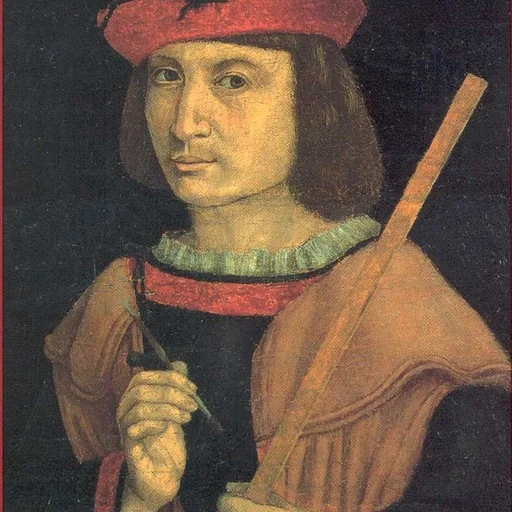
Macrino d'Alba (c. 1460–1465 – c. 1510–1520) was an Italian painter of the Renaissance period, active mainly in Piedmont, who is known for his altarpieces and portraits. His birth name was Gian Giacomo de' Alladio.

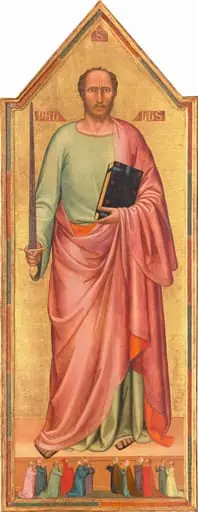 Saint Paul and a Group of Worshippers
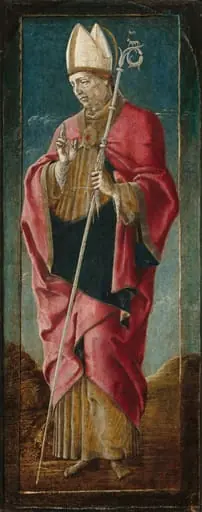 Saint Louis of Toulouse
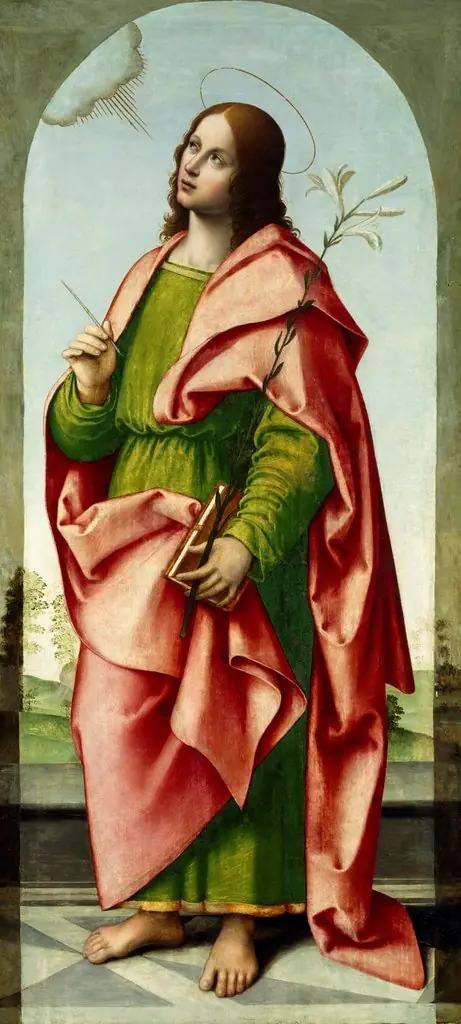 Saint John the Evangelist
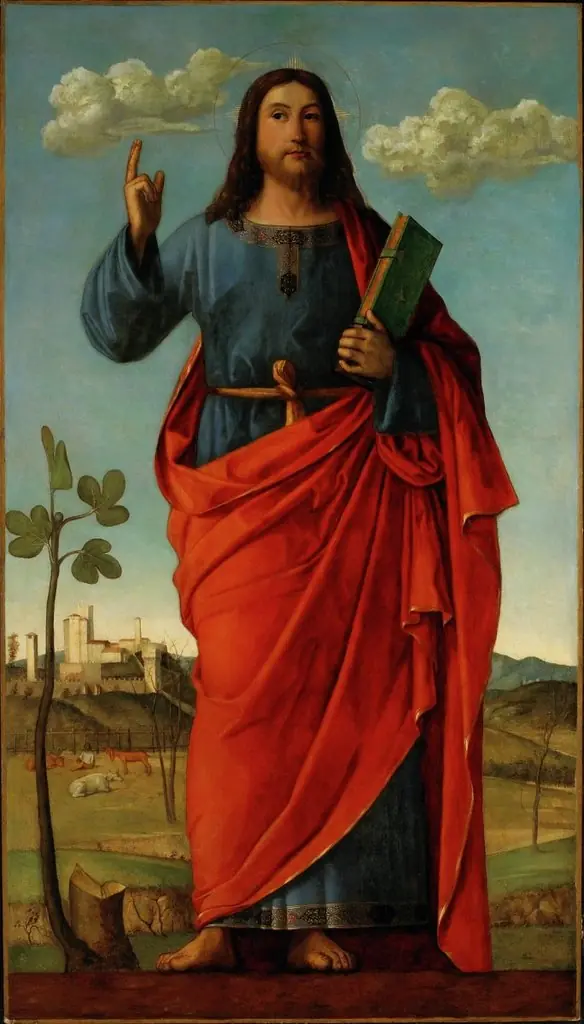 Blessing Christ
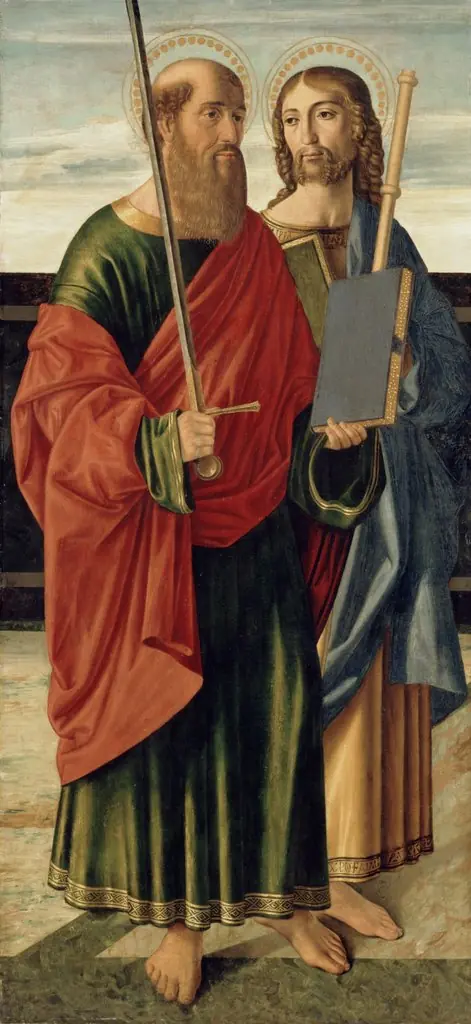 Saint Paul and Saint James the Elder
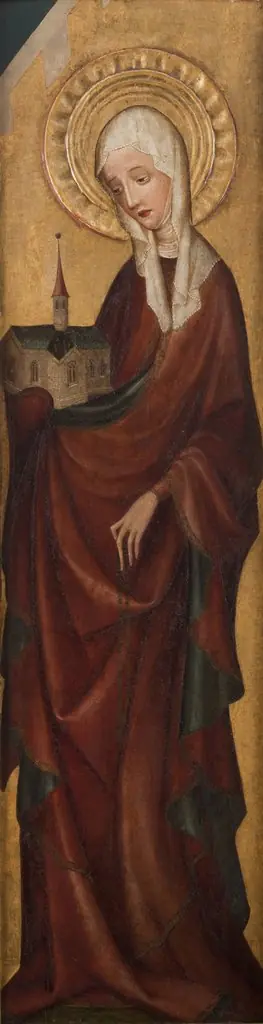 St Hedwig of Silesia. The wing from the altar retable from Trzebunia
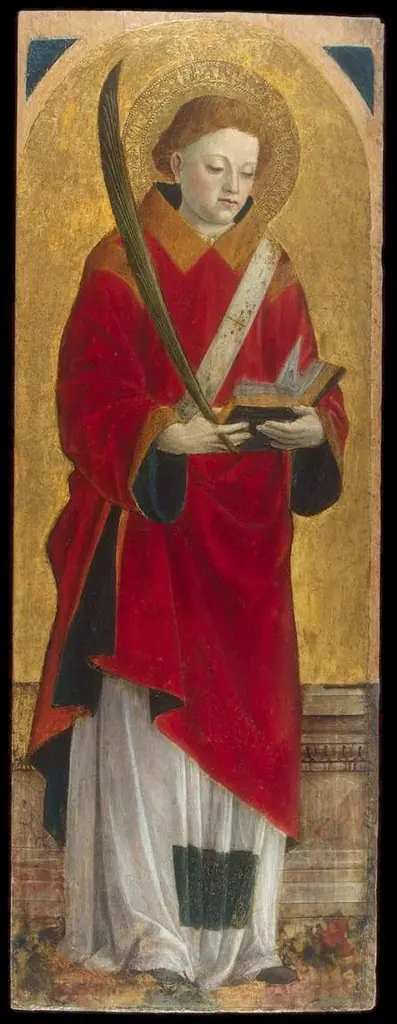 St Stephen (wing of a polyptych)
![The Archangel Gabriel [middle left panel], by Cosmè Tura](https://artifactworldgallery.com/img/cosme-tura--the-archangel-gabriel-middle-left-panel--c900f72d54477be2-w320.webp) The Archangel Gabriel [middle left panel]
The Archangel Gabriel [middle left panel]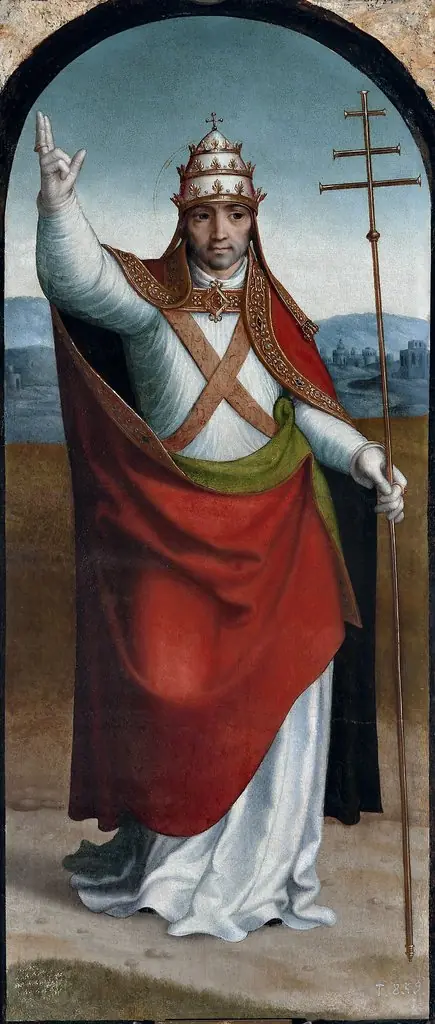 San Clemente Papa
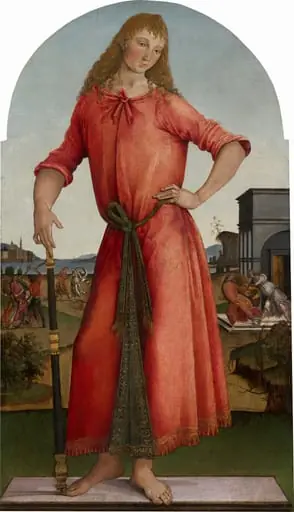 Joseph of Egypt
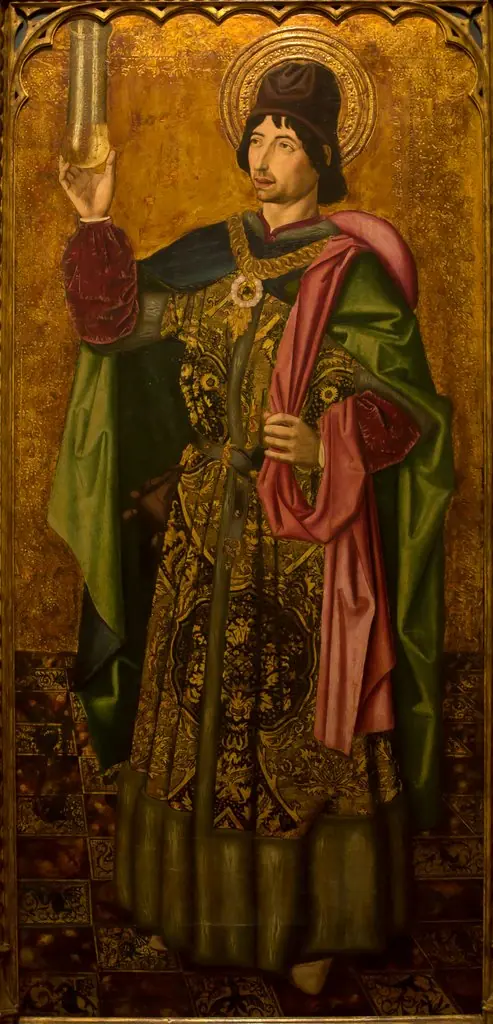 Saint Damian
 Saint Paul