Artwork
Portrait of Augustus III of Saxony (1696–1763), King of Poland in 1733–1763
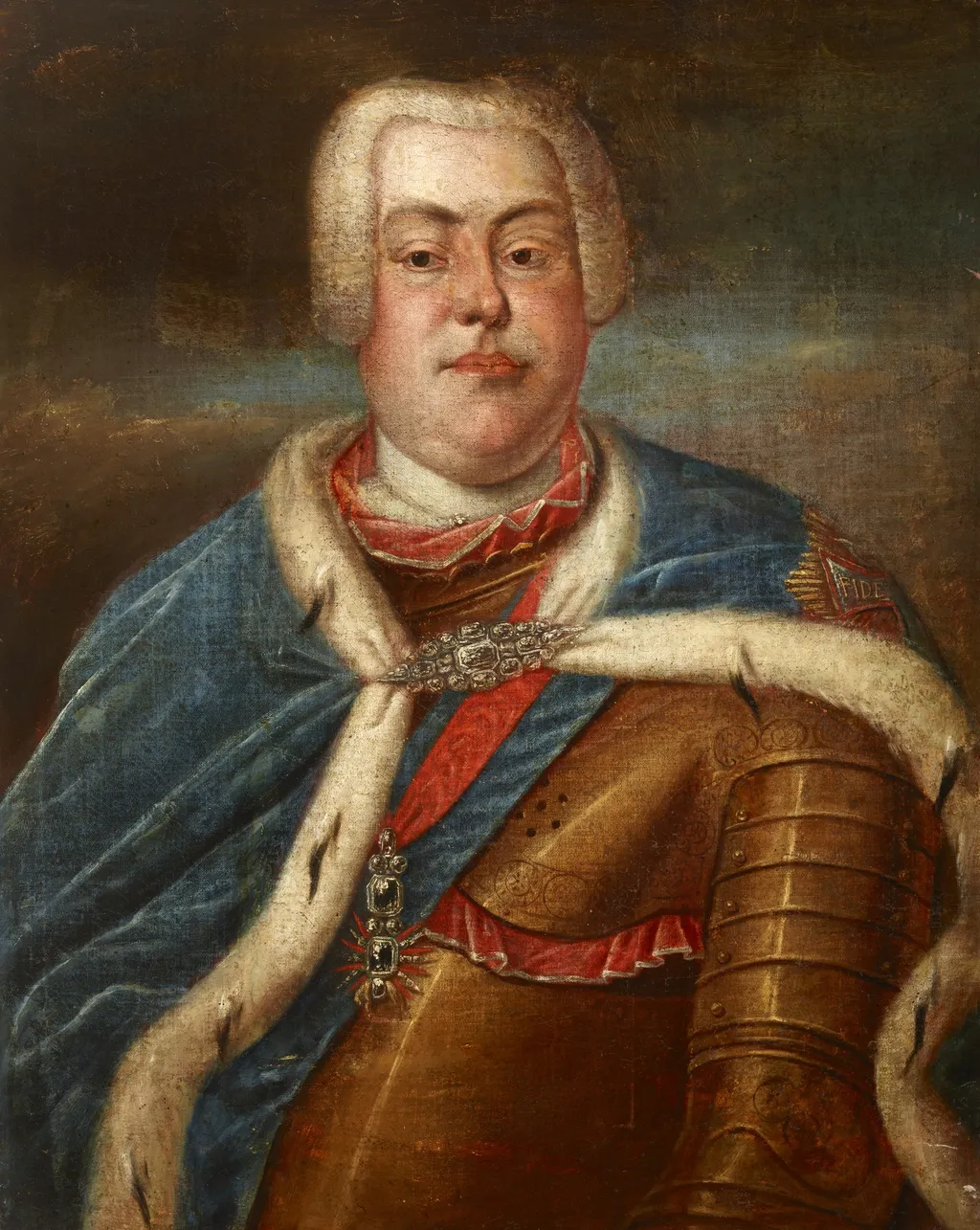
Portrait of Augustus III of Saxony (1696–1763), King of Poland in 1733–1763 is an oil painting by the Neoclassicist artist Unknown. It dates from 1799 and is held in the collection of the National Museum in Kraków. The oil painting depicts Augustus III, ruler of Saxony and king of Poland, seated in formal attire.
About this work
Overview
The oil painting depicts Augustus III, ruler of Saxony and king of Poland, seated in formal attire. He is shown with a solemn expression, his gaze fixed forward, conveying authority. The composition places the monarch against a dark background that highlights the details of his costume and facial features.
Subject & Meaning
Augustus III is presented in regal dress: a blue robe trimmed with a white fur collar, a red sash, and a gold breastplate. A red‑and‑blue ribbon rests around his neck, and his white wig frames his face. The stern demeanor and direct stare were intended to emphasize his sovereign status and political legitimacy.
Technique & Style
Executed in oil on canvas, the work employs chiaroscuro to model the figure, using the deep background to intensify the illumination on the subject’s clothing and face. Fine brushwork renders the texture of the fur collar and metallic sheen of the breastplate, while the overall palette remains restrained, focusing attention on the monarch’s presence.
History & Provenance
Created during the eighteenth century, the portrait was likely commissioned to commemorate Augustus III’s reign over Saxony and Poland. Over time it entered a public collection, where it has been displayed as part of the visual record of the era’s royal portraiture.
Context
The painting reflects the conventions of court portraiture in the early modern period, where rulers were depicted in elaborate dress to signal power and dynastic continuity. The use of dark ground and sumptuous attire aligns with contemporary European practices for portraying sovereigns.
Artist & collection

 Domestic Scene
 Giacomo and Cardinal Marco, investing Andrea, Abbot of San Zeno, with his Benefice
 The Nymph of Fontainebleau
 Portrait of a Woman
 Madonna and Child with Saints in the Enclosed Garden
 Venus and Minerva
 Family Group of Four on Sofa
 Wall painting from Room H of the Villa of P. Fannius Synistor at Boscoreale
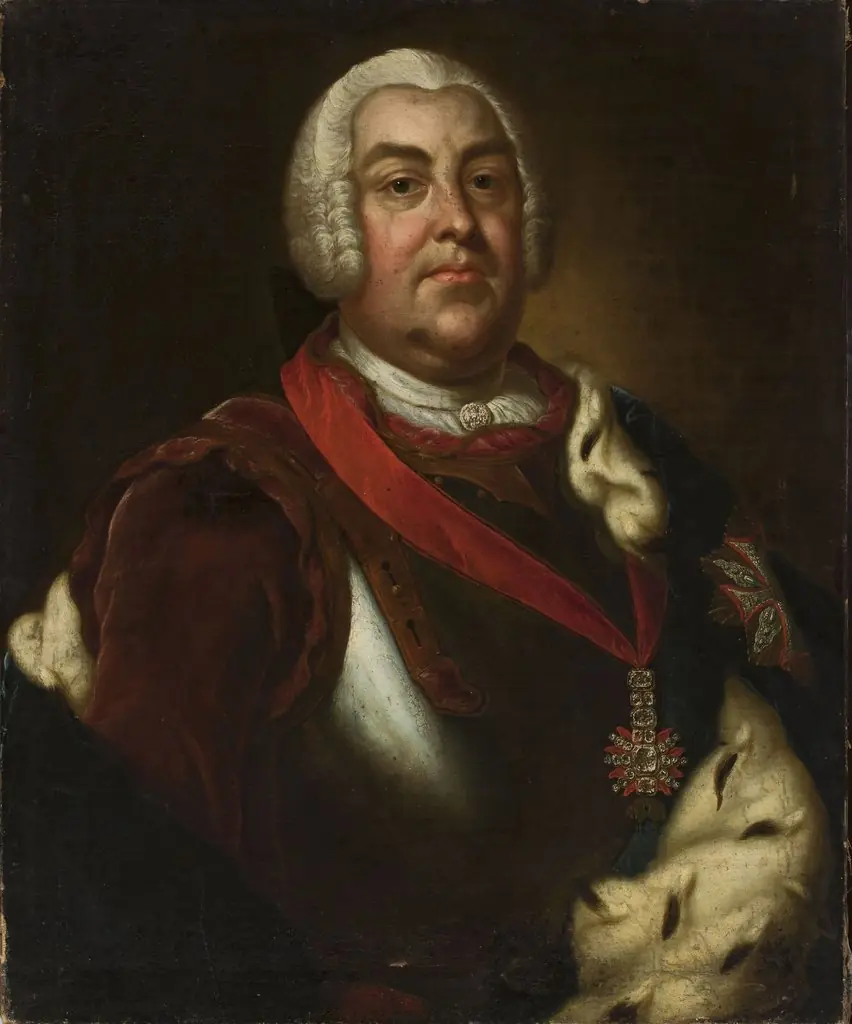 Portrait of Augustus III the Saxon, King of Poland
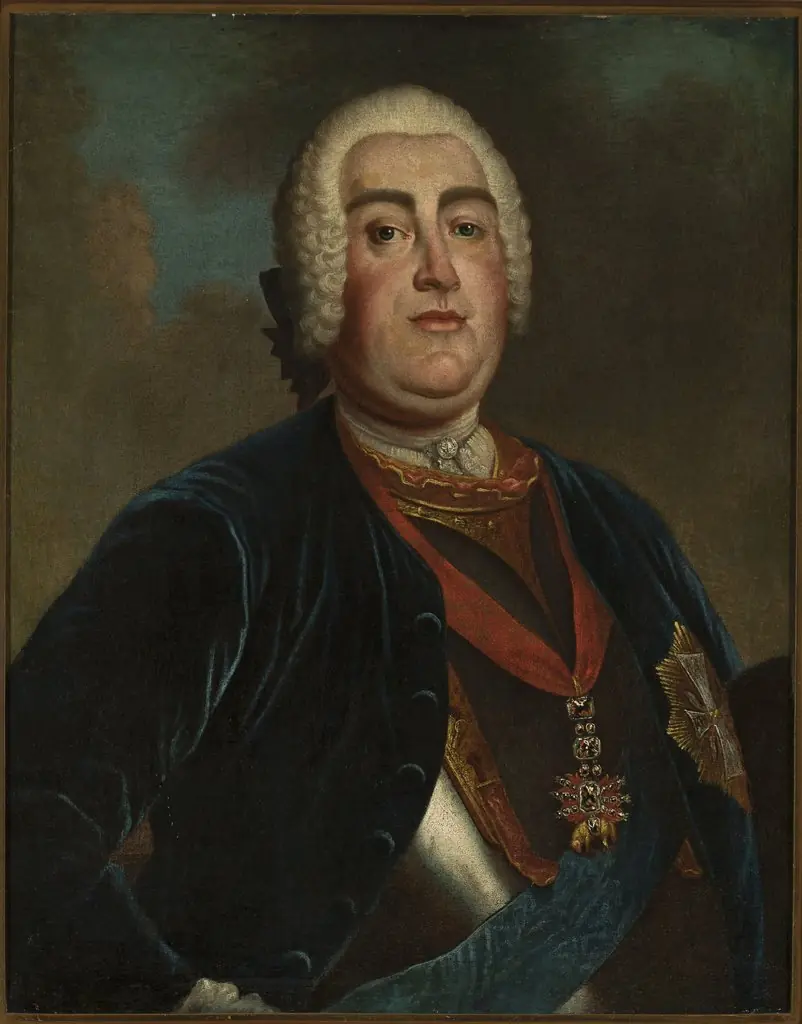 Portrait of Augustus III
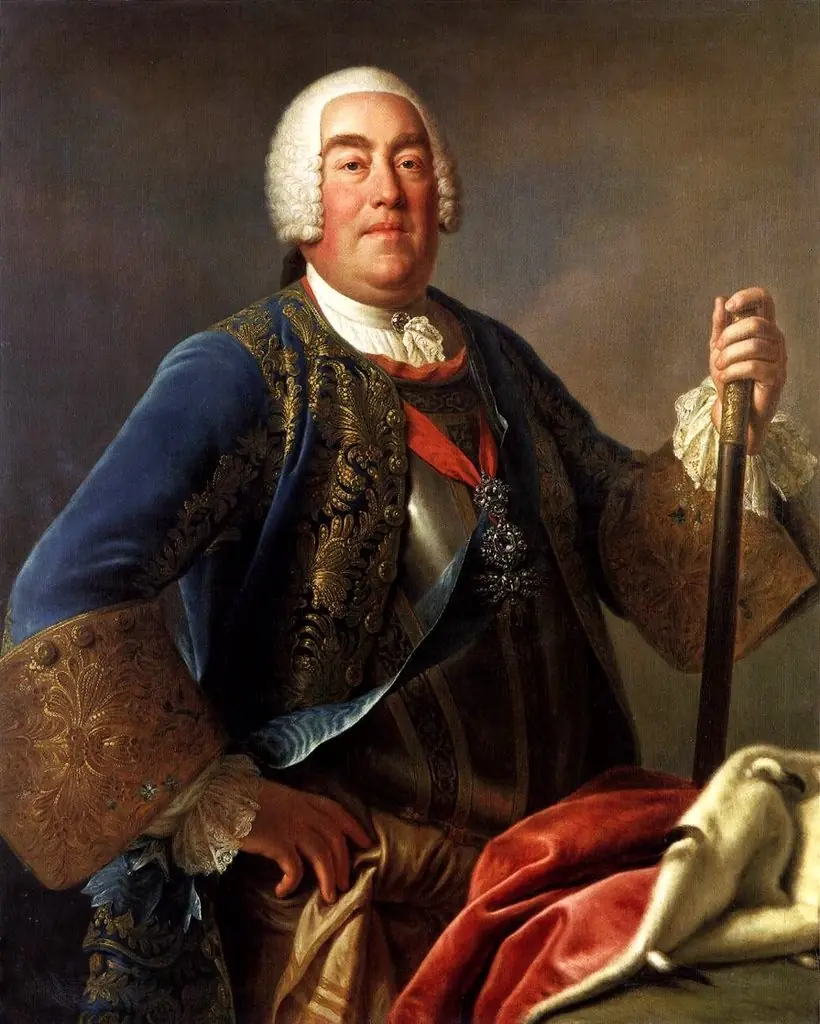 Elector Friedrich August II of Saxony, as King Augustus III of Poland (1696-1763)
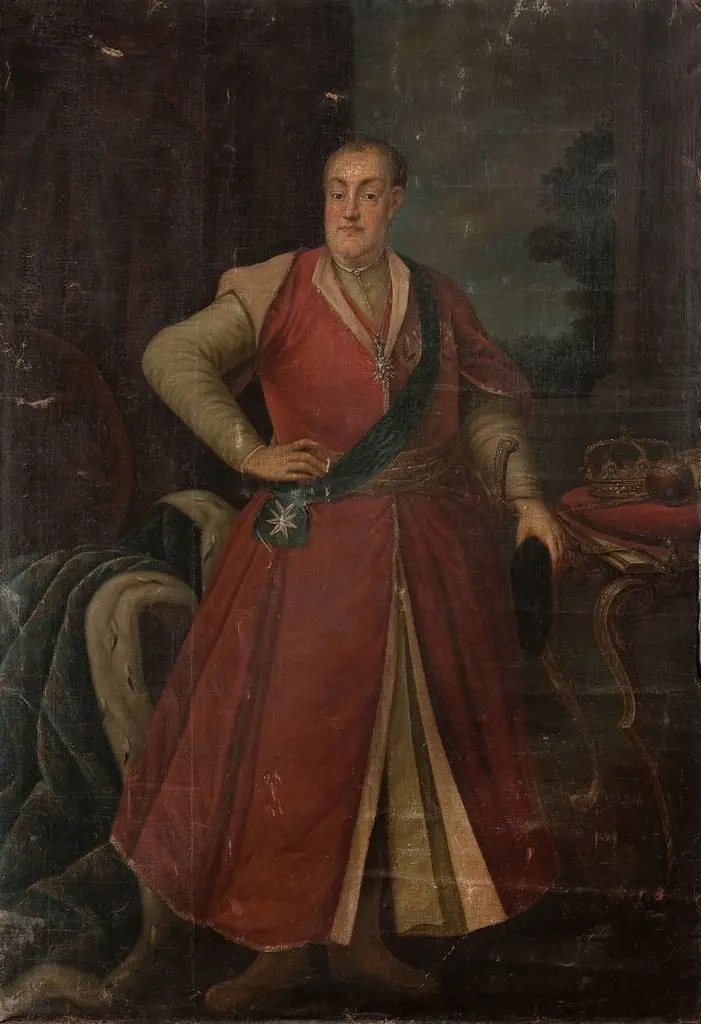 Portrait of Augustus III (1696–1763), King of Poland
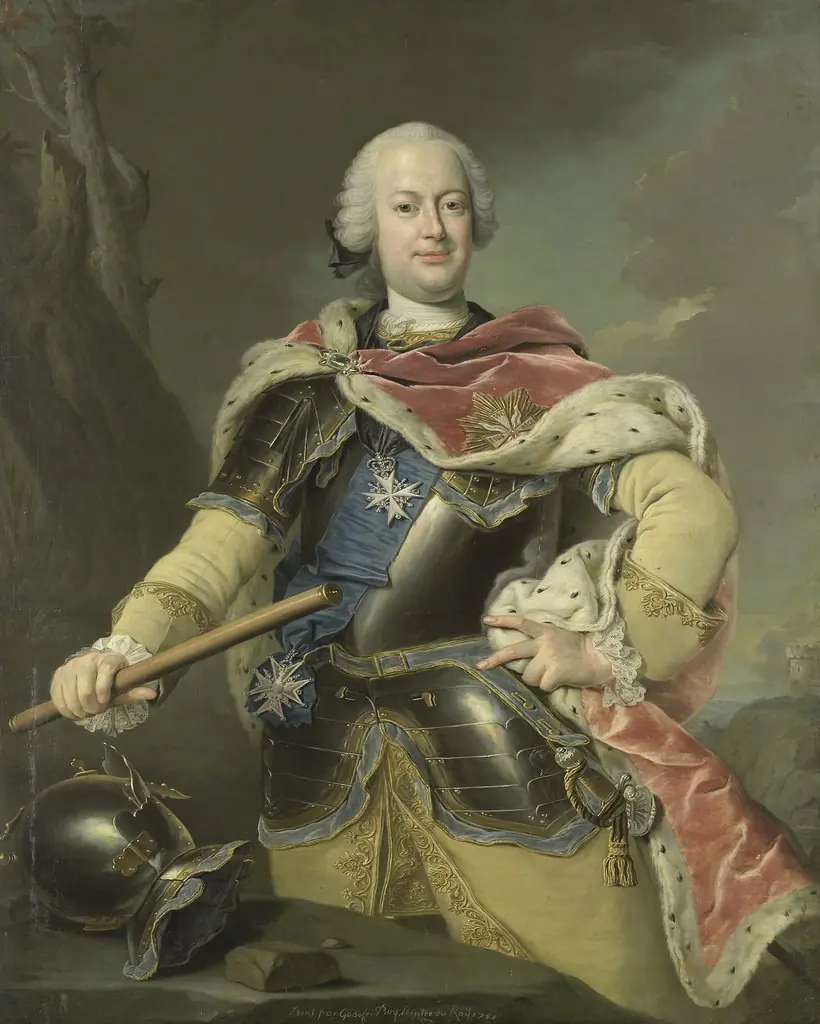 Friedrich Christian (1722-63), Elector of Saxony and King of Poland
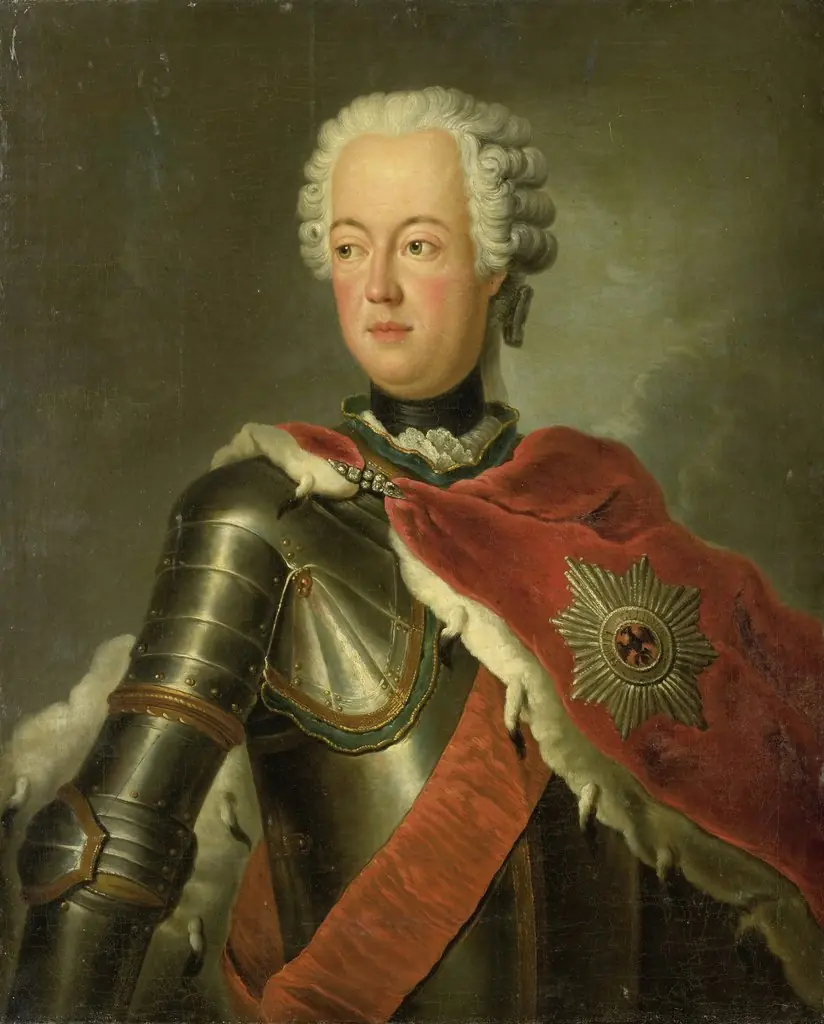 Portrait of Prince August Wilhelm of Prussia
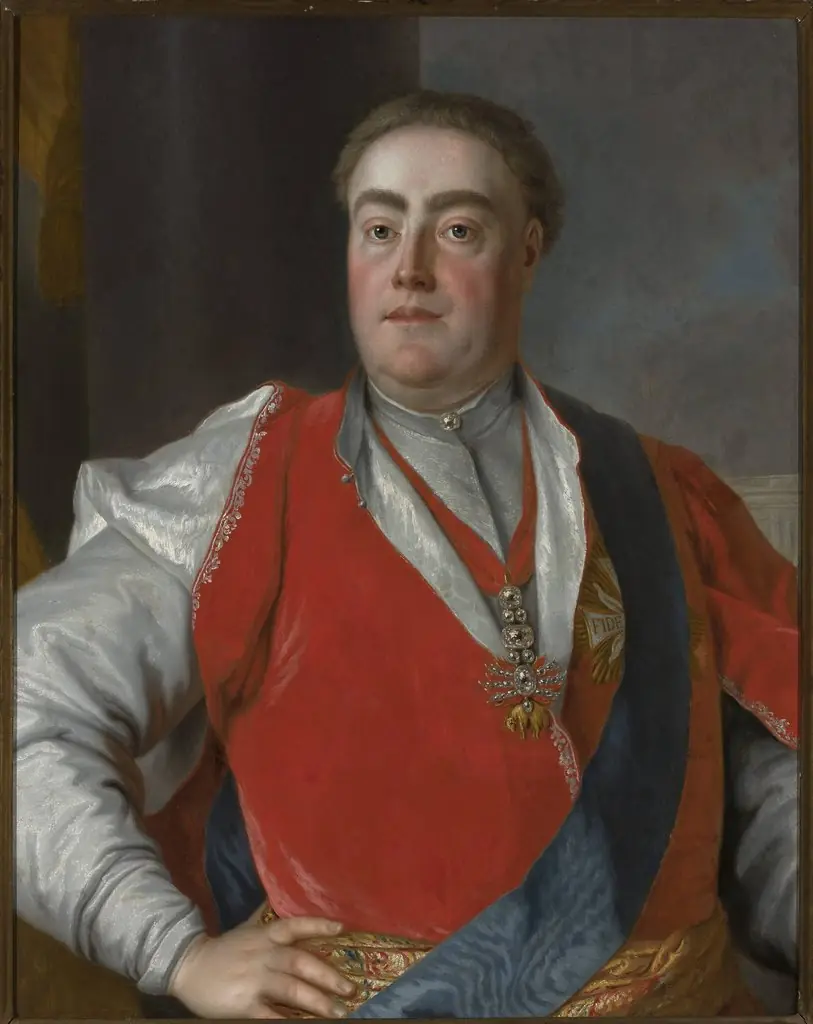 Portrait of Augustus III (1696–1763), King of Poland
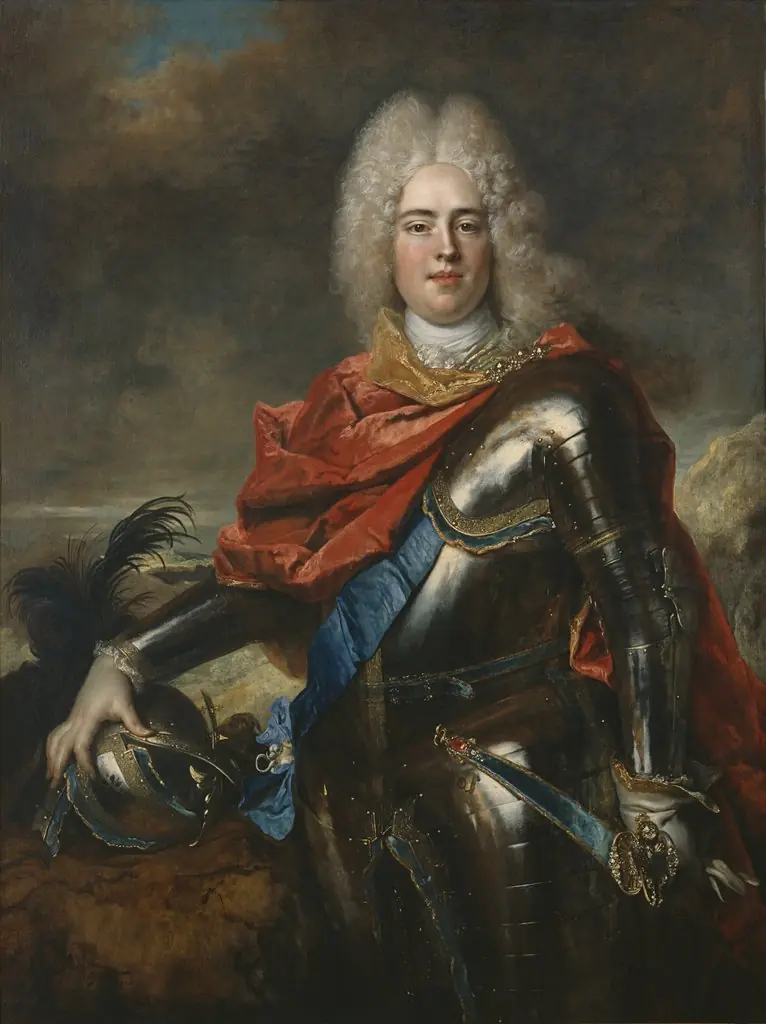 Crown Prince Frederick Augustus of Saxony
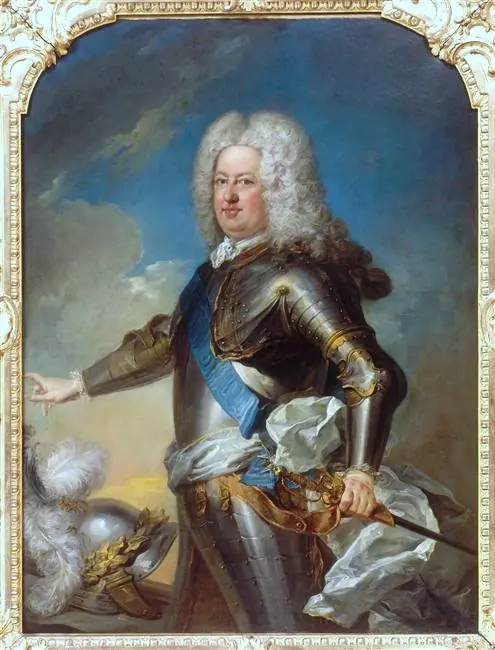 Portrait of Stanisław Leszczyński (1677-1766), King of Poland
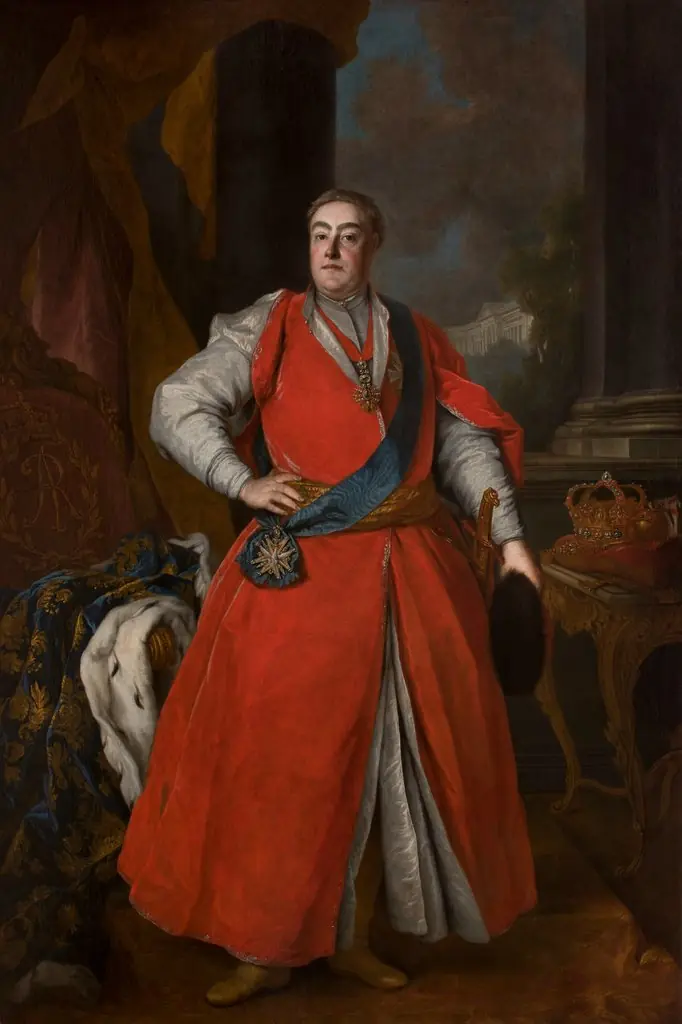 Portrait of August III the Saxon in Polish costume
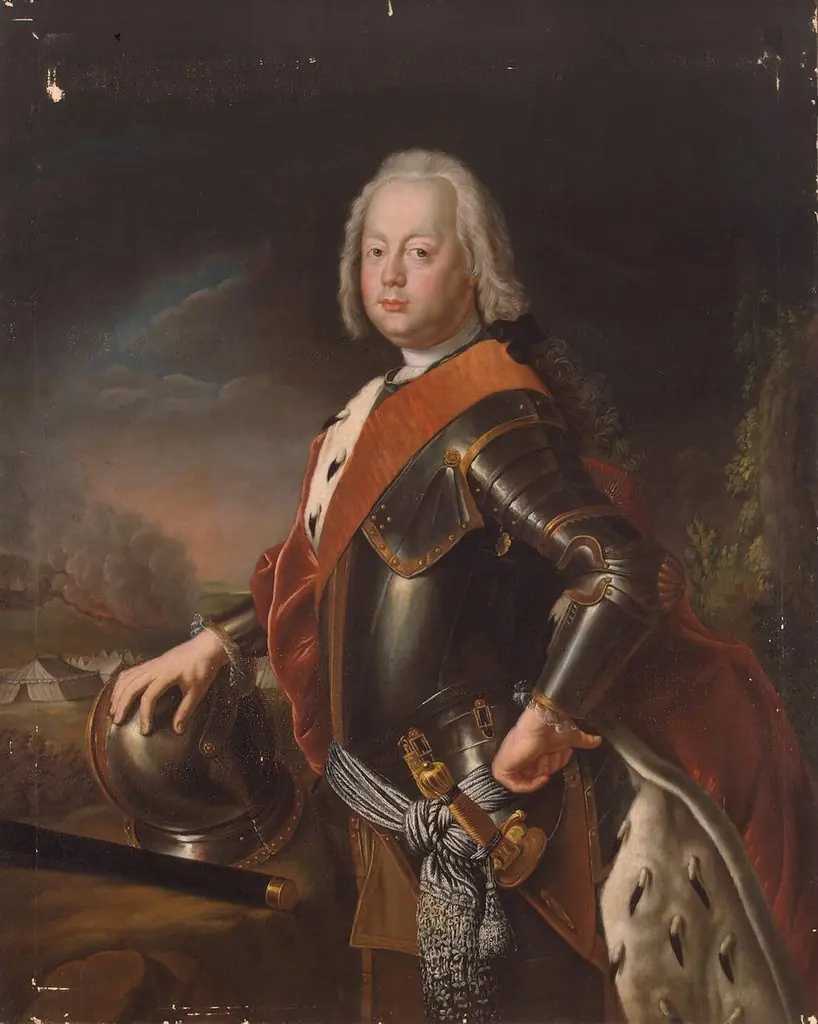 Portrait of Christian Augustus of Anhalt-Zerbst