Artwork
Portrait of Augustus III
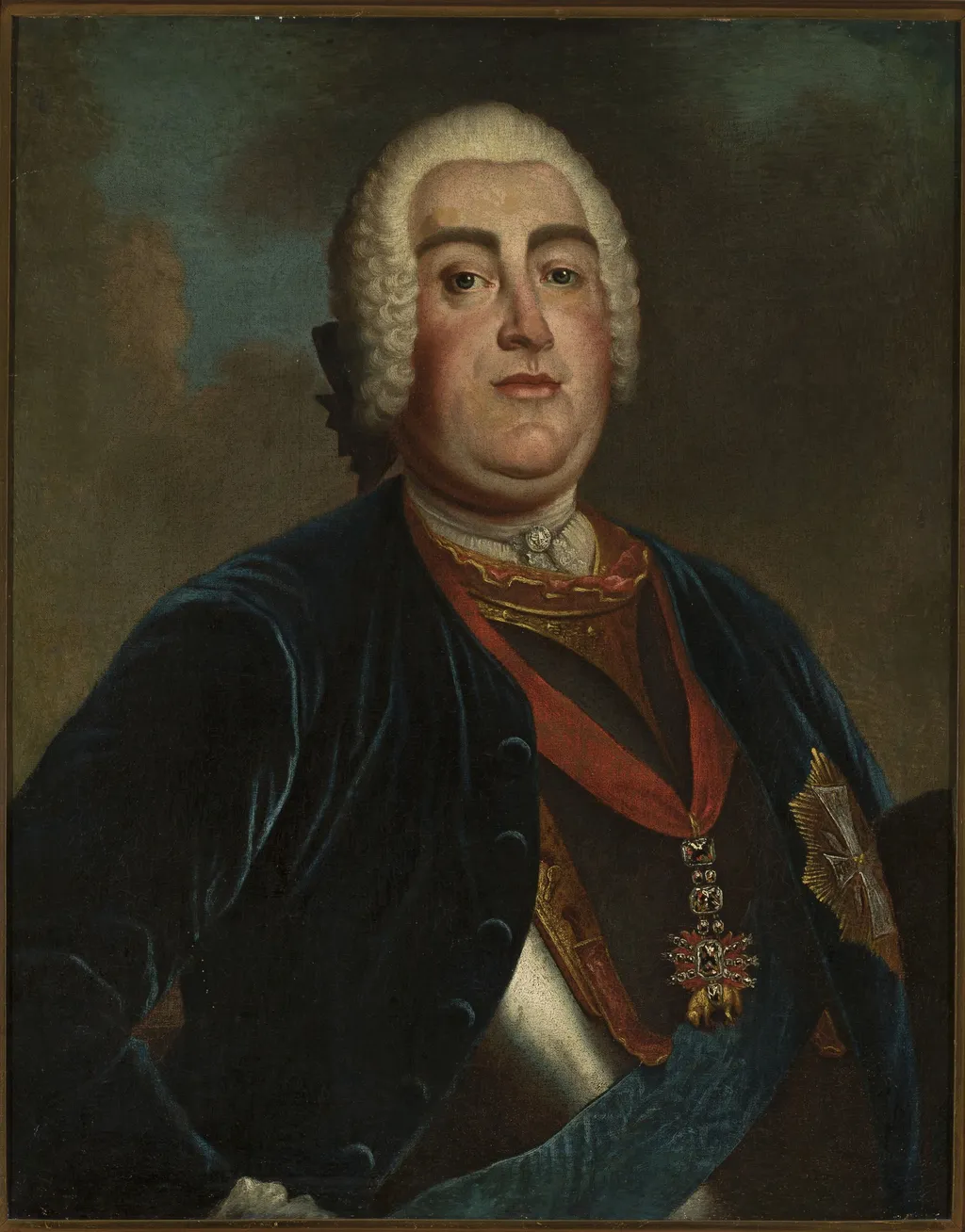
Portrait of Augustus III is an oil painting by the Rococo painting artist Louis de Silvestre. It dates from 1725 and is held in the collection of the National Museum in Warsaw.
About this work
Overview
Painted around 1725 by Louis de Silvestre, this oil-on-canvas portrait captures Augustus III, then Elector of Saxony and future King of Poland.
Painted around 1725 by Louis de Silvestre, this oil-on-canvas portrait captures Augustus III, then Elector of Saxony and future King of Poland. Silvestre, a French artist active in Dresden, was appointed court painter to Augustus II and later led the Royal Academy of Arts there. The work reflects the formal conventions of royal portraiture in early 18th-century Europe, emphasizing dignity and status through controlled composition and refined detail.
Subject & Meaning
Augustus III is depicted in ceremonial attire, wearing a dark blue coat with red embroidery, a white lace cravat, and insignia of the Order of the White Eagle. The gold medal and star denote his high rank and membership in prestigious chivalric orders. His powdered wig and solemn expression convey the gravity of his position, reinforcing the image of a ruler grounded in tradition and authority rather than personal charisma.
Technique & Style
Silvestre employed the soft, delicate brushwork characteristic of the Rococo style, particularly in rendering the textures of fabric and lace. The folds of the coat and the sheen of the ribbon are rendered with subtle gradations, avoiding harsh lines. The plain, dark background eliminates distraction, directing attention to the figure’s precise details and the quiet intensity of his gaze, a hallmark of court portraiture of the period.
History & Provenance
The portrait was likely commissioned during Augustus III’s tenure as Elector of Saxony, prior to his accession to the Polish throne in 1733. It remained within Saxon royal collections before eventually entering the National Museum in Warsaw. Its preservation reflects the cultural continuity between Saxony and Poland under the Wettin dynasty, and its current location underscores its significance in Polish national heritage.
Context
In the early 1700s, European courts used portraiture to project political legitimacy and dynastic continuity. Silvestre, trained in France and active in Dresden, bridged French artistic traditions with the tastes of the Saxon-Polish court. His work aligned with broader trends in royal imagery, where elaborate dress and restrained emotion signaled power without overt theatricality, distinguishing it from later Baroque flamboyance.
Legacy
Silvestre’s portrait of Augustus III remains a key example of how court artists shaped public perception of rulers through controlled visual language. While not widely exhibited beyond Poland, it contributes to the understanding of how Saxon-Polish identity was visually constructed. The painting’s endurance in the National Museum’s collection affirms its role as a historical document of aristocratic representation in Central Europe.
Artist & collection
Artist
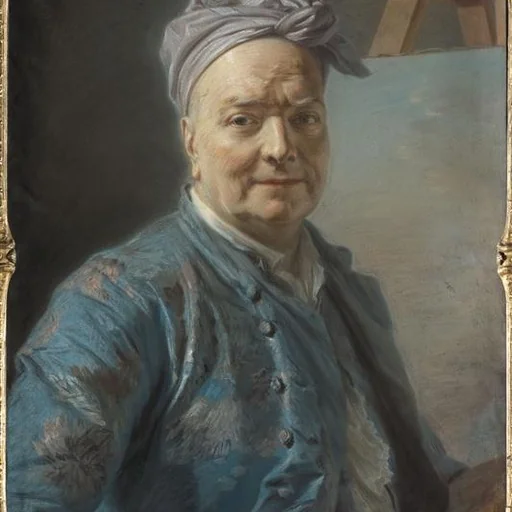
Louis de Silvestre (23 June 1675 – 11 April 1760), also known as Louis de Silvestre the Younger, was a French portrait and history painter.

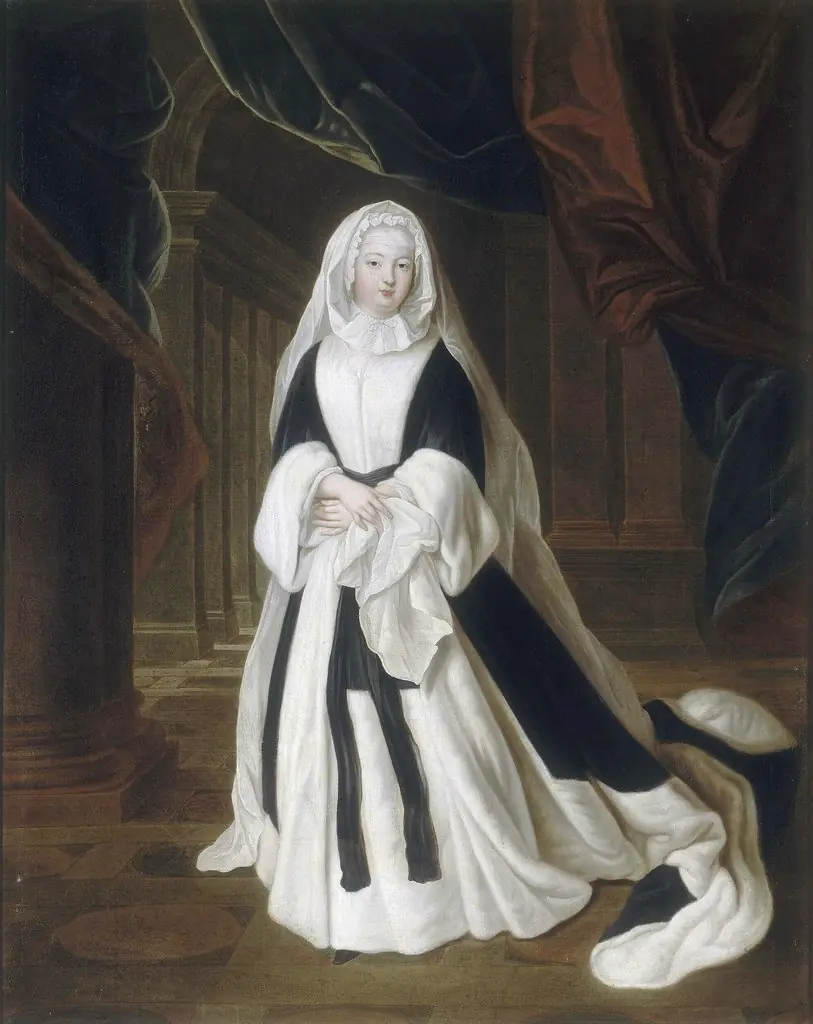 Louise Françoise de Bourbon, Duchess of Bourbon
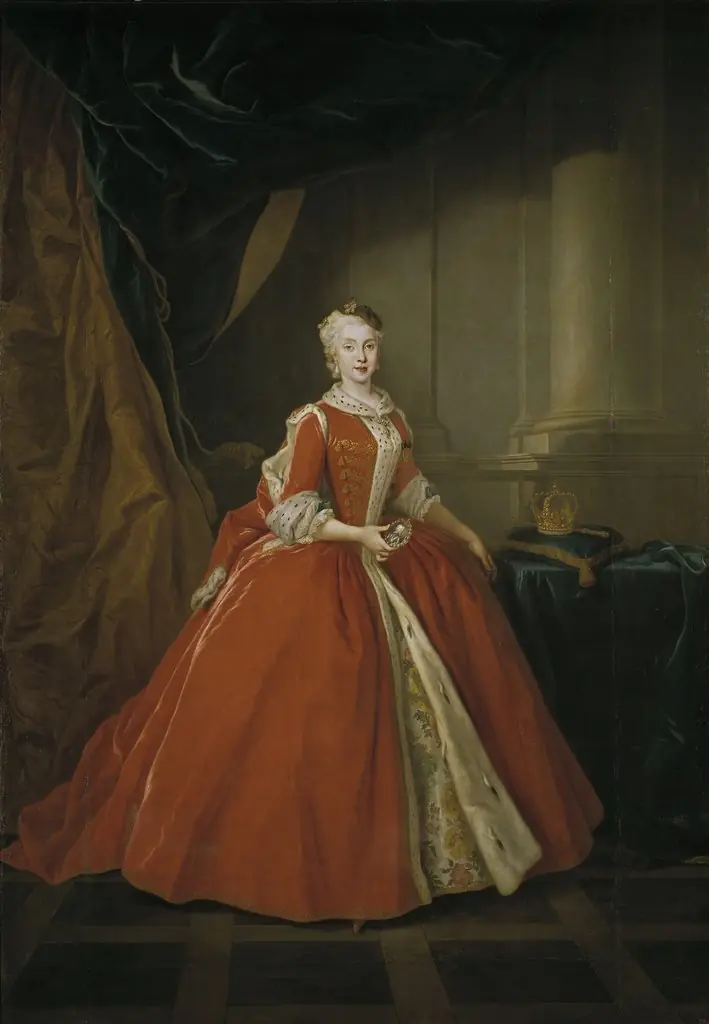 Maria Amalia de Saxony
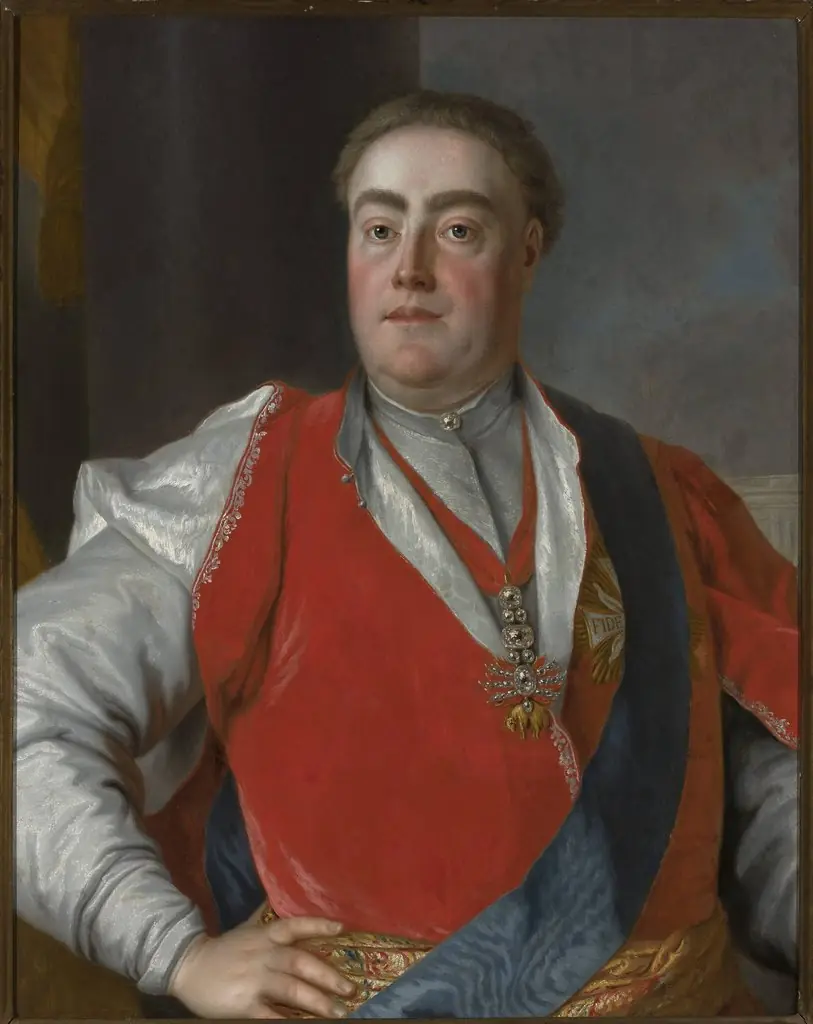 Portrait of Augustus III (1696–1763), King of Poland
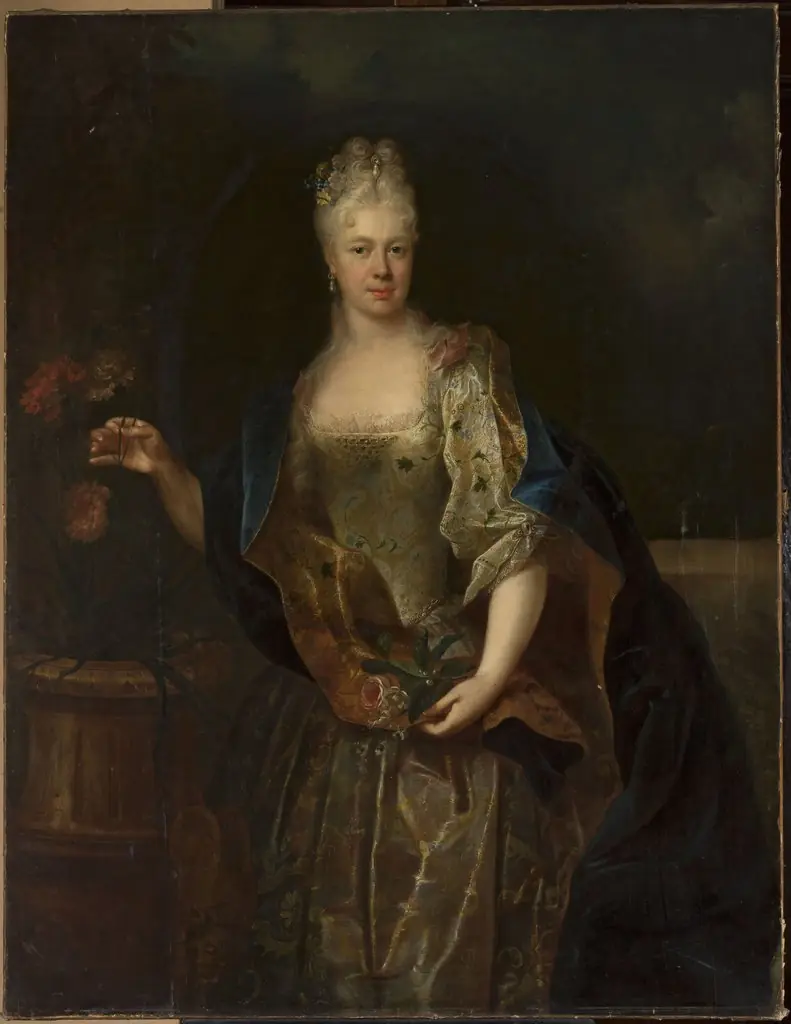 Portrait of Ludwika Amalia Lubomirska (1722–1778)
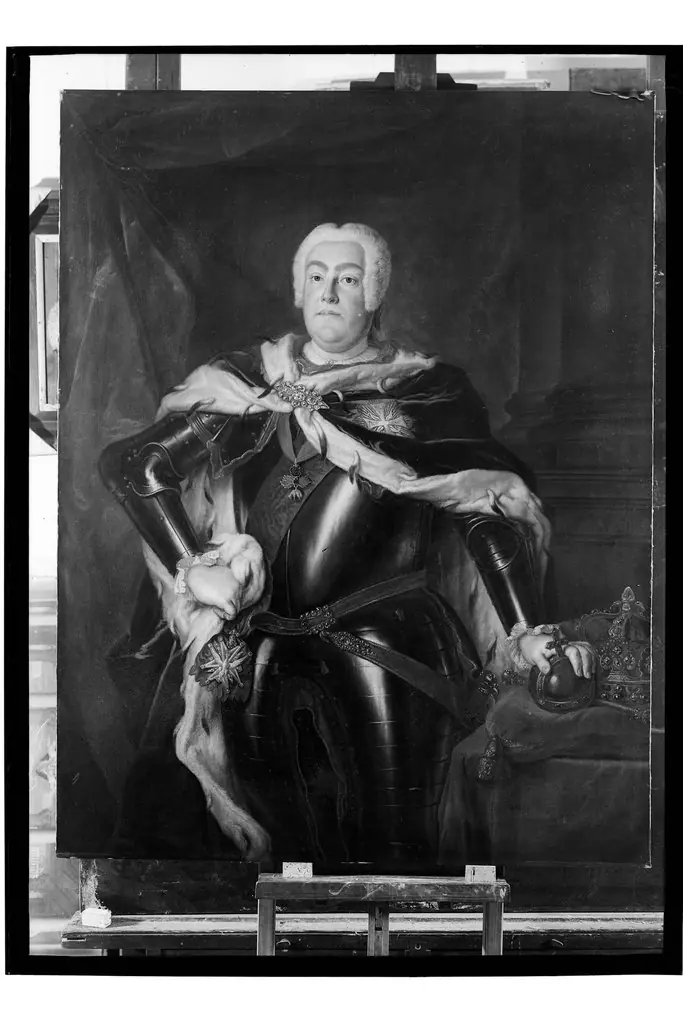 Portrait of Augustus III (1696–1763)
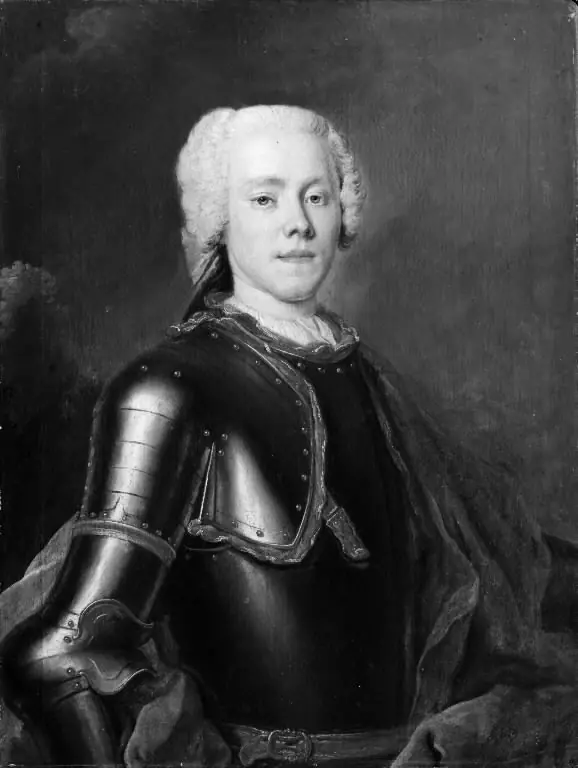 Portrait of Count Jørgen Scheel (1721-1786)
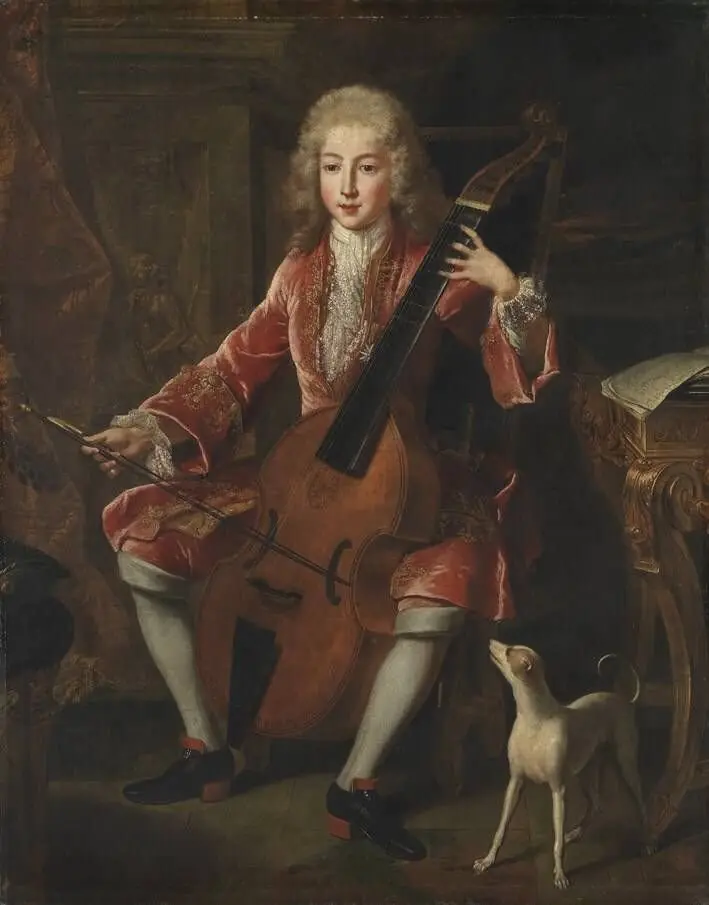 Maximilien-Emmanuel, Chevalier de Bavière
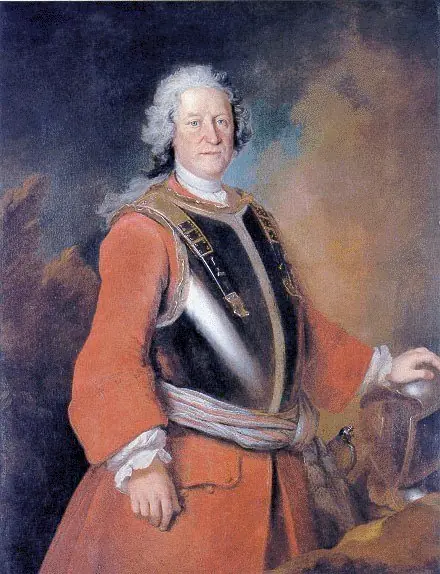 Jean de Bodt (1670-1745)
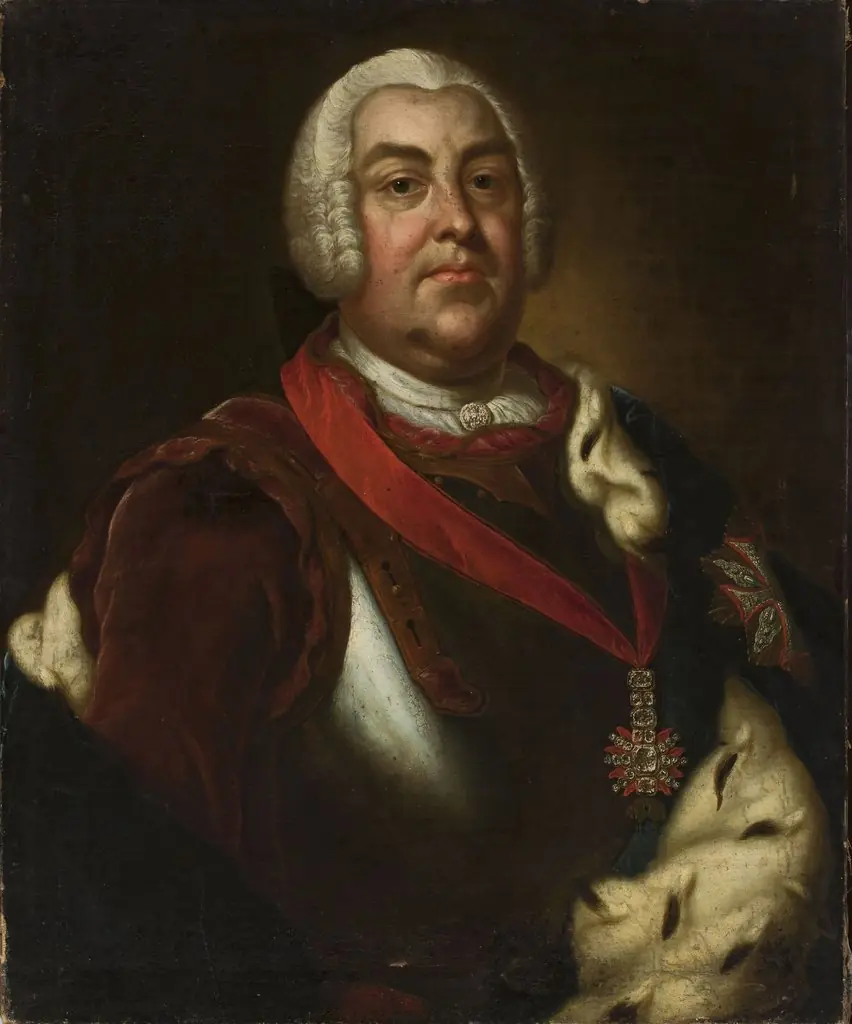 Portrait of Augustus III the Saxon, King of Poland
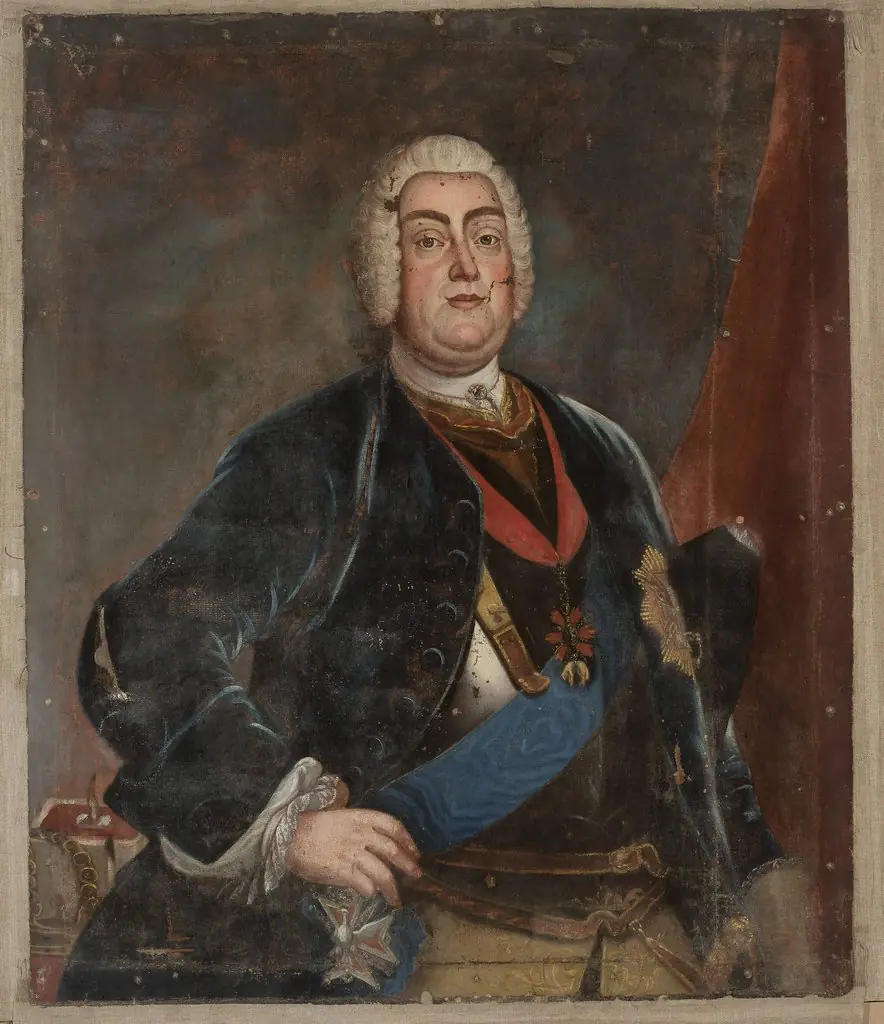 Portrait of Augustus III (1696–1763), King of Poland
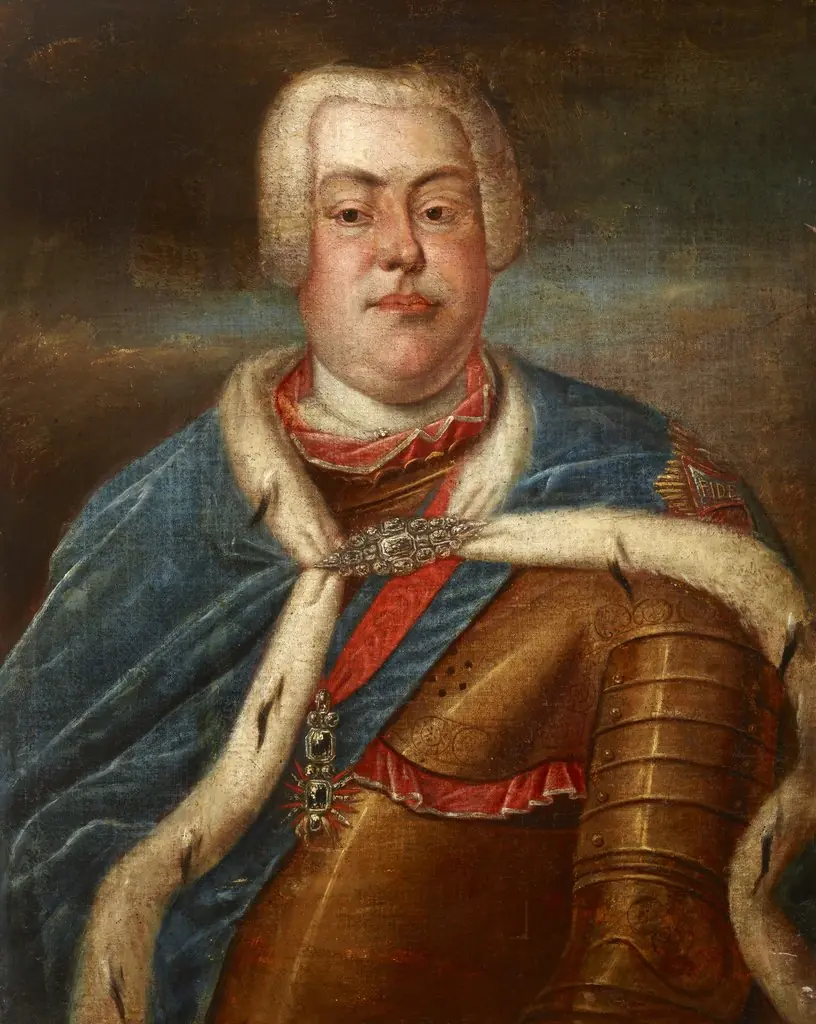 Portrait of Augustus III of Saxony (1696–1763), King of Poland in 1733–1763
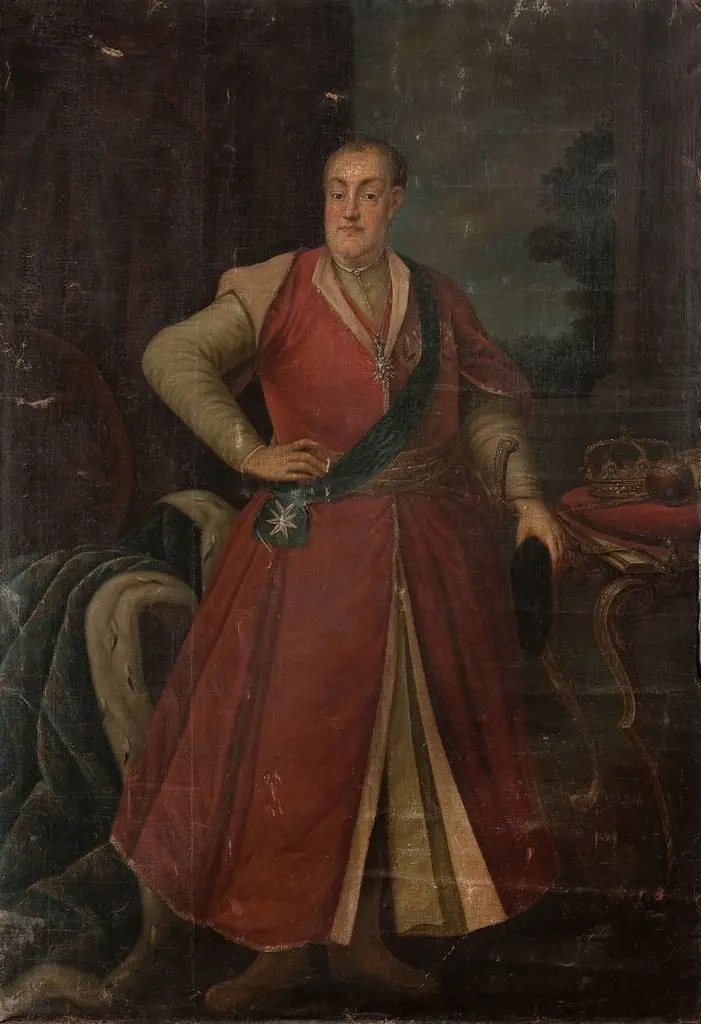 Portrait of Augustus III (1696–1763), King of Poland
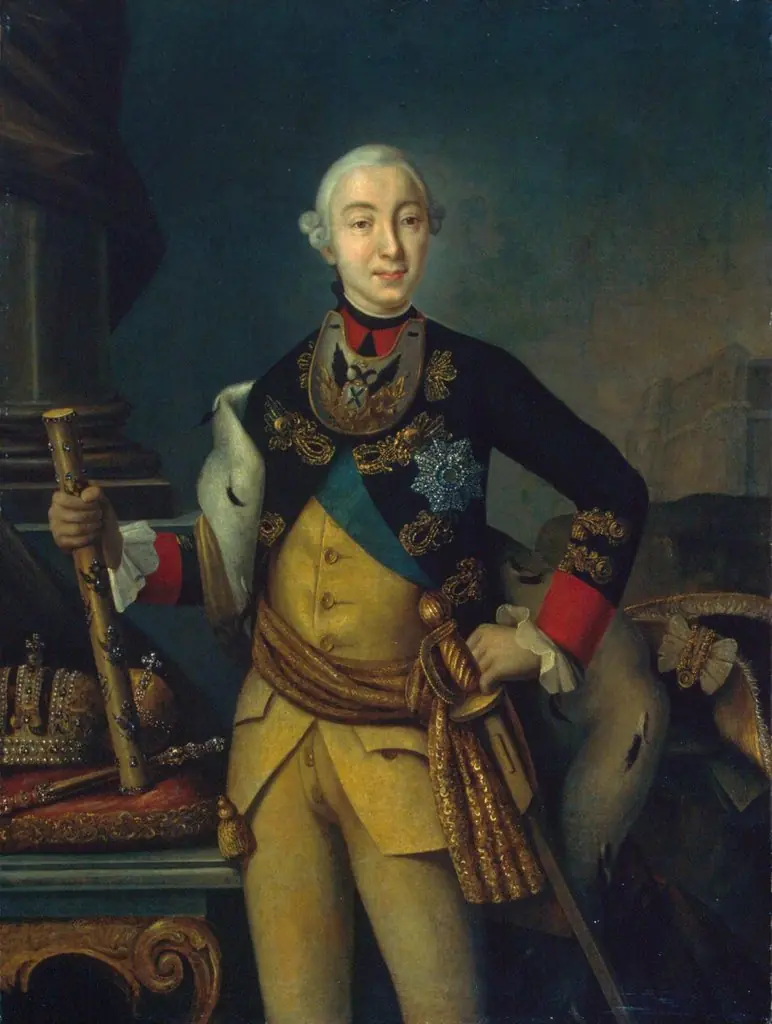 Portrait of Emperor Peter III
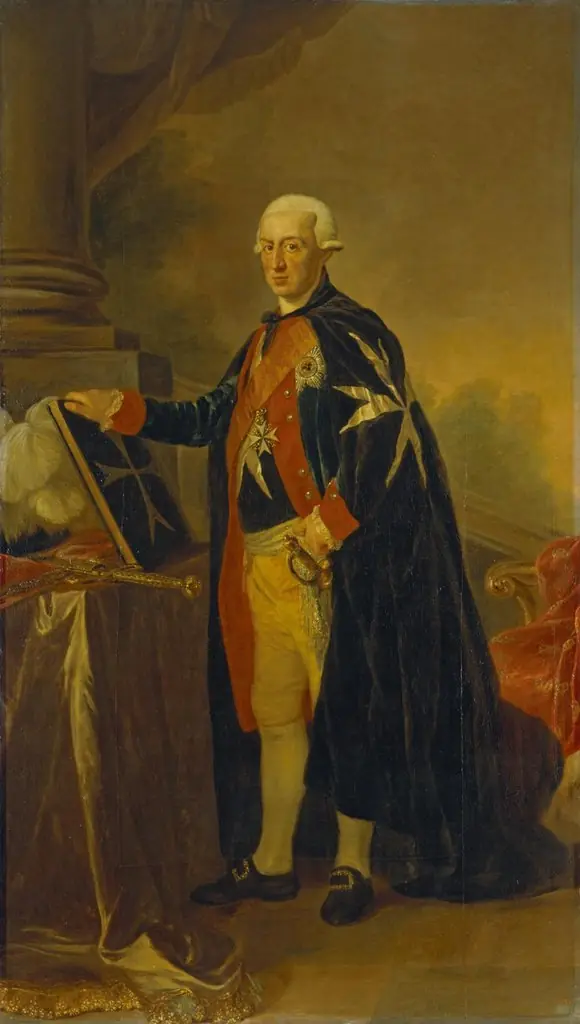 Portrait of Prince Augustus Ferdinand of Prussia