Artwork
Luis Vives
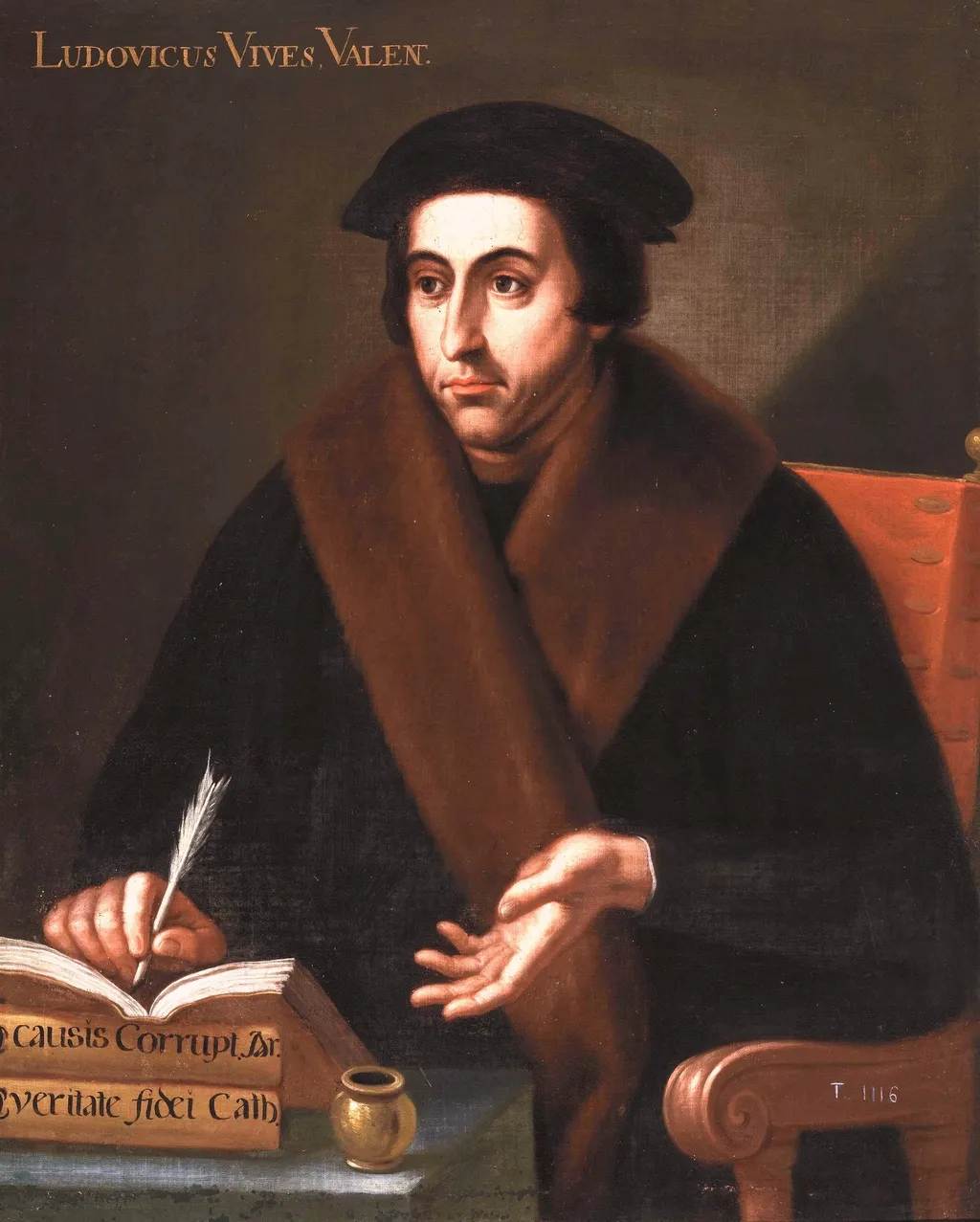
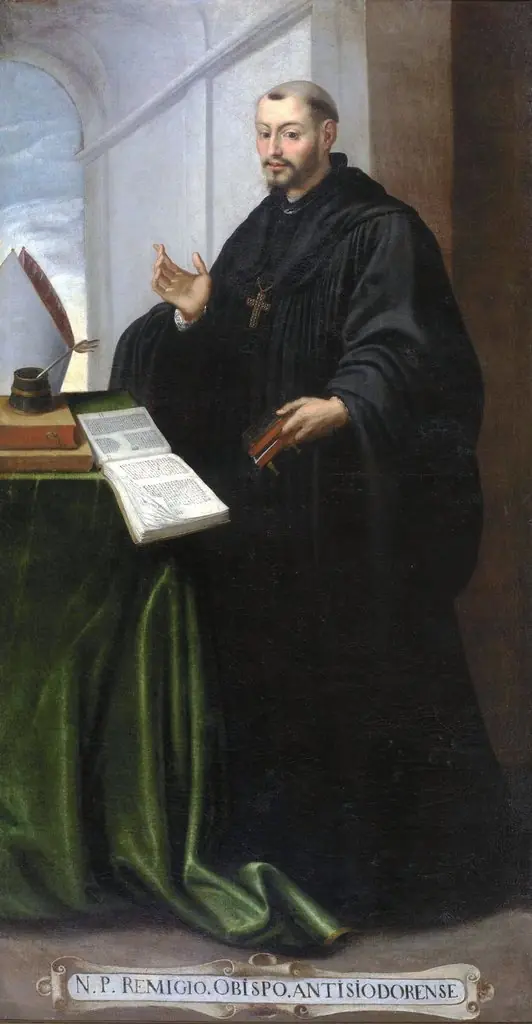
Luis Vives is an oil painting by the Early Baroque Italian artist Unknown. It dates from 1601 and is held in the collection of the Museo del Prado. The oil painting portrays a solemn figure wearing a dark hat and a brown robe, seated at a desk.
About this work
Overview
The oil painting portrays a solemn figure wearing a dark hat and a brown robe, seated at a desk. He holds a quill poised above an open book inscribed with Latin text, while a small golden inkwell rests nearby. A fragment of a red chair appears on the right, and the dark background accentuates the man's facial features.
Subject & Meaning
The sitter appears to be engaged in scholarly activity, suggested by the quill, book, and inkwell. The Latin phrase on the page, *De Causis Corruptarum Artium*, translates to “On the Causes of Corrupted Arts,” indicating a possible contemplation of moral or artistic decay.
Technique & Style
The work employs strong chiaroscuro, using deep shadows to isolate the figure from the background and create a dramatic contrast of light and dark. This lighting technique highlights the textures of the robe, the sheen of the inkwell, and the expression on the man's face.
History & Provenance
The painting is identified by the title “Luis Vives,” suggesting a connection to the Spanish humanist scholar of the early sixteenth century, though no further provenance details are provided in the source material.
Context
If the portrait indeed represents the humanist Luis Vives, it situates the work within the Renaissance period’s emphasis on learning and moral inquiry, reflecting the era’s interest in the relationship between knowledge and ethical conduct.
Artist & collection

 Domestic Scene
 Giacomo and Cardinal Marco, investing Andrea, Abbot of San Zeno, with his Benefice
 The Nymph of Fontainebleau
 Portrait of a Woman
 Madonna and Child with Saints in the Enclosed Garden
 Venus and Minerva
 Family Group of Four on Sofa
 Wall painting from Room H of the Villa of P. Fannius Synistor at Boscoreale
 Portrait of Luther
 Portrait of Luther
 Portrait of Count Palatine Philip, Bishop of Freising
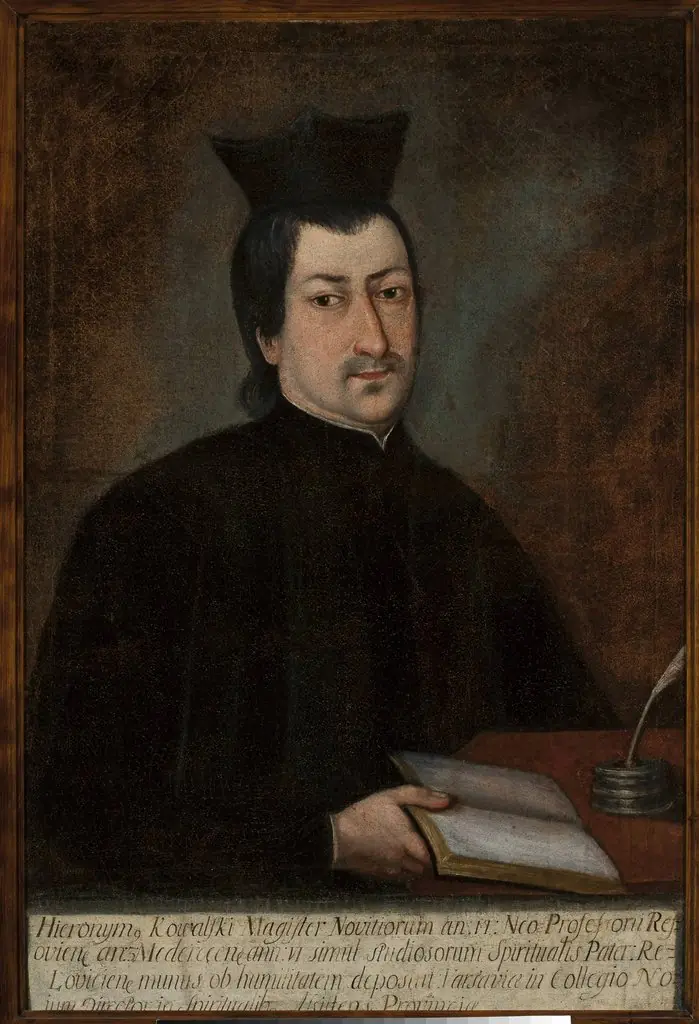 Portrait of Hieronim Kowalski
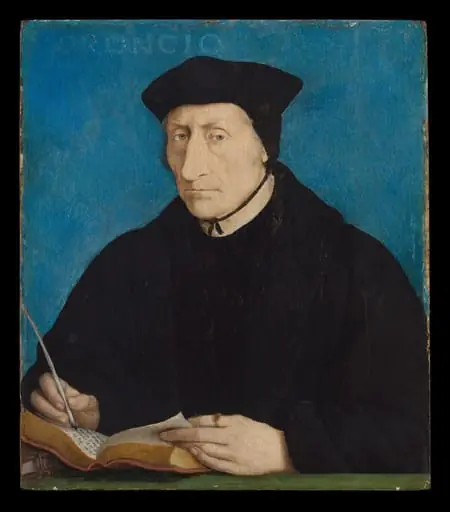 Portrait of Guillaume Budé
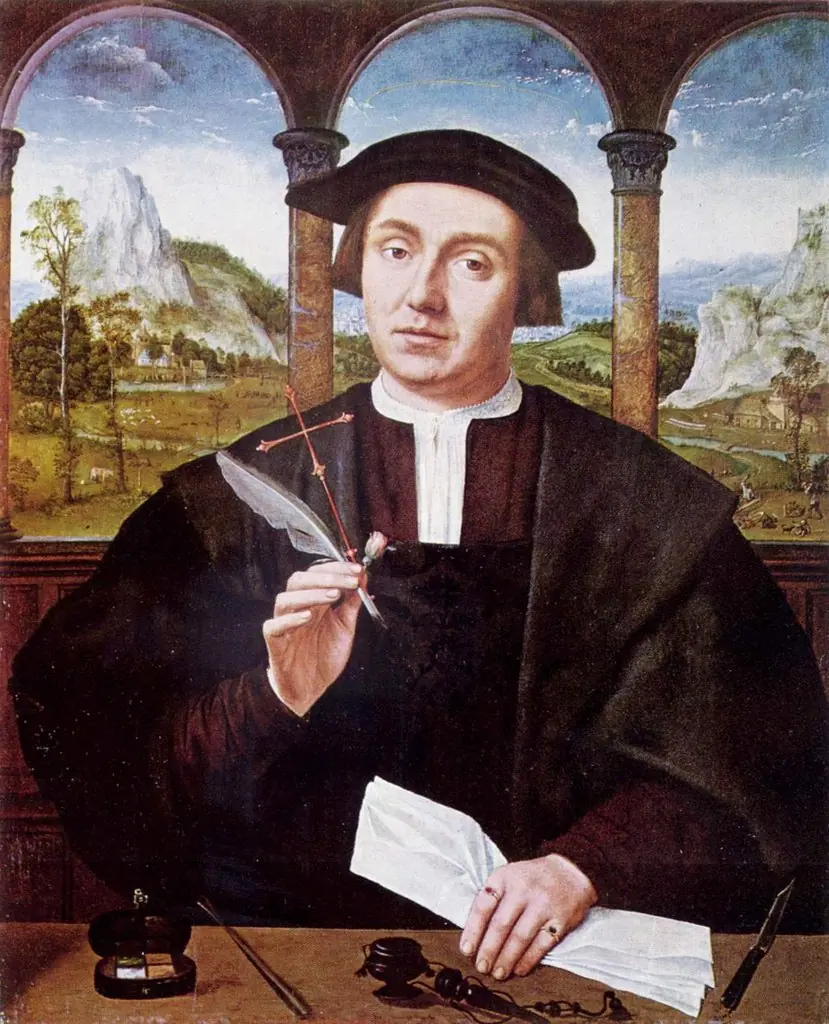 Portrait of a Man
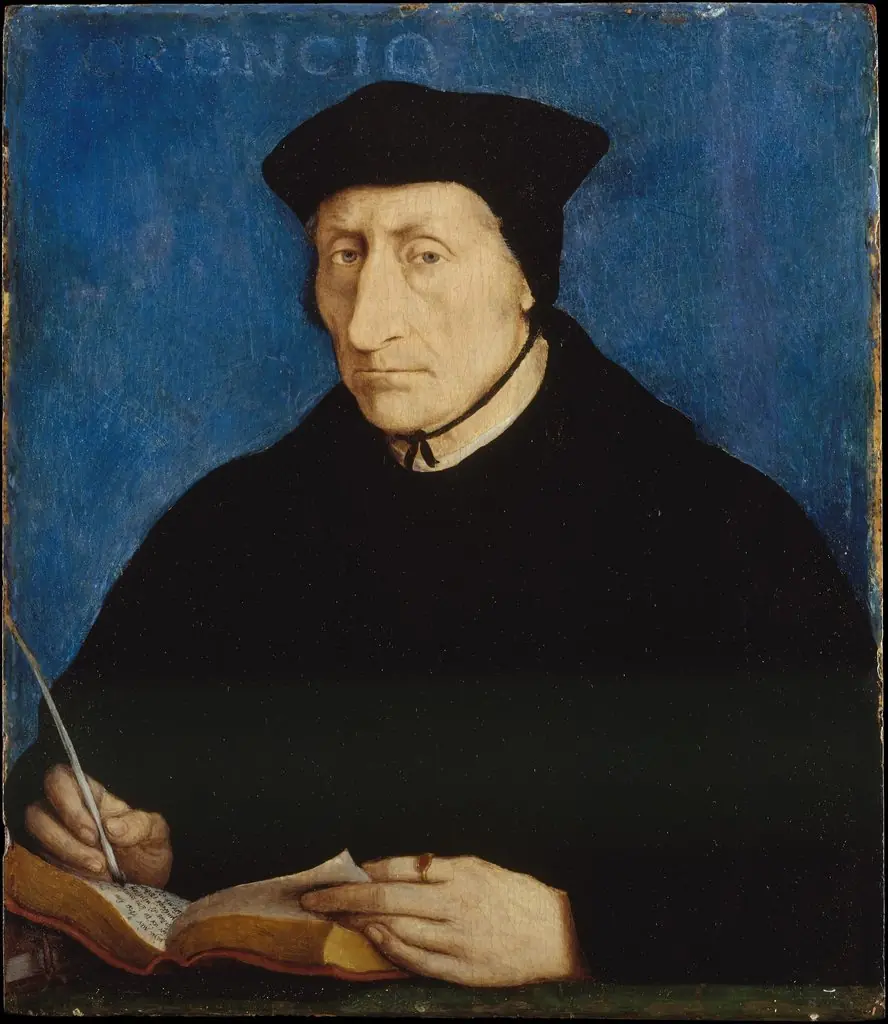 Guillaume Budé (1467–1540)
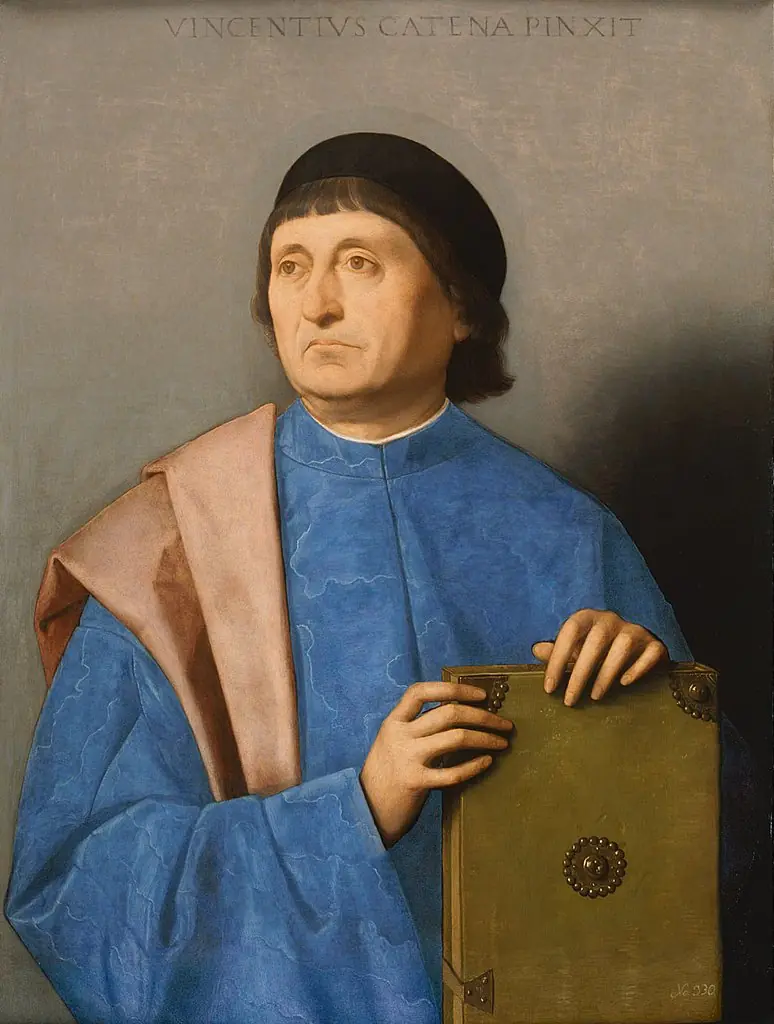 Portrait of a man with a book
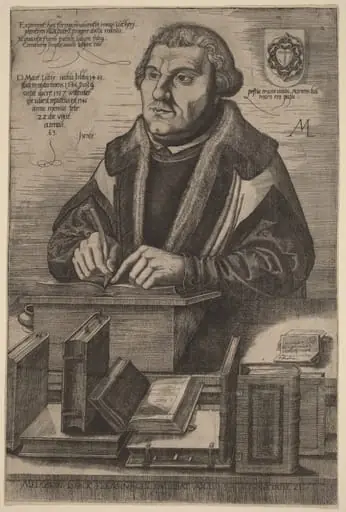 Martin Luther
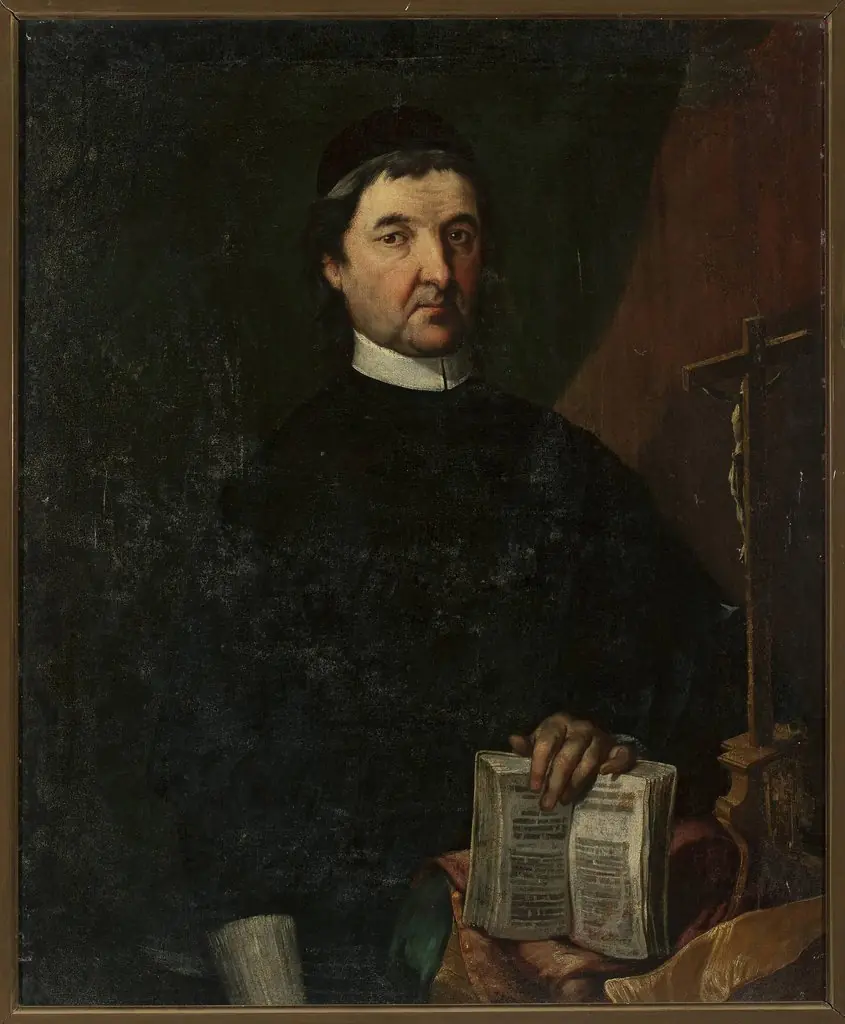 Portrait of a priest (Piarist?)
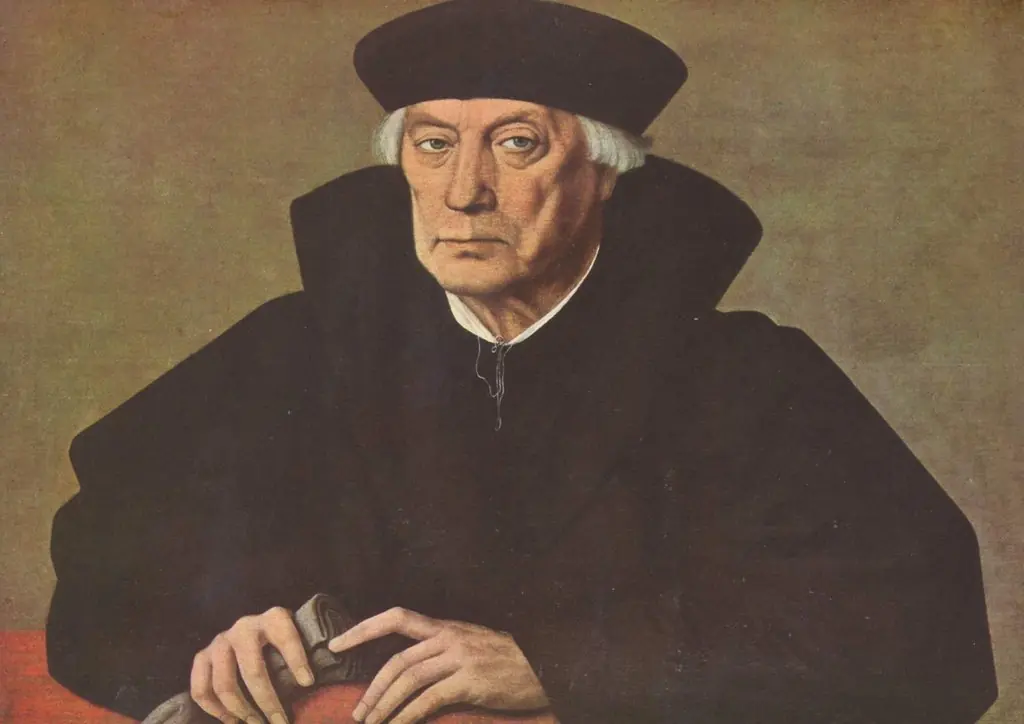 Portrait of Jean de Carondelet (1469-1544)
 El padre Remigio