Artwork
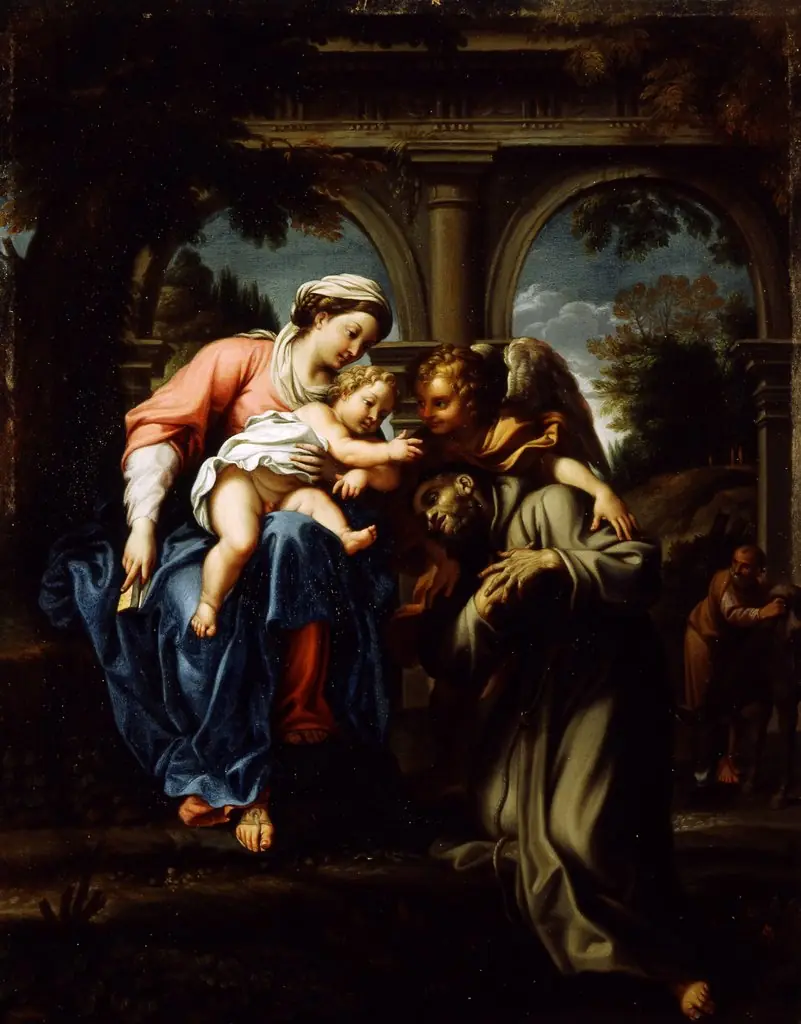
Holy Family with Saint Stephen
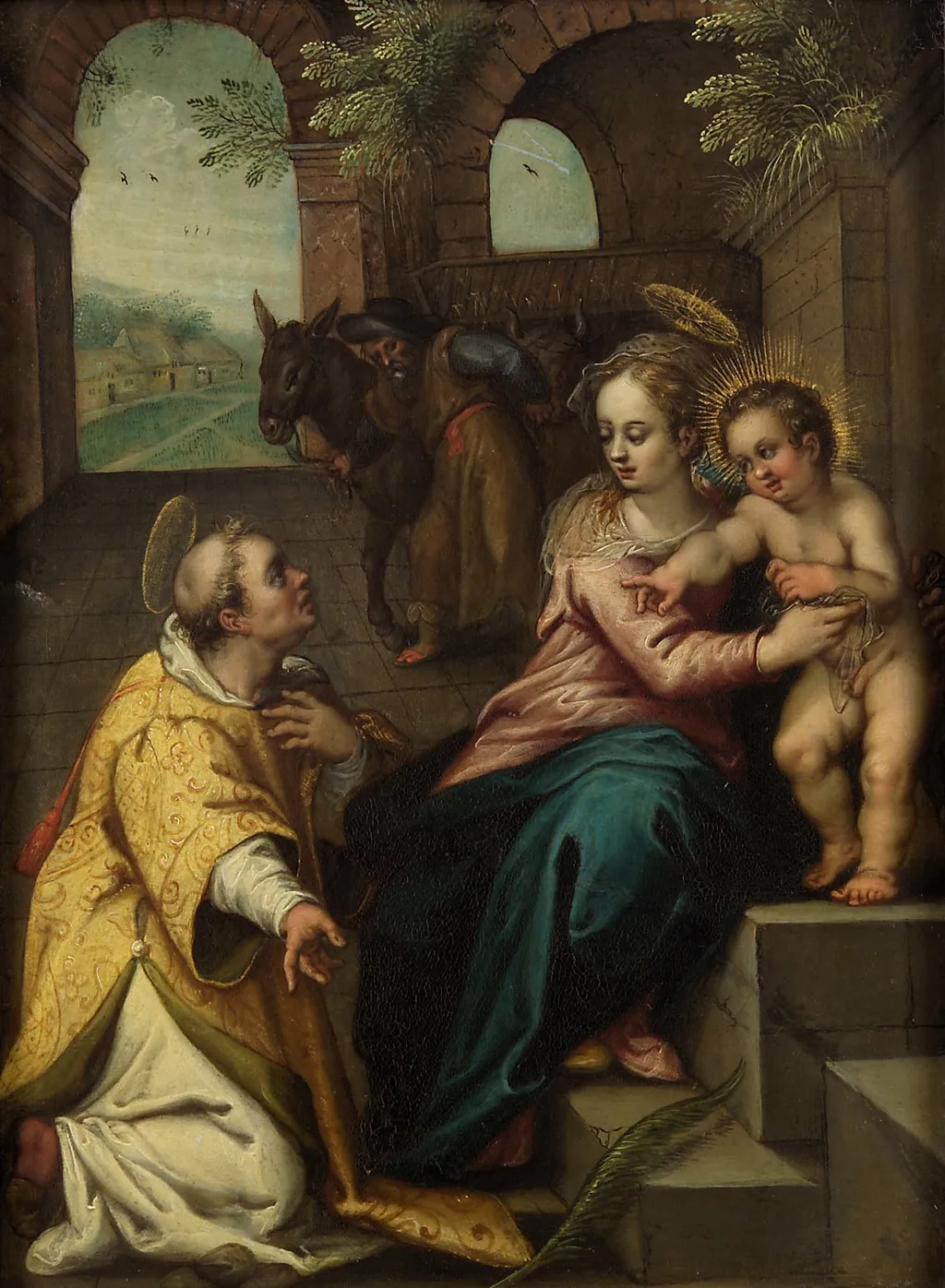
Holy Family with Saint Stephen is an unspecified painting by the Early Baroque Italian artist Unknown. It dates from 1600 and is held in the collection of the Kunsthistorisches Museum.
About this work
Overview
The use of light and shadow defines form and mood, while the presence of Saint Stephen introduces a narrative layer beyond the traditional nativity.
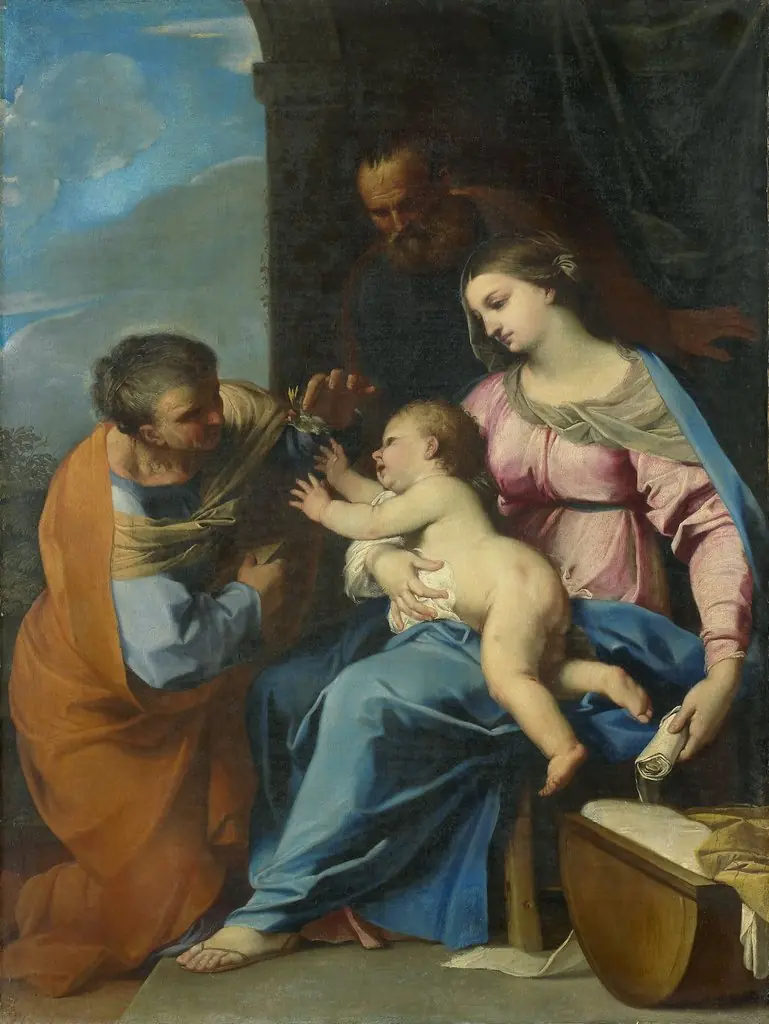
This painting depicts a Holy Family scene centered on the Virgin Mary seated with the infant Jesus, accompanied by Saint Stephen and a donkey in a modest stable. The figures are arranged with deliberate spatial clarity, emphasizing quiet intimacy amid sparse surroundings. The use of light and shadow defines form and mood, while the presence of Saint Stephen introduces a narrative layer beyond the traditional nativity.
Subject & Meaning
The Virgin and Child are identified by their golden halos, signifying divine status. The kneeling man, Saint Stephen, wears a silver halo and rich robes, marking him as a martyr and early church deacon. His gaze upward suggests reverence or contemplation, linking the earthly moment to spiritual authority. The donkey and stable ground the scene in humility, reinforcing themes of modesty and divine presence in ordinary spaces.
Technique & Style
The artist employs chiaroscuro to model forms with dramatic contrasts between light and shadow, enhancing the three-dimensionality of the figures and the rough texture of the stable. Details in Saint Stephen’s robes are rendered with precision, contrasting with the muted, indistinct background. The landscape visible through the window is faintly suggested, drawing focus inward while hinting at a broader world beyond.
History & Provenance
The painting likely dates to the late 15th or early 16th century, consistent with devotional works produced in regions influenced by Early Netherlandish or Italian Renaissance traditions. Its composition and iconography align with contemporary religious imagery intended for private devotion. Ownership history is not fully documented, but its preservation suggests it remained in ecclesiastical or aristocratic collections.
Context
During this period, depictions of the Holy Family often included saints to personalize devotion or reflect patronage. Saint Stephen’s inclusion may indicate the commissioner’s connection to his cult or a desire to invoke his intercession. The dim interior and humble setting reflect a broader trend toward intimate, emotionally grounded religious scenes, moving away from grand altarpieces toward personal contemplation.
Legacy
This work exemplifies the quiet intensity of devotional painting in the transition from medieval to Renaissance sensibilities. Its restrained palette, focus on tactile detail, and emotional restraint influenced later regional styles that prioritized spiritual immediacy over spectacle. Though not widely known today, it remains a representative example of how faith was visually mediated in domestic and private contexts.
Artist & collection

 Domestic Scene
 Giacomo and Cardinal Marco, investing Andrea, Abbot of San Zeno, with his Benefice
 The Nymph of Fontainebleau
 Portrait of a Woman
 Madonna and Child with Saints in the Enclosed Garden
 Venus and Minerva
 Family Group of Four on Sofa
 Wall painting from Room H of the Villa of P. Fannius Synistor at Boscoreale
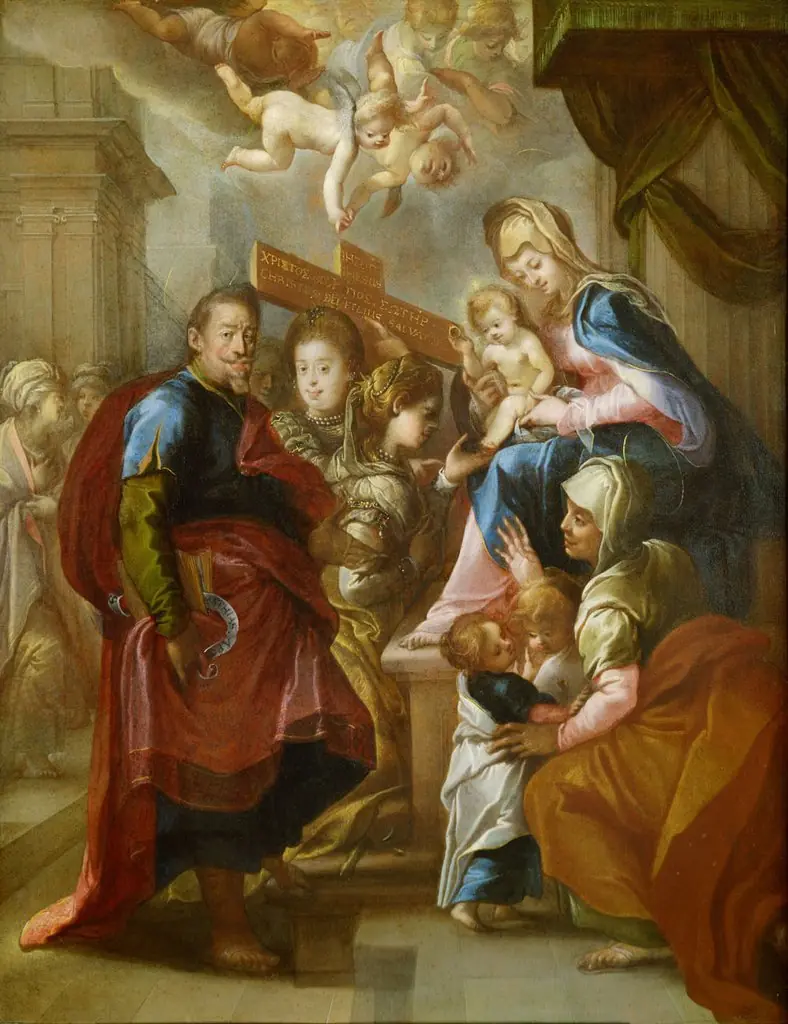 Mystische Verlobung der Hl. Katharina
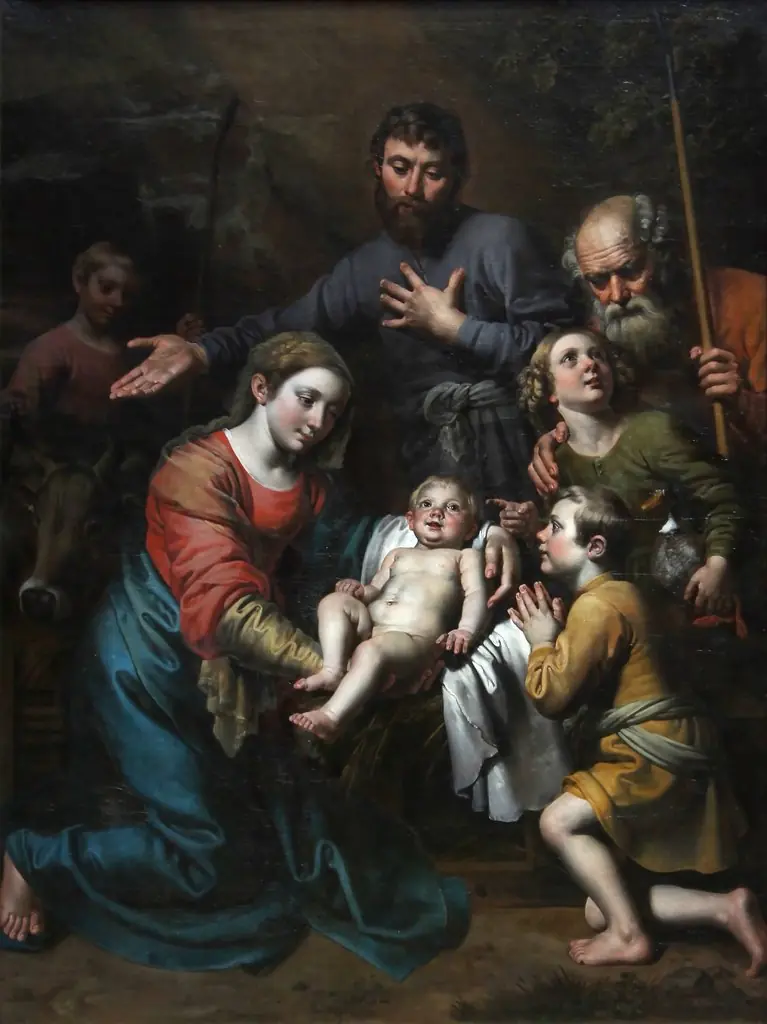 Adoration of the Shepherds
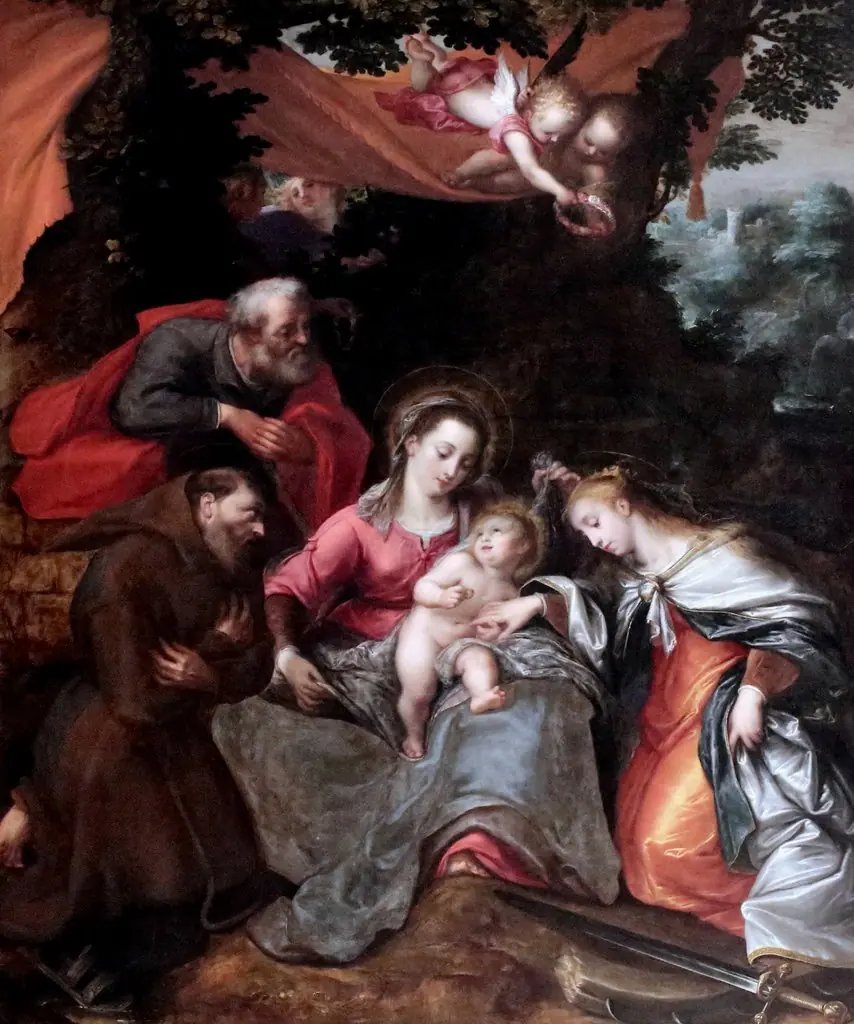 The Mystic Marriage of St. Catherine
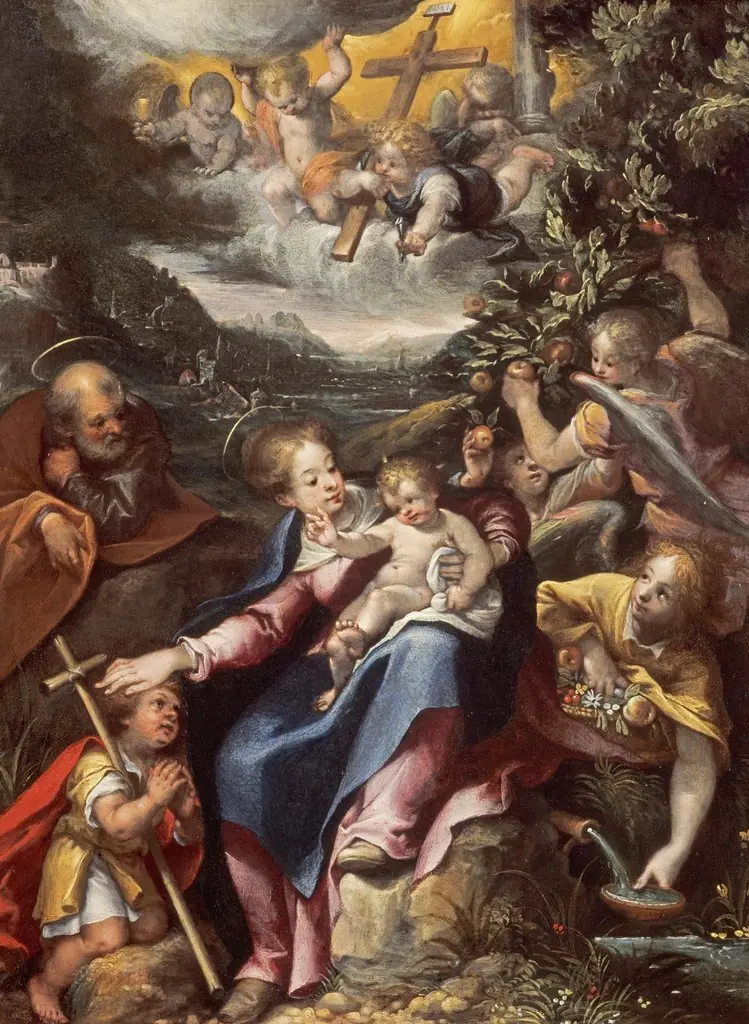 The Holy Family with the Infant Saint John the Baptist in a Landscape
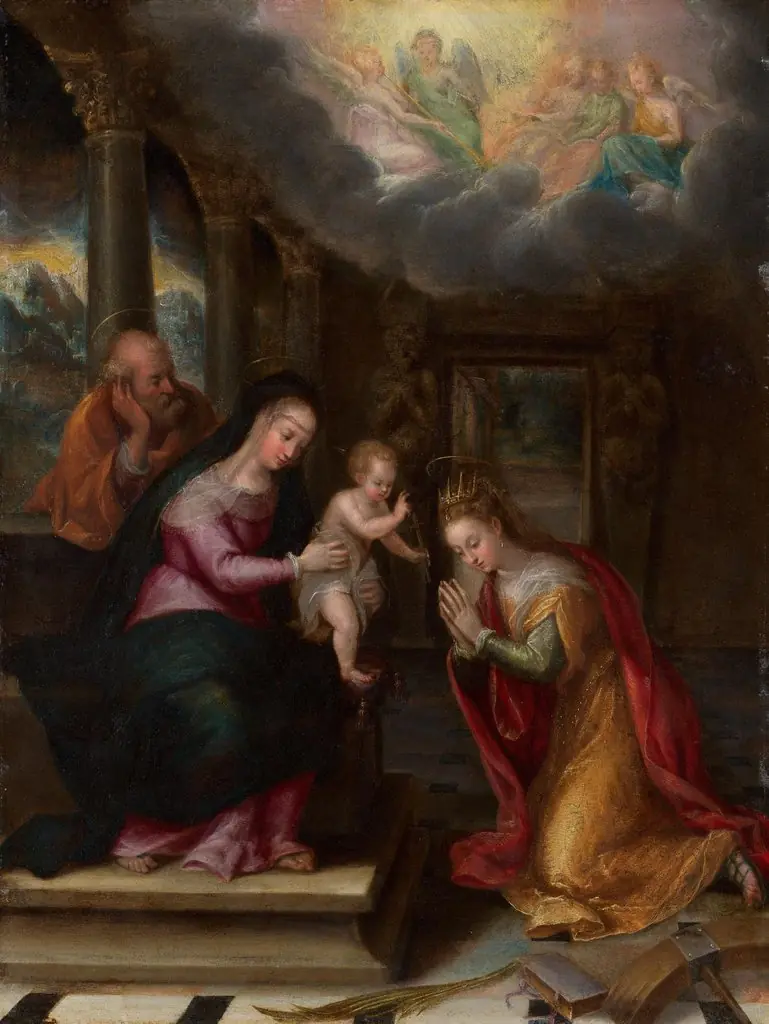 Mariage mystique de sainte Catherine
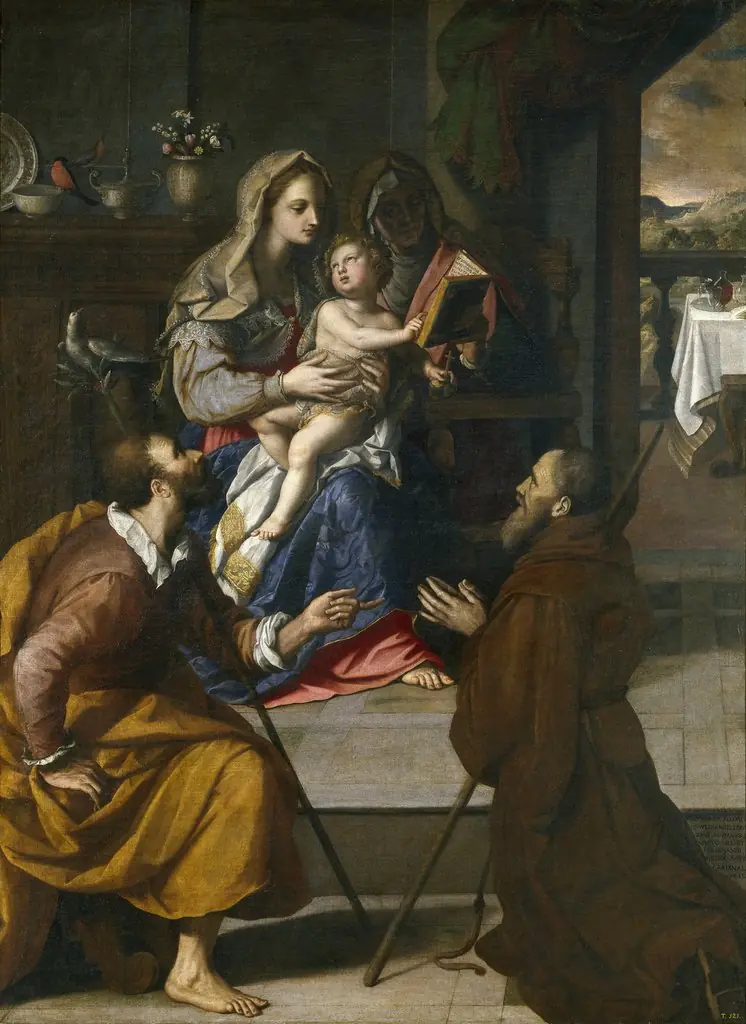 The Holy Family of Cardinal Fernando de’ Medici
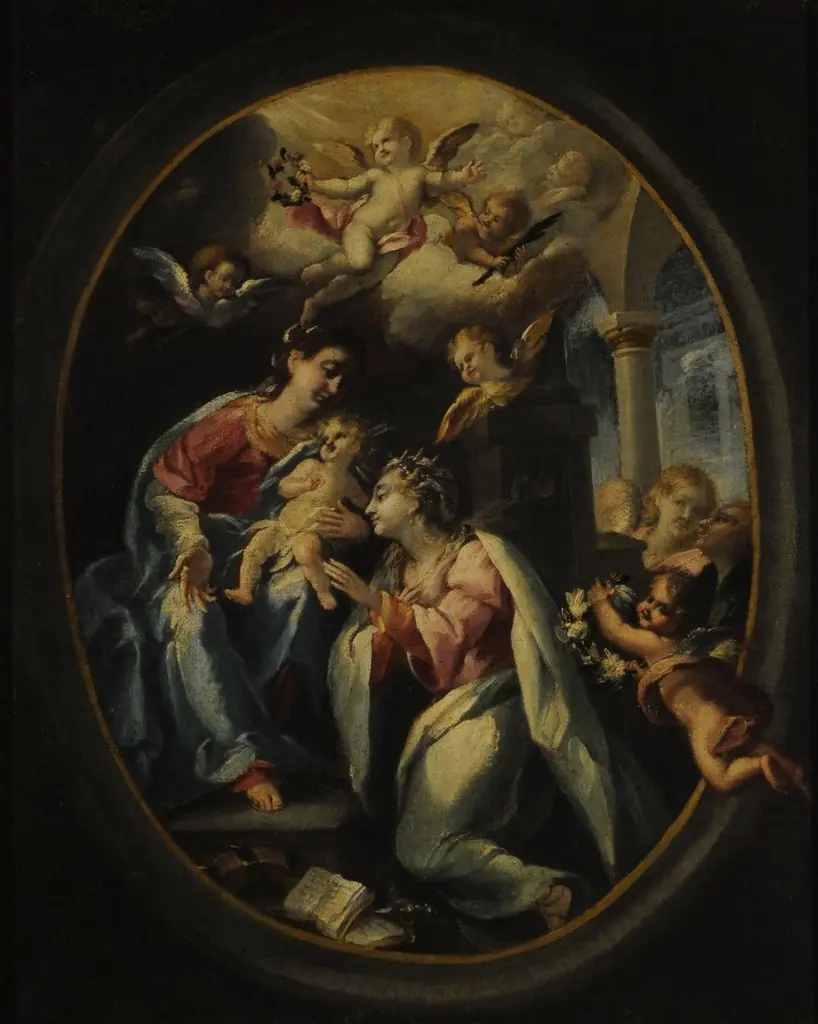 Mystical weddings of Santa Catalina
 Holy Family
 Die Anbetung der Könige
 San Cayetano ante la Sagrada Familia
 Rest on the Flight into Egypt
 Vision of Saint Francis