Artwork
Literati in a Rustic Landscape
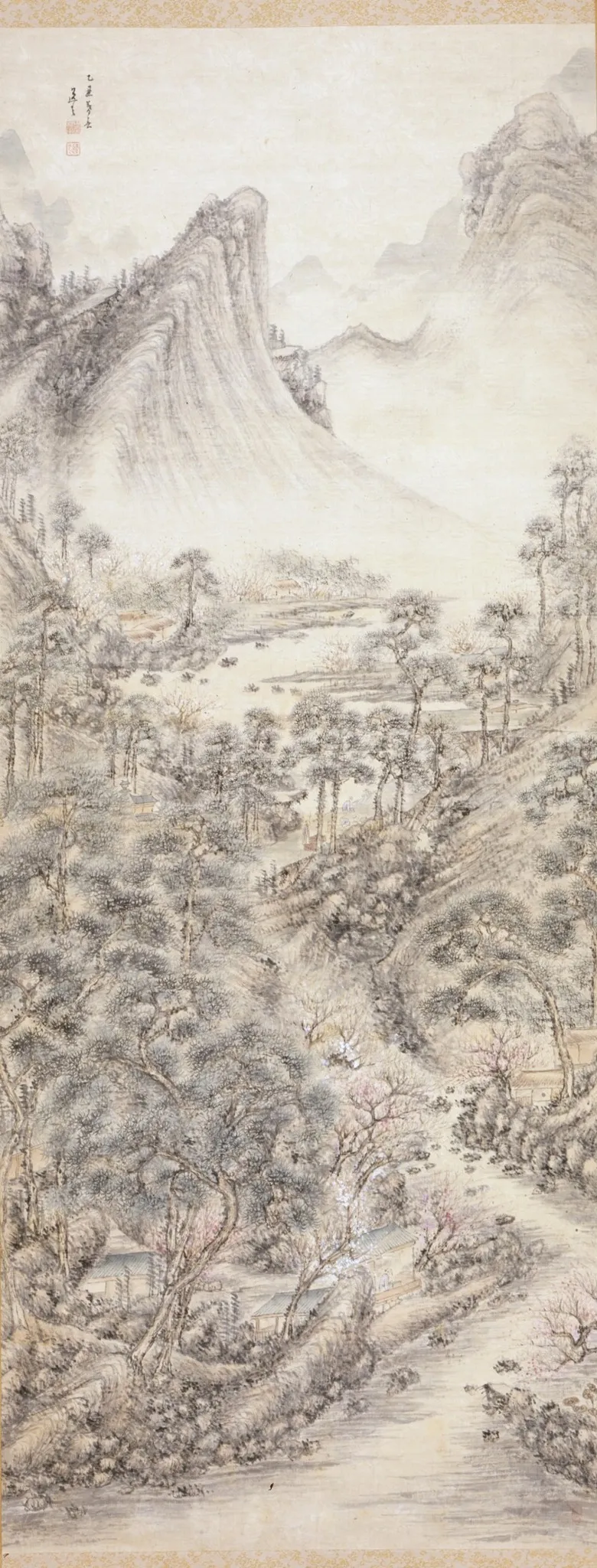
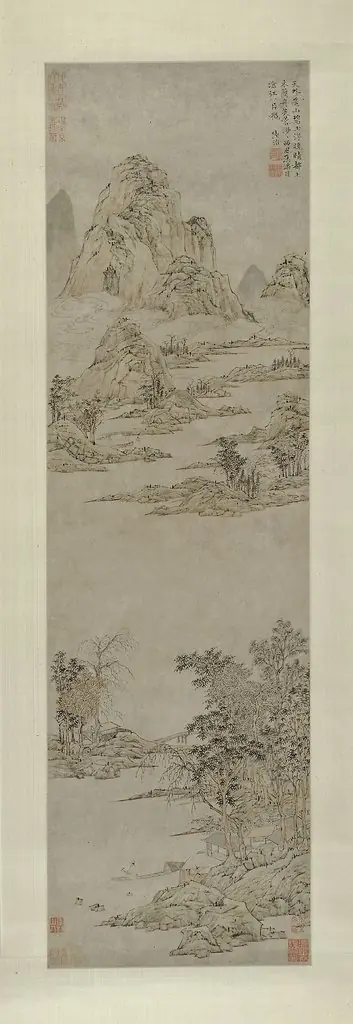
Literati in a Rustic Landscape is an unspecified painting by Unknown. It dates from 1865 and is held in the collection of the Los Angeles County Museum of Art. This ink-on-paper painting depicts scholars engaged in quiet contemplation within a secluded natural setting.
About this work
Overview
This ink-on-paper painting depicts scholars engaged in quiet contemplation within a secluded natural setting. The composition emphasizes harmony between human figures and the surrounding landscape, reflecting ideals of retreat and intellectual serenity. Executed in monochrome ink, the work avoids ornamental detail, favoring suggestive brushwork that implies depth and atmosphere.
Subject & Meaning
The rugged terrain symbolizes moral integrity and detachment from worldly ambition, aligning with Daoist and Confucian ideals of cultivated simplicity.
The figures, dressed in loose robes and seated near a stream or rocky outcrop, represent literati—educated elites who valued solitude and moral reflection over official service. Their minimal interaction suggests introspection rather than social exchange. The rugged terrain symbolizes moral integrity and detachment from worldly ambition, aligning with Daoist and Confucian ideals of cultivated simplicity.
Technique & Style
The artist employs wet and dry brush techniques to vary texture and tone, creating a sense of atmospheric perspective. Ink washes suggest mist and distant mountains, while precise, sparse lines define rocks and trees. Composition follows the traditional vertical format, guiding the viewer’s eye upward through layered planes, a hallmark of Southern Song and Yuan dynasty aesthetic principles.
History & Provenance
The painting likely originated in the Yuan dynasty (1271–1368), a period when many scholar-officials withdrew from court life under Mongol rule. It passed through private collections in Jiangnan before entering a public museum in the early 20th century. No definitive signature or seal survives, but stylistic analysis links it to followers of the Dong Yuan tradition.
Context
During the Yuan dynasty, painting became a medium for expressing personal integrity amid political upheaval. Literati artists rejected courtly styles, favoring spontaneous brushwork and poetic inscriptions. This work aligns with a broader movement that elevated personal expression over technical display, positioning art as an extension of moral and philosophical practice.
Legacy
The painting exemplifies how literati ideals shaped East Asian visual culture for centuries. Its emphasis on restraint, naturalism, and inner reflection influenced later generations of painters in China, Korea, and Japan. Though unsigned, its compositional logic and aesthetic values became a model for scholarly painting well into the Ming and Qing dynasties.
Artist & collection

 Domestic Scene
 Giacomo and Cardinal Marco, investing Andrea, Abbot of San Zeno, with his Benefice
 The Nymph of Fontainebleau
 Portrait of a Woman
 Madonna and Child with Saints in the Enclosed Garden
 Venus and Minerva
 Family Group of Four on Sofa
 Wall painting from Room H of the Villa of P. Fannius Synistor at Boscoreale
 Autumn Landscape
 Landscape
 Autumn Landscape
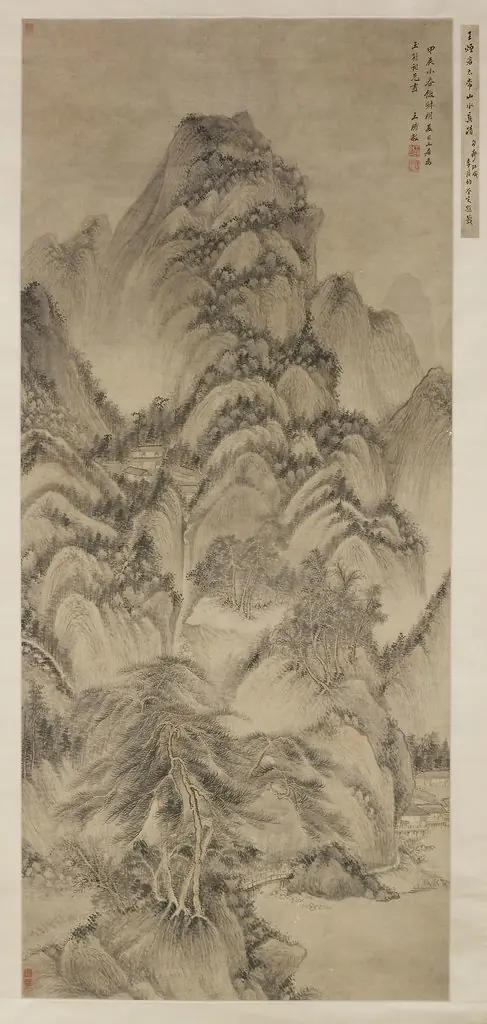 Landscape after Wang Meng
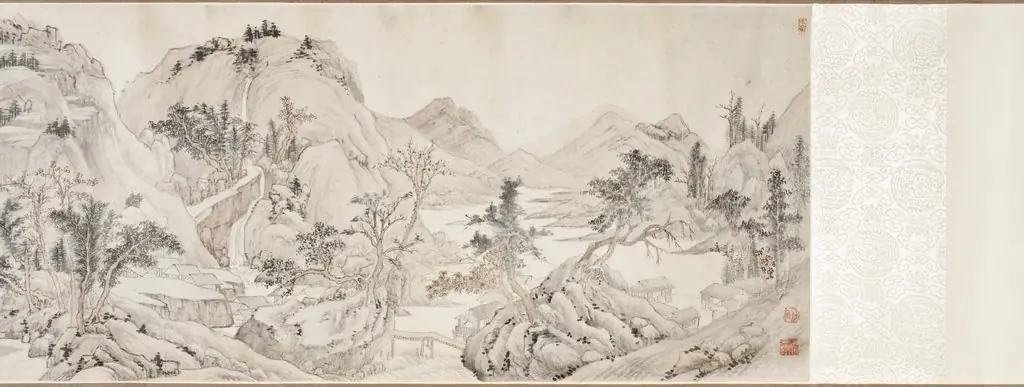 Dream Journey among Rivers and Mountains, Number 150
 Washing the Feet (from the Dusty World)
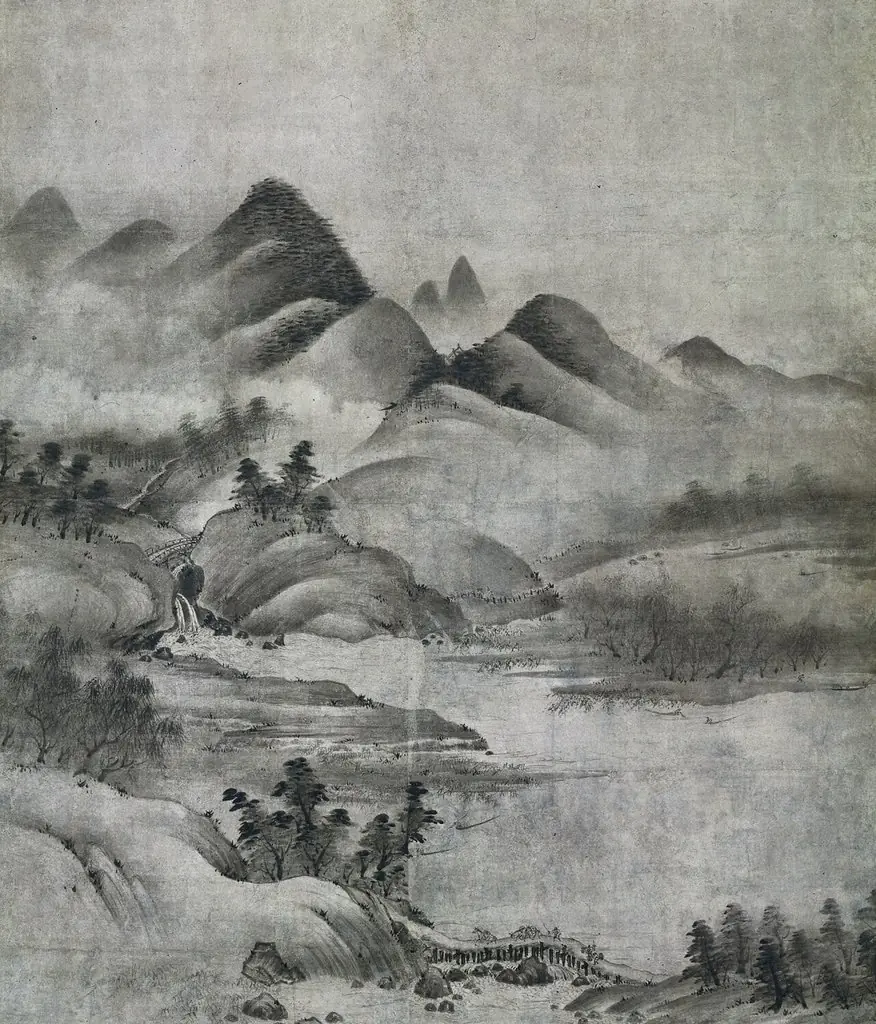 Landscape
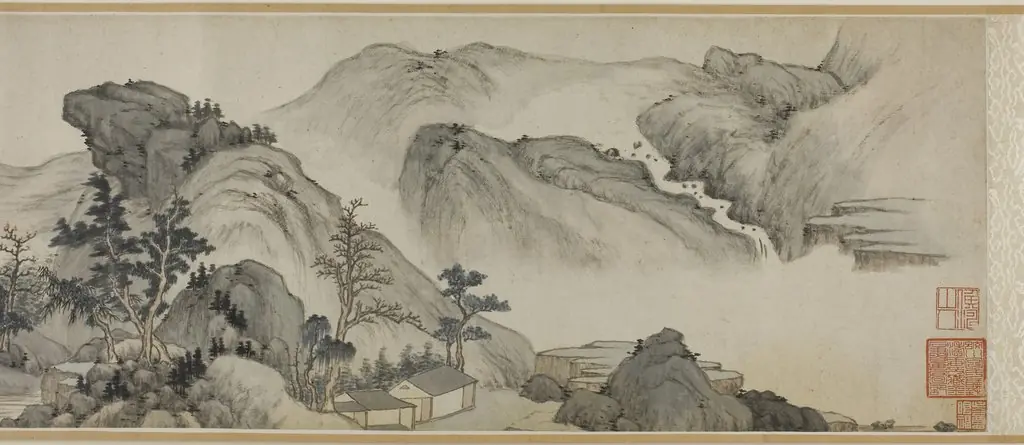 Recluse Dwellings in the Autumn Mountains
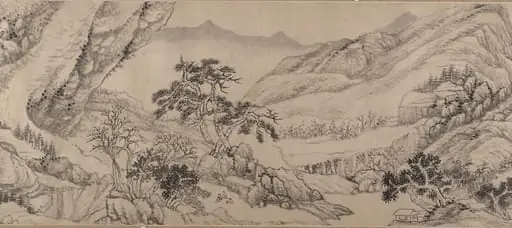 清 柳堉 山水圖 卷|Traveling Amid Streams and Mountains
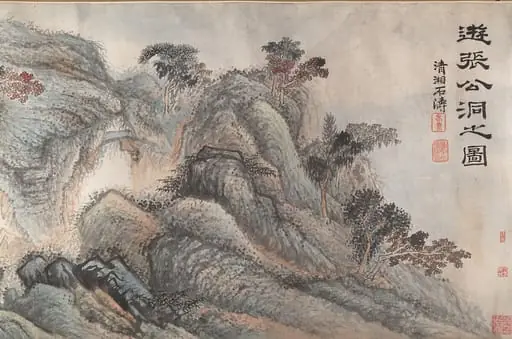 清 石濤(朱若極) 遊張公洞圖 卷|Outing to Zhang Gong's Grotto
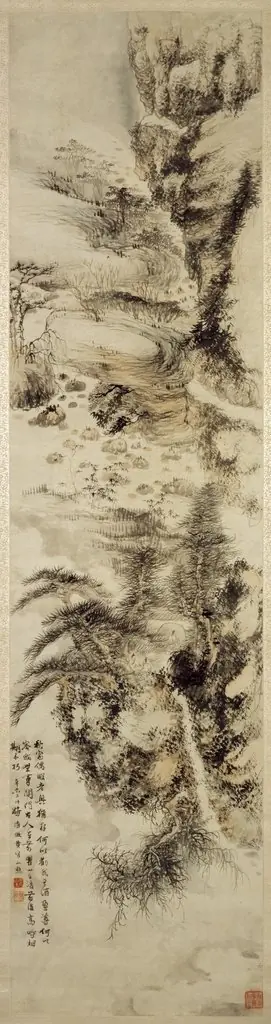 Mountain and Pine Landscape
 Pulling Oars under Clearing Autumn Skies (Distant Mountains)