Artwork
Diptych from the Winterfeld family foundation right wing: Maria lactans and Christ as Vir Dolorum [Man of Sorrows] (upper area), Ecce Homo (lower area); reverse: Mocking (upper area), flagella
![Diptych from the Winterfeld family foundation right wing: Maria lactans and Christ as Vir Dolorum [Man of Sorrows] (upper area), Ecce Homo (lower area); reverse: Mocking (upper area), flagella, by Unknown, unspecified, 1432](https://artifactworldgallery.com/img/unknown--diptych-from-the-winterfeld-family-foundation-right-wing-mar--eacf0a5482d27bb1-w1024.webp)
Diptych from the Winterfeld family foundation right wing: Maria lactans and Christ as Vir Dolorum [Man of Sorrows] (upper area), Ecce Homo (lower area); reverse: Mocking (upper area), flagella is an unspecified painting by the Northern Renaissance artist Unknown. It dates from 1432 and is held in the collection of the National Museum in Warsaw. This diptych consists of two panels, each divided into upper and lower registers, presenting four distinct biblical scenes.
About this work
Overview
The right wing features the Virgin Mary nursing the infant Christ and Christ as the Man of Sorrows above, with Ecce Homo and the Flagellation below.
This diptych consists of two panels, each divided into upper and lower registers, presenting four distinct biblical scenes. The right wing features the Virgin Mary nursing the infant Christ and Christ as the Man of Sorrows above, with Ecce Homo and the Flagellation below. The reverse side depicts the Mocking of Christ. Rendered in tempera or oil on panel, the work employs flat planes, rigid figures, and gold-studded dark blue skies, characteristic of late medieval devotional art.
Subject & Meaning
The imagery combines themes of divine tenderness and suffering. The Maria lactans symbolizes Christ’s human origin and maternal grace, while the Vir Dolorum emphasizes his sacrificial role. Below, Ecce Homo invites contemplation of Christ’s humiliation, and the Flagellation underscores physical torment. Together, the scenes form a devotional sequence meant to evoke empathy and spiritual reflection, common in private prayer objects of the period.
Technique & Style
The painting uses a rigid, linear style with minimal modeling, typical of late Gothic panel painting. Figures are outlined sharply, colors are flat and unmodulated, and spatial depth is suggested through layering rather than perspective. The starry sky, executed with gold leaf on a deep blue ground, creates a celestial atmosphere. The absence of chiaroscuro reinforces the symbolic, rather than naturalistic, intent of the composition.
History & Provenance
The diptych originated in the Winterfeld family foundation, likely commissioned for private devotion in a northern European context during the late 14th or early 15th century. Its survival suggests it was preserved within a religious or aristocratic household. The reverse side’s imagery indicates it was designed to be viewed in both orientations, possibly as a portable altarpiece or devotional object handled during prayer.
Context
Created during a period when personal piety and visual meditation were central to Christian practice, the diptych reflects the influence of mendicant preaching and the growing demand for intimate religious imagery. Similar compositions appear in Rhineland and Low Countries workshops, where devotional panels often paired maternal and suffering motifs to guide contemplation of Christ’s dual nature as divine and human.
Legacy
Though not widely known outside specialized collections, the diptych exemplifies the transition from Byzantine conventions to early Northern Renaissance devotional art. Its preservation offers insight into how lay audiences engaged with sacred narratives through portable, multi-scene formats. The work remains a quiet testament to the visual language of medieval piety, where symbolic clarity outweighed naturalistic detail.
Artist & collection

 Domestic Scene
 Giacomo and Cardinal Marco, investing Andrea, Abbot of San Zeno, with his Benefice
 The Nymph of Fontainebleau
 Portrait of a Woman
 Madonna and Child with Saints in the Enclosed Garden
 Venus and Minerva
 Family Group of Four on Sofa
 Wall painting from Room H of the Villa of P. Fannius Synistor at Boscoreale
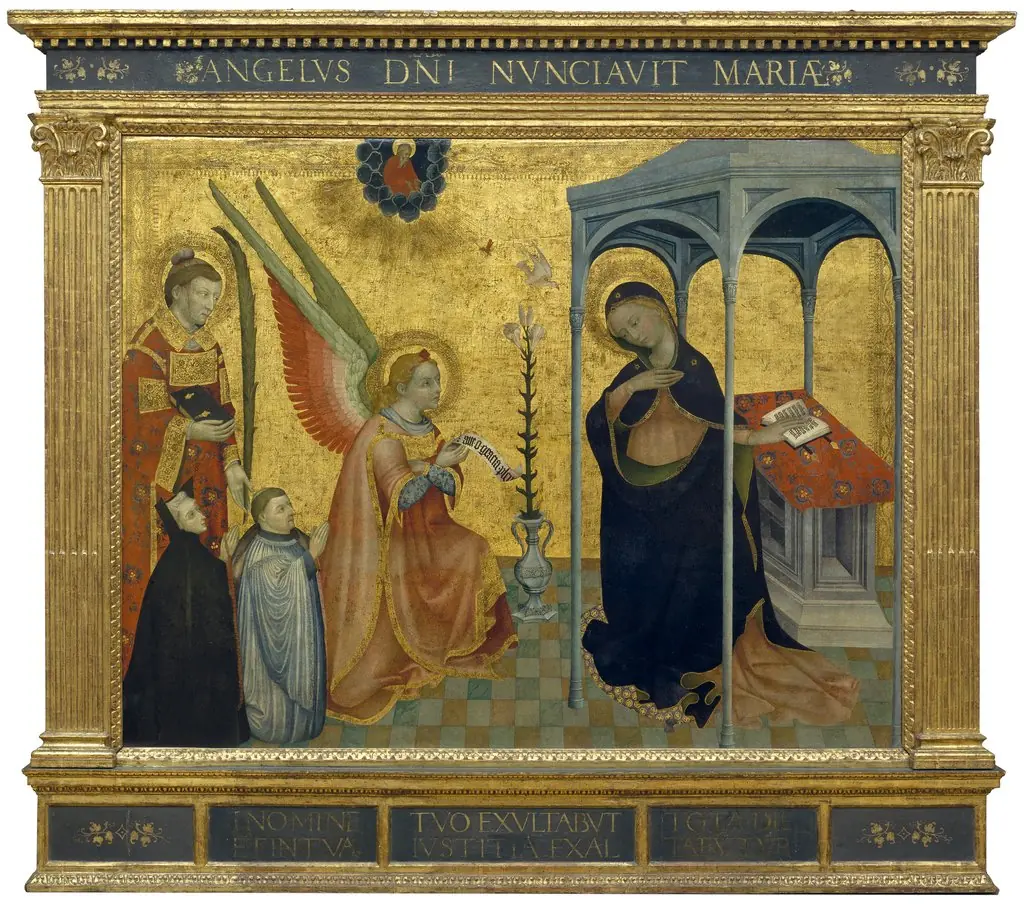 The Annunciation
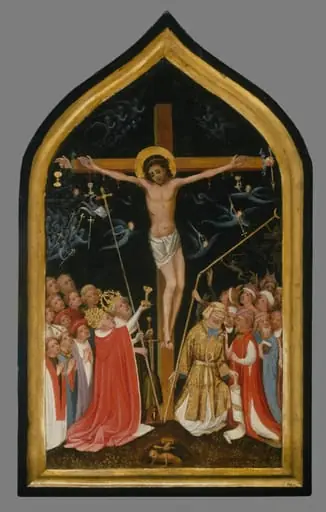 Christ on the Living Cross
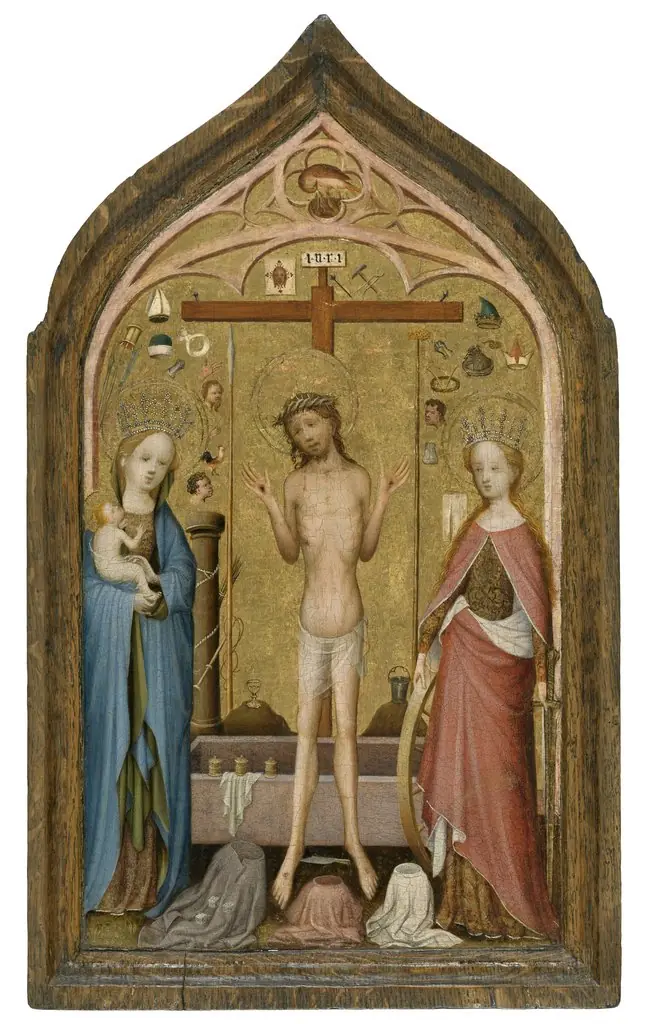 Man of Sorrows with Madonna and Saint Catherine of Alexandria
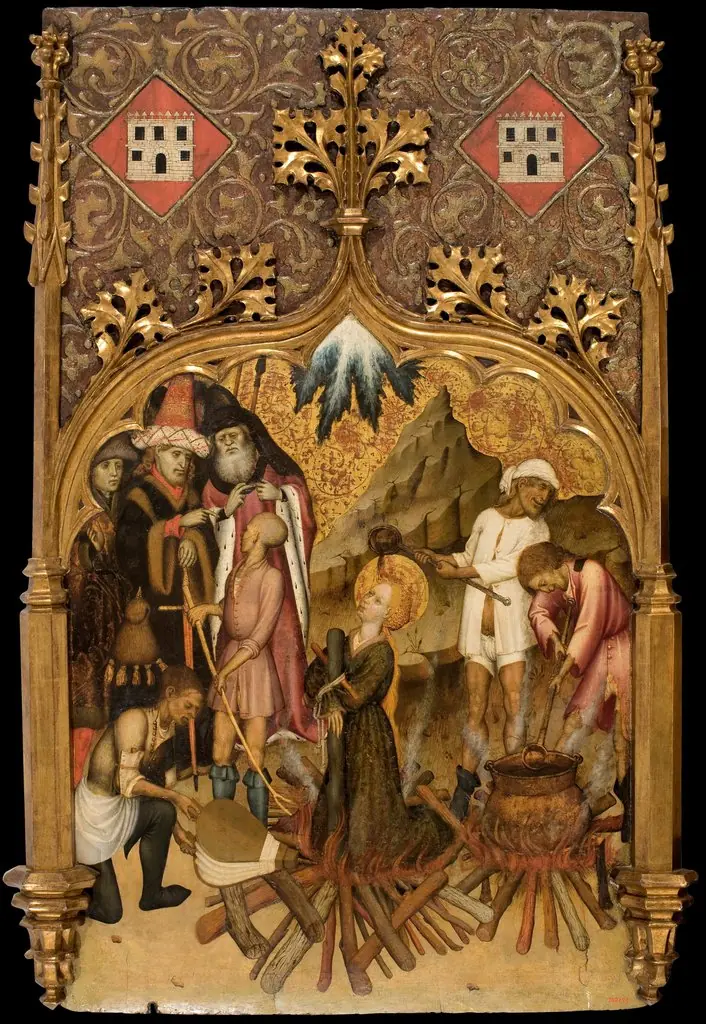 Martyrdom of Saint Lucy
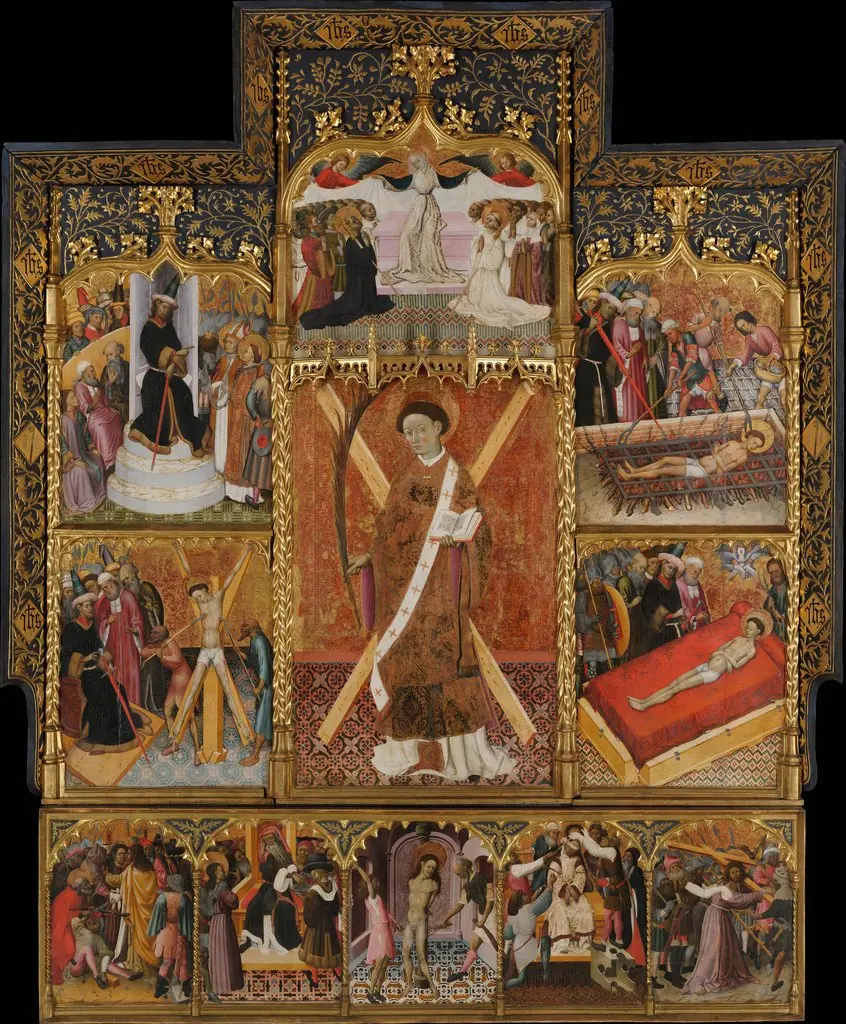 Altarpiece of Saint Vincent
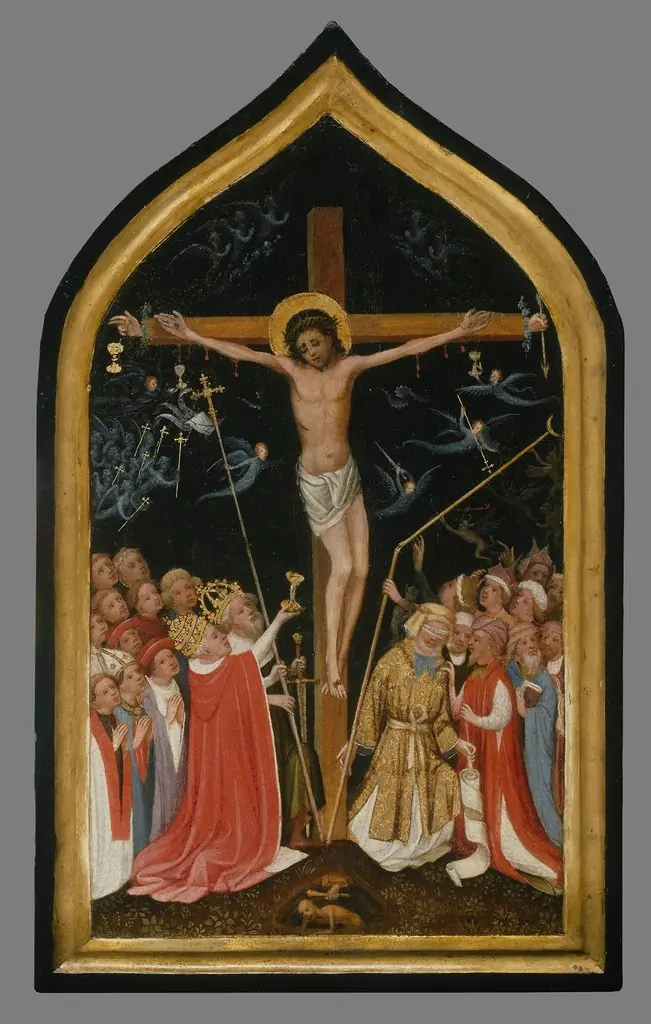 Christ on the Living Cross
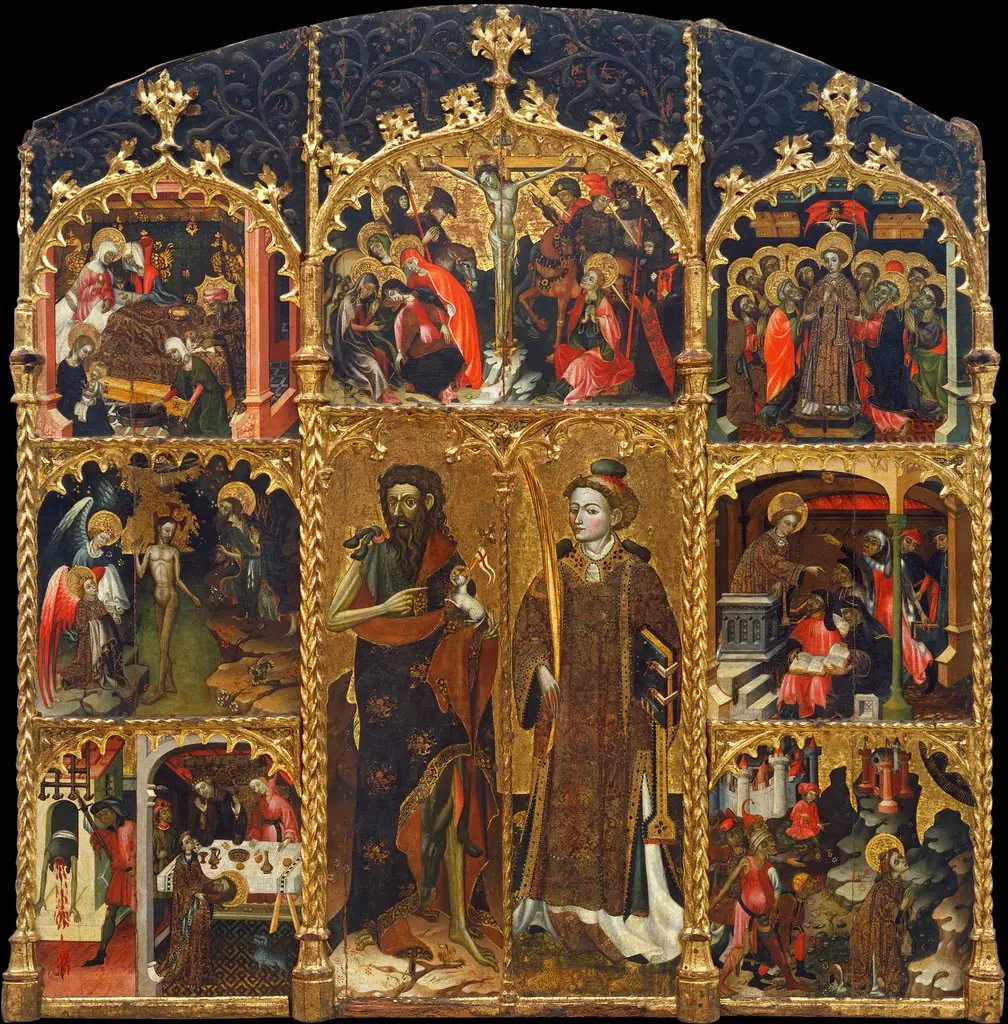 Altarpiece of Saint John the Baptist and Saint Stephen
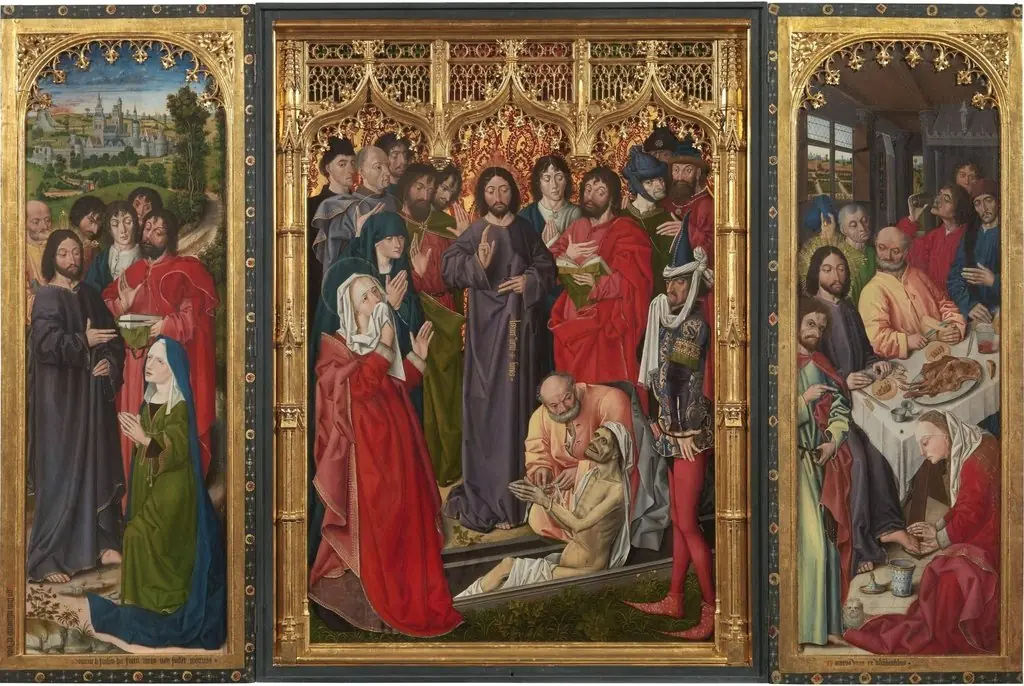 Resurrection of Lazarus
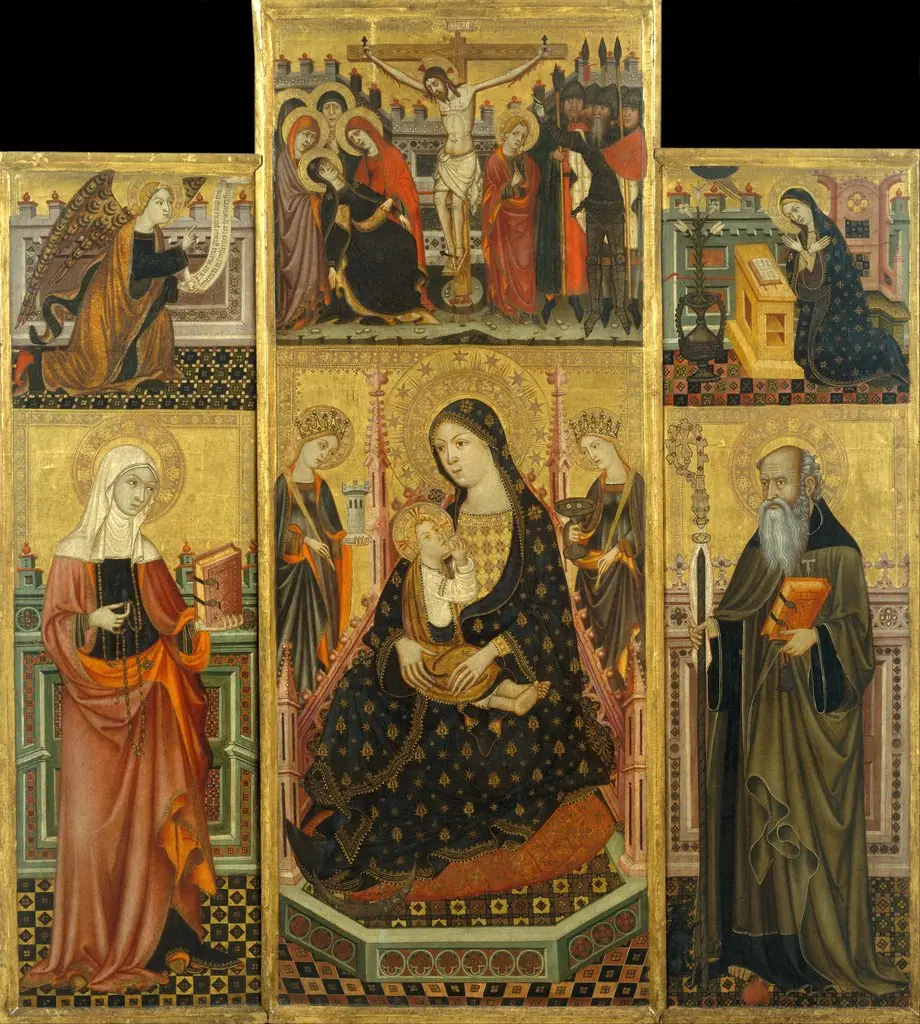 Altarpiece of the Virgin Suckling the Child, Saint Clare and Saint Anthony the Abbott
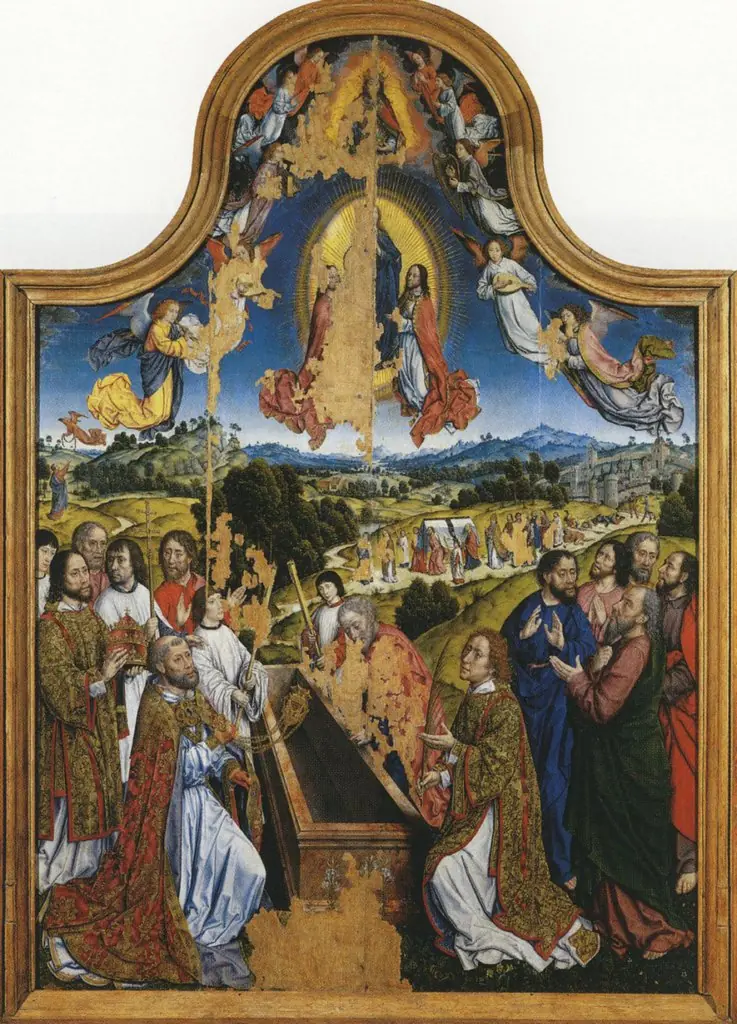 Assumption of the Virgin