Artwork
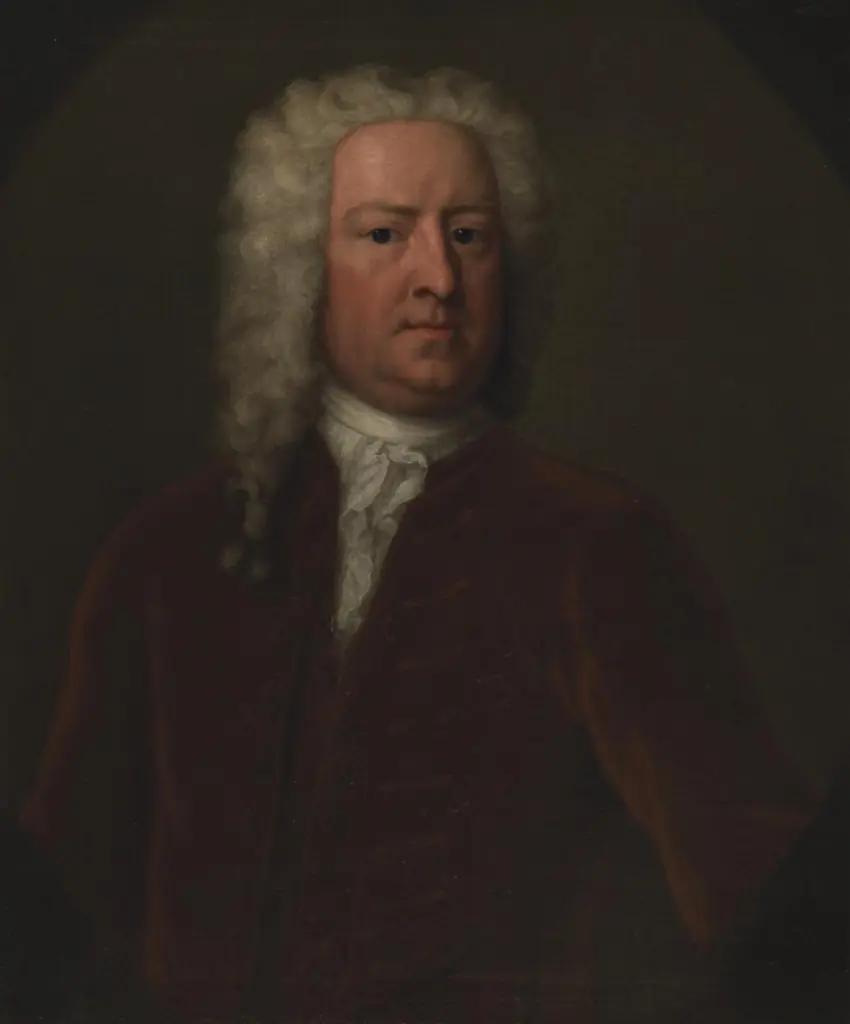
Self-Portrait
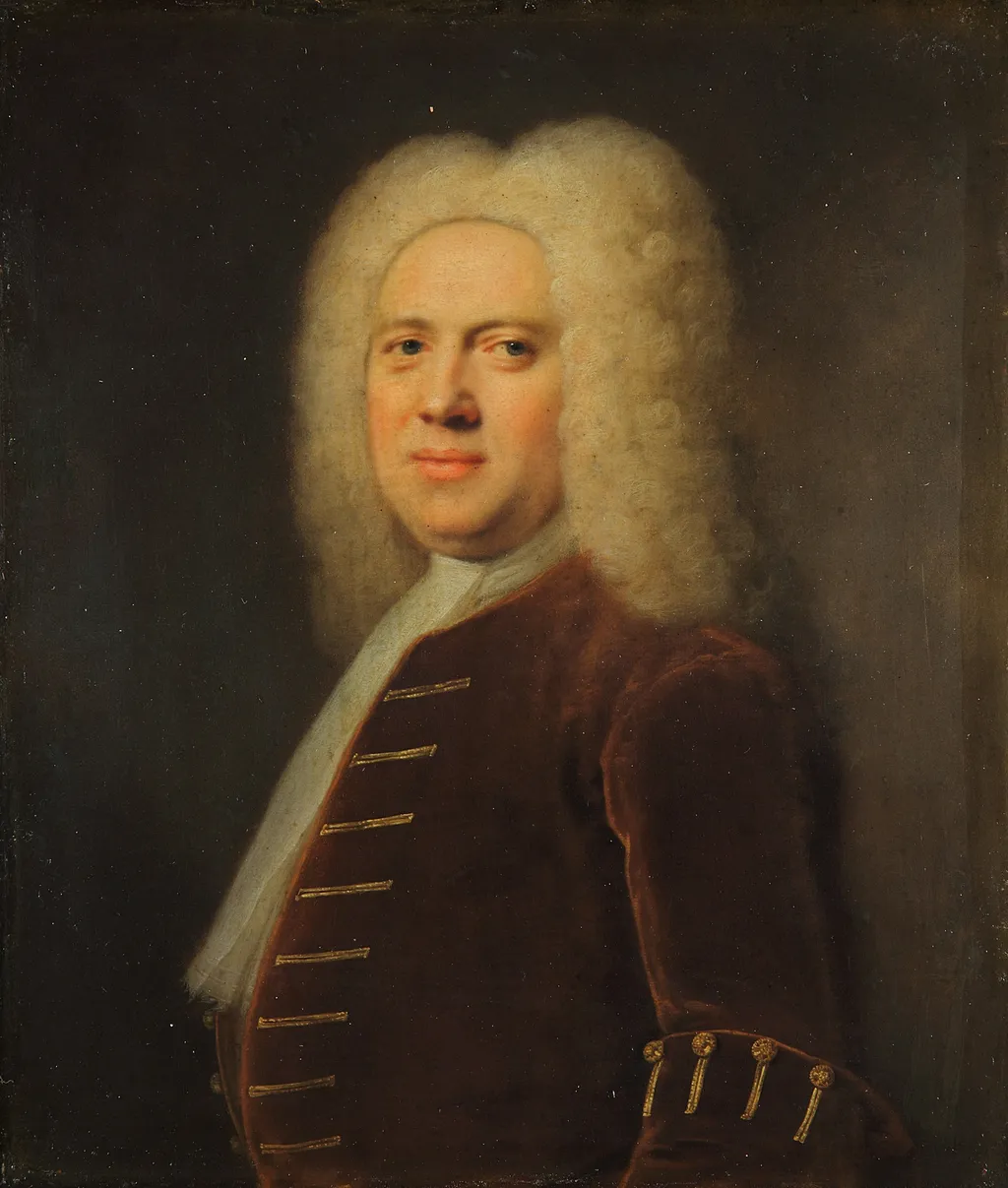
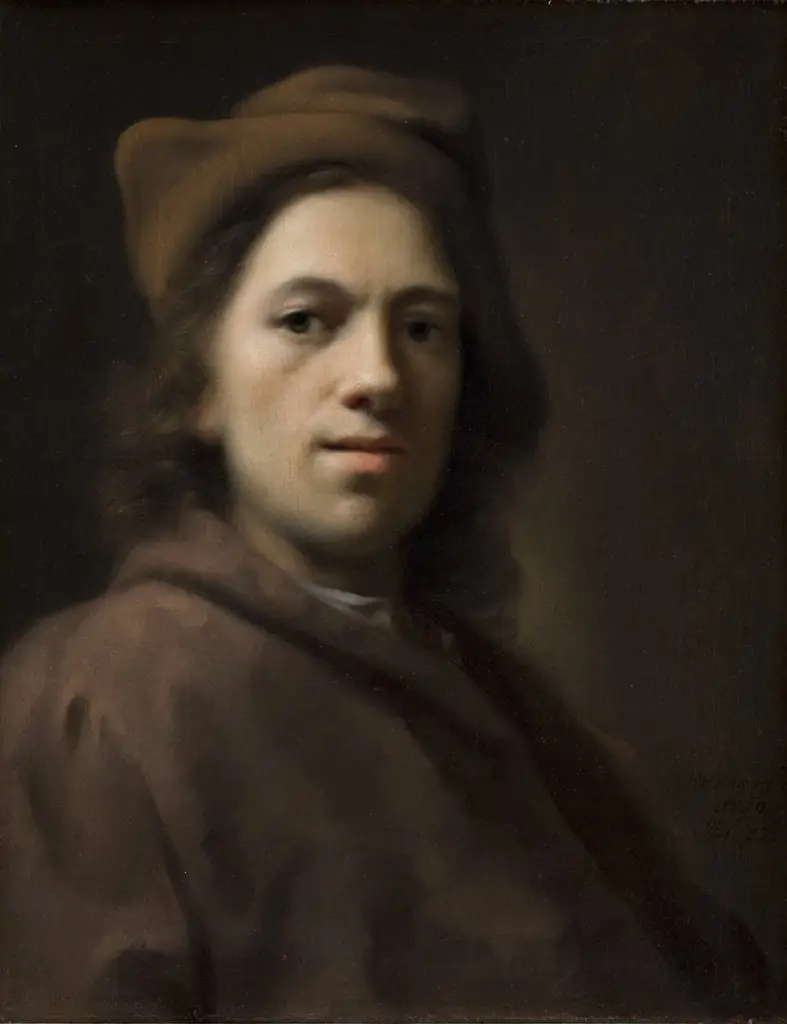
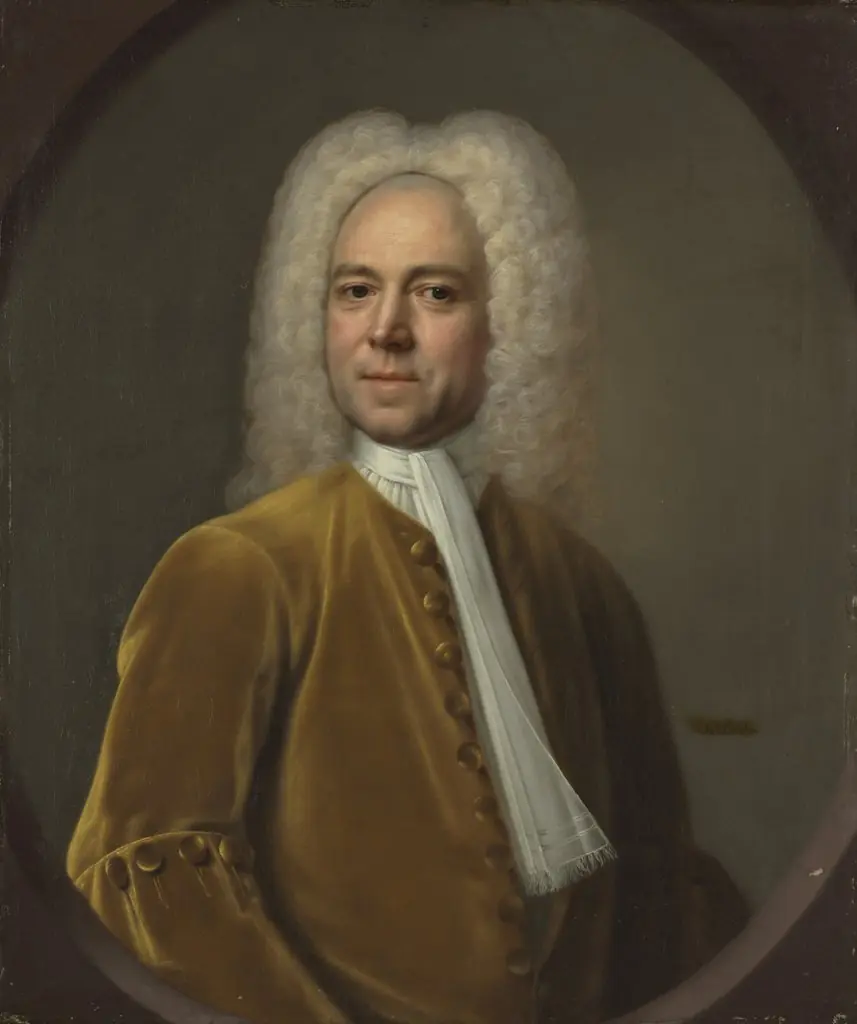
Self-Portrait is an unspecified painting by the Rococo painting artist Balthasar Denner. It dates from 1740 and is held in the collection of the Gemäldegalerie Berlin.
About this work
This painting is reminiscent of the work of artists who specialized in portrait paintings, such as Balthasar Denner.
The painting depicts a man with long, curly white hair and a brown jacket adorned with gold buttons. He wears a white shirt underneath, and the background is dark.
The man's attire and hairstyle suggest a formal or professional setting, possibly from the 18th century. The artist's attention to detail in the subject's clothing and hair is notable.
This painting is reminiscent of the work of artists who specialized in portrait paintings, such as Balthasar Denner.
Overview
Balthasar Denner’s 1740 self-portrait is a half-length oil painting held in the Gemäldegalerie, Berlin. It presents the artist facing the viewer with quiet composure, rendered in the refined manner characteristic of his career. The work reflects his reputation for intimate, highly detailed portraiture, capturing not just likeness but the quiet presence of the subject through precise observation.
Subject & Meaning
Denner portrays himself with a calm, unadorned dignity, avoiding theatricality. His long, white curls and formal attire—brown jacket with gold buttons, white shirt—signal professional identity rather than aristocratic status. The absence of symbolic objects or elaborate setting directs focus to the face and texture of his aging skin, suggesting a meditation on identity, time, and the artist’s own craft.
Technique & Style
Denner employs a methodical, almost microscopic approach to surface detail. Each strand of hair, the sheen on fabric, and the subtle gradations of skin tone are rendered with quiet precision. The dark background isolates the figure, enhancing the tactile quality of the subject. His technique aligns with Northern European traditions of realism, prioritizing observation over idealization.
History & Provenance
Painted in 1740, the self-portrait entered the Gemäldegalerie Berlin’s collection in the 19th century, likely through the acquisition of private holdings from German-speaking regions. Its continuous presence in a public institution since then has preserved its integrity. No significant alterations or restorations are documented, supporting its status as a well-preserved example of Denner’s late style.
Context
In mid-18th-century Germany, portraiture was increasingly valued for its psychological depth and technical mastery. Denner stood apart from the ornate Rococo trends by favoring restrained realism. His focus on aging faces and fine detail resonated with a growing interest in individuality and the natural human form, aligning him with contemporaries who prioritized truth over embellishment.
Legacy
Denner’s self-portrait remains a key reference for studies of 18th-century German portraiture. His uncompromising attention to detail influenced later artists interested in realism, though he never achieved widespread fame. The painting endures as a quiet testament to the discipline of observation, valued more for its technical integrity than for dramatic impact.
Own this work as a print
Artist & collection
Artist
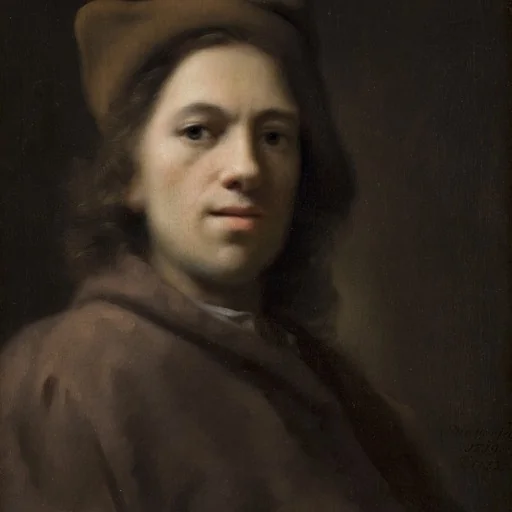
Balthasar Denner (15 November 1685 – 14 April 1749) was a German painter, highly regarded as a portraitist.

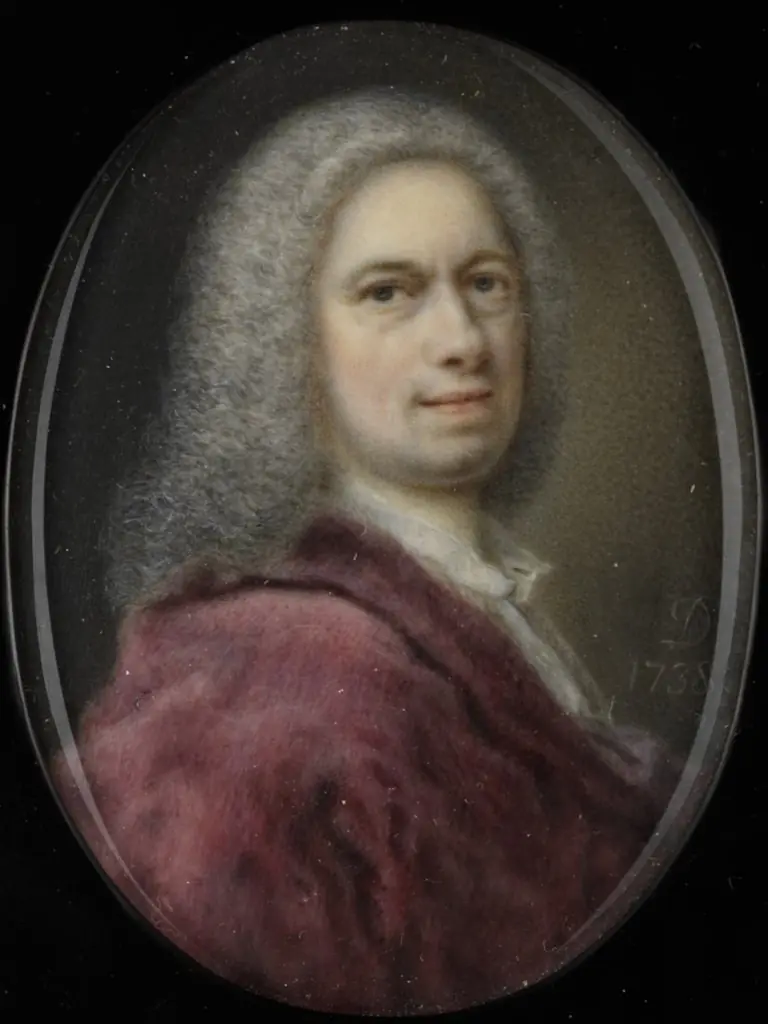
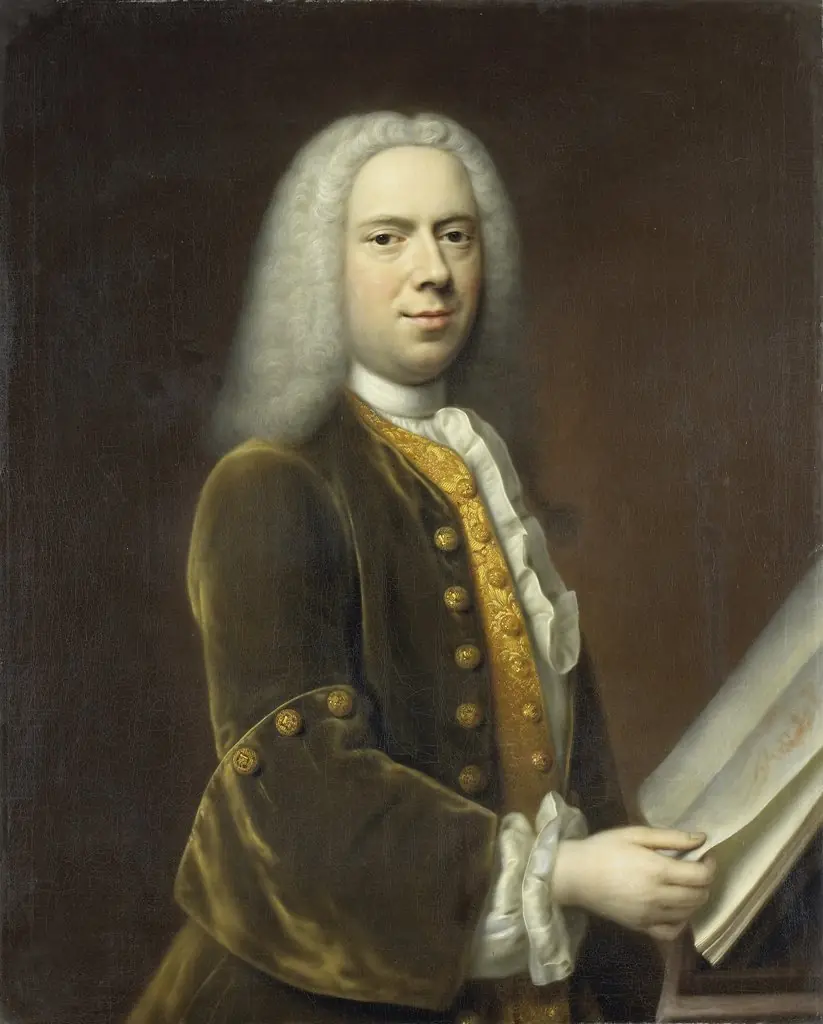
 Portrait of a Man
 Portrait of a Man
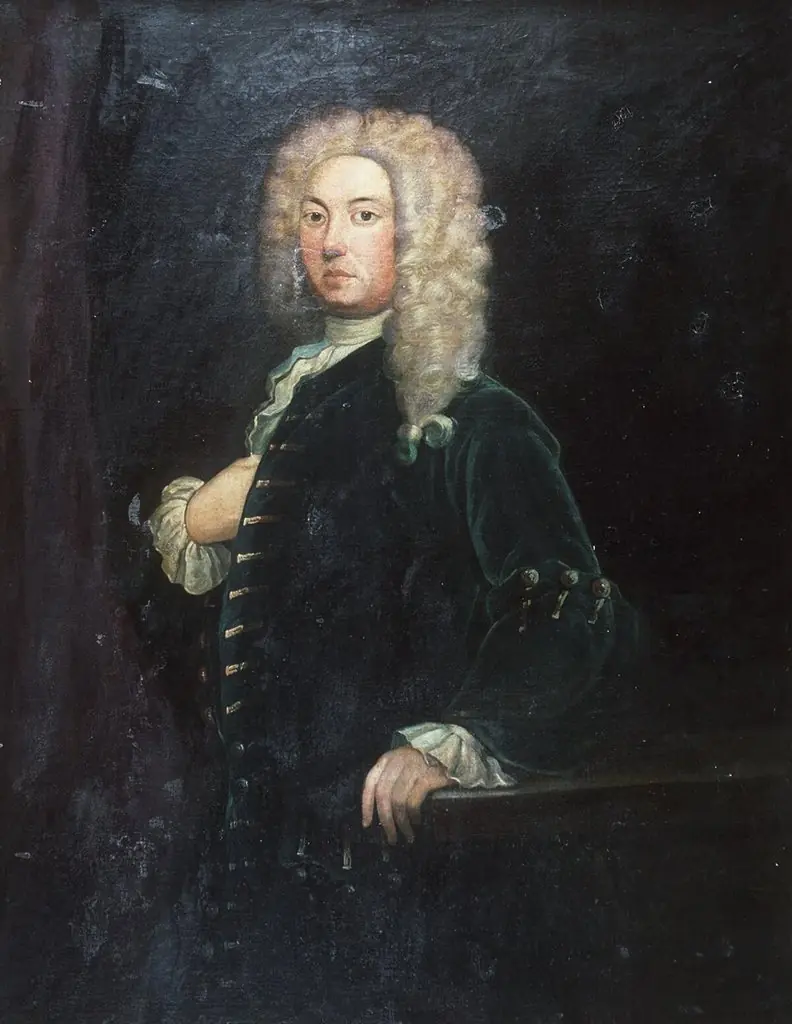 Councillor Richard Lloyd (died 1757)
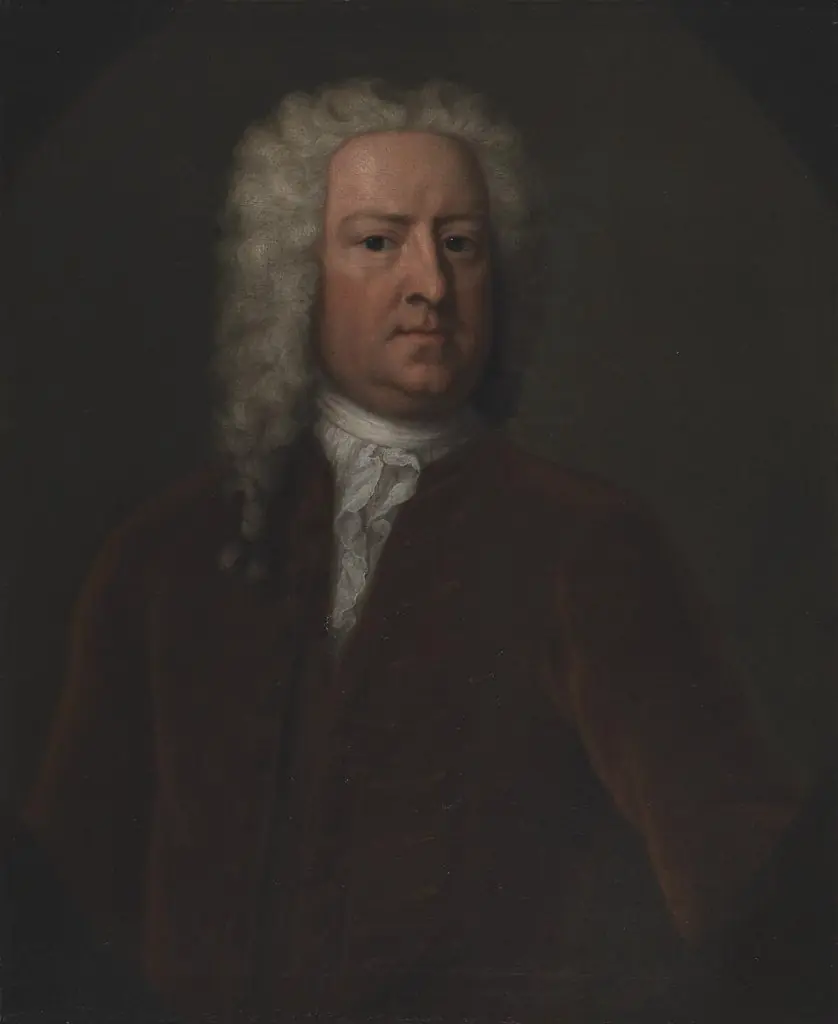 Sir Watkin Williams-Wynn (1692 -1749)
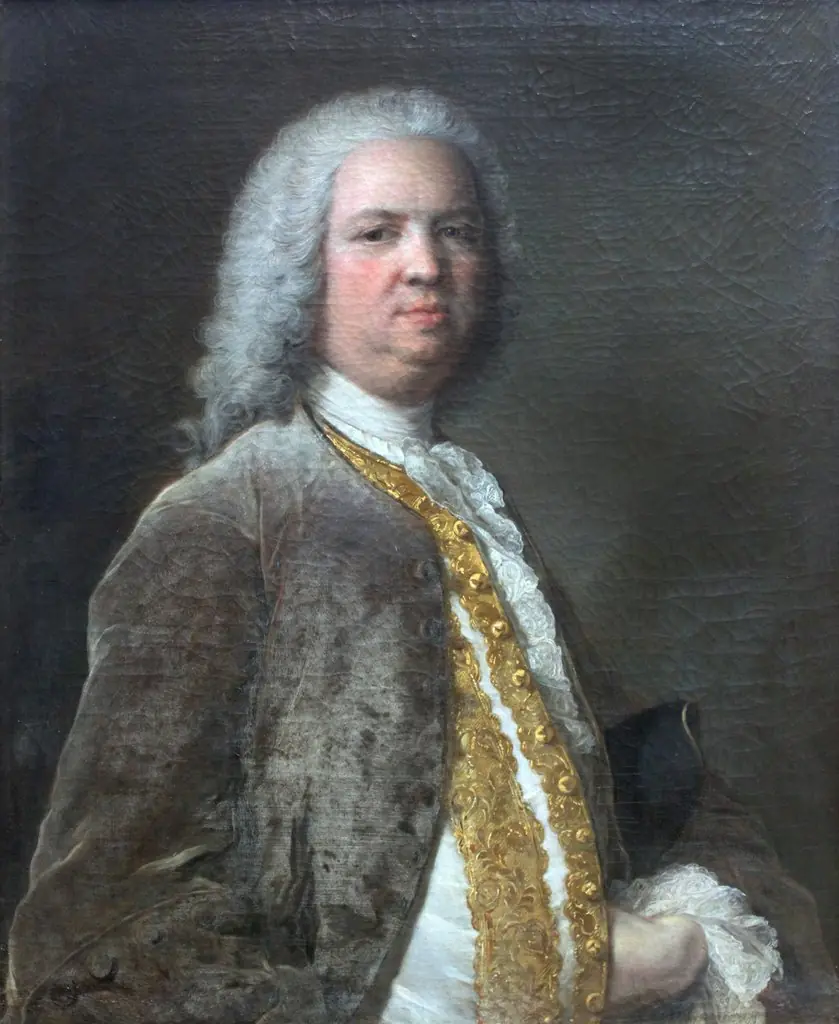 Portrait of the Frankfurt banker Johann Georg Leerse
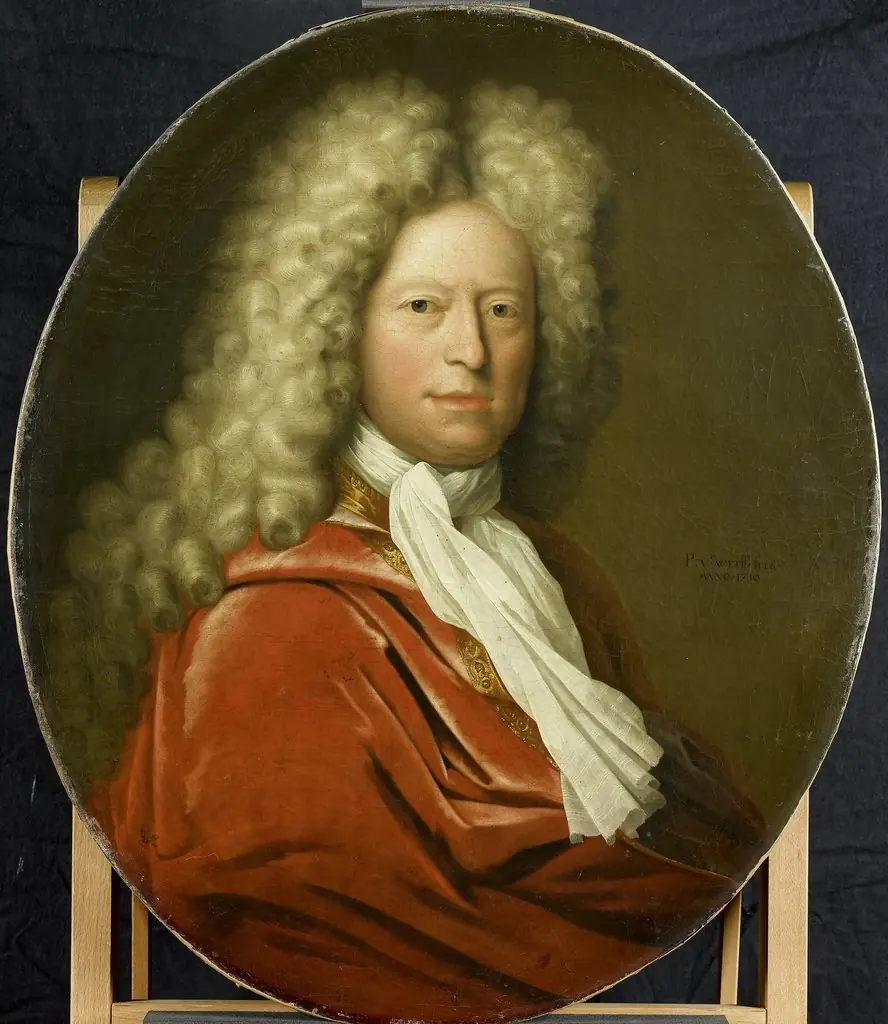 Portrait of Mr. Brust
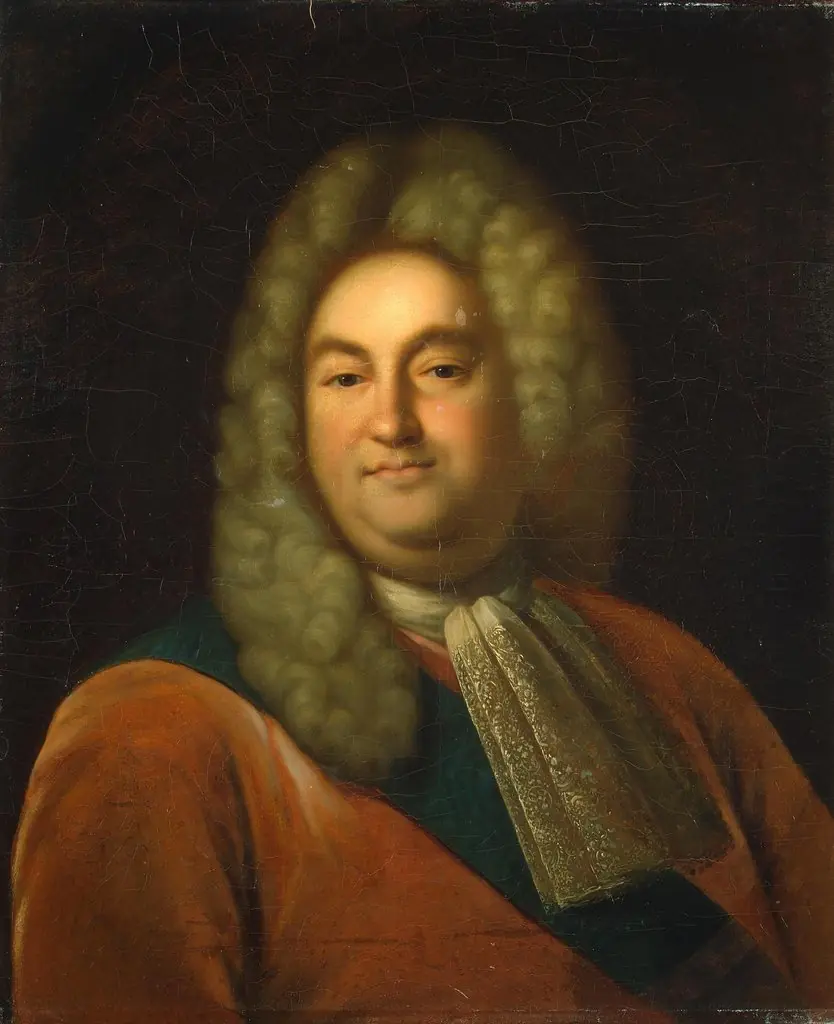 Portrait of Pyotr Shafirov
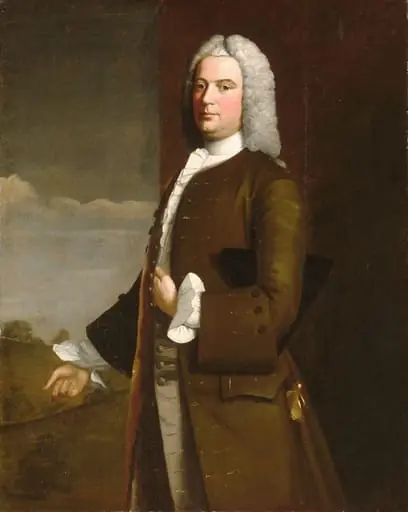 Tench Francis
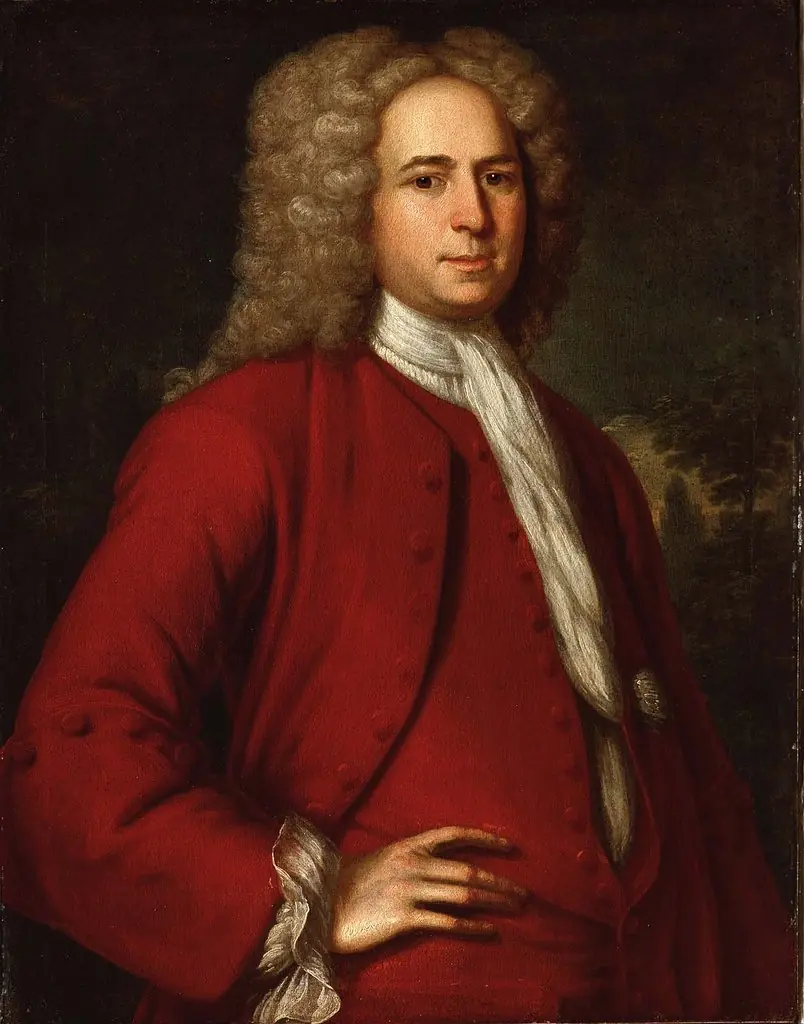 William Dudley
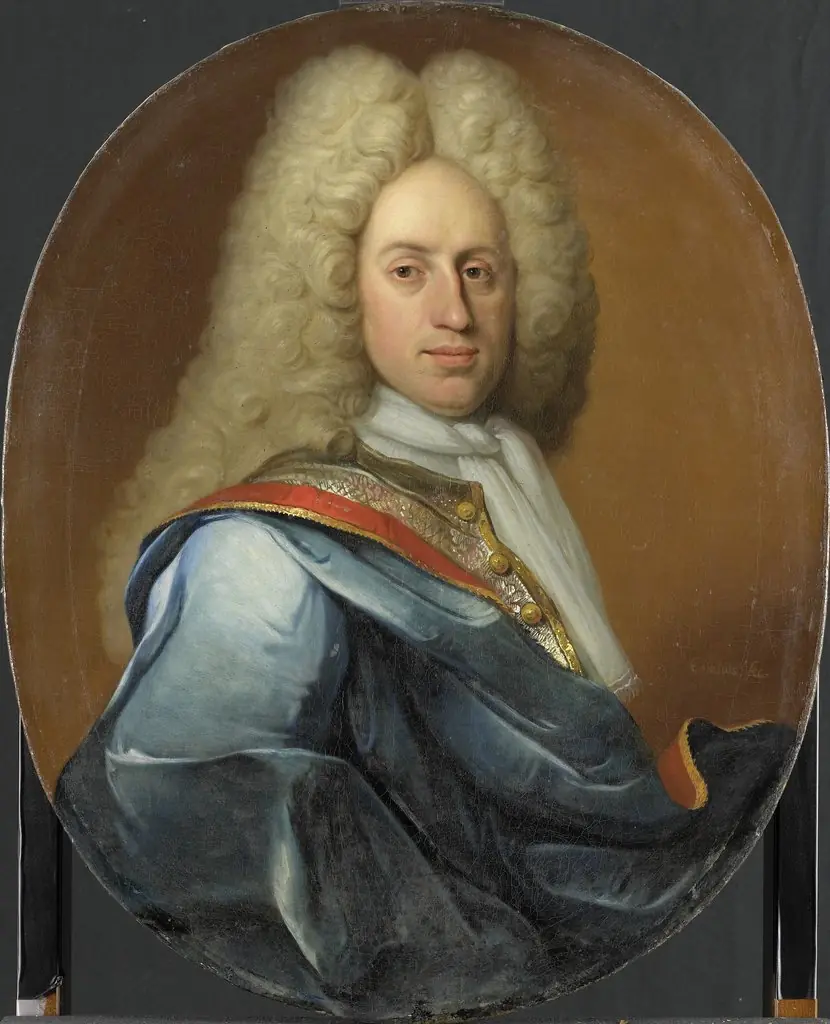 Portrait of Hieronymus Josephus Boudaen, Lord of St Laurens and Popkensburg
 Sir Watkin Williams Wynn Bt.(1692-1749)