Artwork
Morgan Lloyd Esq
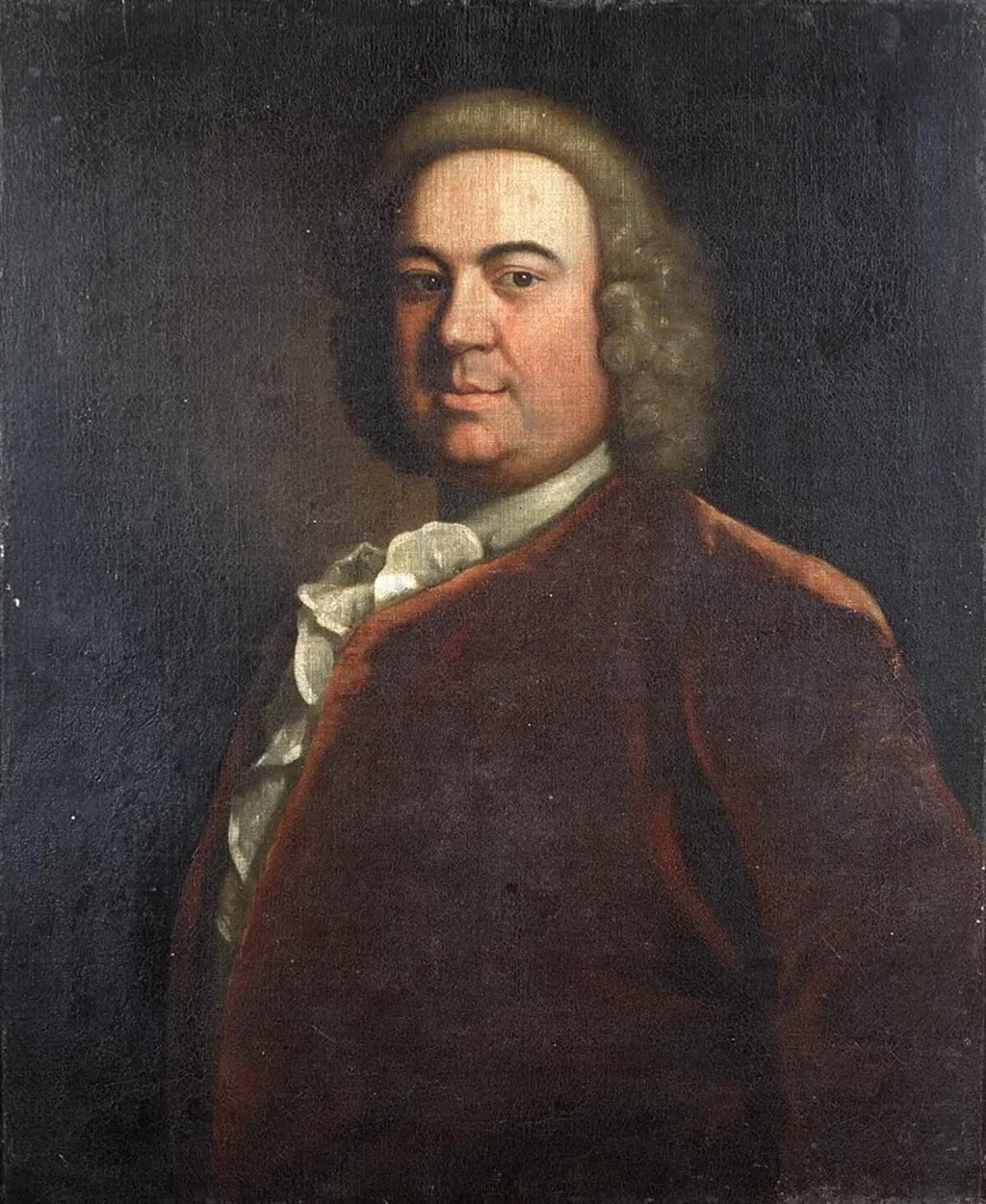
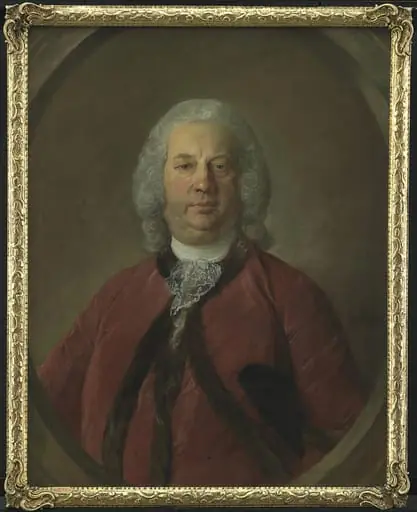
Morgan Lloyd Esq is an oil painting by the Rococo painting artist Unknown. It dates from 1720 and is held in the collection of the National Library of Wales. The work is an oil painting portraying a gentleman from the eighteenth century.
About this work
This portrait painting depicts a man with curly, shoulder-length hair and a reddish-brown coat.
This portrait painting depicts a man with curly, shoulder-length hair and a reddish-brown coat. He wears a white ruffled shirt underneath the coat, which is open, revealing the shirt's front. The background of the painting is dark, with a lighter area behind the man's head. The man's expression is neutral, and he looks directly at the viewer. His attire suggests he is from the 18th century. The painting's style and technique are characteristic of the time period.
Overview
The work is an oil painting portraying a gentleman from the eighteenth century. He is shown with shoulder‑length, curled hair, a reddish‑brown coat opened to reveal a white ruffled shirt, and a neutral expression as he gazes straight at the viewer. The composition is set against a dark backdrop that lightens behind the sitter’s head.
Subject & Meaning
The sitter appears to be a man of some social standing, suggested by his elaborate attire and the formal pose. The direct eye contact and composed demeanor convey a sense of confidence and propriety typical of portraiture intended to affirm the subject’s identity and status.
Technique & Style
Executed in oil on canvas, the painting employs the chiaroscuro contrasts favored in the period, with a deep surrounding tone that emphasizes the illuminated figure. The brushwork captures the texture of the coat and the delicate ruffles of the shirt, reflecting the refined handling characteristic of late‑eighteenth‑century portraiture.
History & Provenance
The artwork is titled "Morgan Lloyd Esq," indicating the sitter’s name and rank. No further details about its ownership or exhibition history are provided, suggesting that its provenance remains largely undocumented beyond the identification of the subject.
Context
Portraits of this type were common among the professional and landed classes in the 1700s, serving both as personal commemoration and as visual records of fashion and status. The clothing and styling align with contemporary trends in British portraiture, where the emphasis lay on realism and dignified representation.
Artist & collection

 Domestic Scene
 Giacomo and Cardinal Marco, investing Andrea, Abbot of San Zeno, with his Benefice
 The Nymph of Fontainebleau
 Portrait of a Woman
 Madonna and Child with Saints in the Enclosed Garden
 Venus and Minerva
 Family Group of Four on Sofa
 Wall painting from Room H of the Villa of P. Fannius Synistor at Boscoreale
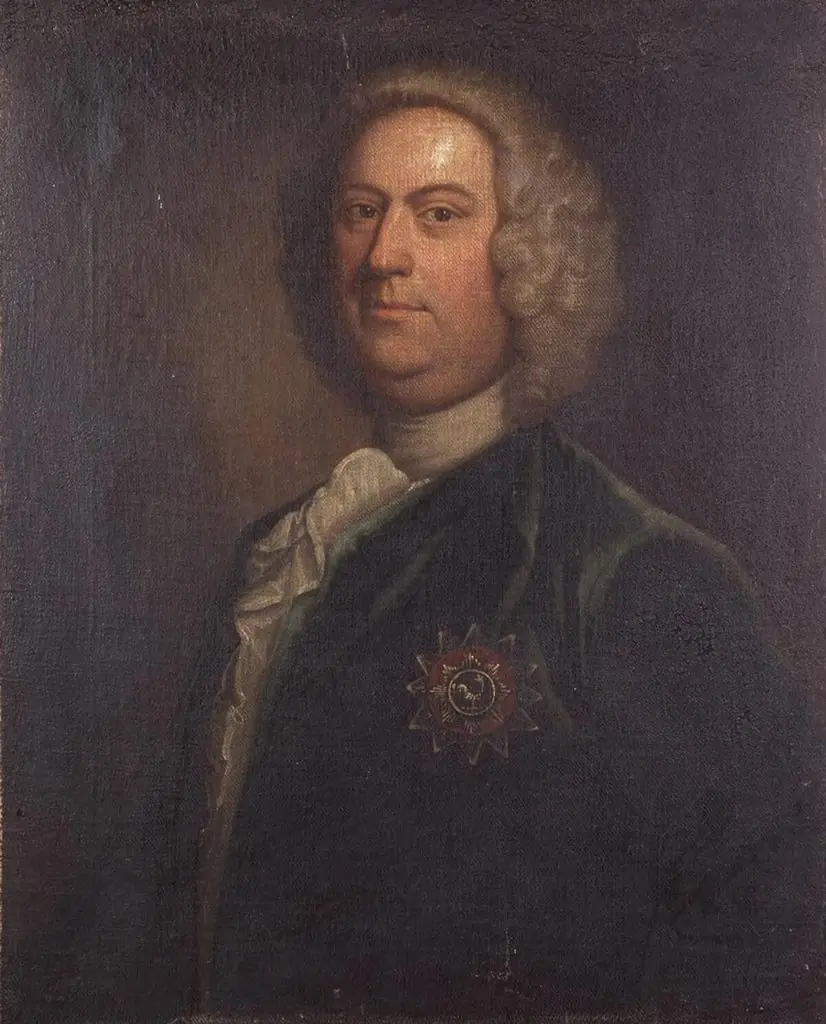 Richard Gwynne Esq of Taliaris
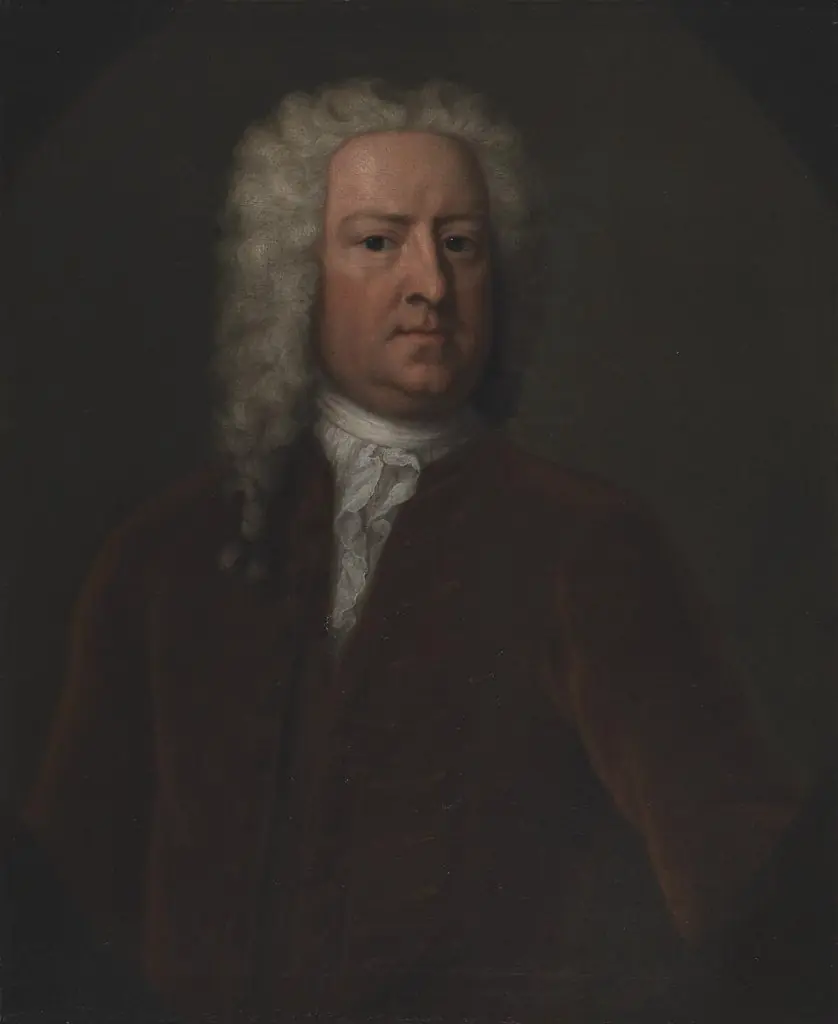 Sir Watkin Williams-Wynn (1692 -1749)
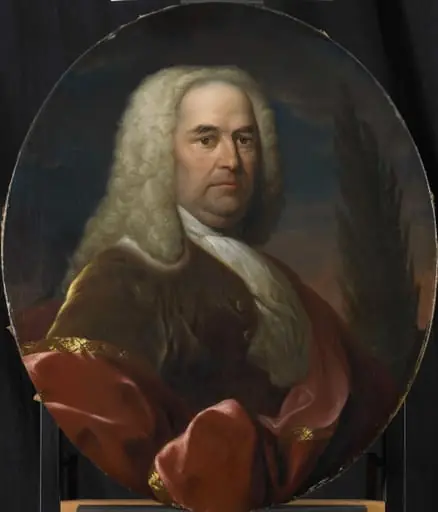 Portrait of Hugo du Bois, Director of the Rotterdam Chamber of the Dutch East India Company, elected 1734
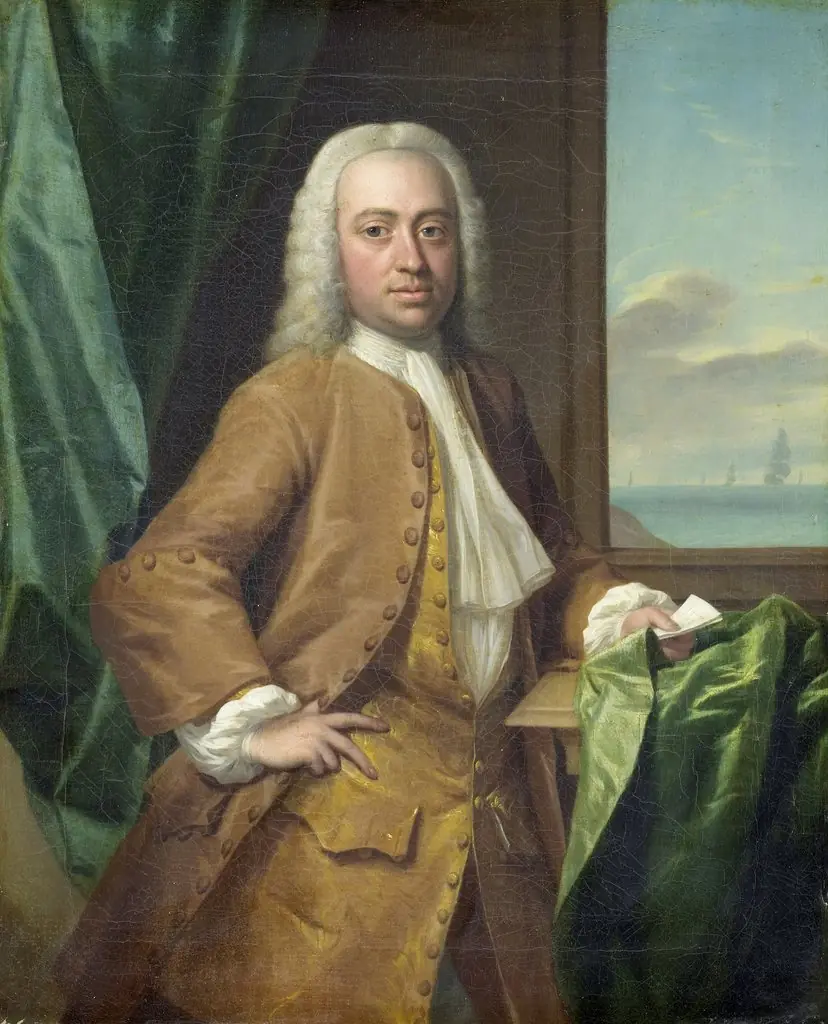 Portrait of Isaac Parker, Merchant from Middelburg
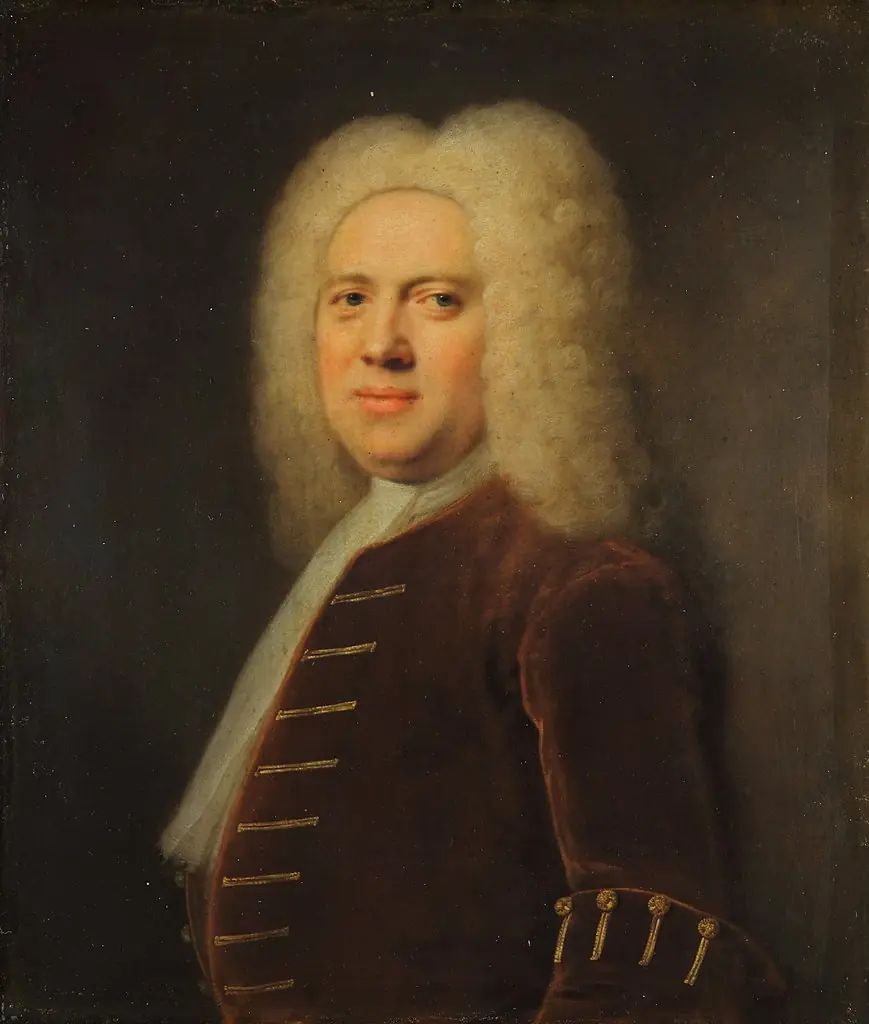 Self-Portrait
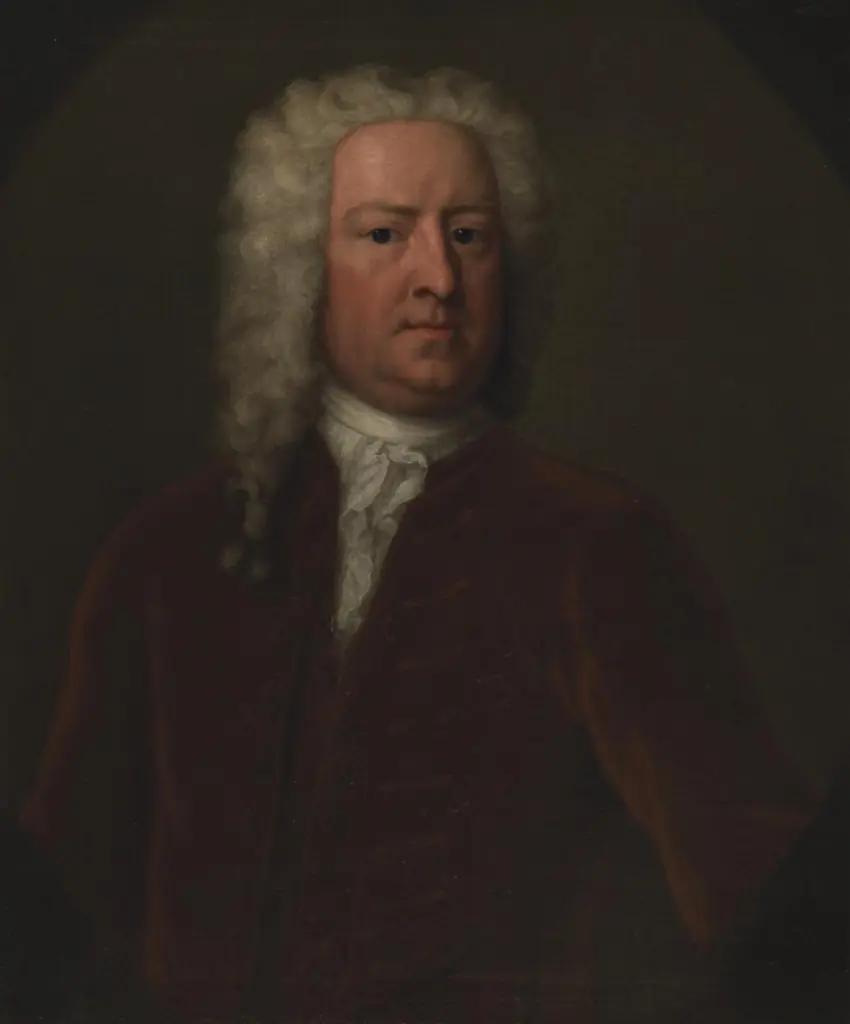 Sir Watkin Williams Wynn Bt.(1692-1749)
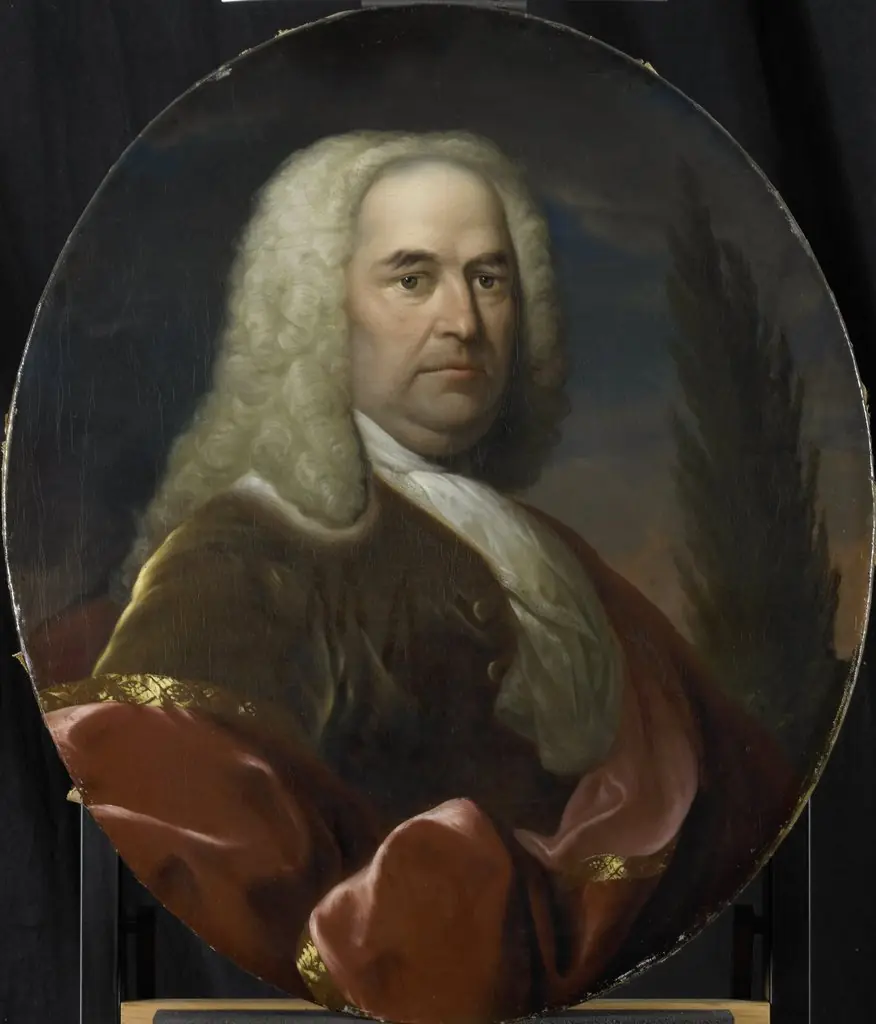 Portrait of Hugo du Bois, Director of the Rotterdam Chamber of the Dutch East India Company, elected 1734
 Portrait of a man
 Portrait of Pyotr Shafirov
 Tench Francis
 Portretul unui literat
 Portrait of Frederik Hansen de Liliendal, Danish Consul at Bordeaux