Artwork
The Virgin Reading
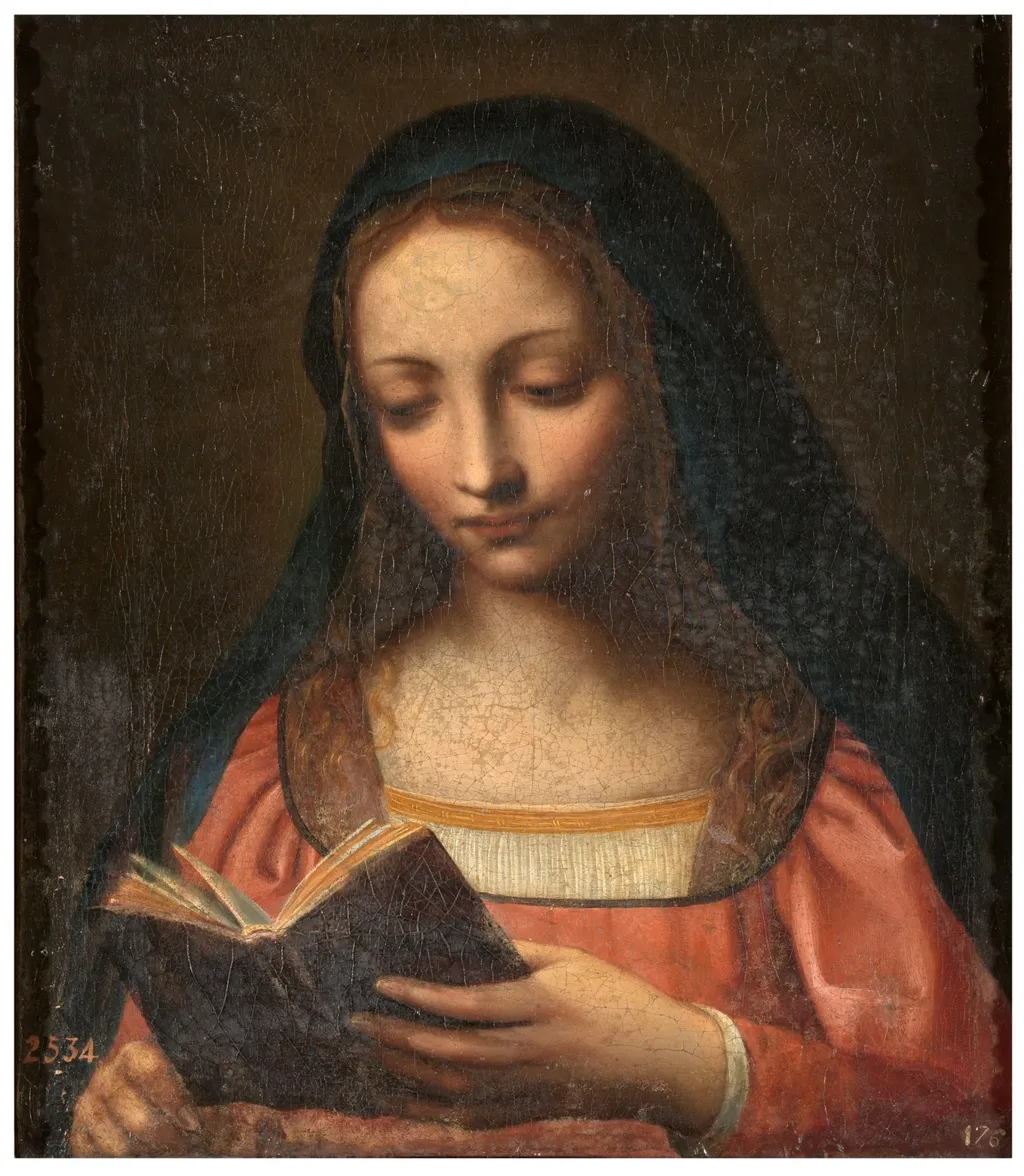
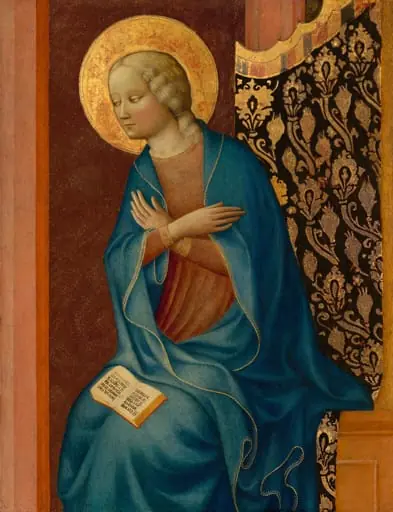
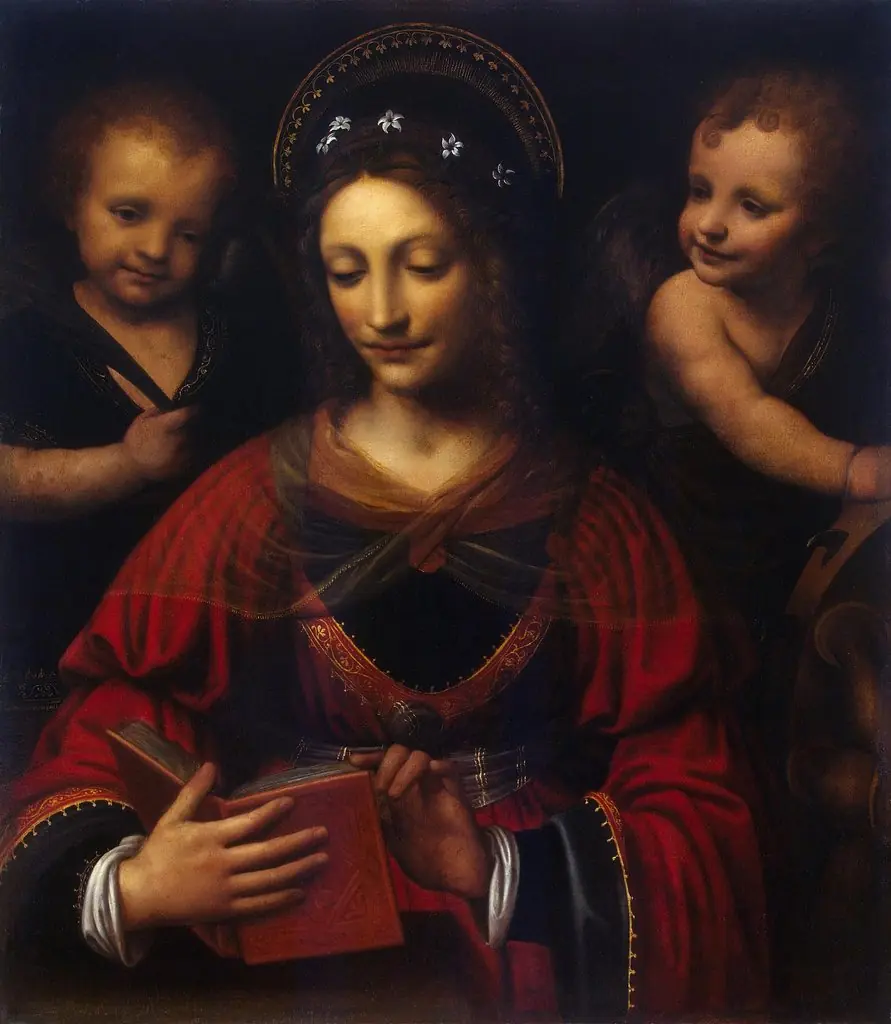
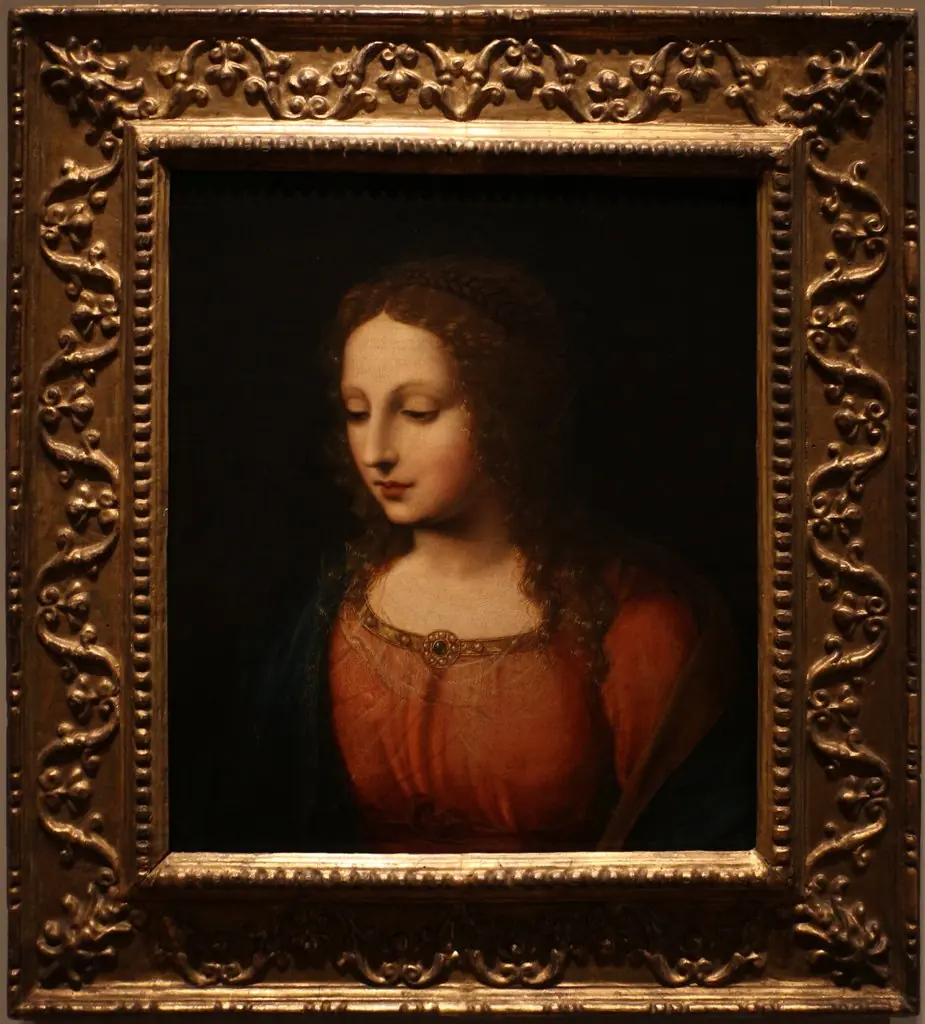
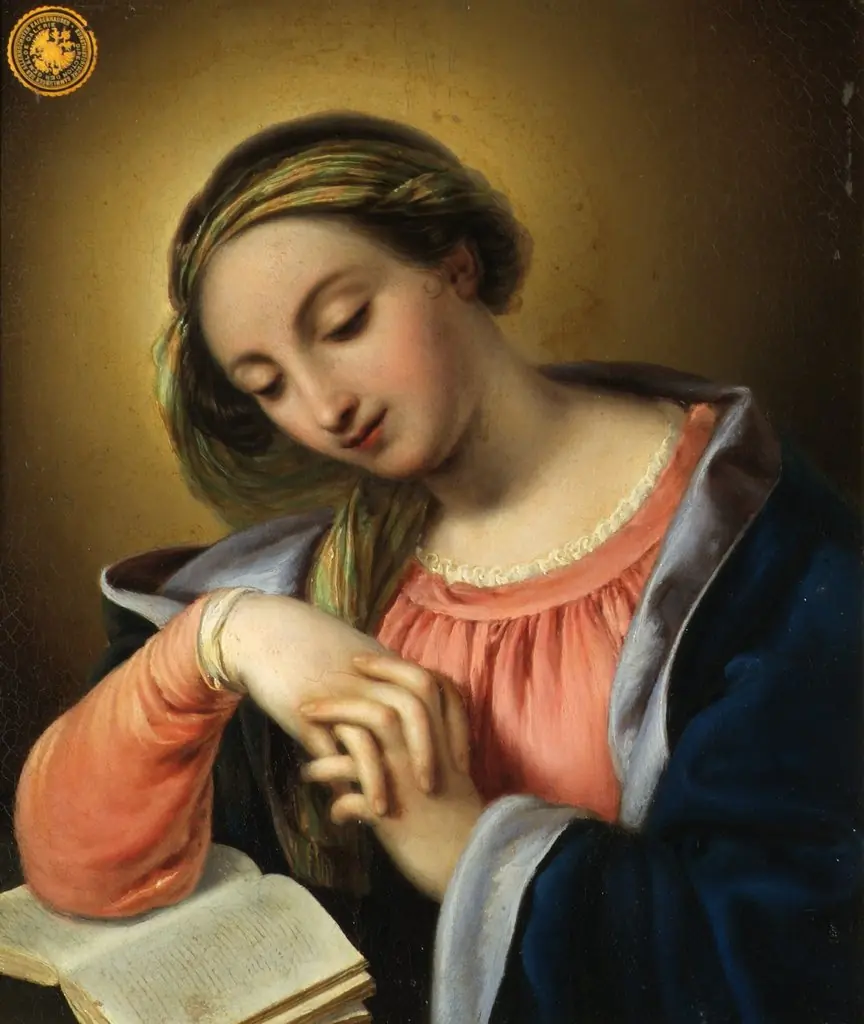
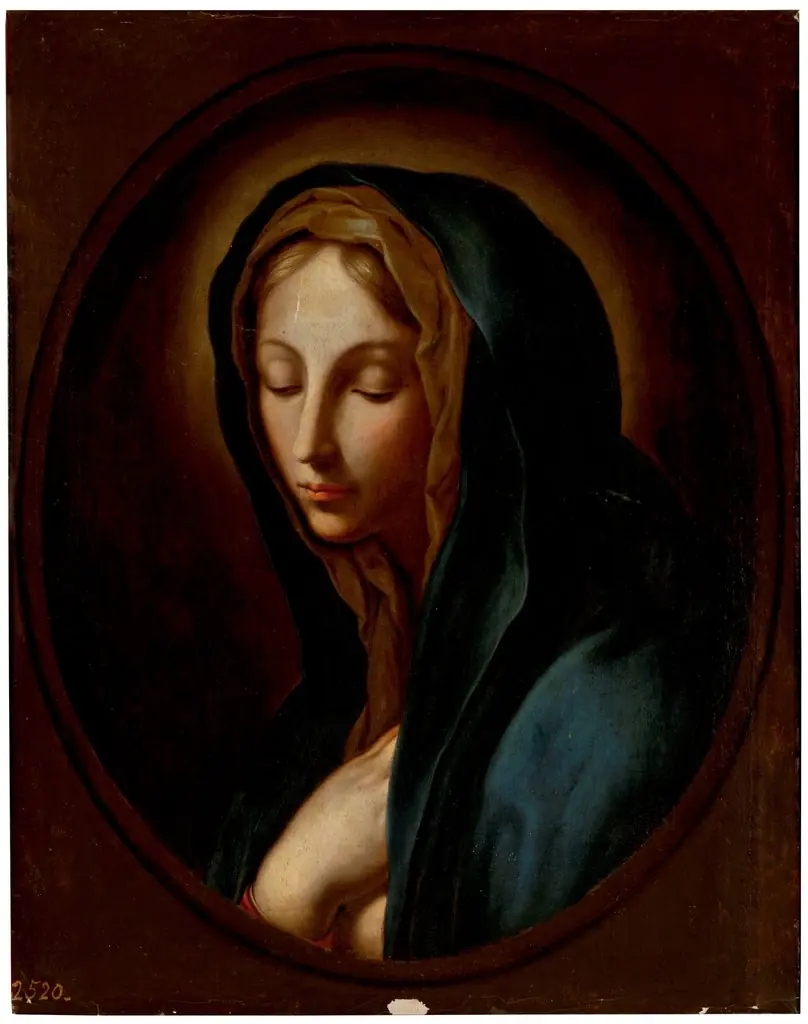
The Virgin Reading is an oil painting by the Northern Renaissance artist Unknown. It dates from 1501 and is held in the collection of the Museo del Prado. This oil painting portrays a solitary woman, traditionally identified as the Virgin Mary, engaged in quiet reading.
About this work
Overview
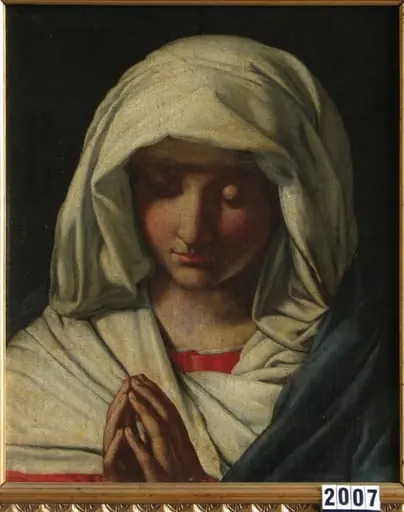
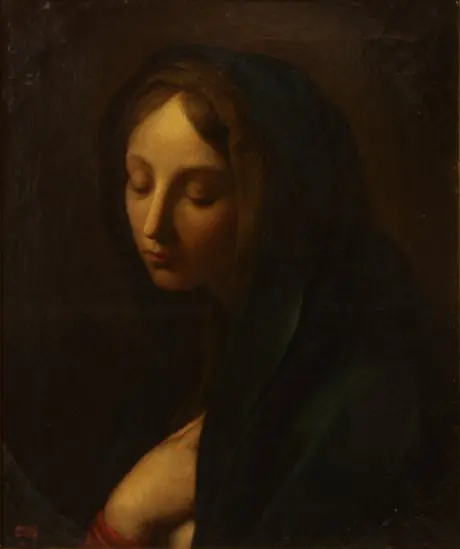
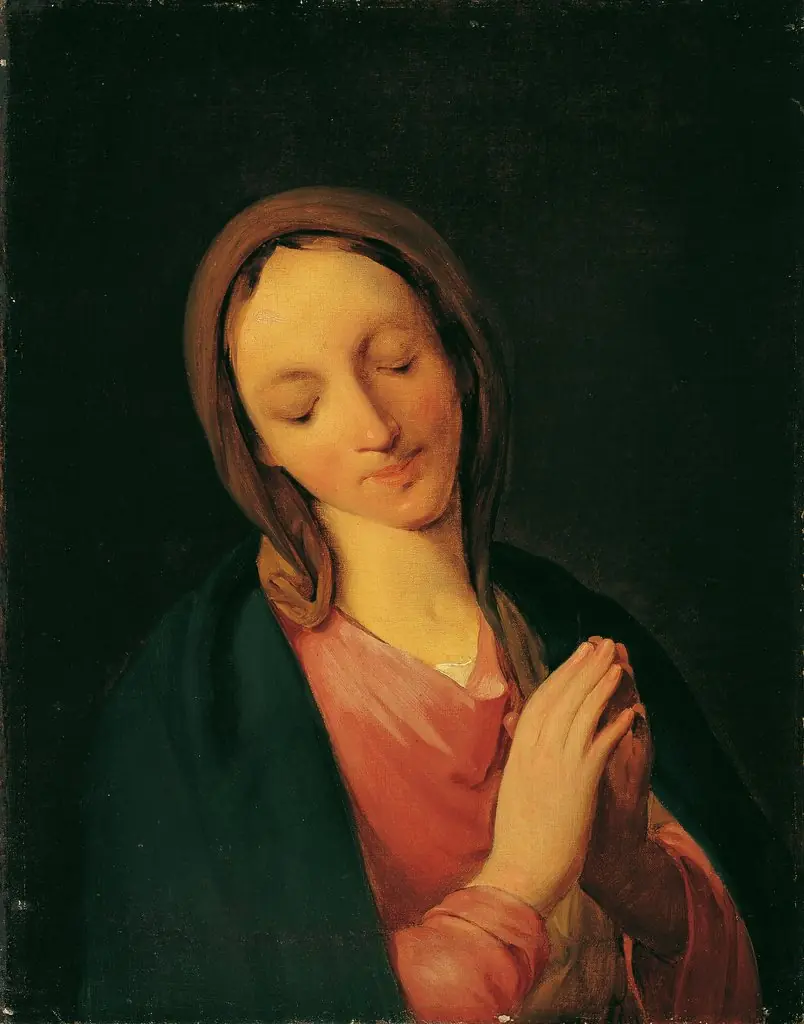
This oil painting portrays a solitary woman, traditionally identified as the Virgin Mary, engaged in quiet reading. Set against a deep, unbroken background, her figure is illuminated with subtle lighting that emphasizes her form and the aged pages of the book she holds. The composition is restrained, focusing entirely on her contemplative presence without architectural or narrative distractions.
Subject & Meaning
The worn pages of the book imply long familiarity with its contents, reinforcing themes of spiritual study and quiet faith.
The figure is understood to represent the Virgin Mary in a moment of private devotion, reading sacred text. Her downward gaze and still posture suggest introspection rather than public worship. The worn pages of the book imply long familiarity with its contents, reinforcing themes of spiritual study and quiet faith. The absence of halos or symbolic attributes invites a more humanized interpretation of the divine.
Technique & Style
The artist employs chiaroscuro to model the figure with soft gradations of light and shadow, lending volume and realism to the form. The dark background isolates the subject, heightening the focus on her face and hands. Brushwork is refined but unobtrusive, with delicate rendering of fabric folds and the texture of aged paper, contributing to the painting’s intimate, meditative tone.
History & Provenance
The painting has been held by the Museo del Prado in Madrid since at least the early 19th century. Its attribution has shifted over time among followers of early Netherlandish and Italian Renaissance painters, though no definitive authorship has been established. It entered the royal collection likely through Spanish Habsburg acquisitions of devotional works from the Low Countries.
Context
Created during a period when private devotion was increasingly valued, this image reflects a broader trend in Northern and Southern European art of depicting sacred figures in domestic, introspective moments. Unlike grand altarpieces, such works catered to personal piety, often owned by nobility or clergy for private prayer and reflection.
Legacy
The painting remains a quiet example of devotional portraiture that prioritizes emotional restraint over spectacle. Its enduring presence in the Prado underscores its value as a study in serene composition and psychological depth. While not widely reproduced, it continues to inform scholarly discussions on the evolution of Marian imagery in early modern Europe.
Artist & collection

 Domestic Scene
 Giacomo and Cardinal Marco, investing Andrea, Abbot of San Zeno, with his Benefice
 The Nymph of Fontainebleau
 Portrait of a Woman
 Madonna and Child with Saints in the Enclosed Garden
 Venus and Minerva
 Family Group of Four on Sofa
 Wall painting from Room H of the Villa of P. Fannius Synistor at Boscoreale