Artwork
Godmother
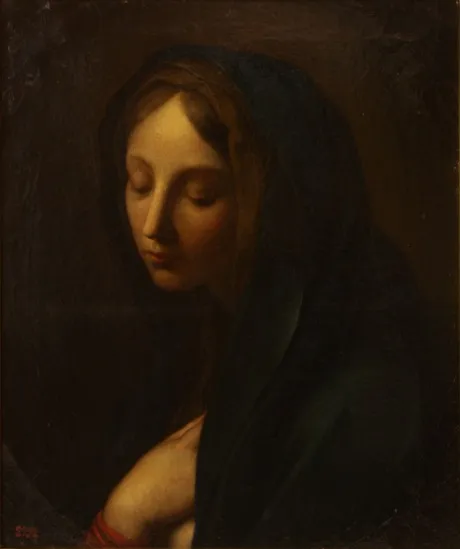
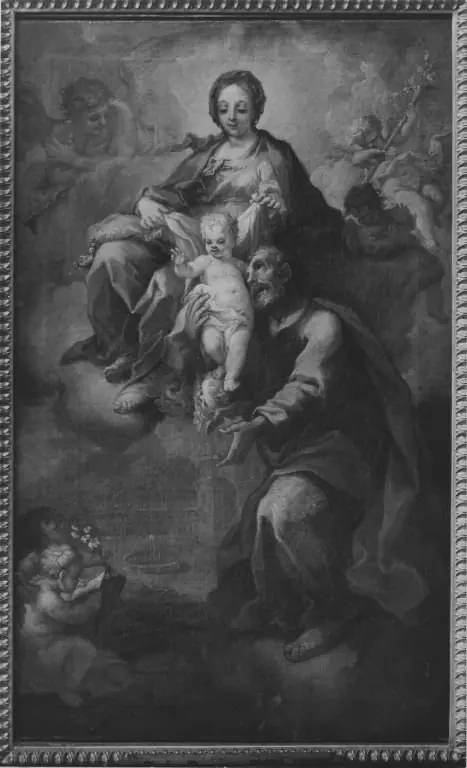
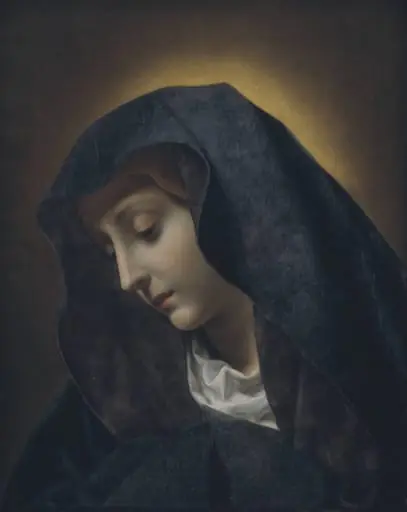
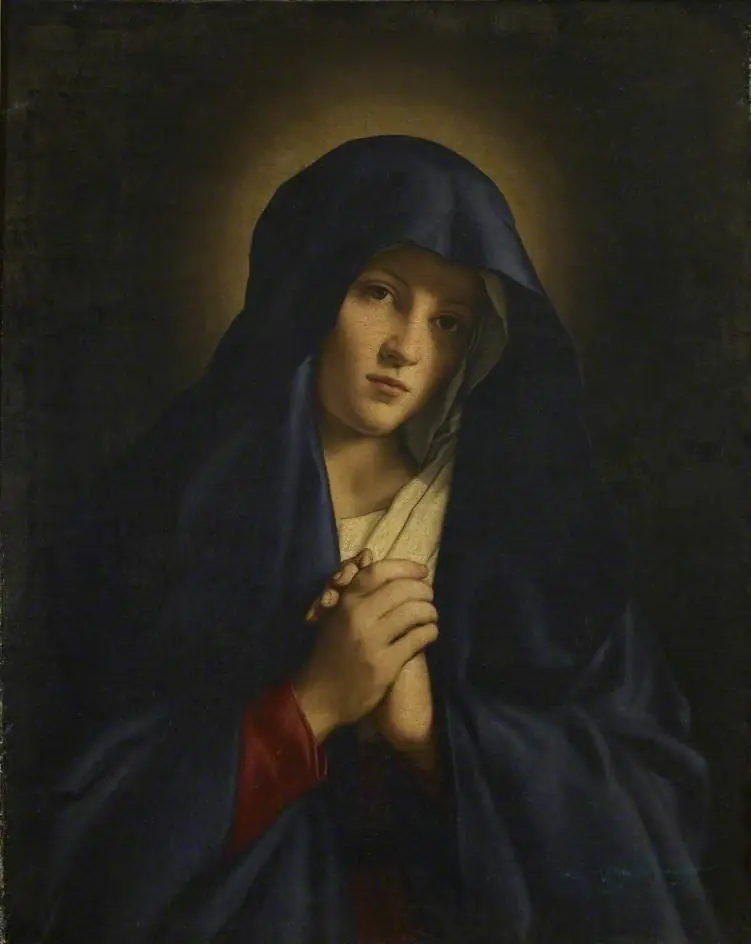
Godmother is an oil painting by Sebastiano Conca. It dates from 1650 and is held in the collection of the National Gallery of Armenia.
About this work
Overview
Its quiet composition and restrained palette distinguish it from more dramatic religious or mythological works of the period.
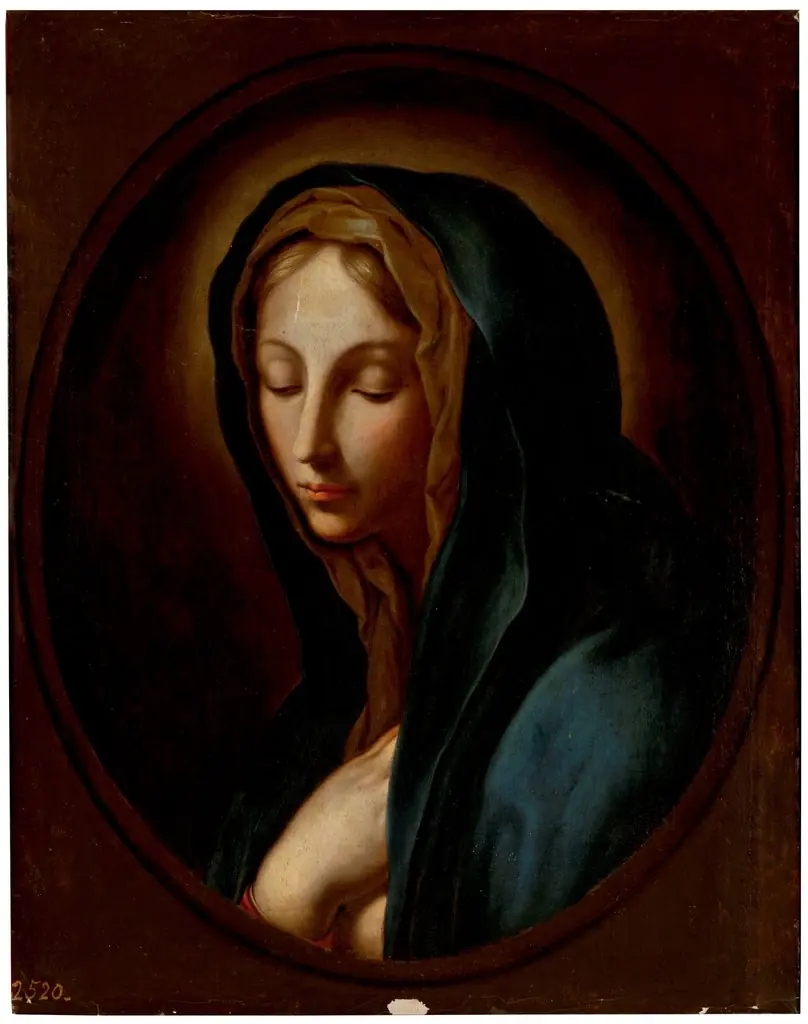
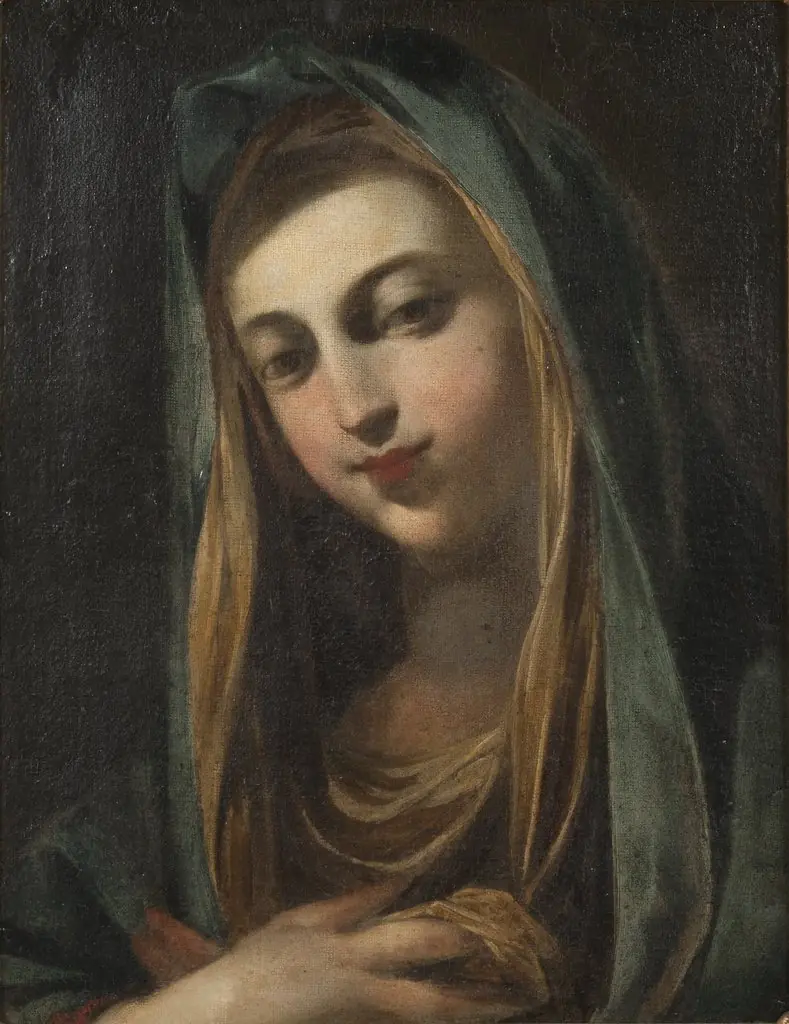
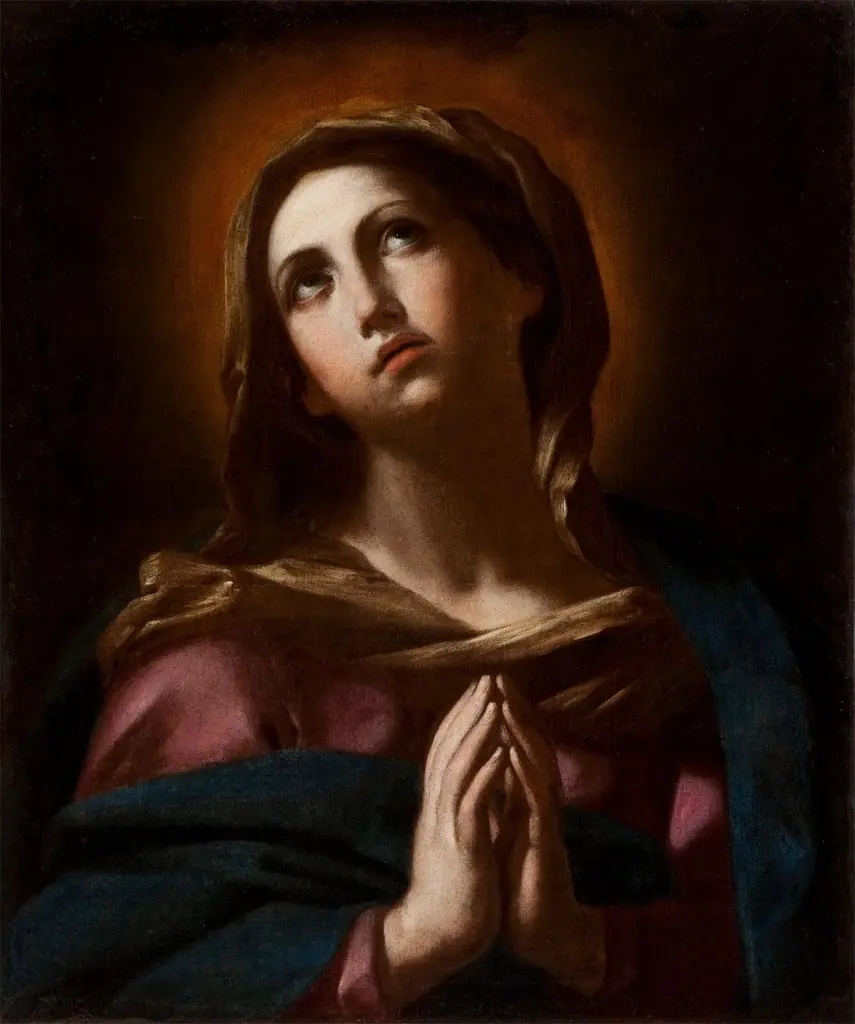
Godmother is an oil painting attributed to Sebastiano Conca, dated around 1650. It presents a solitary female figure in a moment of stillness, rendered with careful attention to light and texture. The work resides in the National Gallery of Armenia, where it is preserved as part of its European collection. Its quiet composition and restrained palette distinguish it from more dramatic religious or mythological works of the period.
Subject & Meaning
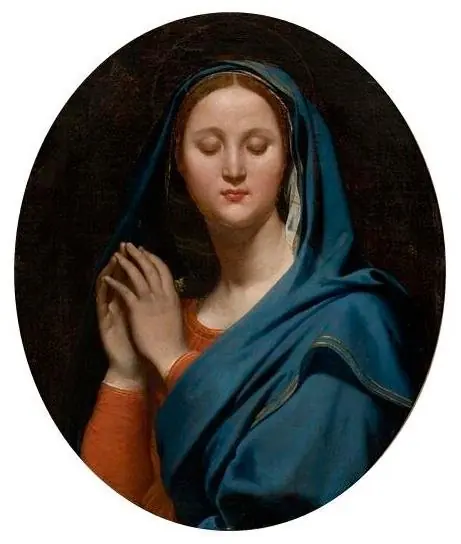
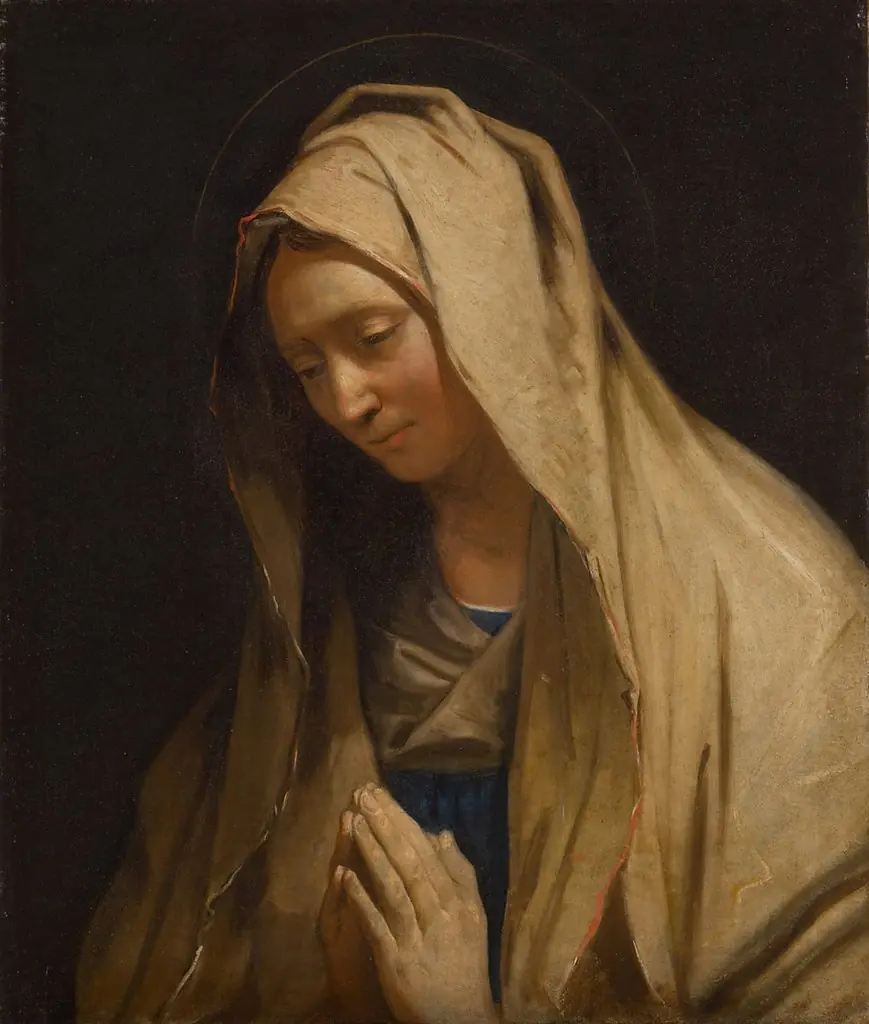
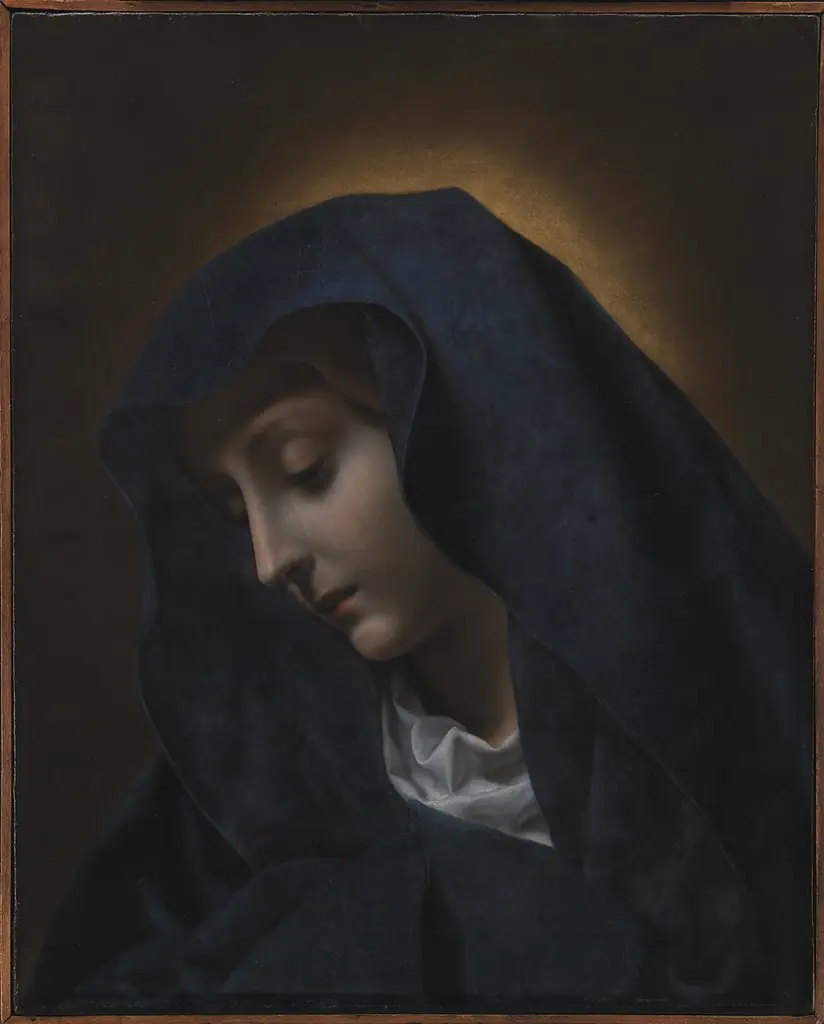
The subject is a woman depicted with her head bowed and eyes closed, suggesting private reflection or prayer. The dark veil enveloping her hair and shoulders implies modesty or mourning, while the red band on her upper arm may signify a social or ceremonial role, perhaps as a godmother or spiritual guide. Her expression and posture convey inwardness rather than narrative action, inviting contemplation rather than storytelling.
Technique & Style
Conca employs chiaroscuro to model the woman’s face, using soft gradations of light to highlight her features against a shadowed background. The contrast draws focus to her expression while minimizing detail in the rest of the figure. Brushwork is precise but unobtrusive, emphasizing texture in skin and fabric without overt flourish. The limited color palette reinforces the painting’s meditative tone, with the red band serving as the only deliberate accent.
History & Provenance
The painting entered the collection of the National Gallery of Armenia in the 20th century, though its earlier ownership remains undocumented. Its attribution to Sebastiano Conca is based on stylistic analysis, as no definitive records of its commission or early history survive. It was likely acquired as part of a broader effort to expand the gallery’s holdings of Italian Baroque art during the Soviet era.
Context
Created during the height of the Baroque period, Godmother diverges from the theatricality common in religious scenes of the time. Instead, it aligns with a quieter tradition of intimate portraiture favored in southern Italy and Spain, where psychological depth was valued over grandeur. The work reflects broader cultural interests in personal devotion and the inner life, even as it avoids overt religious symbolism.
Legacy
Though not widely exhibited outside Armenia, Godmother remains a significant example of Conca’s lesser-known secular portraiture. Its restrained emotional tone and technical precision have influenced later Armenian artists studying European techniques. The painting continues to be studied for its subtle use of light and its departure from the dominant narrative styles of its era.
Artist & collection