Artwork
Card players
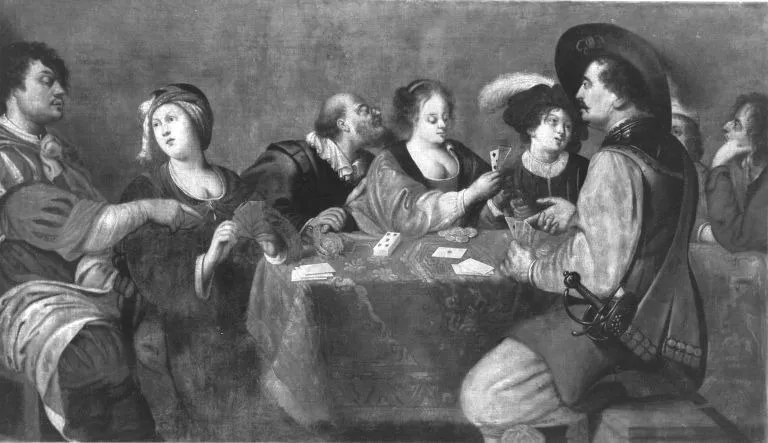
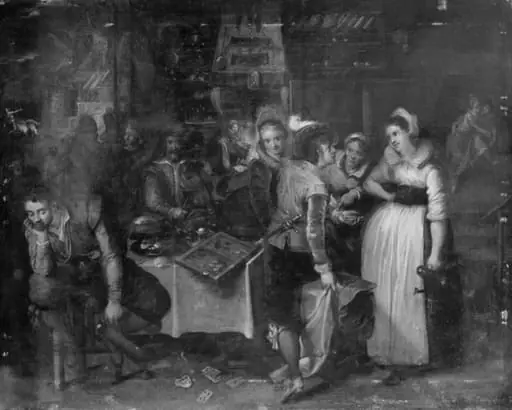
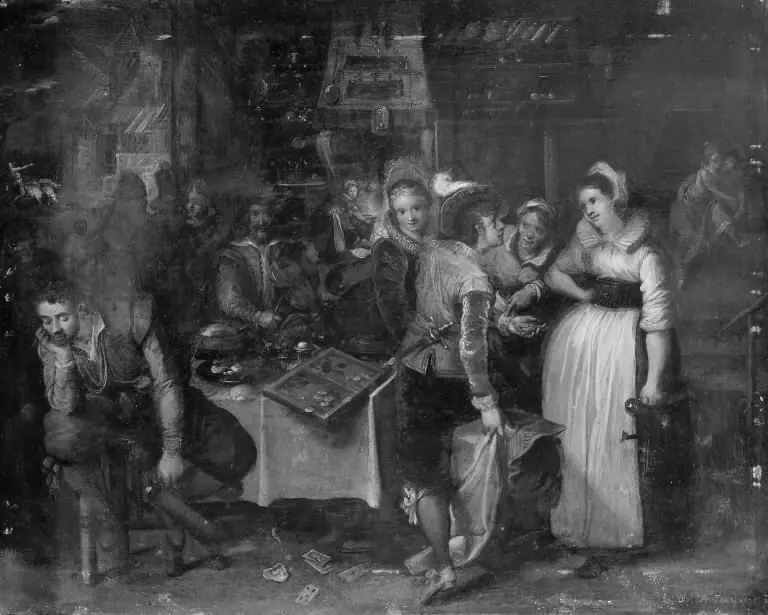
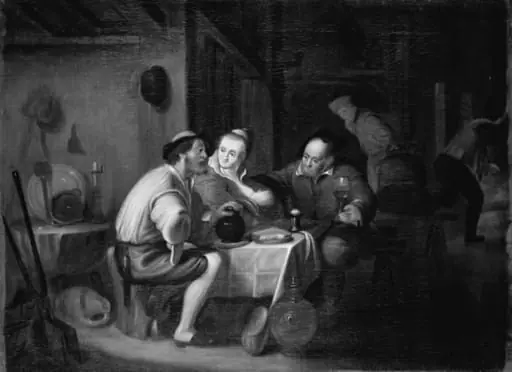
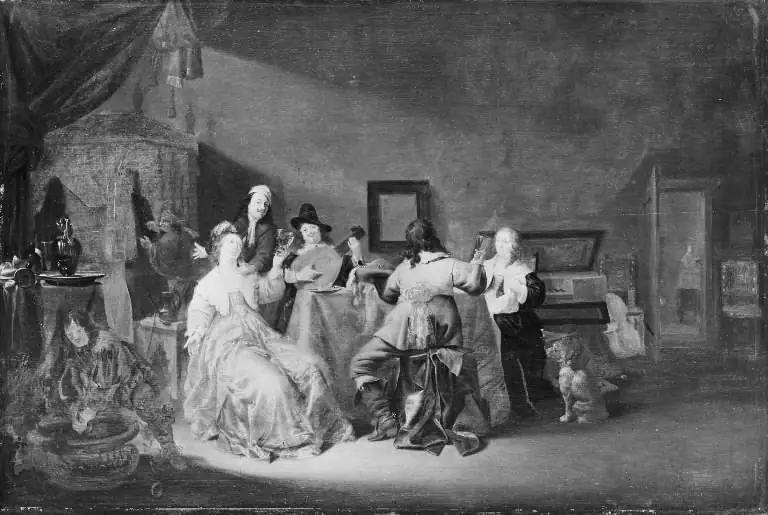
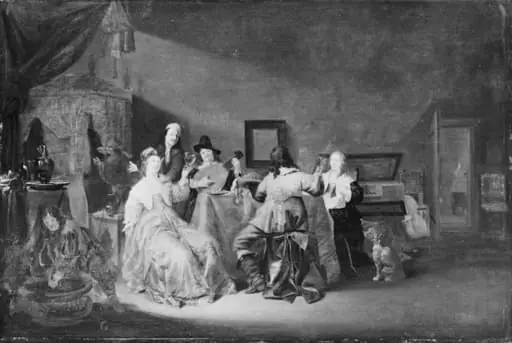
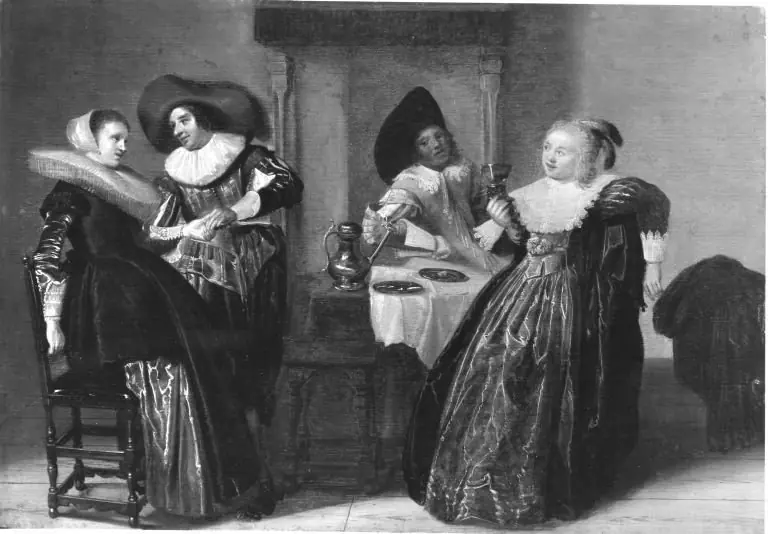
Card players is an unspecified painting by the Dutch Golden Age artist Unknown. It dates from 1617 and is held in the collection of the Bavarian State Painting Collections. This 17th-century painting depicts a quiet yet tense moment among players gathered around a card table.
About this work
Overview
The composition focuses on the interaction between participants, their postures and expressions suggesting concentration and subtle rivalry.
This 17th-century painting depicts a quiet yet tense moment among players gathered around a card table. The setting is sparse, with no decorative details to distract from the figures. The composition focuses on the interaction between participants, their postures and expressions suggesting concentration and subtle rivalry. The lighting, directed from the left, shapes the forms with strong contrasts, anchoring the scene in a tangible space.
Subject & Meaning
The scene captures a common social activity of the period—card playing among ordinary people. Rather than idealizing the figures, the artist presents them with unembellished realism. Their focused gestures and close proximity imply intimacy and competition, reflecting the quiet drama of everyday life. The absence of narrative clues leaves interpretation open, emphasizing the universality of the moment over any specific story.
Technique & Style
The artist employs chiaroscuro to model the figures with dramatic light and shadow, enhancing volume and spatial depth. The light falls sharply from the left, carving out faces and hands while leaving other areas in muted tone. Brushwork is restrained, favoring clarity over ornamentation. The arrangement of bodies creates a diagonal rhythm, guiding the eye across the table and between participants without overt motion.
History & Provenance
The painting’s early ownership is undocumented, but its style aligns with Dutch and Flemish genre works of the mid-1600s. It likely originated in a private collection, possibly in the Low Countries, where such scenes of domestic life were popular. No significant alterations or restorations are recorded, and its condition suggests careful preservation over centuries.
Context
During the 17th century, genre painting flourished in Northern Europe, reflecting a growing interest in secular, everyday subjects. Card games were frequent themes, symbolizing both leisure and moral caution. This work fits within a broader tradition that valued observation over grandeur, portraying ordinary people with dignity and psychological nuance, free from overt moralizing.
Legacy
The painting contributes to a visual record of 17th-century social habits, demonstrating how light and composition could convey psychological tension without narrative. Its restrained approach influenced later realist traditions, particularly in the depiction of quiet, interior moments. While not widely reproduced, it remains a studied example of chiaroscuro applied to genre subjects in early modern European art.
Artist & collection

 Domestic Scene
 Giacomo and Cardinal Marco, investing Andrea, Abbot of San Zeno, with his Benefice
 The Nymph of Fontainebleau
 Portrait of a Woman
 Madonna and Child with Saints in the Enclosed Garden
 Venus and Minerva
 Family Group of Four on Sofa
 Wall painting from Room H of the Villa of P. Fannius Synistor at Boscoreale