Artwork
Kalpa Sutra
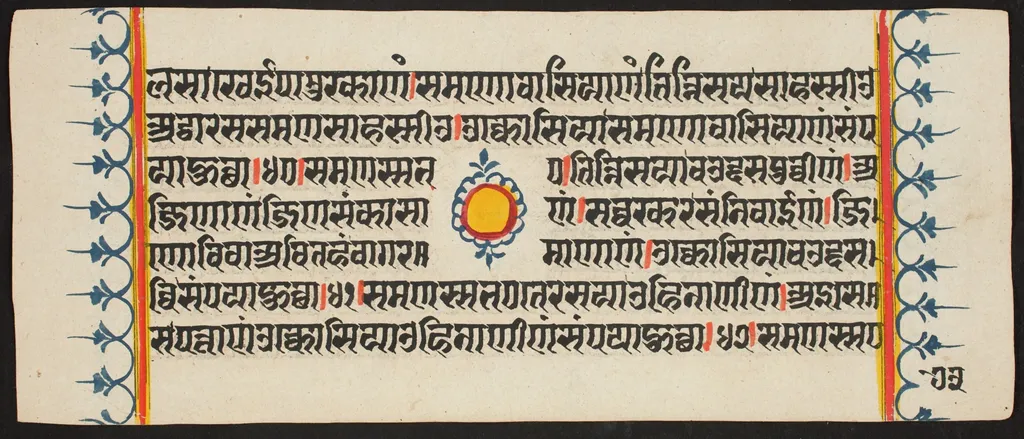
Kalpa Sutra is an unspecified painting by Unknown. It is held in the collection of the Detroit Institute of Arts.
About this work
Overview
The paintings serve as aids for meditation and recitation, reflecting the textual emphasis on the lives of Jain Tirthankaras.
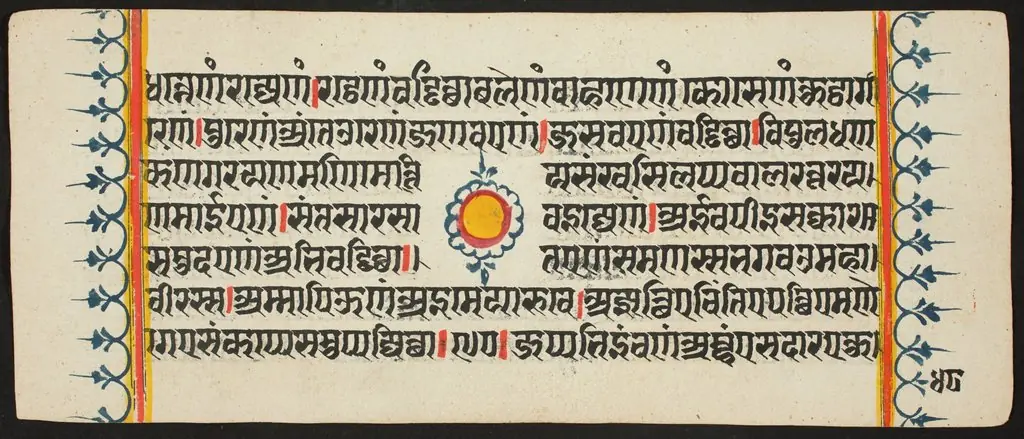
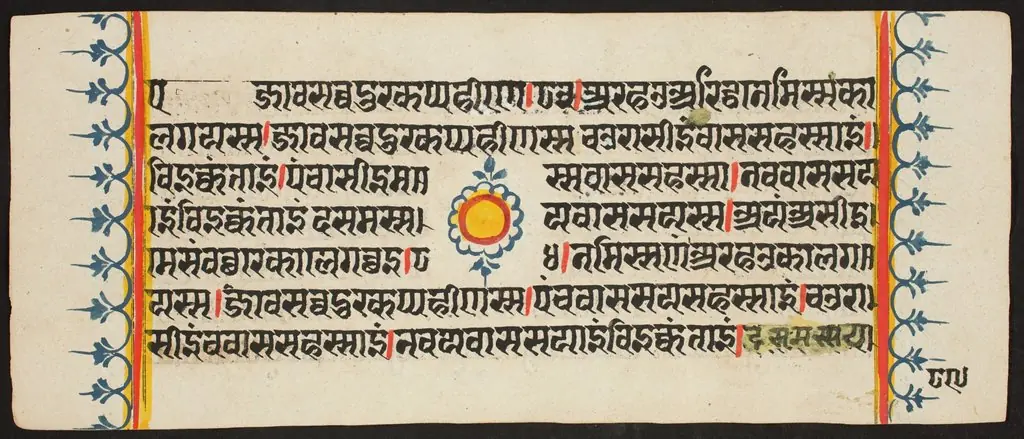
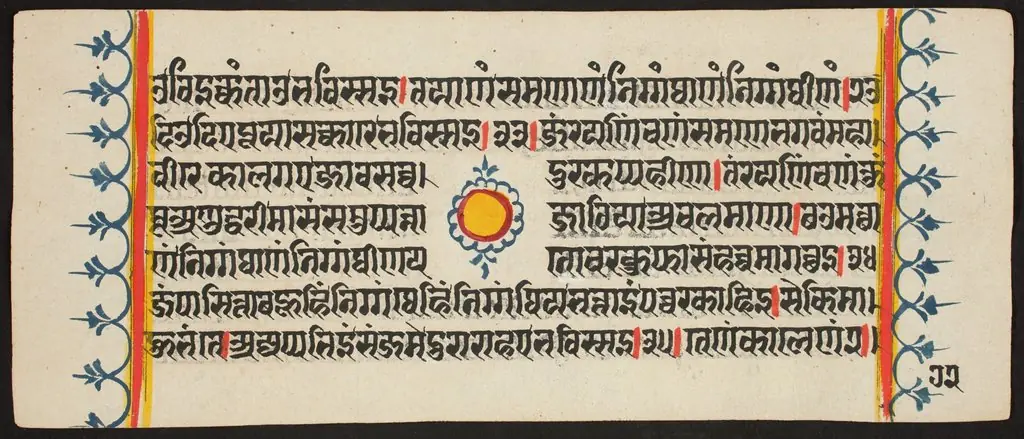
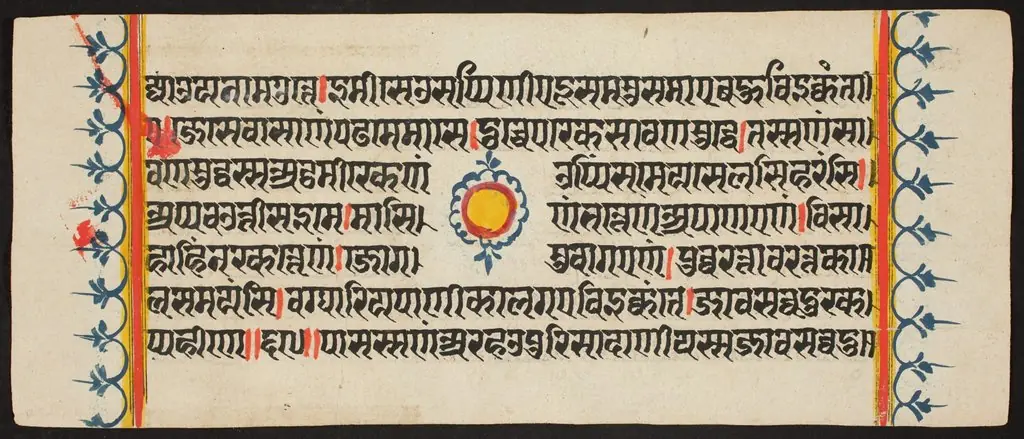
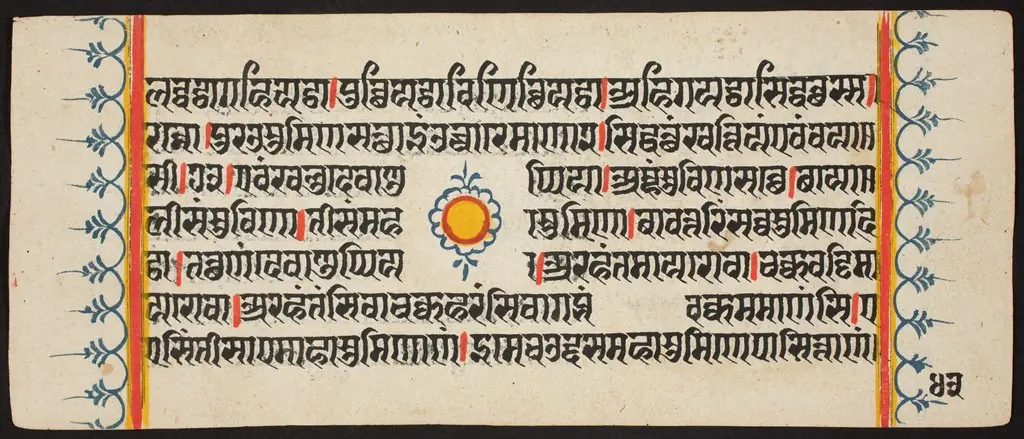
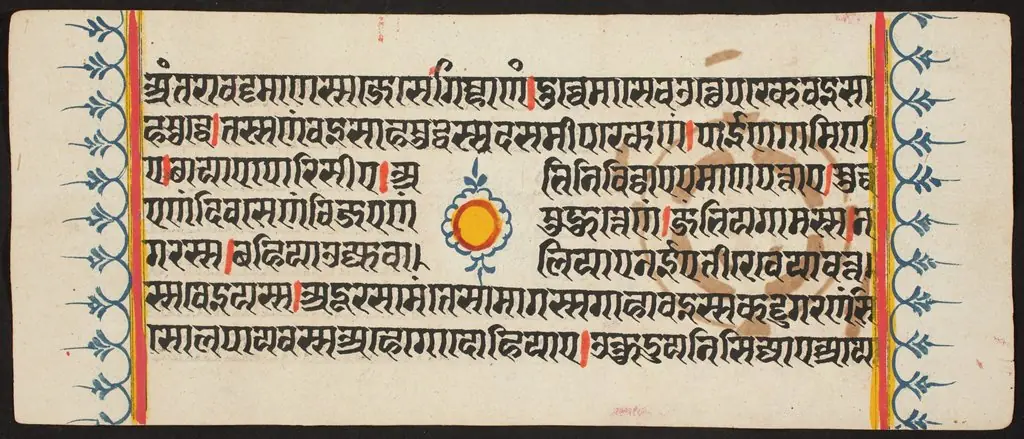
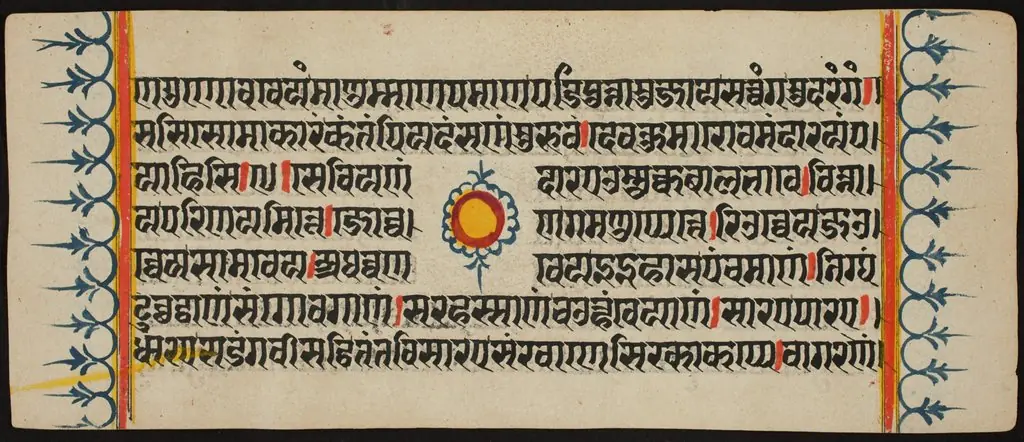
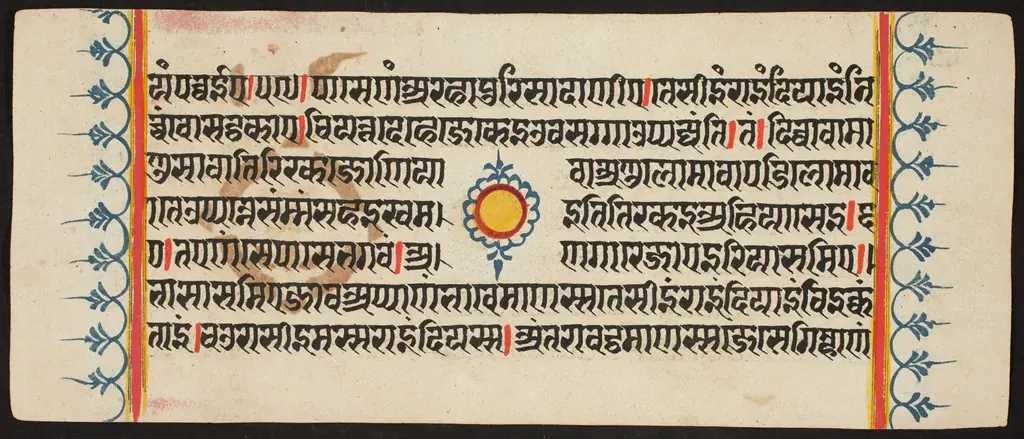
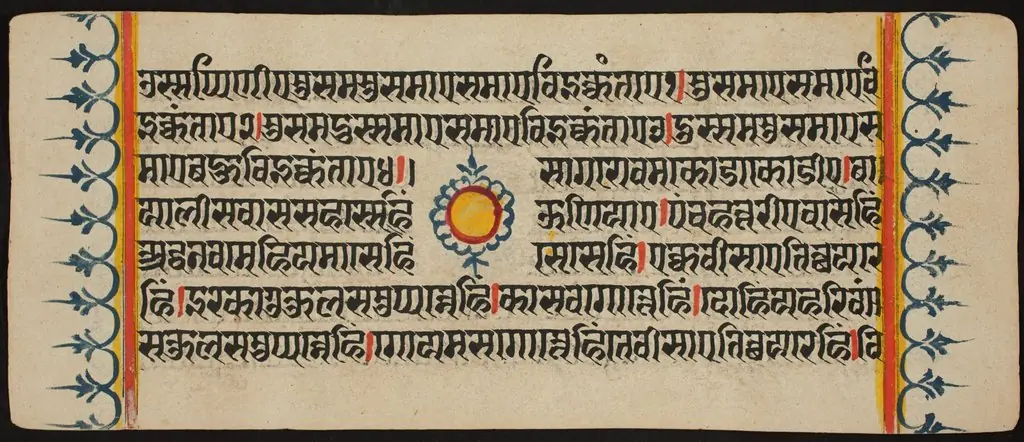
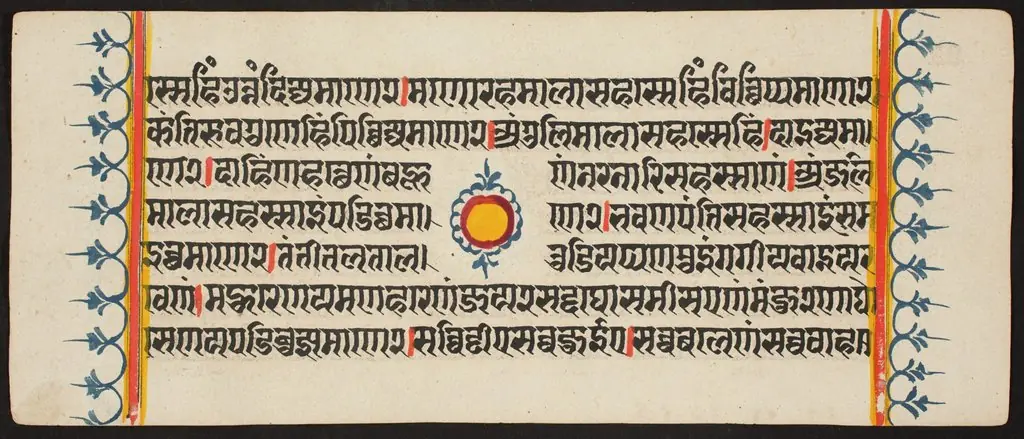
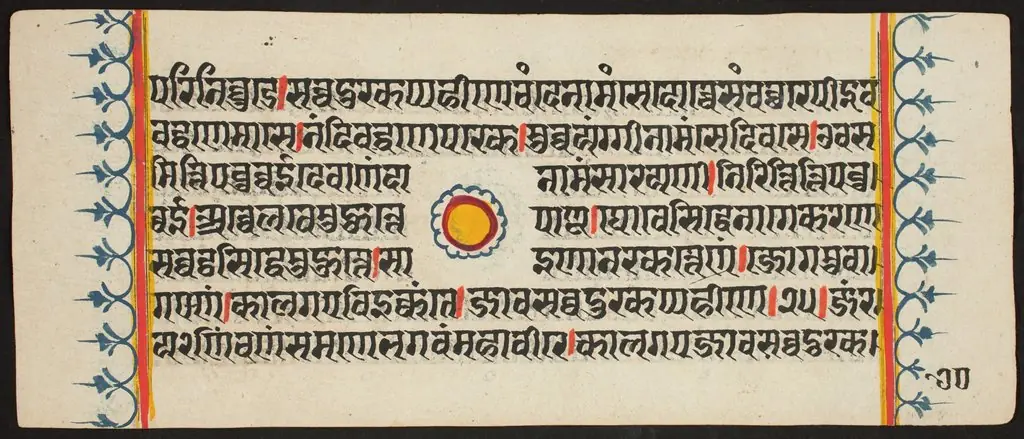
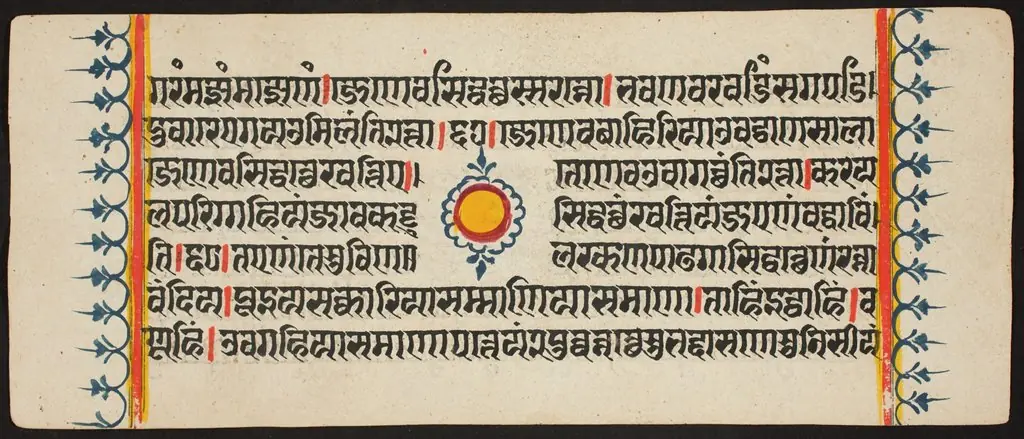
The Kalpa Sutra is a Jain religious text illustrated in a distinctive manuscript painting tradition from western India, likely produced between the 14th and 15th centuries. These works were created for ritual use in monastic communities, combining sacred narrative with meticulous visual detail. The paintings serve as aids for meditation and recitation, reflecting the textual emphasis on the lives of Jain Tirthankaras.
Subject & Meaning
The illustrations depict episodes from the lives of the 24 Tirthankaras, particularly Parshvanatha and Mahavira, emphasizing their renunciation, enlightenment, and spiritual authority. Scenes often show ascetic practices, sermons, and celestial events, reinforcing core Jain values such as nonviolence, detachment, and the pursuit of liberation. Each image functions as a visual sermon, guiding contemplation on ethical and metaphysical principles.
Technique & Style
Painted in tempera on palm leaves or paper, the works feature flat planes of mineral pigments, bold outlines, and stylized figures with elongated eyes and slender forms. Backgrounds are typically unmodeled, with decorative borders and intricate patterns framing the narrative. The composition avoids perspective, prioritizing symbolic clarity over naturalism, aligning with Jain aesthetic principles that favor spiritual representation over worldly illusion.
History & Provenance
Manuscripts of the Kalpa Sutra were commissioned by wealthy Jain patrons and produced in workshops centered in Gujarat and Rajasthan. Many were preserved in temple libraries and monastic collections, passed down through generations. Surviving examples are now held in museums and private collections, with some dating to the 15th century, reflecting the enduring importance of the text in Jain devotional life.
Context
These paintings emerged during a period of flourishing Jain artistic production in western India, alongside architectural and literary achievements. They reflect a broader cultural environment where religious texts were visually encoded to aid learning and devotion. The style shares affinities with other regional Indian traditions but maintains unique Jain iconographic conventions, distinguishing it from Hindu or Buddhist manuscript art.
Legacy
Kalpa Sutra paintings continue to inform contemporary Jain artistic practices and scholarly study of Indian manuscript culture. Their preservation has enabled deeper understanding of medieval Jain theology and visual pedagogy. While no longer used liturgically in most communities, they remain vital historical artifacts, offering insight into the integration of text, image, and spiritual discipline in pre-modern South Asia.
Artist & collection

 Domestic Scene
 Giacomo and Cardinal Marco, investing Andrea, Abbot of San Zeno, with his Benefice
 The Nymph of Fontainebleau
 Portrait of a Woman
 Madonna and Child with Saints in the Enclosed Garden
 Venus and Minerva
 Family Group of Four on Sofa
 Wall painting from Room H of the Villa of P. Fannius Synistor at Boscoreale