Artwork
Portrait of the Daughter(?) of Emilius Nicolai Scherr
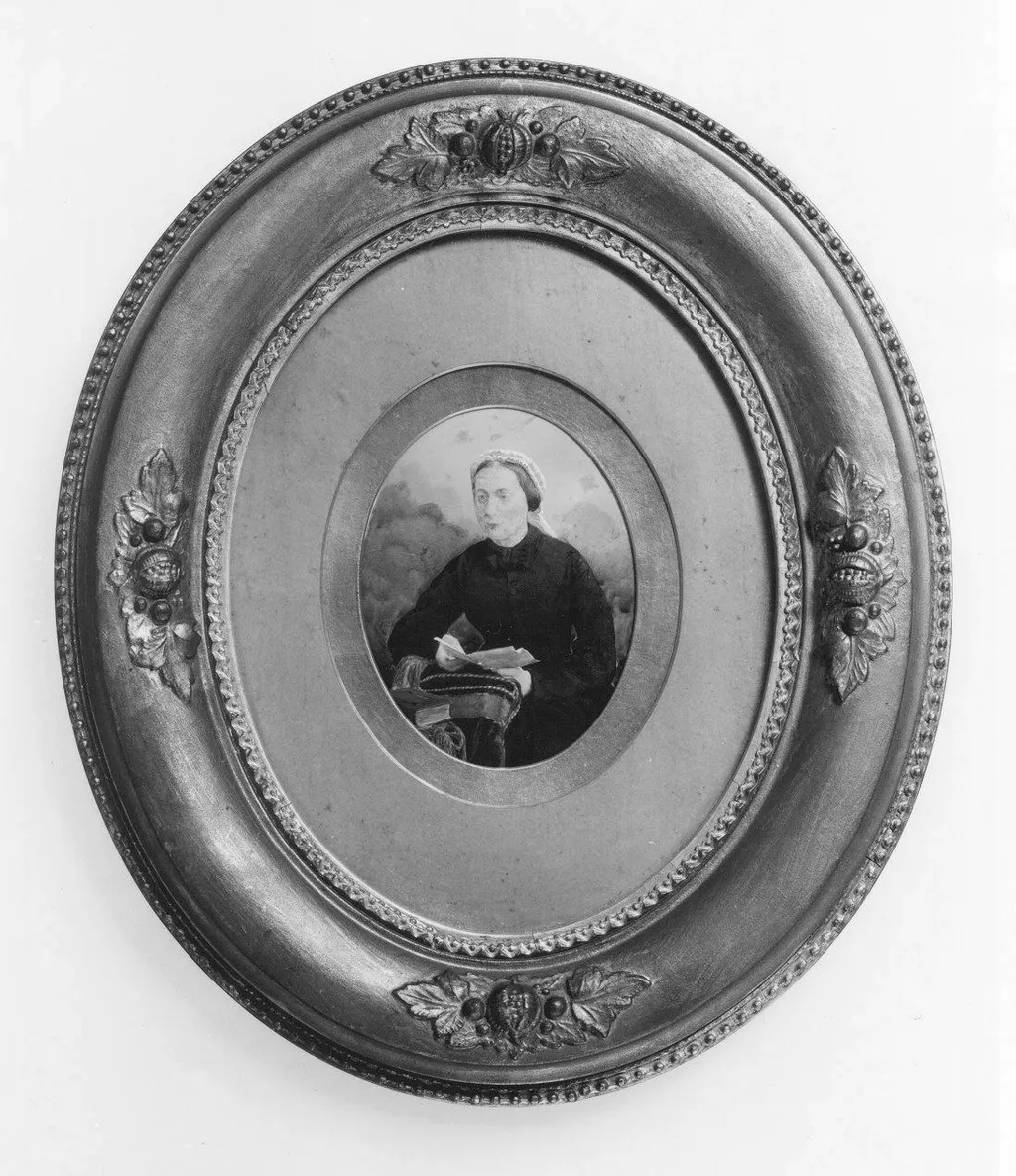
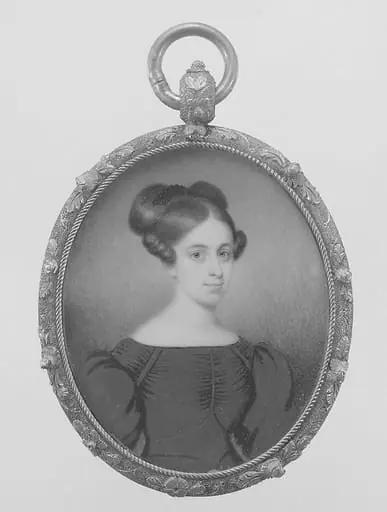
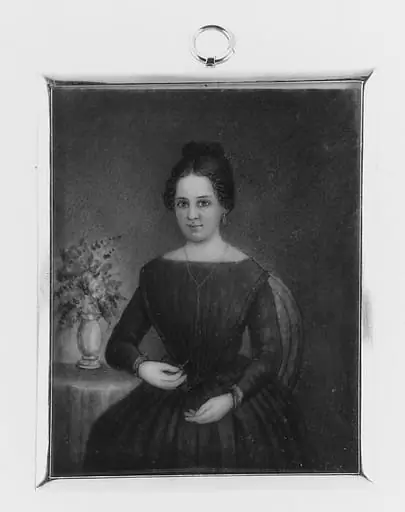
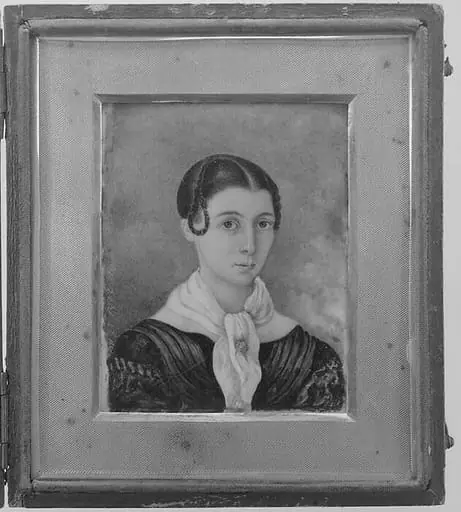
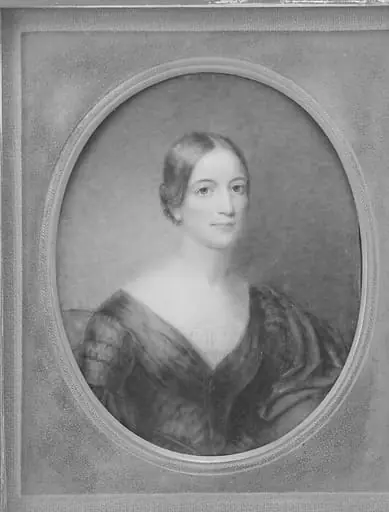
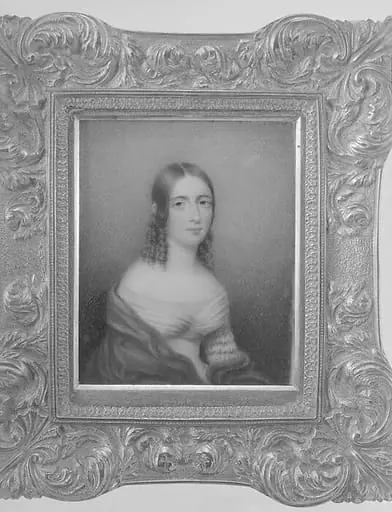
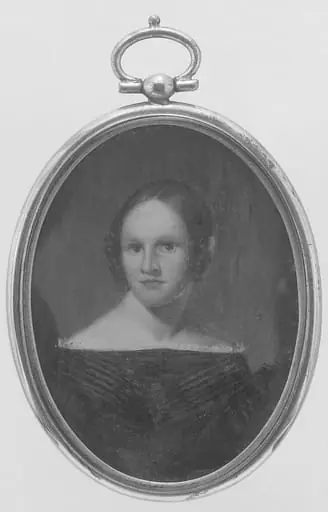
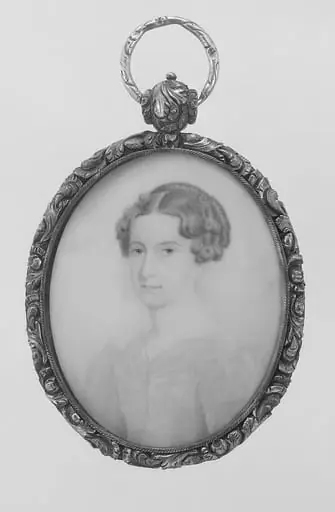
Portrait of the Daughter(?) of Emilius Nicolai Scherr is a watercolor painting. It dates from 1863 and is held in the collection of the Metropolitan Museum of Art. This miniature portrait, painted in 1863, depicts a woman, possibly the daughter of Emilius Nicolai Scherr.
About this work
The use of dark colors for the subject's clothing contrasts with the lighter background, drawing attention to the subject's features.
This miniature painting, created in 1863, is a portrait of a woman. The subject is depicted in a dark dress, with a book in her lap and a pencil in her hand. She is set against a light-colored background.
The painting's focus on the subject's face and hands creates a sense of intimacy. The use of dark colors for the subject's clothing contrasts with the lighter background, drawing attention to the subject's features.
The artist's use of chiaroscuro, a technique that uses strong contrasts between light and dark, adds depth to the painting. To learn more about this technique, look up chiaroscuro.
Overview
This miniature portrait, painted in 1863, depicts a woman, possibly the daughter of Emilius Nicolai Scherr. The subject is shown wearing a dark dress, holding a book on her lap and a pencil in her hand, positioned against a light background. The small scale of the work, combined with its focused composition, creates a sense of personal engagement with the sitter.
Subject & Meaning
The sitter, whose identity is tentatively linked to Emilius Nicolai Scherr's family, is presented with a book resting on her lap and a pencil in her hand, suggesting an intellectual or contemplative disposition. The artist emphasizes her face and hands, drawing the viewer's attention to these expressive elements and fostering an intimate connection with the subject.
Technique & Style
The artist employs a strong contrast between the dark tones of the woman's attire and the bright background, which effectively highlights her facial features and hands. This deliberate use of light and shadow, known as chiaroscuro, lends significant depth to the miniature and sculpts the figure, enhancing its three-dimensional quality within the confined space.
Artist & collection