Artwork
Page from Tales of a Parrot (Tuti-nama): text page
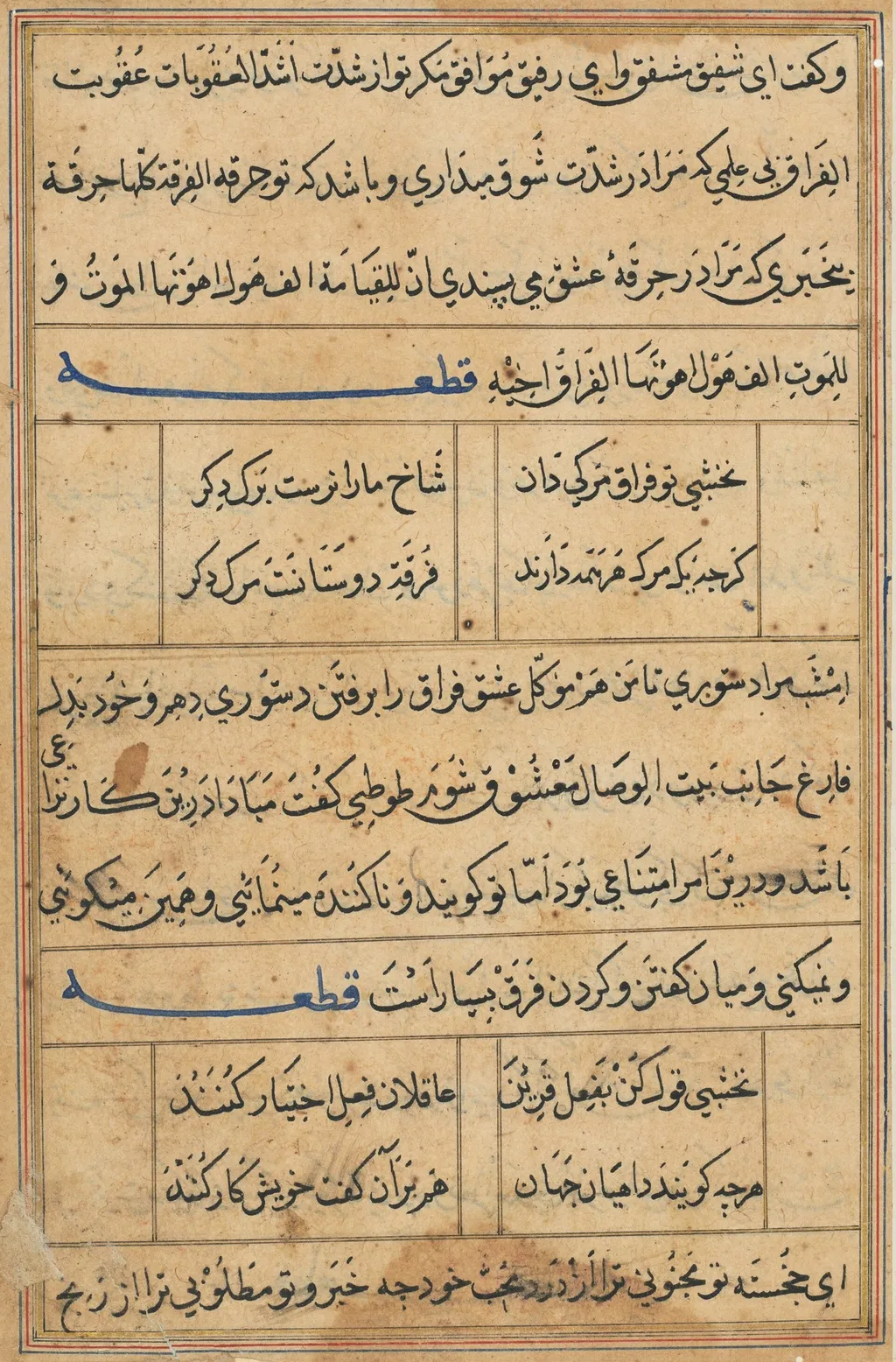
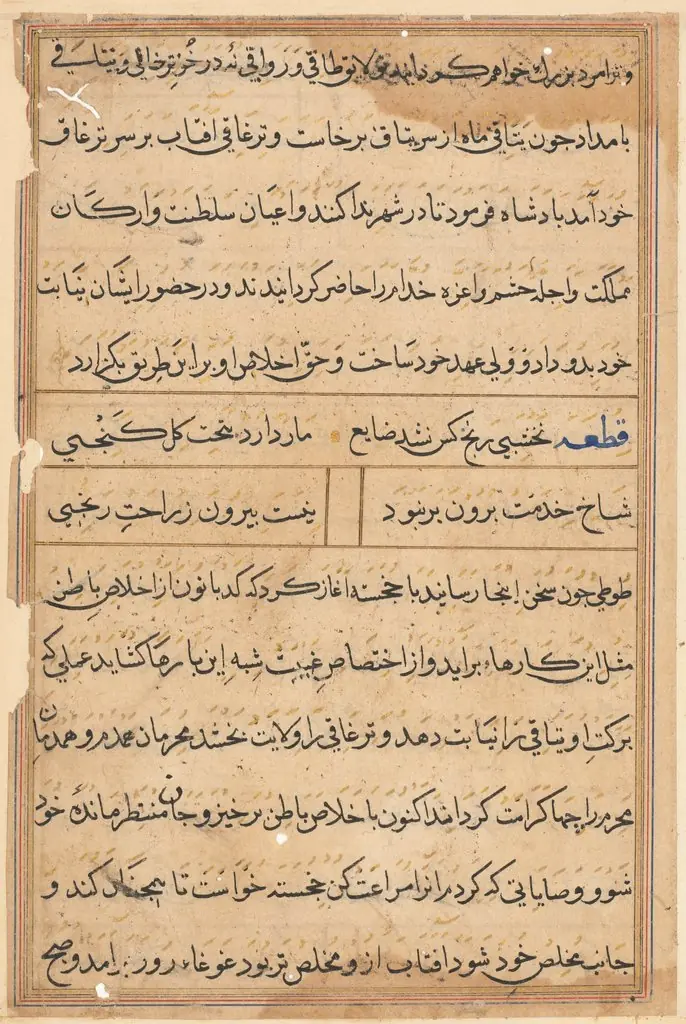
Page from Tales of a Parrot (Tuti-nama): text page is an unspecified painting. It dates from 1560 and is held in the collection of the Cleveland Museum of Art. This illuminated page belongs to the Persian manuscript *Tuti‑nama* (Tales of a Parrot).
About this work
Overview
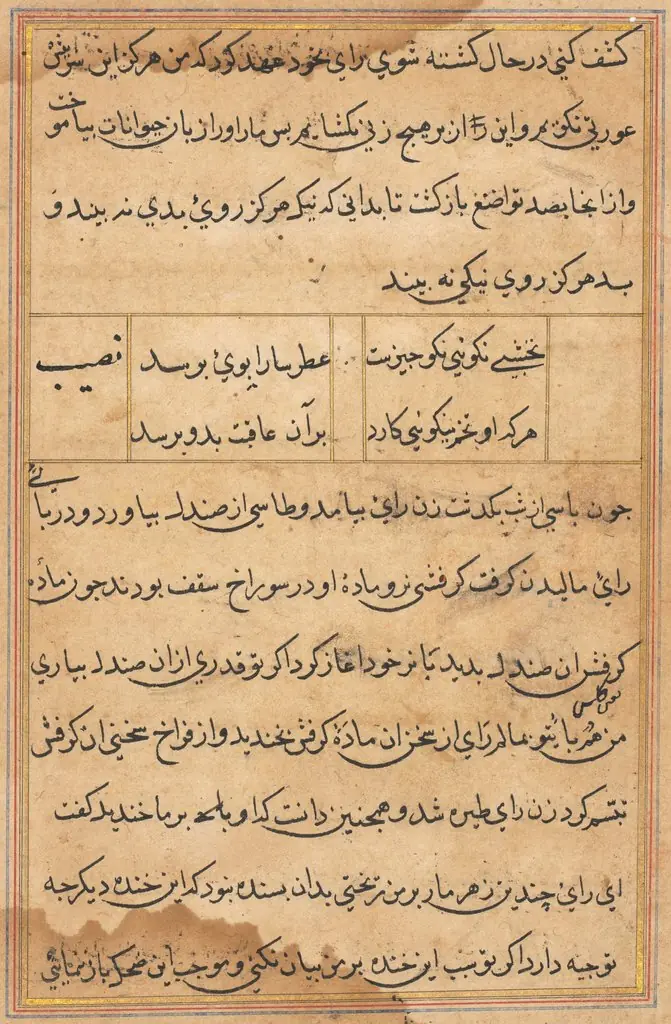
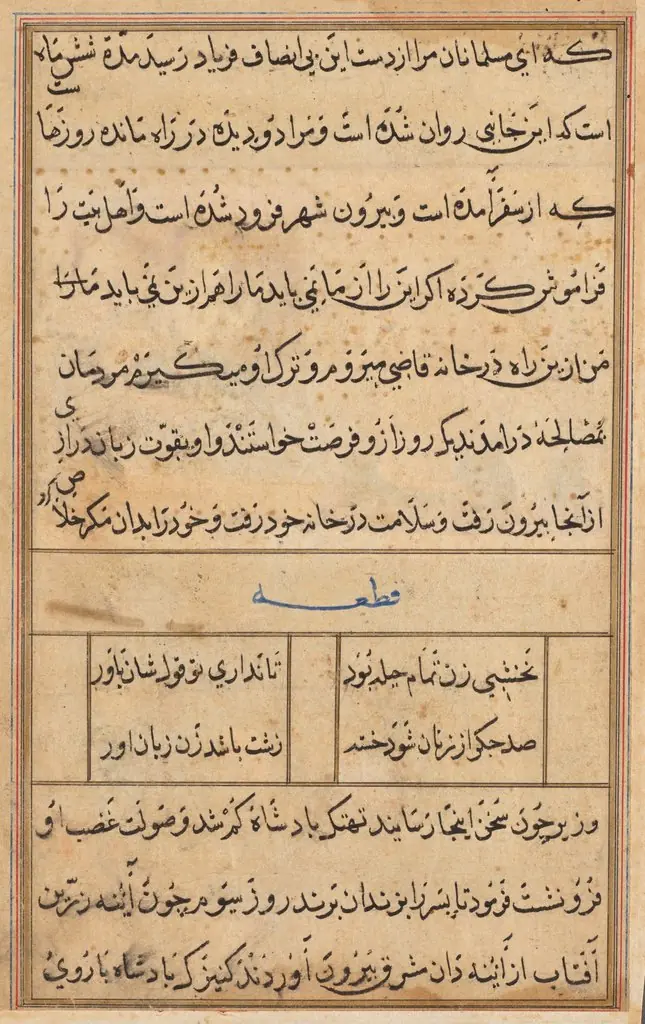
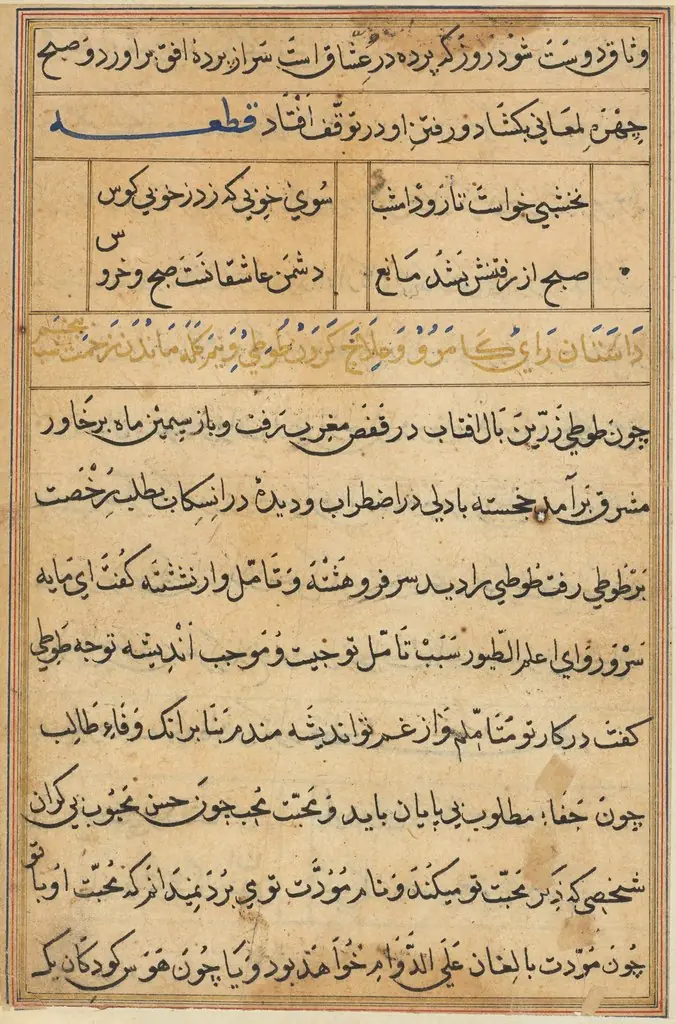
This illuminated page belongs to the Persian manuscript *Tuti‑nama* (Tales of a Parrot). Executed as a painted text sheet, it features black ink calligraphy on a light brown ground, organized in orderly rows. Thin blue lines accentuate certain lines, while the script itself is fluid and meticulously rendered, occupying the entire surface.
Subject & Meaning
The manuscript narrates a series of moral anecdotes conveyed by a parrot, a popular literary genre in Safavid Iran. Commissioned for Prince Salim, the work reflects the courtly practice of using allegorical animal tales to impart ethical instruction and entertain aristocratic audiences.
Technique & Style
The page combines ink drawing with subtle watercolor washes. The black ink provides the primary text, while the delicate blue rulings serve as decorative guides. The calligraphic hand follows a refined Persian script, characterized by graceful strokes and consistent spacing, indicative of professional scribes of the period.
History & Provenance
Created in the early 17th century for the Safavid prince Salim, the page later entered various collections before being acquired by the Cleveland Museum of Art. The museum’s holdings include several other folios from the same *Tuti‑nama*, allowing comparative study of the manuscript’s production.
Context
During the Safavid era, illuminated manuscripts were luxury objects that demonstrated patronage, literacy, and artistic skill. The *Tuti‑nama* aligns with a broader tradition of illustrated moral literature, often produced for elite patrons who valued both aesthetic beauty and didactic content.
Legacy
Surviving pages such as this provide insight into Persian book arts, courtly culture, and the transmission of ethical narratives. Their preservation in institutions like the Cleveland Museum of Art supports ongoing scholarship on Safavid calligraphy and manuscript illumination.
Artist & collection

 Page from Tales of a Parrot (Tuti-nama): text page
 Page from Tales of a Parrot (Tuti-nama): text page
 Page from Tales of a Parrot (Tuti-nama): text page
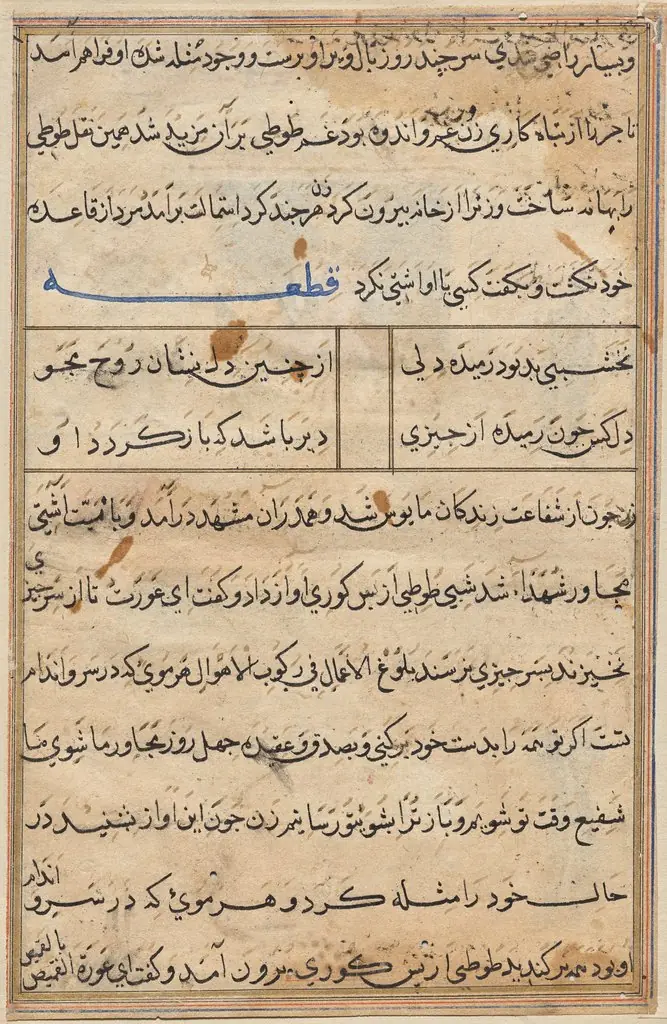 Page from Tales of a Parrot (Tuti-nama): text page
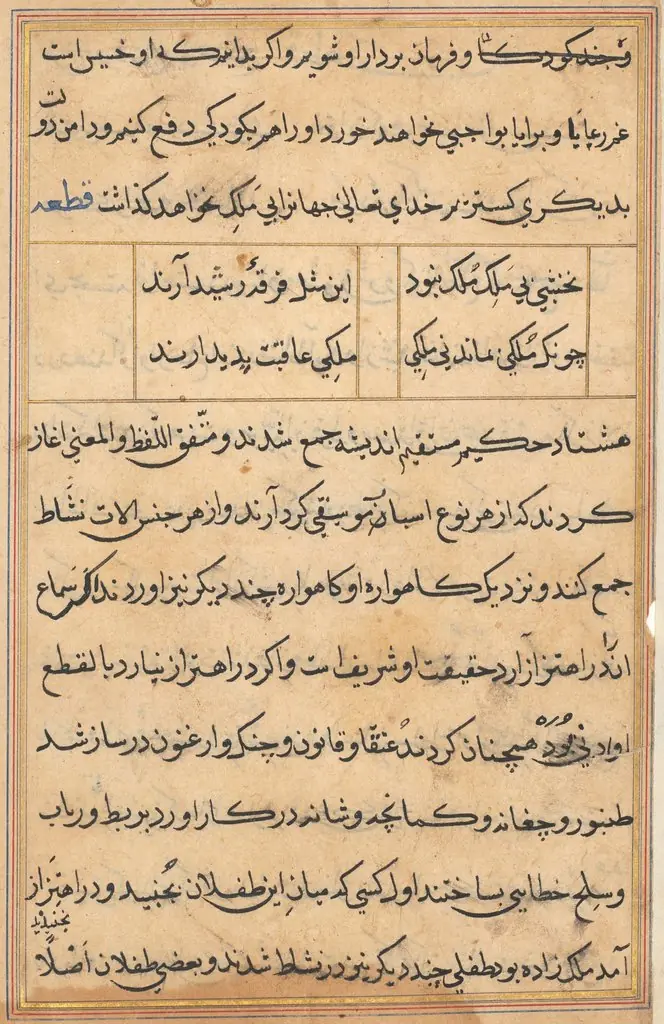 Page from Tales of a Parrot (Tuti-nama): text page
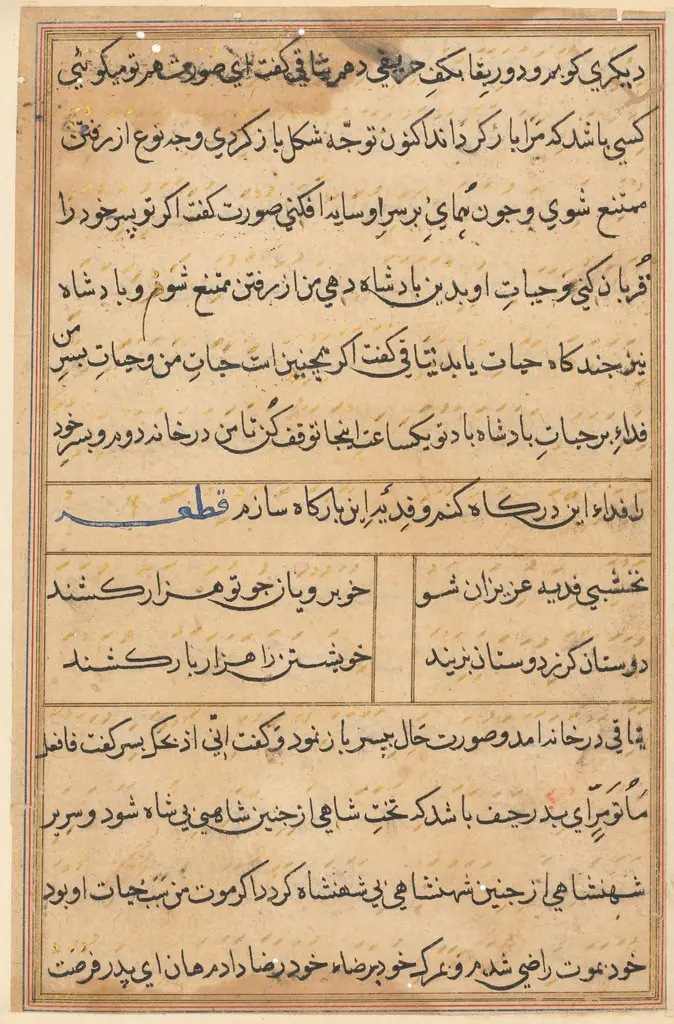 Page from Tales of a Parrot (Tuti-nama): text page
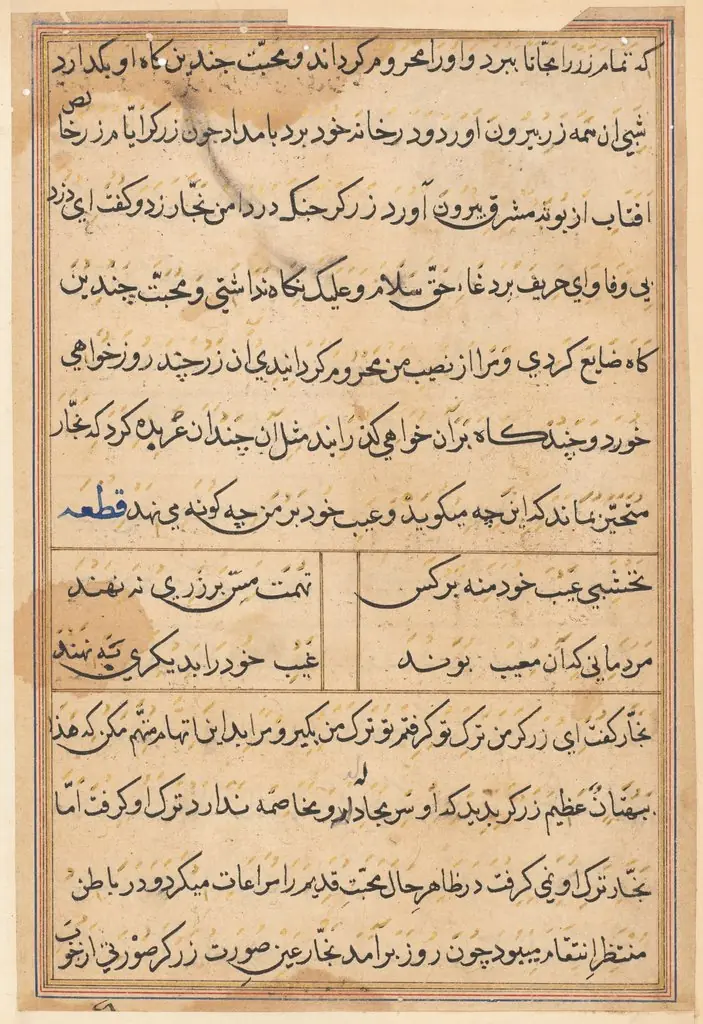 Page from Tales of a Parrot (Tuti-nama): text page
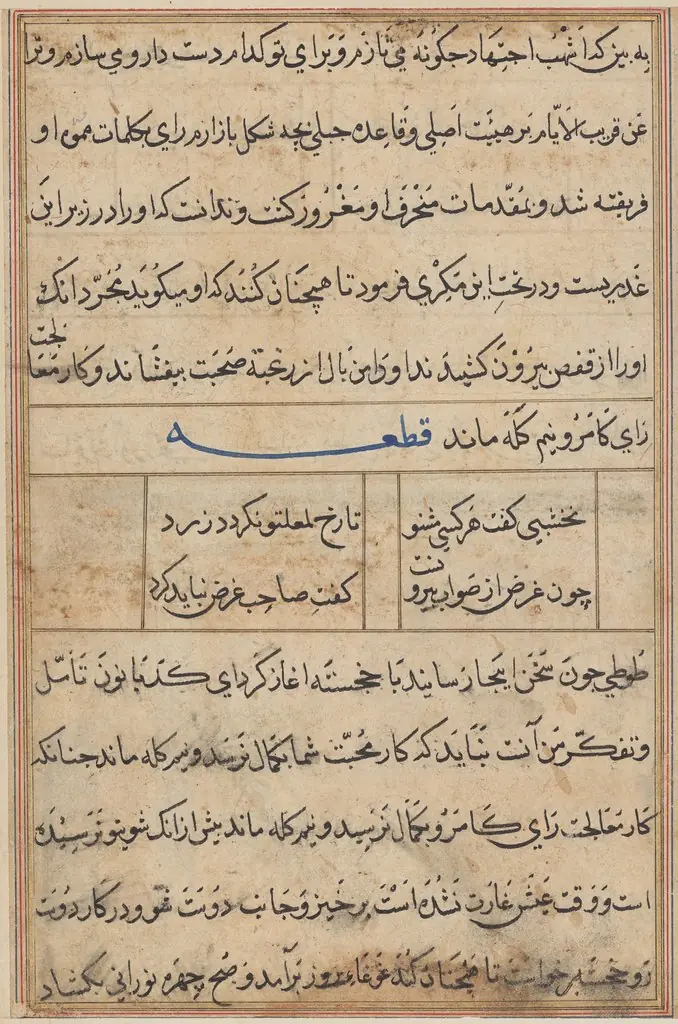 Page from Tales of a Parrot (Tuti-nama): text page
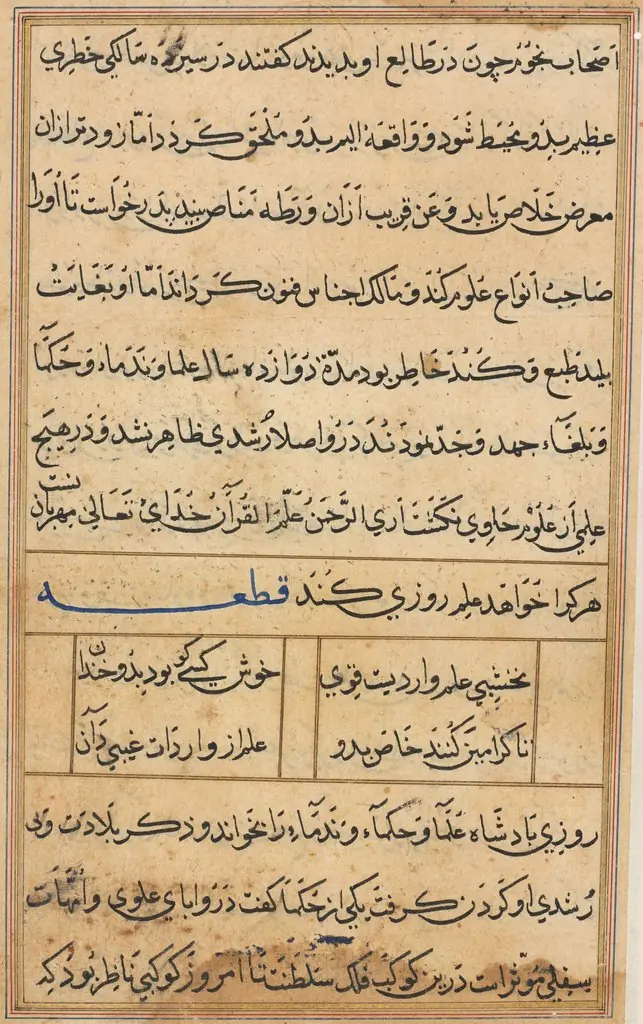 Page from Tales of a Parrot (Tuti-nama): text page
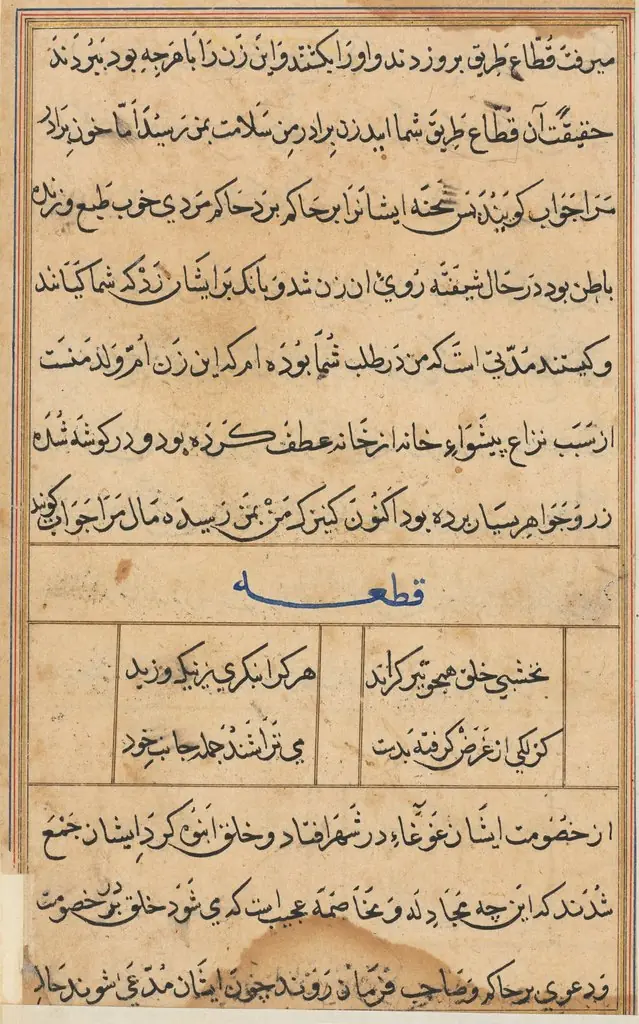 Page from Tales of a Parrot (Tuti-nama): text page
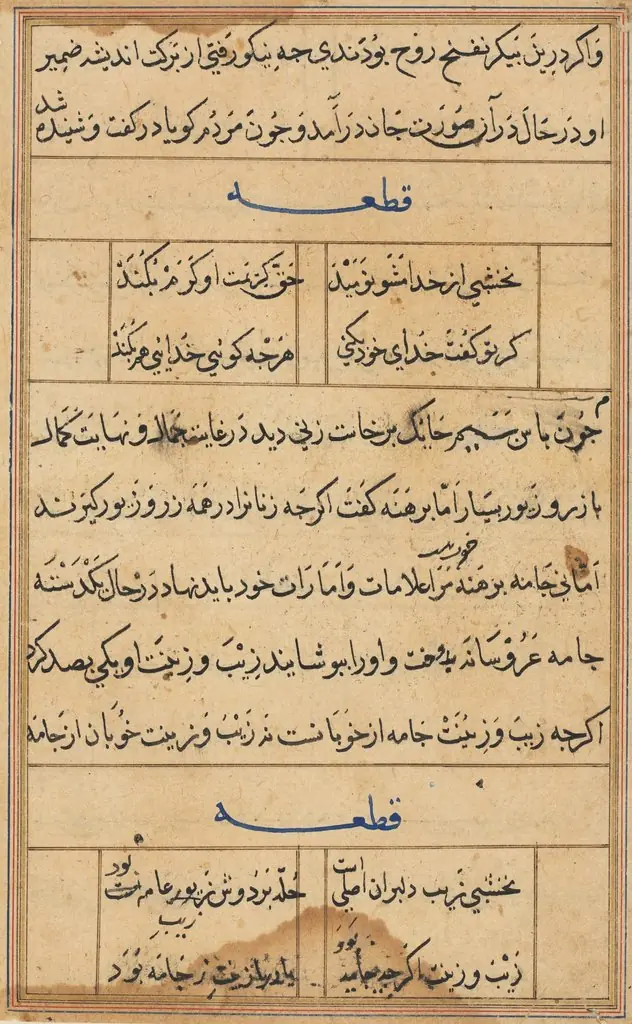 Page from Tales of a Parrot (Tuti-nama): text page
 Page from Tales of a Parrot (Tuti-nama): text page