Artwork
Portrait of Luka A. Denisyev (1762-1846)
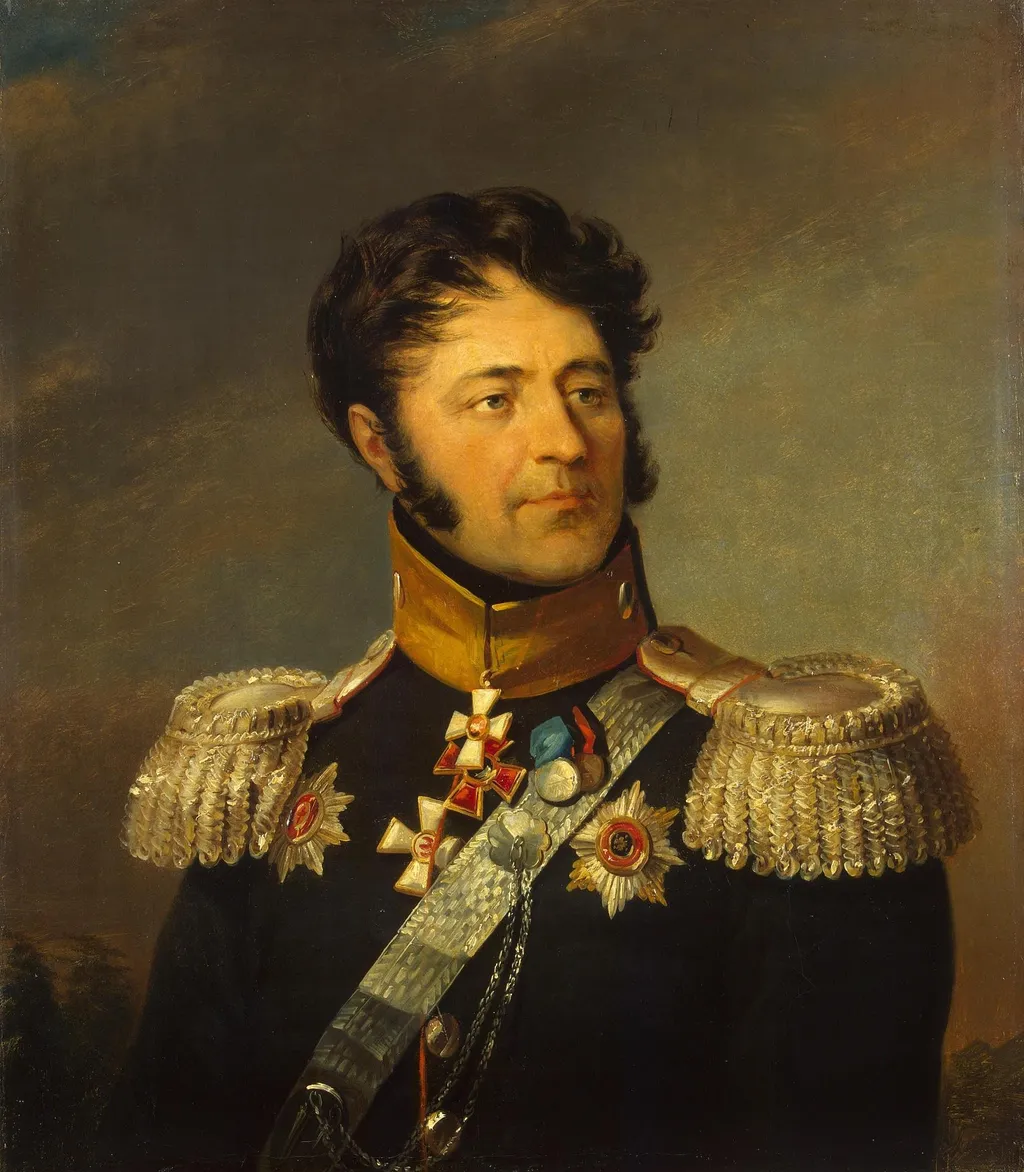
Portrait of Luka A. Denisyev (1762-1846) is an oil painting by the Realist artist Unknown. It dates from 1823 and is held in the collection of the Hermitage Museum. This oil painting depicts an unidentified male figure in formal military attire, executed in a restrained yet precise manner.
About this work
Overview
This oil painting depicts an unidentified male figure in formal military attire, executed in a restrained yet precise manner. The sitter’s dark uniform, adorned with gold buttons and insignia, dominates the composition, while a muted background ensures the viewer’s attention remains on the subject’s expression and regalia.
Subject & Meaning
The portrait presents Luka A. Denisyev, a man whose distinguished uniform and decorations—including a prominent red cross and sword—indicate a position of authority, likely within military or state service. The insignia and medals suggest recognition for service or rank, reinforcing the image of a figure of consequence during the late 18th or early 19th century.
Technique & Style
The artist employs a controlled, realistic approach, emphasizing the texture of fabrics and the reflective surfaces of medals and buttons. The dark, neutral background contrasts sharply with the luminous details of the uniform, a technique characteristic of portraiture intended to convey status. Subtle chiaroscuro enhances the three-dimensionality of the figure’s features and attire.
History & Provenance
Created in 1762, the portrait has been associated with the State Hermitage Museum, where it forms part of a collection documenting figures of historical significance. Its origins and early ownership remain undocumented, though its preservation suggests it was commissioned by or for an individual of standing within imperial or aristocratic circles.
Context
Painted during a period of extensive military and administrative expansion in the Russian Empire, the work reflects the conventions of portraiture used to affirm social hierarchy. The sitter’s attire aligns with the uniforms of high-ranking officials or officers, a visual language understood by contemporary viewers as denoting power and service to the state.
Legacy
The portrait endures as a record of elite portraiture practices in late 18th-century Russia, offering insight into the visual culture of rank and honor. While the sitter’s specific contributions remain unelaborated, the painting contributes to broader historical narratives about representation and authority in imperial society.
Artist & collection

 Domestic Scene
 Giacomo and Cardinal Marco, investing Andrea, Abbot of San Zeno, with his Benefice
 The Nymph of Fontainebleau
 Portrait of a Woman
 Madonna and Child with Saints in the Enclosed Garden
 Venus and Minerva
 Family Group of Four on Sofa
 Wall painting from Room H of the Villa of P. Fannius Synistor at Boscoreale
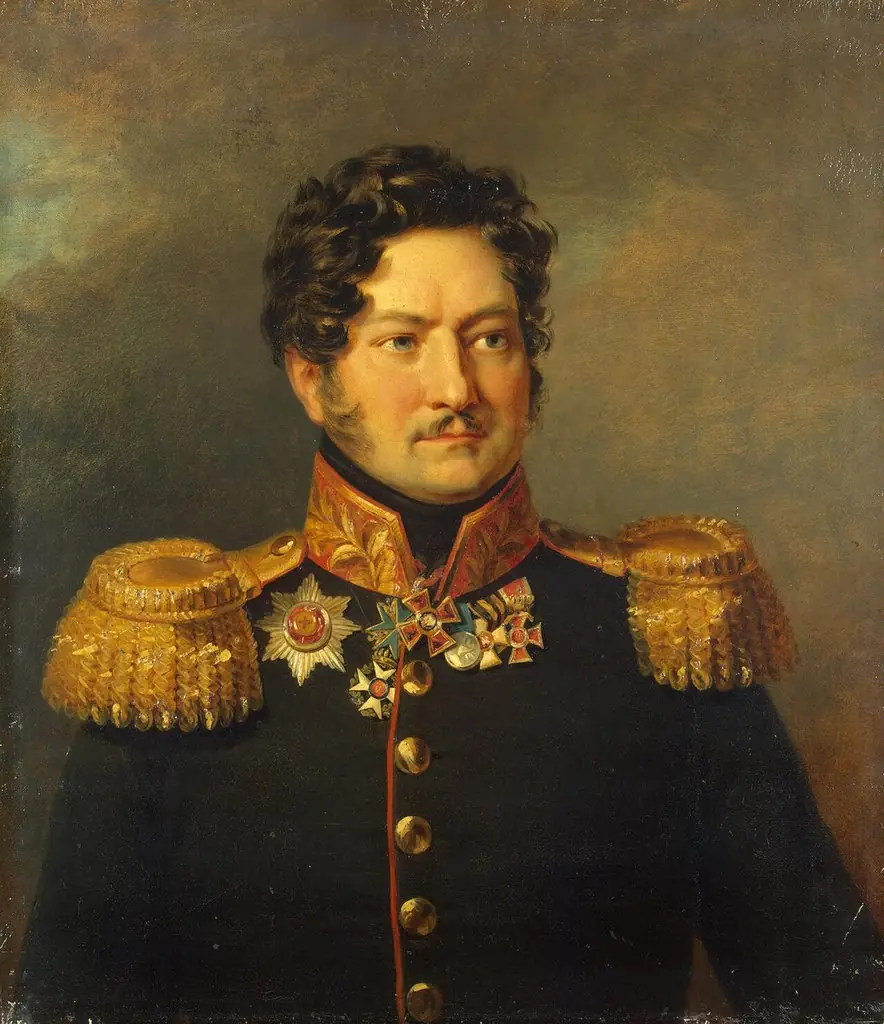 Portrait of Dmitry L. Ignatyev (1771-1833)
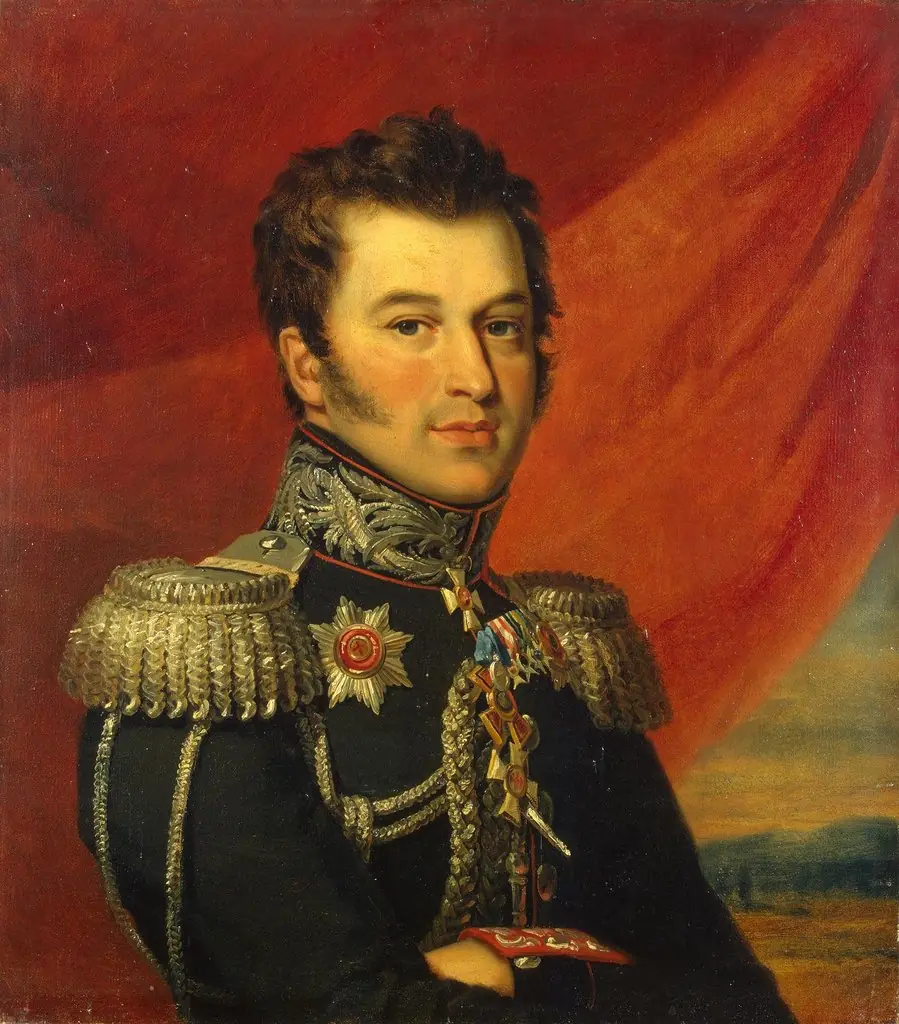 Portrait of Paisy S. Kaisarov (1783-1844)
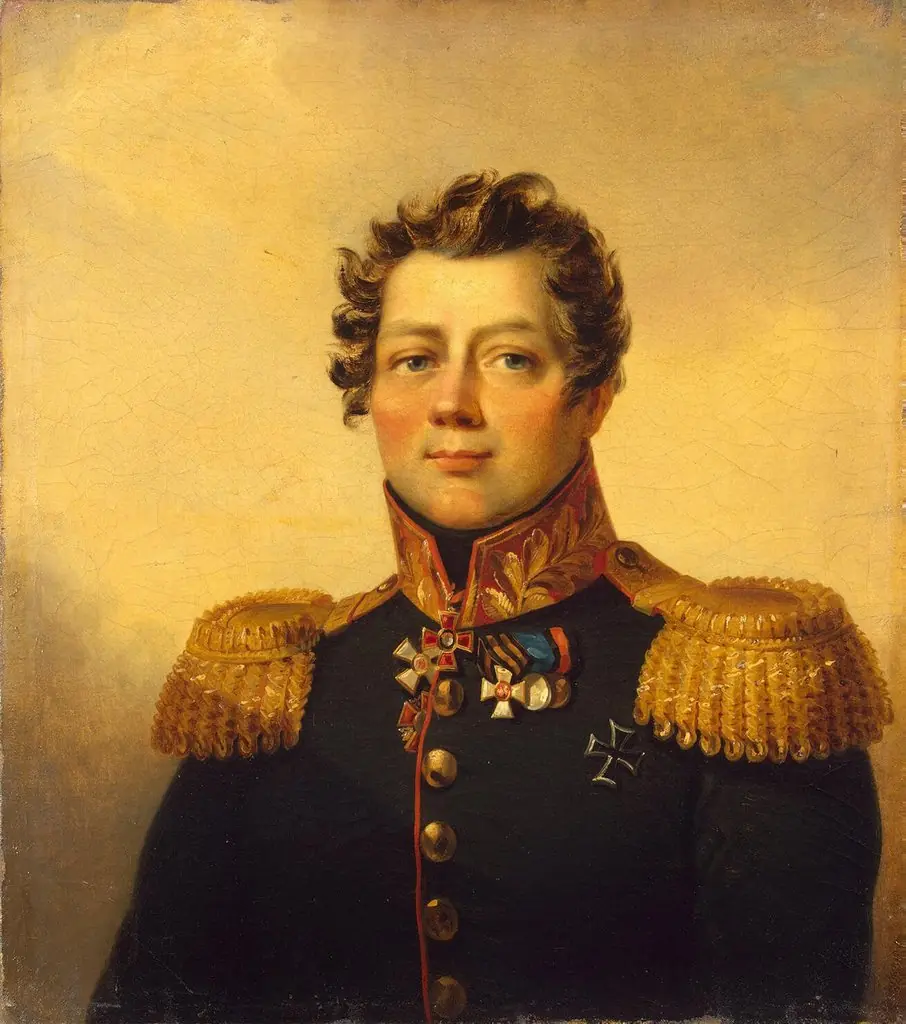 Portrait of Alexey A. Protasov (1780-1833)
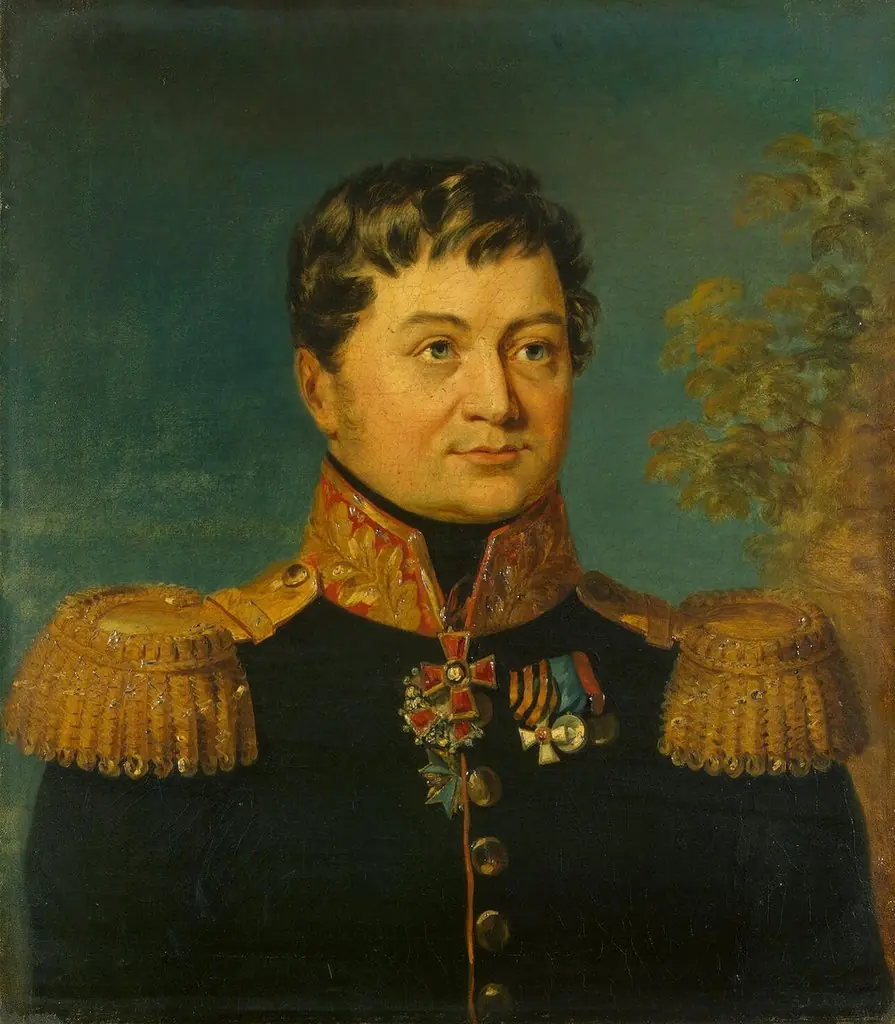 Portrait of Andrey P. Turchaninov (1779 -1830) (2nd)
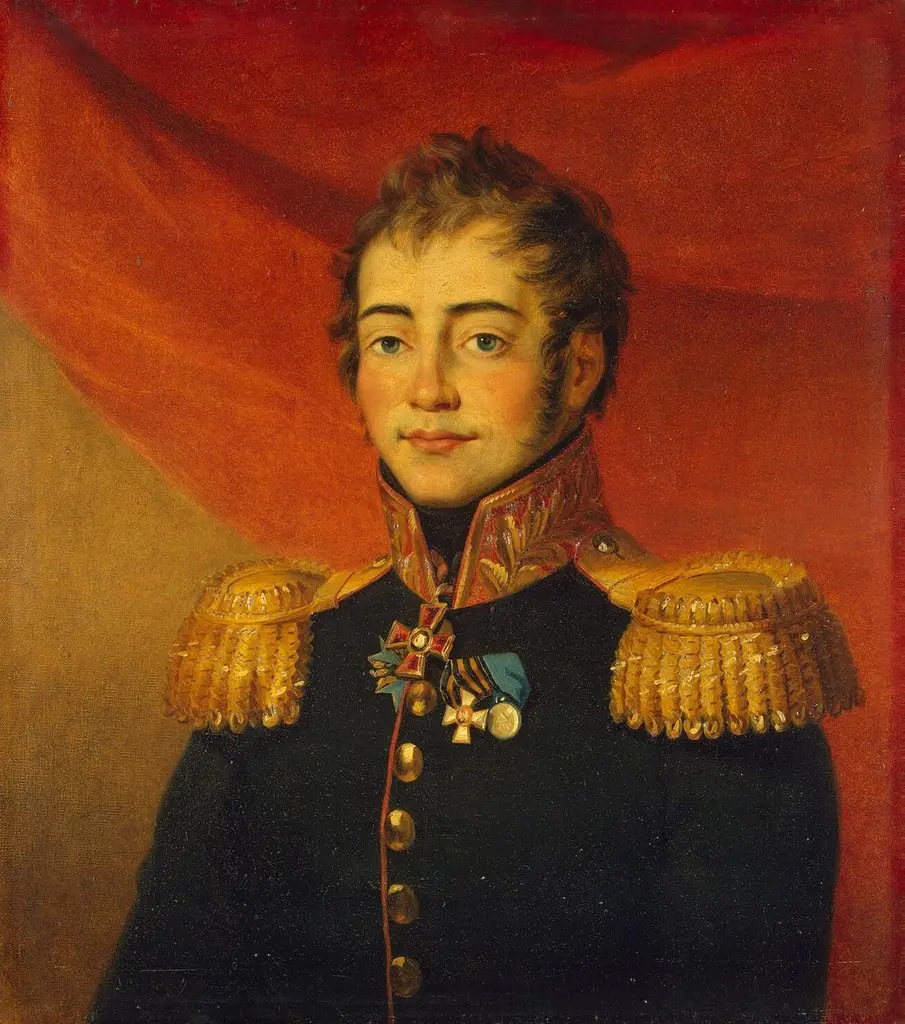 Portrait of Dmitry P. Lyapunov (1775-1821)
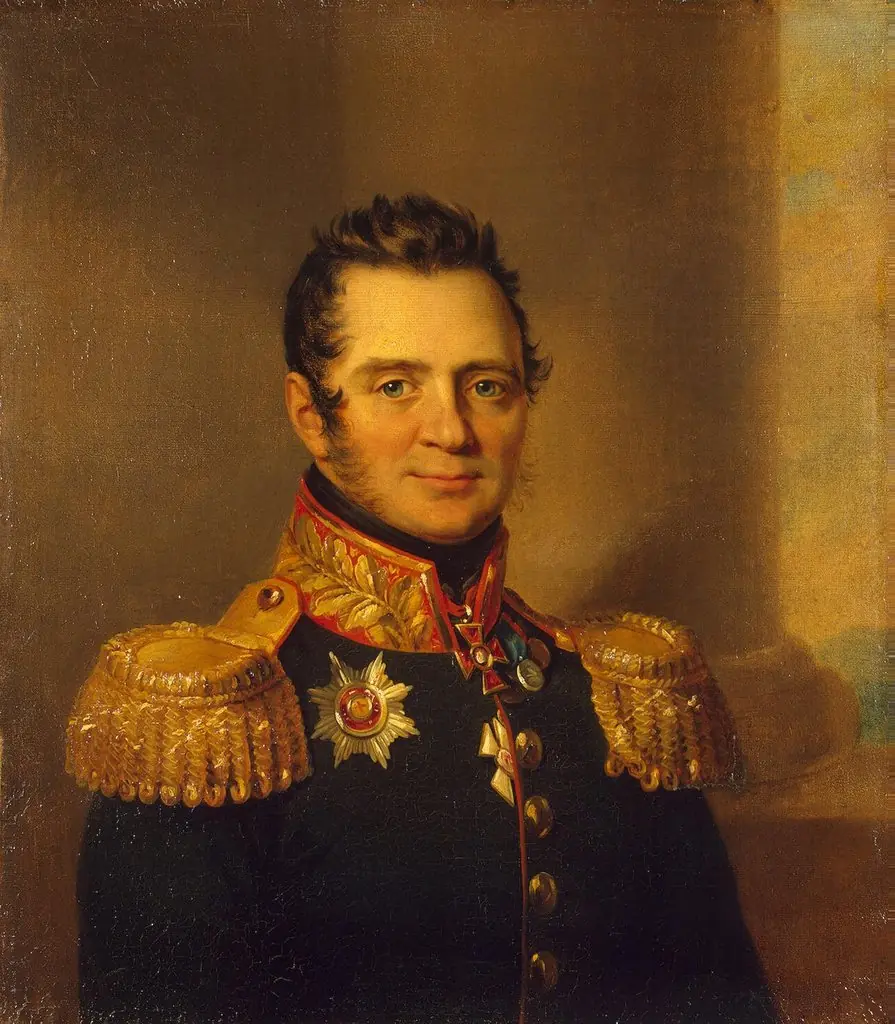 Portrait of Alexander P. Urusov (1768-1835)
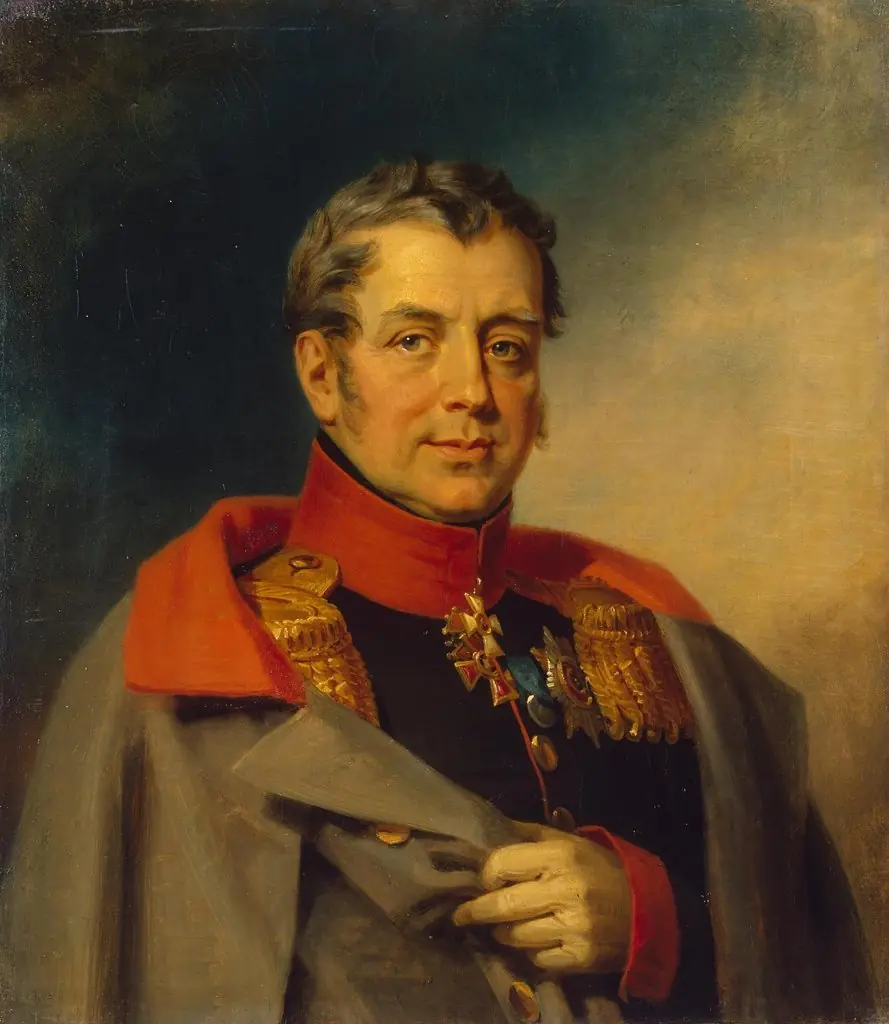 Portrait of Mikhail D. Balk (1764-1818)